Deals
VEVOR Drill Bits Sharpener MR-13A, 3-15mm Drill Bit Grinder Sharpener with 95°-135° Adjustable Point Angle, 4600RPM High Speed Re-Sharpening Machine with 13 Collets & CBN Wheel for Workshops Garages

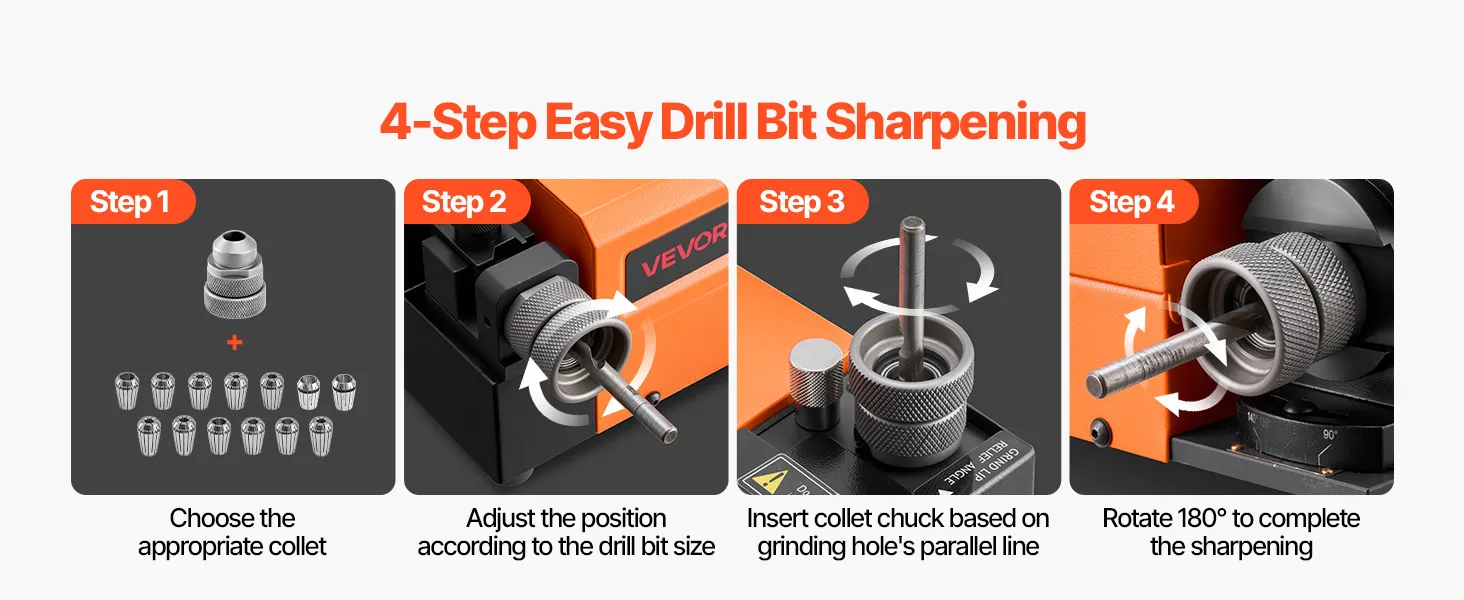
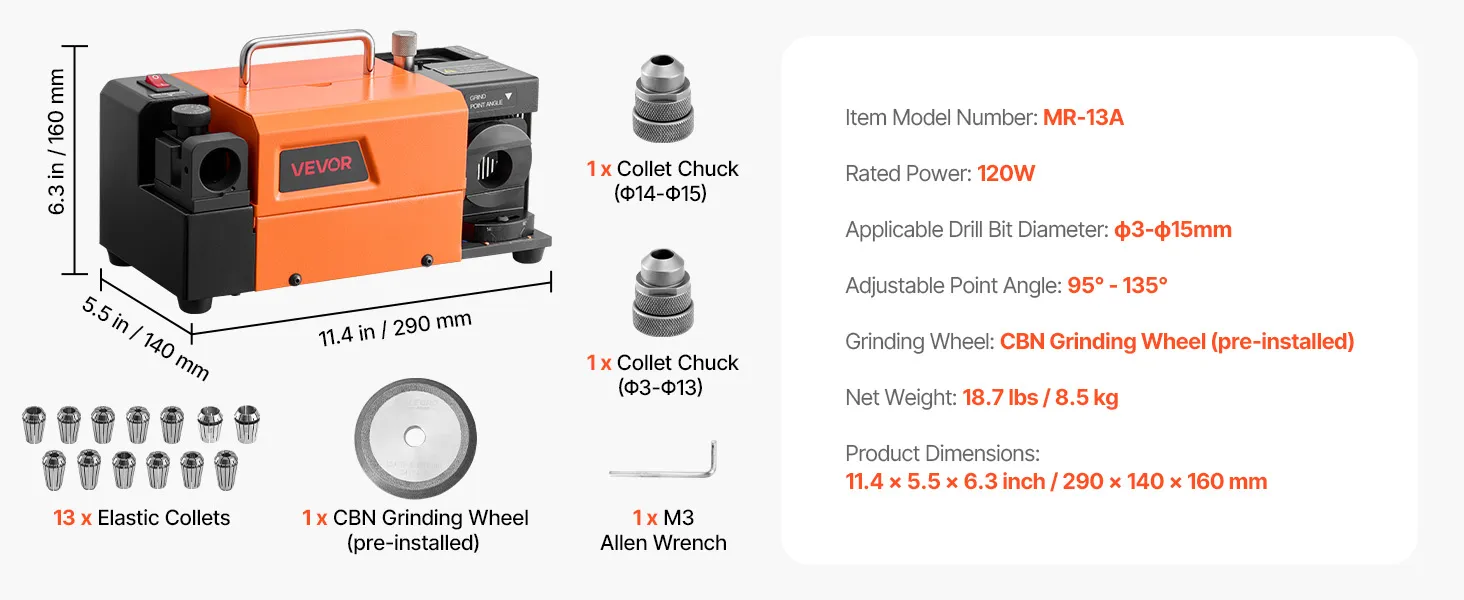
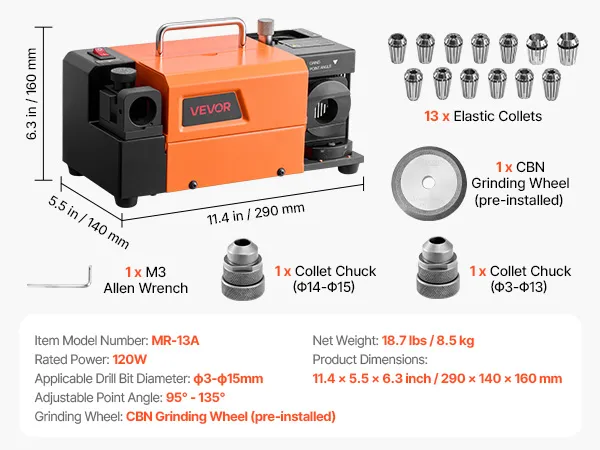
- Professional Sharpening: Designed for φ3–15 mm drill bits, the VEVOR MR-13A drill bit sharpener with 13 elastic collets excels at sharpening the point angle and lip relief angle, quickly restoring your bits to optimal sharpness and precision. Two collet chucks are also included
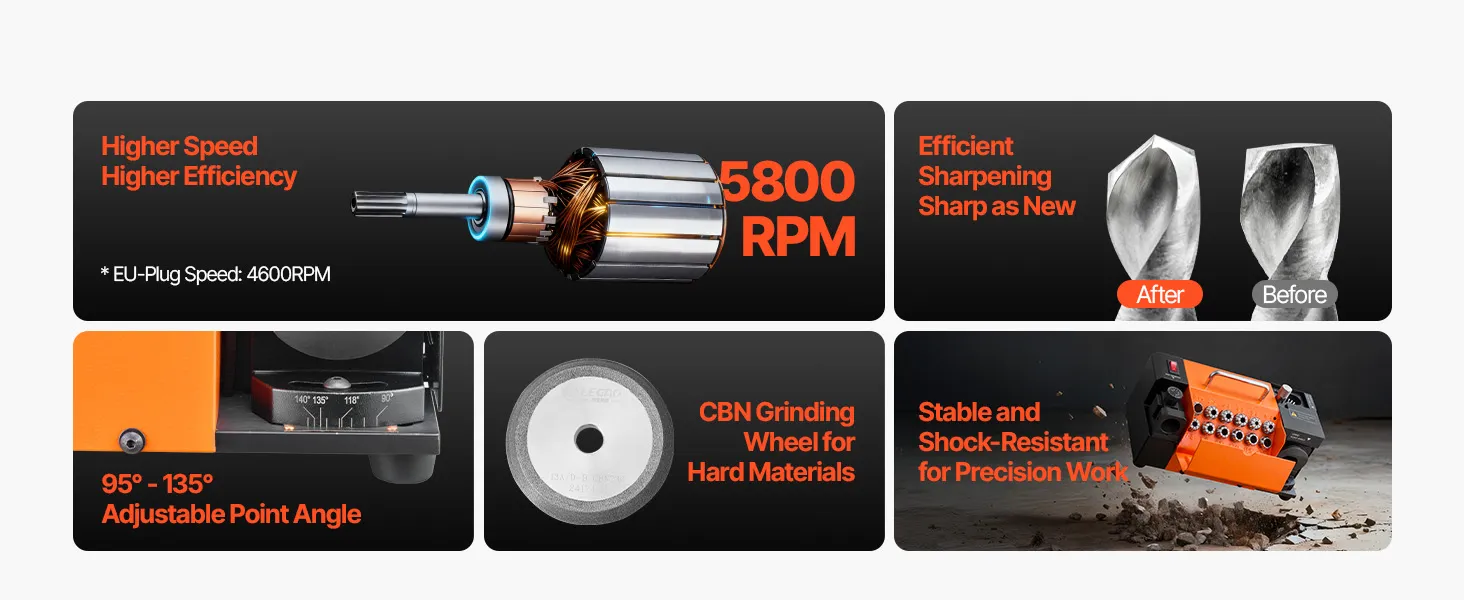
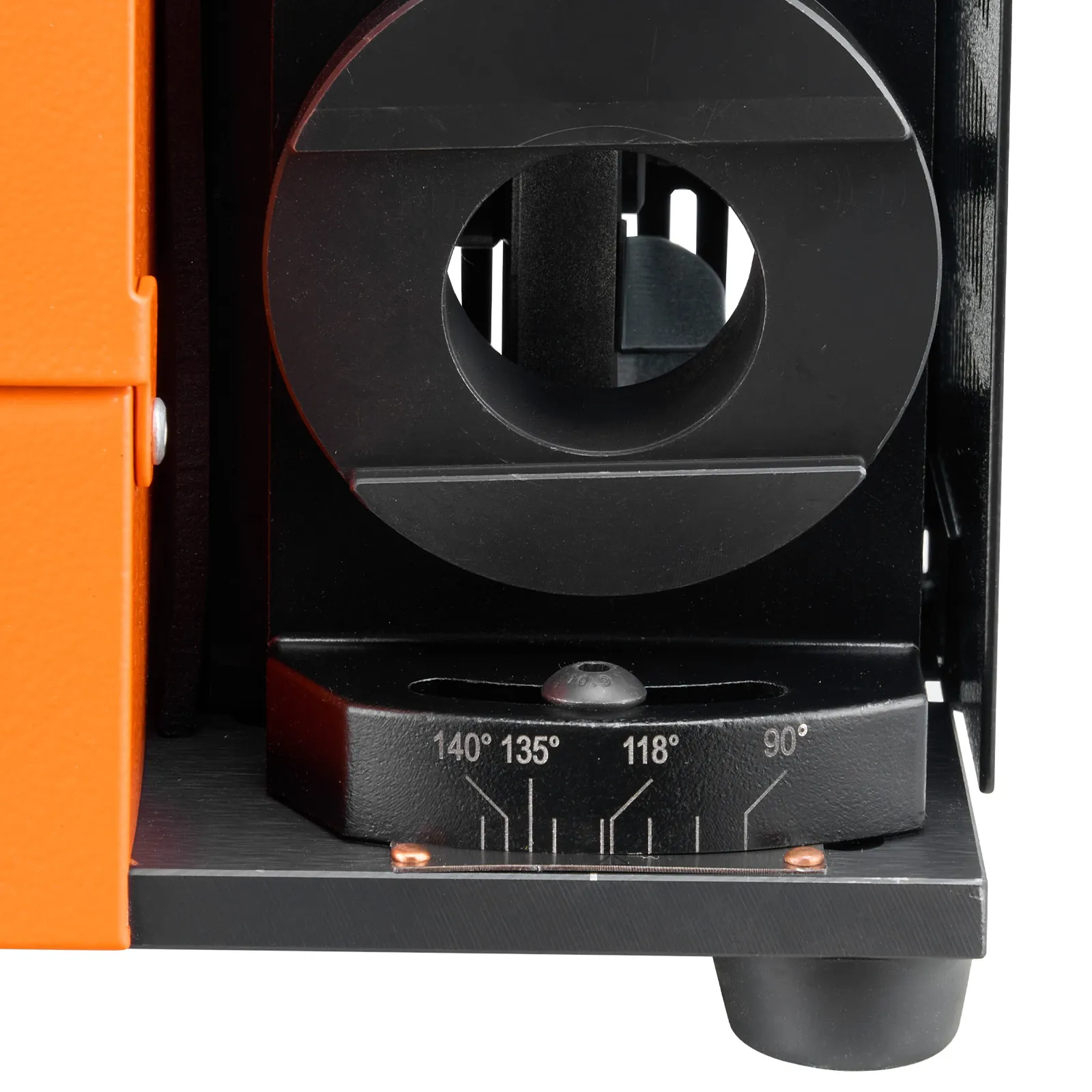
- Adjustable Point Angle: The drill bit grinder sharpene offers a 95°–135° adjustable point angle, allowing precise matching with different drilling materials and speeds for optimal performance
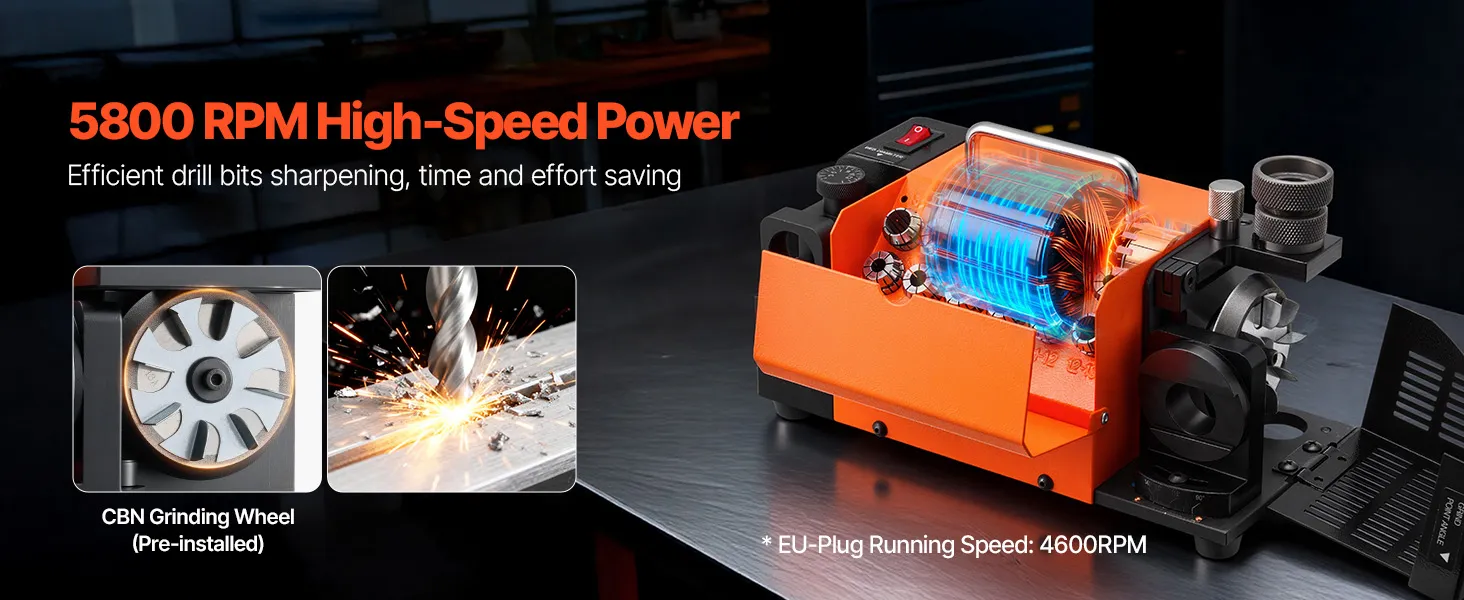
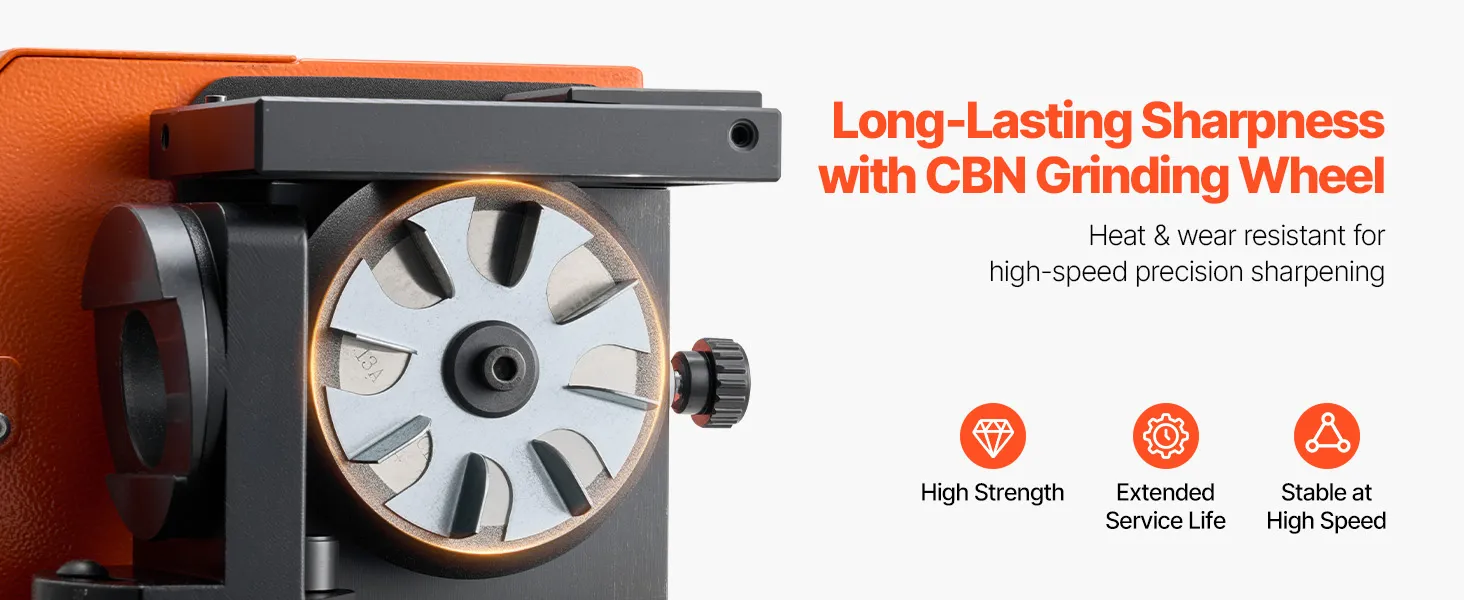
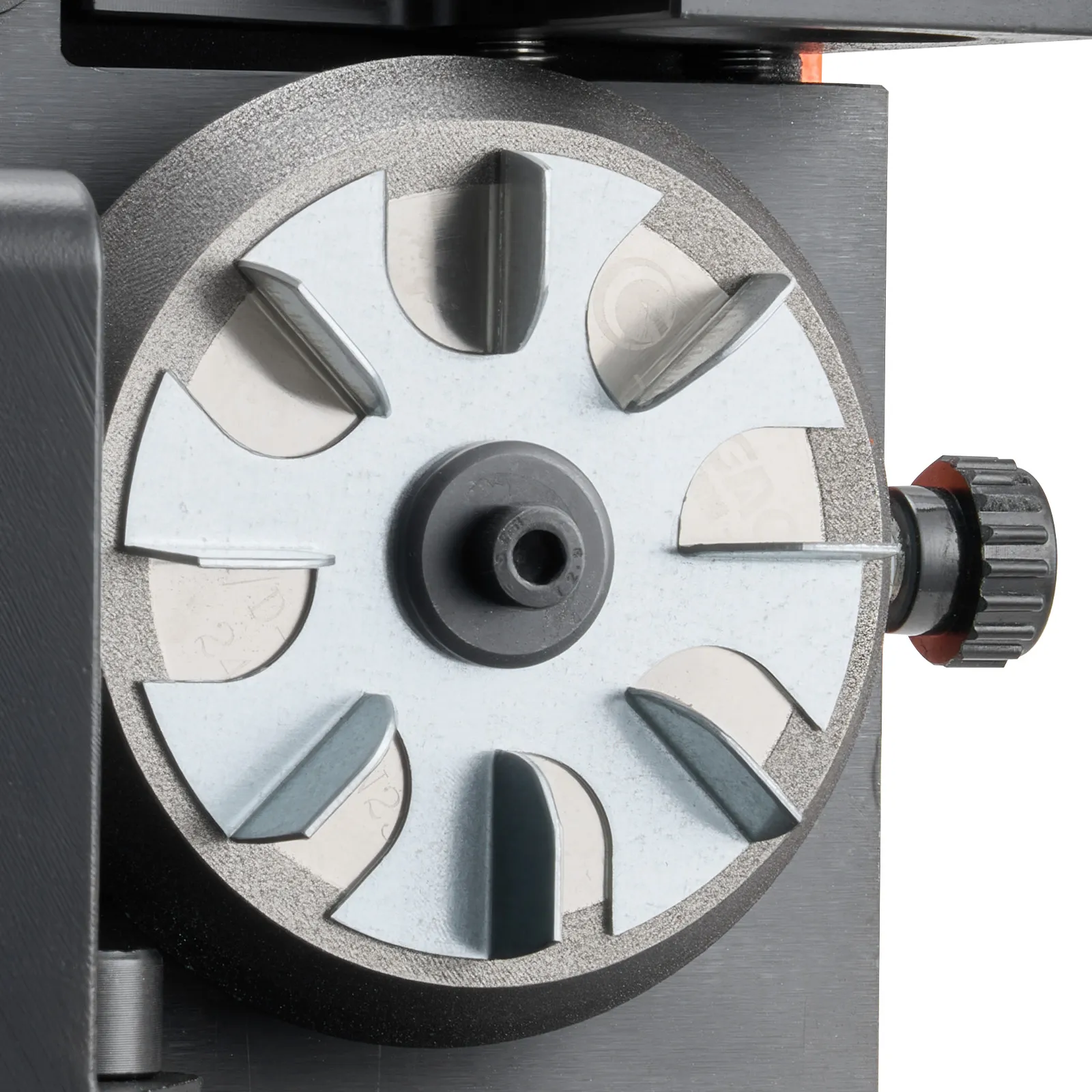
- Efficient Grinding Wheel: The CBN grinding wheel (pre-installed) is designed for high-speed steel materials, greatly improving grinding precision and efficiency. Paired with the 4600 RPM high-speed motor, it delivers faster, more efficient sharpening results
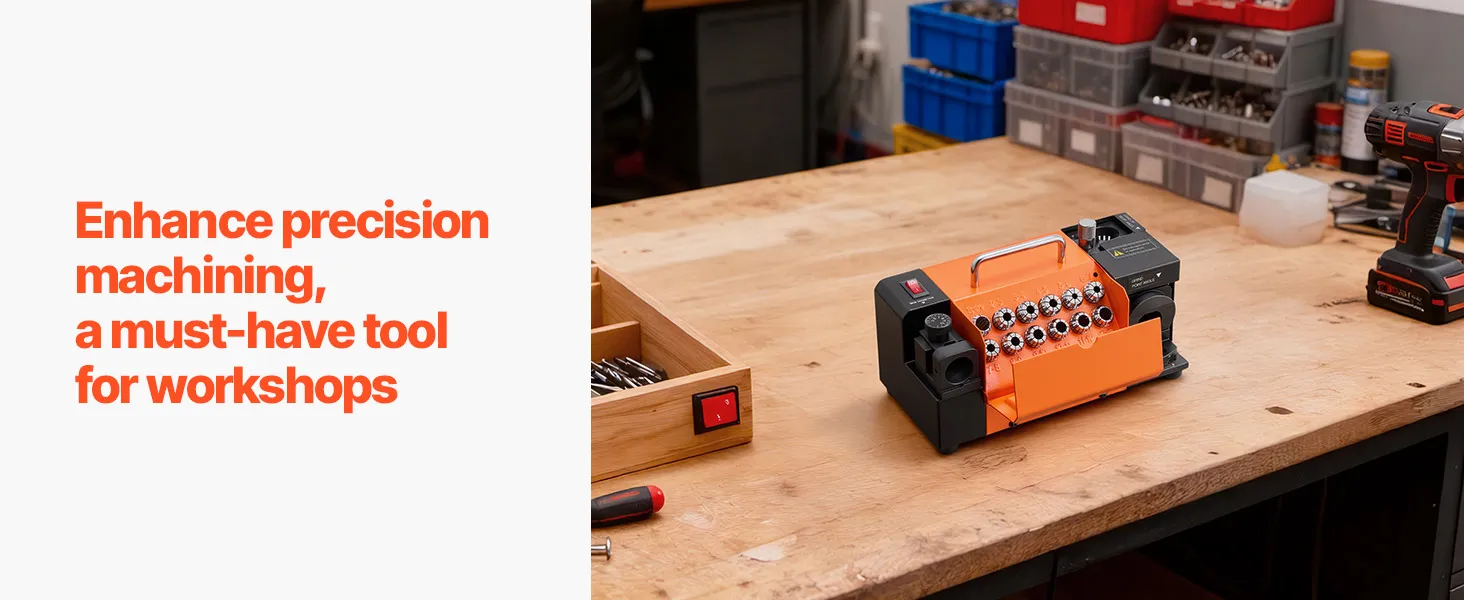
- Multi-Functional Use: Specialized in drill bits re-sharpening, this professional grinding sharpening machine keeps your bits sharp and ready for action — whether you're working in a factory, workshop, garage, or on home DIY projects
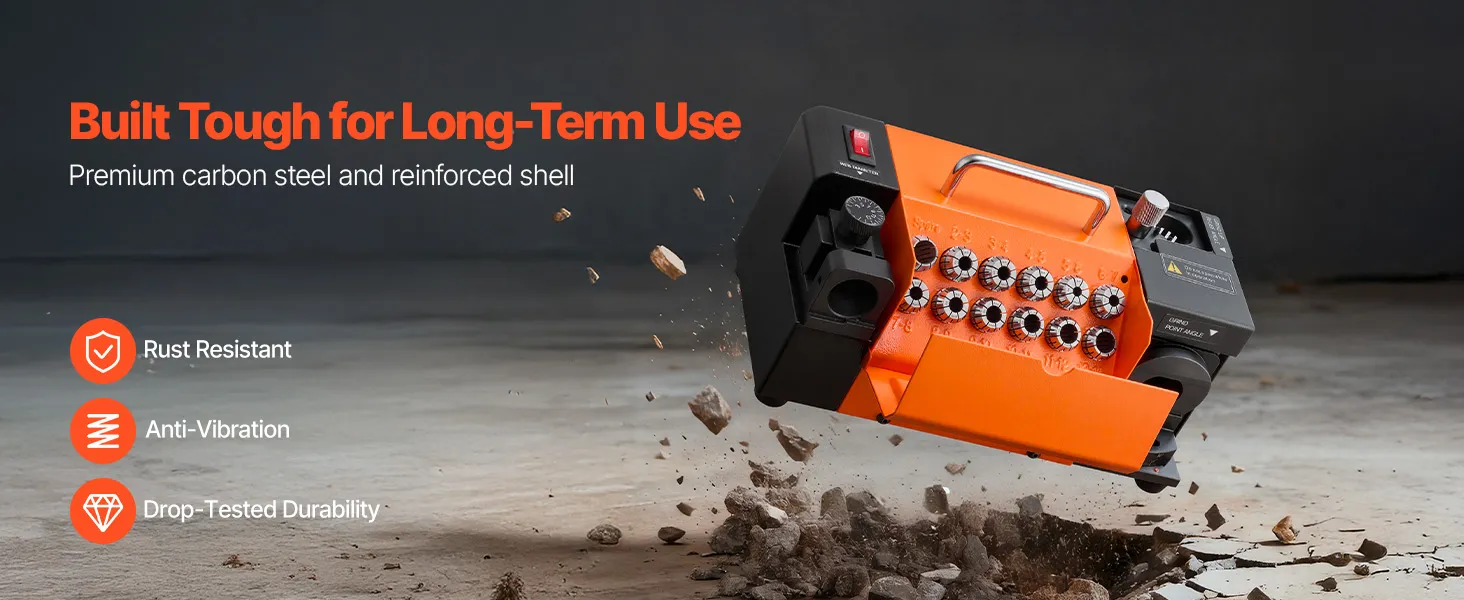
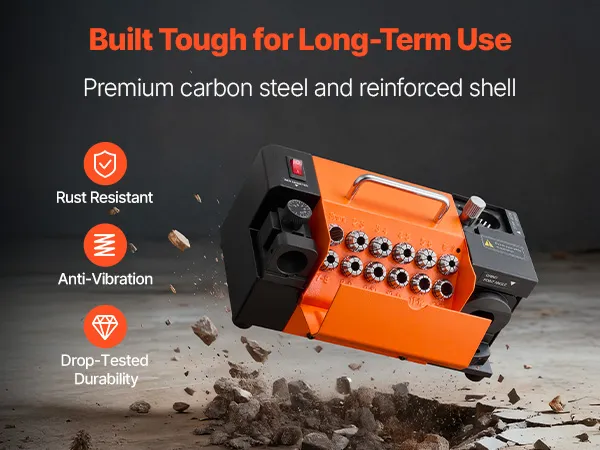
- Portable & Strudy: Lightweight and easy to carry, this drill bit re-sharpener saves space in your workshop and can be transported easily. Crafted from high-quality carbon steel, it features a sturdy, durable structure built to withstand long-term use
Frequently Bought Together
Reviews
About this item


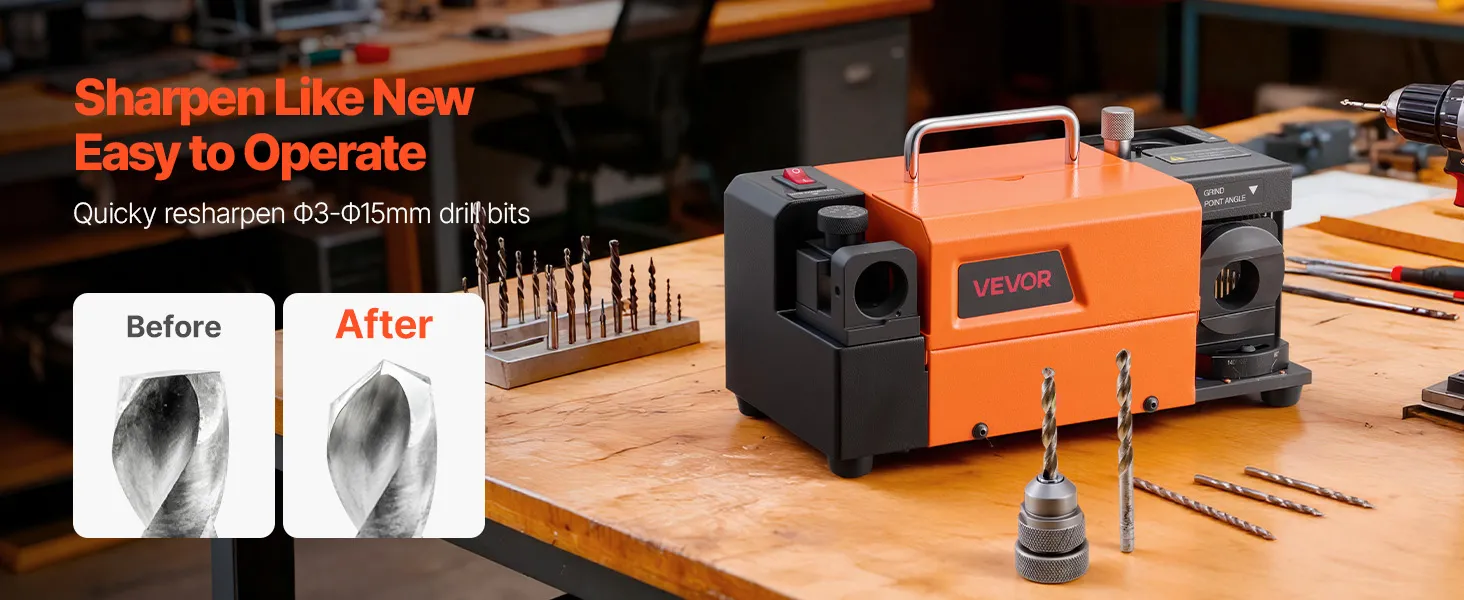
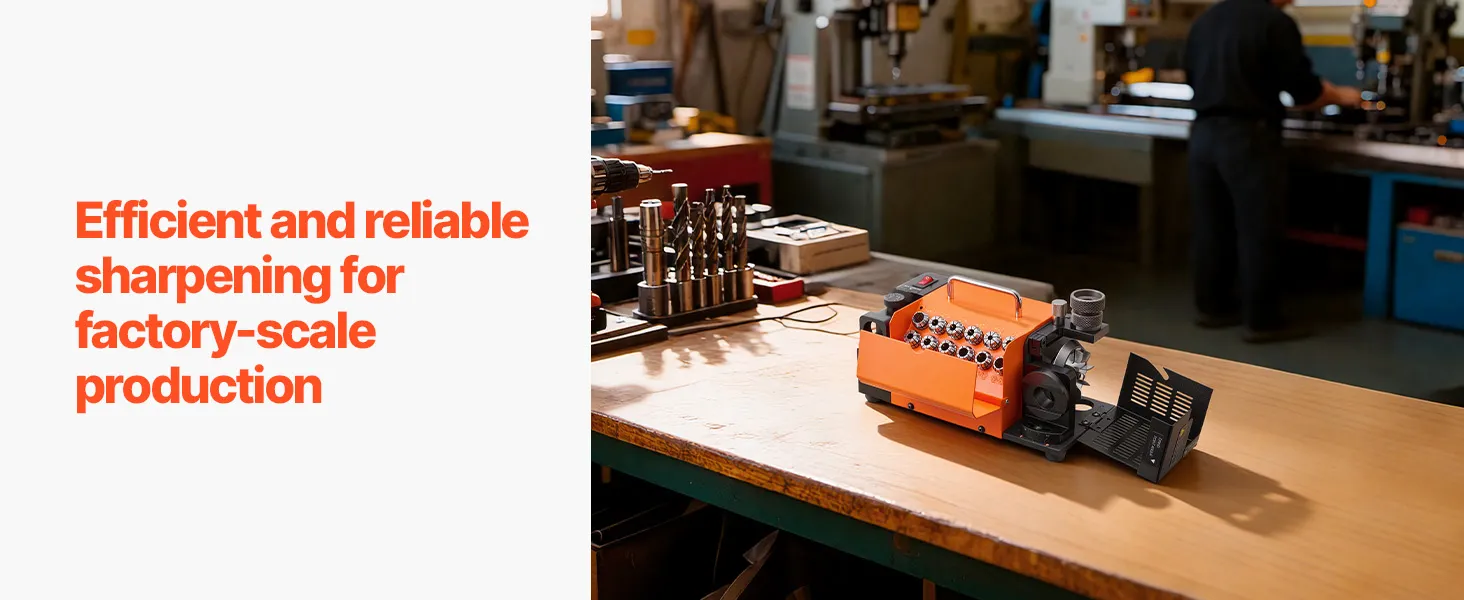
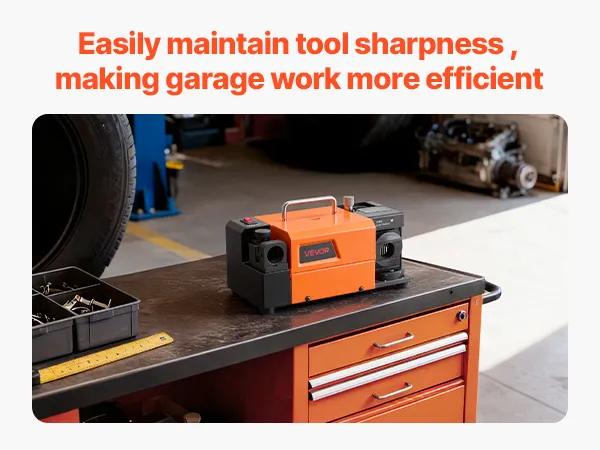
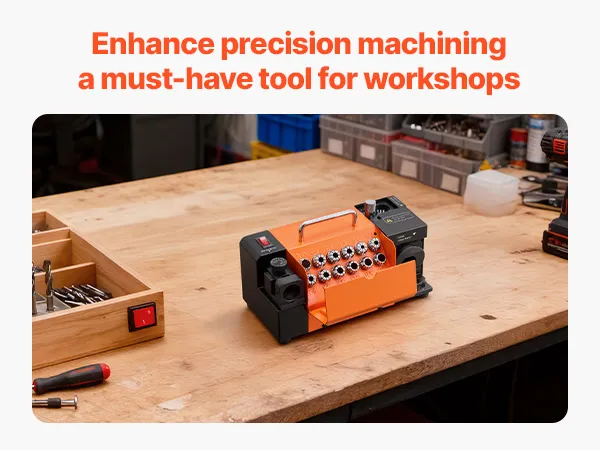
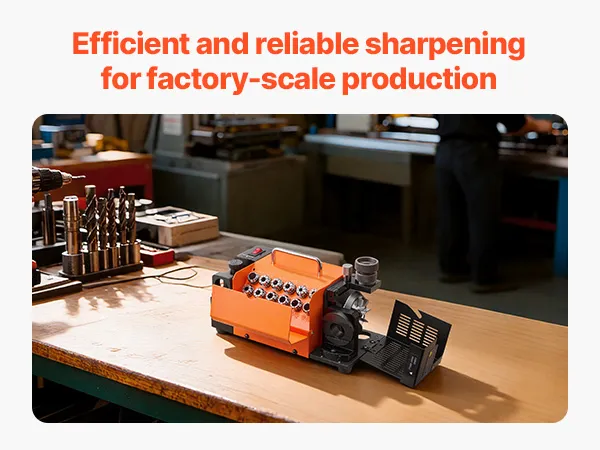
VEVOR MR-13A Drill Bit Grinder Runs 4600 RPM CBN Wheel for HSS Restoration
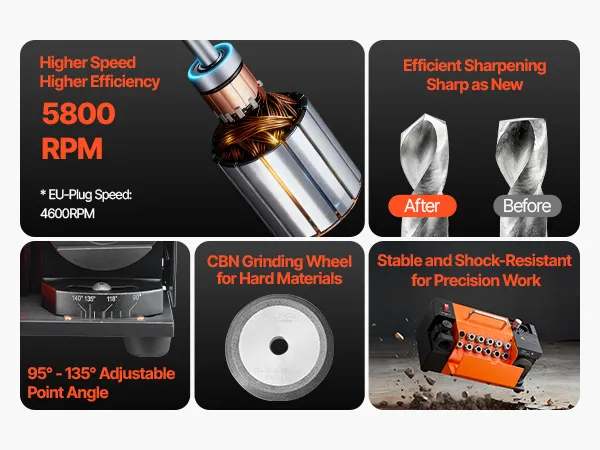
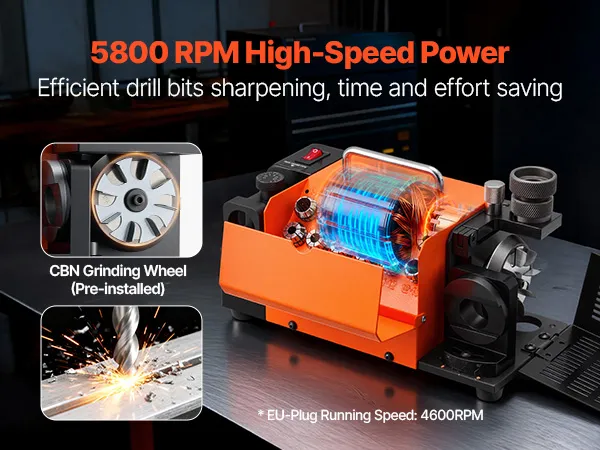
The MR-13A drill bit grinder has a 4600 RPM motor and a pre-installed CBN (Cubic Boron Nitride) grinding wheel. This combination was made just for restoring high-speed steel bits. CBN is the second hardest abrasive material you can buy. The CBN wheel removes material from the cutting face at a steady 4600 RPM, preventing thermal spikes that cause HSS temper loss.
Aluminum oxide wheels glaze over after prolonged HSS contact, but the CBN surface remains consistent, with abrasive exposure across thousands of grinding cycles without dressing. In production workshops that sharpen bits every day, wheel consistency ensures each bit performs consistently. The MR-13A does this task through materials science rather than operator skill.
95°–135° Point Angle Range Makes This Drill Bit Grinder Material-Agnostic
The MR-13A drill bit grinder can be adjusted from 95° to 135°, a full 40°. This range is needed to match the cutting geometry to the material of the workpiece in wood, aluminum, mild steel, and hardened alloy applications. The 118° standard position is good for general-purpose HSS drilling. The 135° position reduces thrust load in soft materials, and the 95° position focuses the cutting force for penetrating hard metals.
Instead of a freehand protractor, the adjustment mechanism uses a fixed index system. It means that operators only have to set the angle once and can grind several bits to the same shape without having to measure again between cycles. The MR-13A doesn't just approximate the angle; it treats it like an engineering input.
13 Elastic Collets Cover φ3–15mm with the Full Working Range
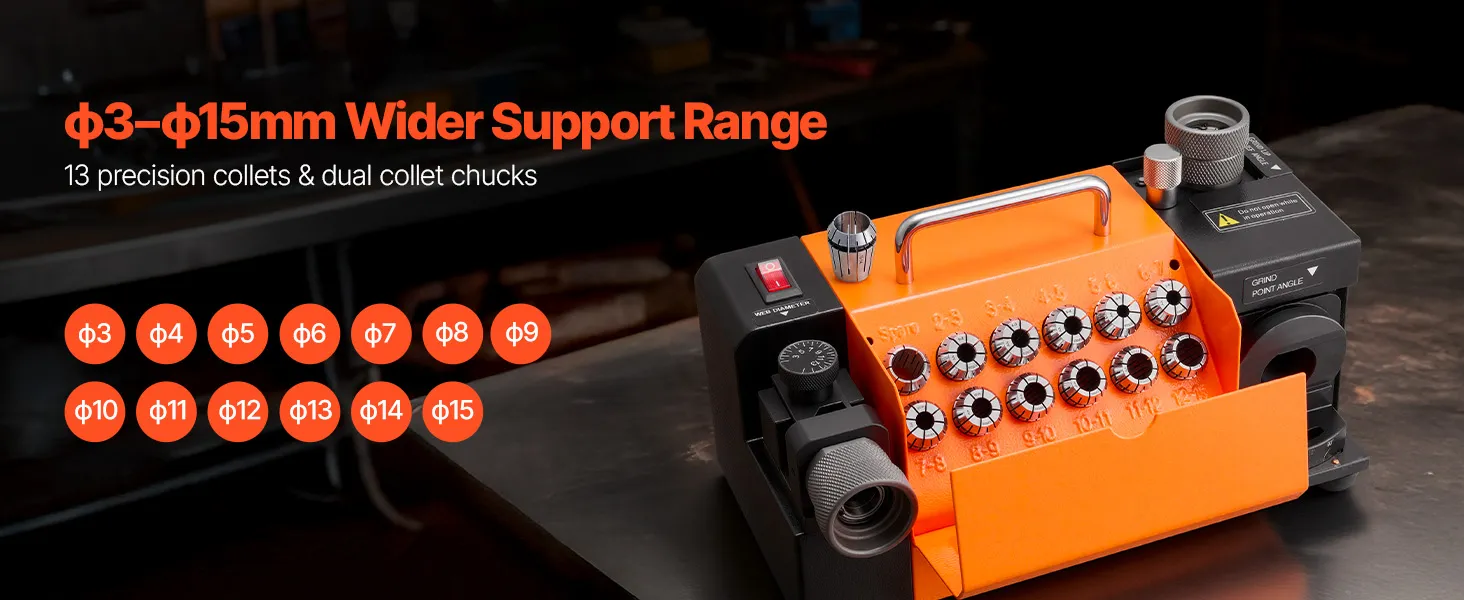
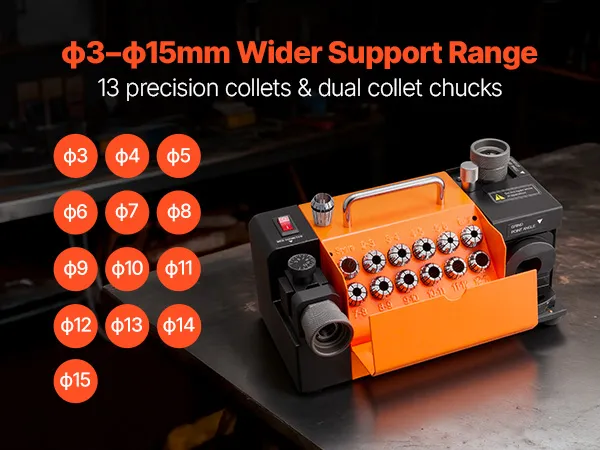
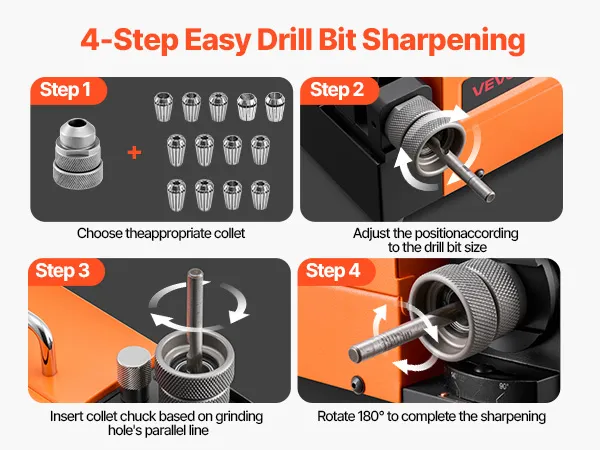
The MR-13A comes with 13 elastic collets that cover sizes from φ3mm to φ15mm, with no gaps in the diameter sequence. This range directly corresponds to the most common bit sizes used in metalworking and fabrication, from φ3mm pilot holes to φ15mm clearance bores for M14 fasteners. There are two more collet chucks included, so you can quickly switch between them without having to stop and find the right collet in the middle of a session.
The elastic tension design holds the bit shank in place without putting pressure on specific areas of the jaw that would change the shape of precision-ground surfaces. When grinding, concentricity is a must. If a bit is even 0.2 mm off-center, it will create an asymmetric point that pulls the drill to the side under feed load. The collet system in the MR-13A mechanically fixes the workpiece, eliminating the risk of centering error, regardless of the operator's experience.
Adjustable Lip Relief Angle Restores the Clearance Geometry
The lip relief angle, which is the space behind each cutting lip, decides if a drill bit cuts or rubs against the surface of the workpiece. Even a geometrically perfect point angle will cause excessive friction, heat buildup, and edge failure if it doesn't have the right relief. The MR-13A drill bit grinder treats lip relief as a primary sharpening parameter rather than an afterthought.
When cutting soft materials like aluminum and plastics, the relief angle should be high to prevent the bit from dragging chips back into the cut. To keep edge support under high cutting forces, hard materials like stainless steel need shallow relief. Getting this parameter wrong by even a few degrees can significantly increase thrust force and reduce tool life for the next drilling operation.
Workshop and Garage Deployment Both Benefit from the MR-13A's Multi-Environment Design
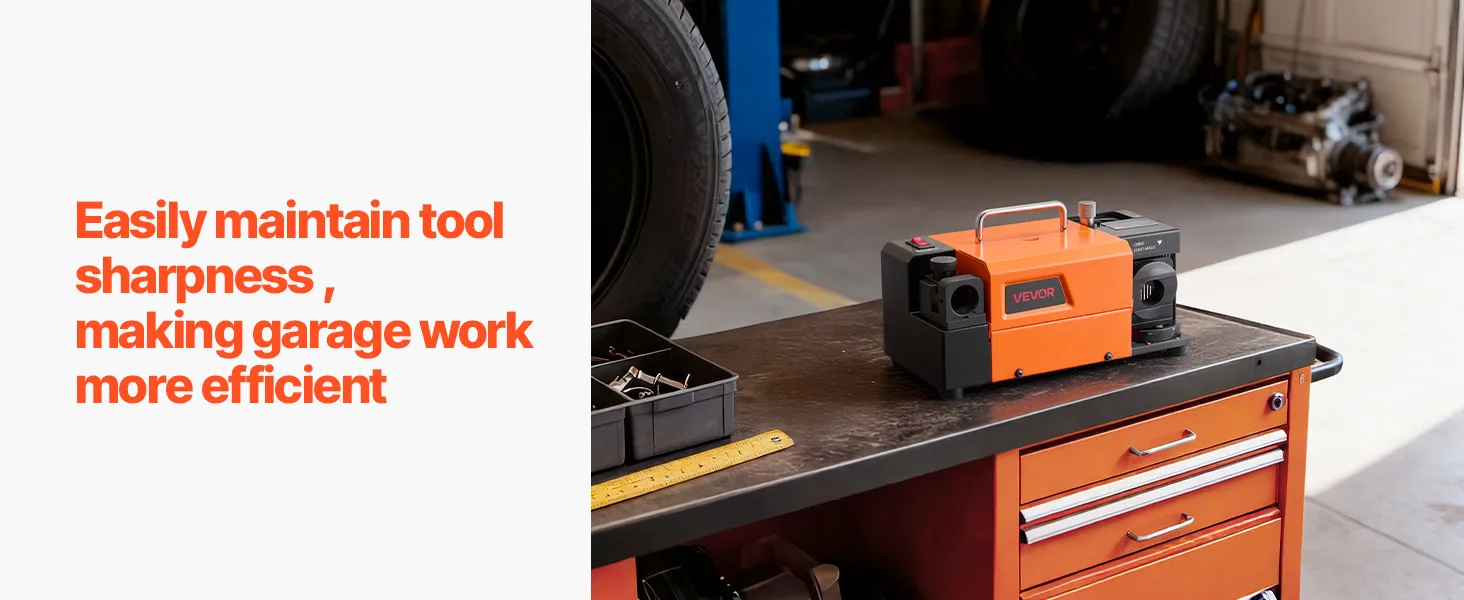
The MR-13A is specifically rated for factory floors, professional workshops, garages, and home DIY spaces, all four very different environments with distinct duty-cycle needs. When a factory is deployed, there are multiple operators, high daily cycle counts, and no tolerance for inconsistent output. The MR-13A's carbon-steel housing and CBN wheel can handle both extremes without any issues.
Using a single CBN wheel rather than a multi-wheel system makes it easier for non-specialist users to produce professional-quality work. A garage user who sharpens four bits a month doesn't need to choose the right wheel because the pre-installed CBN works with all HSS bits in a standard drill index without any changes. This operational simplicity is a practical design choice for its intended uses.
Carbon Steel Construction Gives Industrial Chassis Durability
The MR-13A housing is made of high-quality carbon steel, which directly affects its ability to dampen vibrations, maintain dimensional stability, and resist impacts in a workshop. At 4600 RPM, any chassis resonance is transmitted directly to the angular error at the grinding contact point. Polymer housings amplify this resonance, while carbon steel's density and stiffness dampen it.
Carbon steel can also corrode when coolant mist, metal swarf, and humidity cycle through unheated garages and industrial bays. When a sharpener rusts at the collet interface, it causes runout. Runout at 4600 RPM creates the same uneven point geometry as a worn collet. So, the choice of material isn't just for looks; it's a functional requirement that maintains high grinding accuracy throughout the machine's life.
Compact Portable Format Lets Serve Multiple Bench Stations
The MR-13A is small and portable, so one unit can serve multiple workstations in a building without requiring permanent installation. The carbon-steel body is dense enough to retain its shape during vibration, yet light enough to be moved from one bench to another with one hand. The unit takes up less space on a standard workshop bench than a bench vise, so the main work surface is free during drilling.
The MR-13A doesn't take up permanent space; instead, it stores vertically on a shelf between sessions. It is useful for home workshops with limited bench space. The carbon-steel chassis still provides the 4600 RPM motor with the rigidity it needs, so this portability doesn't come at the expense of stability. The MR-13A solves the problem of balancing portability and stability by balancing its overall design.