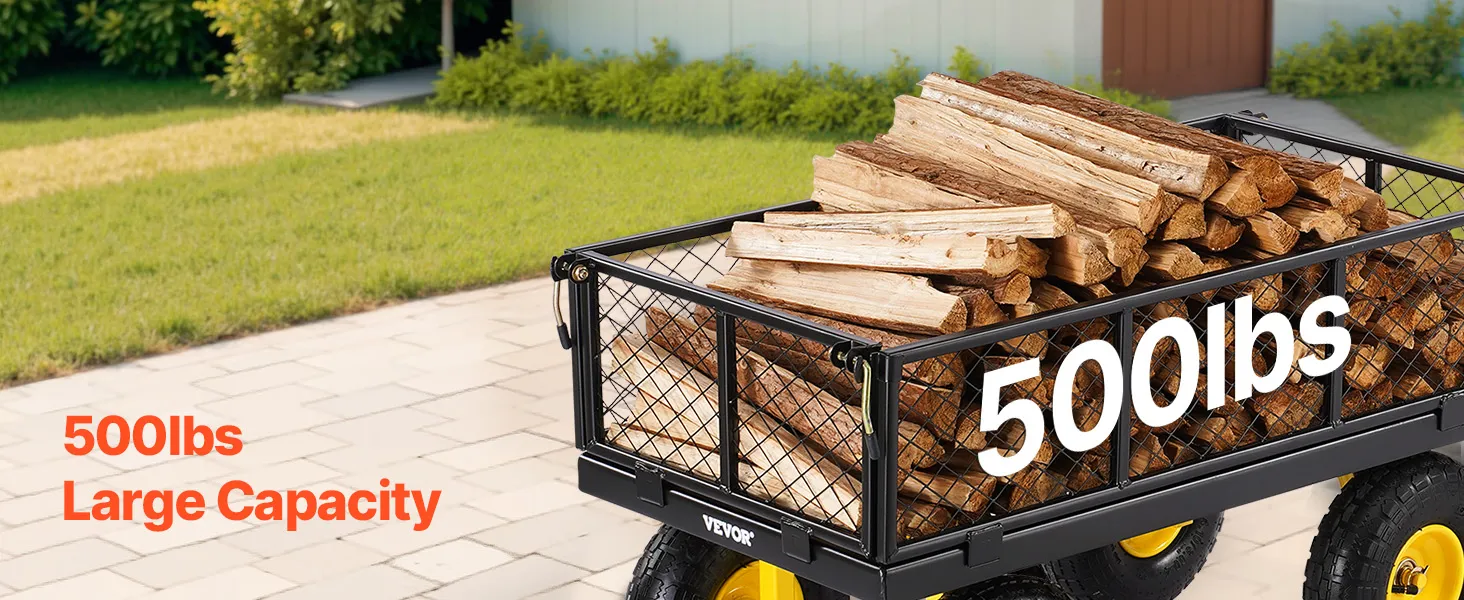
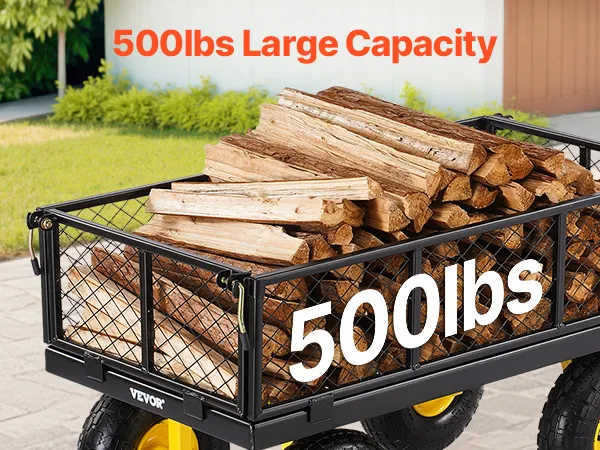
- 500-lb load capacity for heavy-duty transport.
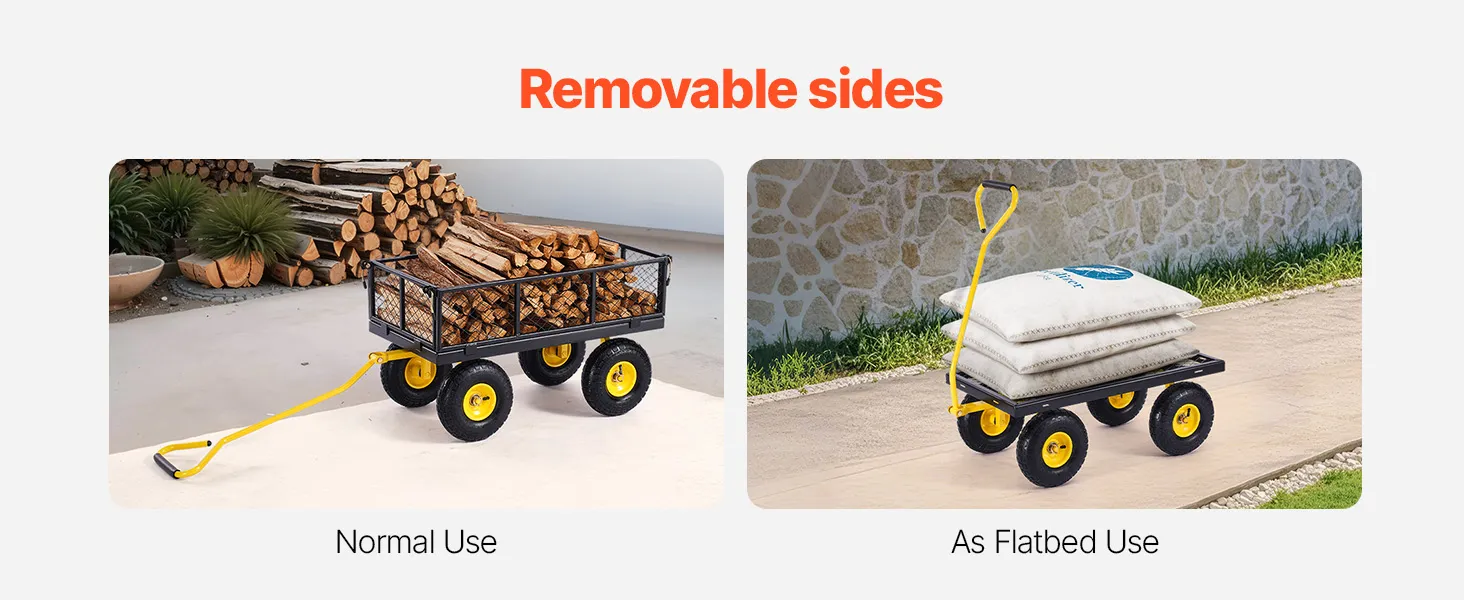
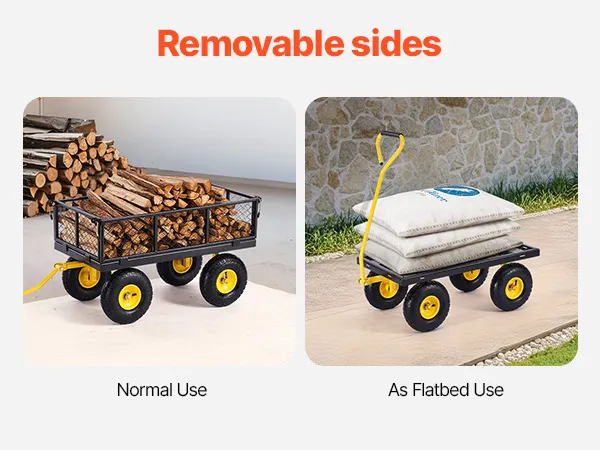
- 2-in-1 design converts between fenced cart and flatbed.
- Durable Q235 steel with corrosion-resistant powder coating.
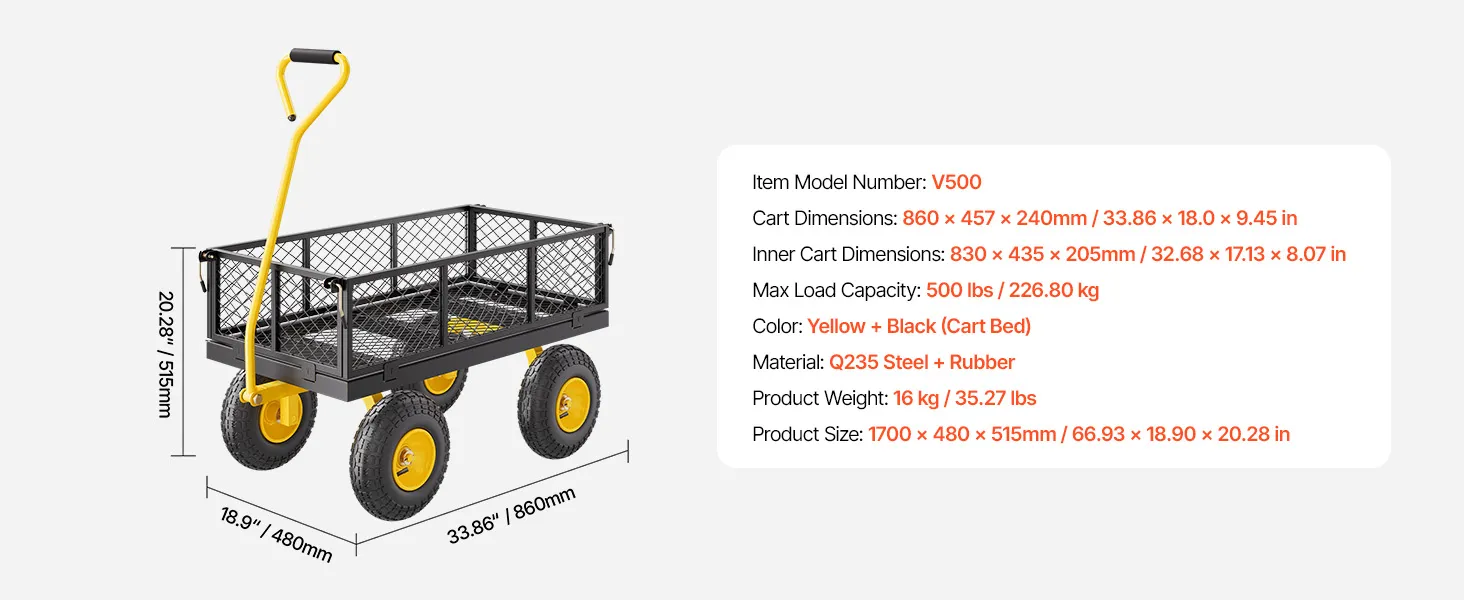
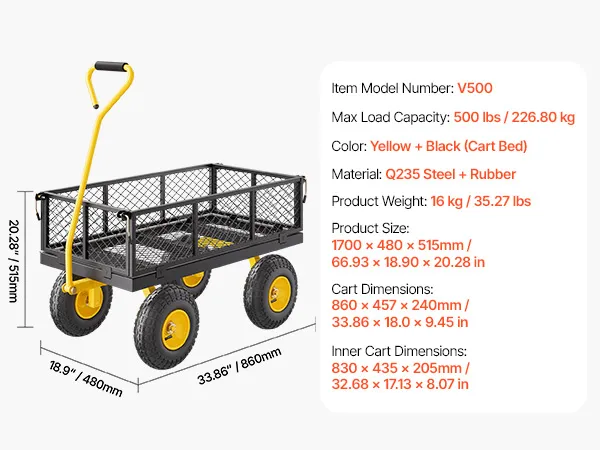
- Item Model Number V500
- Cart Dimensions 860 x 457 x 240mm / 33.86 x 18.0 x 9.45 inches
- Inner Cart Dimensions 830 x 435 x 205mm / 32.68 x 17.13 x 8.07 inches
- Max Load Capacity 500 lbs / 226.80 kg
- Color Yellow + Black
- Material Q235 Steel + Rubber

About this item
500 Lbs Metal Garden Wagon Built for Easy Pulling Across Any Terrain
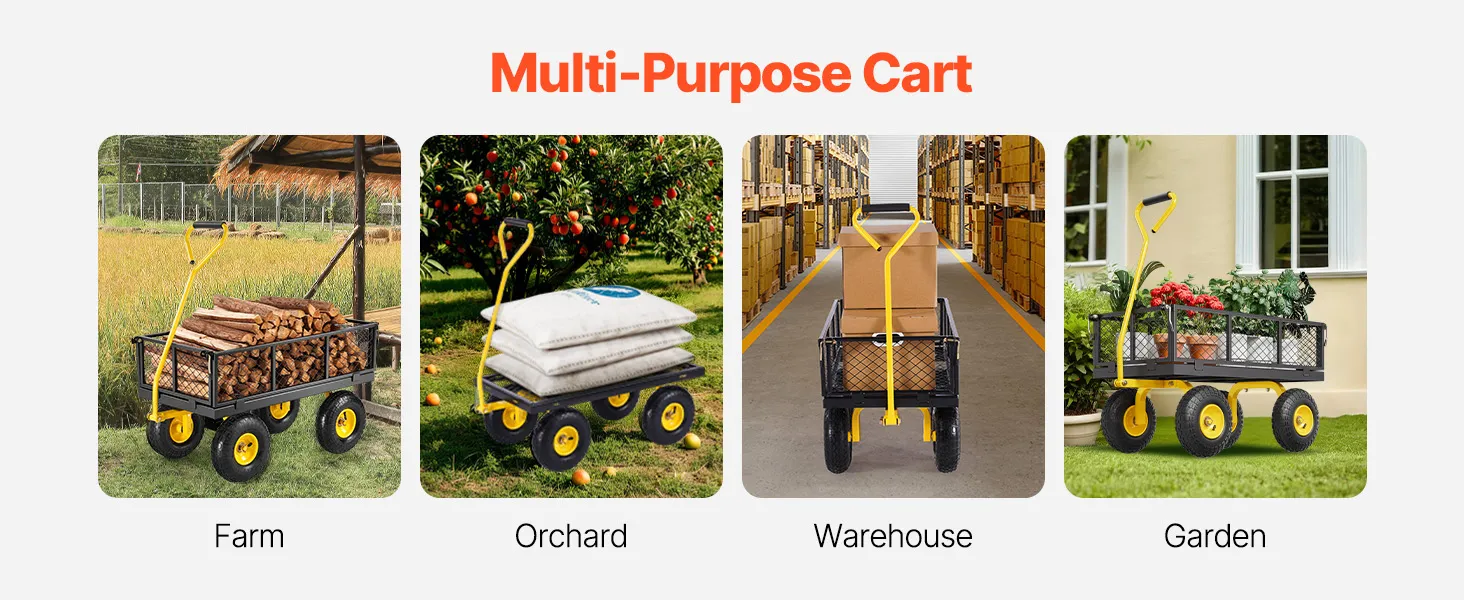
This metal garden wagon is designed to be both lightweight and durable enough to transport actual garden loads from the back beds to the curb or the compost pile on a typical residential home. With a maximum capacity of 500 lbs (226.80 kg), it is not intended for construction debris but rather for common yard tasks like potted plants, mulch bags, hand tools, and harvested fruit.
The wagon itself remains lighter and easier to pull thanks to the capacity ceiling, which is more important on days of frequent excursions than a higher number you'll seldom ever use. Additionally, since the wagon isn't frequently forced to its structural limit, as a big cart running almost empty often is, which reduces the working life of less expensive models, it means less strain on the frame and wheels over time.
860 x 457 mm Compact Cart Dimensions for Tight Garden Paths and Storage
The cart is much tighter than bulkier yard carts, measuring 860 x 457 x 240 mm (33.86 x 18.0 x 9.45 in). Because of its smaller footprint, it is easier to pass raised beds, through small garden gates, and down side-yard walks where a broader cart would run into fences or plant borders. Smaller suburban lot owners frequently discover that a small frame like this is more important in daily use than a few extra pounds of theoretical capacity they will rarely require.
The small size is also advantageous for storage. During the off-season, this aluminum garden wagon, which weighs only 16 kg (35.27 lbs), may be easily tipped up against a shed wall or slipped into a garage corner without the need for a dedicated storage room. The combination of a tight frame and low weight is often the deciding factor for anyone operating on a smaller lot or in a yard with limited side access, compared with a bulkier cart that offers more capacity than the space can support.
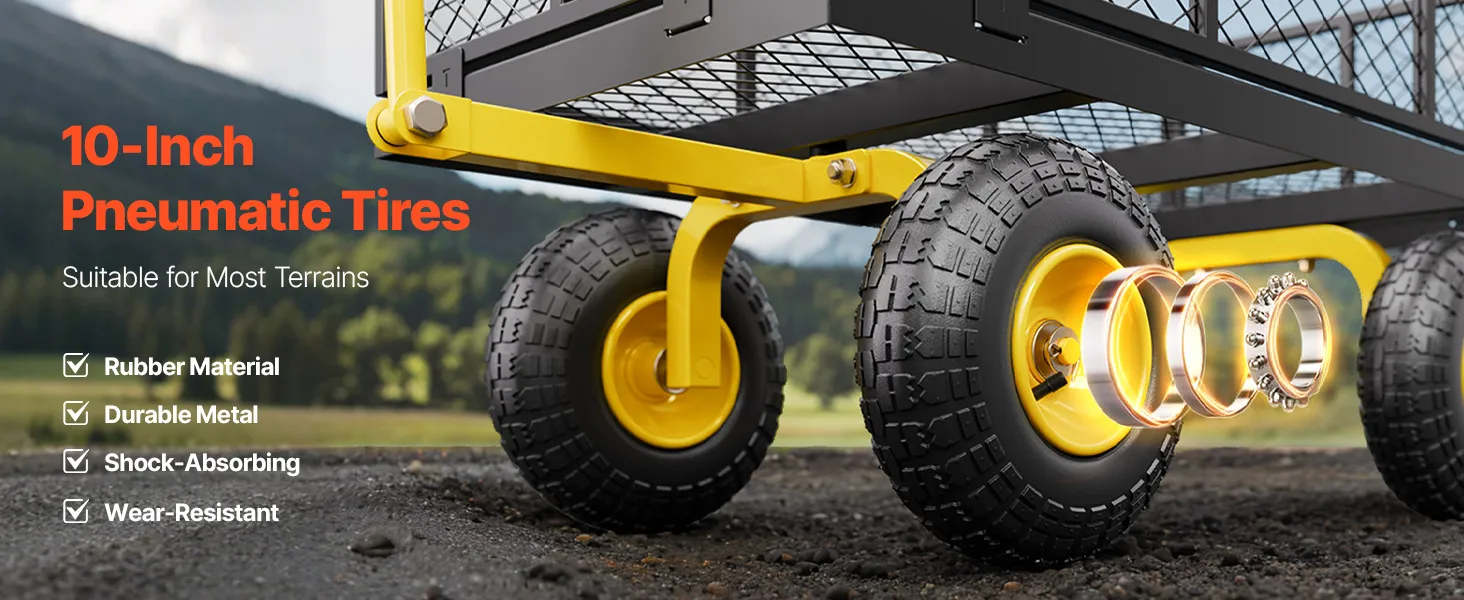
10-Inch All-Terrain Tires with 360° Rotation for Smooth Rolling
The variety of terrain that a real yard presents, including grass, packed dirt, gravel pathways, light mud, and snow, is handled by two 10-inch rubber tires with metal hubs. The primary cause of failure for less expensive plastic-wheeled carts, which lose traction the instant the ground becomes soft or uneven underfoot, is the wider tread, which prevents the wagon from bogging down mid-pull.
360° rotation enhances tight-turn mobility, so you don’t have to raise and reposition the wagon to maneuver around trees, flower beds, or parked equipment. Additionally, metal hubs strengthen the axle itself, a common failure point in wheels with less expensive plastic hub assemblies that deteriorate under repetitive load-bearing use.
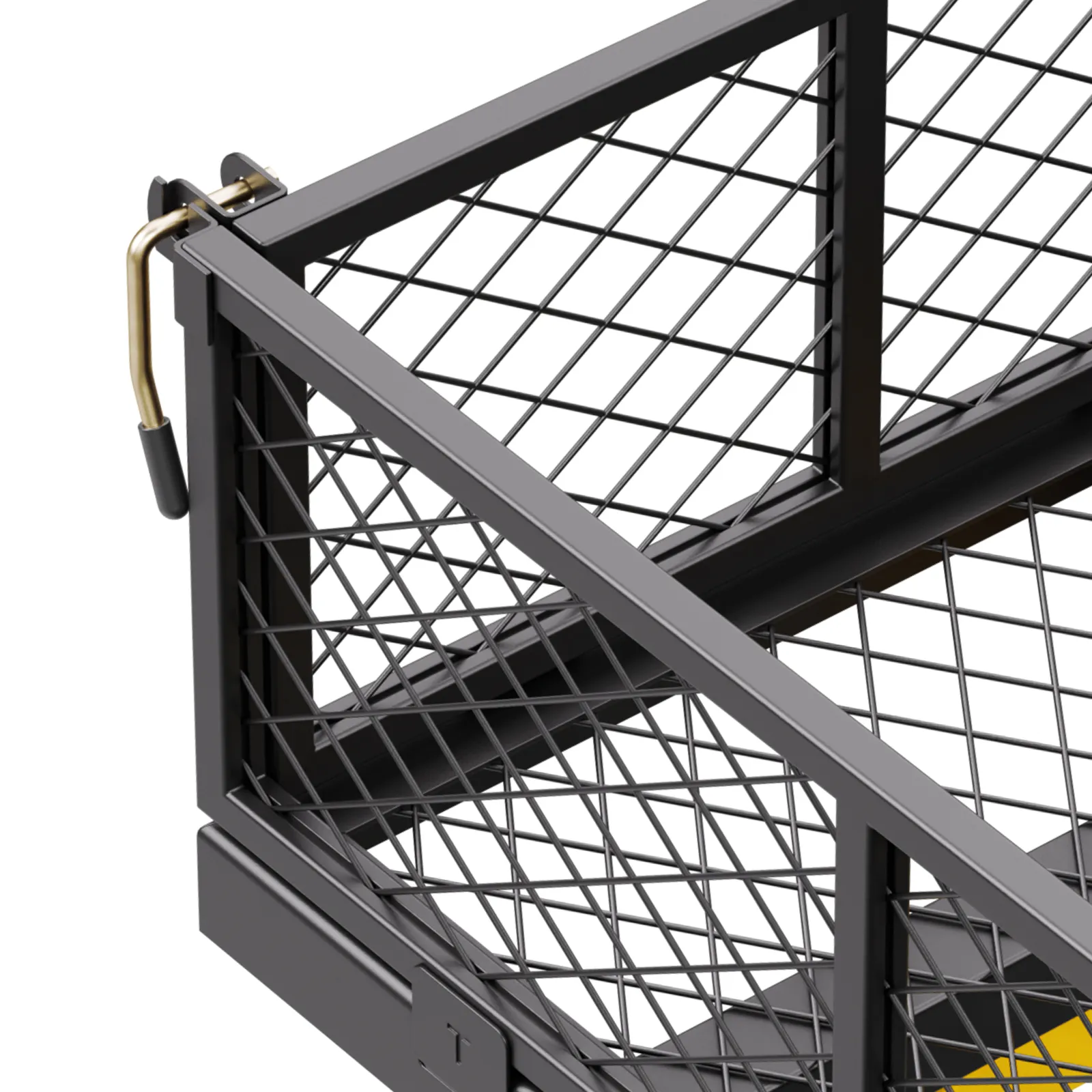
2-in-1 Convertible Bed with 3.33 Cu. Ft. Capacity
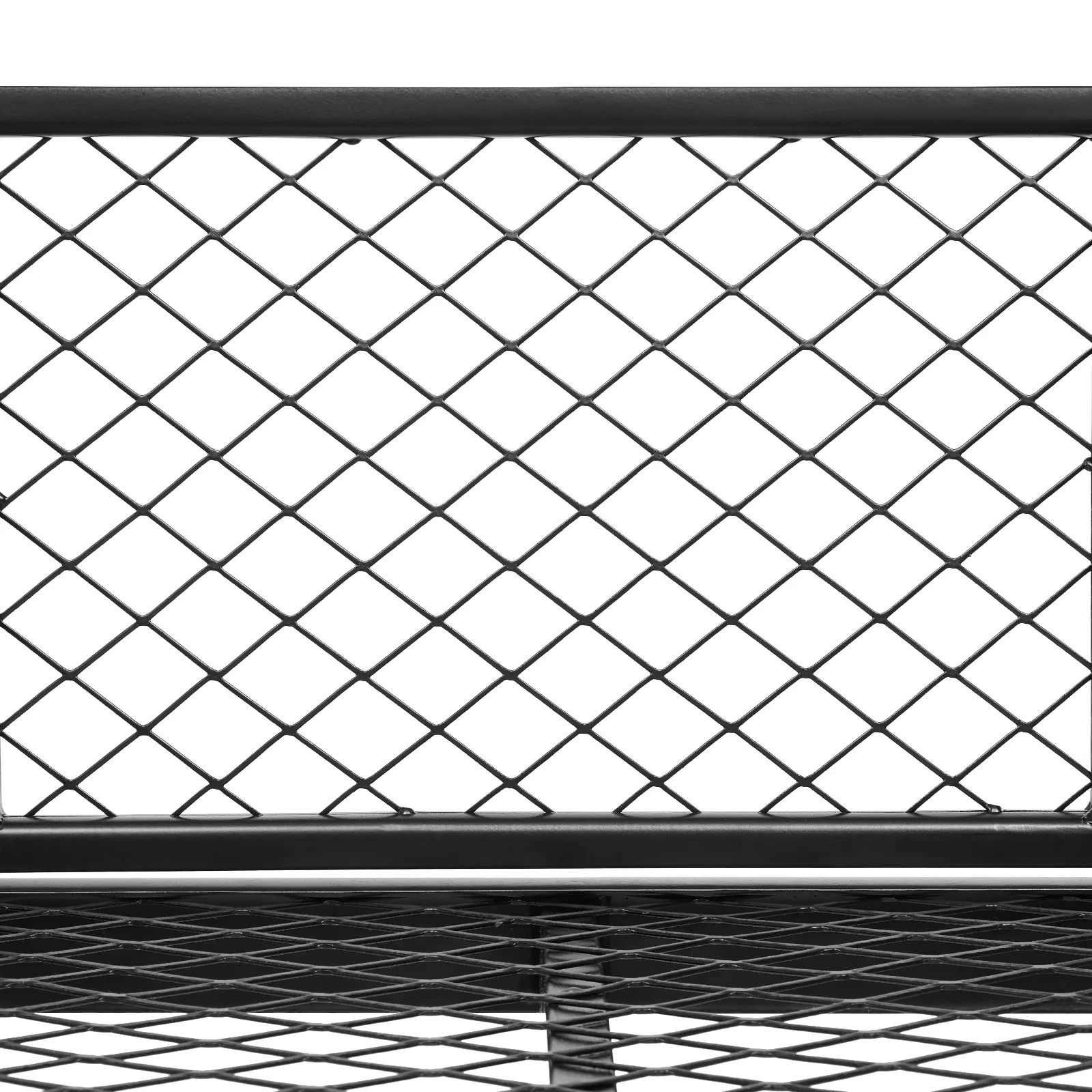
This metal garden wagon has removable mesh panels that allow it to convert from an enclosed carrier to an open flatbed. Because of its versatility, a single wagon can handle two tasks: flatbed mode for large items like nursery pots or lumber offcuts that wouldn't fit in a fixed-wall cart, and confined mode for loose materials like dirt, mulch, or leaves.
The bed itself is 3.33 cubic feet, matching the wagon's 500-pound capacity without leaving any empty, useless space. Additionally, the wagon adjusts as the work changes, rather than requiring a second trip to switch settings, since the sides detach rather than fold down, making it quick to convert between modes without tools or disassembly.
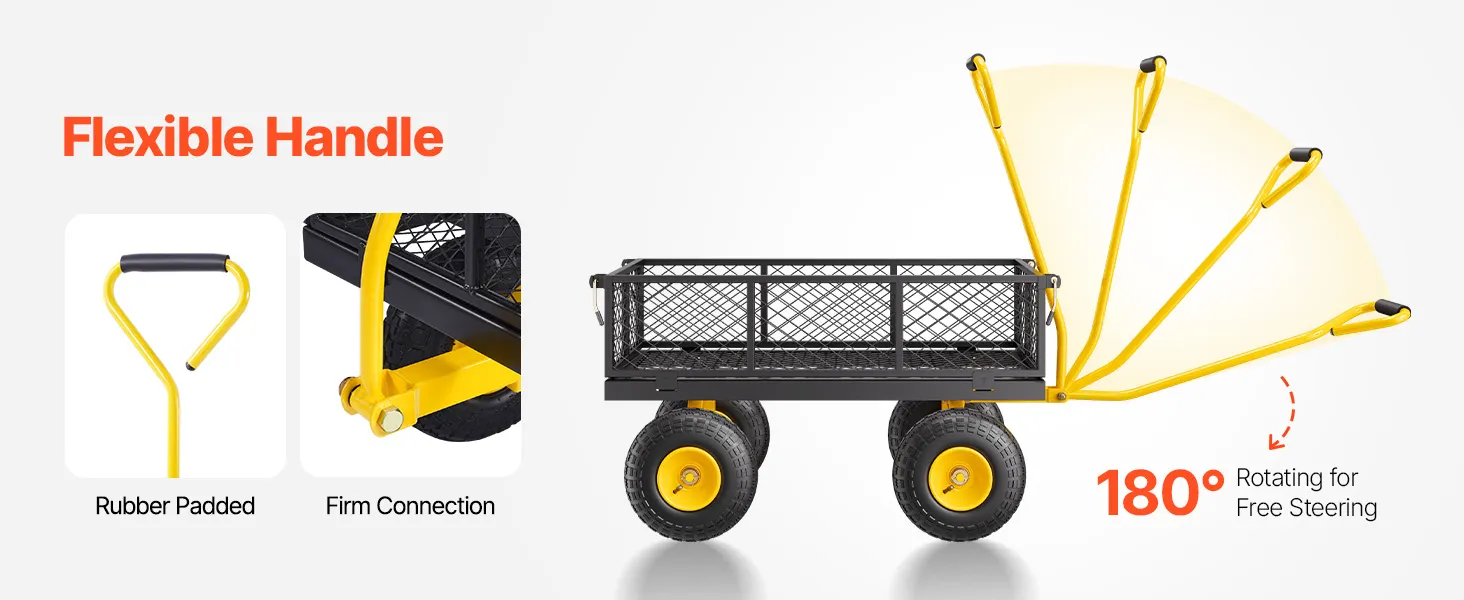
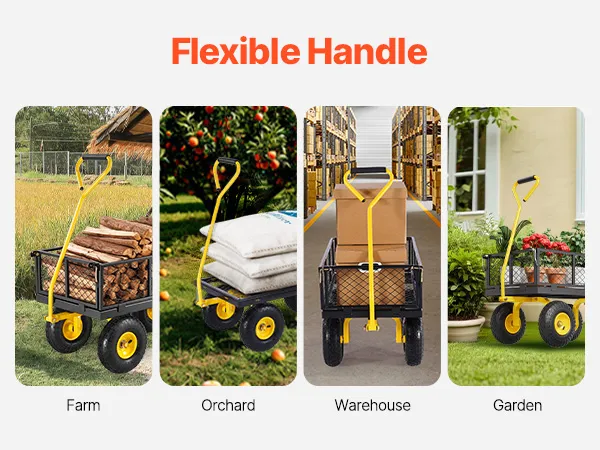
180° Rotating Handle with Rubber Grip for Comfortable Pulling
Depending on the terrain or load balance, you may alternate between pushing from behind and pulling from the front thanks to the T-shaped handle's 180° rotation. This flexibility reduces the repetitive tension that accumulates over a full day of consistent yard work by keeping your wrist and shoulder in their natural positions.
The handle is covered with a rubber grip, which is especially important for prolonged pulls. In this case, the grip is specifically designed to reduce hand fatigue during prolonged, frequent use, so the wagon remains comfortable to use not only on the first trip of the afternoon but also on the tenth.
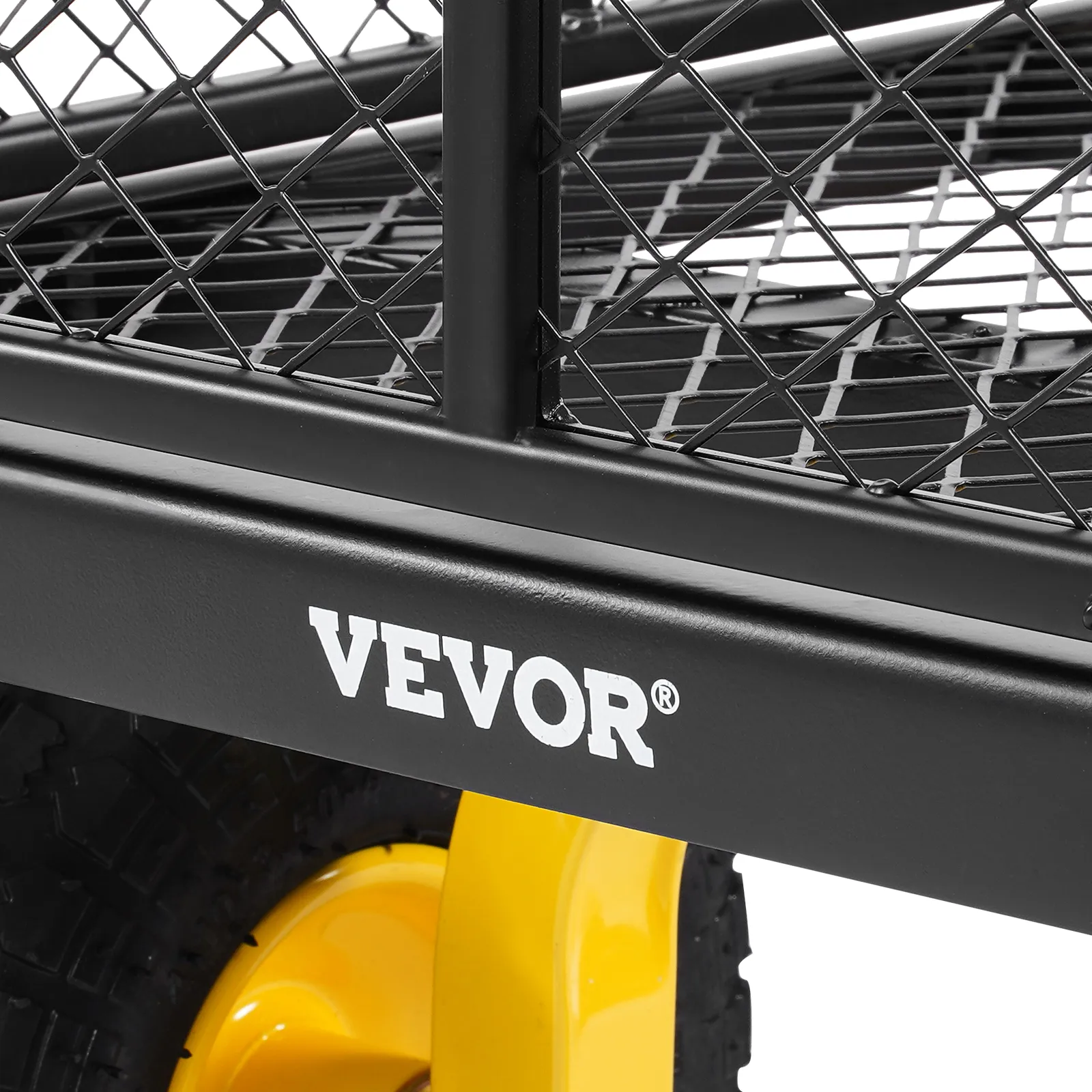
Q235 Steel Metal Garden Wagon with Powder-Coated Rust Protection
This metal garden wagon has three support beams across the base and Q235 steel beneath the small frame, which provides structural rigidity despite its diminutive size. When weight varies unevenly during a draw across uneven or sloping terrain, this combination prevents the flex and wobble that undersized, thin-gauge carts develop with repeated loading.
The steel is covered with a powder coating that shields it from soil contact and moisture, which can cause rust on exposed outdoor equipment. Its protective effect becomes apparent after the first full year of outside storage and daily use, which maintains its functioning season after season rather than corroding after one wet spring.
Frequently Bought Together
VEVOR 500 Lbs Steel Garden Cart, Heavy Duty Garden Wagon Cart Pullable on Wheels, Metal Yard Utility Wagon Carts with 10" All Terrain Tires, Mesh Removable Sides and 180°Rotating Handle