VEVOR Commercial Ice Maker Machine - Head, 204 kg/Day Stainless Steel Ice Machine with Scheduled Ice-Making, Self-Cleaning, Adjustable Thickness, Ideal for Restaurant Bar Cafe Hotel - Head Only


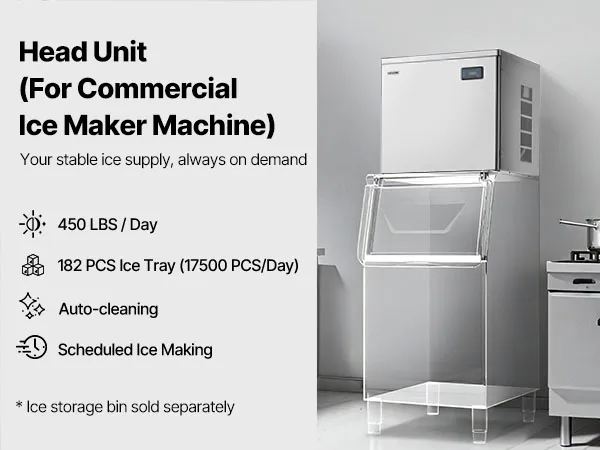
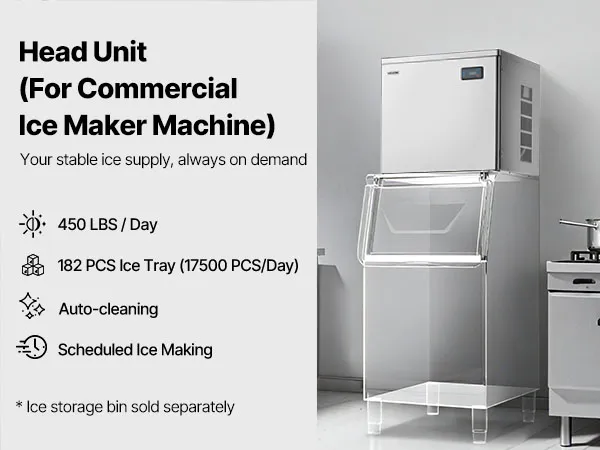
- Large Ice Production: The commercial ice maker (head) can produce 450 lbs of ice per 24 hours, which is approximately 17,500 pieces of ice, providing a continuous supply of ice in large quantities
- Fast Ice Production: The commercial ice maker is equipped with 182 ice trays. You can adjust the thickness of the ice by increasing or shortening the ice-making time. The powerful compressor can produce ice cubes in just 12-15 minutes
- One-Button Cleaning: The commercial ice maker machine features a one-touch self-cleaning function, providing you with a clean and healthy ice-making environment and ensuring that the ice cubes are clean
- Intelligent Control Panel: The ice maker has an electronic touch display, allowing you to adjust the ice thickness by adjusting the ice-making time. You can start the self-cleaning with one click, and monitor the ice-making status at all times
- Ice Making Reservation: With the commercial ice machine’s reservation function, you can plan ahead more easily and set the optimal ice-making time based on your business needs
Frequently Bought Together
Reviews
About this item


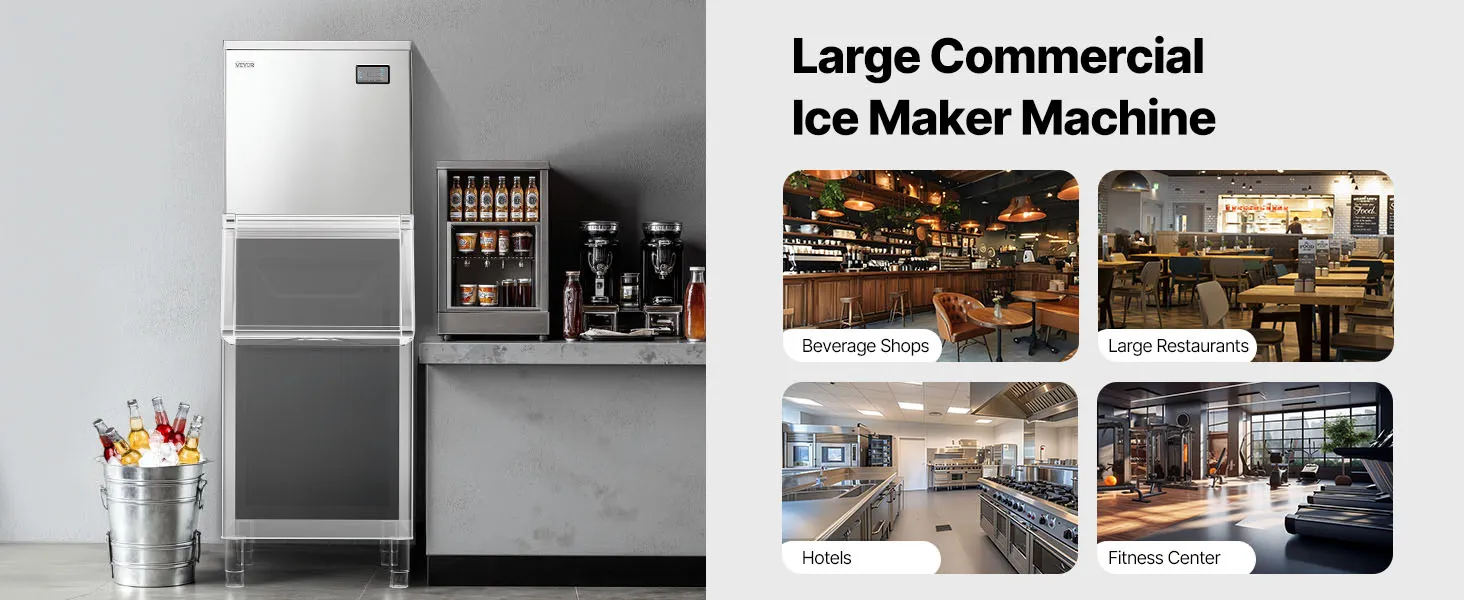
450 lbs Daily Output Bar Ice Maker for High Volume Commercial Demand
This bar ice maker is among the best choices for high demand commercial settings because it can produce up to 450 pounds (204 kg) of ice every 24 hours. Restaurants, hotel banquet halls, and popular cafes can rely on a consistent supply without worrying about running out during busy times. The machine generates about 17,500 individual ice pieces every day, providing operations with the volume required to keep drinks cool and patrons happy during each shift.
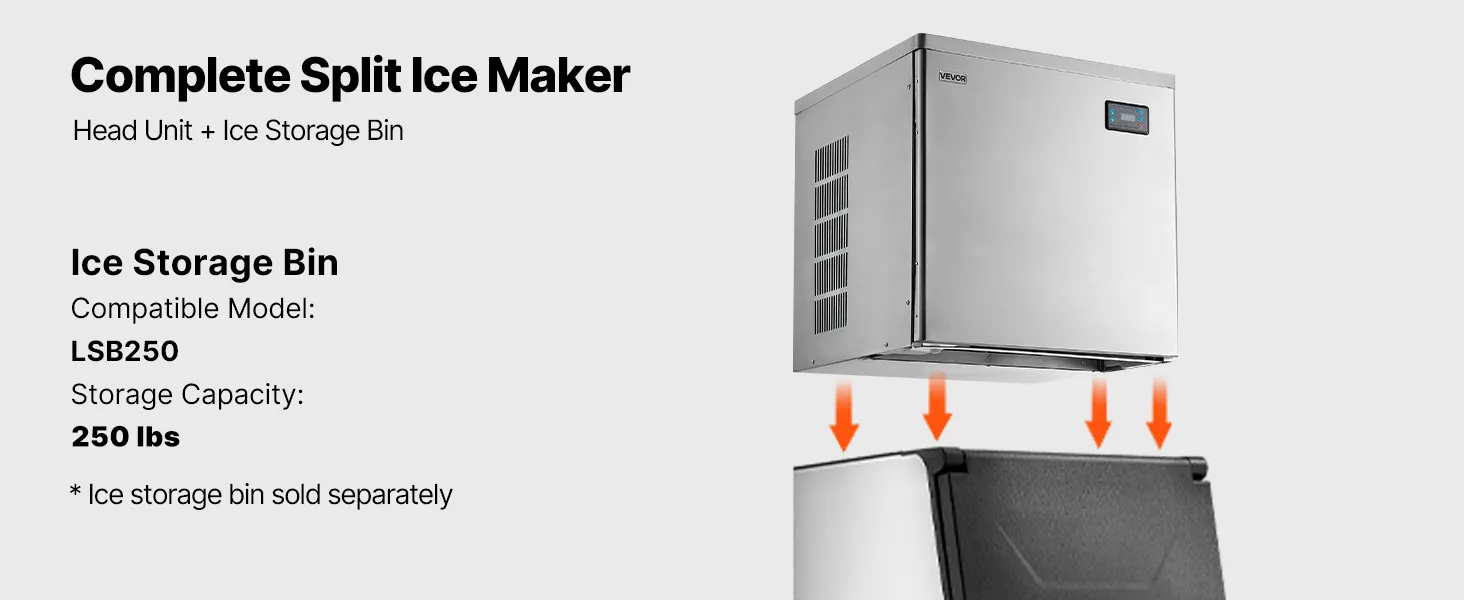
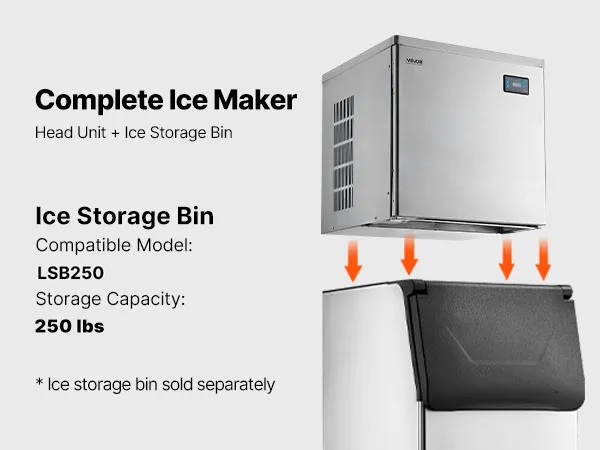
When your ice supply meets demand, managing big crowd events or hectic weekend rushes becomes much simpler. This bar ice maker reduces labor and supply costs by eliminating the need for regular hand refills or backup ice orders. Commercial kitchens and bar setups can increase production without changing their current equipment layout thanks to its head-only design that blends seamlessly with existing storage bins.
One Button Self Cleaning Function for a Hygienic Ice Making Environment
In any food service scenario, keeping an ice maker clean is crucial, and this equipment makes it as easy as pressing a single button. Without disassembly or manual scrubbing, the one-touch self-cleaning feature initiates an automatic cleaning cycle that removes residue, bacteria, and mineral buildup from internal components. Customers regularly receive clean, safe ice cubes from the machine, and staff members spend more time providing service than on maintenance.
Regular and automated cleaning makes it easier to maintain health code compliance. The self-cleaning cycle targets the areas most vulnerable to contamination in high-use commercial settings. By preventing scale buildup, which would eventually limit efficiency, regular use of this function prolongs the lifespan of internal components. Additionally, clean equipment operates more efficiently, maintaining quick cycle times and great output quality throughout the workday.
Scheduled Ice-Making Reservation for Smarter Business Planning
Operators can schedule production in advance using the ice-making reservation function, which sets the machine to start its cycle at a specific time based on the day's demand. To ensure the morning crew has a full bin, a breakfast buffet operation can plan for overnight ice production. By scheduling production to peak well before the evening rush, a bar may minimize wasteful energy use during slow hours and guarantee optimal availability when it counts most.
Managers may incorporate ice production into their broader operational planning thanks to this level of scheduling control, eliminating the need for manual monitoring. It is simple to arrange, modify, or cancel scheduled runs at any time thanks to the reservation feature, which works in tandem with the touch panel. This feature is especially beneficial to businesses that work several shifts because each team starts its service window with a fully stocked bin without having to step in.
Bar Ice Maker with Stainless Steel and PE Plastic Build for Long-Term Durability
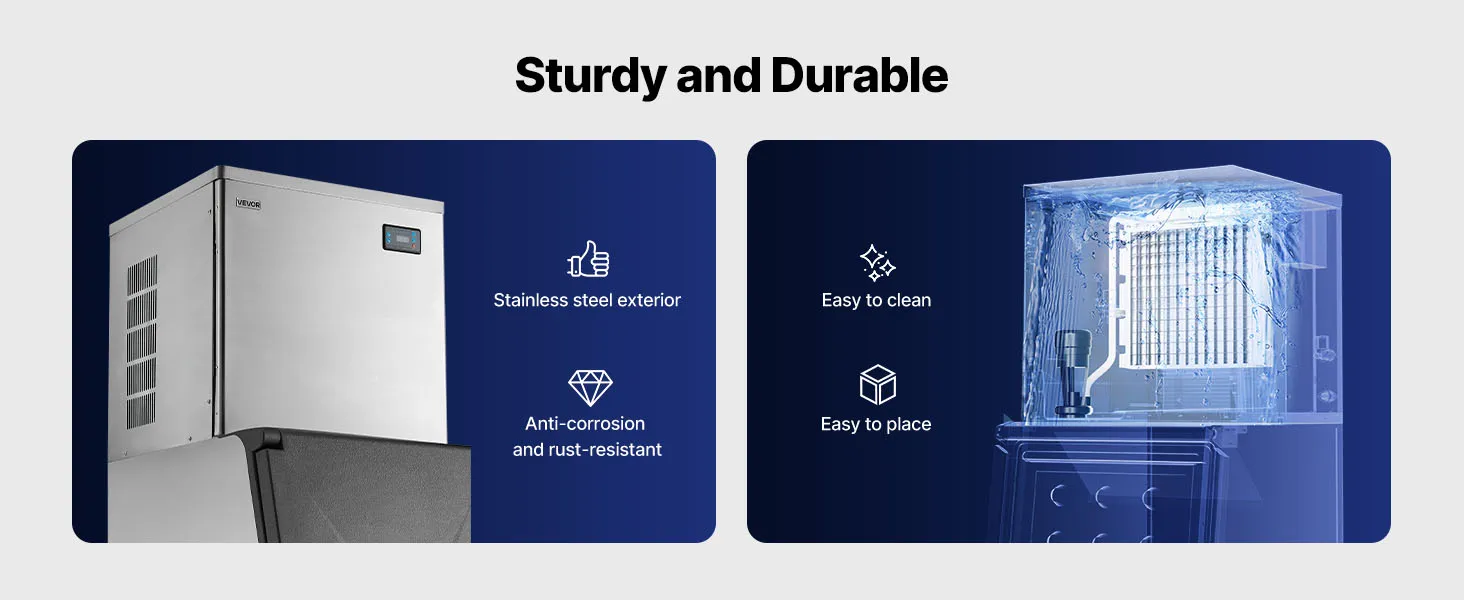
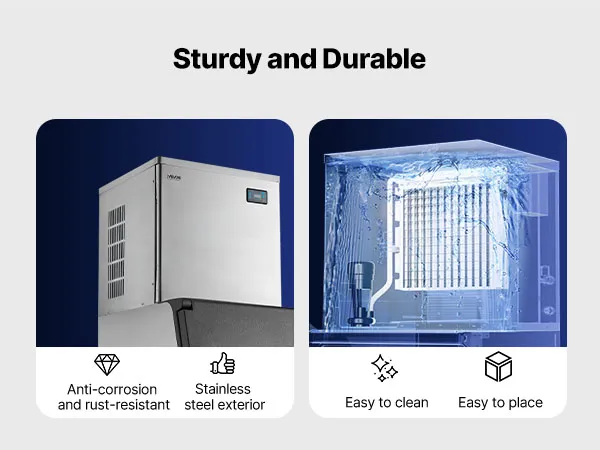
Stainless steel, which is resistant to corrosion, can withstand repeated exposure to moisture, and meets the hygienic requirements of professional kitchens and bars, is used for both the external and core structural components. Despite the intensive daily use that commercial equipment experiences, stainless steel surfaces are easy to clean, do not absorb odors, and maintain their appearance. The material selection shows a machine designed for durability rather than merely short-term performance.
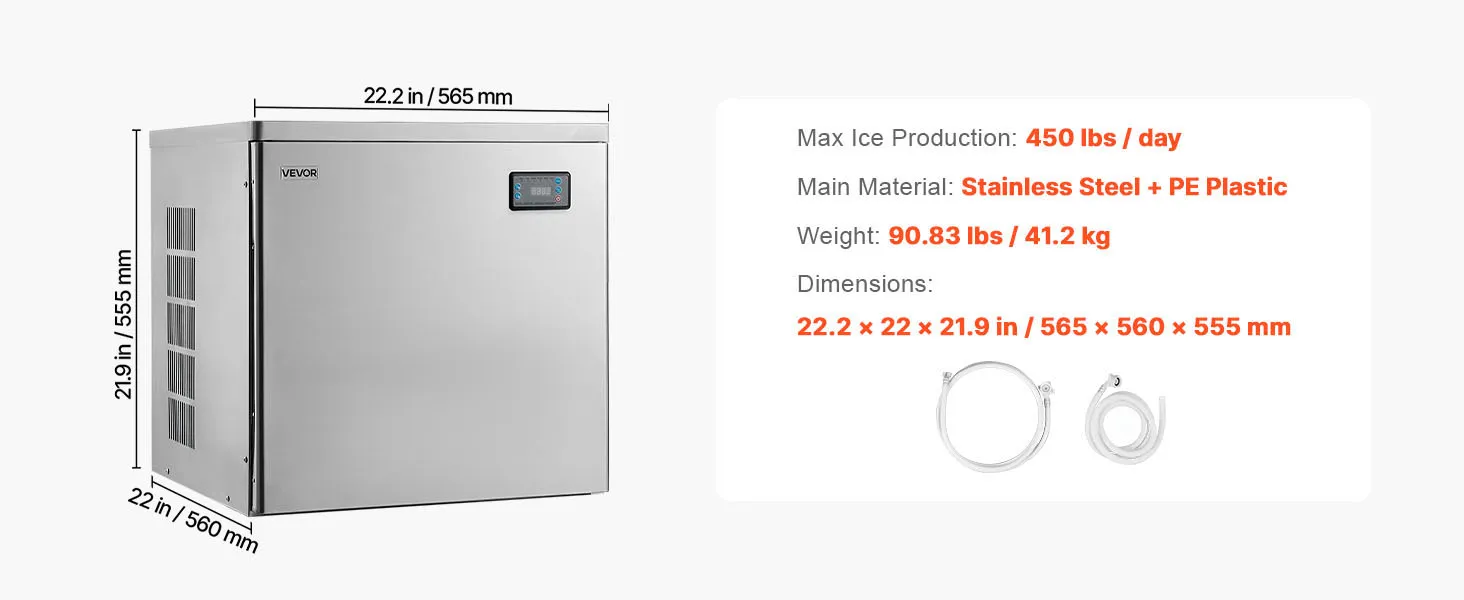
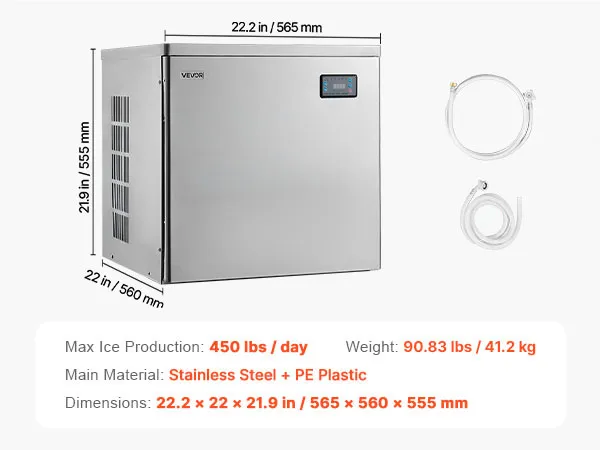
Internal parts are made of food-grade PE plastic, which does not leach chemicals into the ice and does not crack at cold temperatures. The machine has safe, dependable interior material contact and exterior structural strength, thanks to a mix of PE plastic and stainless steel. The bar ice maker, which weighs 96.56 lbs and measures 22.2 x 22 x 21.9 inches, has the output capacity of a much larger system while fitting into a typical business footprint.
182 Tray Designs for Rapid 12–15 Minute Ice Cube Production
In approximately 12 to 15 minutes, the machine’s 182 separate ice trays, each operating concurrently, can make a whole batch of ice cubes. The ice bin remains full from opening until last call thanks to this quick cycle time, which keeps up with even the busiest service times. Regardless of ambient temperature or load demand, the powerful compressor drives the rapid freeze cycle, ensuring uniform cube quality throughout each batch.
There are shorter wait times between refills for bartenders and kitchen staff when there are more trays, because this increases batch output per cycle. The compressor can operate at maximum efficiency without overworking, thanks to the effective tray architecture, which maximizes the interior freezing surface. This high-frequency production capability immediately benefits operations that rely on a constant supply of ice, such as buffet stations, cocktail bars, and seafood displays.
Adjustable Ice Thickness via Intelligent Electronic Touch Control Panel
Through a clear, easy to read touchscreen interface, users can adjust the ice making time, giving them direct control over ice cube thickness. Longer cycles yield larger, denser chunks ideal for slow-melting applications like cold displays or whiskey service, whereas shorter cycles yield thinner cubes. The control panel eliminates guesswork and enables quick, accurate changes by combining all essential features into a single, easily accessible interface.
Employees can monitor ice making status in real time directly from the panel, enabling them to identify problems early and maintain output without disrupting service. Any team member can effectively control the touch interface, as it requires no tools or technical expertise. The panel provides the control to constantly match venues' needs, whether they require thicker pieces for luxury cocktail presentations or conventional cubes for blended beverages.