VEVOR Commercial Ice Maker, 400 Lbs/Day Ice Maker Machine, 180 Lbs Large Ice Storage Bin with 20 Lbs/Min Automatic Ice Dispensing, Self-Cleaning Ice Machine with Touchscreen for Bar, Cafe, Restaurant
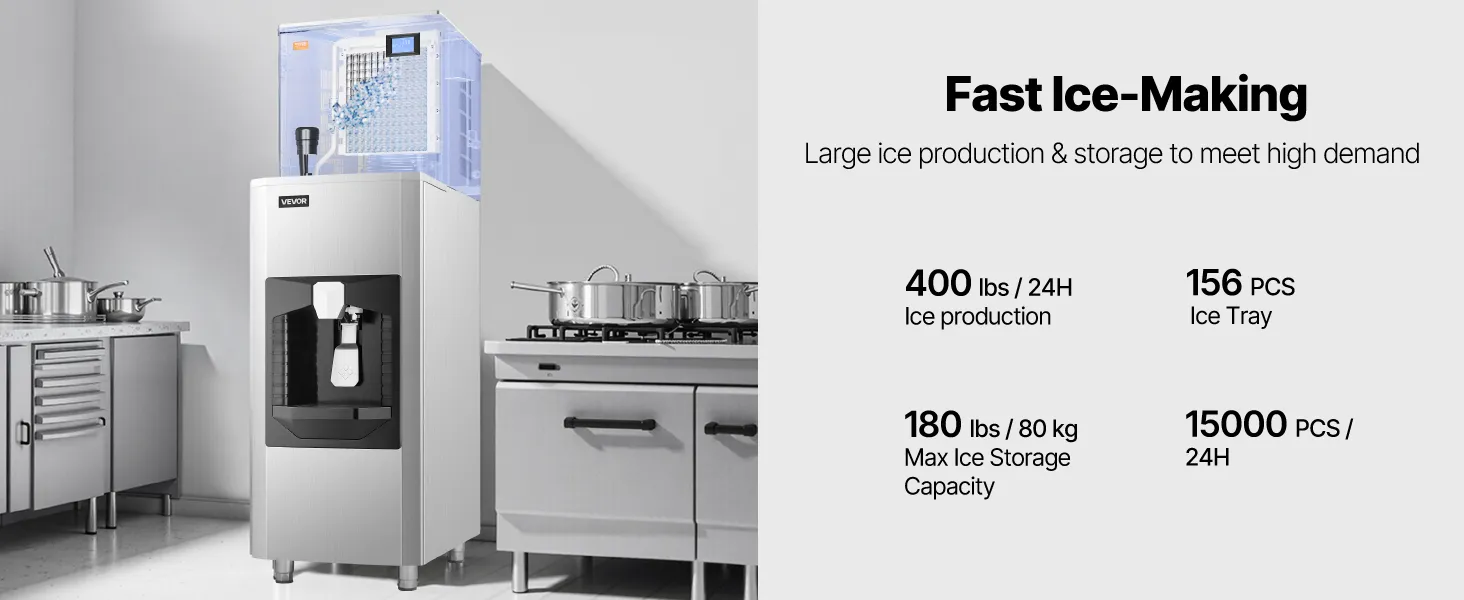
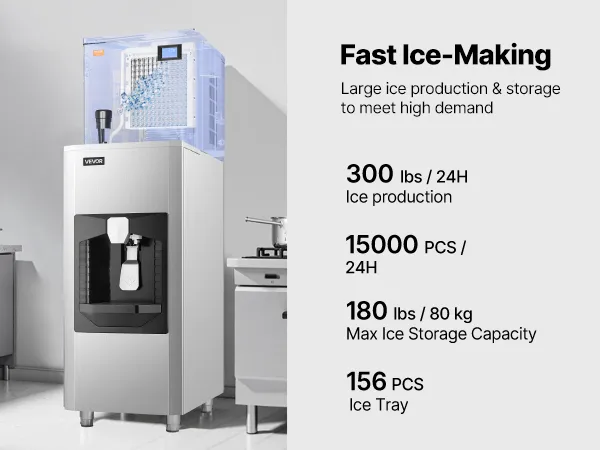
- Fast Ice Making: This commercial ice maker can produce 400 lbs of ice per 24 hours, it comes with 156 ice trays, and the powerful compressor enables it to produce ice in 12-15 minutes, ensuring a continuous supply of ice
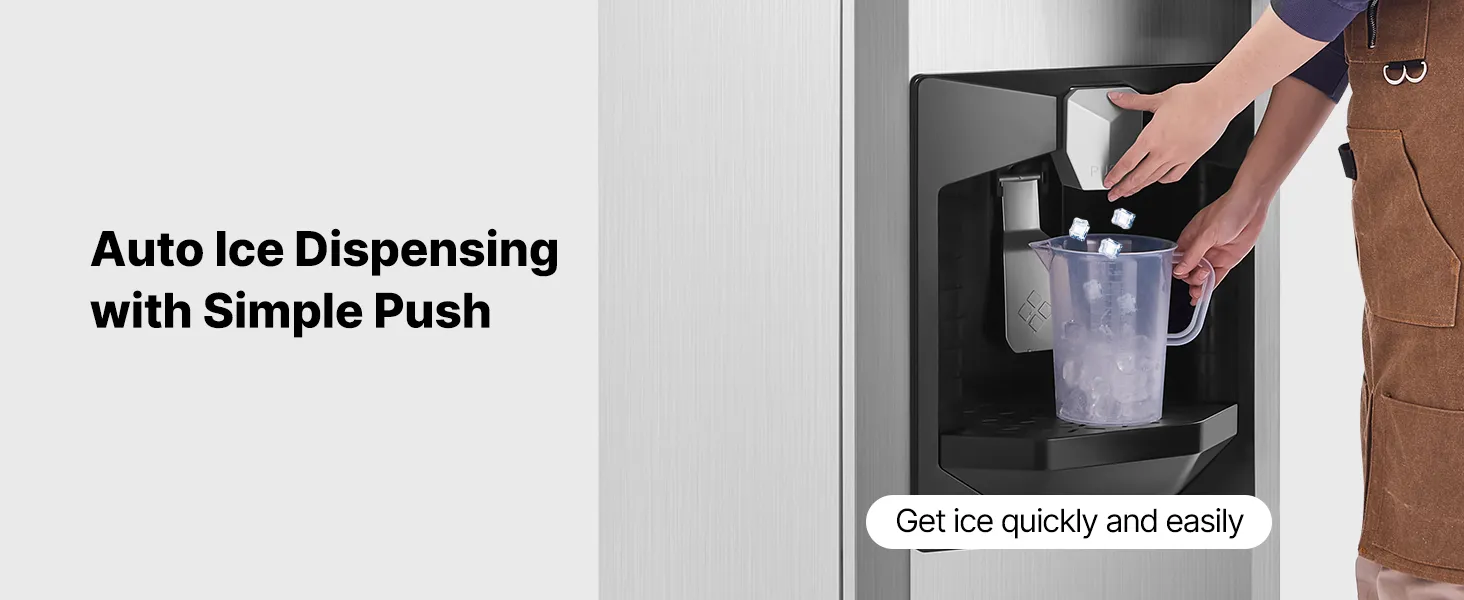
- Ice Dispenser: The 180 lbs capacity ice storage bin features an automatic ice dispensing function and can dispense 20 lbs of ice cubes every minute
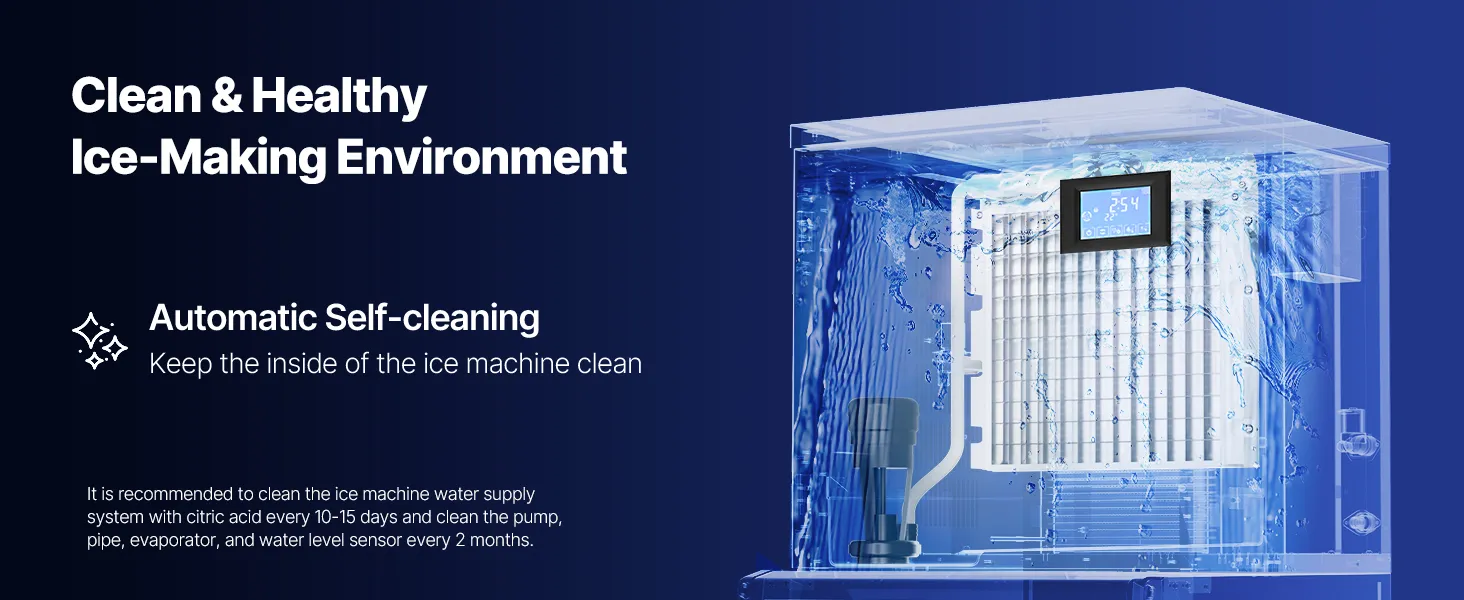
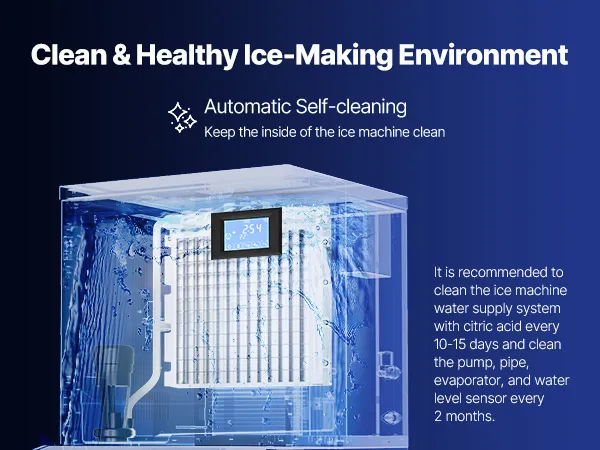
- Easy to Clean: The commercial ice maker machine features a one-touch self-cleaning function, providing you with a clean and healthy ice-making environment and ensuring that the ice cubes are clean
- Strong Insulation: This ice making machine features ≥25mm thick integrated cyclopentane foaming and heavy-duty stainless steel casing, which effectively isolates external heat. Keep your ice cubes cool for 6-8 hours even when power fails. Enjoy fresh chilled drinks all day long
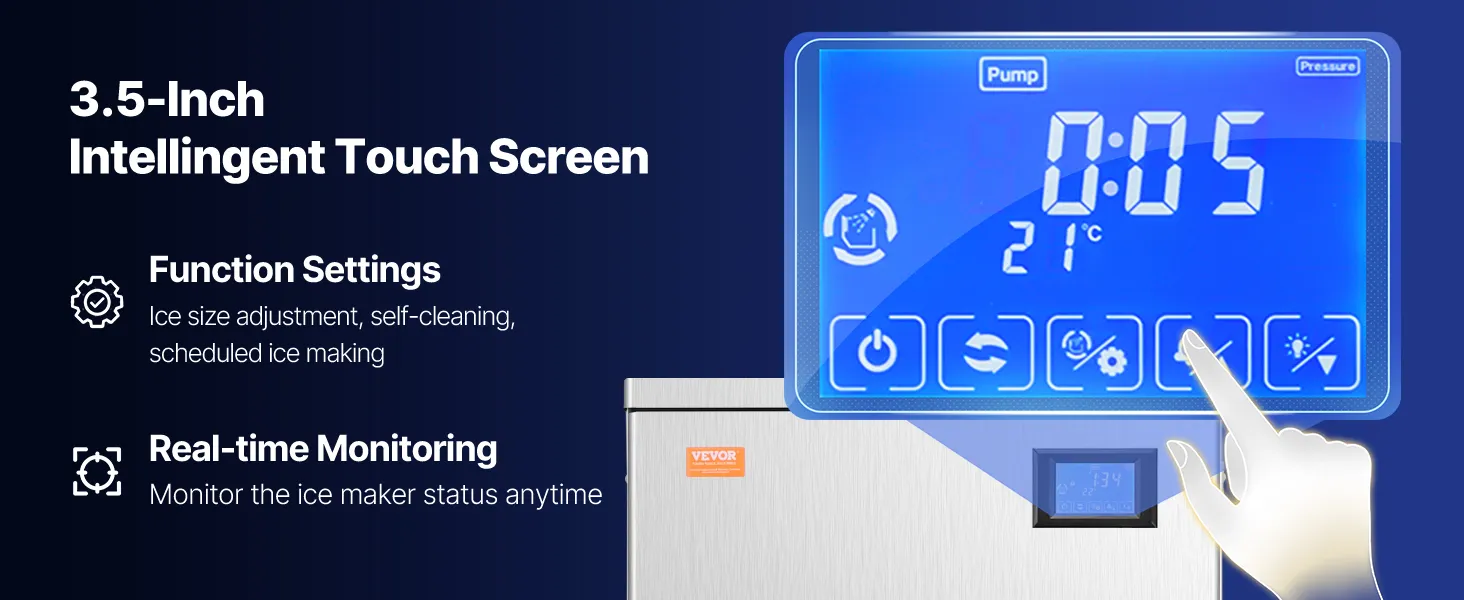
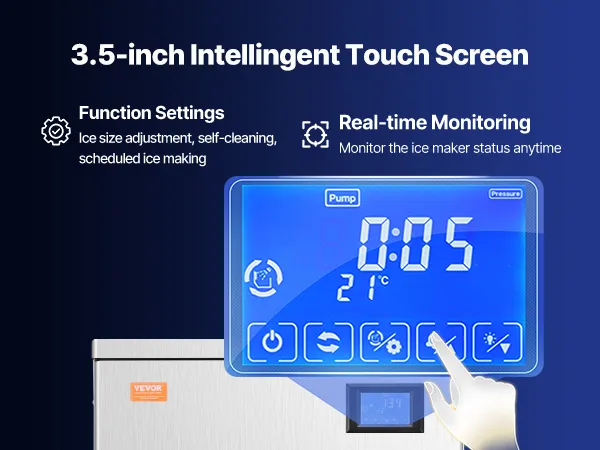
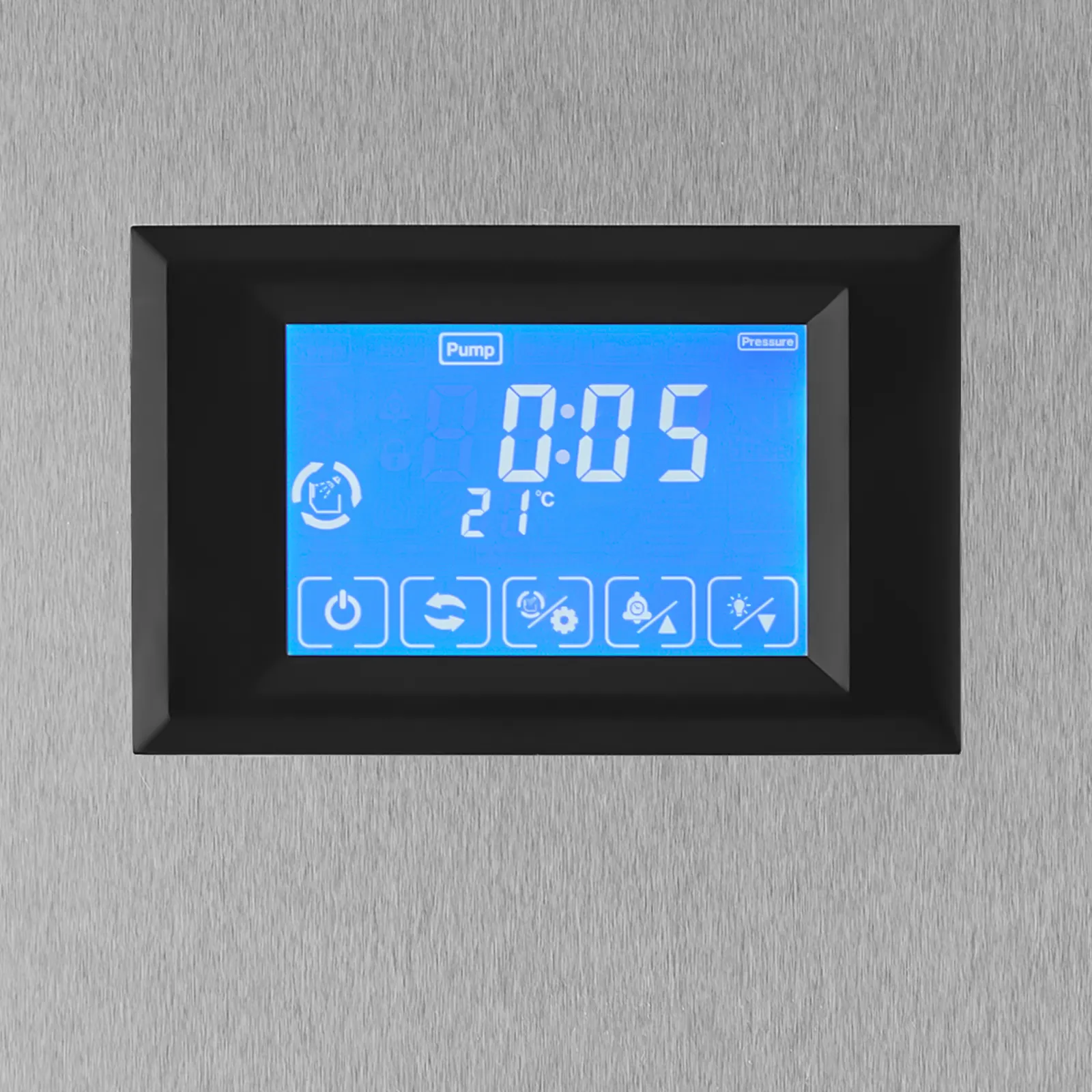
- Intelligent Control Panel: Our commercial ice machine adopts a multifunctional display through which you can observe the ice-making process, easily adjust the thickness of the ice cubes, operate the automatic cleaning function, and stay informed of real-time status through the panel's indicator lights
Frequently Bought Together
Reviews
About this item


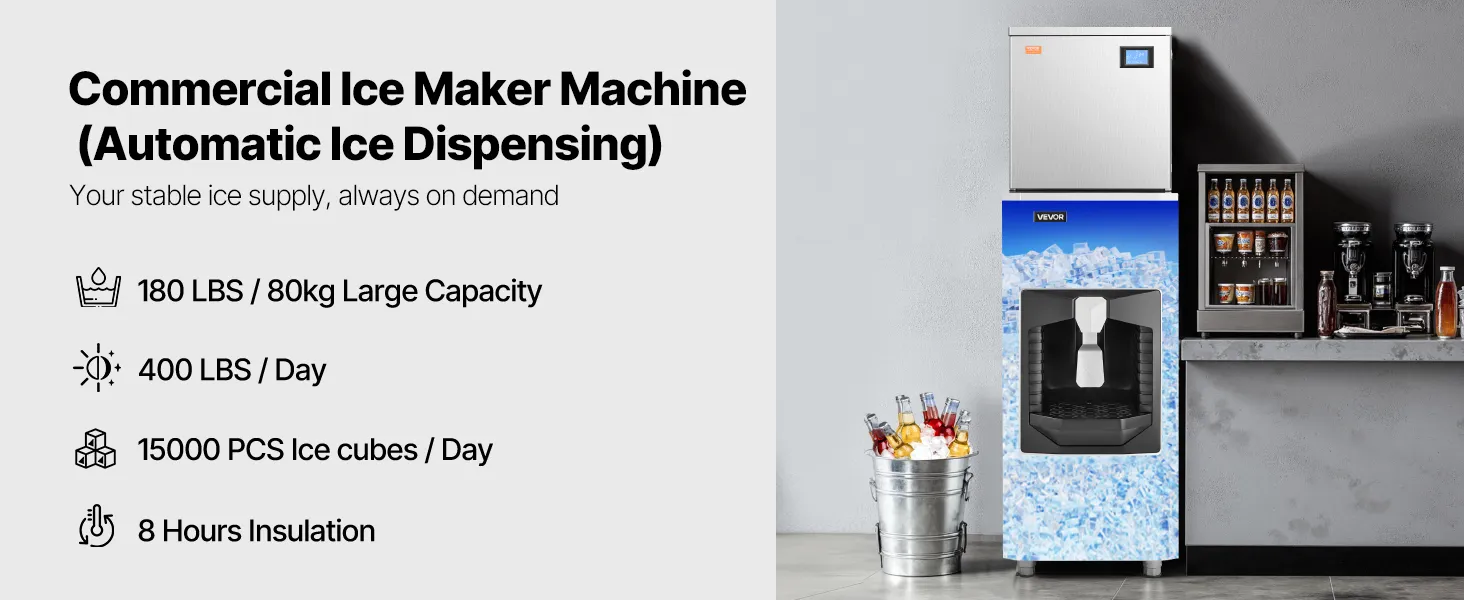
High-Speed Automatic Ice Dispenser Delivering 20 LBS of Ice Per Minute
This automatic ice dispenser delivers ice swiftly, dispensing 20 lbs of ice cubes per minute from the 180-lb storage bin. With this dispensing pace, staff spend significantly less time standing at the ice station and far more time where their attention belongs, serving customers. During a busy shift, whether refilling drink buckets, restocking coolers, or topping off numerous stations simultaneously, the speed of delivery keeps operations flowing and removes bottlenecks.
Automatic ice dispensing also eliminates the hygiene problems associated with open-bin scooping throughout the day. Hands, tools, and airborne pollutants come into contact with manually opened bins for extended periods during service. An automatic dispenser closes that gap by precisely controlling how ice leaves the bin. The result is cleaner ice supplied faster, which helps food safety and the overall quality of every drink provided.
400 LBS Daily Ice Output That Handles Demand Across Every Part of Your Venue
This automatic ice dispenser is suitable for venues where ice demand is spread across several service areas operating simultaneously, producing 400 lbs of ice every 24 hours. At this output level, one machine can serve a bar, dining room, take-away station, and prep kitchen without any one section being short during peak service. The manufacturing pace is designed to meet that kind of spread, all-day demand, rather than just serving one counter or one shift.
The 400-lb figure holds up under real operating conditions, since the internal components are designed for back-to-back cycling, not occasional use. This unit keeps pace with production from open to close, unlike machines that produce their rated output under ideal test conditions, but don’t deliver for a full commercial day. That kind of stability is what makes the capacity number genuinely relevant in a real facility, and not just great on paper.
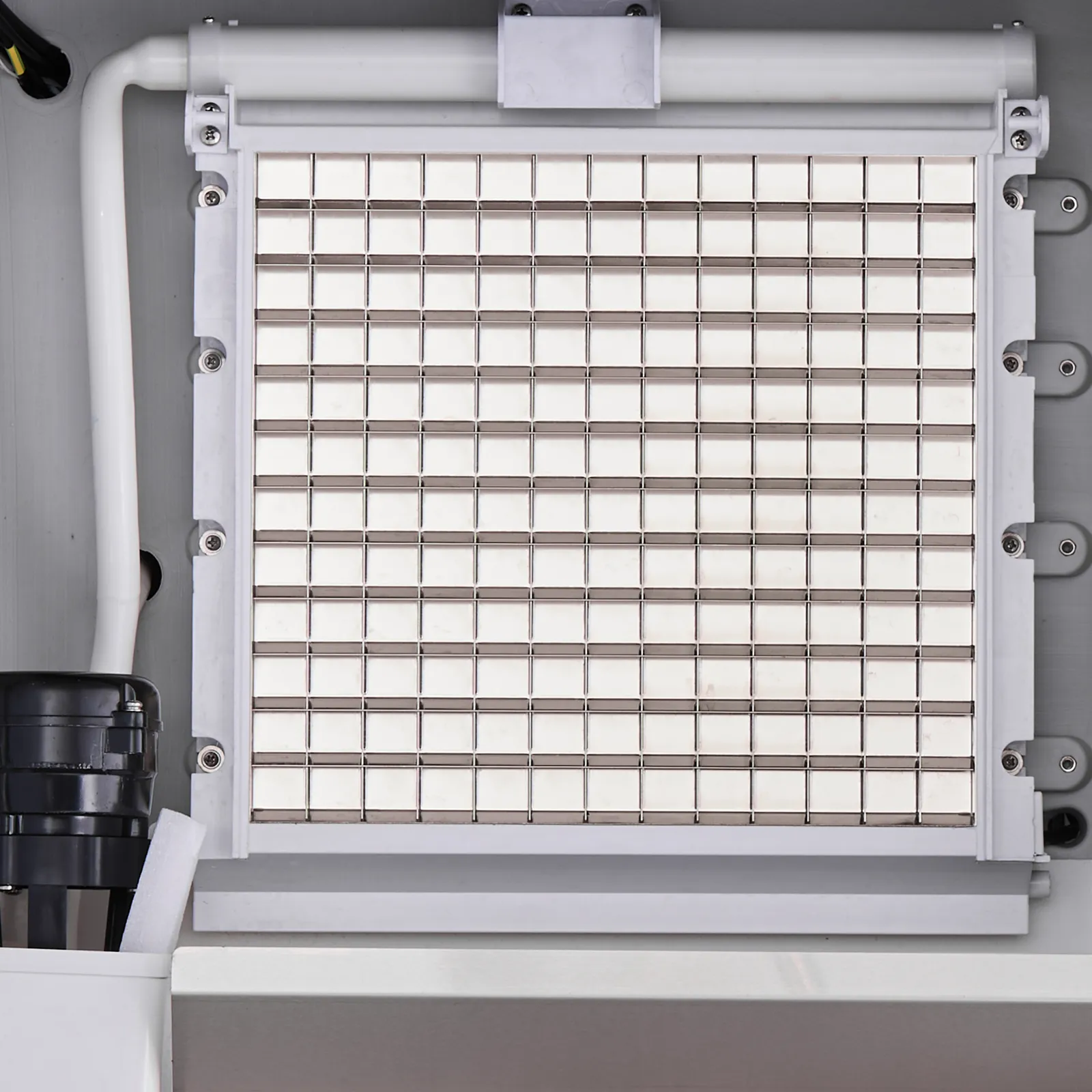
156 Ice Trays Per Cycle Producing a Full Batch of Ice in Just 12–15 Minutes
Each manufacturing cycle is performed on all 156 ice trays simultaneously, so you get a large batch of ice cubes that go directly into the storage bin for dispensing. The high tray count, combined with the fast 12- to 15-minute cycle time, means the bin level recovers quickly from a severe decline, and workers are not left waiting through a long output gap. One of the most pragmatic benefits this machine offers amid unanticipated service surges is the speed of such recovery.
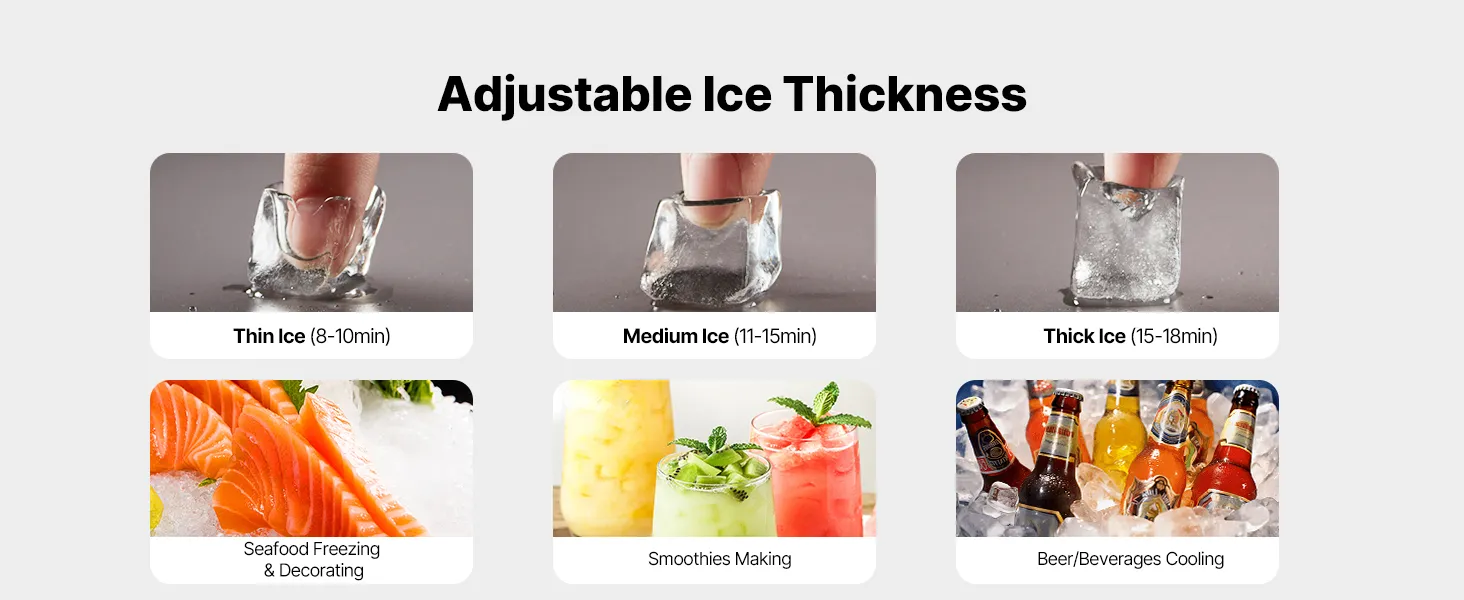
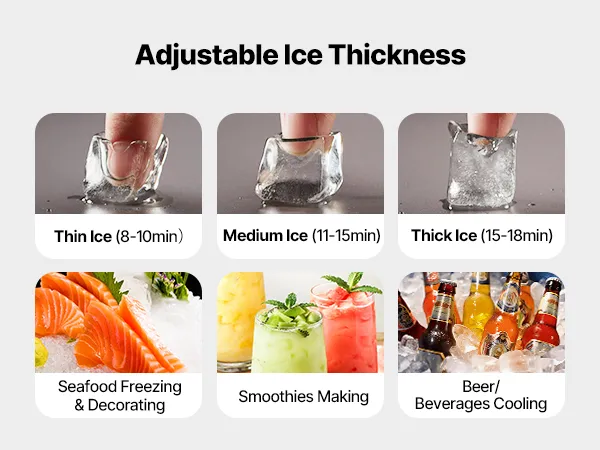
Operators can also vary the thickness of each batch of ice by adjusting the ice-making time on the touchscreen panel, which affects the cycle length and, in turn, the cube density. The shorter the run, the lighter the cube, which means it chills drinks quickly. The longer the run, the denser the cube, which means it melts more slowly and lasts longer in a glass. This one modification will satisfy a wide range of ice needs across different areas of the same facility, without the need for separate equipment for each application.
180 LBS Storage Bin With Foam Insulation That Preserves Ice Quality All Shift Long
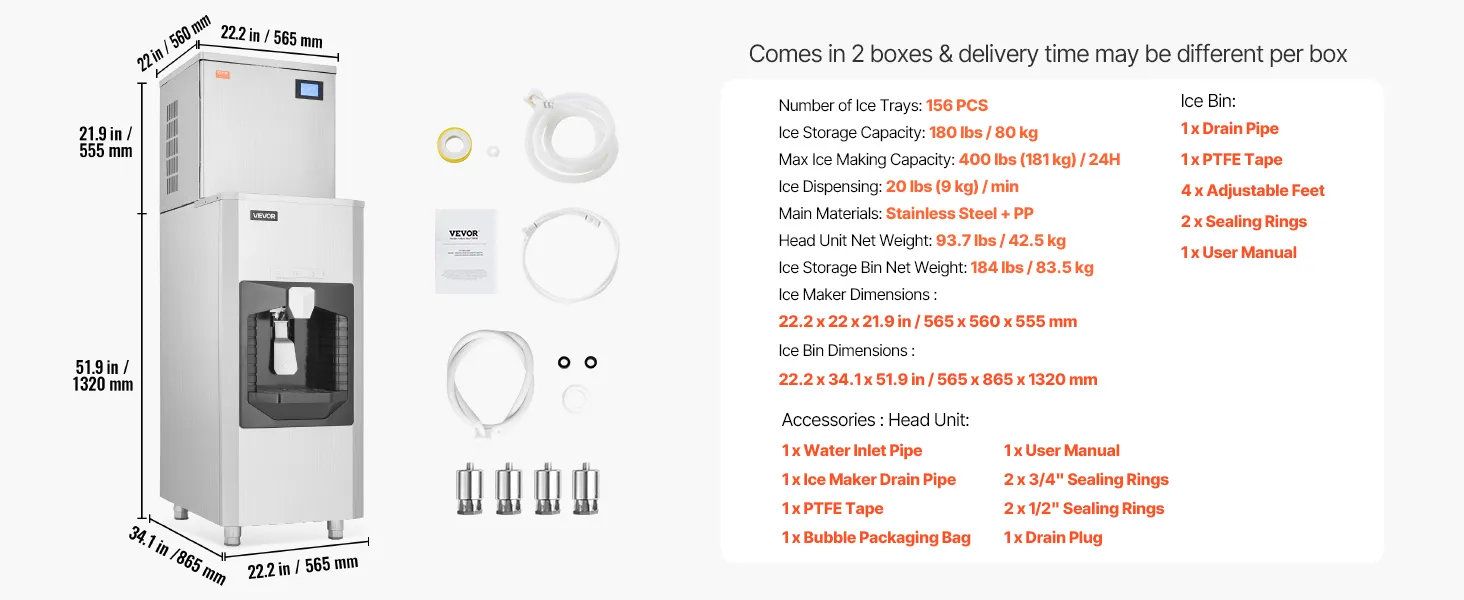
The 180-pound storage bin gives the team a good buffer of ready ice to work from at any time during the shift, which means the machine doesn’t have to produce at full rate to keep up with immediate demand. That reserve allows service to continue at full speed during the lag time between production cycles, and personnel can draw freely from the bin without worrying about watching the level drop to zero. The bin’s dimensions of 22.2 x 34.1 x 51.2 inches allow the physical space to contain that volume without the ice being packed tightly at the base.
The bin walls are lined with foam insulation – at least 25mm of cyclopentane foam throughout – which keeps the ice in storage dry, hard, and separate throughout a shift. Ice that clumps or melts inside a poorly insulated bin becomes harder to dispense cleanly and results in weak drinks, neither of which is appropriate in a quality food service environment. This insulation solves both these difficulties by keeping the inside temperature constant regardless of how warm the external environment becomes.
Stainless Steel and PP Construction Weighing 93.7 LBS for Rock-Solid Durability
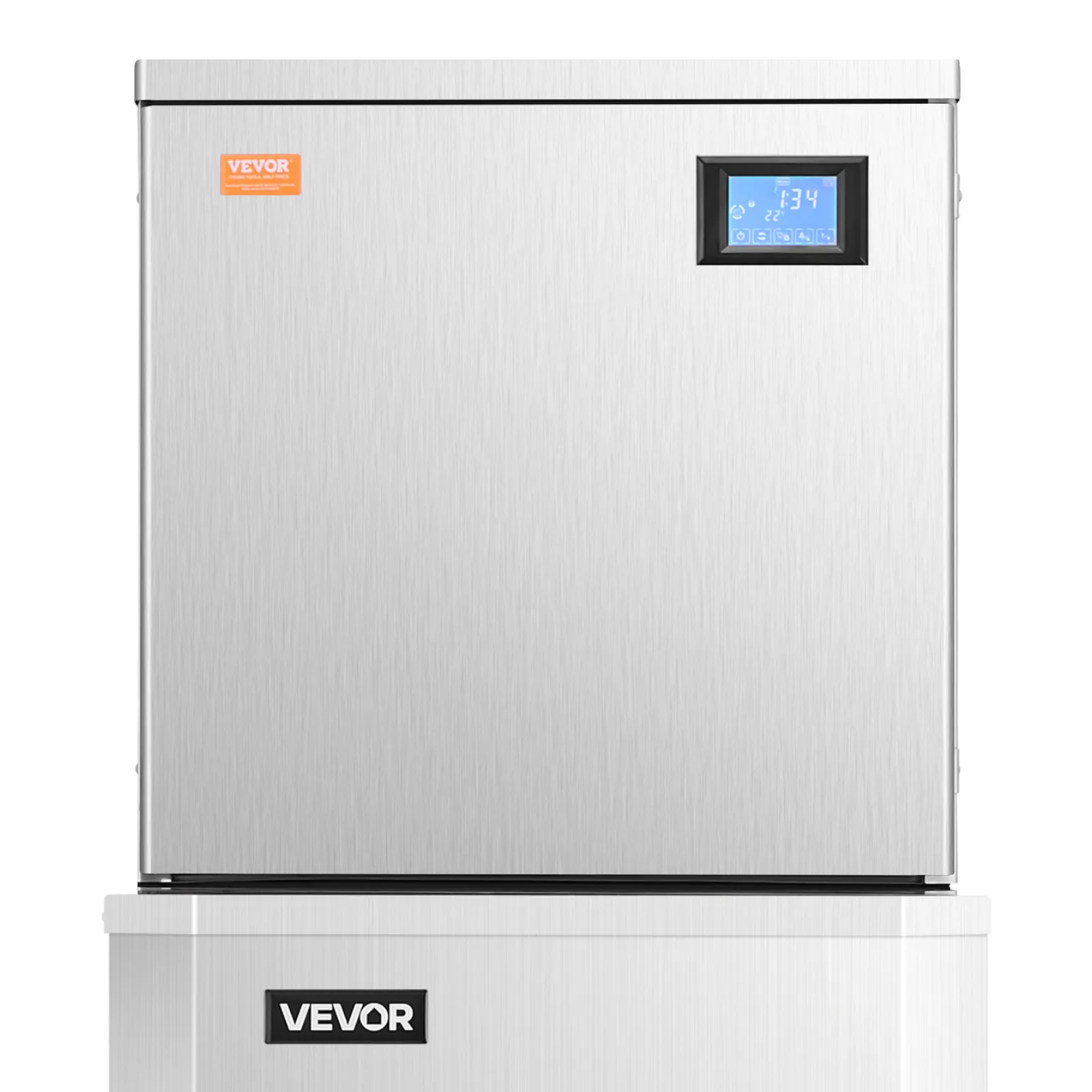
The head unit of this automatic ice dispenser is constructed from stainless steel and PP and weighs 93.7 lbs. A weight that is indicative of the quality and density of components used throughout the build. Stainless steel will not rust, deform, or degrade over time in the moisture-laden circumstances around ice-making equipment. PP components provide structural support in areas where flexibility and impact resistance are more important than raw metal strength.
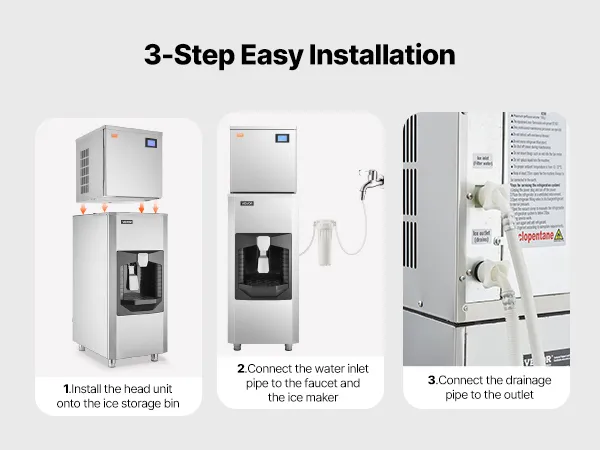
The storage bin weighs 184.1 lbs and measures 22.2 x 34.1 x 51.2 inches, designed to sit next to the head unit in a back bar or prep area layout without taking up more floor space than necessary. The manufacturing machine is tiny, with head unit measurements of 22.2 x 22 x 21.9 inches, even with the entire 156-tray system within. Both units are sized for actual business applications, where every square foot of floor and counter space is utilized.
Automatic Ice Dispenser with Self-Cleaning System and Touchscreen Panel
This automatic ice dispenser features one-touch self-cleaning, taking the hassle out of interior maintenance by performing a full sanitation cycle with a single button on the touchscreen panel. Over time, mineral scale, biofilm, and debris can build up inside ice-making equipment, affecting ice taste and the machine's performance. Regular cleaning prevents these problems from occurring.
Operators have complete visibility into each step of the ice-making process, from the current cycle state to thickness settings and cleaning mode activation, on the multifunctional touchscreen display. The display is complemented by real-time indicator lights that reveal the machine’s operational state at a glance – so personnel know immediately whether the machine is producing, cleaning, or waiting for input. Together, the clear information and easy controls make everyday management simple, even at the height of service.