Deals
Deals by Categories




More Ways to Save

Best Sellers
Best Sellers by Categories
New
New by Categories
Download VEVOR App 

Get $5.00 Off $99.00+ Orders on Your First 3 App Orders
Scan the QR code to download
SKU: ZXKQXNKJ15MDCMCDM001V9
Copy


+12
More


New
VEVOR Articulating Endoscope with Light, 4-Way 360° Articulated Borescope, 6.2mm Slim Lens 1920 x 1080, 4.5" HD IPS Screen, 8X Zoom Inspection Camera for Auto, Mechanical Equipment (1.5m Snake Cable)
New
4.5 543 Reviews
$ 148 98
Earn at least 2% points on purchases or save up to 15%.
Each when you buy 0+.
Shop
Get -% off for new user
Get $5.00 Off $99.00+ Orders on Your First 3 App Orders.
Download Now

Features & Details
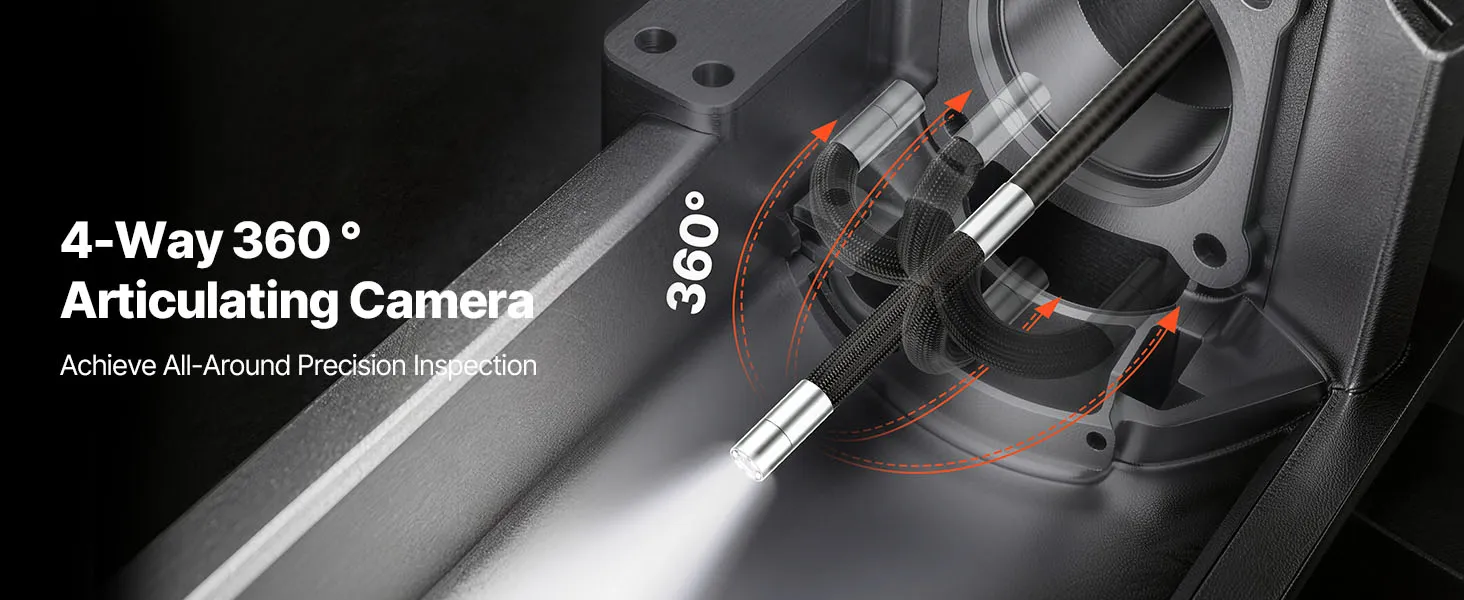
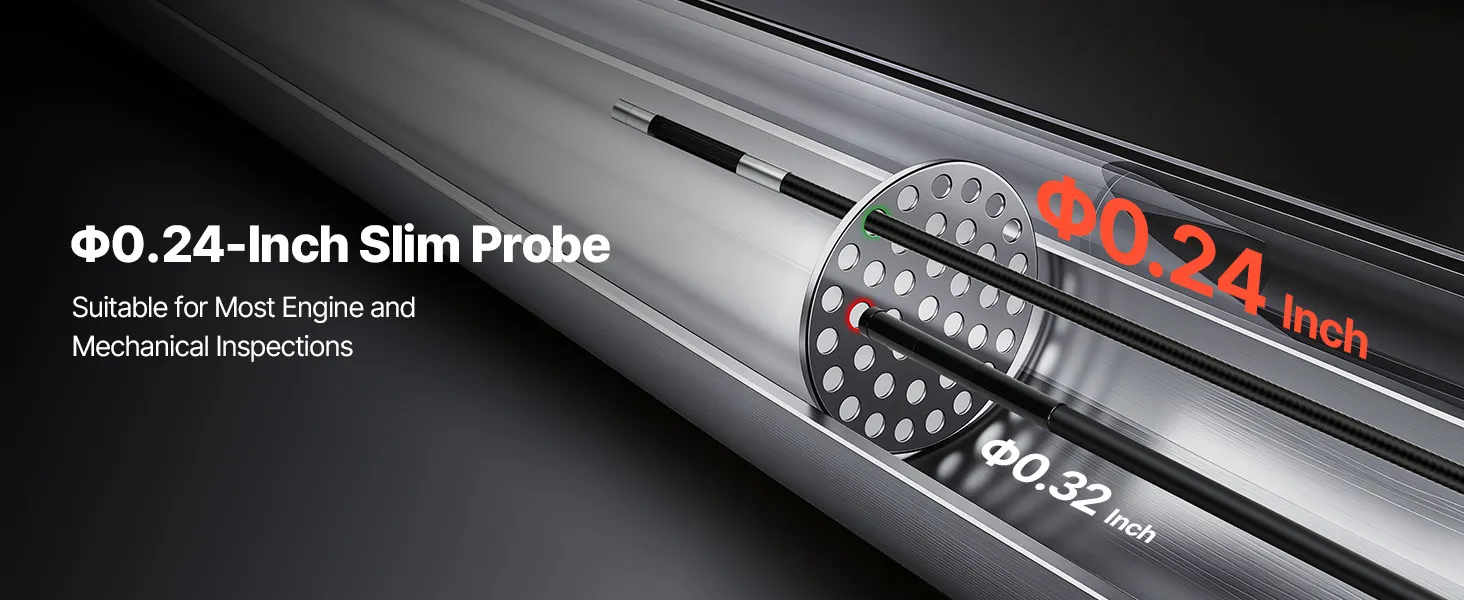
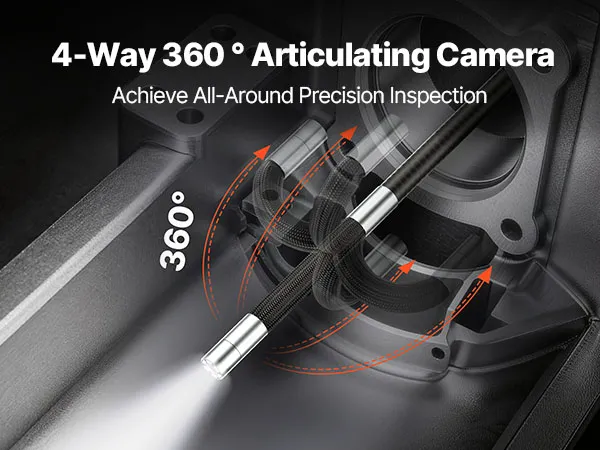
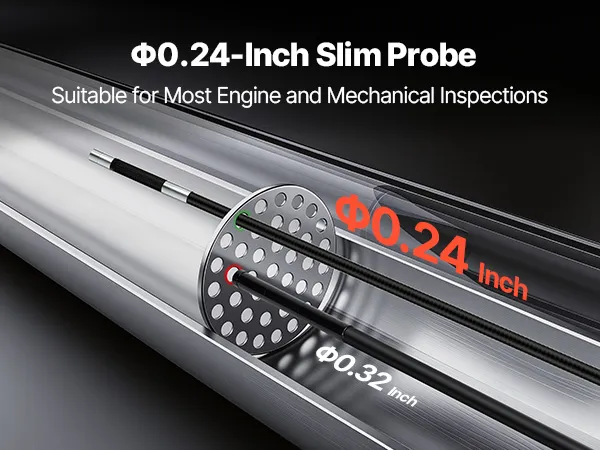
- 4-Way 360° Articulating: This VEVOR endoscope camera features a 360° articulating probe with a 100° wide field of view for flexible 360° all-round inspection. Paired with the Φ0.24-inch (6.2 mm) slim probe, it easily reaches tight spaces, making it suitable for most engine and mechanical inspections
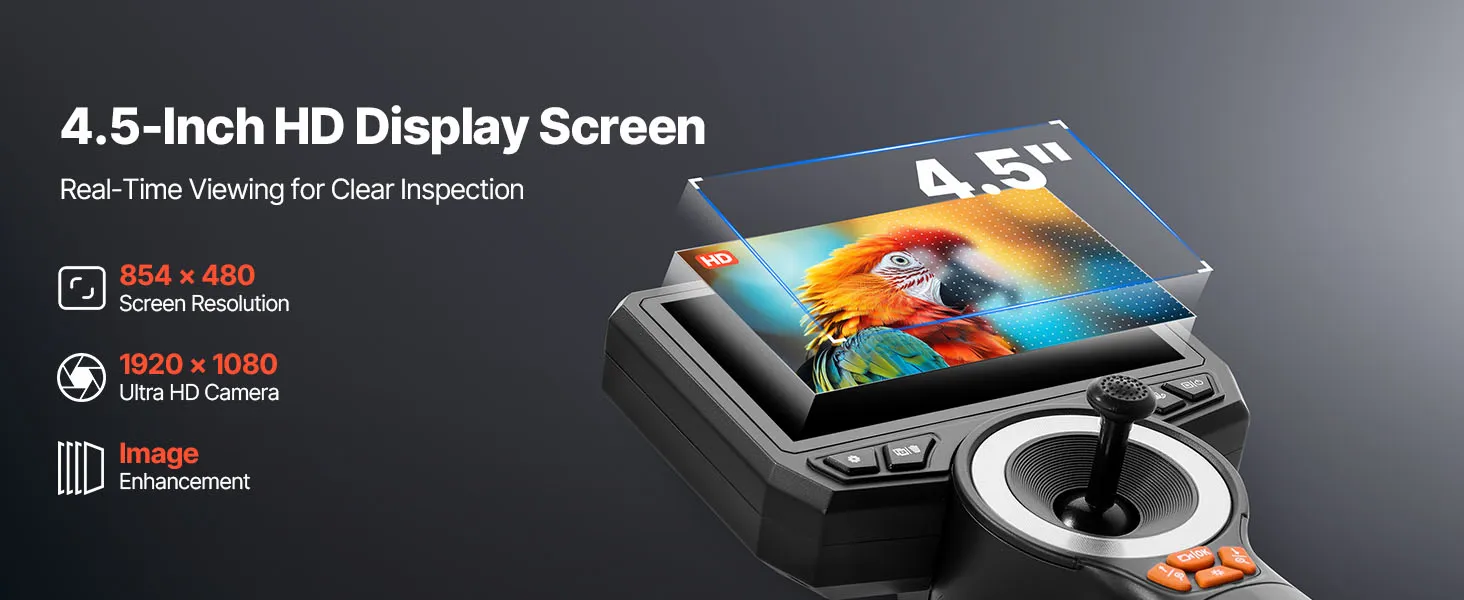
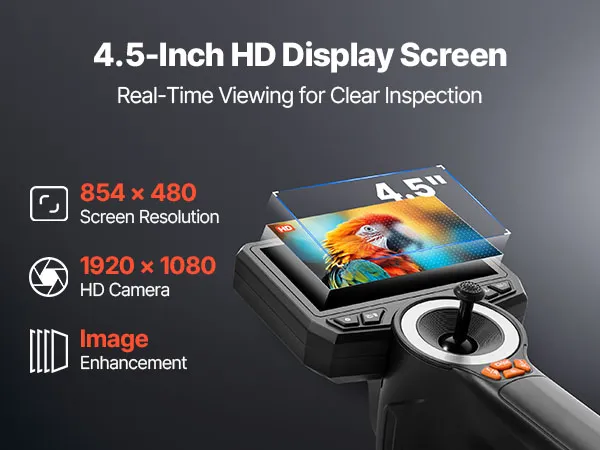
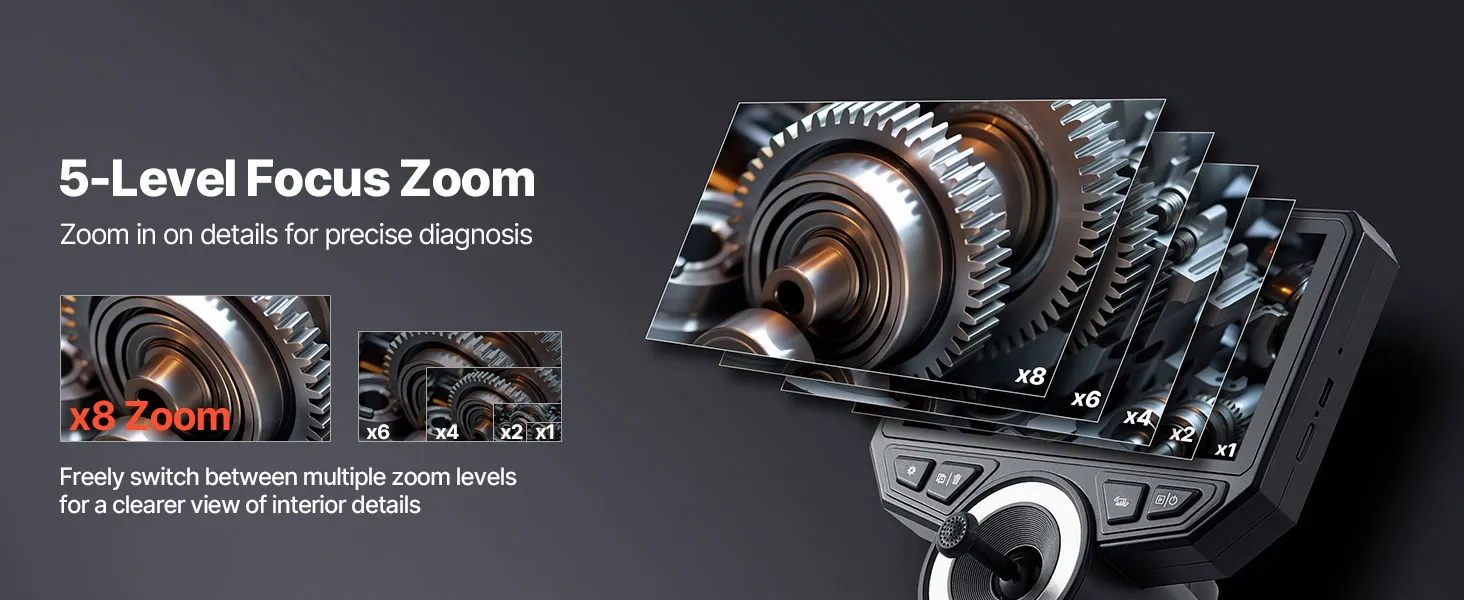
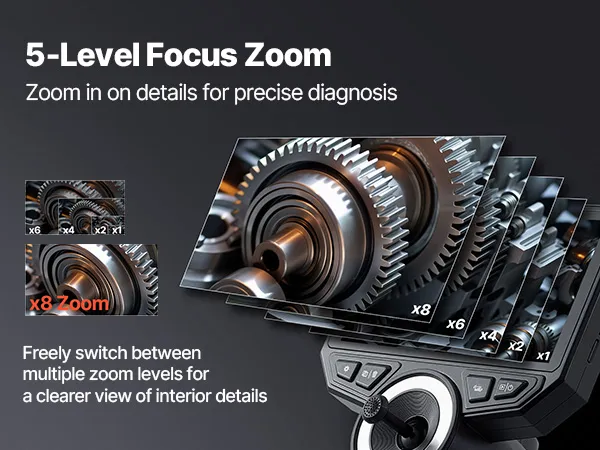
- Clear & Vivid Display: Large 4.5-inch IPS screen with 854*480 resolution, combined with a 1920*1080 ultra HD lens, delivers clearer images and videos with vibrant, true colors. And the images can be zoomed by 1x, 2x, 4x, 6x, and 8x, letting you zoom in on details for more precise diagnosis
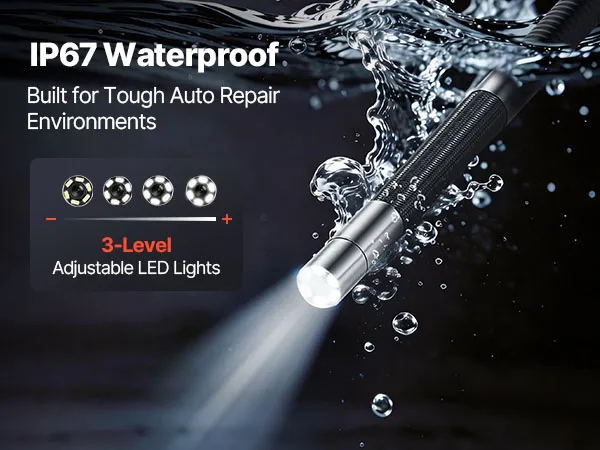
- Flexible Snake Cable: The 4.9 ft (1.5 m) flexible snake cable bends easily for smoother maneuvering and precise positioning. Navigate pipes, engines, and ducts with ease. A waterproof, oil-resistant lens and 6 LED lights provide clear visibility and reliable inspection in dark, wet environments
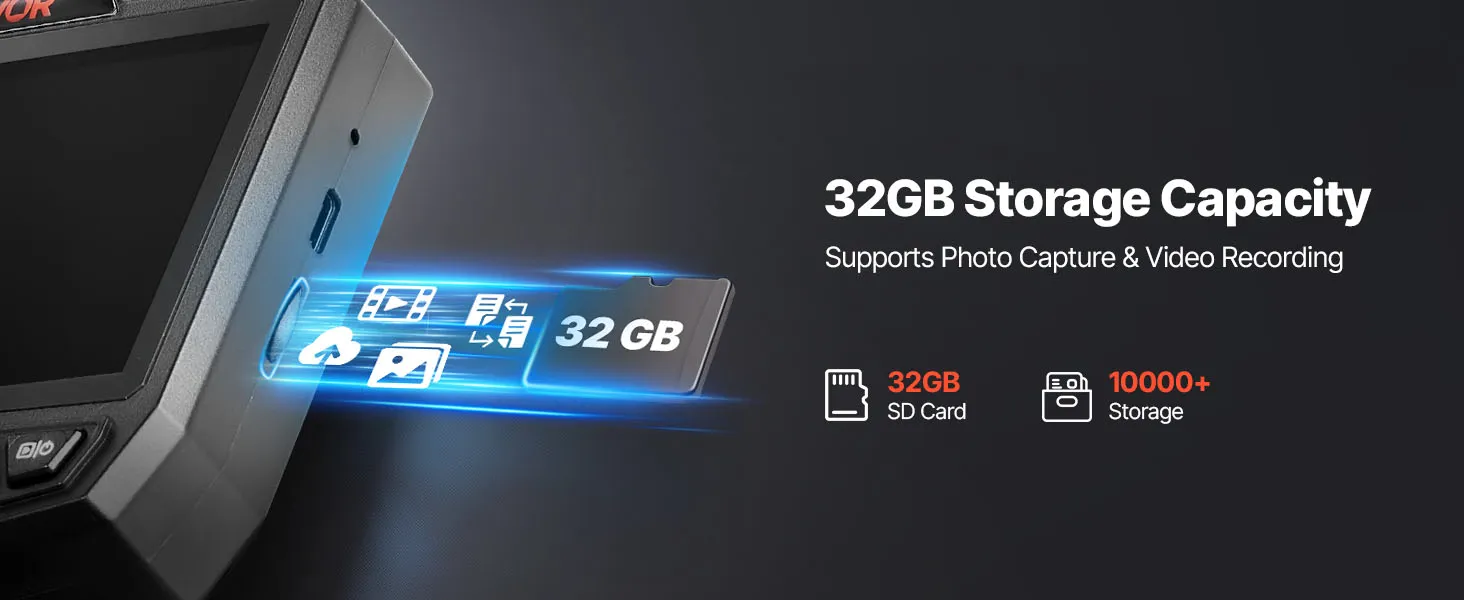
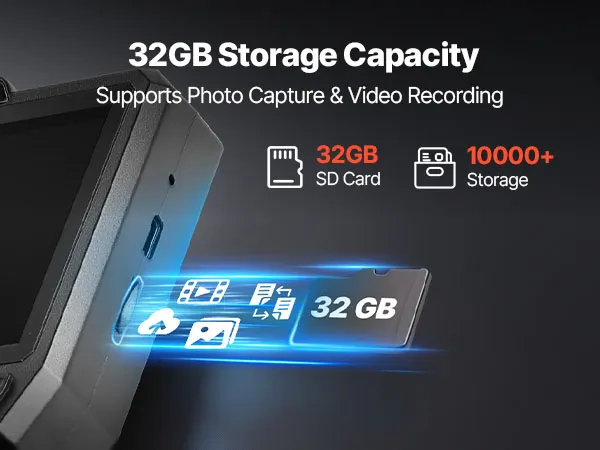
- More Practical Designs: Our inspection snake camera also supports 1920*1080 HD photo capture, video recording, 180° image rotation, high-temperature alarm, 3-level adjustable brightness, multiple language options and includes a 32 GB SD card for convenient storage
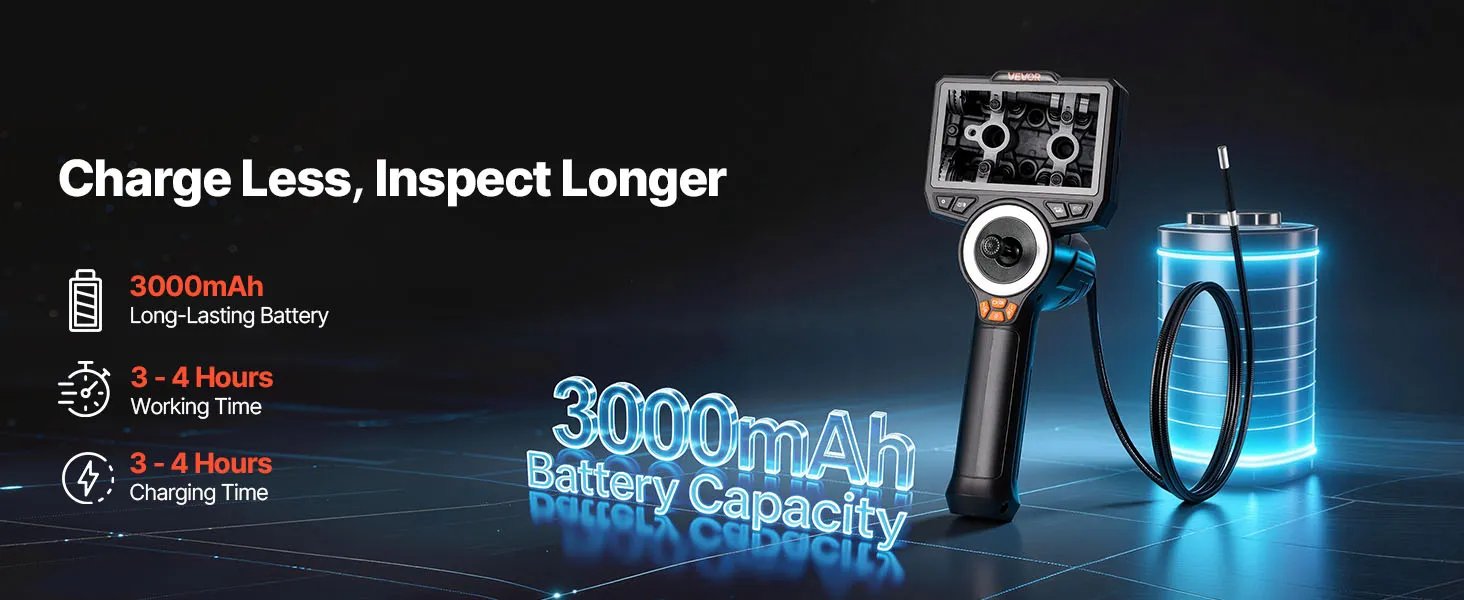
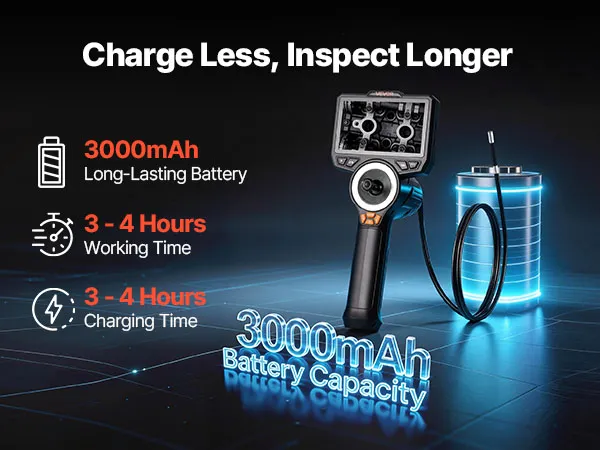
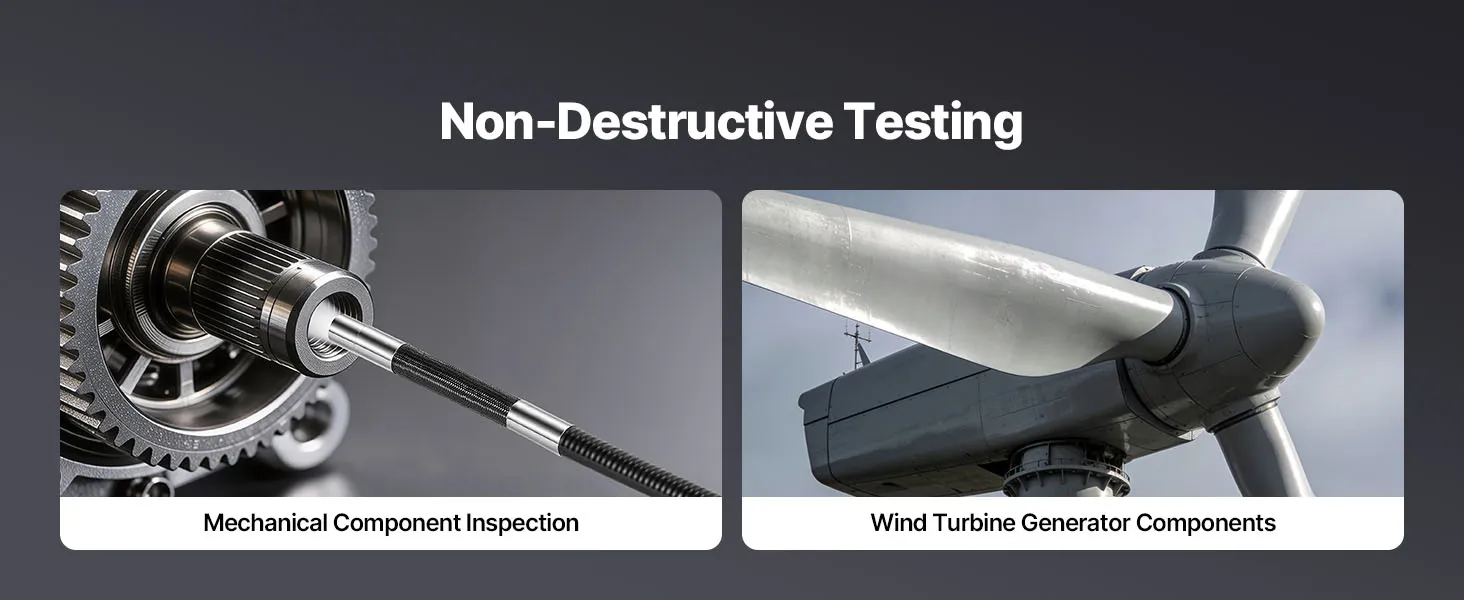
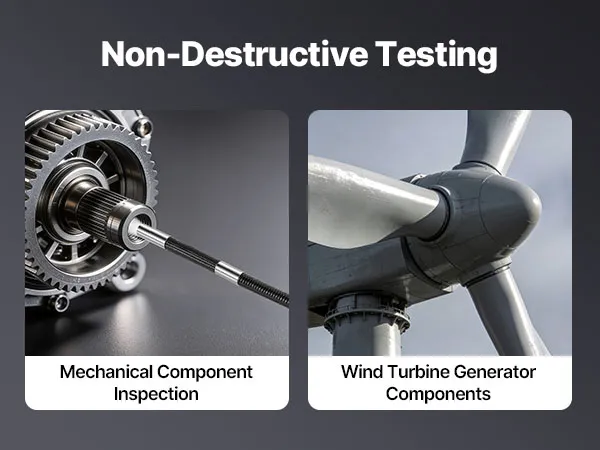
- Multi-Purpose Endoscope: Equipped with a 3000mAh rechargeable battery, our 360° articulating borescope camera supports up to 3–4 hours of continuous operation. Ideal for non-destructive testing, inspecting auto engines, mechanical components, HVAC ducts, industrial pipelines, and other tight spaces with greater precision
Product specification
- Item Model Number SX3
- Item Type 360 ° Articulating Endoscope
- Screen Size 4.5 inch
- LED Lights 6 LED Lights (3-Level Adjustable)
- Cable Length 4.9 ft / 1.5 m
- Cable Type Flexible Snake Cable
Frequently Bought Together
Reviews
About this item
Questions and Answers
Explore
Reviews
No customer reviews
Be the first to rate this product. your feedback will helps others make informed decisions.
Write a Review
Top Reviews
About this item
Product specification
- Item Model Number
- SX3
- Item Type
- 360 ° Articulating Endoscope
- Screen Size
- 4.5 inch
- LED Lights
- 6 LED Lights (3-Level Adjustable)
- Cable Length
- 4.9 ft / 1.5 m
- Cable Type
- Flexible Snake Cable
- Probe Diameter
- 0.24 inch / 6.2 mm
- Battery Capacity
- 3000mAh
- Waterproof Rating
- IP67
- Zoom Function
- X1 / X2 / X4 / X6 / X8
- Screen Resolution
- 854 x 480
- Lens Resolution
- 1920 x 1080
- Screen Rotation
- 180° Rotation
- SD Card
- 32GB
- Net Weight
- 2.2 lbs / 1.01 kg
Description


Pro-level performance without the pro-level cost
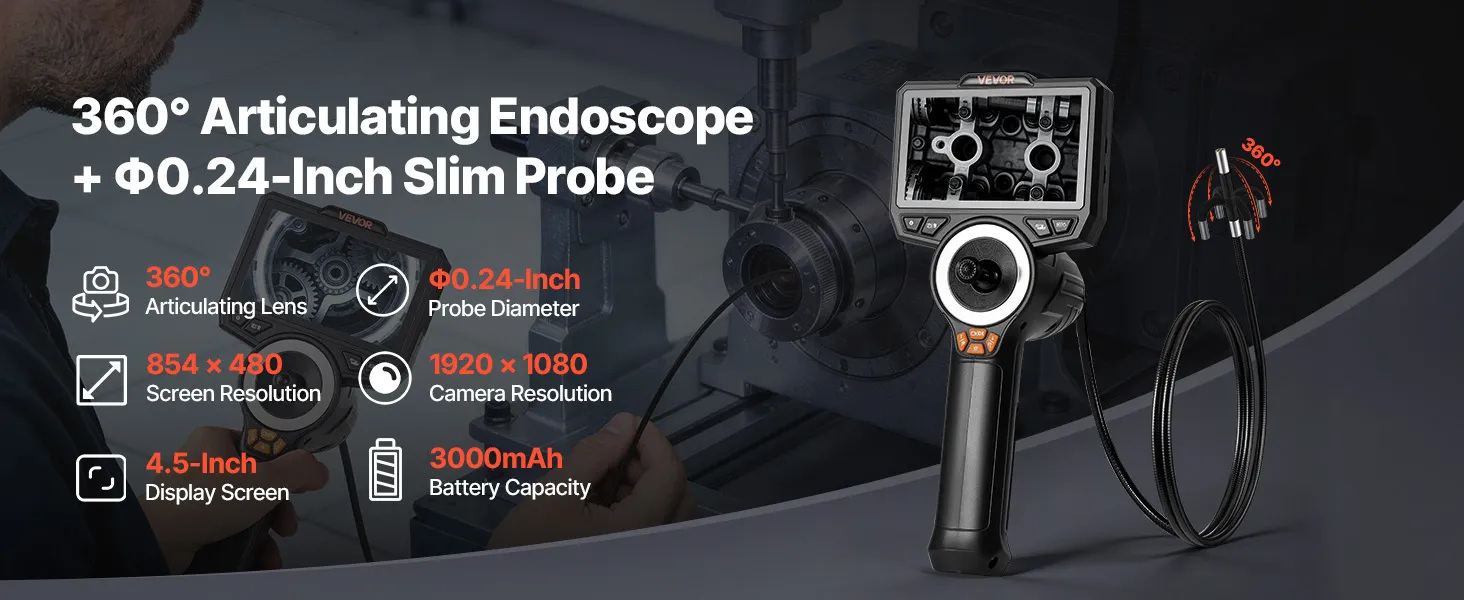
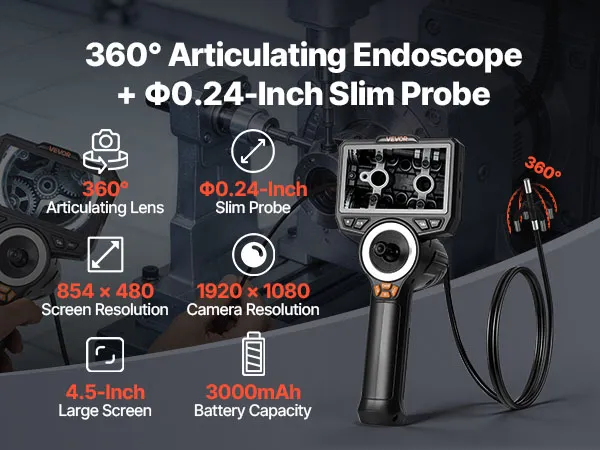
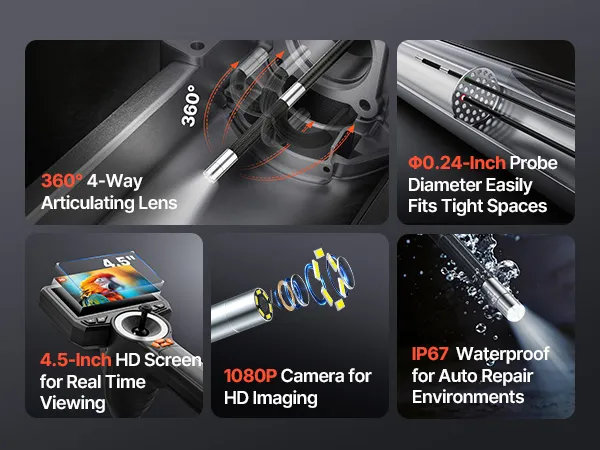
This endoscope camera combines a 360° articulating probe, 4.5-inch IPS screen, 1080P HD lens, 0.24-inch slim probe, 3000mAh high-capacity battery, and sufficient lighting, allowing you to observe narrow spaces from multiple angles and making inspection more efficient.
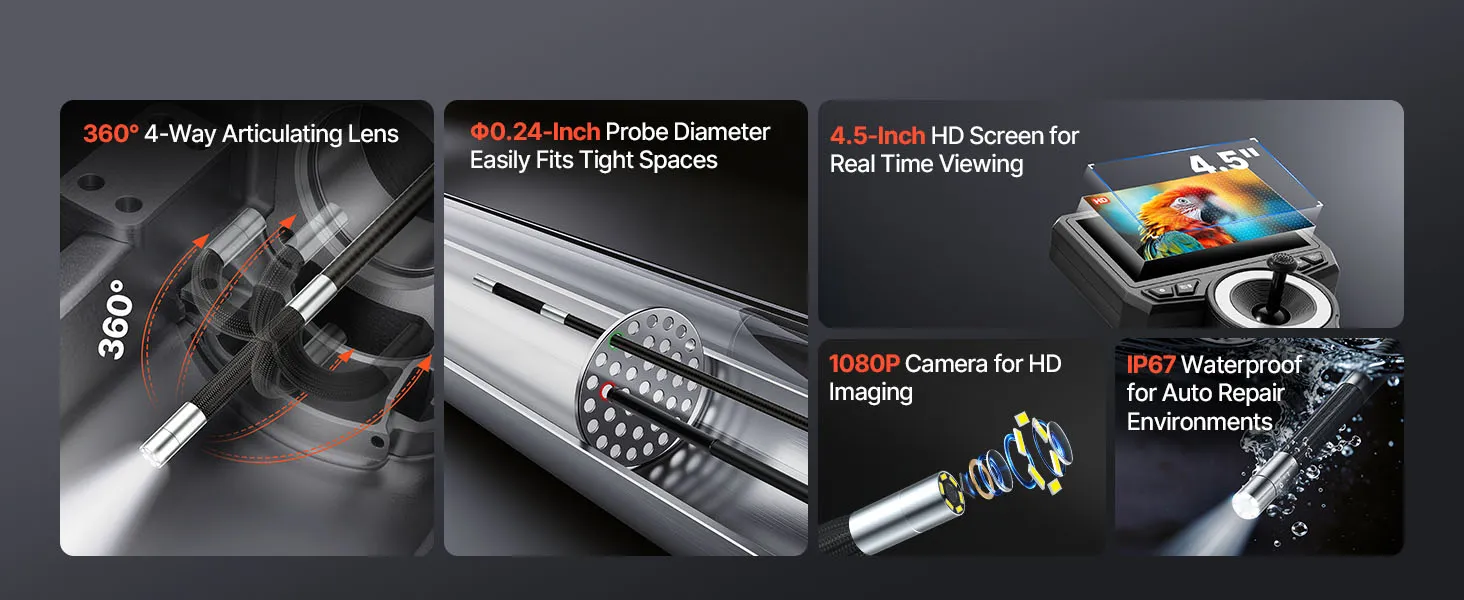
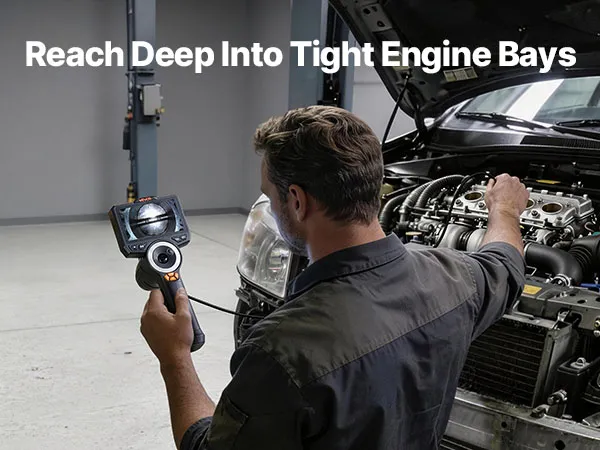

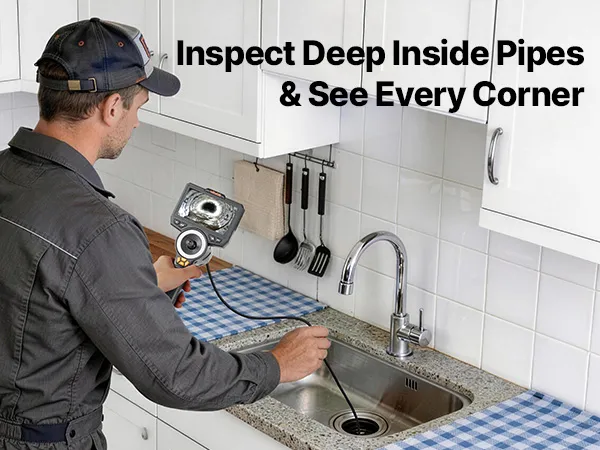
Key Features
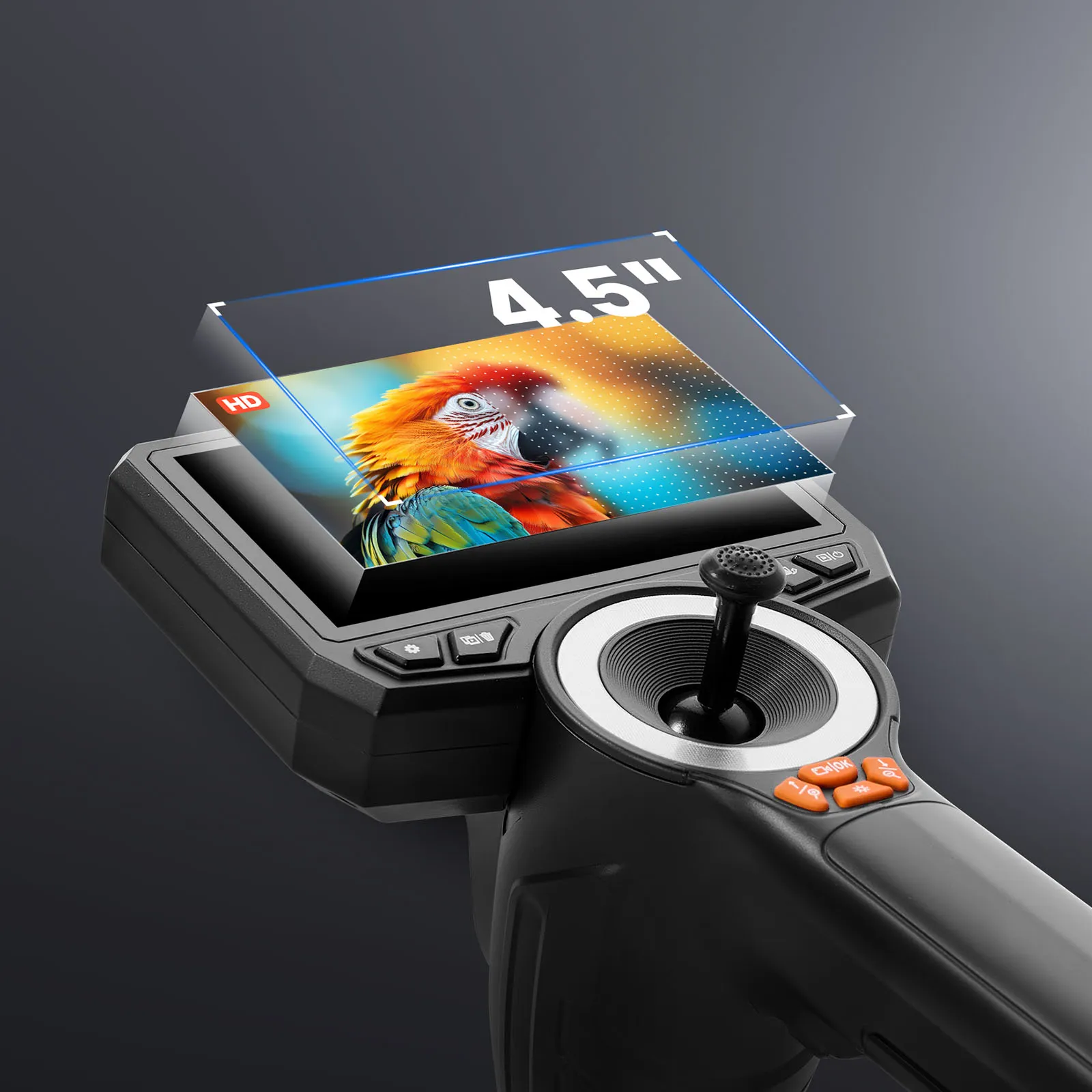
4.5" Large Screen Viewing
Delivers clear real-time images and detailed visuals, helping make inspection tasks faster and more efficient.
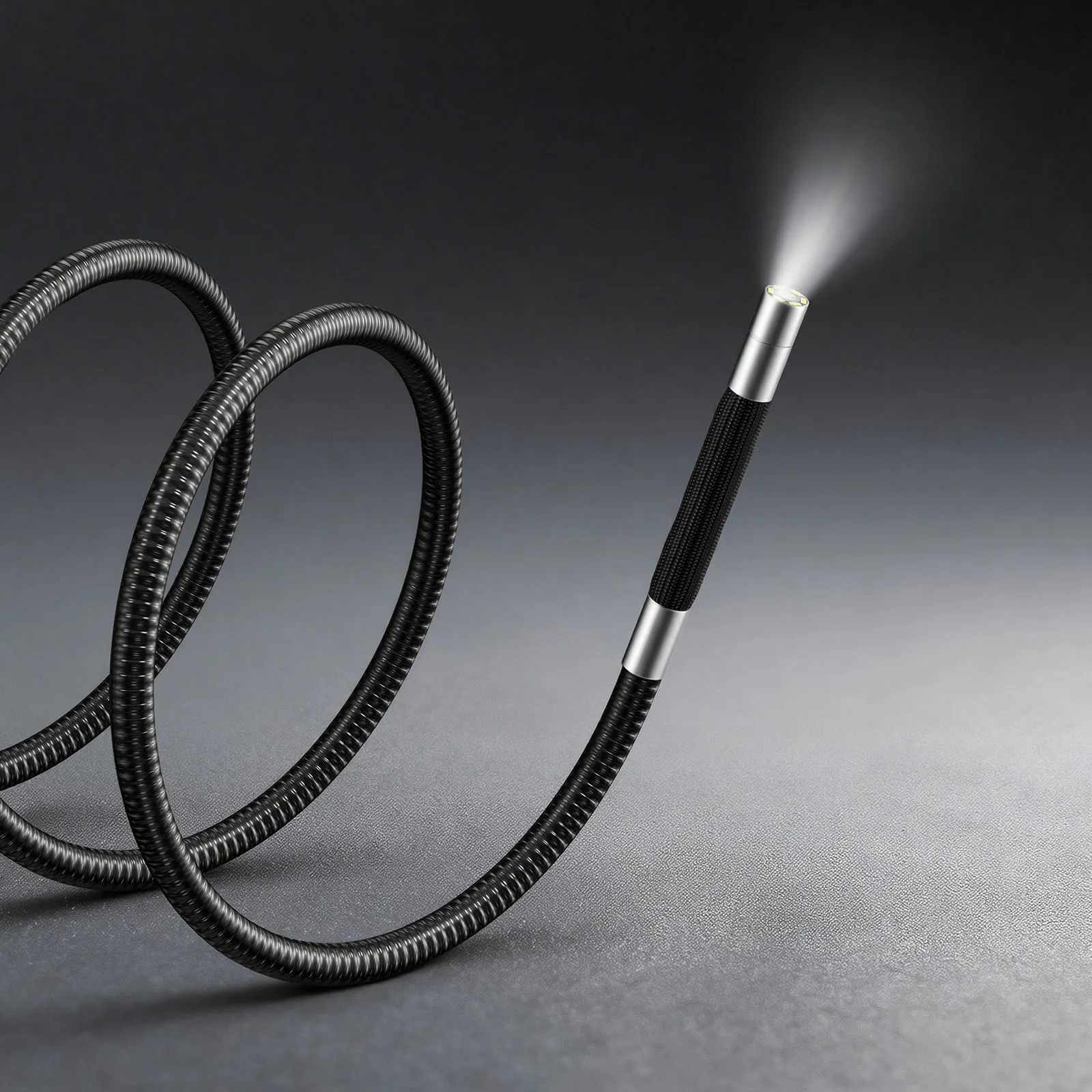
360° Articulating Lens
Provides flexible all-round viewing angles and clearer observation for accurate inspections in narrow spaces.
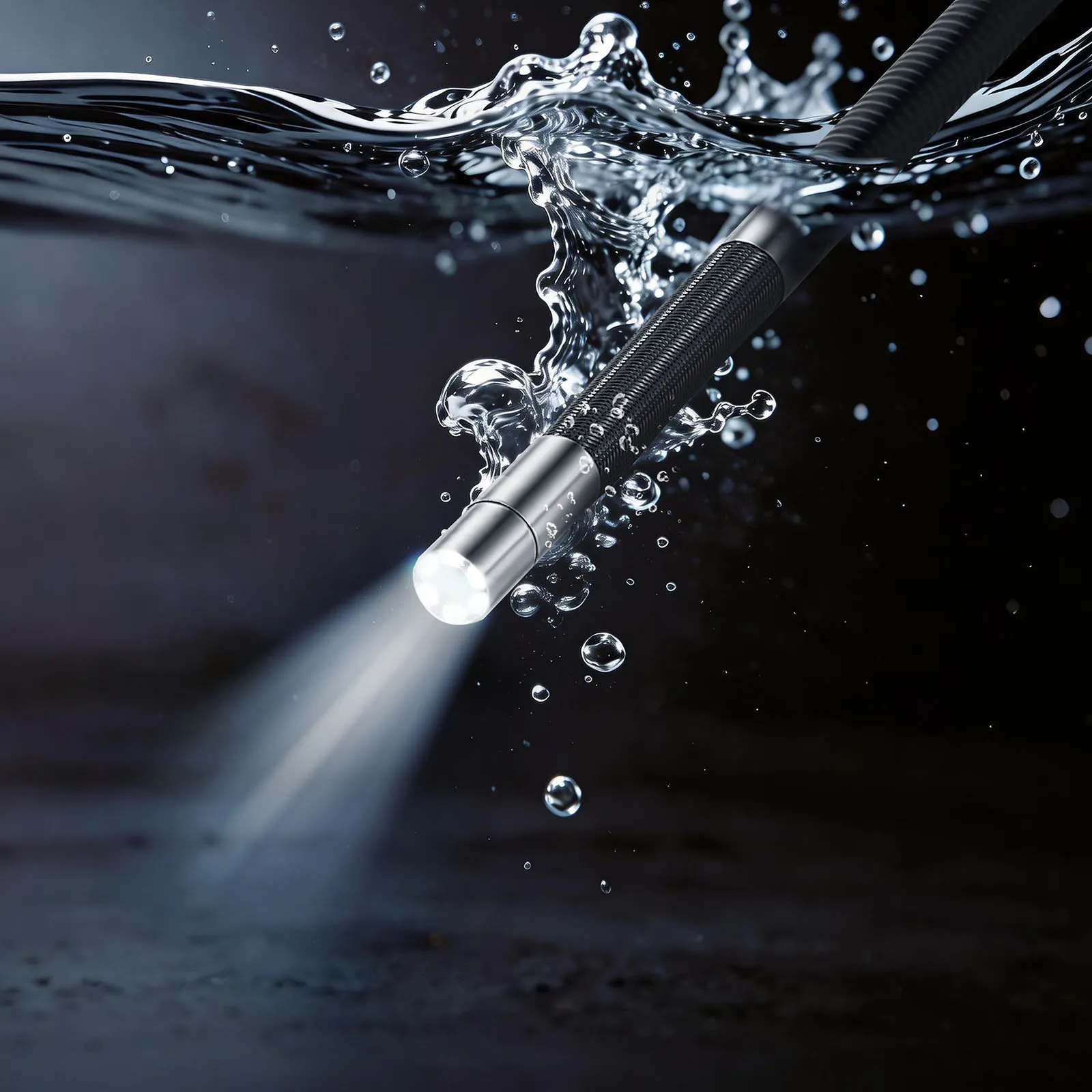
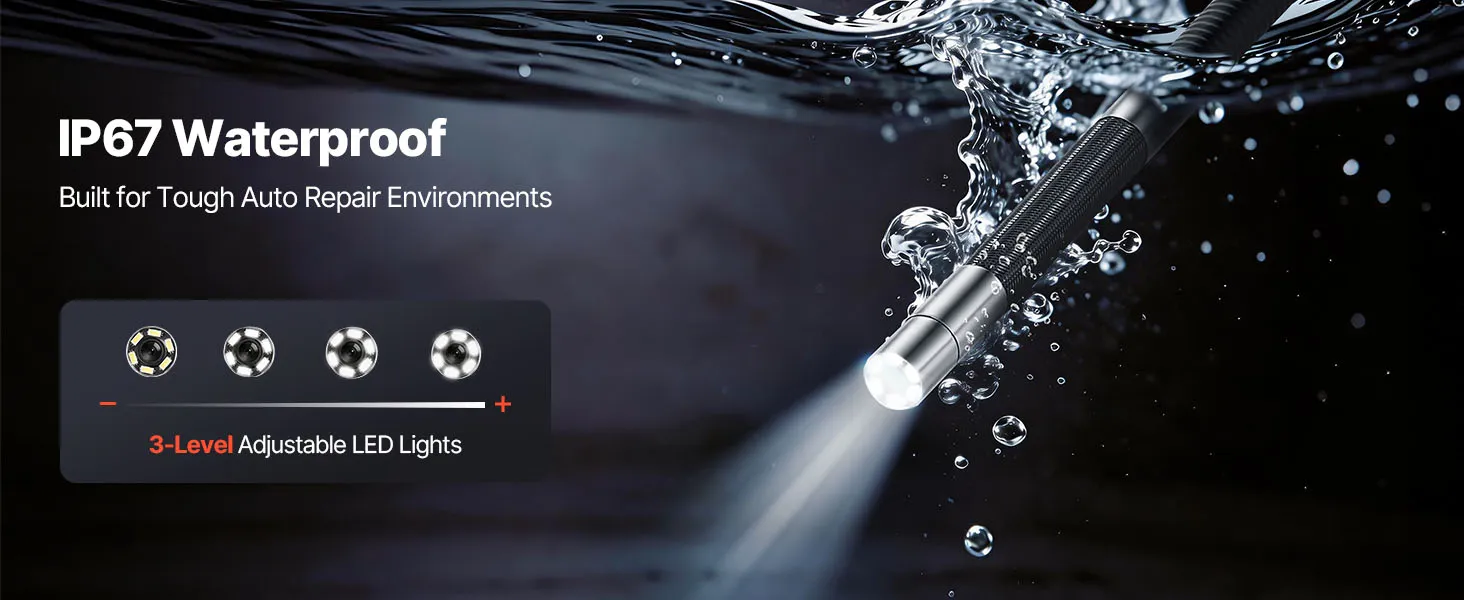
IP67 Waterproof
Designed to work reliably in wet environments such as pipelines, automotive repairs, and other demanding inspection areas.
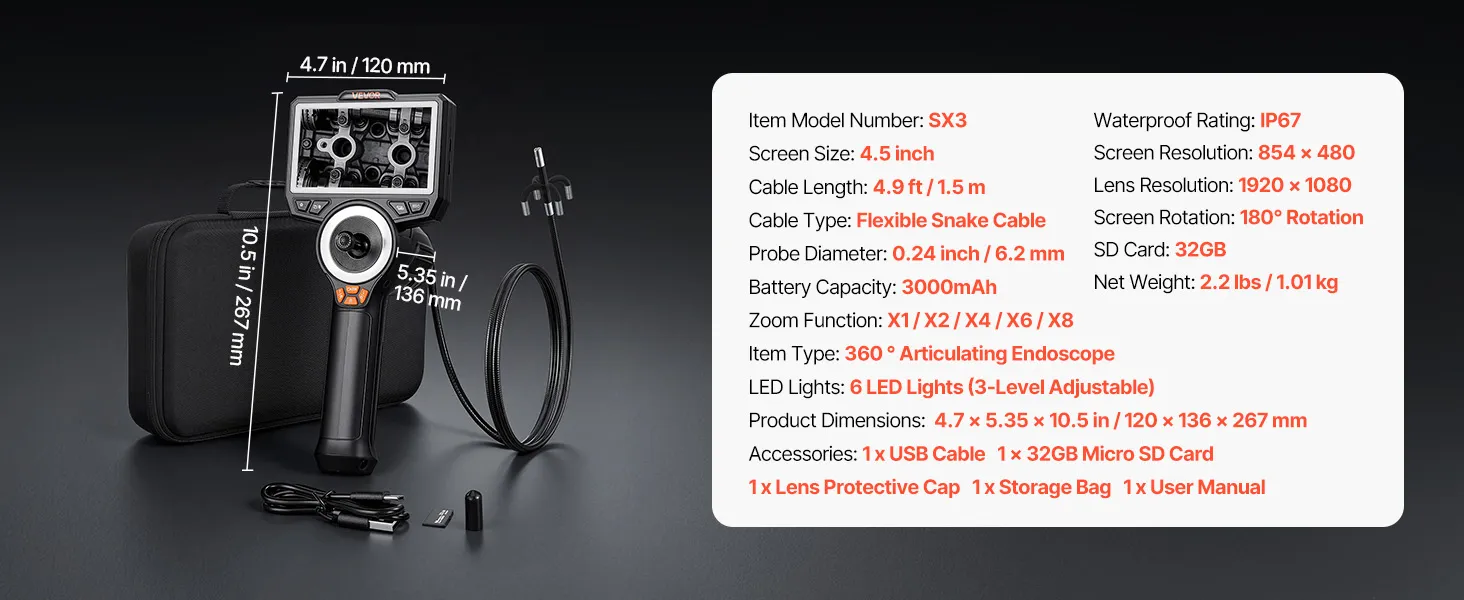
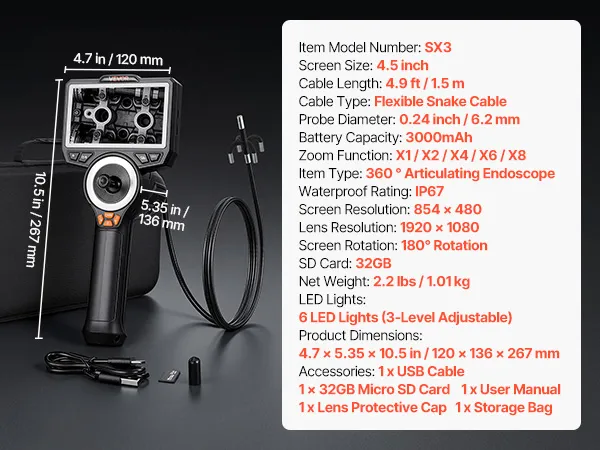
Articulating Borescope Inspection Camera with 4-Way 360° Probe for All-Round Access
The VEVOR articulating borescope inspection camera features a four-way 360° articulating probe tip that steers in all four cardinal directions, up, down, left, and right, allowing the operator to aim the lens at any point within the inspection cavity from a single cable insertion position. With 360° directional control, the camera can look around the inside of a cylinder, all four walls of a rectangular passage, and around internal obstacles without having to pull out the cable and put it back in at a different angle to cover areas that a bidirectional probe would miss.
The articulating borescope inspection camera provides precise probe control for inspecting complex internal spaces. This lets the operator steer the probe tip continuously and smoothly during active inspection, without having to reposition it, which slows survey speed in multi-stop articulation systems.
100° Wide Field of View Lens for Broad Interior Coverage Per Inspection Position
It takes fewer steps to get a full view of an internal space during a single insertion because the 100° wide field of view lens catches a much wider angle of the inspection environment in each frame. A 100° FOV lens often covers the same area from one or two inspection positions, reducing probe movement. This can make the inspection take longer and requires more directional inputs to finish.
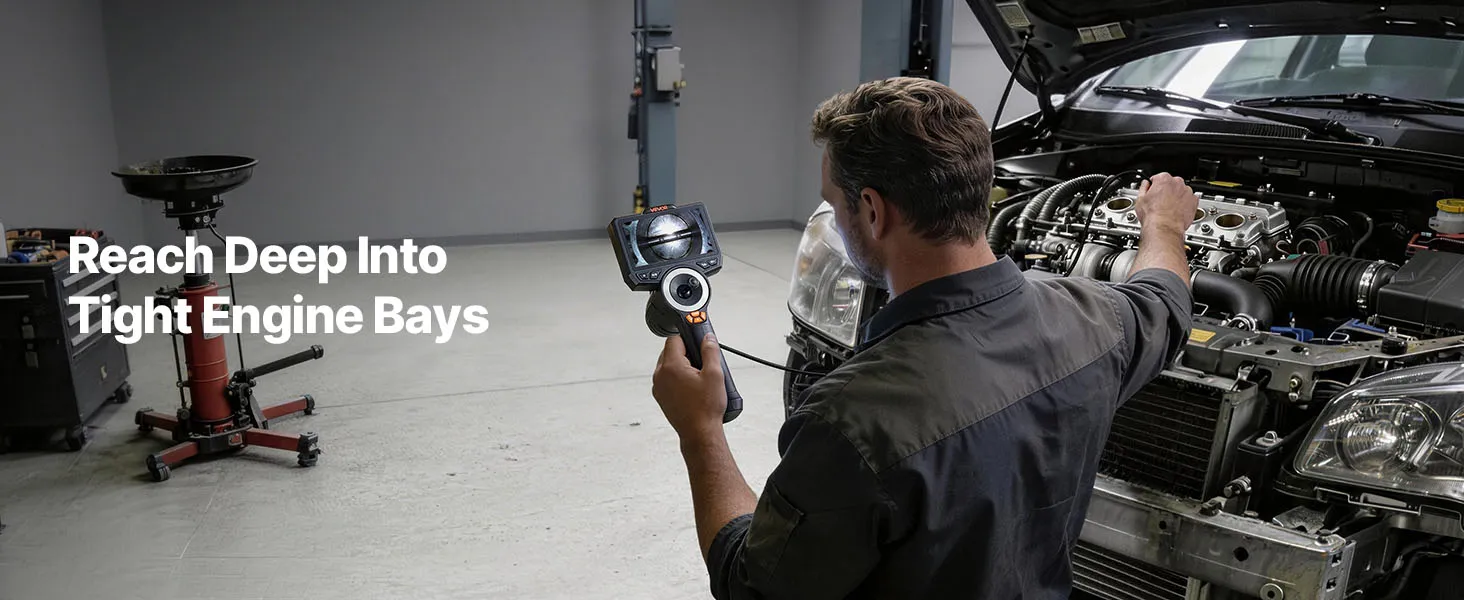
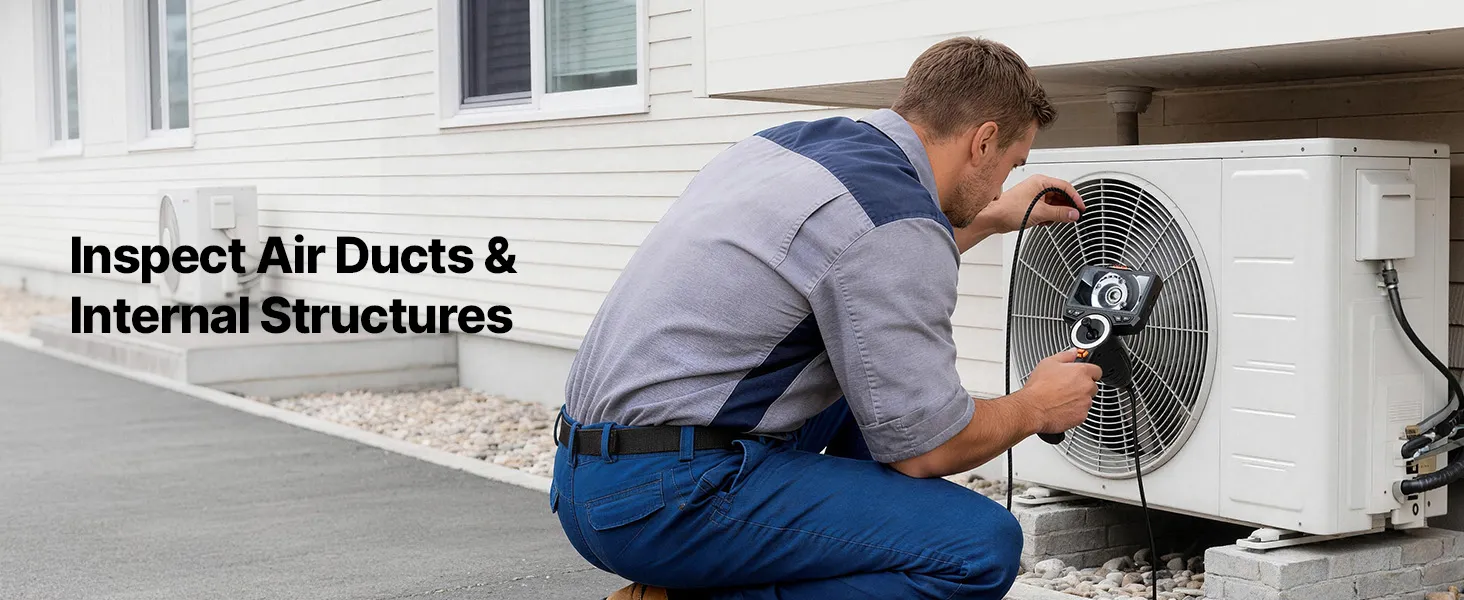
For checking engine cylinders, the 100° FOV lets the operator see the piston crown, cylinder wall, and valve seat area all at once, without having to move the probe to look at each surface separately. When surveying HVAC ducts and pipelines, the wide FOV shows more of the duct's interior in each frame. This means that blockages, deposits, and joint state can be seen from further back along the run, without the probe having to get close to each feature.
1920×1080 HD Lens with 4.5 in IPS Screen for High-Resolution Real-Time Imaging
The 1920×1080 (1080P) lens resolution provides detailed images for identifying cracks, corrosion, scoring, and seal wear. The full HD resolution captures images that clearly show surface texture, color differences between healthy and damaged areas, and dimensional reference features. This lets you make a confident diagnosis right on the screen, without having to send the images to a different analysis system for review after the inspection.
It has a 4.5-inch IPS display and shows the 1080P lens feed on an 854x480 screen. The IPS panel technology gives the whole display area true colors and a wide viewing angle. The IPS panel keeps the colors and contrast even when viewed from wide angles. This means that the operator can read inspection details clearly even when holding the screen at different angles that come up during active inspection work in places like vehicle bays, plant rooms, and the field.
Flexible Snake Cable for Smooth Navigation Through Curves, Bends, and Tight Passages
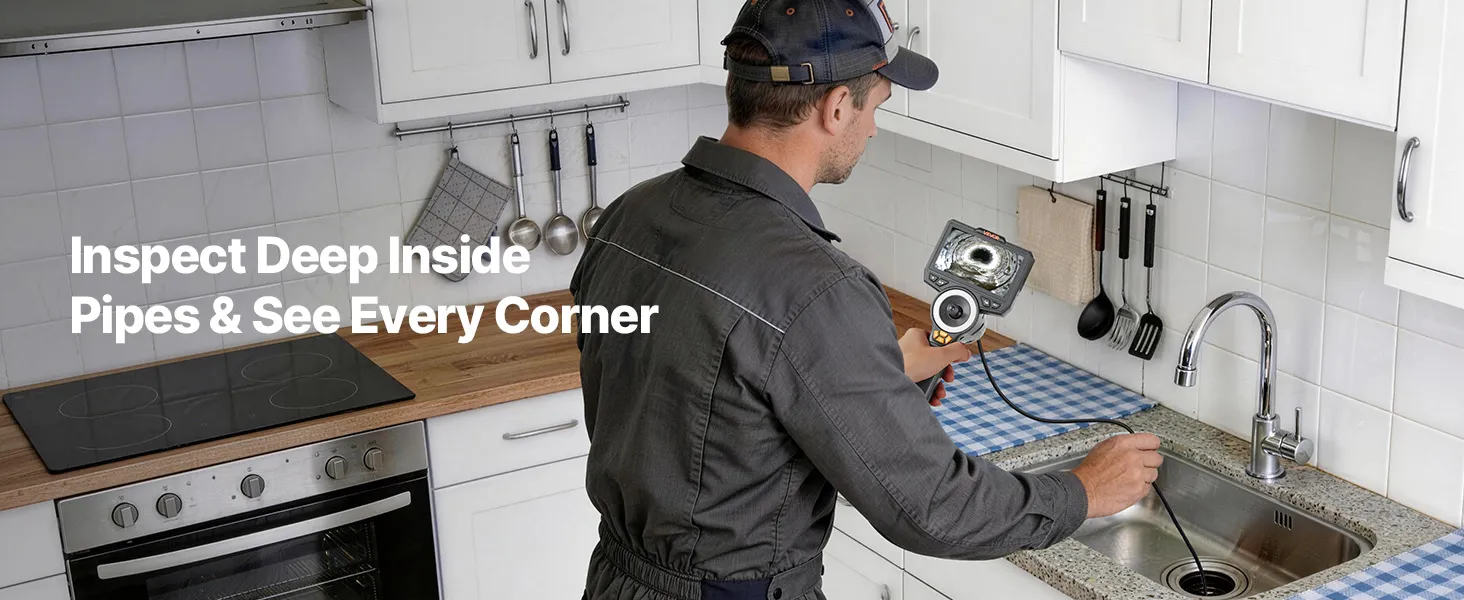
The articulating borescope inspection camera combines the flexible cable with 4-way articulation for easier navigation through confined spaces. To keep the push force from the operator's hand to the probe tip manageable throughout the depth of insertion, the passive flexibility of the snake cable spreads the bending radius over the entire length of the cable instead of concentrating it at a single flex point.
The surface of the cable is designed to withstand exposure to oil, coolant, and solvents, which are common in inspection areas for cars and factories. When this camera goes to places where petroleum-based and synthetic fluids are present, it helps protect the cable jacket so it stays intact during multiple inspections in oily engine environments. This keeps the cable from chemically softening and cracking on the outside, which happens to unprotected cable materials that are in long-term contact with these fluids.
Articulating Borescope Inspection Camera with IP67 Waterproof and Oil-Resistant Lenses
In the engine bays and on working industrial equipment, the probe tip of this articulating borescope inspection camera has an IP67 waterproof rating. This protects the camera module and LED array from dust and temporary immersion in water under IP67 test conditions. The IP67 rating confirms the probe meets standardized dust and temporary water immersion requirements.
The lens surface that does not absorb oil prevents the film of dirt that forms on unprotected optical surfaces when checking oiled engine parts from lowering image quality during the inspection. An oily lens spreads the LED light across the film layer instead of directly to the subject surface. This reduces effective brightness and image sharpness, requiring the probe to be removed and cleaned before the inspection can continue. An oil-resistant lens coating stops this from happening.
3000mAh Battery, 32GB SD Card, and 1080P Photo and Video Recording for Field Use
The 3000mAh rechargeable battery can run continuously for 3–4 hours on a single charge. This is long enough to do full pre-purchase inspections of multiple parts, extended pipeline and duct surveys, or multi-component mechanical checks all at once without having to recharge. The display and the six LED lights at the probe tip are both powered by the battery. The three-level brightness adjustment lets the operator lower the LED output on reflective surfaces to save battery life during sessions when maximum brightness is unnecessary.
The articulating borescope inspection camera includes a 32GB SD card for storing photos and videos. The 180° picture rotation function automatically corrects the display orientation when the probe is inserted in places where the camera feed appears upside down. This way, the 4.5-inch screen always shows the right way up, no matter which way the cable is inserted into the inspection cavity.
Product guides and documents
User manual-en (PDF) Review
Questions and Answers (0)
Typical questions asked about products: Is the product durable? ...
In Stock
Security & Privacy
FREE Returns
Professional Service
Compare with similar items
Similar Items You Might Like
People Who Bought This Item Also Bought
Best sellers in this category
People Who Viewed This Item Also Viewed
Your Browsing History