Back To School
Deals
VEVOR Gas Pressure Washer, 4400 PSI 15L/min, 4 GPM Gas Powered Pressure Washer with Copper Pump, Spray Gun and Extension Wand, 5 Nozzle Set, for Cars, Fences, Homes, Driveways, Patios, Furniture

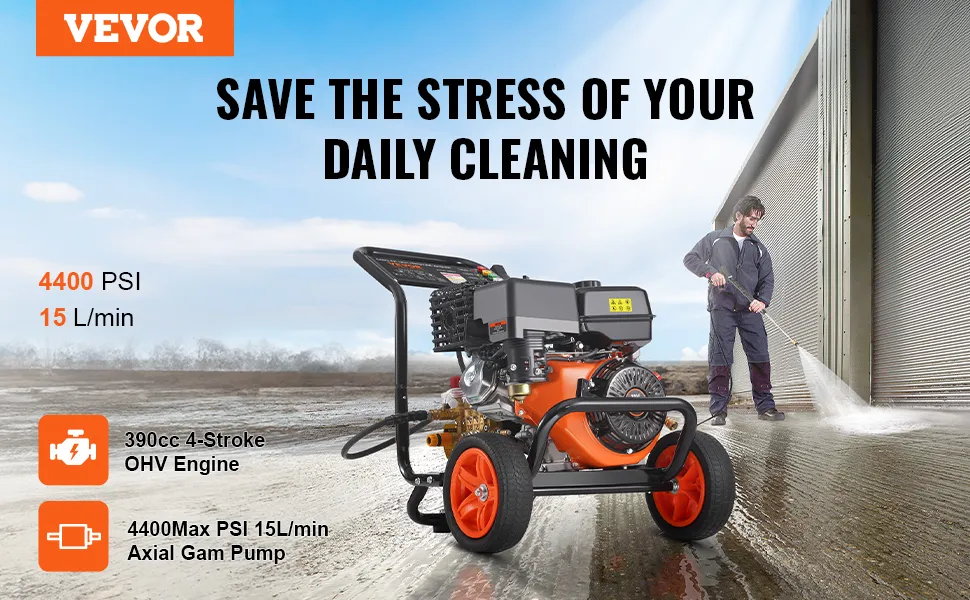
- 4400 PSI High Pressure: The Gas Pressure Washer is a powerful washer with 4400 PSI and a flow rate of 15 L/min. It's perfect for removing stubborn stains, especially those on brick patios that have accumulated years of dirt and moss, as well as concrete driveways stained with oil or rust. If you don't have access to an electrical outlet, a gas pressure washer is the tool of choice.
- Efficient and Reliable Engine: This gas-powered pressure washer comes with a powerful 210cc 4-spoke engine that holds 0.8 gallons of gasoline. It is easy to start and comes with a 7-horsepower copper pump. If you are a DIY enthusiast who values strength and performance, then this washer is the perfect choice for you.
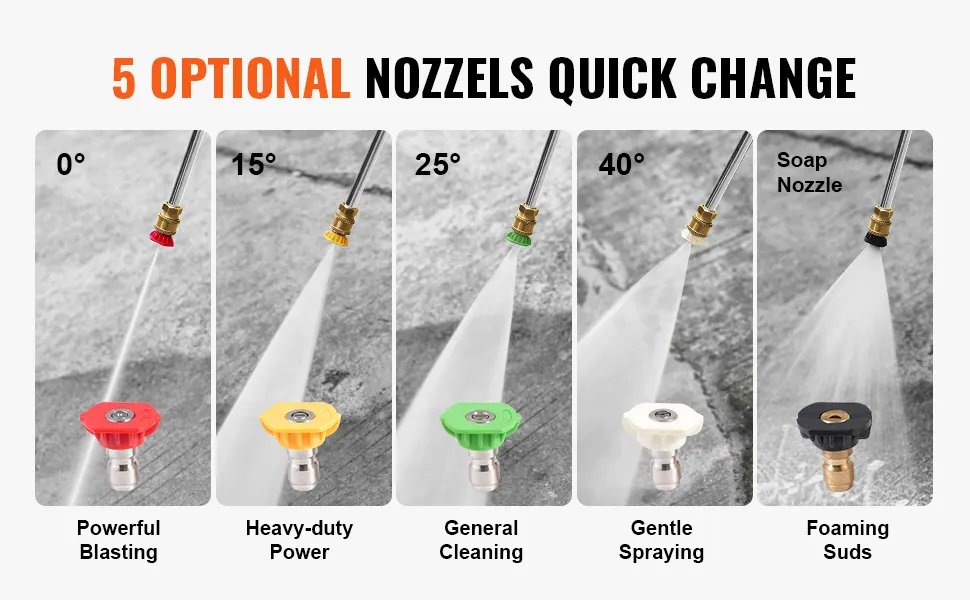
- Versatile Application: Our pressure washer comes with 5 quick-connect metal nozzles (0°/15°/25°/40°/soap nozzles) ranging from high-impact water jets to soft sprays. The absolute best for your different cleaning tasks and save unnecessary expenses.
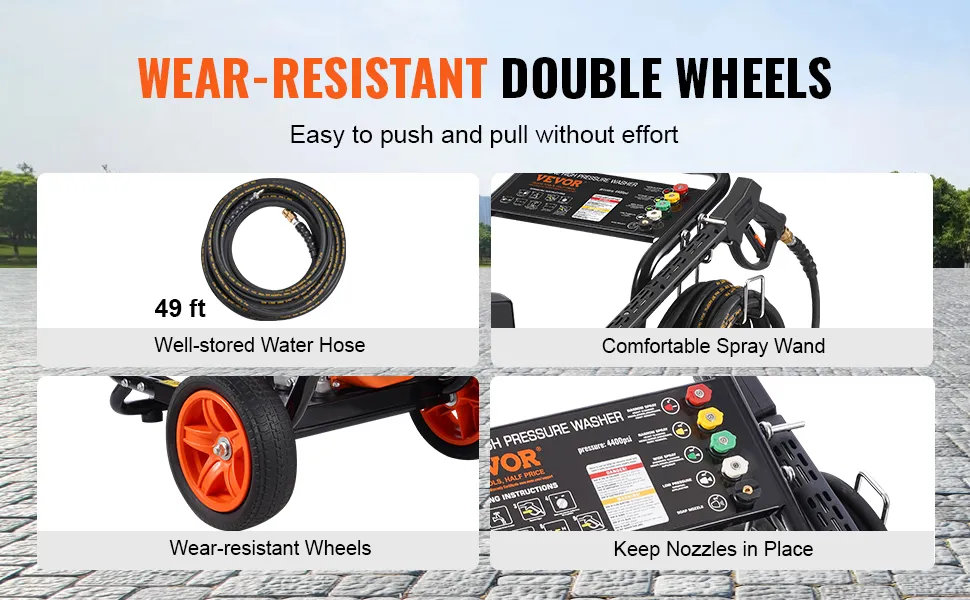
- Unobstructed Travel: The cleaner is equipped with 9” tires on both sides of the bottom, which are wear-resistant and durable, and can be pushed and pulled without any obstruction, even on uneven surfaces.
- Easy to Move: Our gas power washer is made of sturdy steel frame with 26ft long wear-resistant high-pressure water hose, all the accessories are conveniently stored on the machine so you don't have to worry about losing any parts. Using this machine will make your cleaning tasks simpler and easier.
Frequently Bought Together
Reviews
About this item


4400 PSI Gas Pressure Washer With 15L/min Flow Rate
This 4400 psi gas pressure washer is designed for jobs an electric unit can’t handle: stubborn brick patio stains, moss build-up, and oil-stained concrete driveways that have been there for years. It clears grime quickly at a flow rate of 15 L/min, rather than slowly chipping away with lower-pressure passes. Electric washers of this price range usually max out well below 3000 PSI, meaning many passes over the same stain, whereas this unit gets it in one.
Going gas-powered also means no extension cord or outlet needed, which matters for driveways, fences, or backyard furniture far from the house. If you're cleaning up a detached garage, a far corner of the yard, or a rental property where access to power is not easy, that cordless reach is the real reason to go with gas over electric to begin with. It also removes the tripping hazard and cord-length limitations that come with running an extension cord over wet pavement.
210cc Engine and 7HP Copper Pump for Reliable Power
Unlike the pulsing or weak flow that cheap pump designs produce, the 210cc 4-stroke engine uses a copper pump to deliver a consistent pressure output of 7 HP. Copper does a better job of dissipating heat than plastic or cheap metal pumps in bargain washers, so it wears out less quickly during long cleaning cycles. Over time, overheating pumps lose pressure consistency with continued use - copper construction greatly delays that wear.
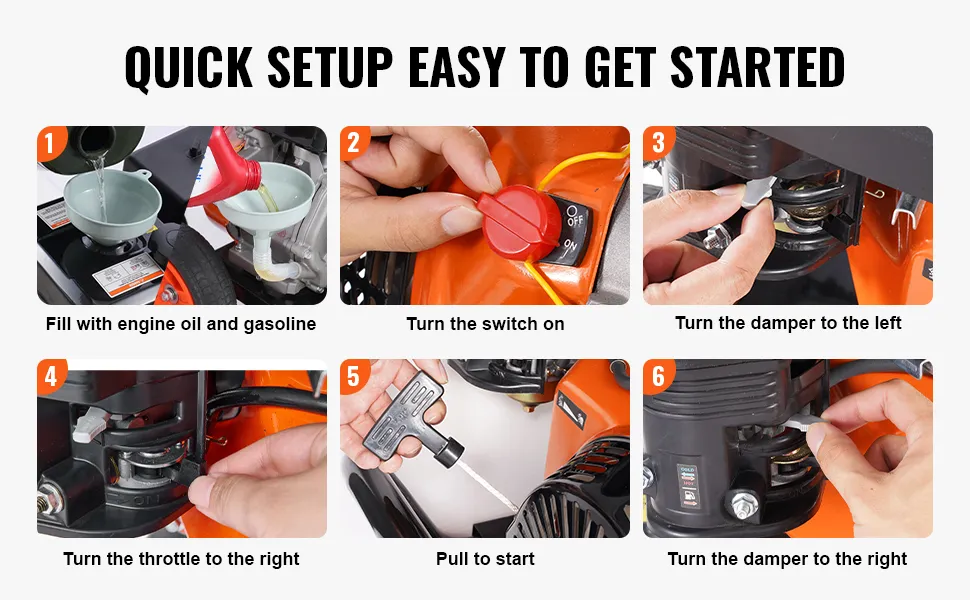
The 0.8-gallon gas tank offers a reasonable runtime for most home cleaning tasks without frequent mid-job refills. Starting the engine is simple, which is a good thing for anyone who's ever wrestled with a finicky pull-start engine. A 4400 psi gas pressure washer that's hard to start defeats the purpose of owning one if you spend half your time troubleshooting the motor. A good start is also important in cold weather, when small engines are typically the most difficult to crank.
5 Quick-Connect Nozzles for Different Cleaning Tasks
A full set of five stainless steel nozzles includes a tight 0° jet for removing caked-on grime, a wide 40° fan for more gentle surface cleaning, and a dedicated soap nozzle for pre-treating heavy stains. Quick-connect fittings let you switch tasks in seconds without needing a separate tool or twist-lock fitting that can get stuck over time. And stainless construction also resists corrosion that less expensive nozzle materials develop when repeatedly exposed to soap and outdoor moisture.
That range matters because a single PSI setting doesn't work on every surface; a 0° jet that strips a driveway can gouge softer wood furniture or fencing. With five nozzles included, you don’t have to buy a separate kit before jumping onto a mixed-job list that includes concrete, wood, and vehicles in the same afternoon. Matching the nozzle to the surface also prevents accidental damage, as the most common cause of pressure washer mishaps is the wrong nozzle on the wrong material.
9" Wheels for Easy Movement on Uneven Ground
The unit has two 9” wheels at the base and will roll over gravel, grass, and uneven concrete without getting stuck or having to be carried. Wear-resistant tire material can withstand repeated trips over rough driveways or yards without flattening or cracking after a season of use. Smaller wheels on lighter-duty washers tend to sink into gravel or soft ground – that larger diameter here keeps rolling resistance manageable across more terrain types.
When you're talking about a machine that weighs close to 130 lbs, wheel quality is not a minor detail; it is what makes the difference between moving the unit to where it needs to be and just parking it next to the garage. If you can push and pull it around a yard by yourself, without assistance, you haven’t turned a cleaning job into a two-person task. This is most important for larger properties, where the 4400 PSI gas pressure washer must move between multiple cleaning zones in a single session.
49ft High-Pressure Hose for Extended Reach
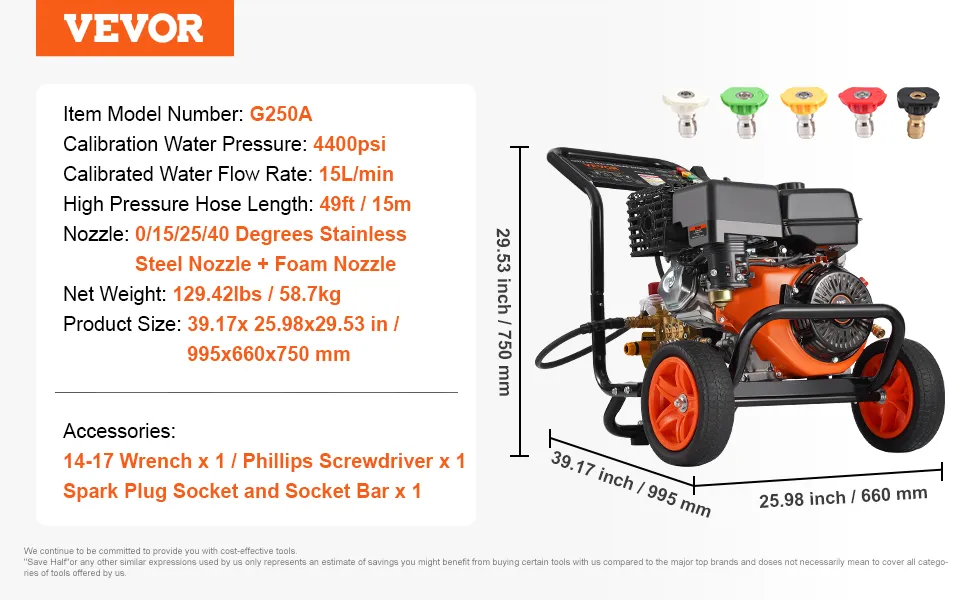
The 49ft high-pressure hose gives you plenty of reach, far more than shorter stock hoses can offer you, so you can cover a full driveway or the outside of a two-story house without having to move the machine several times. That length reduces the back-and-forth of dragging a heavy gas unit from one place to another during a job.
On larger properties, that extra reach translates into the difference between cleaning an entire fence line in one pass or stopping every twenty feet to drag the washer closer. The hose length and wheeled base mean most home cleaning jobs can be done from one parking spot. That one-position arrangement also reduces wear and tear caused by repeatedly starting and stopping the engine during a job.
Steel Frame 4400 PSI Gas Pressure Washer Built for Onboard Storage
A robust steel frame bolts the engine, pump, and hose reel together, preventing them from flexing under vibration during use and stabilizing the unit on uneven ground mid-task. Nozzle and accessory onboard storage means you never leave parts behind or lose them between uses, a common problem with washers that ship accessories in separate bags and have no built-in place to keep them.
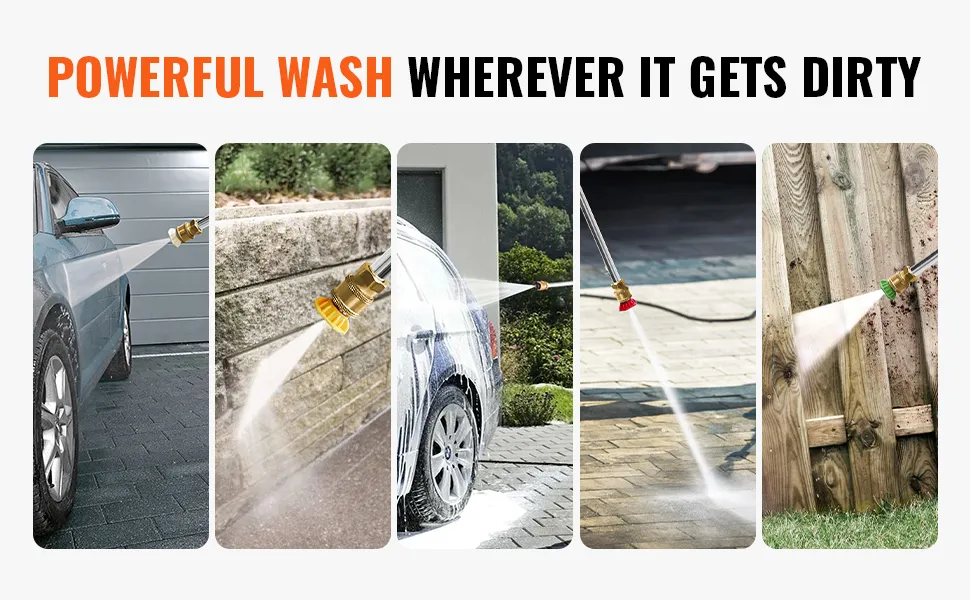
This 4400 psi gas pressure washer is designed to tackle cars, fences, patios, and driveways without the need for separate equipment for each surface. At 995x660x750, it’s small enough to store in a corner of the garage between jobs but tough enough to handle heavy-duty cleaning when it’s pulled back out. That combination of small storage capacity and full-size capability is often the deciding factor for homeowners without dedicated equipment storage space.