VEVOR 213 cm Ceiling Fan No Light, 6-Speed Remote Control, Aluminum 8-Blade, Reversible DC Motor, Modern Low Profile Flush Mount Fan for Bedroom, Living Room, Patio, Indoor/Outdoor, Brushed Nickel


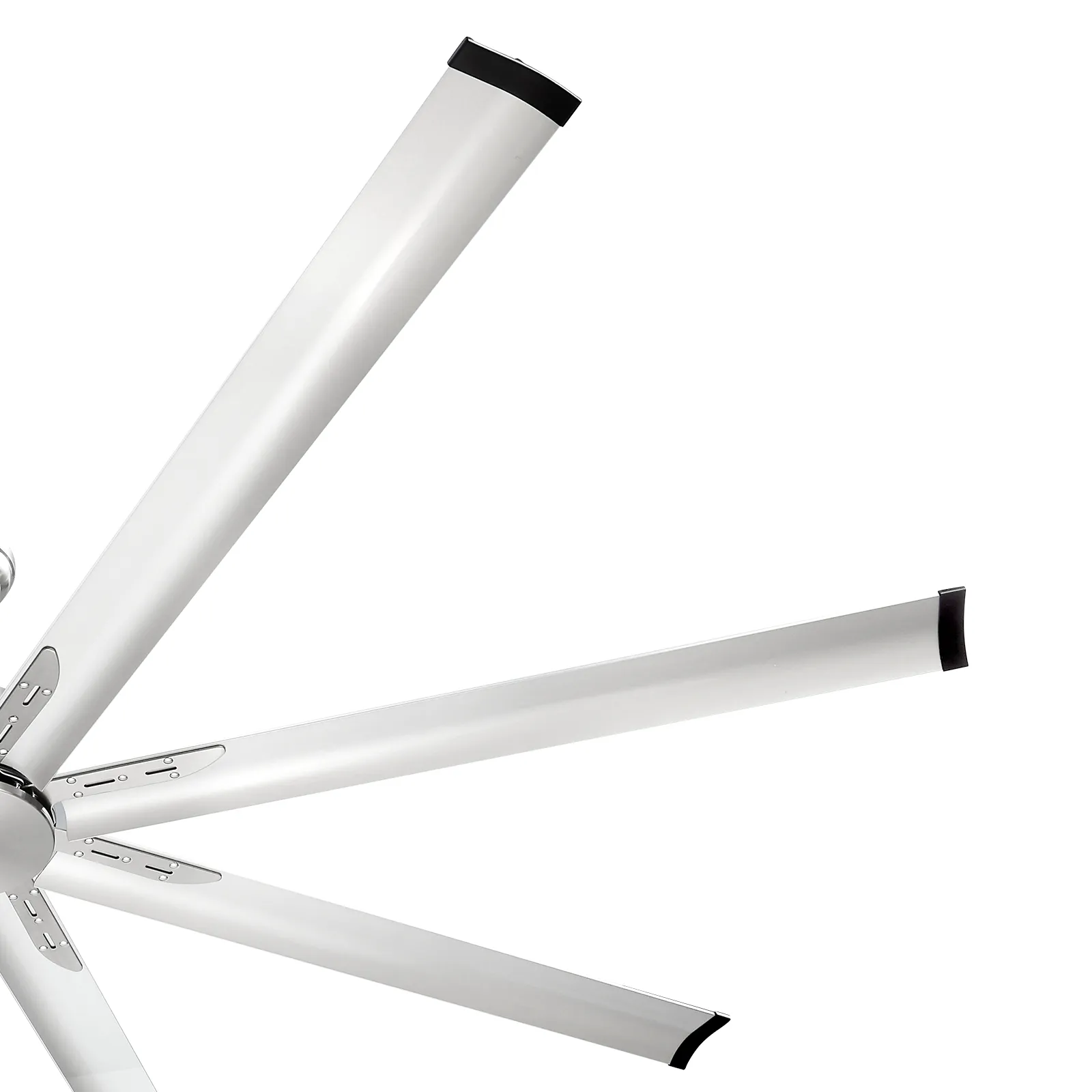
- Built-to-Last Aluminum Blades: This durable ceiling fan boasts an 8-blade design that delivers stronger airflow compared to traditional 3-blade plastic fans. Crafted from sturdy aluminum, the blades ensure exceptional durability and provide consistently stable airflow, offering reliable performance for years to come.
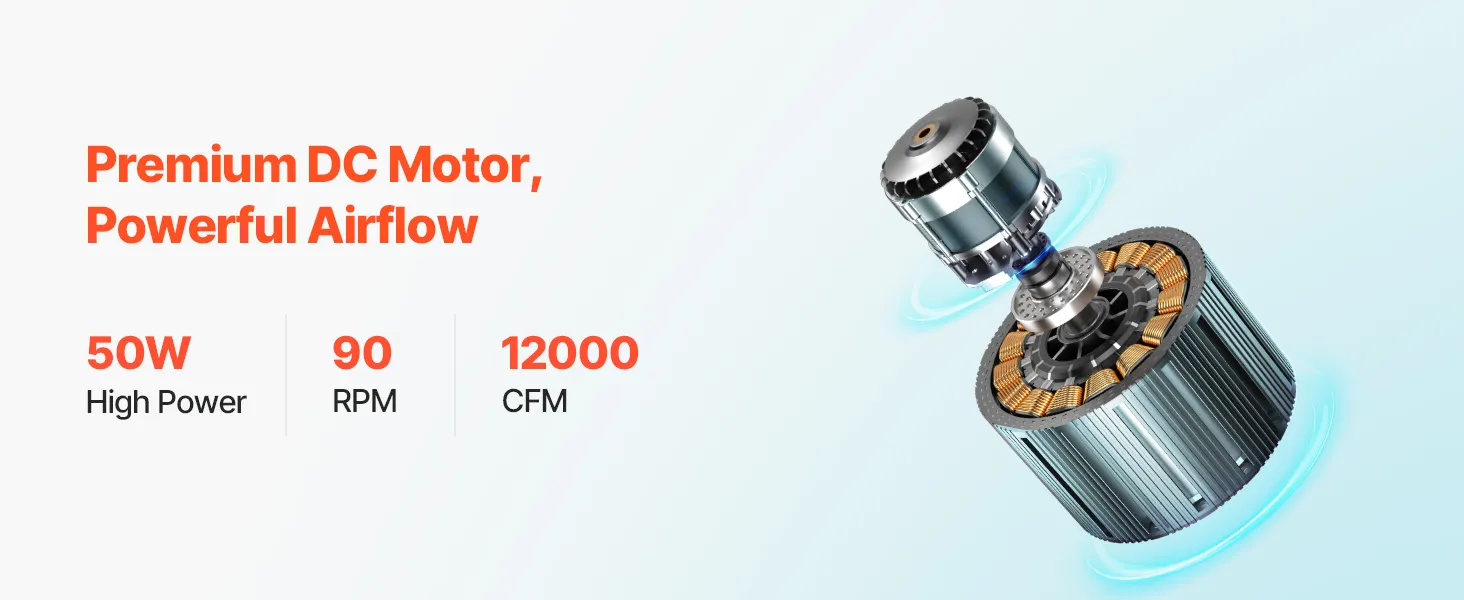
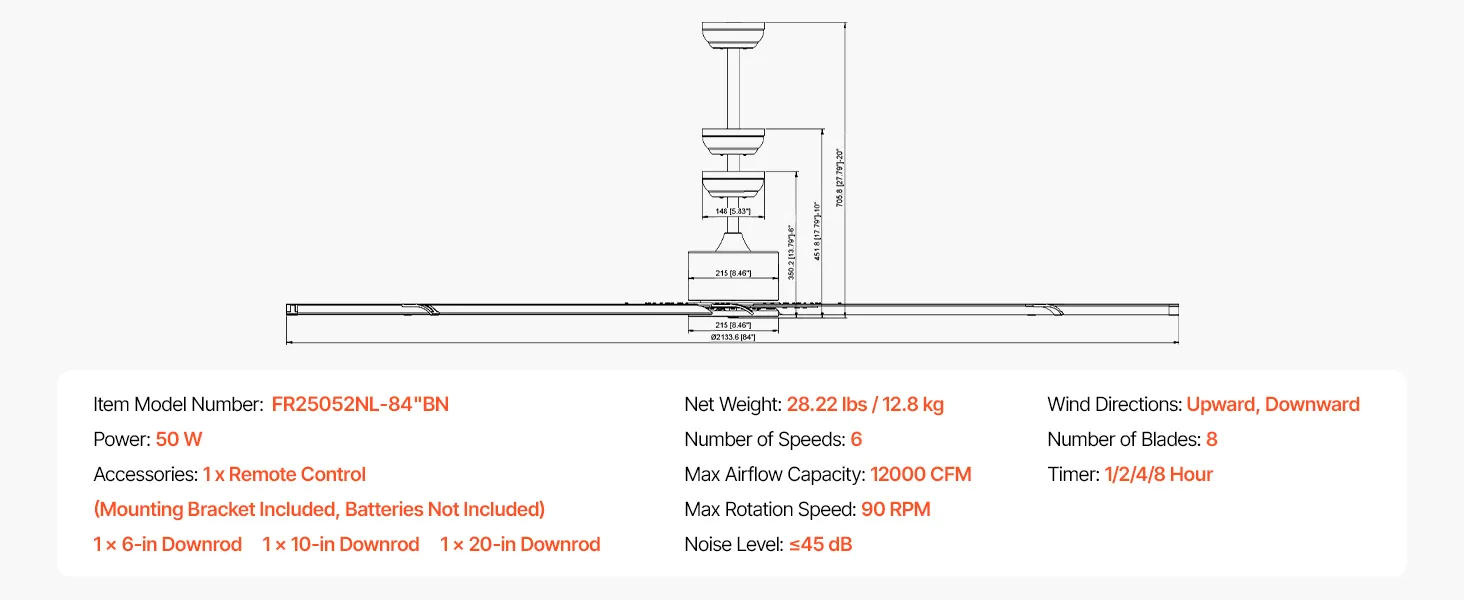
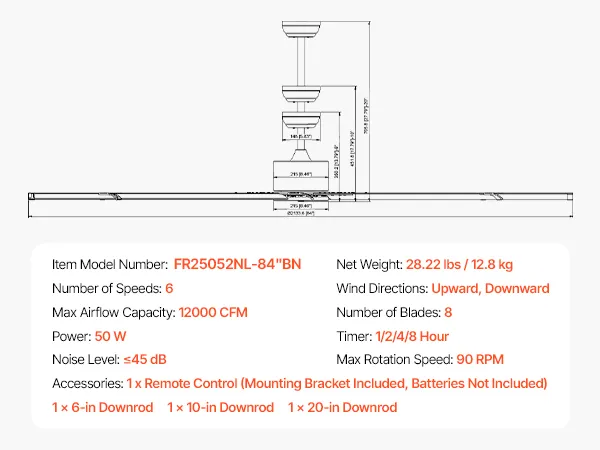
- Quiet DC Motor: This bedroom ceiling fan features a high-efficiency DC motor with 53W high power, an airflow of up to 12000 CFM, and operates at a low noise level of ≤45 dB, providing you with a quiet and comfortable breeze.Even late at night, the low noise level won’t disturb your sleep, allowing you to enjoy a peaceful and cool summer night.
- Suitable for All Seasons: Whether it's spring, summer, autumn, or winter, this reversible motor ceiling fan meets all your needs. In summer, it rotates counterclockwise to enhance air circulation and cool down the room. In winter, it reverses to clockwise rotation, distributing warm air evenly for added comfort.
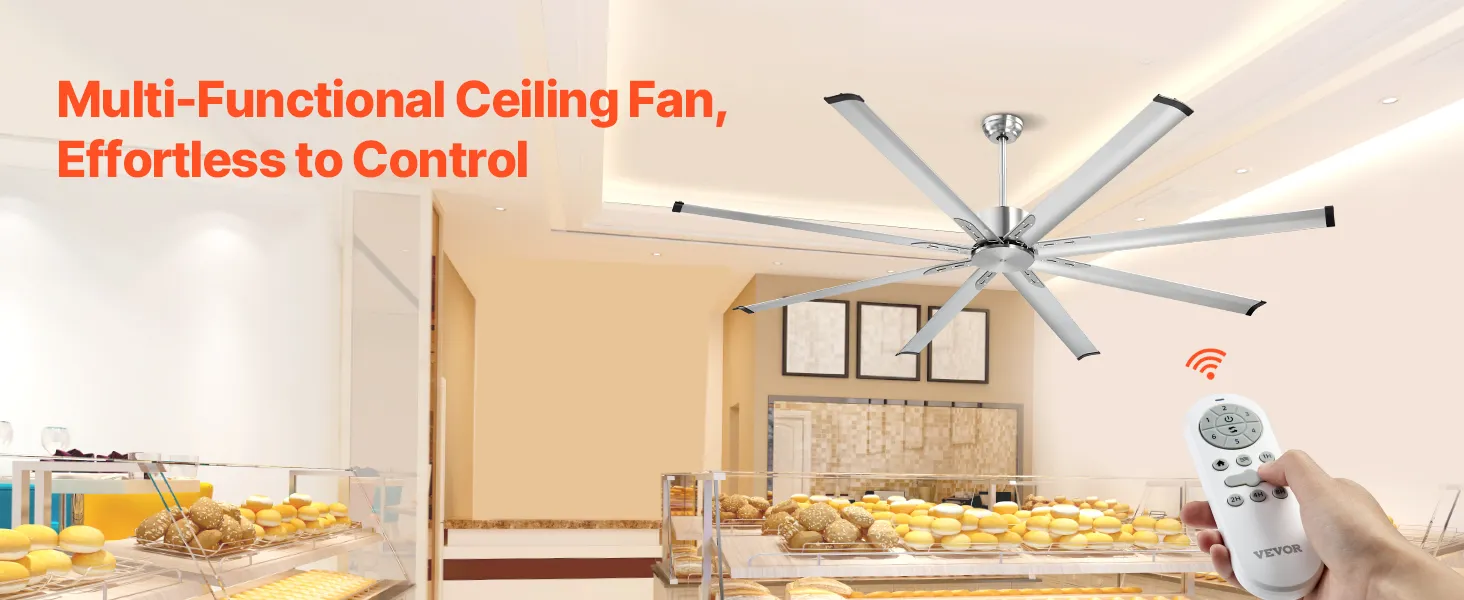
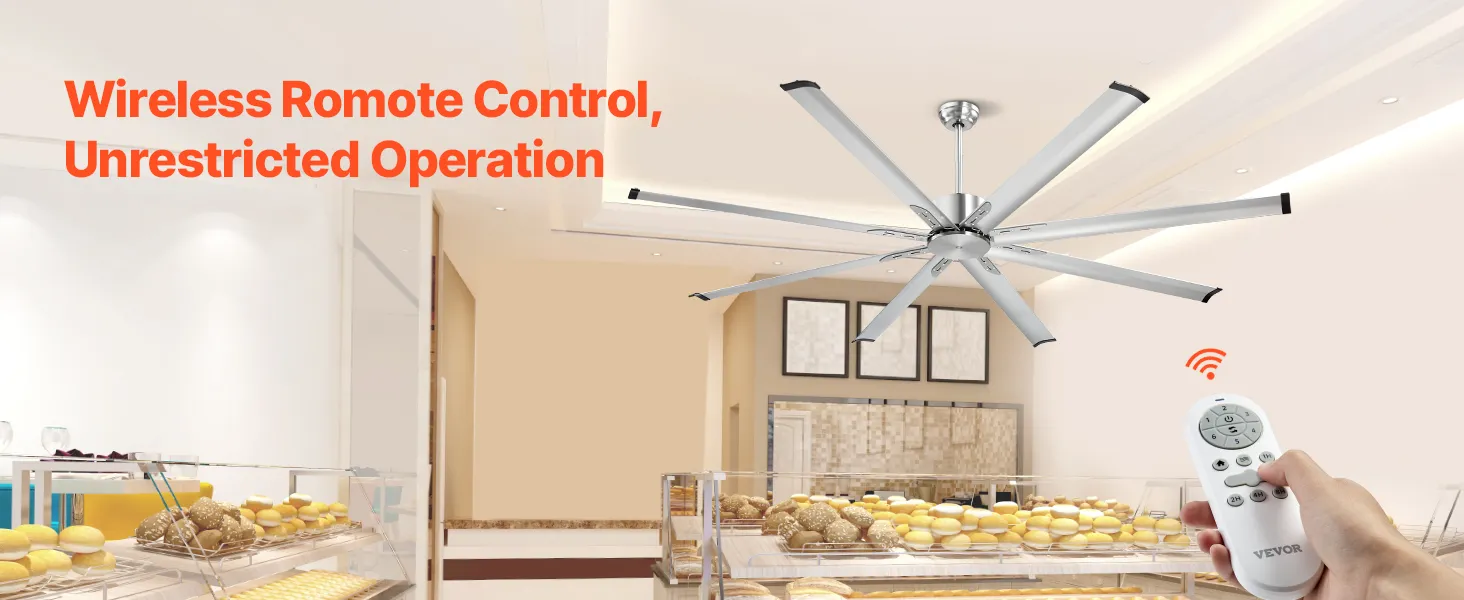
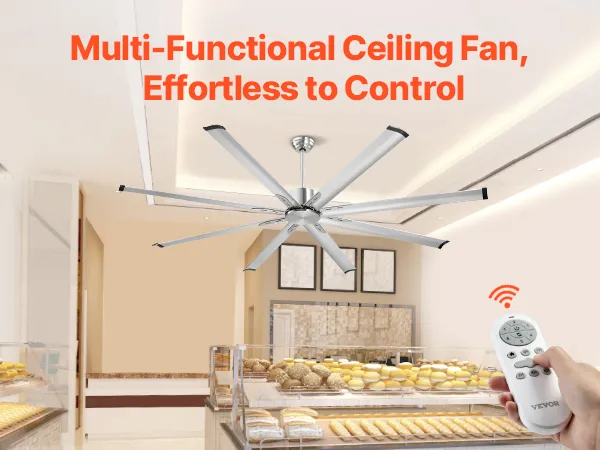
- Remote Control Operation: Equipped with a multifunctional remote control, our ceiling fan with light allows you to easily adjust the fan speed, timer, and other functions without having to get up, offering you an enjoyable airflow with convenience.
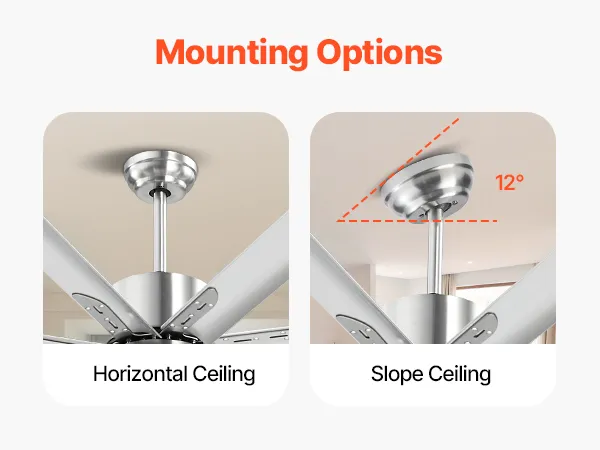
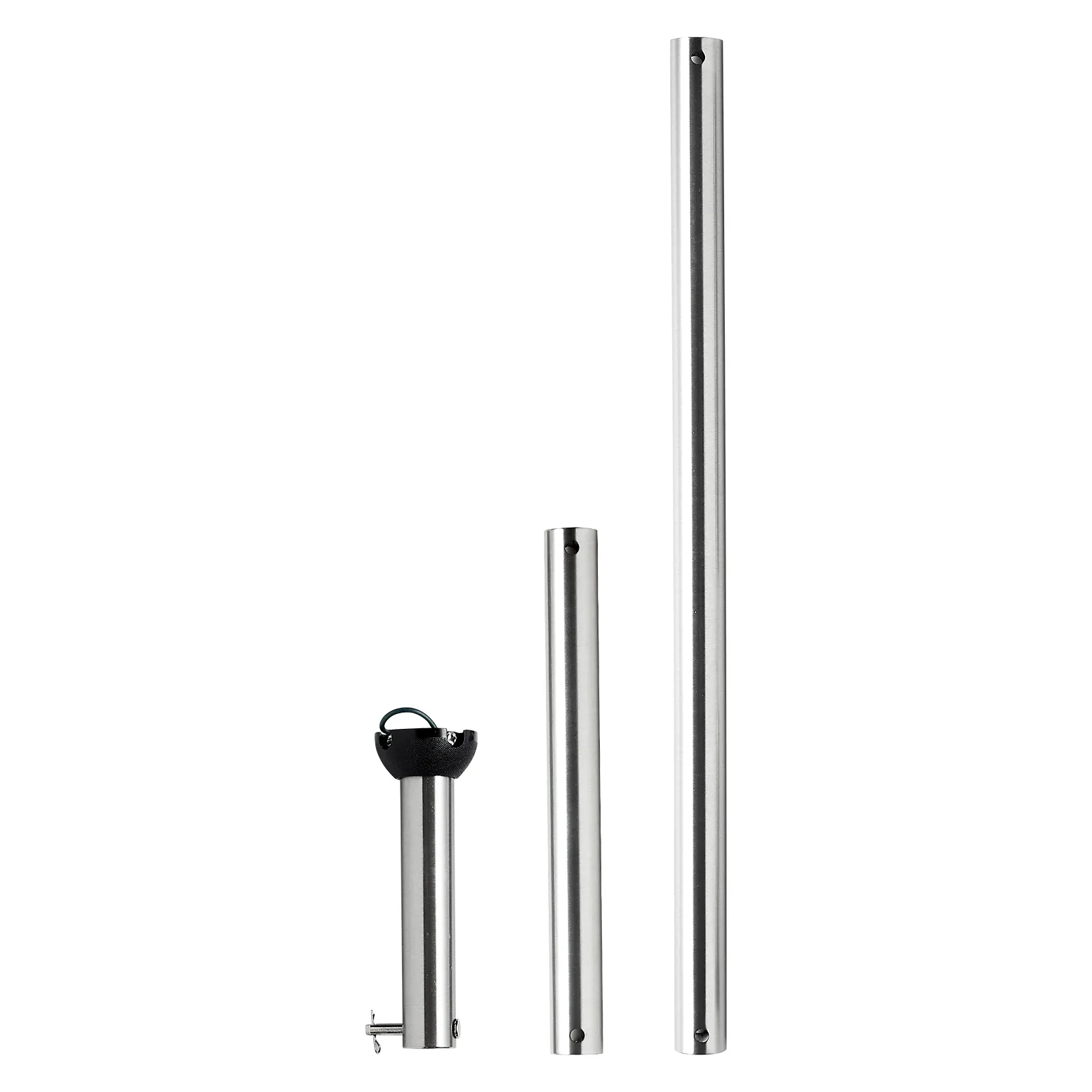
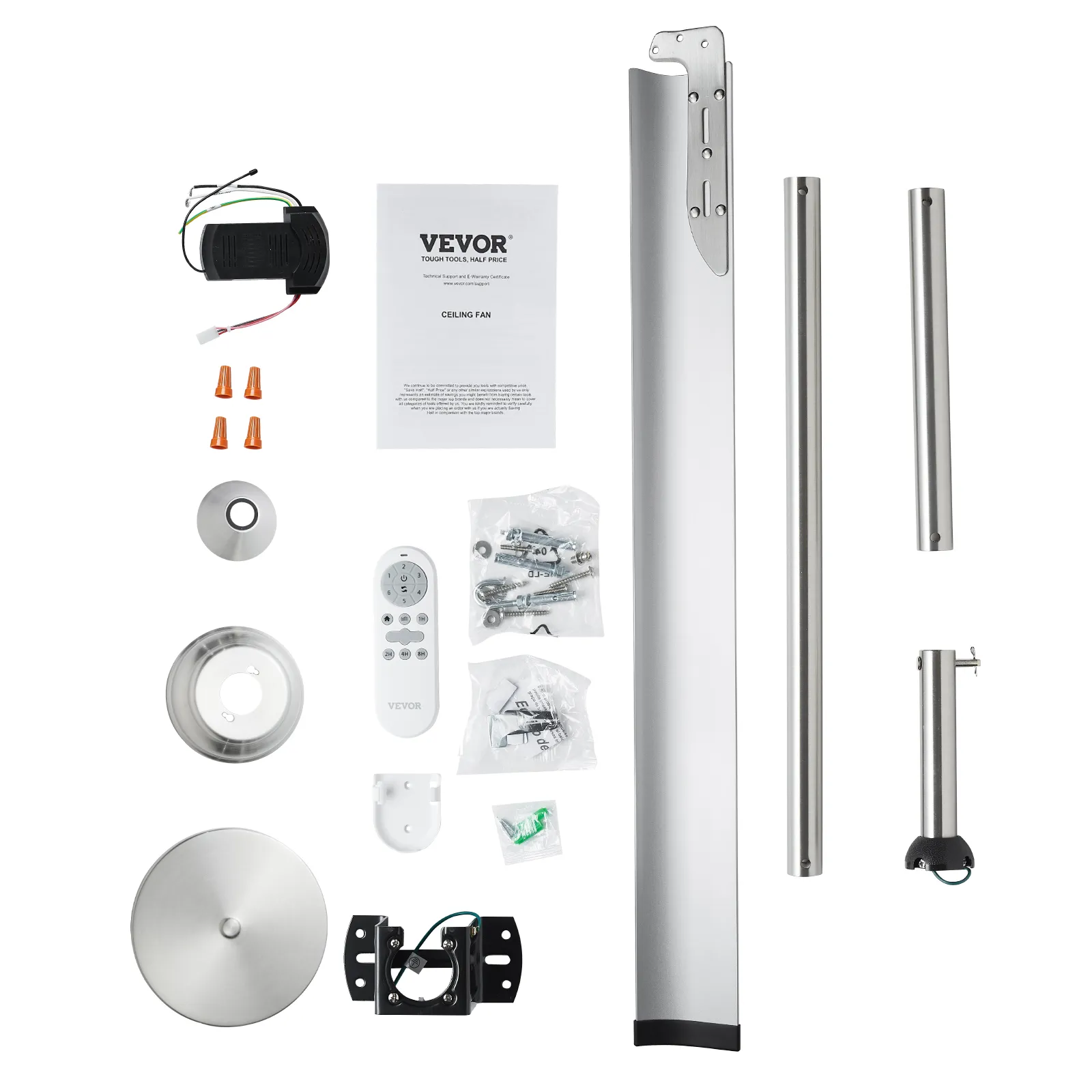
- Flexible Installation: One purchase includes 3 different sized down rods (6”, 10”, and 20”), accommodating various ceiling heights and ensuring a low-profile mount to various rooms.
Frequently Bought Together
Reviews
About this item


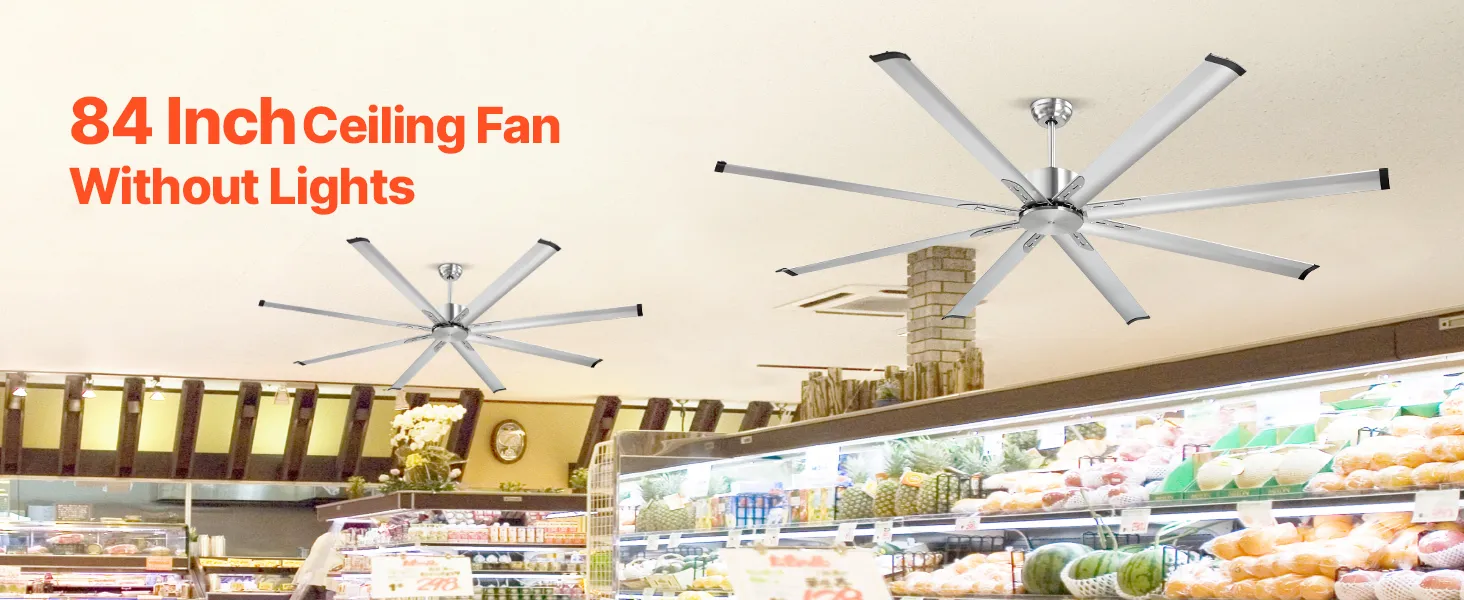





Flush Mount Ceiling Fan Without Light in Brushed Nickel Finish
Compared to a typical black fan body, this flush mount ceiling fan without light has a softer, more neutral appearance thanks to its 8-blade aluminum construction and brushed nickel finish. A black fan might read as a bolder visual statement against pale walls or ceilings in transitional or lighter-toned designs, where that finish blends in more easily. Additionally, compared to matte black hardware, nickel tends to age more gracefully against light fixtures and trim that trend toward silver or chrome.
In spaces with typical ceiling heights, where a bulkier fixture would feel out of proportion, the flush-mount profile keeps the fan housing close to the ceiling, regardless of finish. Over years of usage, aluminum blades maintain their shape better than plastic substitutes, avoiding the sagging and warping that lighter materials experience from repeated exposure to heat and humidity. Compared with lighter blade materials, this structural stability also helps the fan operate with less wobble at higher speeds.
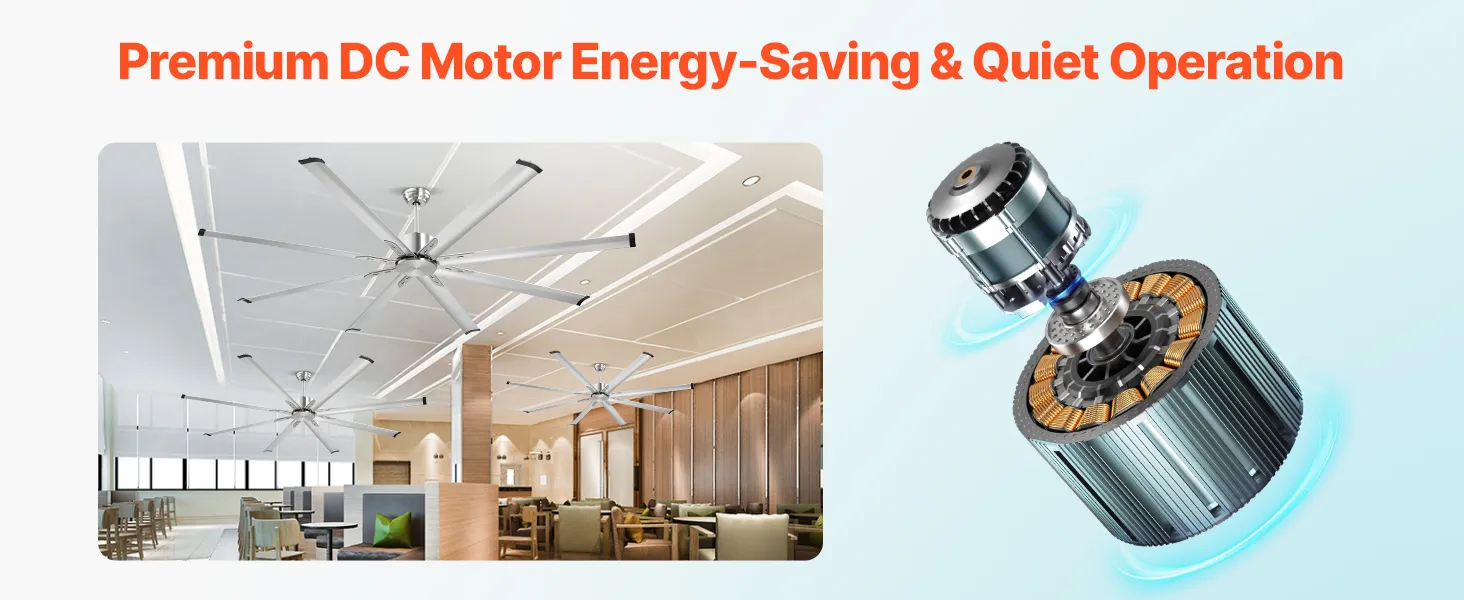
53W DC Motor Delivers 12000 CFM at Under 45dB
This flush mount ceiling fan without light is powered by a 53W DC motor that maintains noise levels at or below 45dB while operating at a maximum airflow of 12000 CFM. Compared to previous AC designs, which typically require more raw power and produce more audible noise to achieve equivalent airflow output, DC motors more effectively achieve that balance. Over time, this efficiency also tends to result in lower operating costs because daily use requires less power to achieve the same airflow production.
In a bedroom, where a fan operating overnight must remain inconspicuous enough not to disturb sleep, quiet operation below 45dB is crucial. In a living room or covered terrace, where better circulation is more important than complete quiet, the same airflow output works just as well, but the lower noise floor is still a useful benefit. A quieter motor prevents background music or conversation from competing with fan noise at higher speeds, which is especially beneficial in shared living environments.
Reversible Motor for Year-Round Comfort
To force cool air downward and enhance circulation throughout the space, the motor rotates counterclockwise in the summer. By rotating clockwise during the winter, warm air that gathers near the ceiling is redistributed and pushed back down to where it can be used, rather than sitting overhead. Because warm air that has already been heated does not go to waste near the ceiling, this redistribution can reduce strain on a home heating system.
Because of this seasonal reversal, a single fan may meet both heating and cooling requirements without the need for a second unit or a manual seasonal exchange. There is no need to physically reach the fan body to alter the direction of rotation between seasons, as the changeover is made via the remote. In rooms with higher ceilings, where it is impractical to reach the fan body directly without a ladder, this convenience is especially important.
6-Speed Remote Control with Built-In Timer
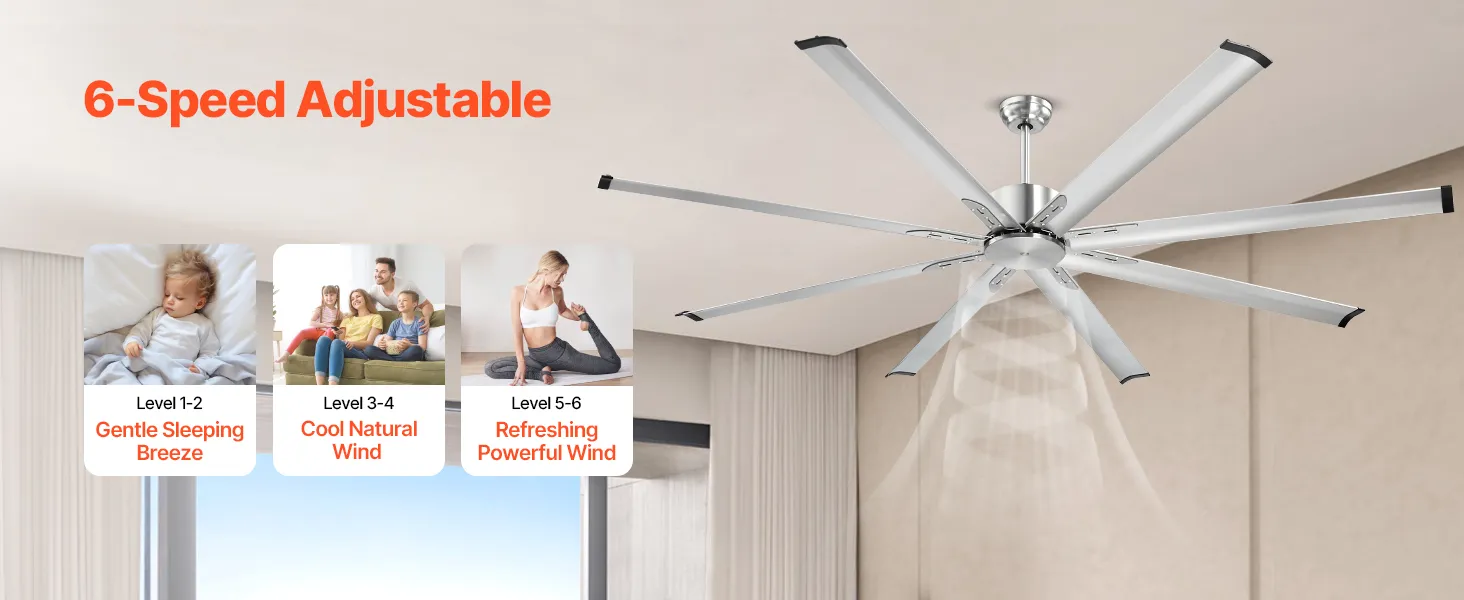
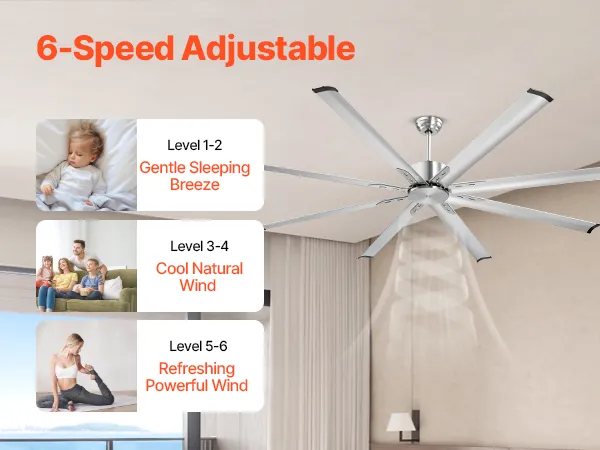
The bundled remote may be used to change six speed settings without getting up or reaching a wall switch. A built-in timer with 1-, 2-, 4-, or 8-hour run settings allows the fan to automatically shut off after a set period, rather than continuing to operate until manually turned off. Overnight, when the fan would otherwise continue operating long after it is needed, the auto-shutoff feature is especially helpful.
When it's impractical to manually switch off the fan in the middle of the night, that timer is especially useful. The remote's six different speed settings enable precise control over airflow, from a gentle breeze for a peaceful evening to full output on a warmer day, without requiring the original setting to be left unaltered for convenience. Additionally, six gradations provide more accurate control than is usually possible with a simple low-medium-high dial.
Three Downrod Lengths for Flexible Ceiling Installation
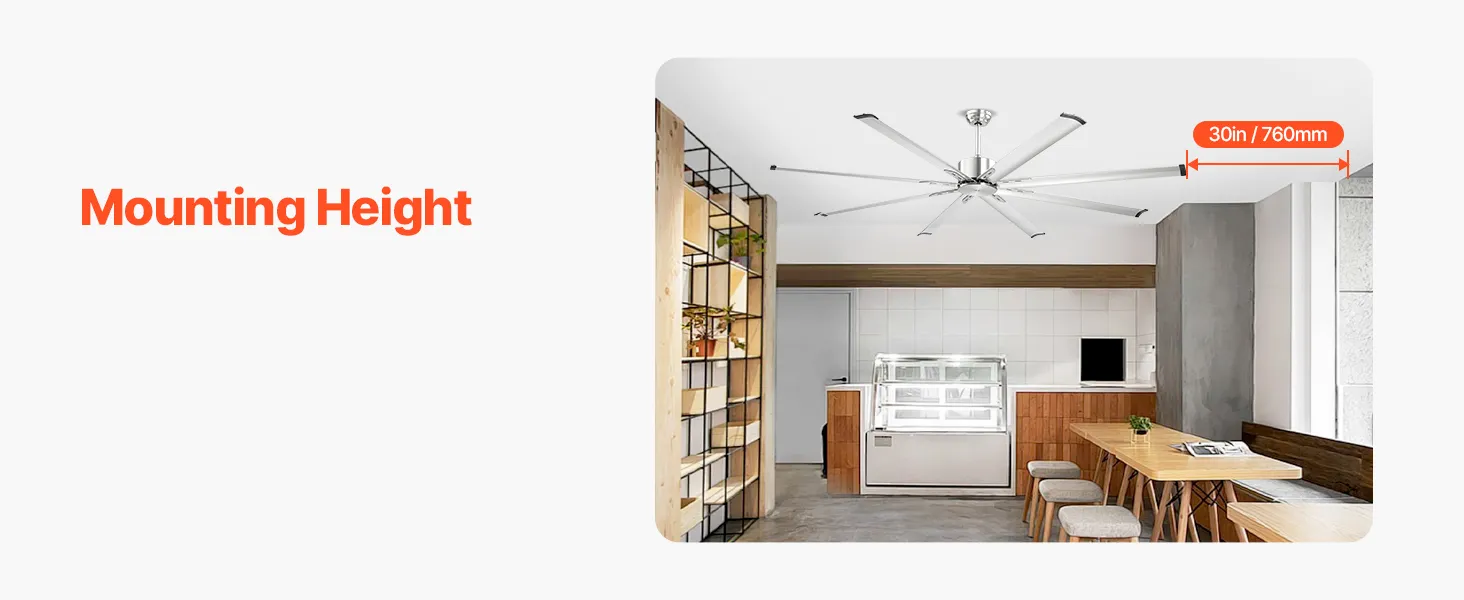
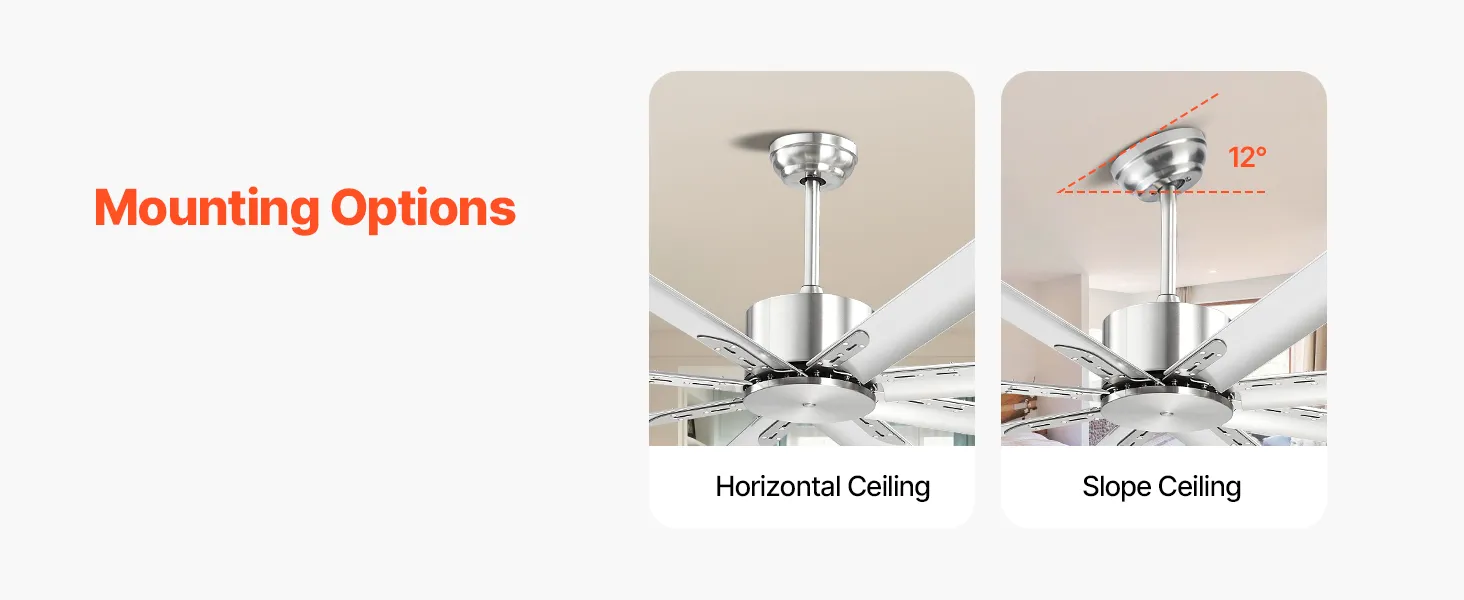
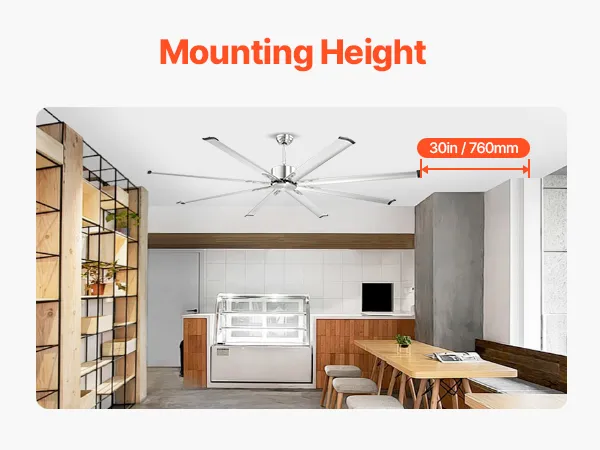
The three downrod lengths, 6", 10", and 20", cover a variety of ceiling heights and don't need to be purchased separately based on room measurements. For a genuine flush-mount appearance, shorter rods maintain the fan near a regular ceiling height; for taller or vaulted ceilings, the 20" option stretches the fan lower. When all three are purchased together, the same fan type can be used in multiple rooms inside a single house without requiring different hardware for each.
This range is important because a fan placed too low in a taller room may appear out of proportion to the room, while a fan placed too high loses effective circulation at floor level. Including all three lengths ensures a proper fit during installation, eliminating the need to guess in advance or acquire additional hardware after the fact. Additionally, if the incorrect downrod length had been anticipated before installation, this flexibility would prevent a return or exchange delay.
Flush Mount Ceiling Fan Without Light Built for Indoor and Outdoor Spaces
This fan, which weighs 12.8 kg and has a diameter of 214 cm (84.25"), is suitable for both regular bedrooms and larger living areas. Depending on how circulation is required in a particular place, it may be set to either upward or downward airflow. While upward airflow disperses circulation more widely throughout an open floor plan, downward airflow is better suited for direct cooling over a seated area. In a mixed-use space, such dual-direction control offers greater flexibility than a fixed single-direction fan.
This flush mount ceiling fan without light is designed for living rooms, bedrooms, and patios. Its low-profile design allows it to function in both regular and vaulted ceilings as long as the right downrod is chosen. Compared to a single fixed black finish, the brushed nickel finish offers a more adaptable aesthetic across various interior types. The versatility of the finish can be just as important to homeowners who furnish various rooms with different color schemes as the ventilation specifications.