VEVOR 12 Volt Refrigerator, 42.3 QT/ 40L Car Fridge, Portable Electric Freezer Compressor with Handle, APP Control and Wheels, 12V/24V DC 100-240V AC, -22℃ to 10℃, for Truck Van RV SUV Travel Camping


- 42.27 QT/40L Car Refrigerator: This wheeled portable car refrigerator with pull handle can store seafood, snacks, meat, and beverages to meet the needs of short trips and camping
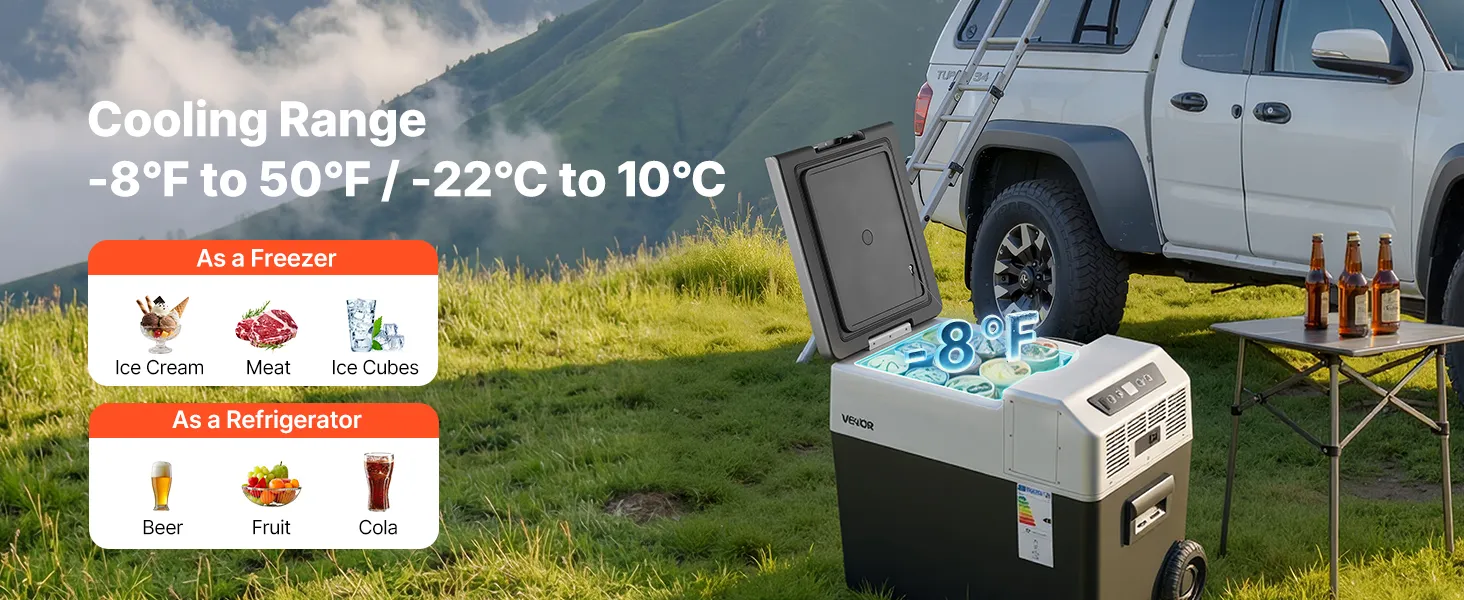
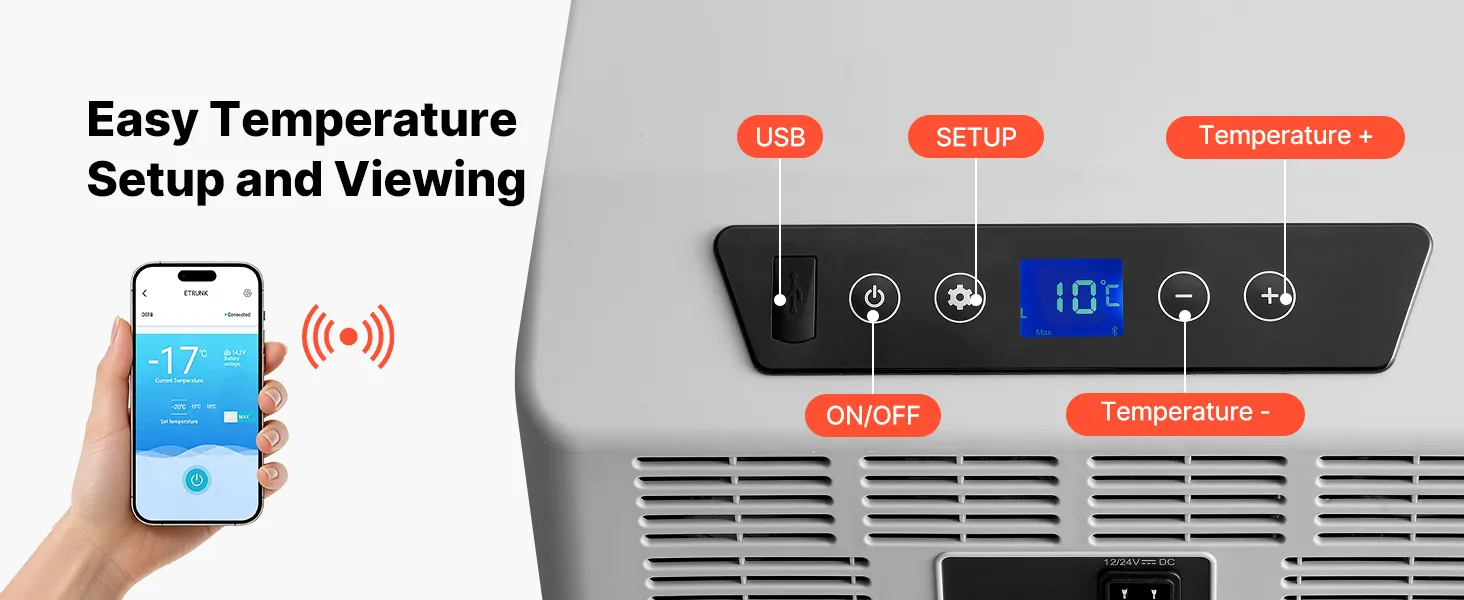
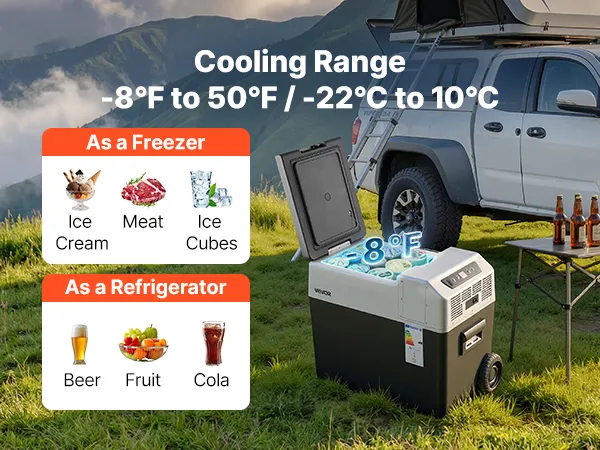
- Temperature Range: Supports both freezing (-22℃ to 0℃) and refrigeration (0℃ to 10℃), with switchable fahrenheit and celsius settings, so you can easily adjust the temperature to suit different food storage needs
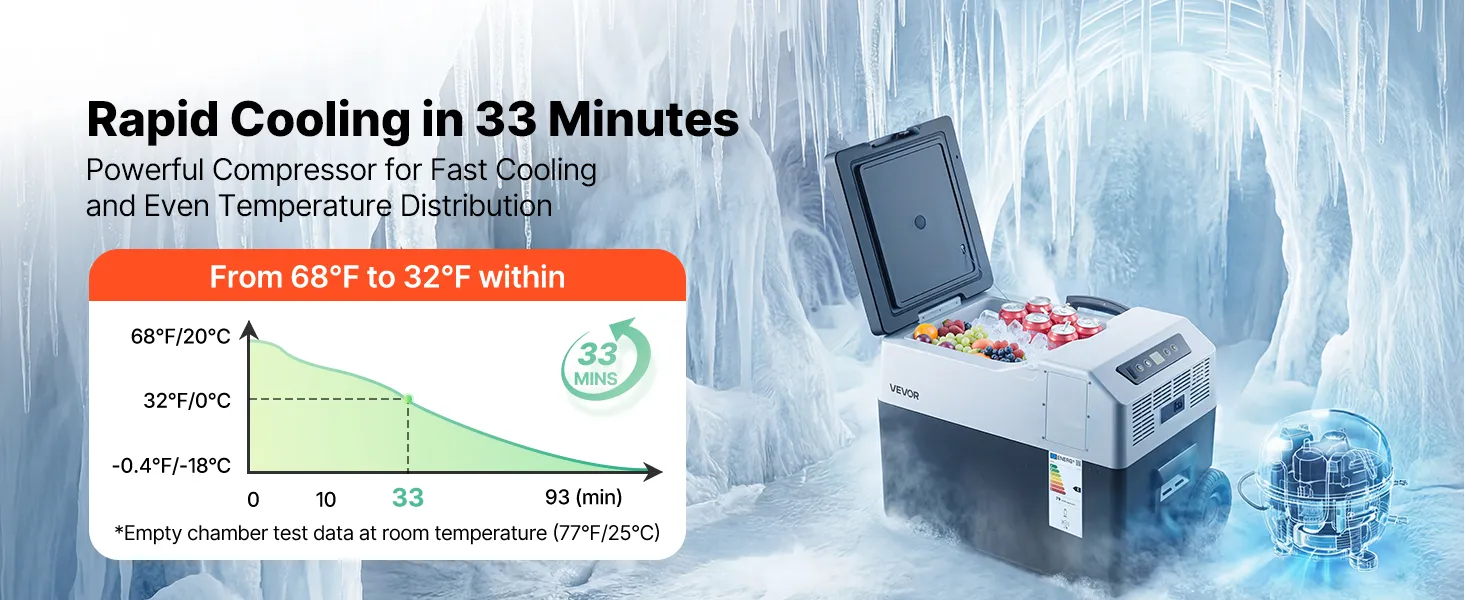
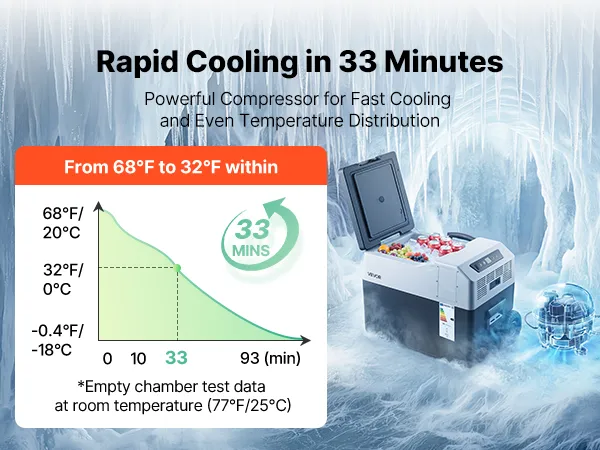
- Fast Cooling: Enjoy fast and efficient cooling with our compressor electric cooler, featuring an upgraded compressor that cools from 20℃ to 0℃ in 33 minutes, keeping food fresh and drinks ice-cold
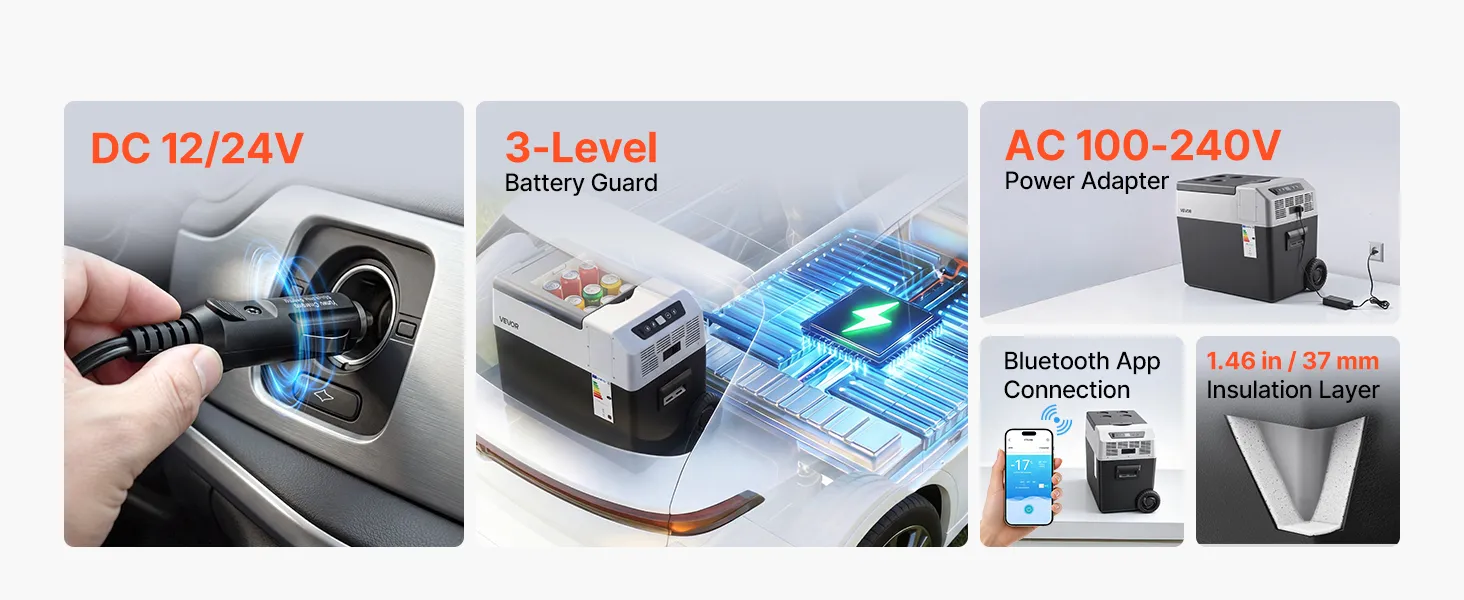
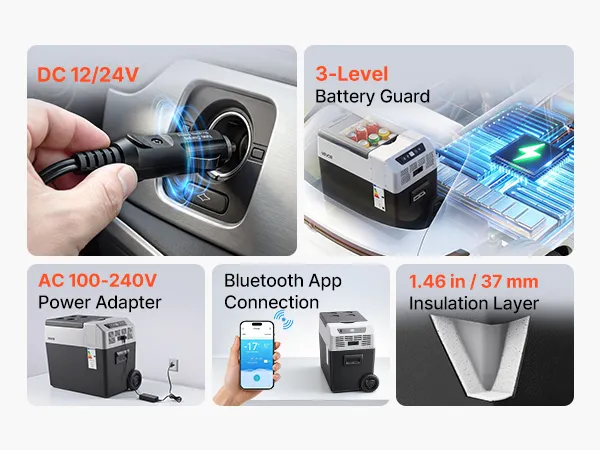
- For Home and Car Use: The electric cooler comes with a power cord, cigarette lighter cable, and adapter for convenient connection to car / rv cigarette lighter sockets, household outlets, and other power sources
- Battery Guard: Three-level battery guard helps maintain vehicle battery security and service life, so you can use this truck freezer with confidence without worrying about excessive battery drain
Frequently Bought Together
Reviews
About this item


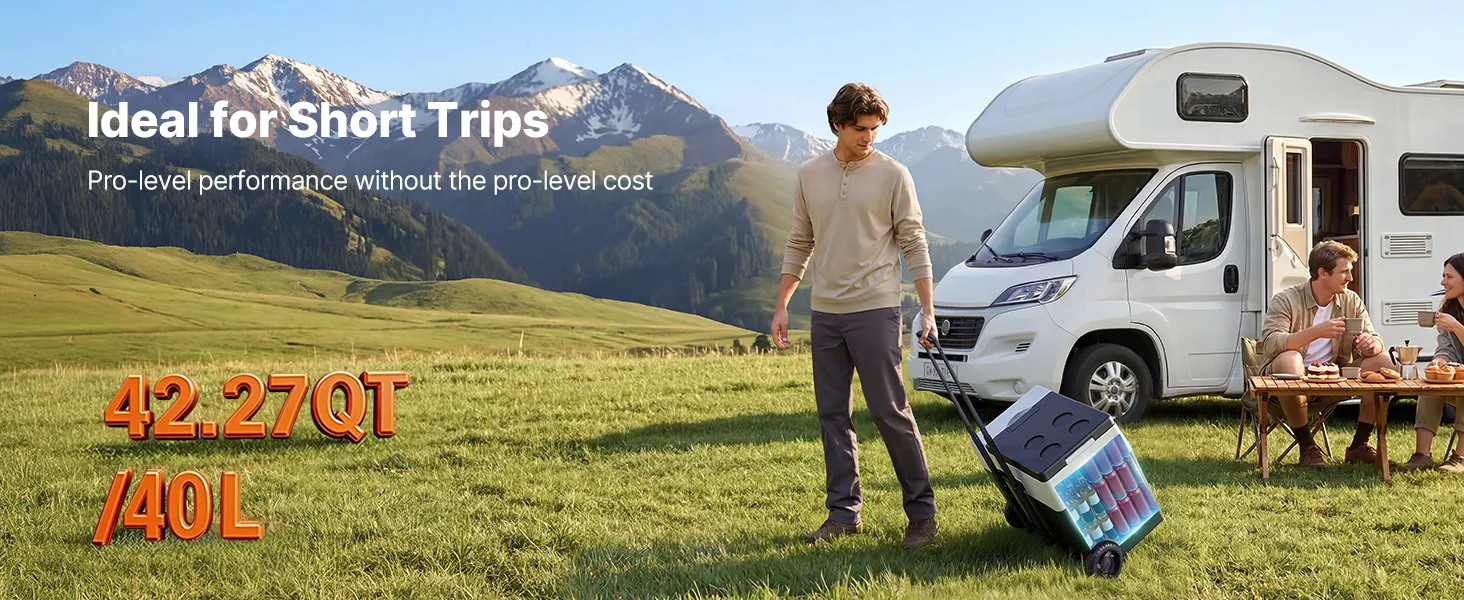
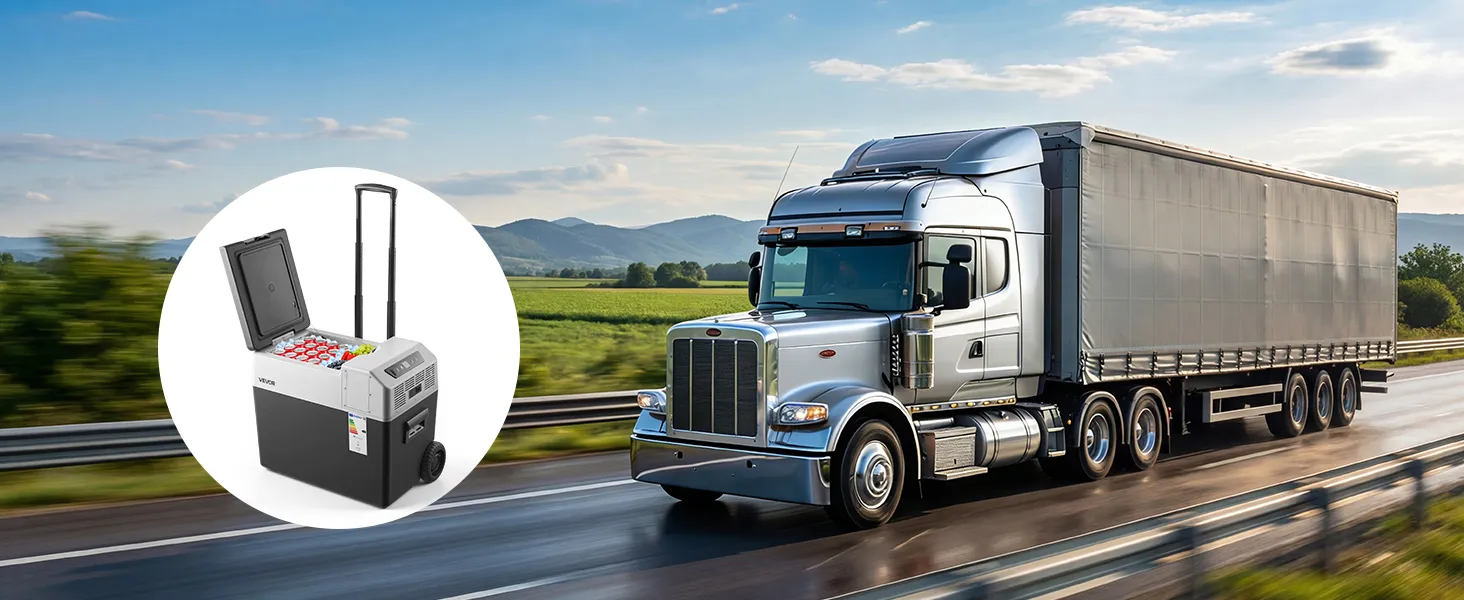

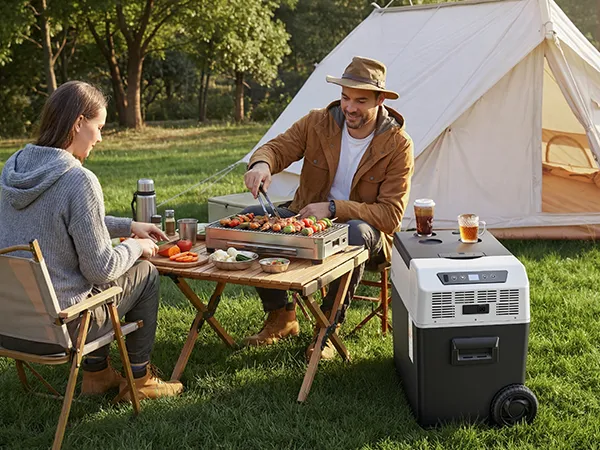
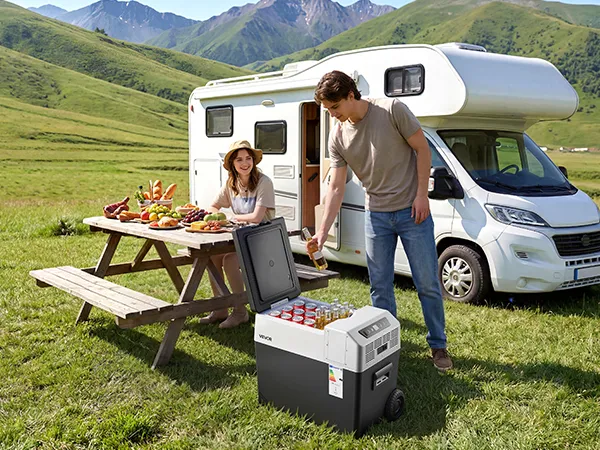
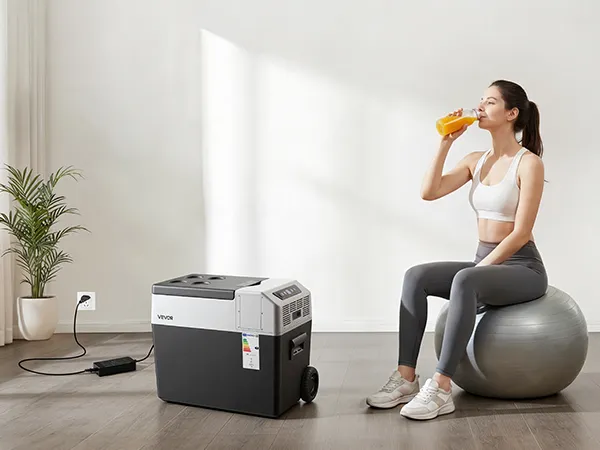
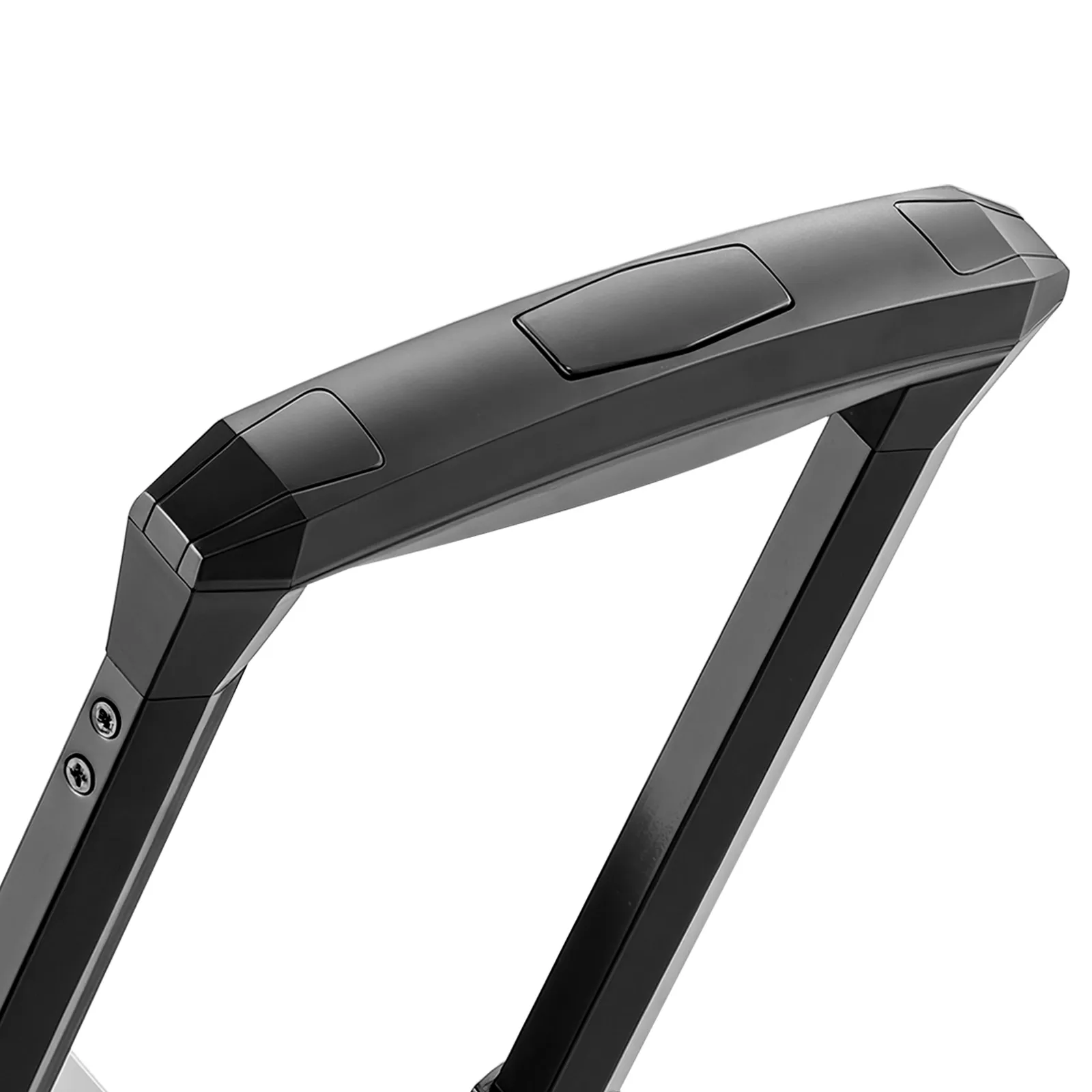
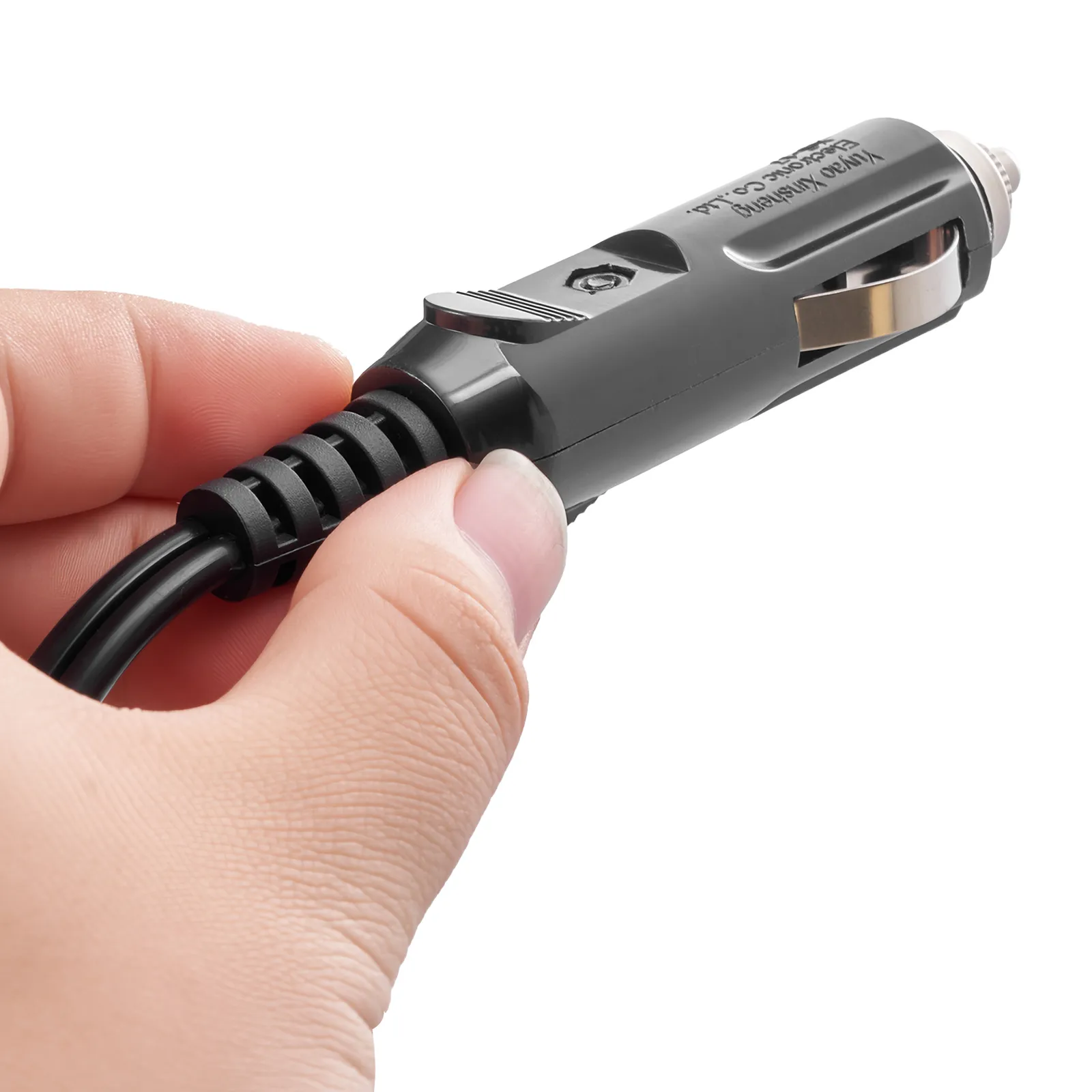
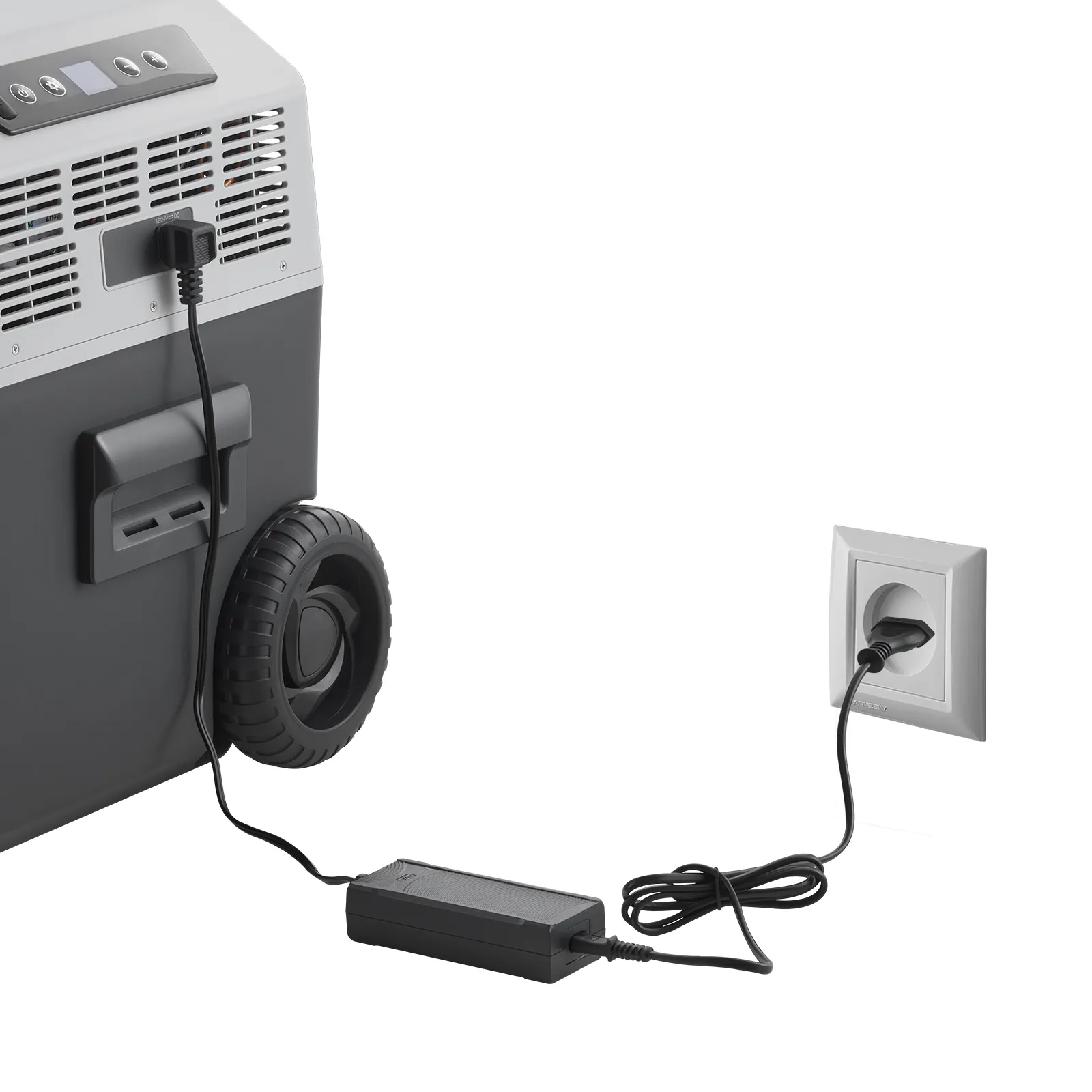
40L / 42.27 Qt Capacity Car Refrigerator on Wheels for Road Trips
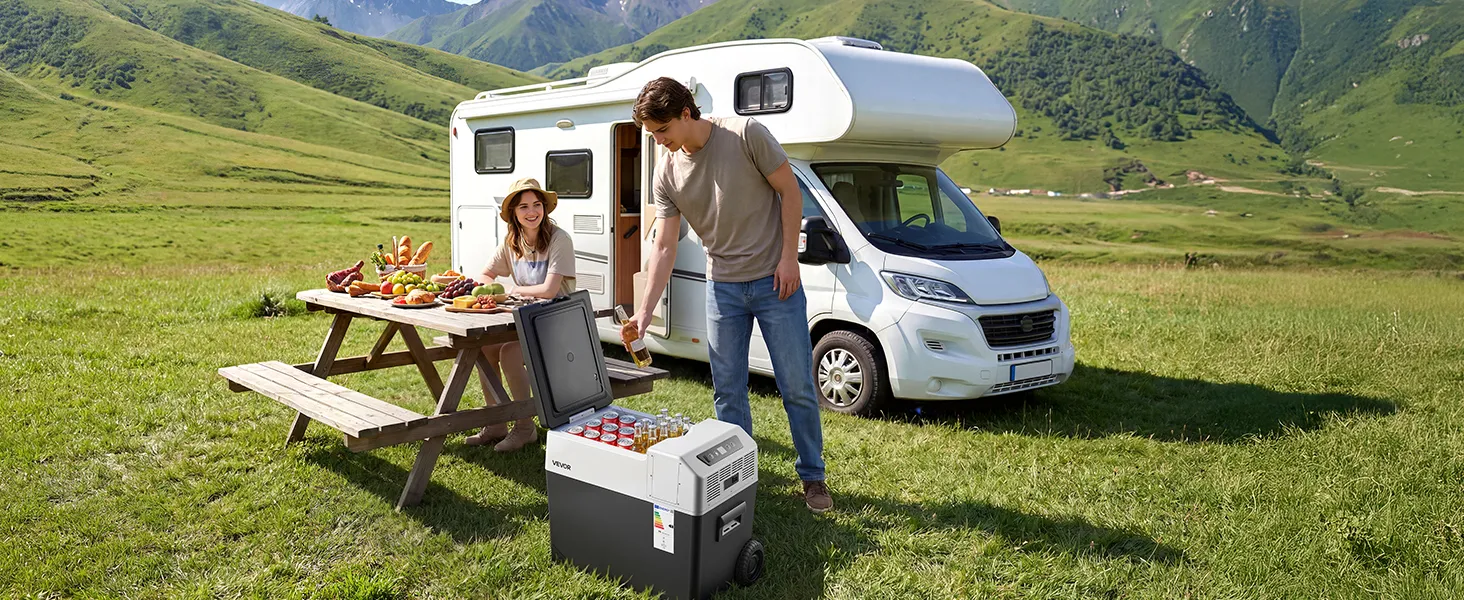
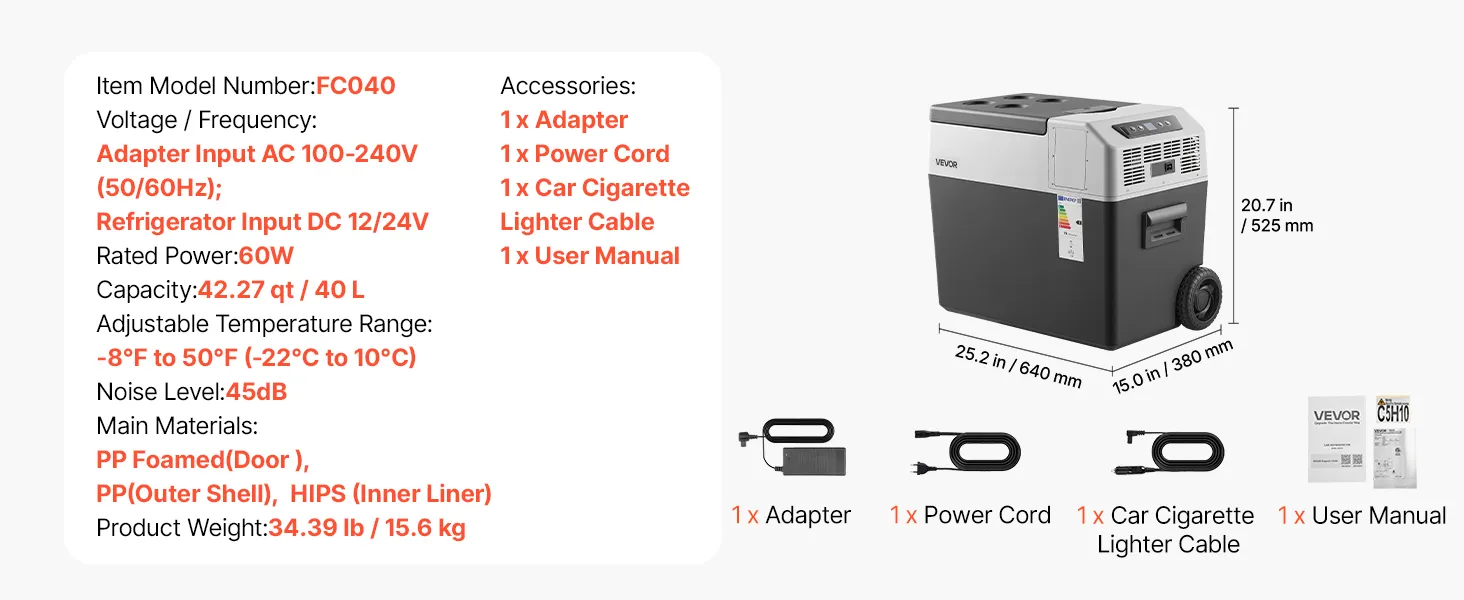
With a capacity of 42.27 quarts (40 liters), this car refrigerator on wheels can hold enough meat, seafood, snacks, and drinks for a quick journey or several days of camping without a backup cooler. That capacity strikes a sensible balance between being big enough for actual shopping runs and small enough to fit in a truck bed, RV galley, or SUV cargo area without taking up all of the available space.
Instead of decreasing as ice melts and taking up space inside the box, the unit's 40-liter capacity remains useful for the duration of a trip because it uses a compressor rather than passive ice cooling. Since the entire 40 liters remain available for food and beverages rather than being half-filled with melting ice, this distinction is more important for anyone preparing for a multi-day trip than the raw liter count itself.
-22°C to 10°C Adjustable Range for Freezing and Refrigeration
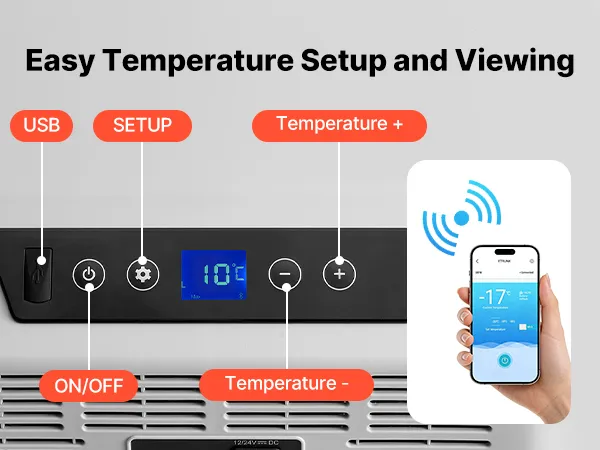
The temperature range is -22°C to 10°C (-8°F to 50°F), which includes basic refrigeration for drinks, produce, and leftovers in the same unit as well as frozen storage for meat and seafood. This range also includes frozen drinks and ice cream without the need for a separate deep freezer. Instead of requiring a conversion each time the temperature is checked, switchable Fahrenheit and Celsius display settings allow the range to be read in whichever unit is more comfortable.
Instead of needing two separate units for two distinct tasks, a single refrigerator with both freezing and refrigeration capabilities can carry frozen meat for the first part of a journey, then switch to regular refrigeration for everyday items once the freezer stock runs low. That dual range eliminates one extra item of equipment to consider and pack for anyone preparing a car for a multi-day excursion.
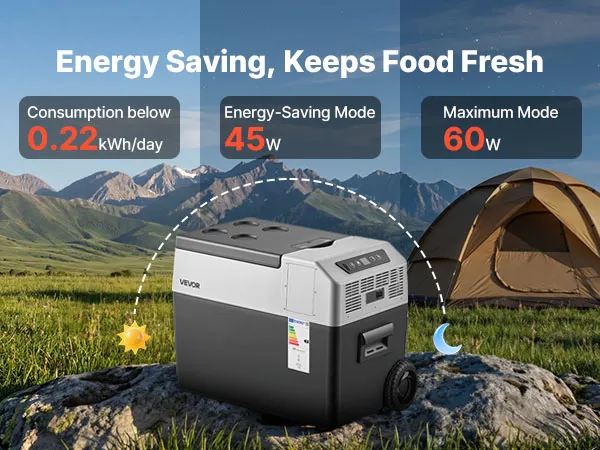
60W Compressor Cooling for Fast, Efficient Temperature Drop
According to the manufacturer's testing conditions, the 60-watt compressor can cool the interior from 20°C to 0°C in about 33 minutes, compared to the hour or more that lower-powered thermoelectric coolers usually require to achieve the same drop. When you load the refrigerator with room-temperature foods or beverages, that speed is especially important because a slower machine keeps food at a dangerous temperature for longer.
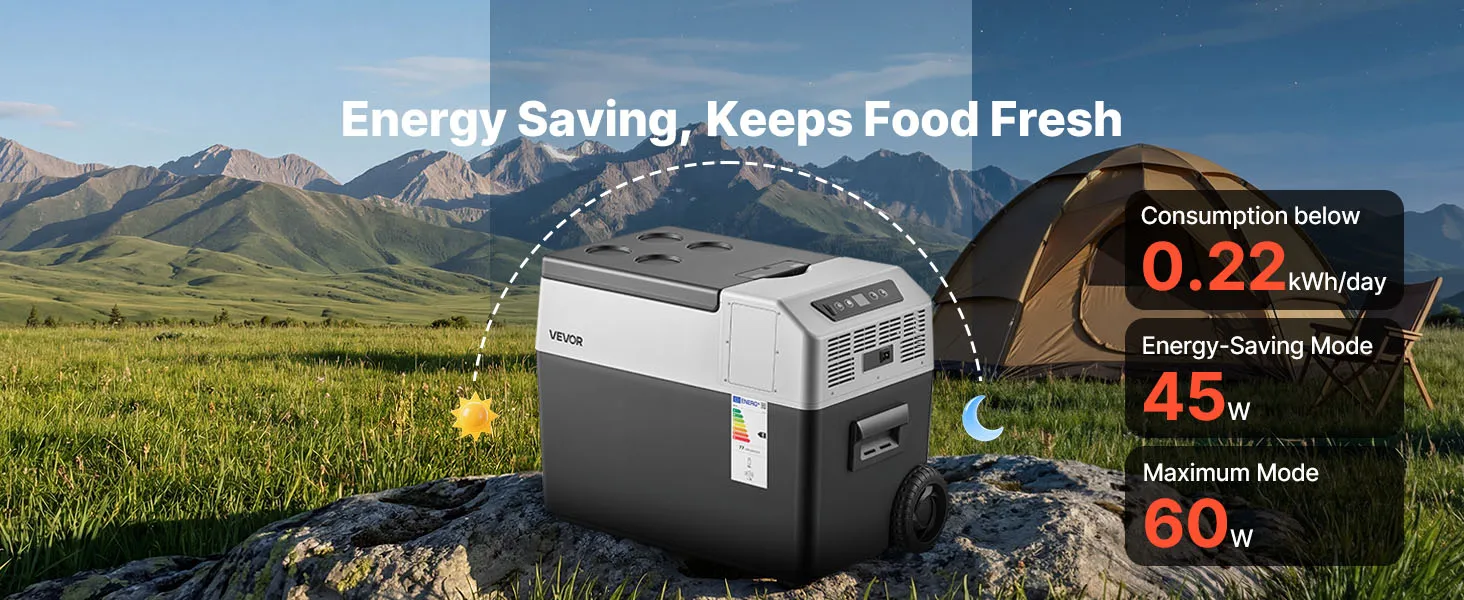
Additionally, unlike thermoelectric units, which tend to drift upward on hot days as outside temperatures rise, a compressor-based system maintains its set temperature more consistently once it is reached. That consistency, rather than simply the initial chilling speed alone, is what truly keeps food safe for anyone using this machine for an entire day in a hot car or while camping outside.
Three-Level Battery Guard to Protect Vehicle Battery Life
While the car refrigerator on wheels is powered by a cigarette lighter plug, a three-level battery guard monitors the vehicle's battery and immediately cuts power before it falls to a point that could prevent the car from starting. When a device without battery protection can silently drain a car battery flat overnight, it's a serious worry for anyone using this refrigerator for hours at a campsite or during a lengthy drive with the motor off.
A conservative setting for older batteries or seldom-driven vehicles, or a more lenient setting for daily drivers with a healthy charging system, are the three configurable protection levels that allow the cutoff point to fit how the car is really used. A single fixed cutoff, which either drains batteries too quickly or shuts off before the battery's entire runtime is consumed, is defeated by this adjustable protection.
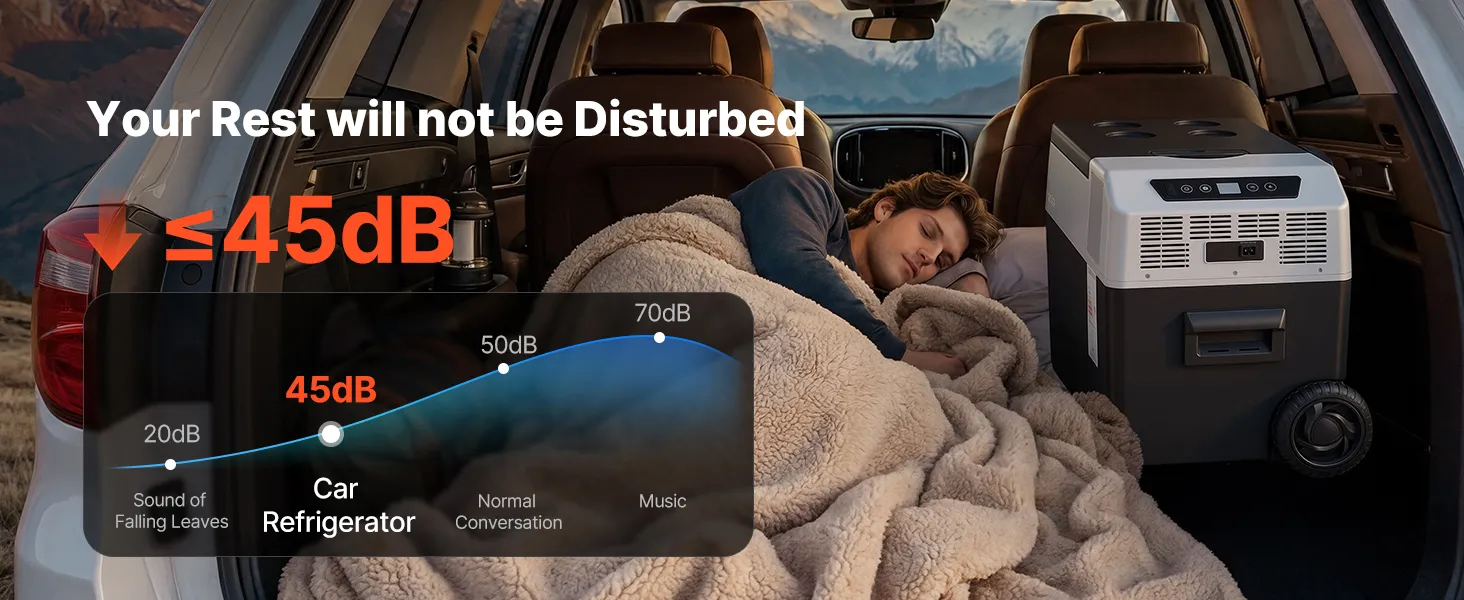
45dB Quiet Operation for Cabin and Campsite Use
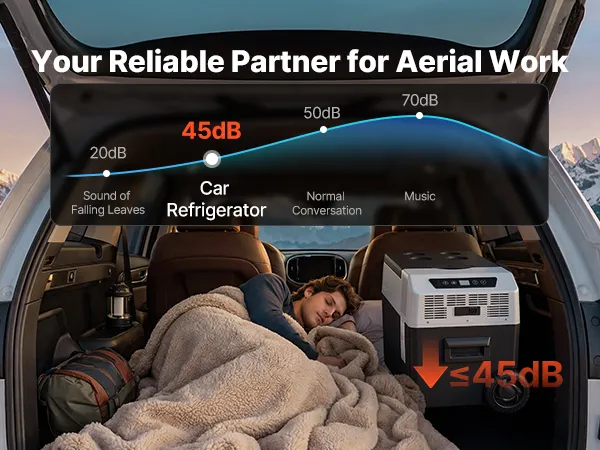
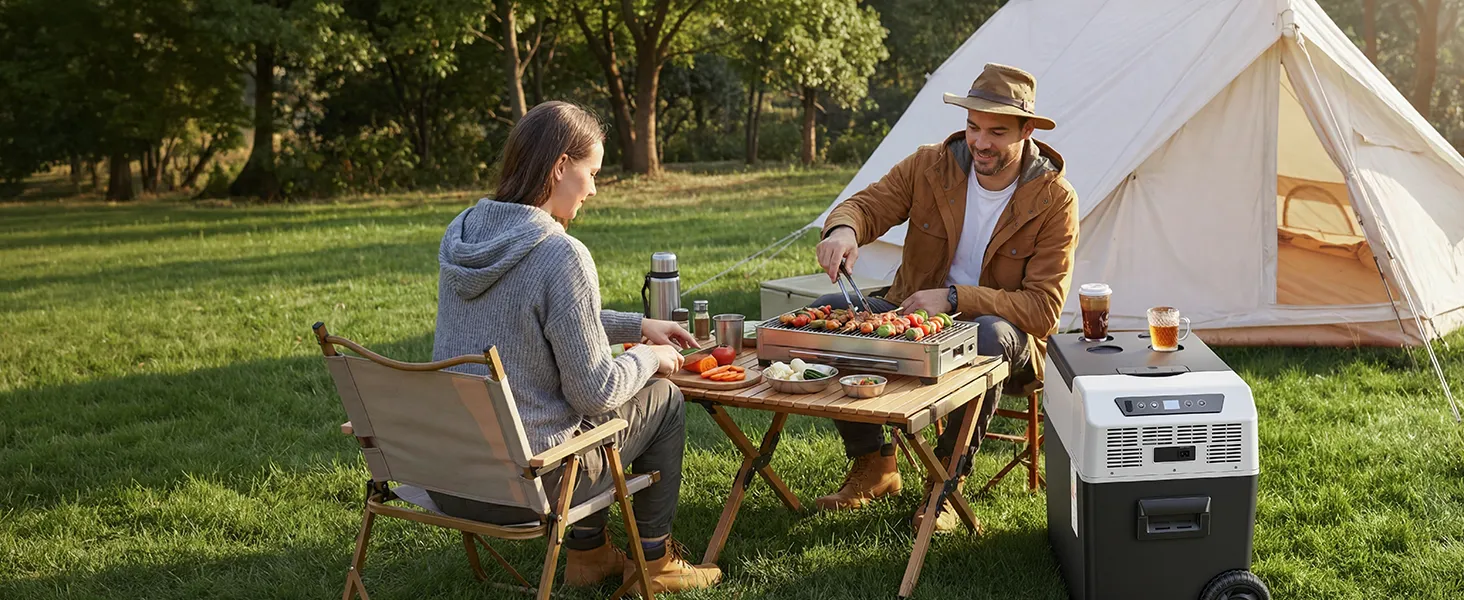
Instead of producing the loud hum that some compressor-based coolers do when they enter an active cooling cycle, this refrigerator operates at about 45 decibels, which is close to the volume of a quiet conversation. This is especially important for anyone using it in a car cabin on a long drive or overnight next to a tent, when a loud compressor that continually cycles on and off can seriously interfere with sleep.
Since compressor coolers rely on a running motor rather than static ice for cooling, they are typically louder than passive ice coolers by design. Therefore, a rating this low represents a significant advantage within that category rather than a coincidence of quiet engineering. 45dB makes this device closer to background noise than the noticeable hum some older compressor models are known for, which is important information for anyone comparing a compressor fridge versus a conventional ice cooler due to noise concerns.
34.39 Lb Car Refrigerator on Wheels with Pull Handle for Easy Transport
This car refrigerator on wheels weighs 34.39 pounds (15.6 kg), which is light enough for one person to transfer into a truck bed or SUV cargo area without assistance, but substantial enough to maintain its stability when full. It can be rolled rather than carried all the way to a campground table or tailgate location thanks to built-in wheels and a pull handle.
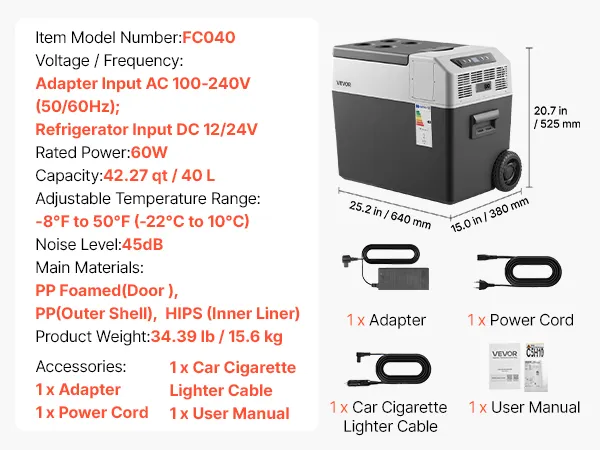
The unit's overall measurements of 25.2 x 15.0 x 20.7 inches (640 x 380 x 525 mm) allow it to fit in an SUV trunk, RV galley corner, or truck bed without requiring special storage space, unlike a larger chest-style cooler. The combination of a small footprint, wheels, and a pull handle transforms a 40-liter refrigerator from a two-person lift into something that one person can handle alone for anyone who frequently loads and unloads a vehicle on a trip.