Deals
VEVOR Sediment Filter Sock, Dia. 127 mm x 3048 mm L Coverage, Erosion Control Socks with Polypropylene Filler, Flexible & Efficient Silt Fence Socks for Storm-Water Management, Drainage Protection

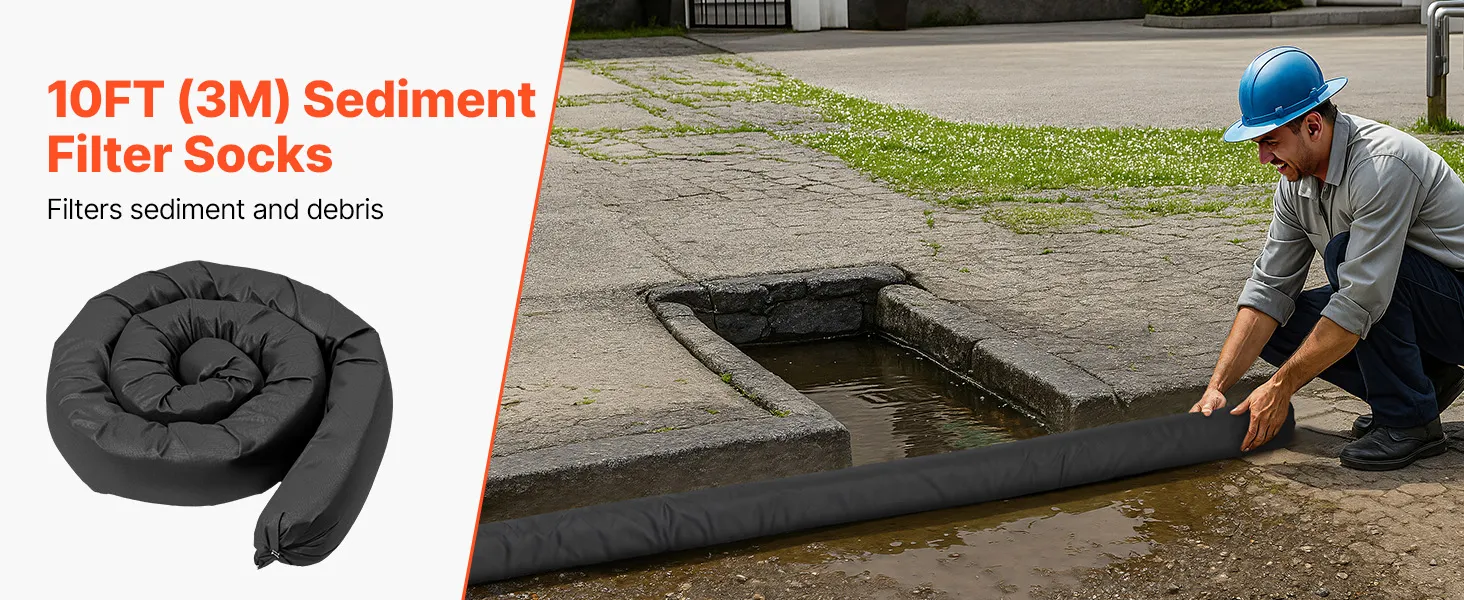
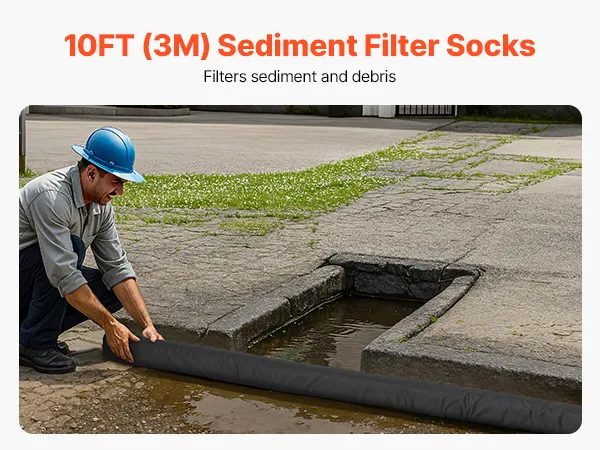
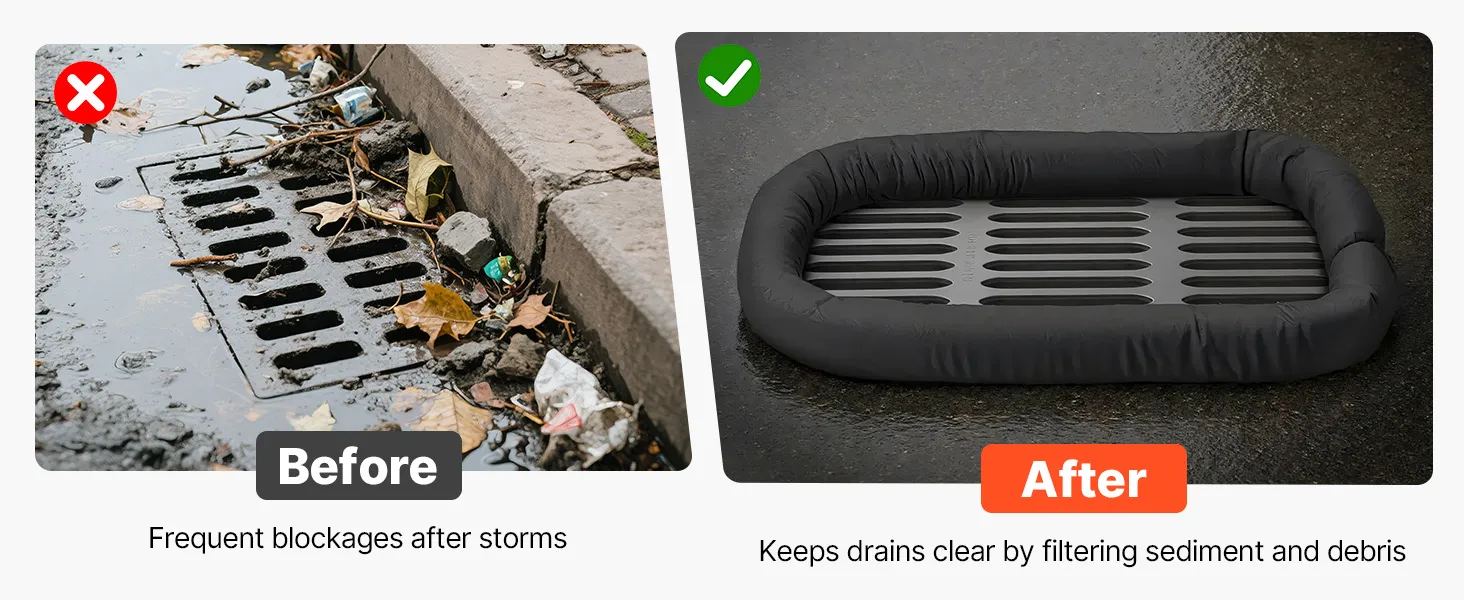
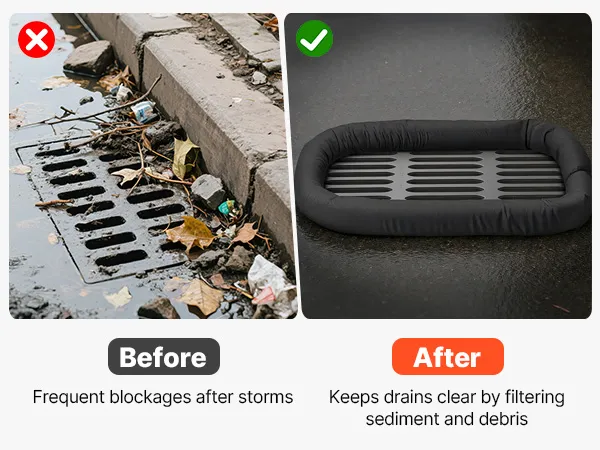
- Efficient Sediment Filtration: This sediment filter sock effectively captures sediment, debris, and solid particles from rainwater runoff, preventing drainage clogs and protecting the environment.
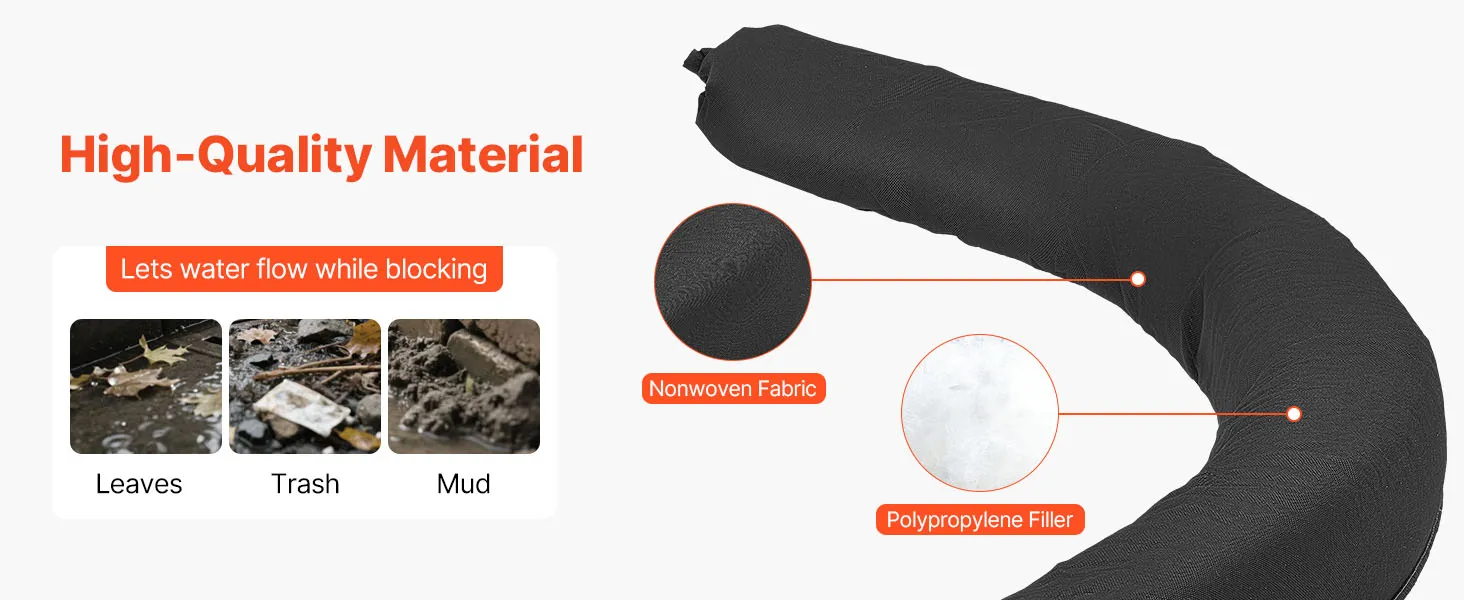
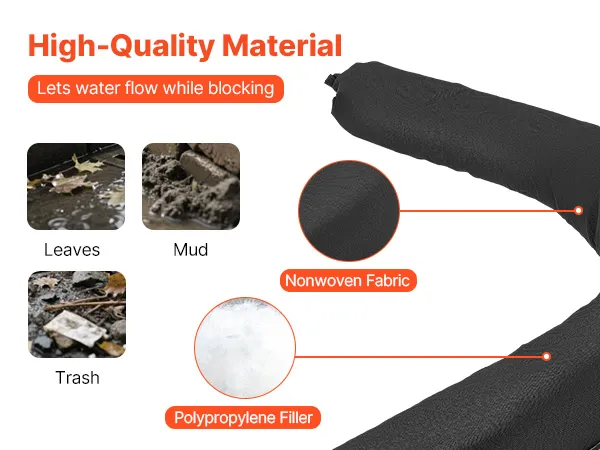
- Water Flow-Friendly: Made with a highly permeable non-woven fabric and filled with polypropylene, the silt sock efficiently traps impurities while allowing water to flow freely without disrupting drainage.
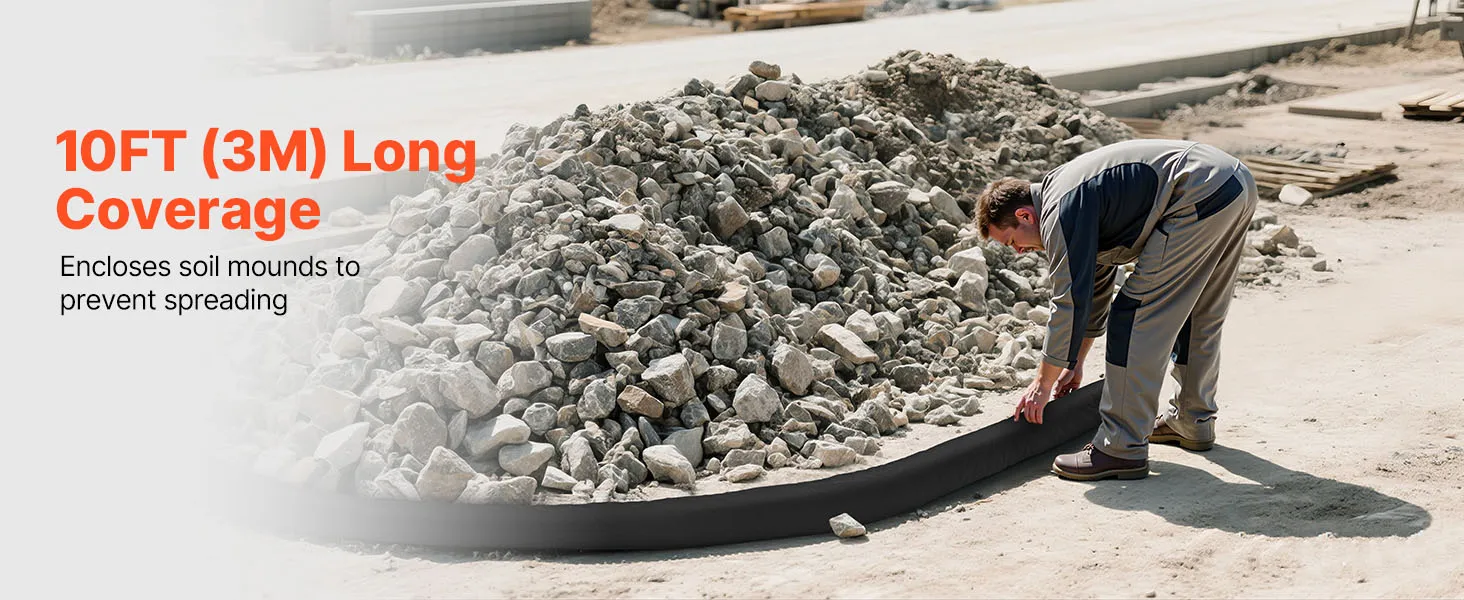
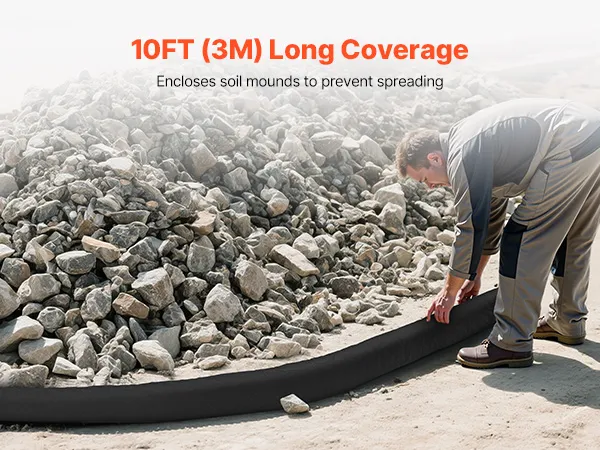
- 10ft Coverage: Our erosion control sock covers 10 feet of protection, that make it ideal for large-scale sediment interception. The erosion barrier sock is ideal for collecting debris and sediments after heavy rainfall.
- Flexible & Adaptable: Soft and flexible, storm drain filter sock easily bends to fit irregular surfaces like grass, curves, and slopes, ensuring effective sediment capture.
- Wide Application: The silt fence sock is ideal for drainage outlets, construction sites, roadworks, and farm borders for controlling sediment spread in various environments.
Frequently Bought Together
Reviews
About this item


Sediment Filter Sock for Efficient Stormwater Sediment Control
When stormwater flows over the sediment filter sock, it traps sediment, debris, and other solid particles before they enter drainage systems. Capturing these materials at the surface reduces the risk of drains and openings clogging and sediment buildup. This proactive filtration helps manage runoff more effectively while reducing the environmental damage caused by rainstorms.
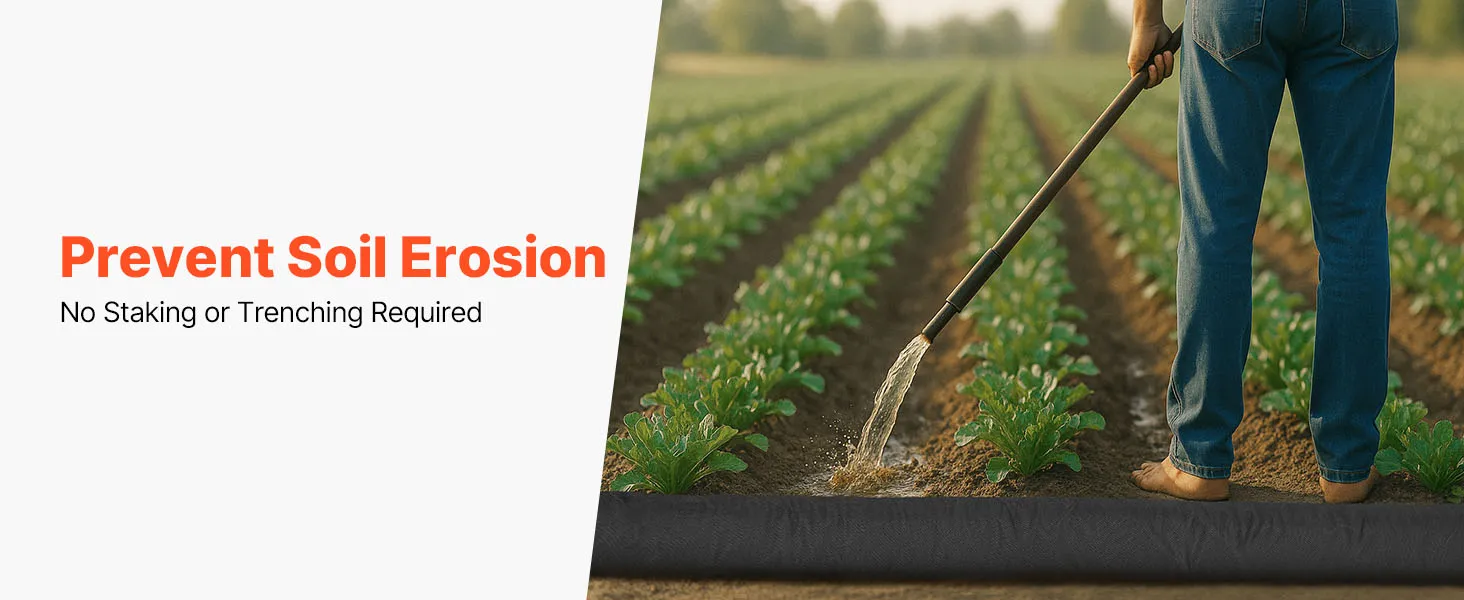
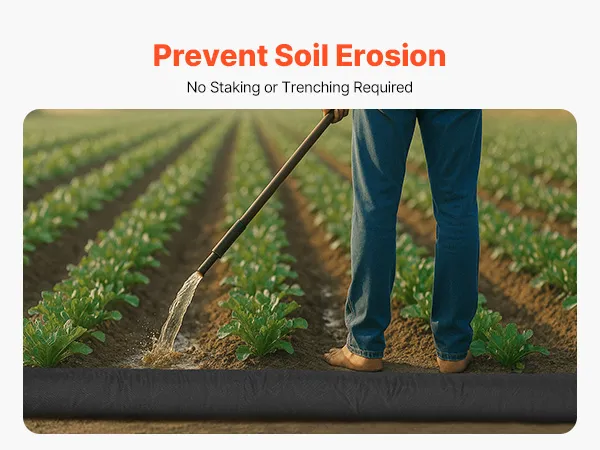
The filter sock helps prevent erosion by slowing water flow and allowing sediment to settle inside the sock. It helps keep drainage areas stable in regions that get a lot of rain. Because of this, it is a trusted part of stormwater management plans that require sediment control.
5 in. Diameter Sediment Filter Sock with 10 ft Coverage Length
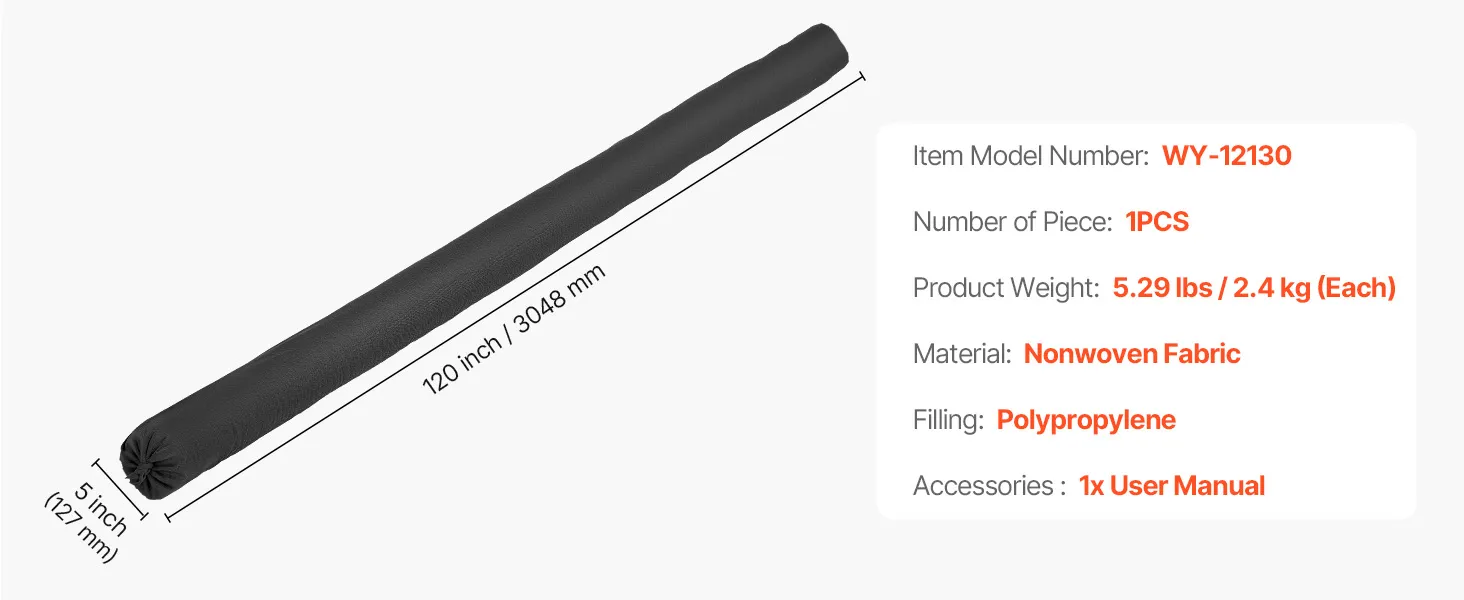
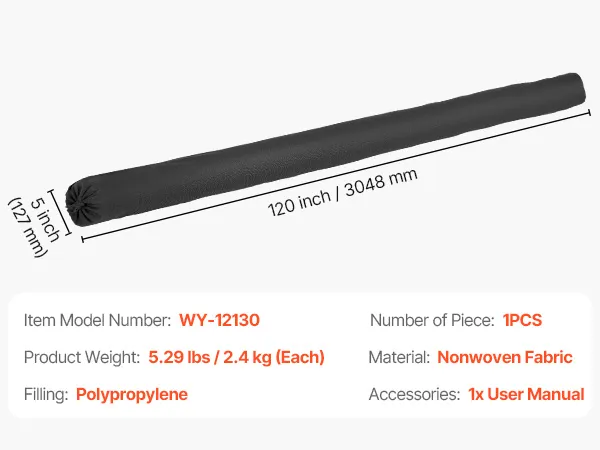
The sock has a 5 in diameter and a 10 ft length, so it protects longer sections along drainage paths. This size allows the sock to effectively catch runoff over larger areas, making it a good choice for places where sediment control needs to cover long distances.
The filter sock's long length means that you don't need as many short barriers. This makes installation easier while still providing ongoing filtration coverage. The longer shape helps catch sediment well after heavy rain, especially in places where runoff tends to build up.
Polypropylene-Filled Erosion Control Sock for Reliable Filtration
Polypropylene is used to fill the sediment filter sock and make it effective at catching sediment, debris, and solid particles. This filler improves filtration efficiency and helps the fill material maintain its structure when wet. Polypropylene doesn't break down easily, so the sock will still work if it gets wet a lot.
The polyester filling inside the filter sock helps it hold onto the sediment it collects, reducing shifting or collapsing. It can still filter water even when it is continuously flowing through it. When it comes to long-term use and changing weather conditions, the material choice ensures reliable erosion control.
Highly Permeable Non-Woven Fabric for Smooth Water Flow
The highly permeable nonwoven fabric in the filter sock allows water to pass through easily while holding sediment. This design prevents water from pooling behind the barrier and allows it to drain naturally. Together, the fabric and the filler inside maintain excellent filtration and permeability.
The filter sock prevents pressure from building up during heavy rain by allowing water to flow through without being significantly restricted. This smooth water flow reduces the risk of washouts while still effectively capturing sediment. The fabric makes sure that drainage systems keep working well even when it rains.
Flexible Sediment Filter Sock for Curves, Slopes, and Uneven Ground
The sediment filter sock is flexible and can easily conform to curvy, sloped, grassy, and uneven surfaces. This allows close ground contact, improving filtration efficiency in areas with complex terrain where rigid barriers might leave gaps.
The filter sock can continue to perform well across a wide range of environments thanks to its flexible design. It can bend without losing its shape, so it can still effectively catch sediment along edges, contours, and transitions. Its adaptability makes it ideal for a wide range of site conditions.
Erosion Barrier Sock Designed to Prevent Drainage Blockage
The sediment filter sock prevents sediment from entering stormwater or drainage systems by reducing erosion. By catching trash before it reaches drains, culverts, or outlets, it helps keep water flow paths clear and can reduce maintenance frequency.
This erosion barrier design prevents sediment from accumulating around drainage infrastructure. The sock helps drains work more effectively over time and reduces the risk of flooding in certain areas caused by clogged drains. It prevents sediment-related drainage problems before they happen.
Storm Drain Filter Sock for Heavy Rainfall and Runoff Management
The sediment filter sock is designed to work well when it rains heavily and water runs off quickly. Its filtration structure slows water flow and effectively collects debris during high-flow events, making it suitable for stormwater management.
The sock helps keep the soil stable and helps reduce soil loss during storms by controlling flow. It helps with controlled drainage during heavy rain, preventing sediment from moving into nearby areas. This benefit makes it a good choice for places that get a lot of rain.
Sediment Filter Sock for Construction Sites, Roads, and Farmland
You can use the filter sock on construction sites, roadways, drainage outlets, and the edges of farmland. Its design makes it useful for both short- and long-term erosion-prevention projects. It can adapt to different operating needs because it is so flexible.
When used across a variety of settings, the sock helps control sediment spread while protecting nearby structures and landscapes. Its reliable filtration and easy installation make it a useful tool for professionals who manage erosion and stormwater in a variety of settings.