


VEVOR Dog Door for Sliding Glass Door, 1927 mm to 2049 mm Adjustable Height, Aluminum Alloy Frame with Flap, Rotating Hinge, Lock Design, for Medium-Sized Dogs, Sliding Glass Pet Doors for Renters
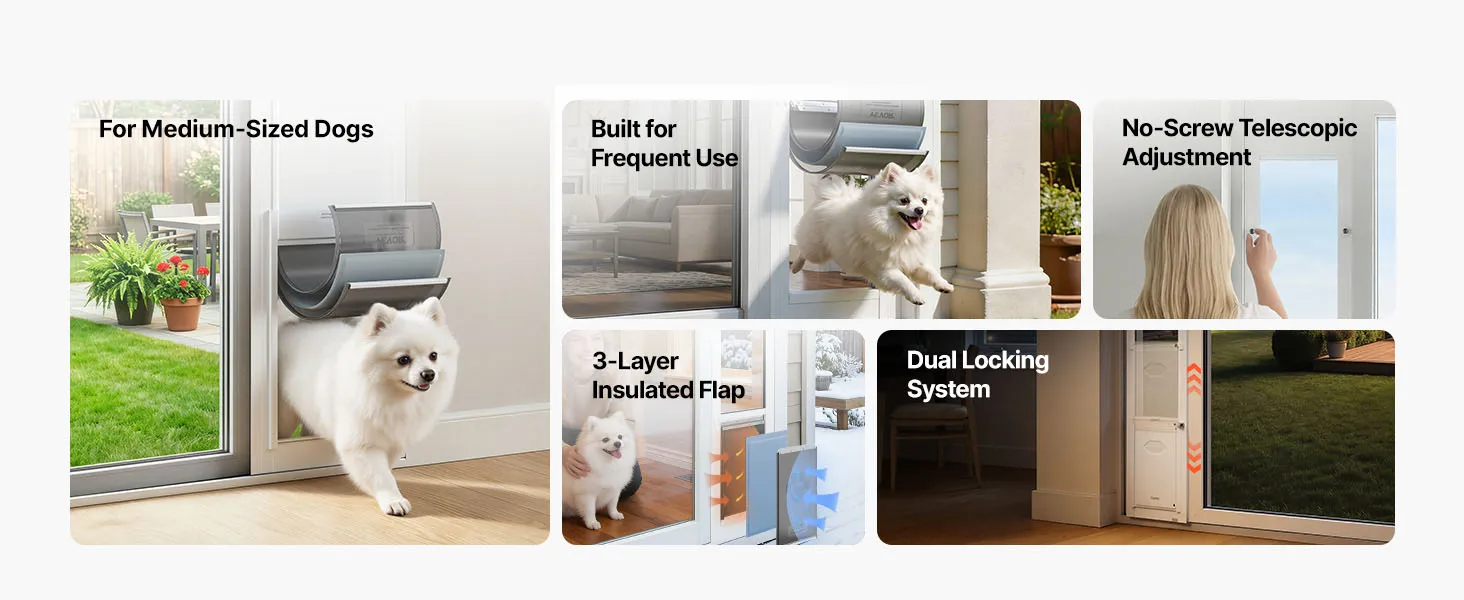
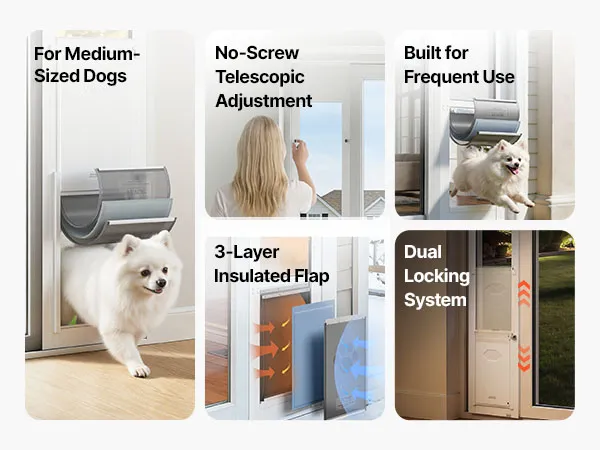
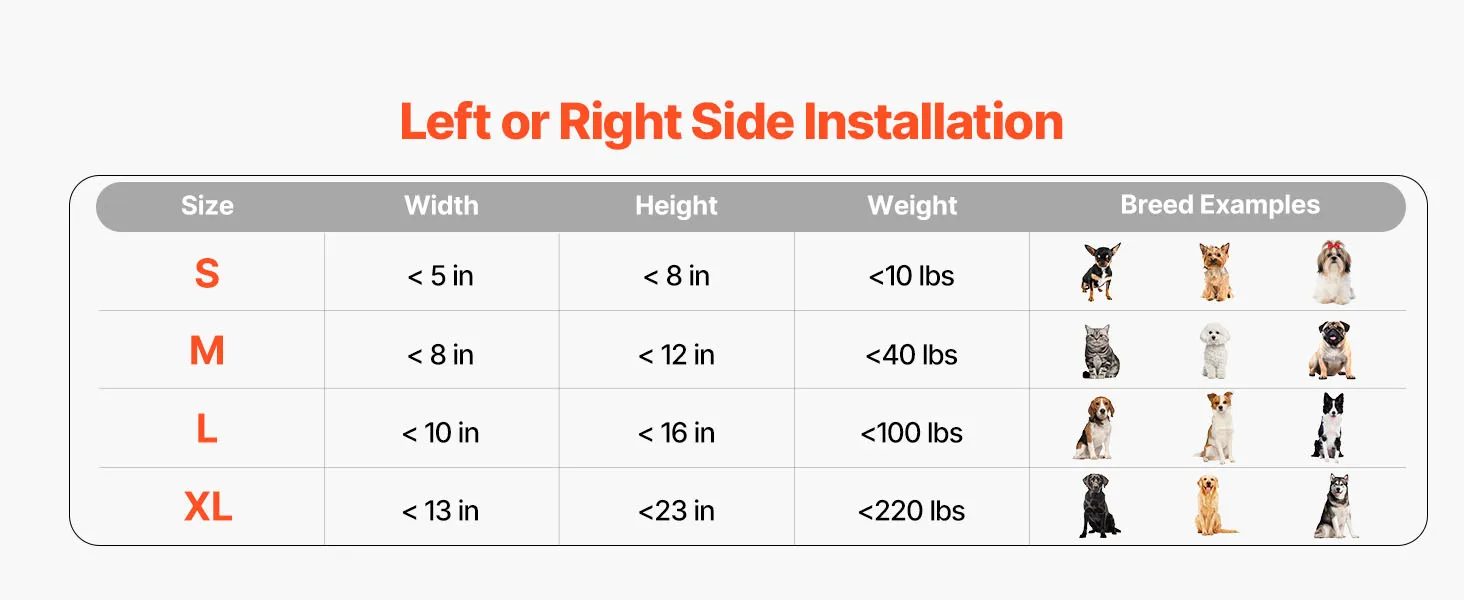
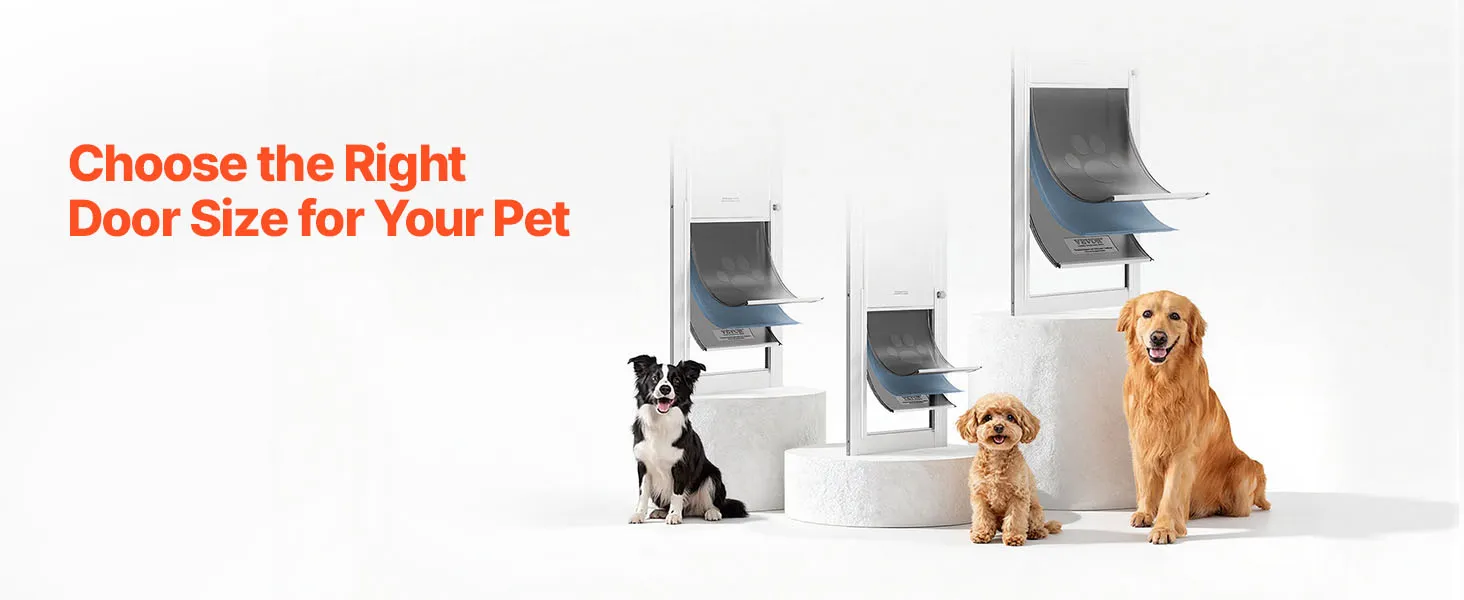
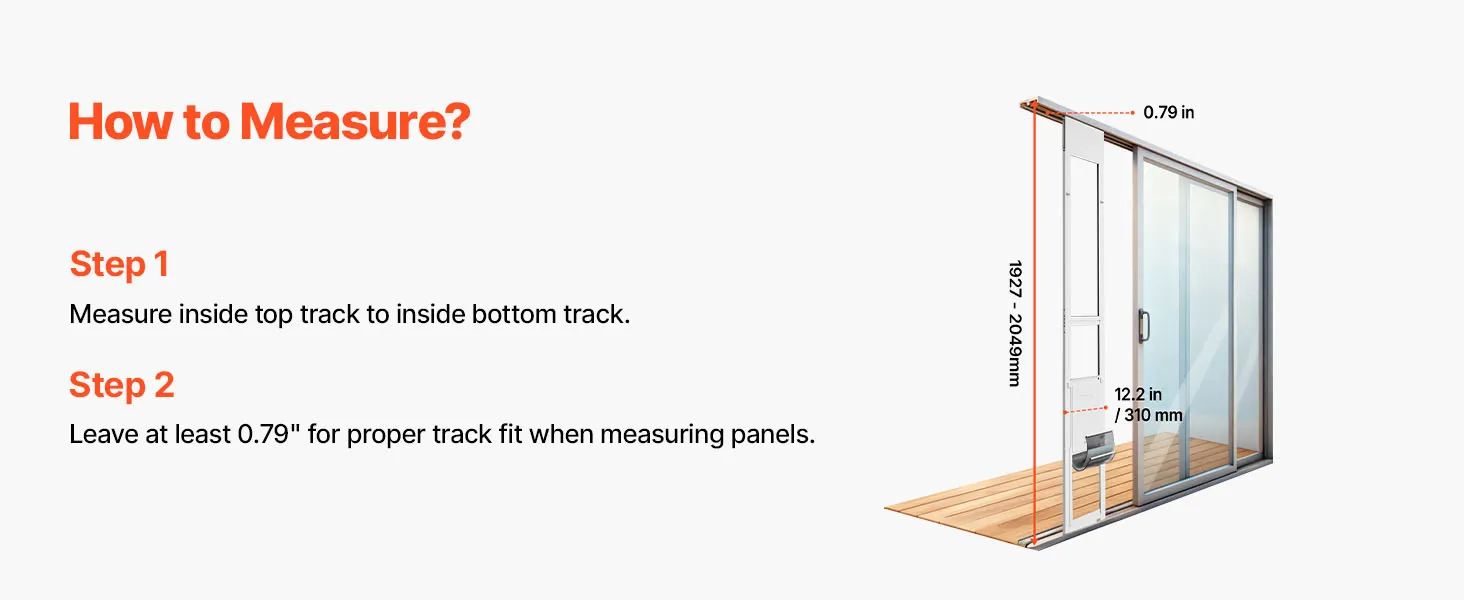
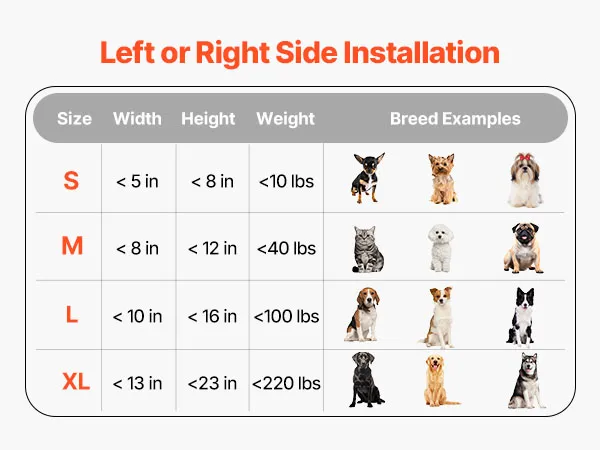
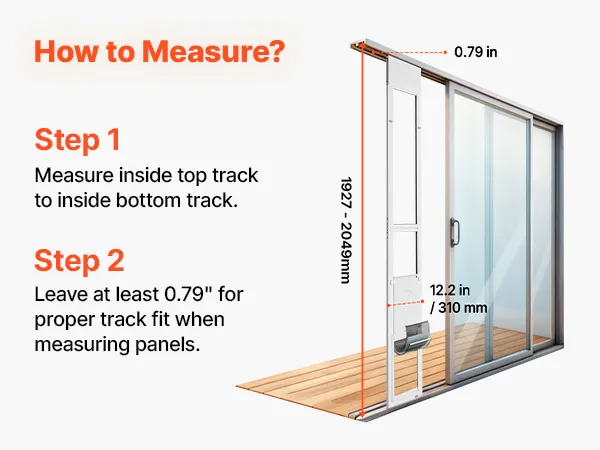
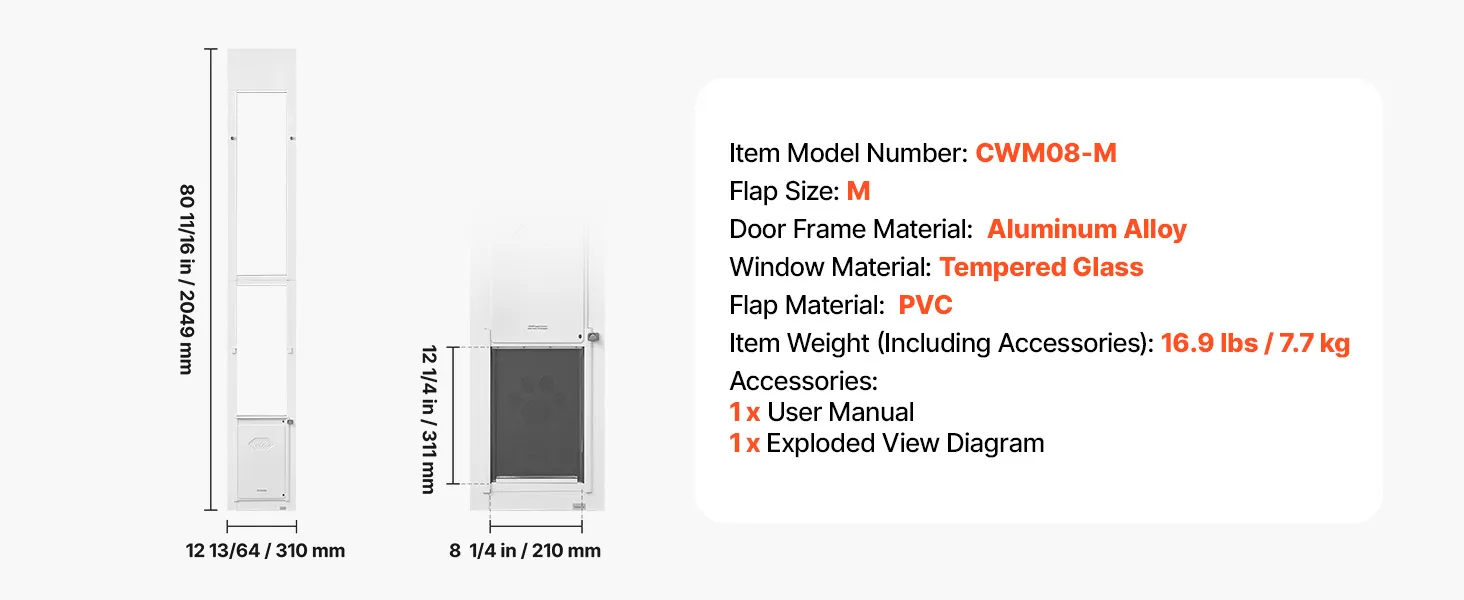
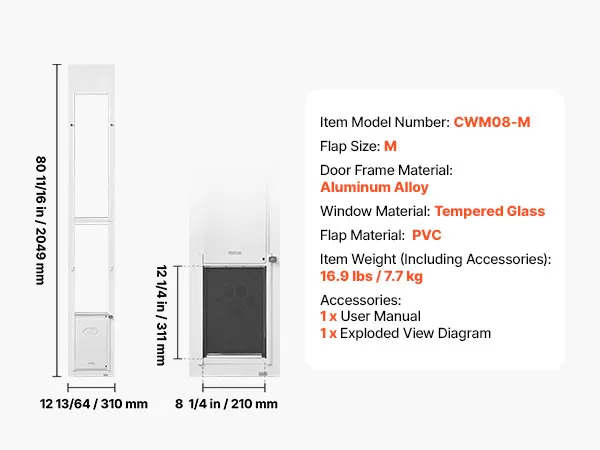
- Ideal for Medium Pets: The 8 1/4" W x 12 1/4" H flap is suitable for pets up to 40 lbs. The dog door for sliding glass door features an adjustable height from 75 7/8" to 80 11/16", fitting most sliding glass doors in homes and patios
- Built for Frequent Use: Tired of flimsy flaps that wear out fast? This dog door for sliding glass door features a flap with premium metal hinges for smooth, reliable everyday use—ready for your pet's active in-and-out
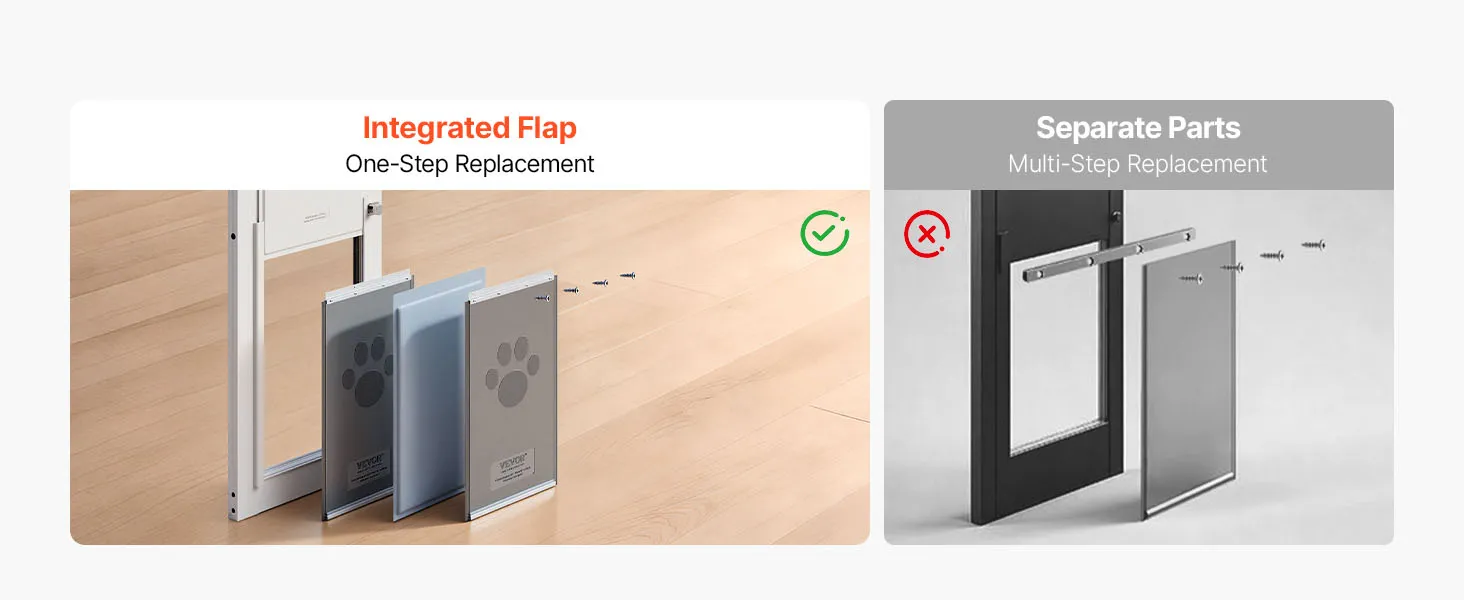
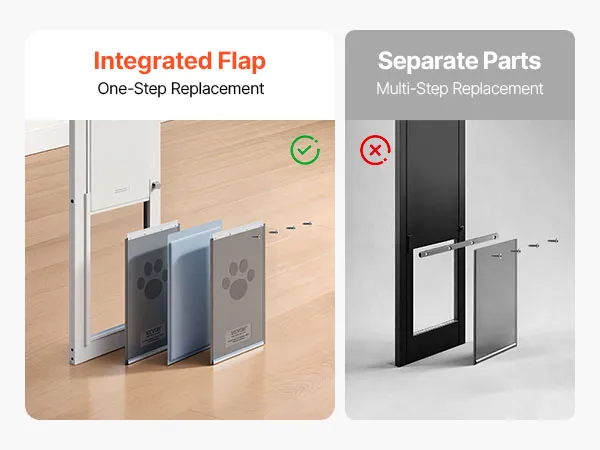
- Easy Installation: The sliding glass dog door is designed for quick setup with no drilling required, allowing you to adjust the installation height with a turn knob. The integrated flap design enables one-step assembly—no separate steps needed
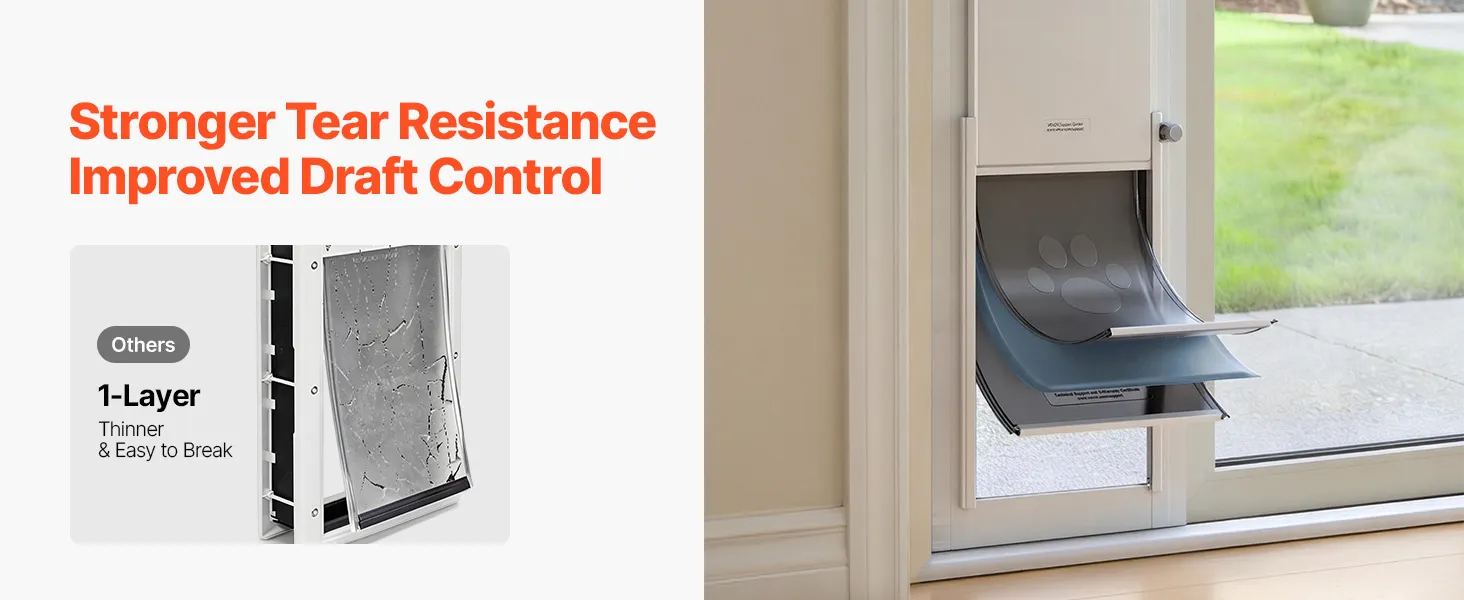
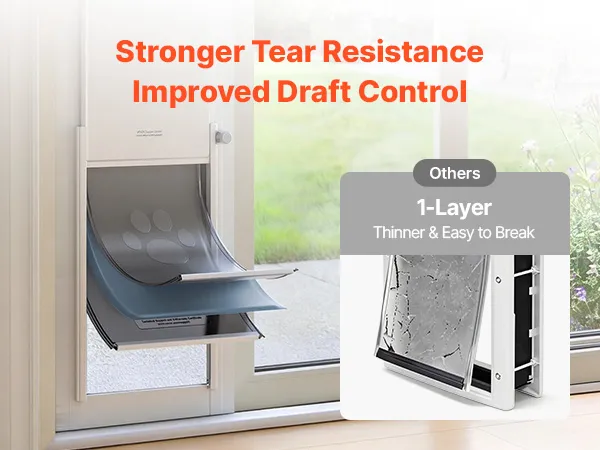
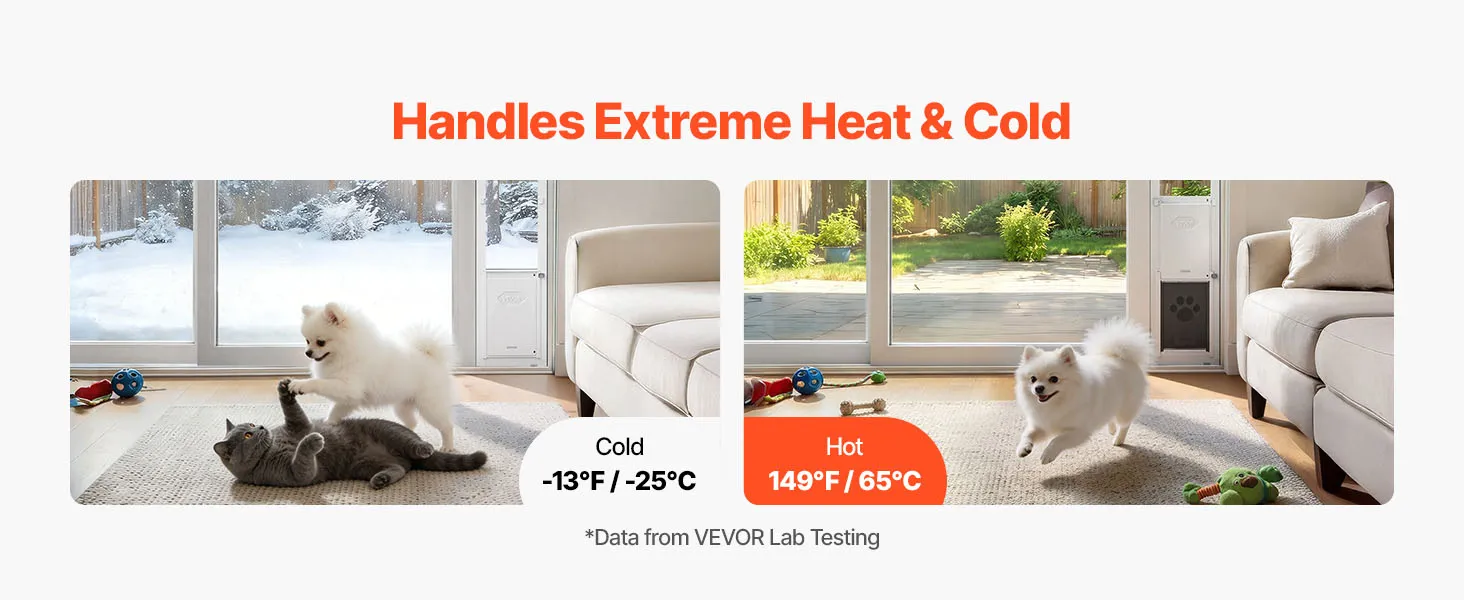
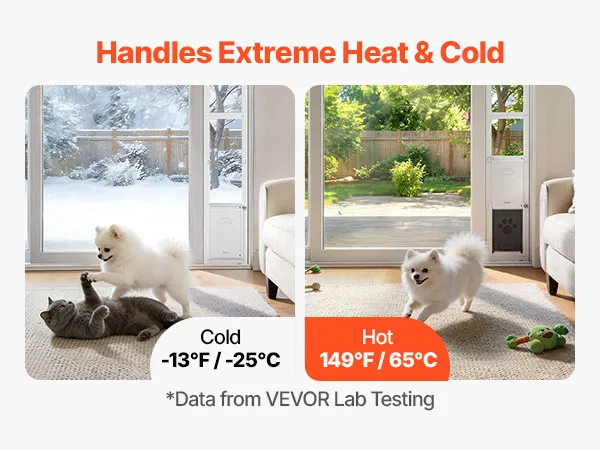
- Triple-Layer Insulated Flap: The doggie door for sliding glass door features PVC layers on both sides to handle scratching, impact, and daily wear. The inner insulation layer blocks outdoor heat, cold air, and drafts, keeping your home comfortable
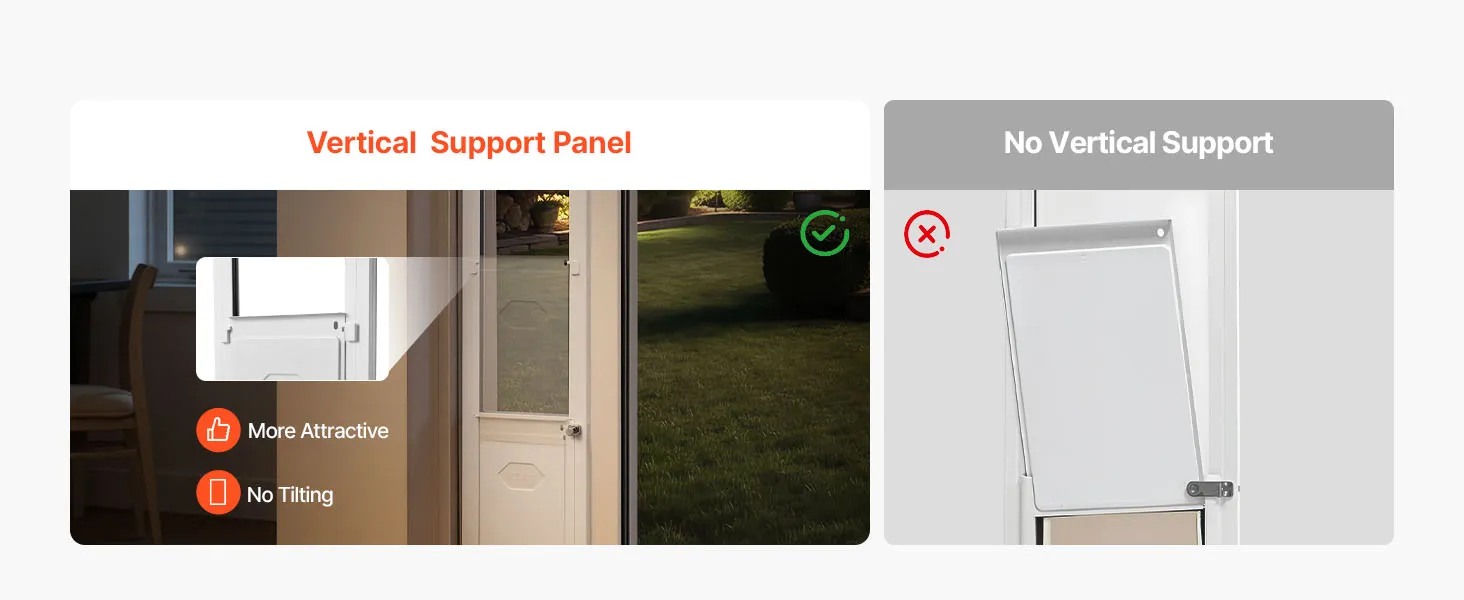
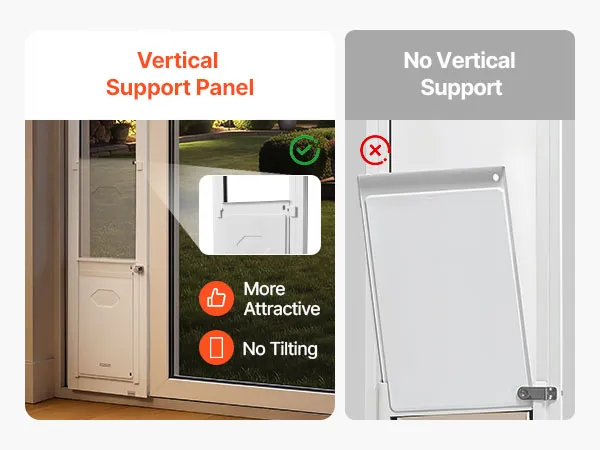
- Secure Locking Design: When you need to limit your pet's access, simply slide down the panel and lock it to block entry and exit. This sliding glass pet door is ideal for nighttime, when you're away, or in specific situations to help keep your pet indoors
Frequently Bought Together
Reviews
 Naomi reibestein
  Gaïa GAZUT id***
  sophie-33
About this item


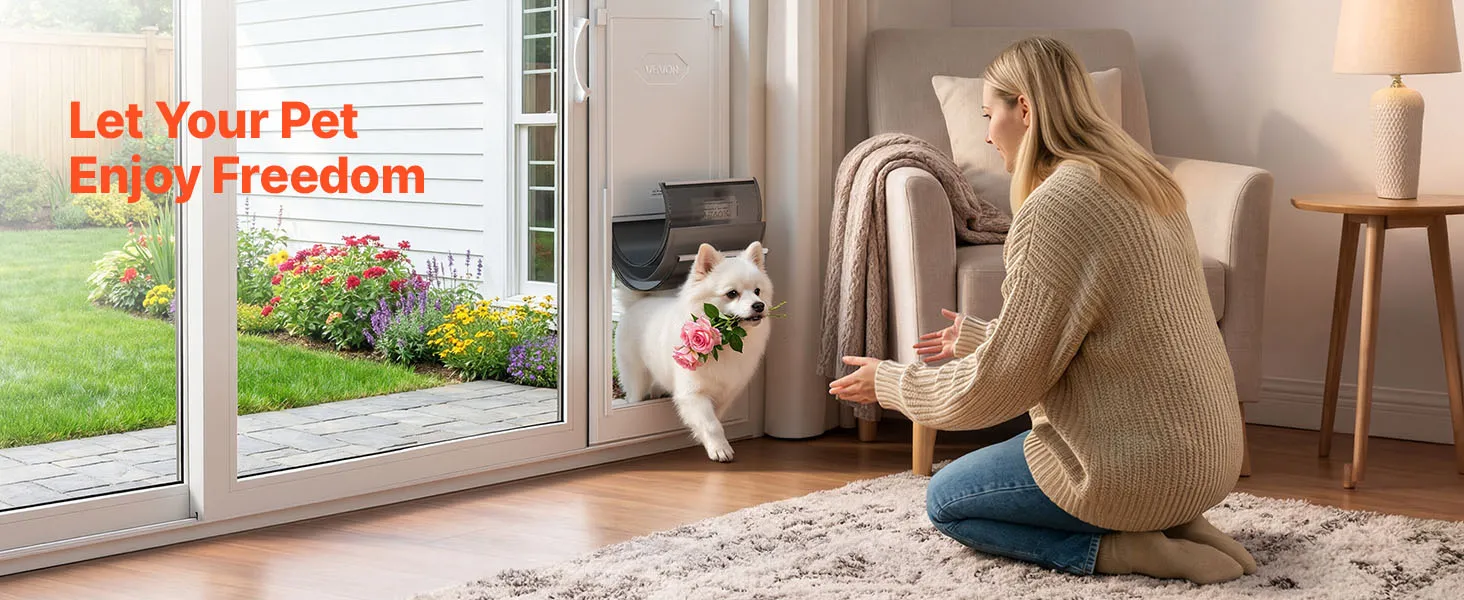
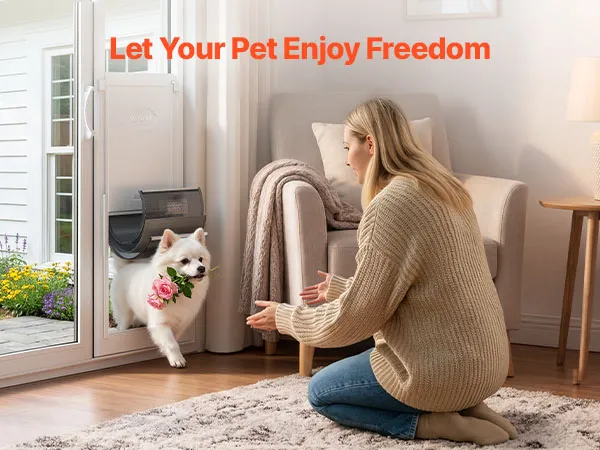
2.4in Low Threshold Sliding Glass Pet Door for Small Dogs and Cats
This sliding glass pet door's threshold, at only 2.4 inches, is low enough for tiny dogs and cats to step over with a light paw lift rather than jump or squeeze through an elevated opening. For older or younger pets who have trouble with a higher step, or for breeds like Chihuahuas and Yorkies, where a taller threshold may turn a straightforward in-and-out into a real challenge, this is crucial.
Because there is less of a physical barrier to size up before walking through, a low threshold also reduces the hesitancy that tiny pets exhibit around unfamiliar openings. This lower barrier to entry actually means a quicker acclimation period than a standard-height flap would enable for households training a new pet to use the door on their own.
1927–2049 mm Adjustable Height for a Custom Fit on Sliding Doors
Without requiring a custom-cut panel, this sliding glass pet door fits apertures between 1927mm and 2049mm (75 7/8" to 80 11/16") in height, which is the range that most sliding glass doors and patio doors fall into. This range is important since a fixed-size pet door won't fit every opening, as sliding door heights vary more than most people realize across houses, apartments, and rental units.
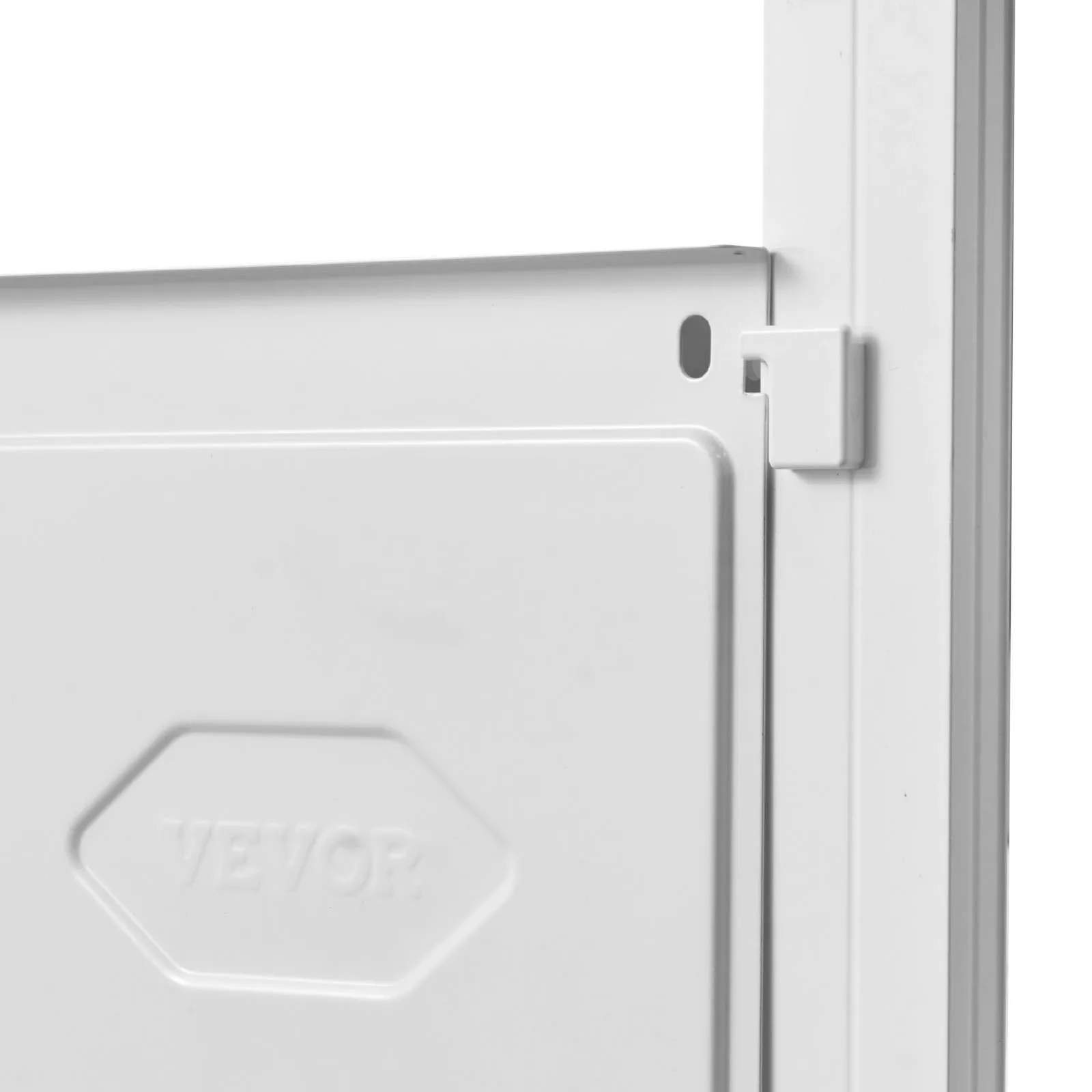
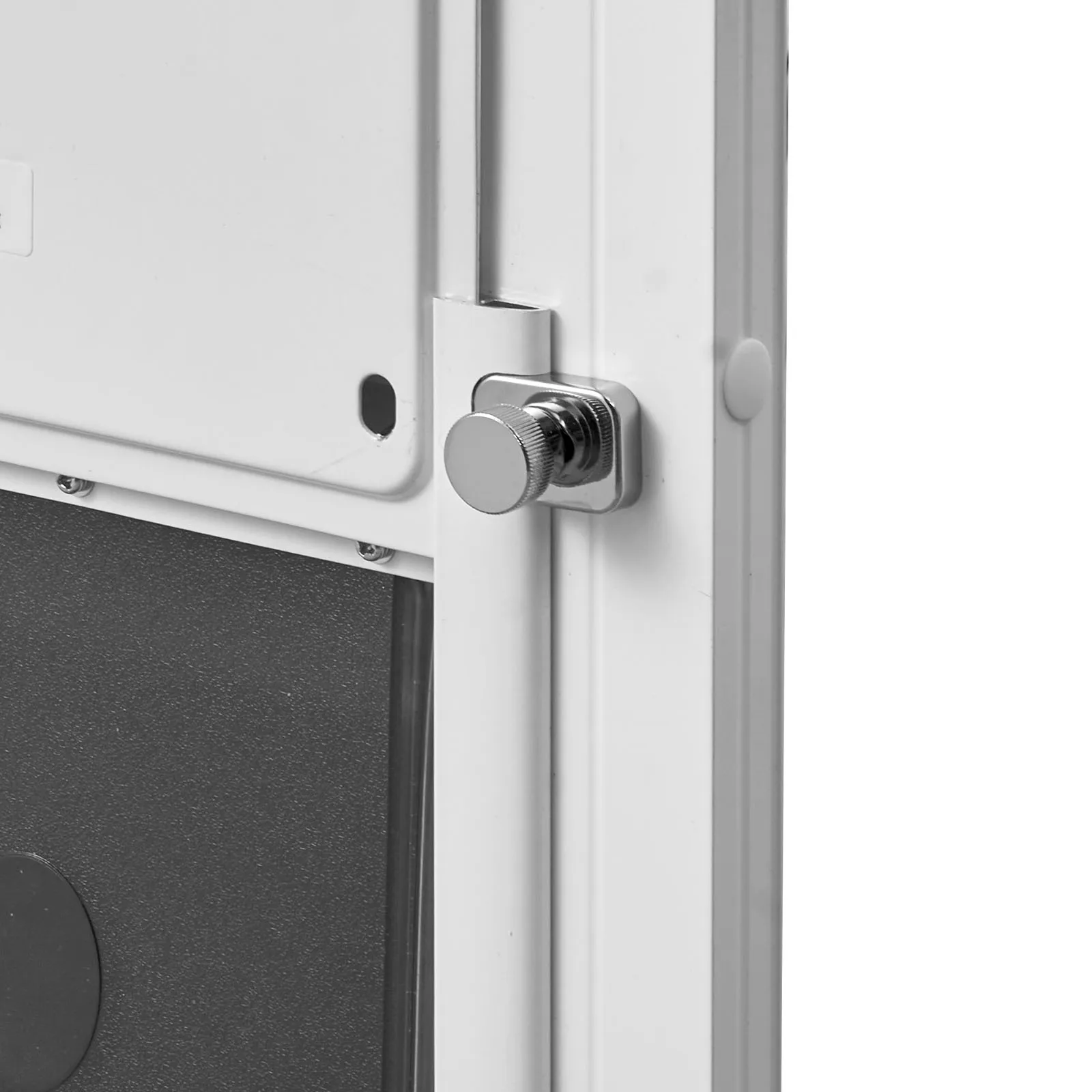
Instead of settling for a panel that is marginally too tall or too short and creates gaps, the fit may be precisely adjusted to match a particular door thanks to a turn-knob adjustment mechanism. Since the same door can be removed and reinstalled in a different sliding-door opening without purchasing a second unit of a different size, this adaptability is particularly important for tenants when it comes time to move out.
5.25 x 8.125 in. Flap Sized for Pets up to 10 Lbs
Instead of a general one-size-fits-all flap that allows greater gaps than a small cat or toy-breed dog actually needs, this flap measures 5 1/4 x 8 1/8 inches and is designed specifically for dogs up to 10 lbs. Contrary to popular belief, a tighter flap size is crucial because a larger-than-necessary aperture allows more outside air to enter and makes the flap more likely to swing open in the wind.
After months of a pet pushing through multiple times a day, premium metal hinges support the flap during repeated daily use, maintaining smooth motion rather than sagging or sticking as lower-grade hinges often do. A flap that opens with little resistance is more important for small, light pets than it would be for a larger dog that might easily push through a stiffer flap.
Aluminum Alloy Frame with Rotating Hinge for Daily Durability
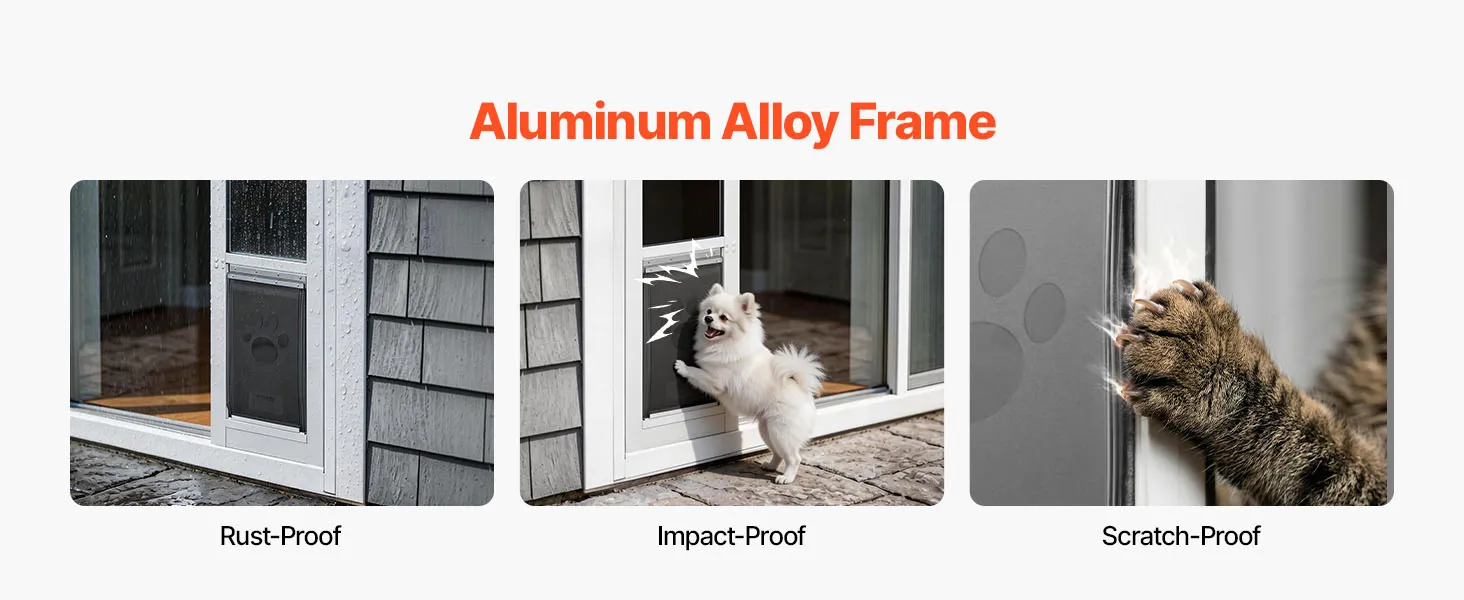
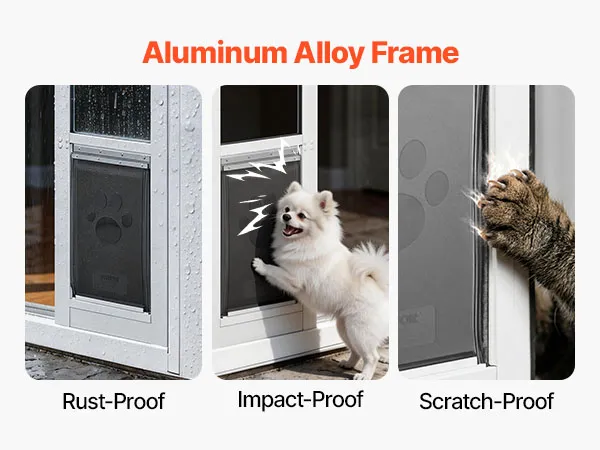
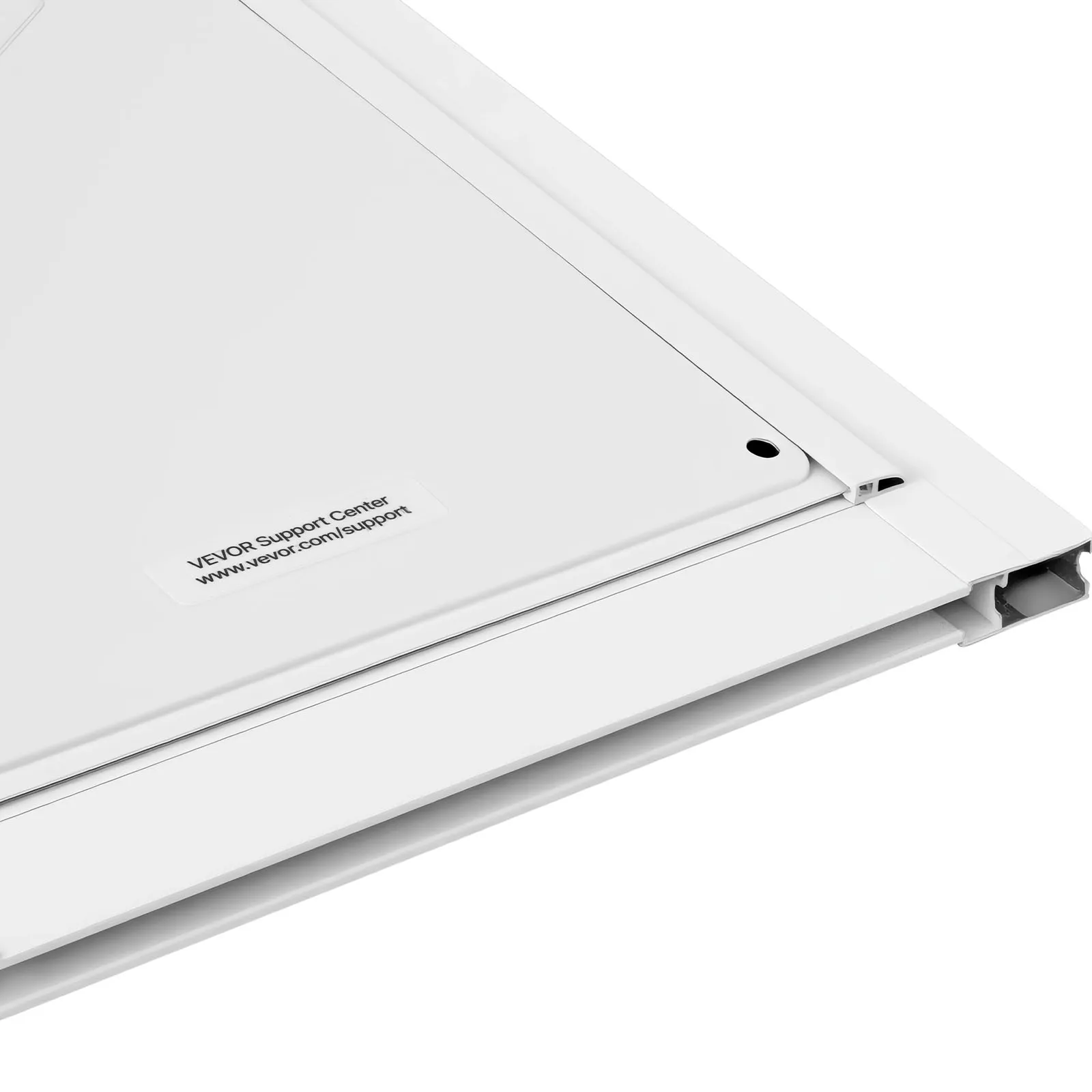
Aluminum alloy was used to construct the door frame because it is lighter overall than steel framing and maintains its shape even after frequent daily use and sporadic exposure to weather near a patio entrance. For pets that move freely between indoor and outdoor spaces throughout the day, a rotating hinge allows the flap to swing gently in and out.
Instead of developing the looseness or misalignment that lower-grade frames or hinges often exhibit over time, the door's combination of a stiff aluminum frame and a smooth-rotating hinge keeps it operating dependably after hundreds of uses. That daily wear resistance is more important than the door's initial performance for homes where a pet uses it multiple times a day.
No-Drill Installation with Turn-Knob Height Adjustment
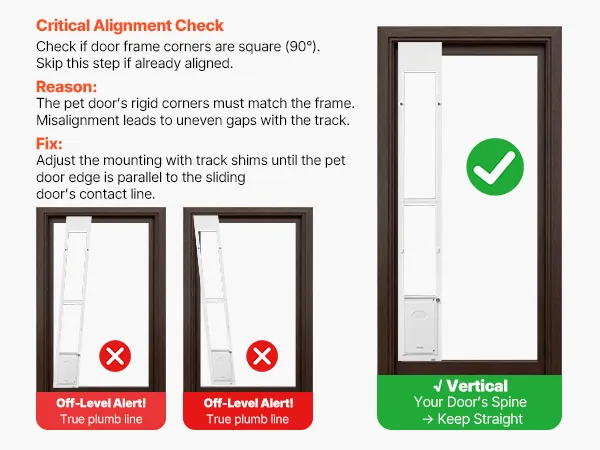
For tenants who want the configuration to be fully reversible upon move-out, the fact that installing this sliding glass pet door doesn't require drilling into the door frame or surrounding walls is crucial. Compared to doors that require drilling anchors into an aluminum sliding frame, which can be challenging to fix neatly later, that is a significant difference. One person can complete the setup without a second pair of hands, thanks to a turn-knob adjustment that places the installation height within the door's fit range.
Instead of constructing multiple elements before the door is functional, the flap installs as a single integrated unit, reducing the process to a single step. For someone who has never installed pet doors before, this streamlined procedure can make the difference between a project that is completed in a single sitting and one that takes a long time due to inconsistent instructions and additional hardware.
Sliding Glass Pet Door at 12.6 Lbs with Secure Locking Panel
With all attachments included, this sliding glass pet door weighs 12.6 lbs (5.7 kg), making it light enough for one person to install or remove without assistance. Because of its modest weight, one person can complete the setup.
When necessary, such as during the night, when the household is away, or when a pet must remain completely indoors, a secure locking panel glides down to completely block the entrance, converting the same door from an open pass-through into a sealed barrier with a single action. This built-in lock eliminates the need for a separate blocking panel or gate, allowing homes to balance a pet's everyday freedom to walk in and out with the occasional need to restrict access.
