VEVOR 400W Electric Wire Stripping Machine, 1.5-38mm Portable Automatic Wire Stripper, Cable Benchtop Wire Stripping Machine with 10 Blades for Scrap Copper Recycling
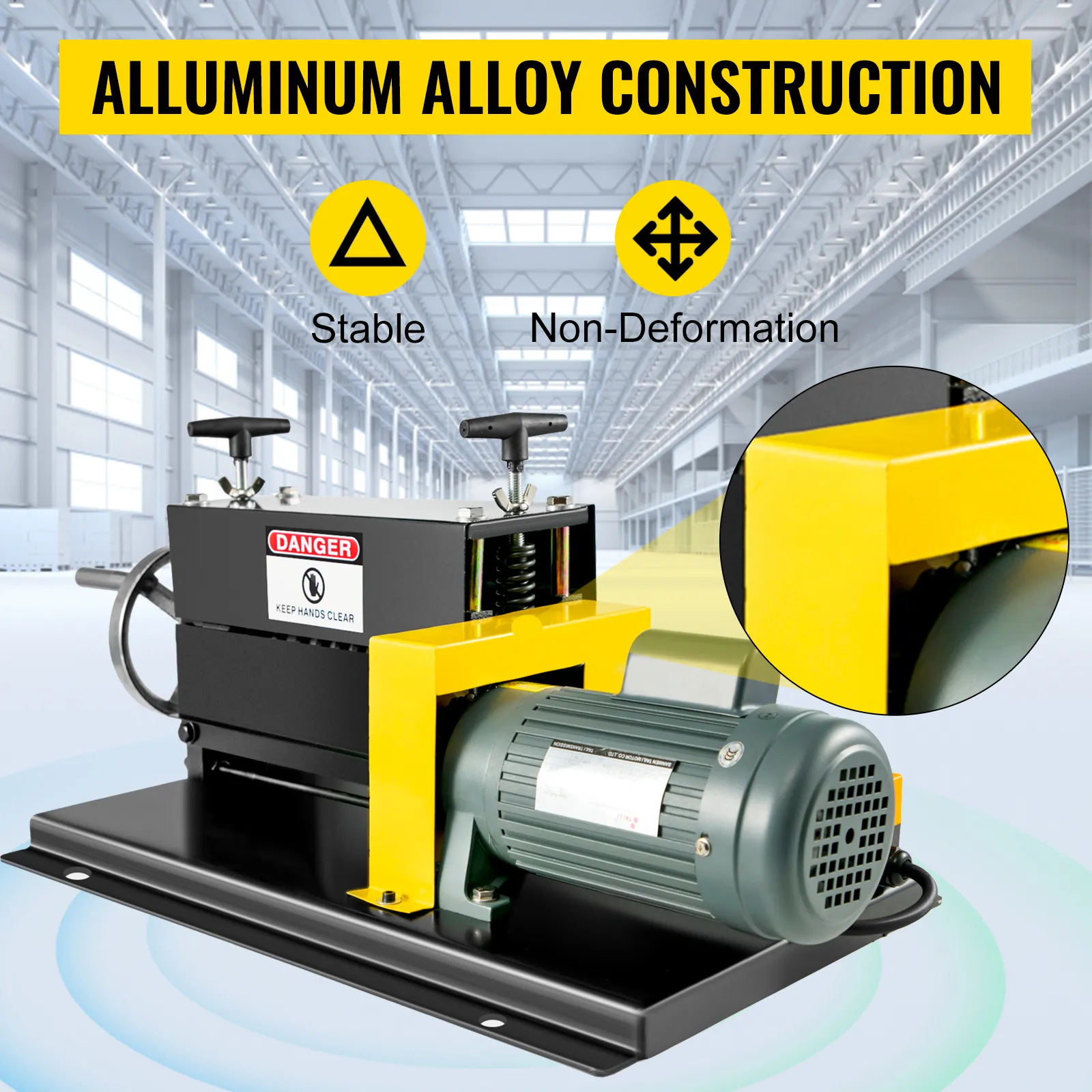
- Heavy-Duty Construction: Constructed from solid aluminum alloy, this wire stripper can withstand rigorous environments and easily endure years of heavy use. Equipped with high hardness blades to ensure its operational stability.
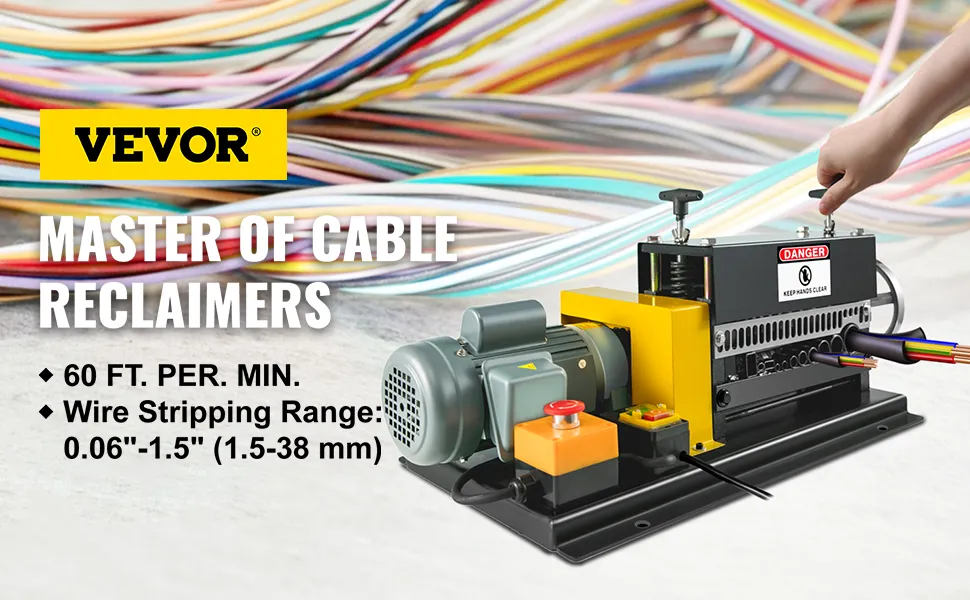
- Wide Compatibility: The electric motor powers drill-driven technology, while the adjustable blades and rollers fit all wire sizes with diameters from 1.5 mm (0.06") up to 38 mm (1.5").
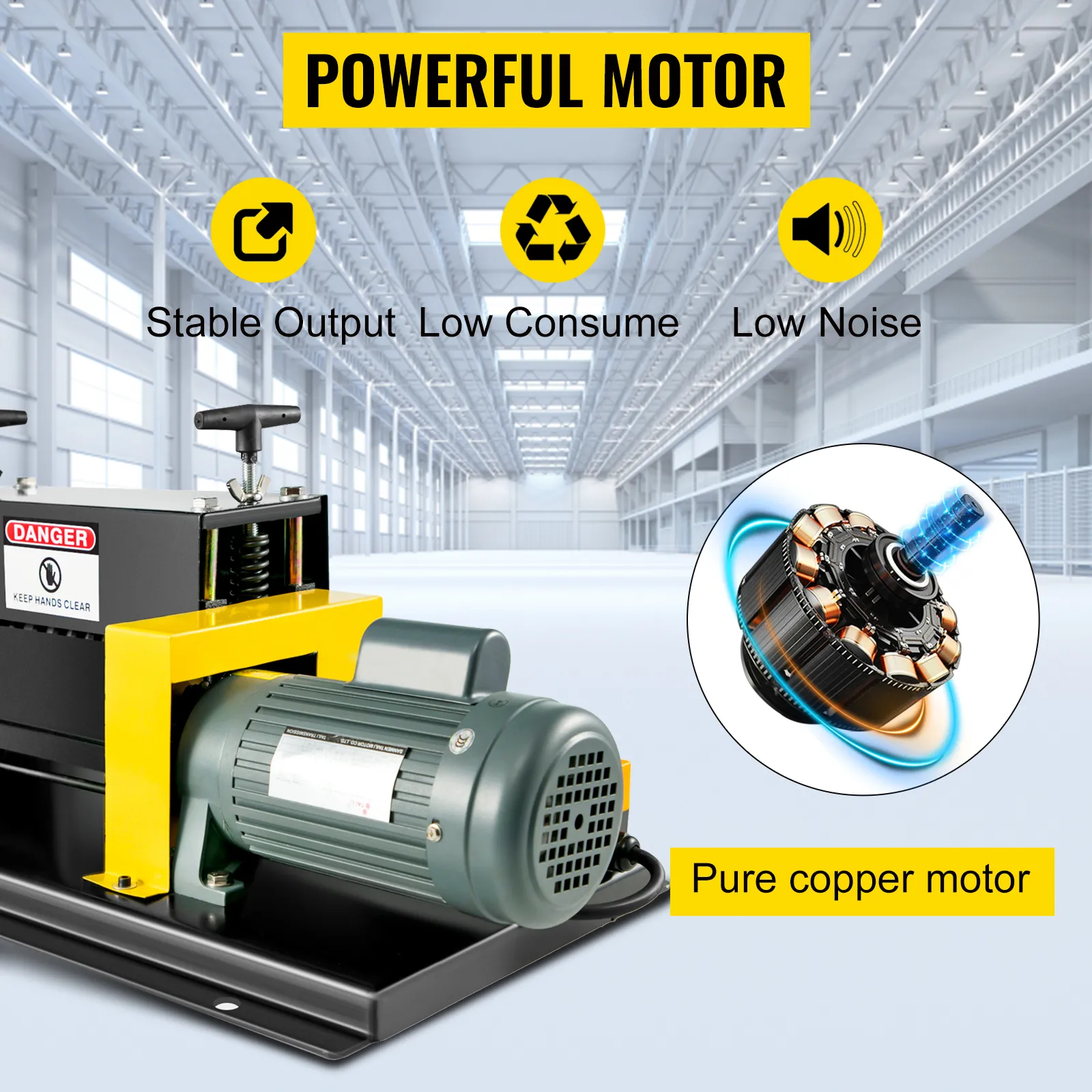
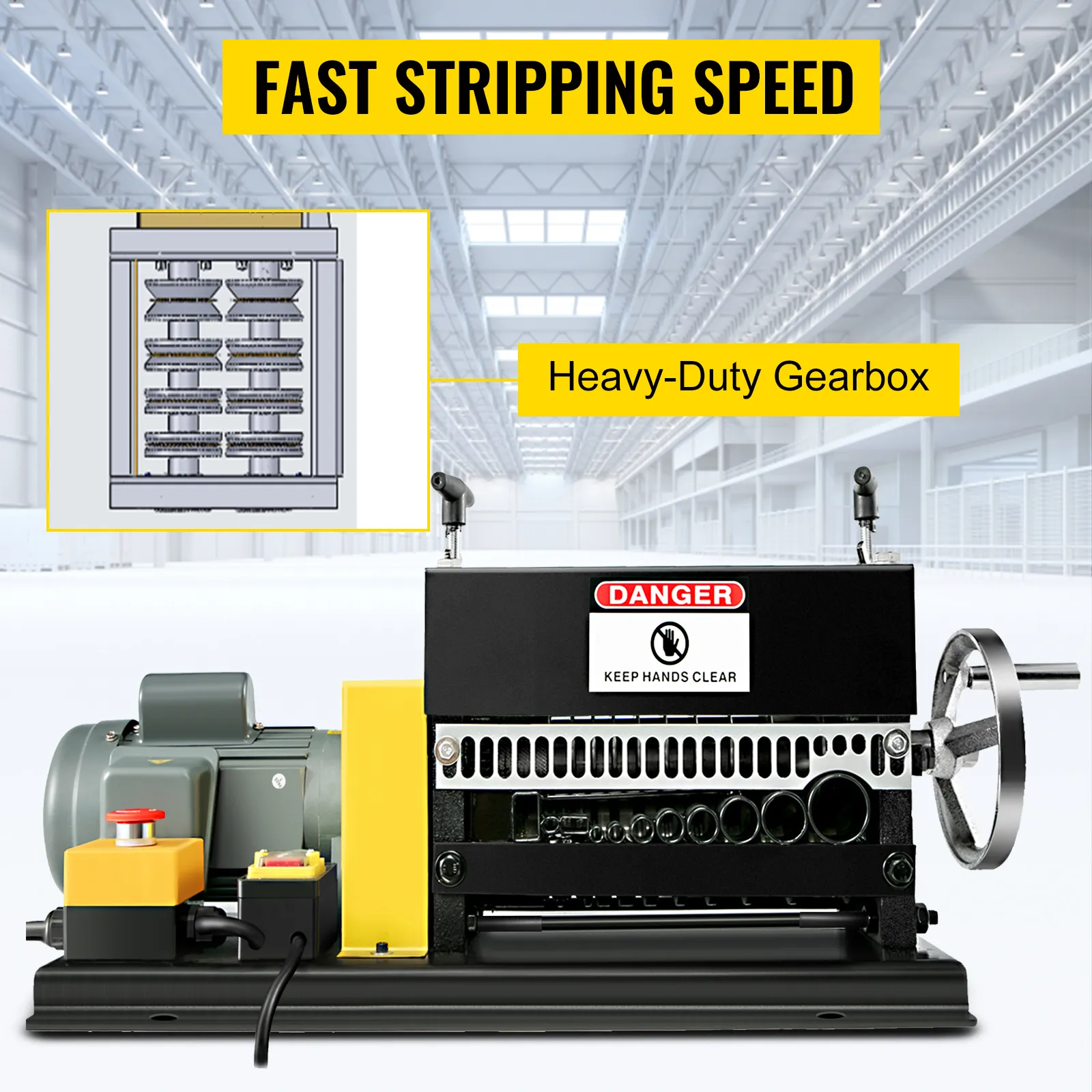
- High Stripping Efficiency: The wire stripping machine features full-closed pure copper quadrupole motor with 400w high power, offering fast speed 1400Rpm. Big fan for fast heat dissipation. The gearbox leads to fast stripping speed. It creates a fast stripping speed of 60 feet per minute.
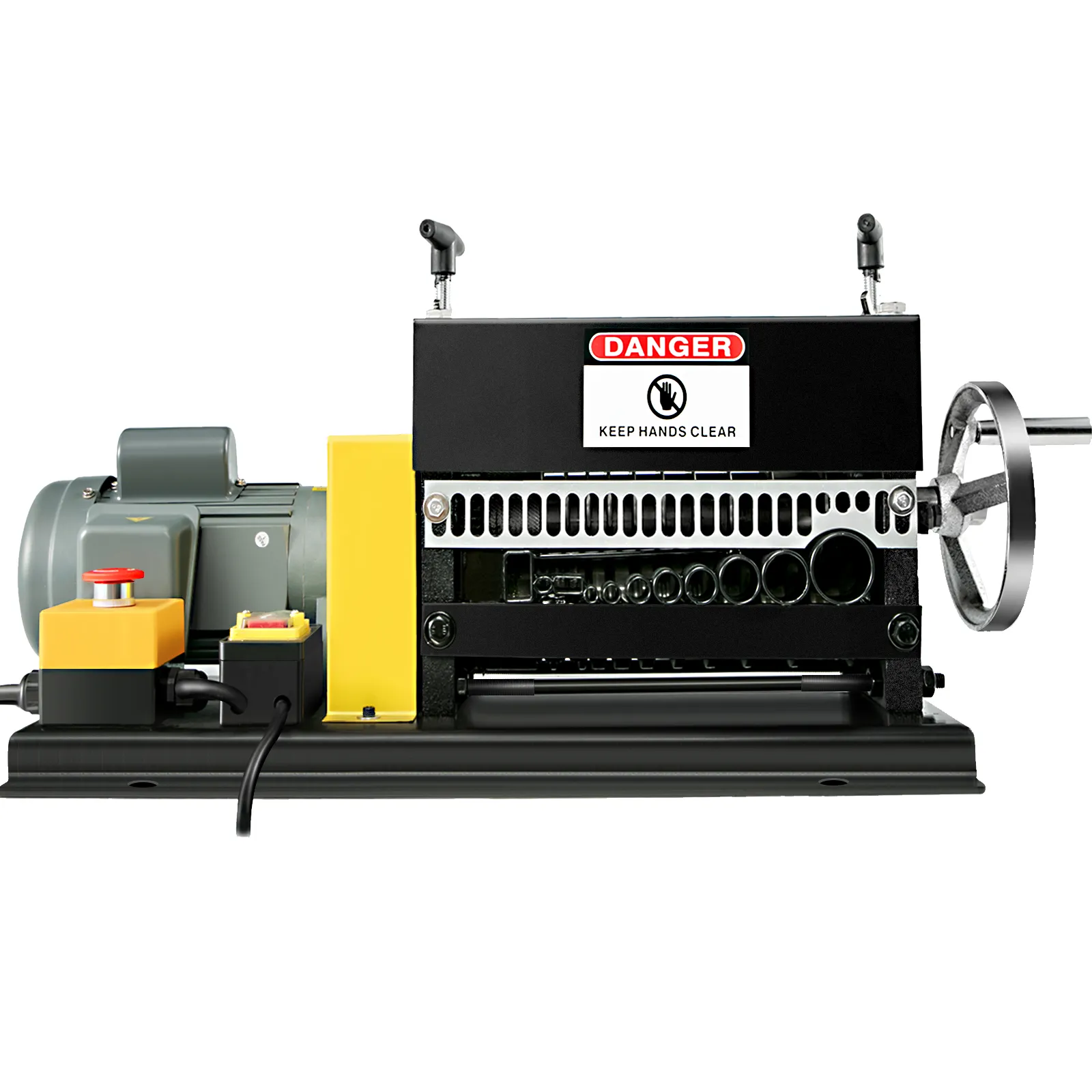
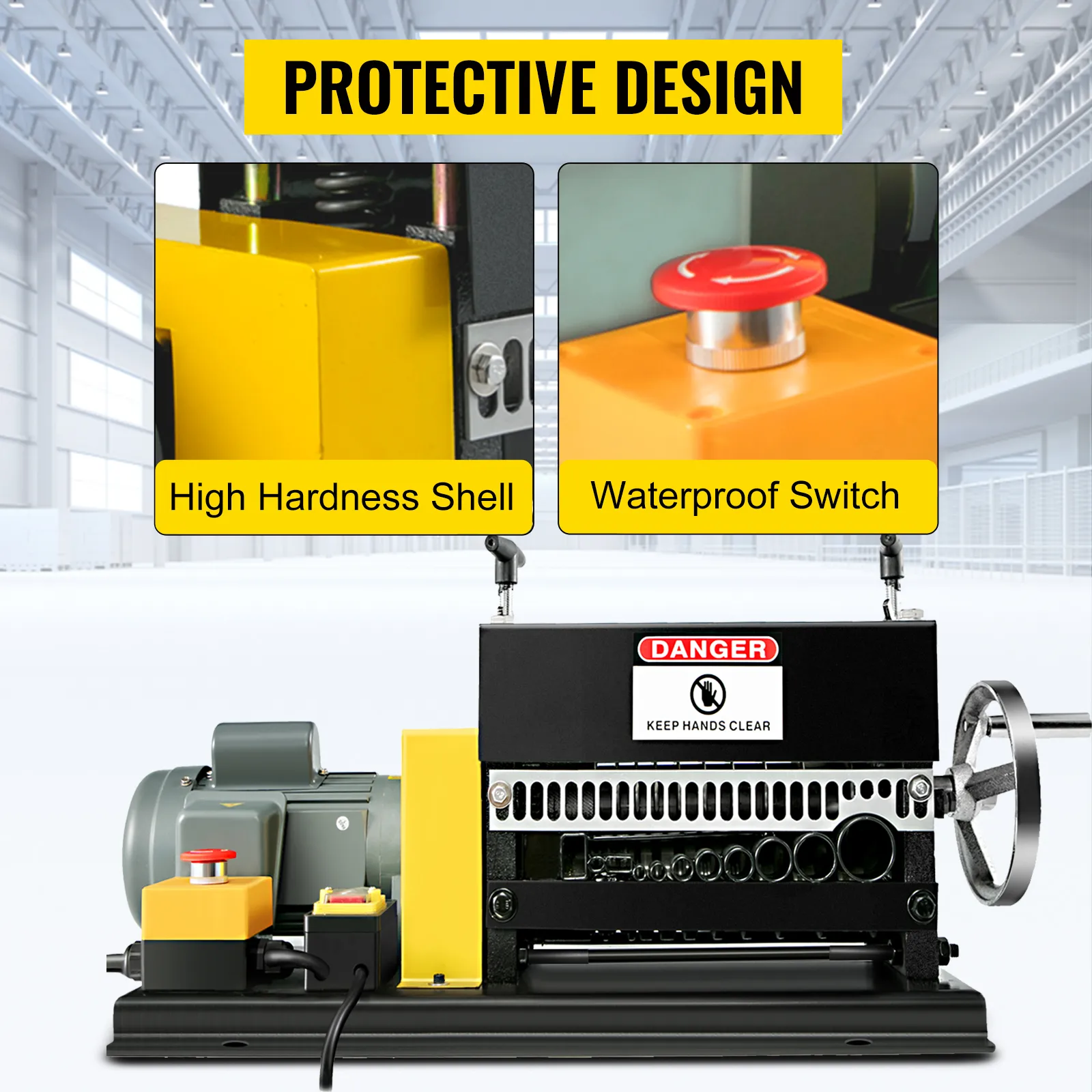
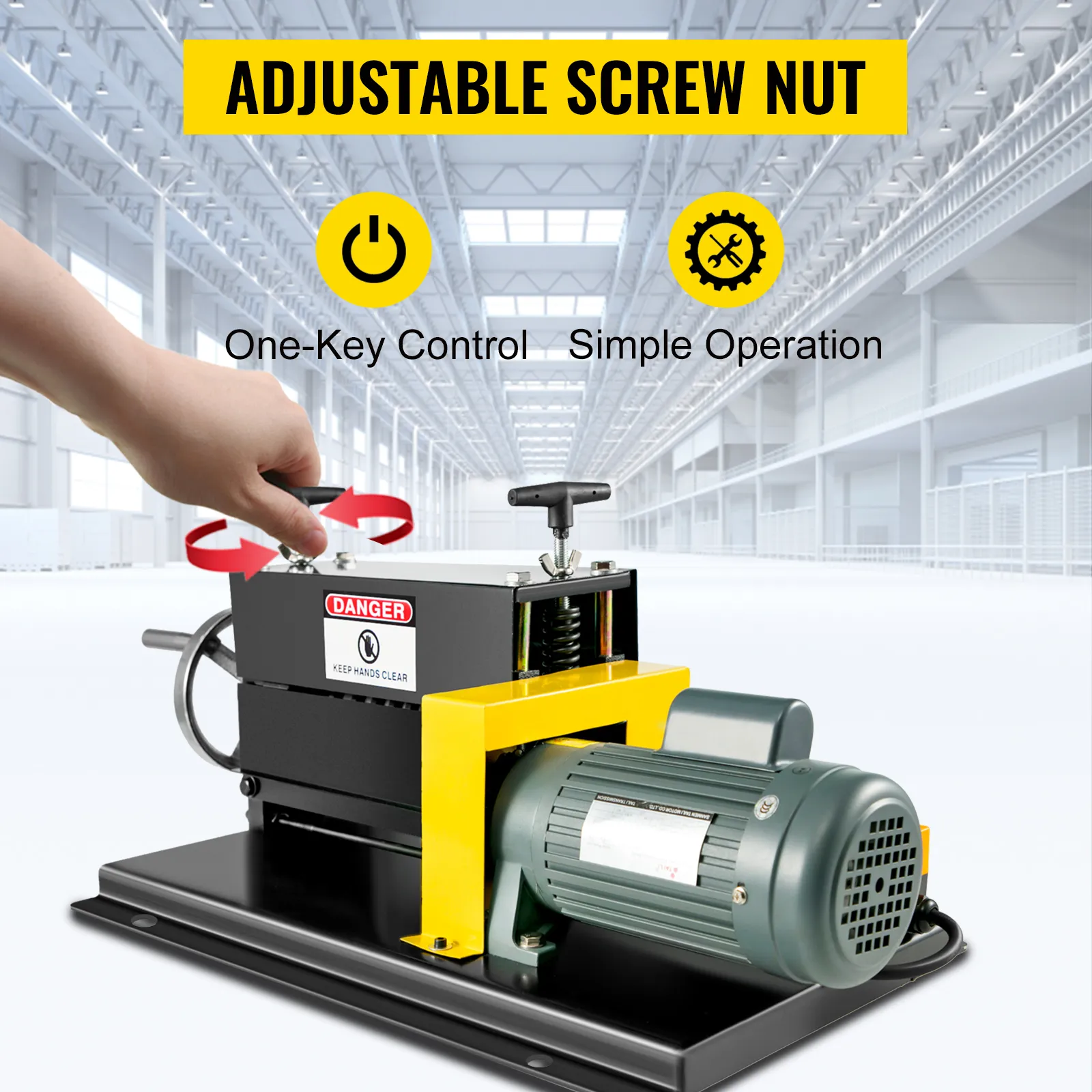
- Effortless to Use: The emergency stop button for unforeseen wire jams. All you have to do is slip the intact wire into the feeding hole and turn on the switch. 10 blades for 10 holes. A protective shell for high security and ensuring continuous high performance.
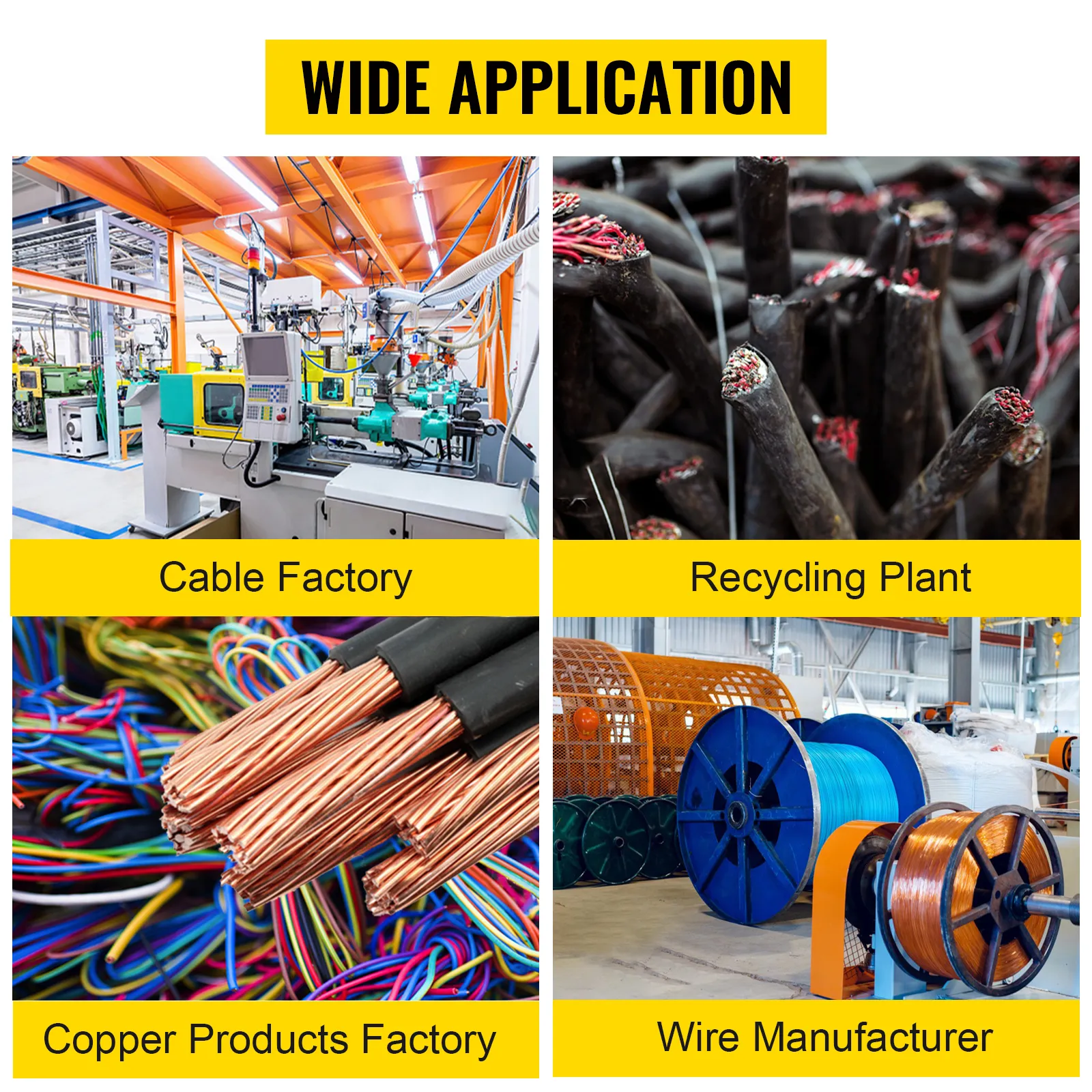
- Extensive Use: This machine is ideal for whatever hard wire or soft wire, it can be easily stripped by using this model. Such copper wire recycler will detach the plastic and rubber insulation from undamaged scrap wire, a must-have for copper wire recycling.
Frequently Bought Together
Reviews
About this item


- Heavy-Duty Construction
- Wide Compatibility
- High Stripping Efficiency
- Portable & Convenient
- Premium Tough Quality
- Incredibly Low Prices
- Fast & Secure Delivery
- 30-Day Free Returns
- 24/7 Attentive Service
- Premium Tough Quality
- Incredibly Low Prices
- Fast & Secure Delivery
- 30-Day Free Returns
- 24/7 Attentive Service
- Voltage:220V
- Output: 400W
- AMPS: 6.04A
- Material: Steel
- Stripping Capacity: 0.06 -1.5 in / 1.5-38 mm
- Min. Cutting Length: 5.9 in / 150 mm
- Rated Speed: 1400 RPM
- Phase: 1, 4 Poles
- Channels: 8 Round Holes and 2 Flat Holes
- Blades: 10
- Protection: IP44
- Item Weight: 106.2 lbs / 48.18 kg
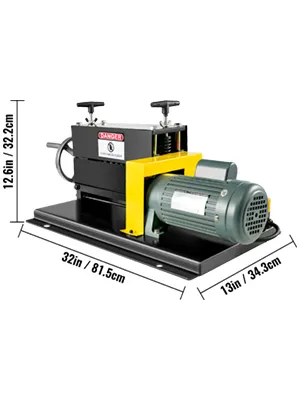
- Item Dimension: 32x13.5x12.6 inch / 81.5x34.3x32.2 cm
- 1 x Wire Stripping Machine
- 1 x Wrench
- Premium Tough Quality
- Incredibly Low Prices
- Fast & Secure Delivery
- 30-Day Free Returns
- 24/7 Attentive Service
- Premium Tough Quality
- Incredibly Low Prices
- Fast & Secure Delivery
- 30-Day Free Returns
- 24/7 Attentive Service
- Heavy-Duty Construction
- Wide Compatibility
- High Stripping Efficiency
- Portable & Convenient
- 1 x Wire Stripping Machine
- 1 x Wrench
- Voltage:220V
- Output: 400W
- AMPS: 6.04A
- Material: Steel
- Stripping Capacity: 0.06 -1.5 in / 1.5-38 mm
- Min. Cutting Length: 5.9 in / 150 mm
- Rated Speed: 1400 RPM
- Phase: 1, 4 Poles
- Channels: 8 Round Holes and 2 Flat Holes
- Blades: 10
- Protection: IP44
- Item Weight: 106.2 lbs / 48.18 kg
- Item Dimension: 32x13.5x12.6 inch / 81.5x34.3x32.2 cm
400W Pure Copper Motor in the Scrap Wire Stripper Machine for High-Speed Insulation Removal
The 400W fully enclosed pure copper quadrupole motor spins at 1400 RPM and is connected to the blade and roller assembly via a gearbox that converts the motor speed into a stable stripping speed across the entire wire diameter range. Pure copper windings are more tolerant of the heat load imposed by sustained production stripping than aluminum-wound motors. They will maintain their output without derating during back-to-back production runs. The fully closed motor housing protects against wire fragments, insulation dust, and copper particles during motor operation.
The built-in large fan provides active cooling of the motor housing during high load cycles, extending the motor life well beyond what passive cooling alone would provide in a continuous production environment. It runs on 220V single-phase power and draws 6.04A of current. This machine is perfect for workshops with a standard household power supply. The 4-pole motor design produces higher torque at lower RPMs than 2-pole designs, resulting in more consistent stripping force when the feed encounters resistance from thicker insulation layers on larger-diameter wire.
1.5–38 mm Stripping Capacity Across 8 Round Holes and 2 Flat Channels
The feed plate has 10 total channels: 8 round channels for the circular wire cross-sections that comprise most of the scrap cable stock, and 2 flat channels for ribbon cable and flat-conductor configurations that round holes cannot grip and feed properly. The dual-geometry channel design means the scrap wire stripper machine handles the full practical range of wire types found in scrap copper recycling streams without requiring a separate tool for flat cable.
The stripping range is 1.5 mm to 38 mm diameter – from fine single-conductor wire to large multi-core power cable. The minimum cutting length is 5.9 in (150 mm), meaning that wire segments shorter than this cannot be fed through the machine and must be processed in other ways. Operators sorting mixed scrap loads should pre-sort any short segments below this threshold before feeding to avoid jams.
Steel Construction and IP44 Protection for Heavy-Duty Workshop Environments
The scrap wire stripper machine body is built of steel to provide structural rigidity under the vibration loads imposed by the high-speed stripping of large-diameter cable. It is a benchtop machine intended for permanent installation in the workshop, not for frequent movement. The weight is 106.2 lbs / 48.18 kg, and the dimensions are 32 × 13.5 × 12.6 in / 81.5 × 34.3 × 32.2 cm. The weight and steel construction ensure the machine remains stable on the bench surface during operation, though bolt-down mounting may be used for added stability.
An IP44 protection rating means the electrical system is protected from solid objects over 1 mm in size and splashing water from any direction – ideal for workshop environments where coolants and cutting fluids are used or where rain may enter through open bay doors. IP44 is not a submersion rating; do not use the machine in standing water or direct spray. Normally, the protective shell over the blade and roller assembly creates a physical barrier between the operator and the cutting zone.
Scrap Wire Stripper Machine with 10 High-Hardness Blades for Consistent Clean Cuts
The ten high-hardness blades are matched one-to-one with the ten feed channels, each blade factory-set to the cutting depth appropriate to the channel diameter. The high-hardness blade material maintains its cutting-edge geometry during long production runs of insulation materials, from soft PVC and rubber to harder polyethylene and cross-linked PE insulation.
This scrap wire stripper machine has a blade configuration that scores the insulation circumferentially as the wire passes through the channel, allowing the jacket to cleanly separate from the conductor without operator input between the feed and strip stages. That automated separation is what sets a purpose-built stripping machine apart from manual knife stripping, consistent cut depth, consistent strip quality, and consistent copper recovery across every foot of wire processed, regardless of operator technique variation over a long production shift.
Emergency Stop Button and Protective Shell for Safe Continuous Operation
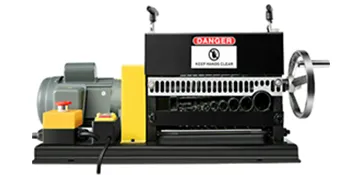
The emergency stop button immediately cuts the motor if a wire jam occurs mid-feed, the common hazard in continuous stripping operation, where tangled or kinked wire can get stuck in the channel and suddenly stall the feed rollers. Immediate stop capability prevents the motor from suffering overload damage due to a stalled rotor and prevents the jam from worsening into a more difficult extraction scenario.
Once the jam is cleared, the operator resumes normal operation after resetting the stop button. The protective shell encloses the blade and roller assembly during operation, preventing the operator's hands from contacting the moving parts and containing insulation fragments and copper particles within the machine footprint. The scrap insulation material is separated from the stripped copper conductor. This keeps the recovered material clean for weighing and sale.
60 ft/min Stripping Speed and Gearbox Drive for High-Volume Copper Recycling Output
The gearbox between the motor and the feed roller assembly reduces the motor RPM to the feed speed needed for clean stripping, providing 60 feet per minute of wire throughput at rated power output. This stripping speed allows one operator to handle large volumes of cable within a work shift. With 60 ft/min continuous throughput, one hour of operation strips 3,600 feet of wire. In scrap copper recycling, the amount of recovered copper is directly correlated with the revenue generated each day.
The gearbox drive also provides constant torque on the feed rollers despite small variations in wire diameter or insulation hardness within the rated range. The feed consistency of machines with direct belt drive or friction drive declines as insulation thickness changes, resulting in uneven strip quality due to a mixed scrap load. The gearbox provides a positive mechanical advantage under changing resistance, so the blade's feed rate and depth of cut remain constant from the first foot of wire to the last in a production run.