



VEVOR Automatic Home Beer Brewer, 1500W Electric Beer Brewing Machine, 13L All-in-One Home Brewer with Mash Boil Device, 304 Stainless Steel Internal Tank, Auto Temperature & Pressure Control
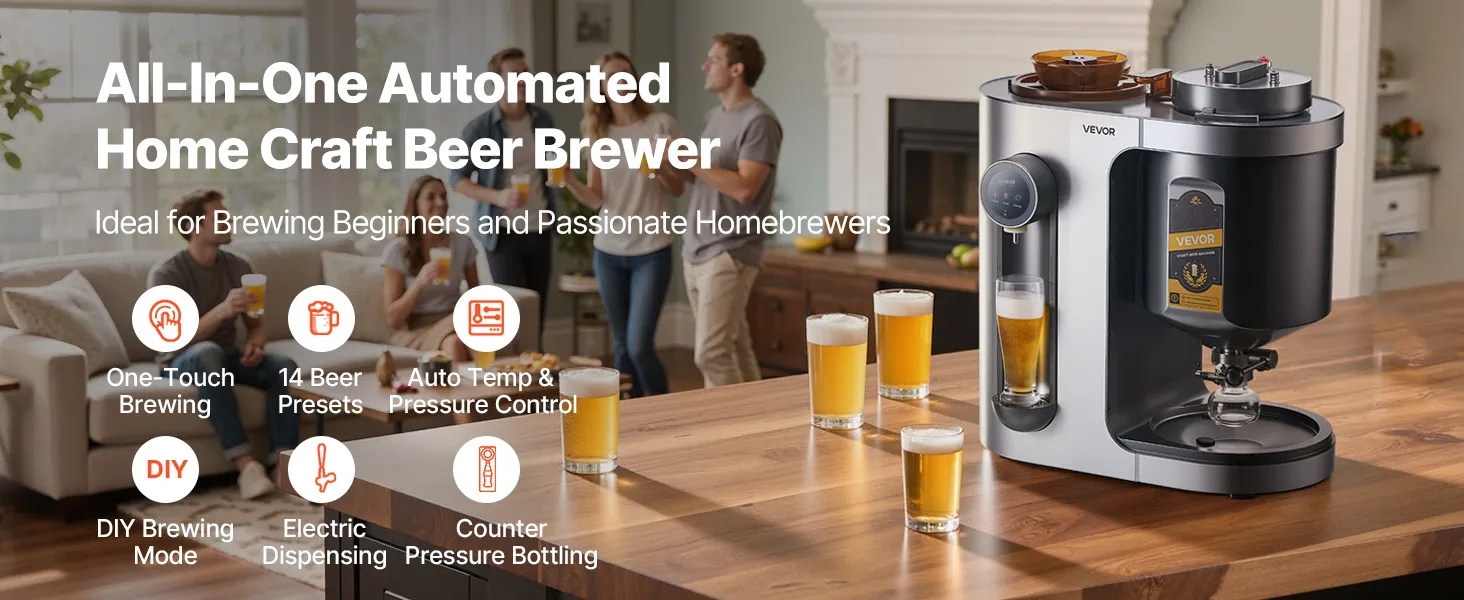
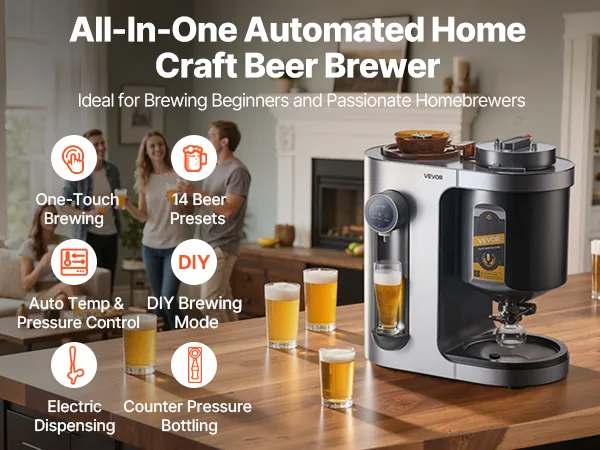
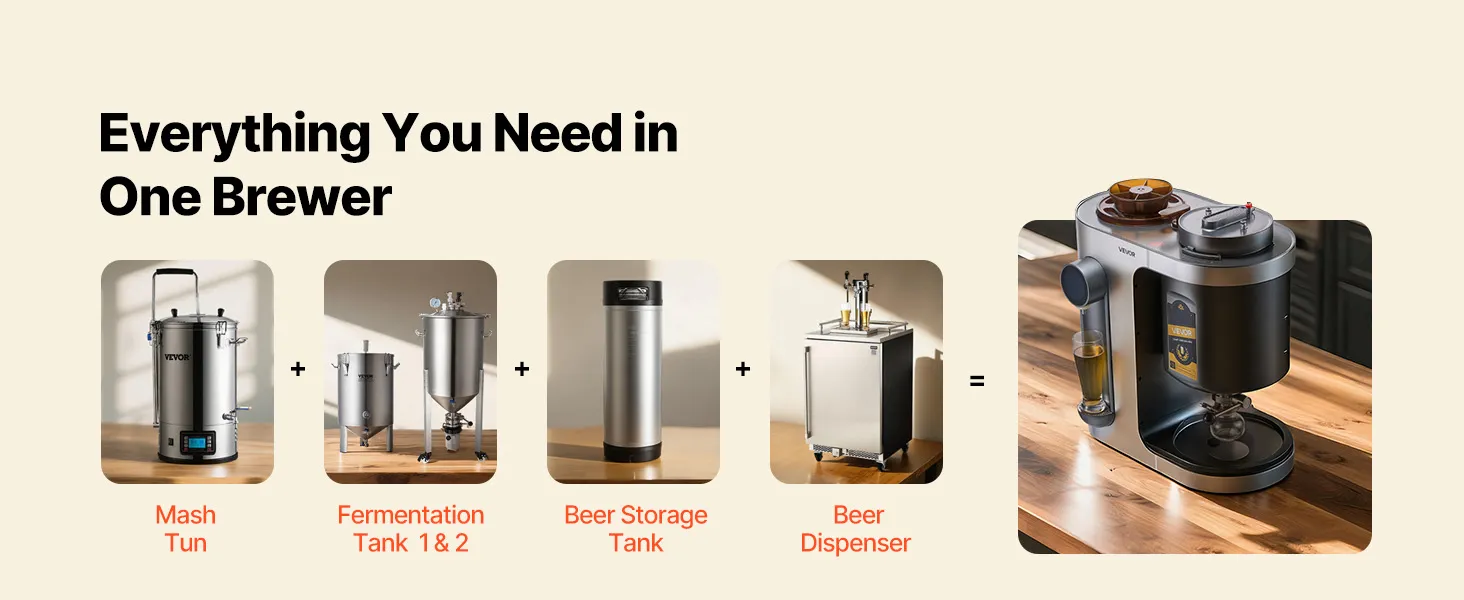
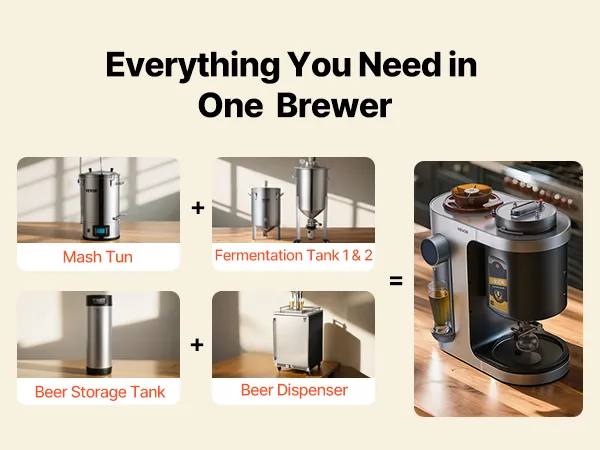
- Automatic Beer Brewing System: This all-in-one home beer brewer handles every step of the process—from mashing and boiling to cooling, fermentation, dispensing, and bottling. With a 99% brewing success rate, it’s ideal for beginners and craft beer lovers alike
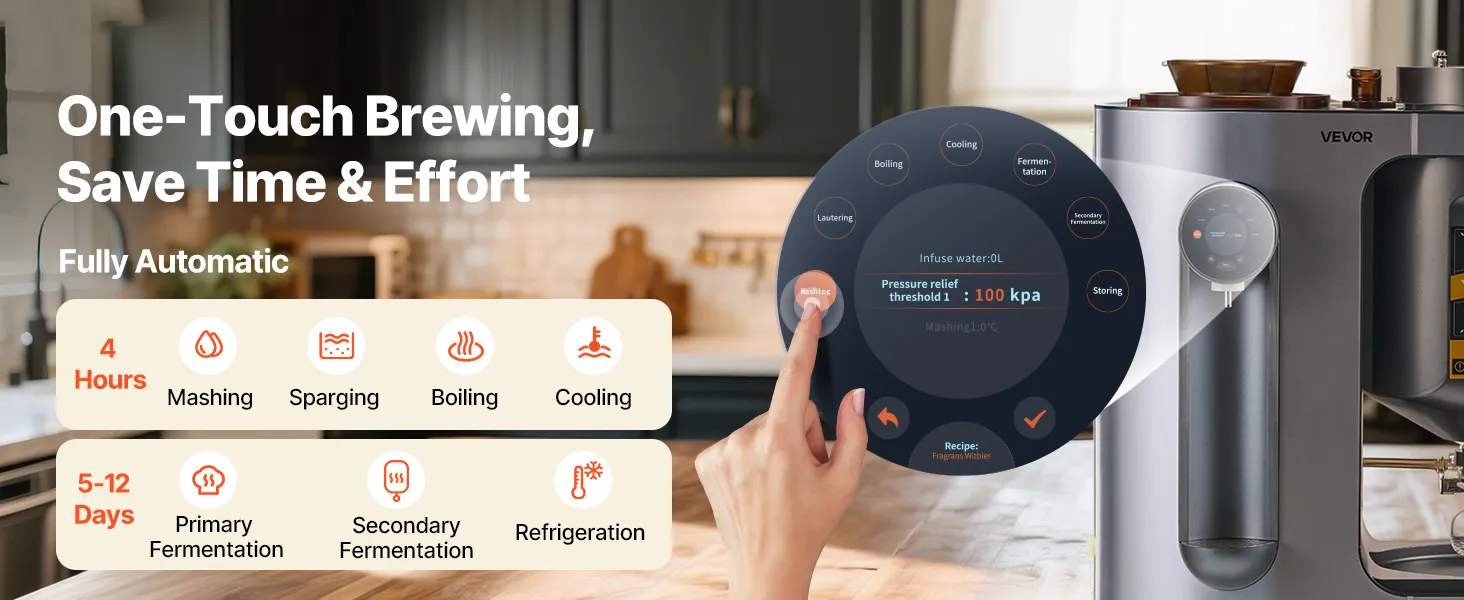
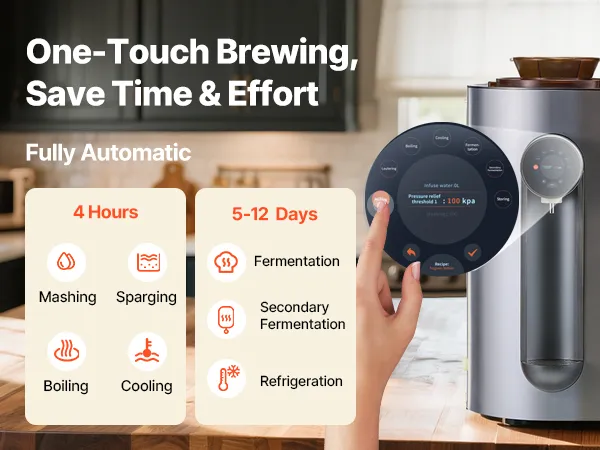
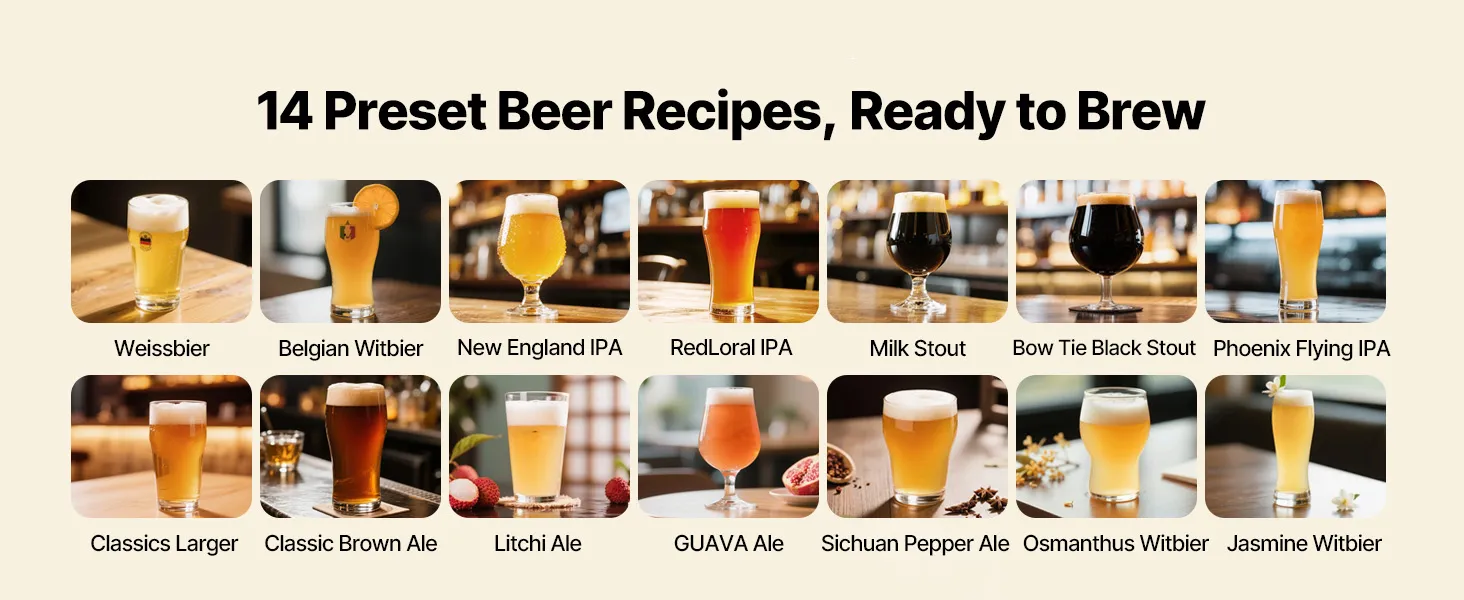
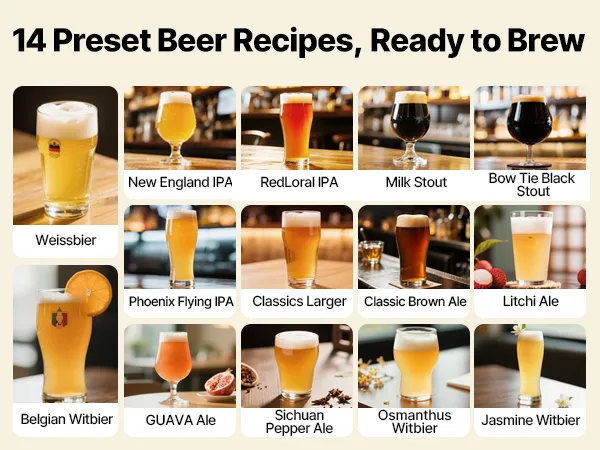
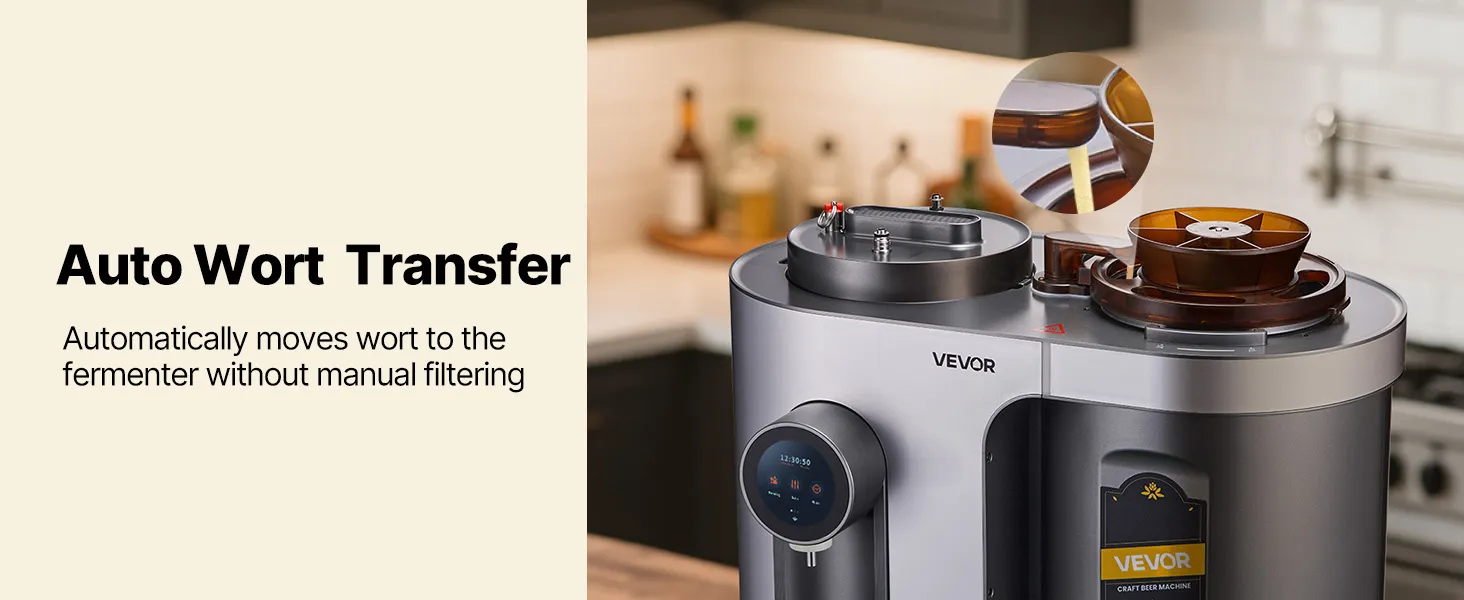
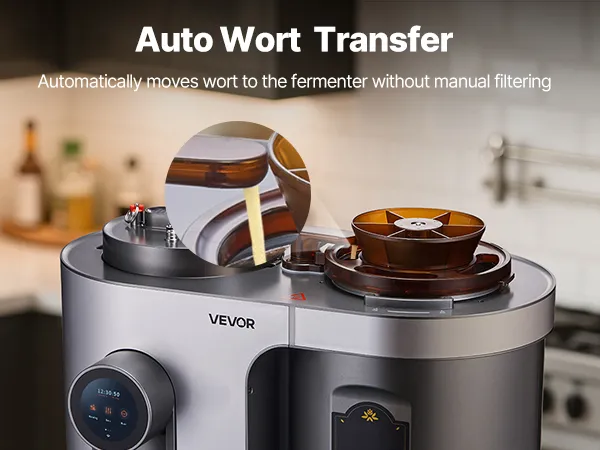
- One-Touch Smart Brewing: VEVOR automatic home brew machine makes brewing simple: just add ingredients and press a button. The LCD screen guides you through each step, eliminating manual wort transfers. Brewing takes 5–12 days, with 14 preset recipes plus a DIY mode for custom creations
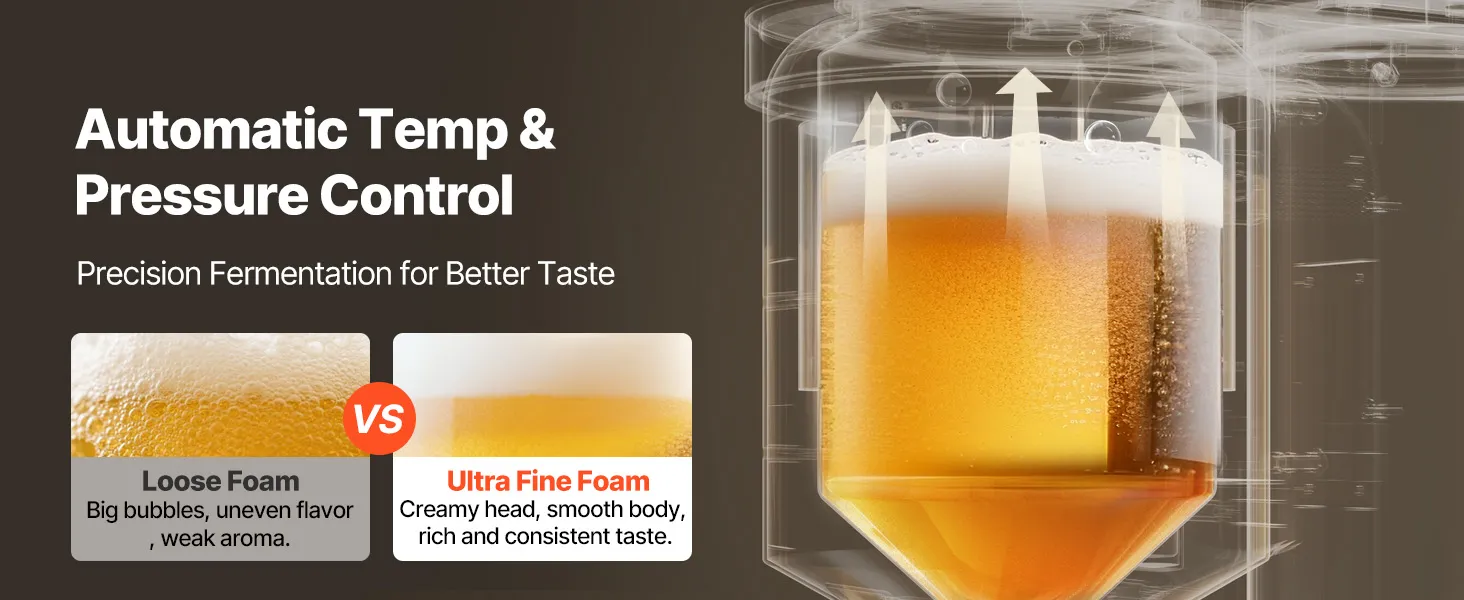
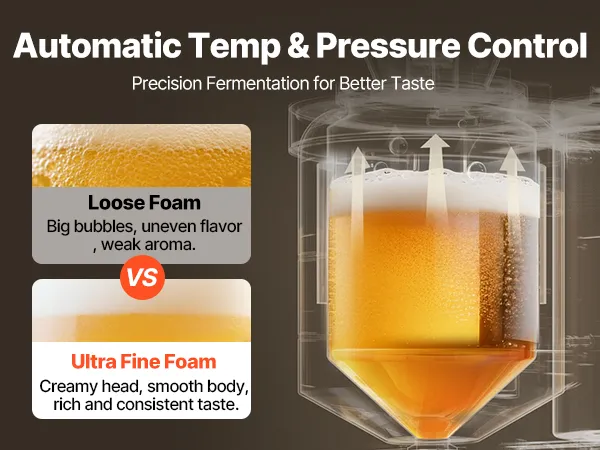
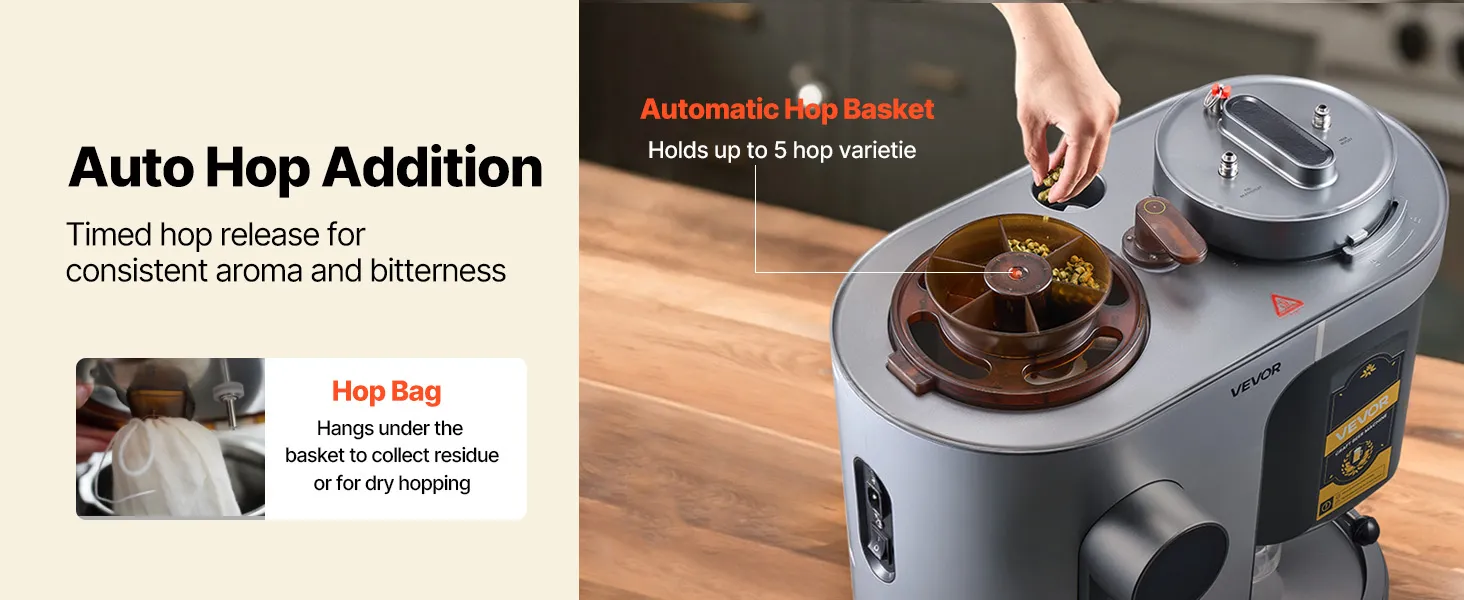
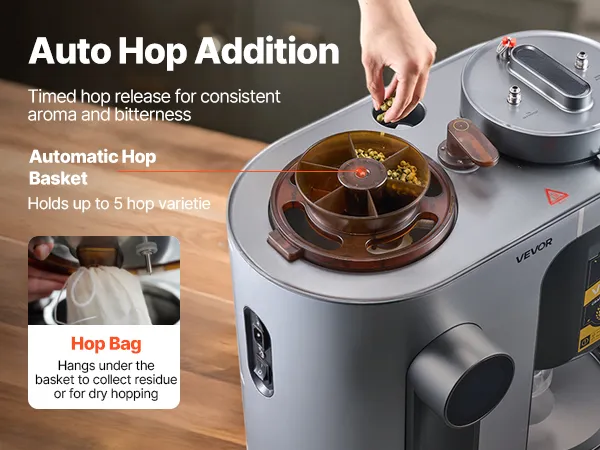
- Precision Fermentation Control: The automated home brewer ensures stable fermentation with precise temperature and pressure control. Hops are added automatically at the optimal time, enhancing aroma and flavor without manual monitoring
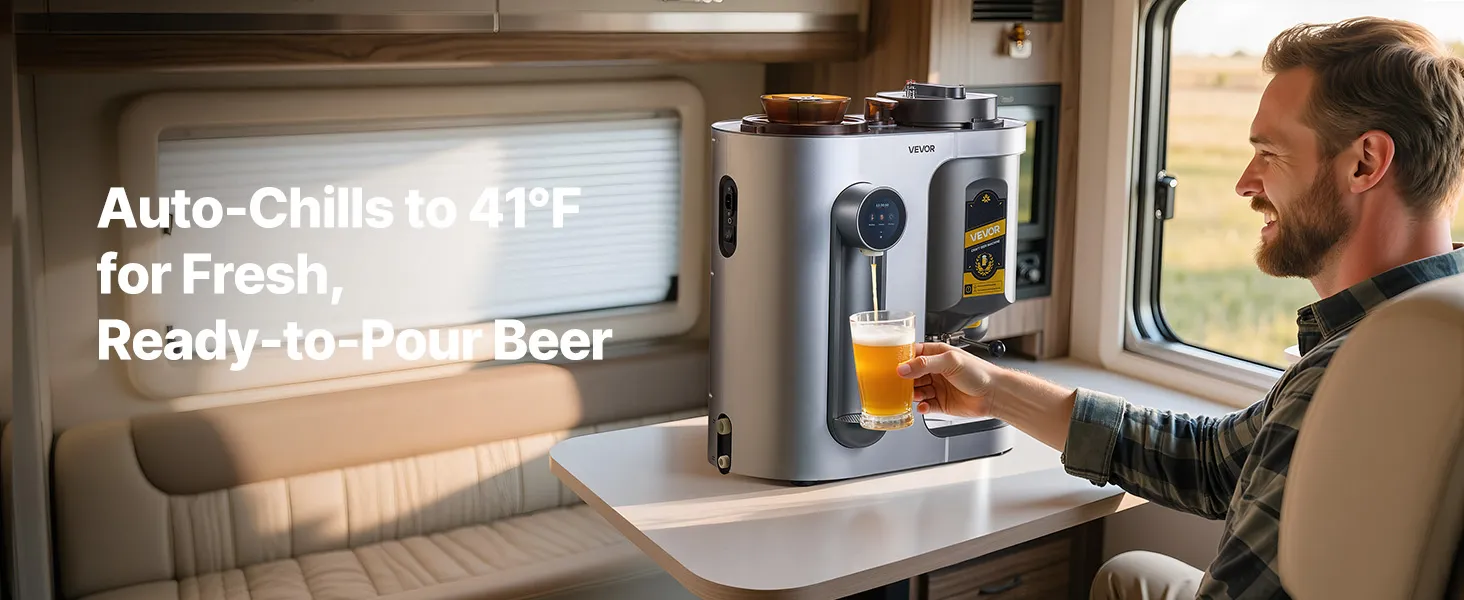
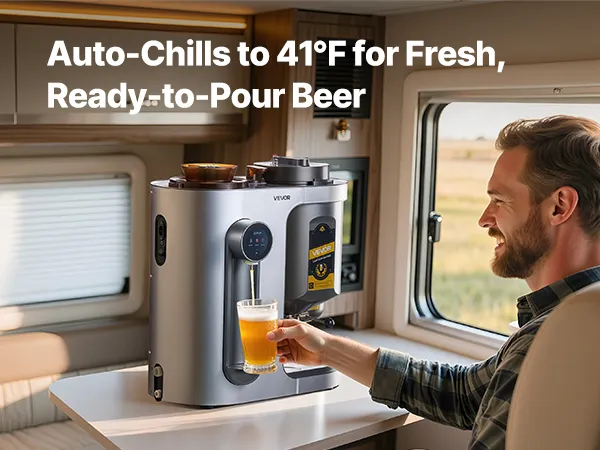
- Automatic Cooling & Beer Dispensing: As a smart beer maker machine, it cools beer to 41°F after fermentation for optimal taste. A built-in electric tap enables smooth, one-touch dispensing—clean, fast, and effortless
- 2.64 Gallons Per Batch: This home brewing machine brews up to 2.64 gallons (10 liters) per batch, ideal for home use or small gatherings. It supports counter-pressure filling for standard 28 mm bottles, making storage and sharing easy
Frequently Bought Together
Reviews 4.8
About this item


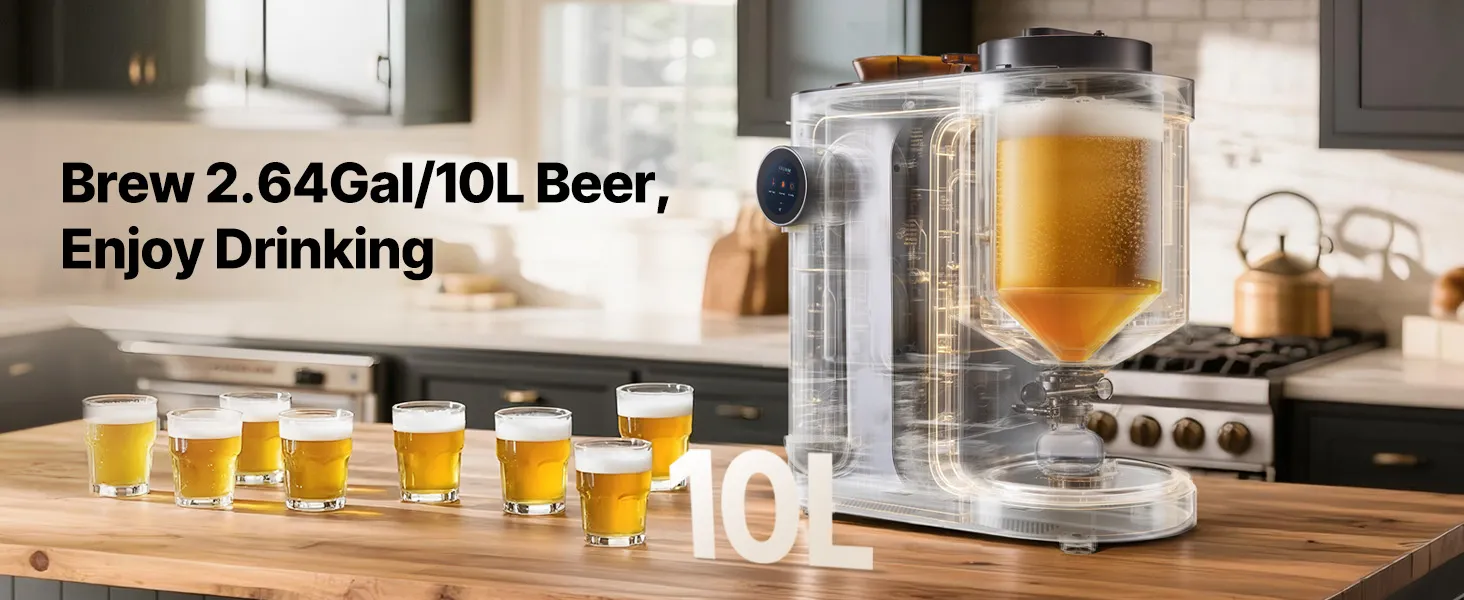

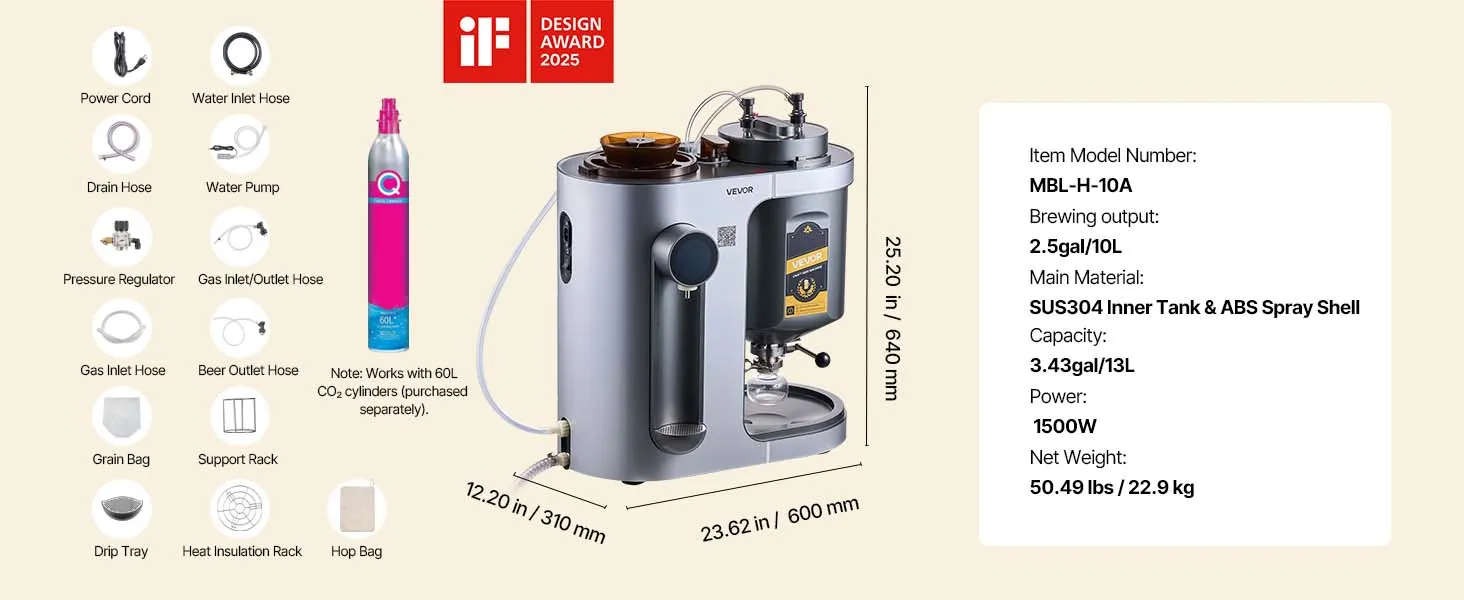
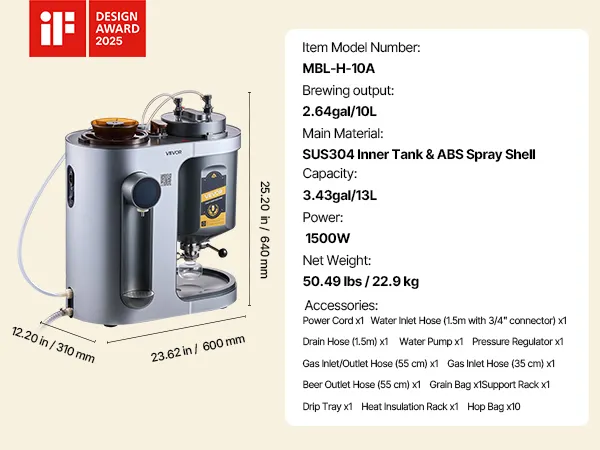
Home Beer Brewing Machine with Built-In Electric Tap for One-Touch Beer Dispensing
With just one touch, the VEVOR home beer brewing machine's built-in electric tap lets you serve finished beer straight from the machine, so you do not have to transfer the fermented beer to a different keg, fridge, or dispensing vessel first. Once the fermentation process is complete and the beer has been automatically cooled to 41°F, the electric tap delivers a clean, consistent pour from the same sealed vessel where fermentation took place. This maintains the carbonation and prevents oxygen exposure while it is being served.
This integrated dispensing capability consolidates what would otherwise require a separate kegging setup into the main brewing unit, keeping the home brewer's footprint compact at 23.62×12.20×25.20 in. If a home brewer wants to serve the beer soon after the brewing cycle is complete, instead of waiting for a separate step like bottling or storage, the electric tap lets them access the finished batch right away and safely, without any extra tools.
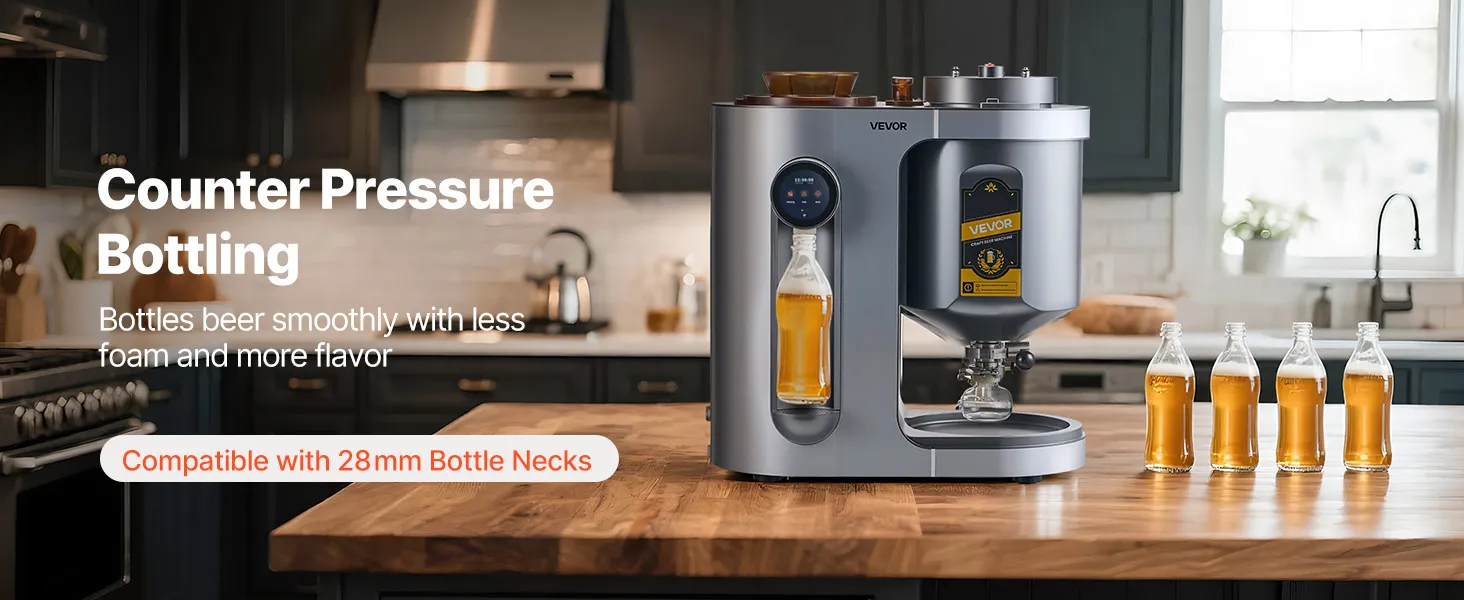
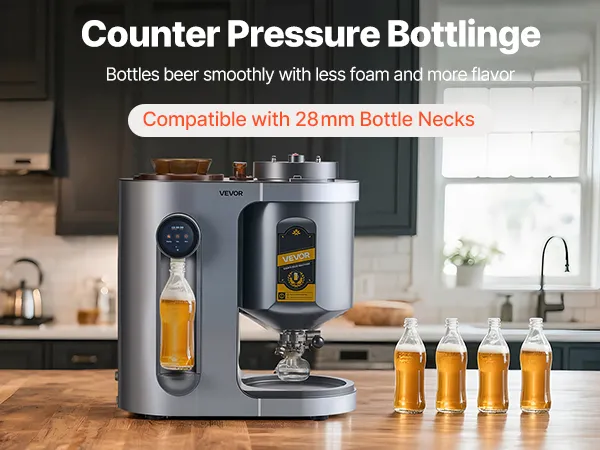
Counter-Pressure Bottling Support for Standard 28 mm Bottles for Easy Storage and Sharing
You can pour beer directly from this home beer brewing machine, or use counter-pressure to fill standard 28 mm bottles. This way, you can package the entire 2.64 gal (10 L) batch for storage, sharing, or drinking over time. Counter-pressure filling keeps the CO2 pressure inside the bottle steady during the filling process. This stops the carbonation loss and foaming that happen when carbonated beer is put into a bottle under normal atmospheric pressure.
Standard 28 mm bottle compatibility means that crown-cap bottles that you can buy and use for home bottling are directly compatible, so you do not need to buy special bottles or caps. The counter-pressure method also produces a cleaner fill than the gravity or siphon methods because it reduces the amount of air that enters the bottle neck during filling. This helps the beer stay fresh longer and preserve its flavor during storage.
Pressure Gauge and Relief Valve for Manual Pressure Monitoring and Safe Release
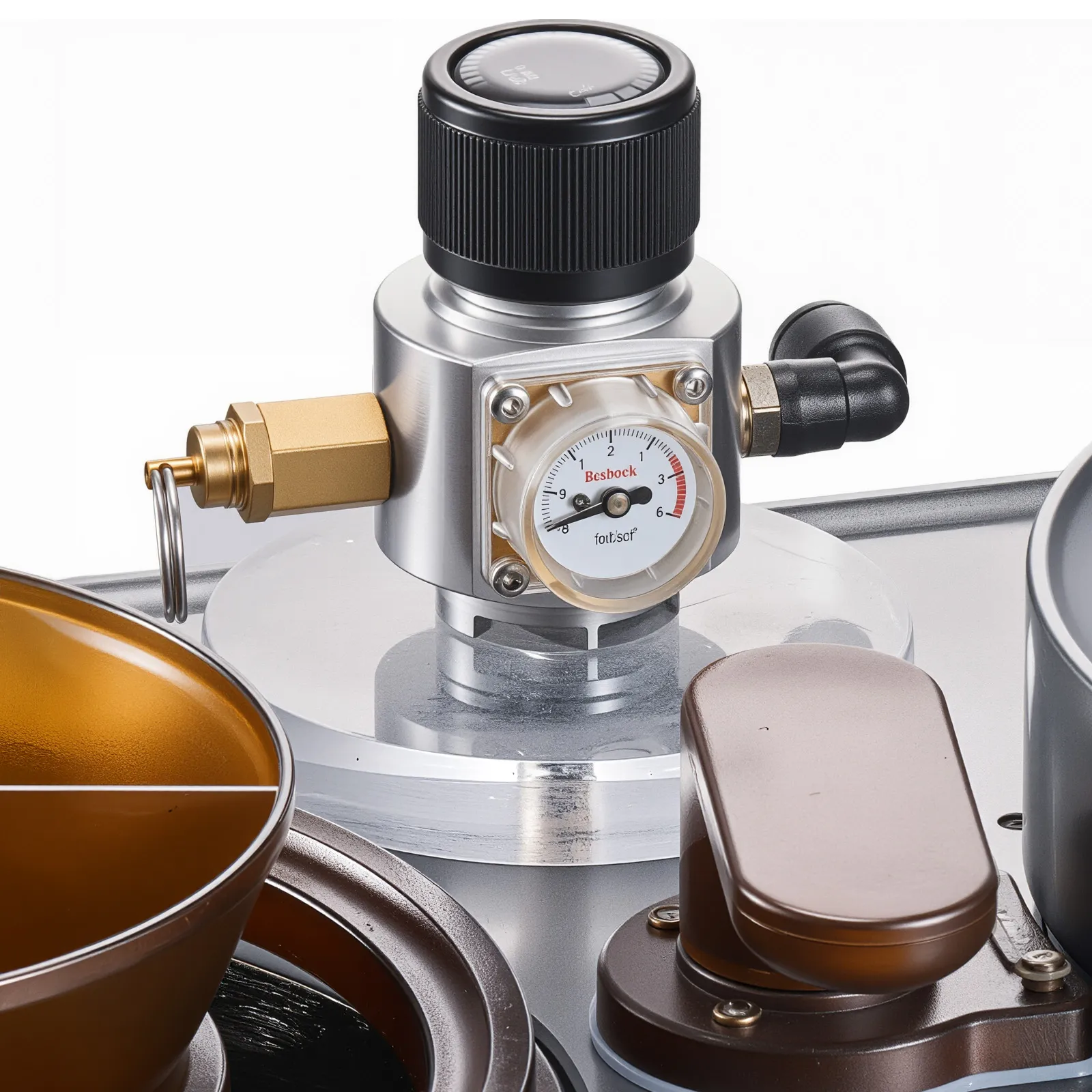
The built-in pressure gauge allows users to monitor internal pressure during fermentation and carbonation. Real-time pressure visibility lets the brewer know for sure whether the fermentation environment is building and maintaining the right pressure during pressure fermentation or whether the pressure has reached the right level for carbonation, so they do not have to guess or use external pressure-measuring equipment.
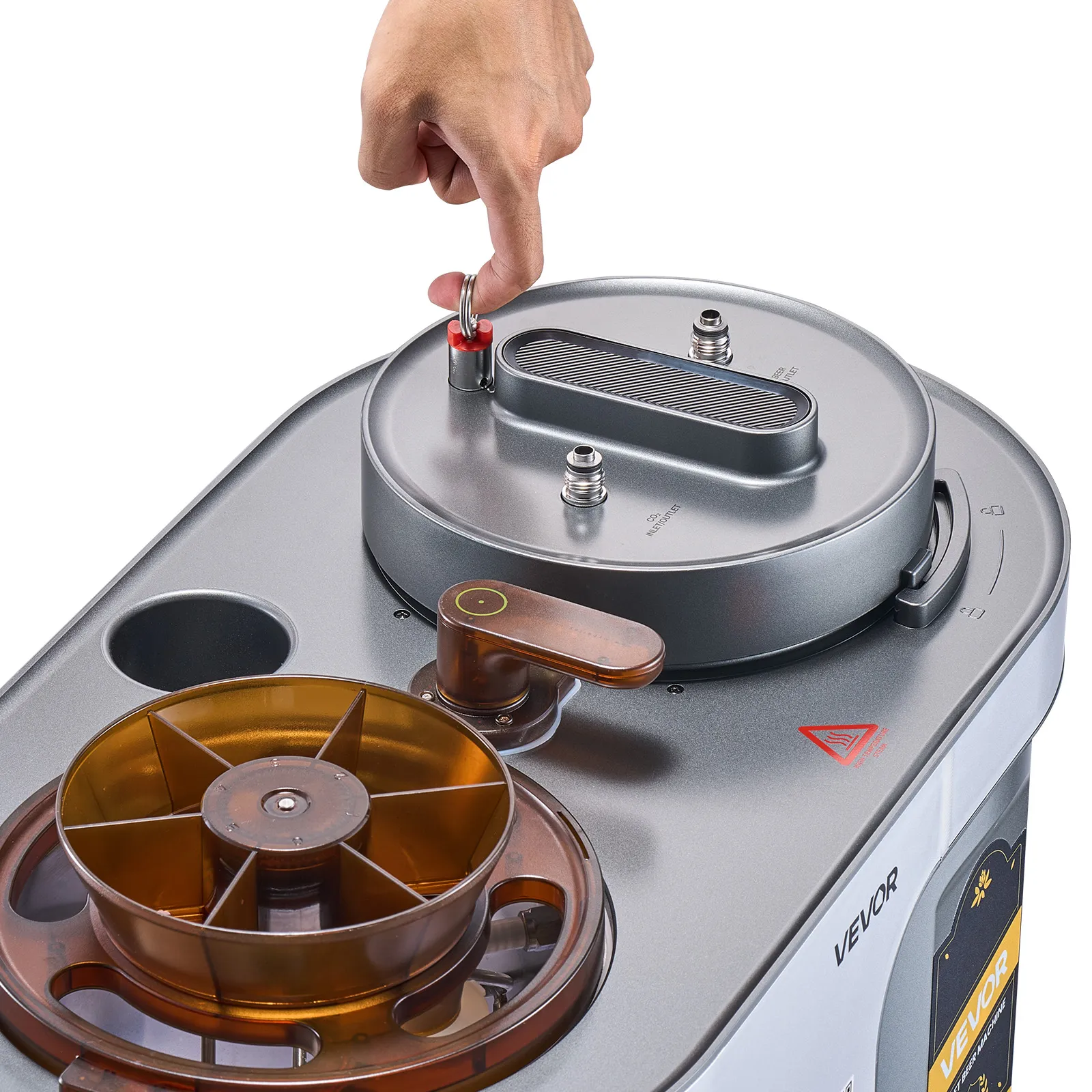
The lid's pressure release valve releases pressure directly and safely when needed, such as before opening the lid to check on the batch, make changes to the batch, or start the dispensing or bottling process. When you pull the relief valve, the pressure inside the vessel is released before the lid or seal is damaged. This prevents the rapid, uncontrollable pressure loss that would occur if the vessel were opened while under pressure. Together, the pressure gauge and relief valve provide safe pressure monitoring and controlled release throughout the brewing process.
SUS304 Stainless Steel Inner Tank and ABS Shell for Food-Safe Durable Construction
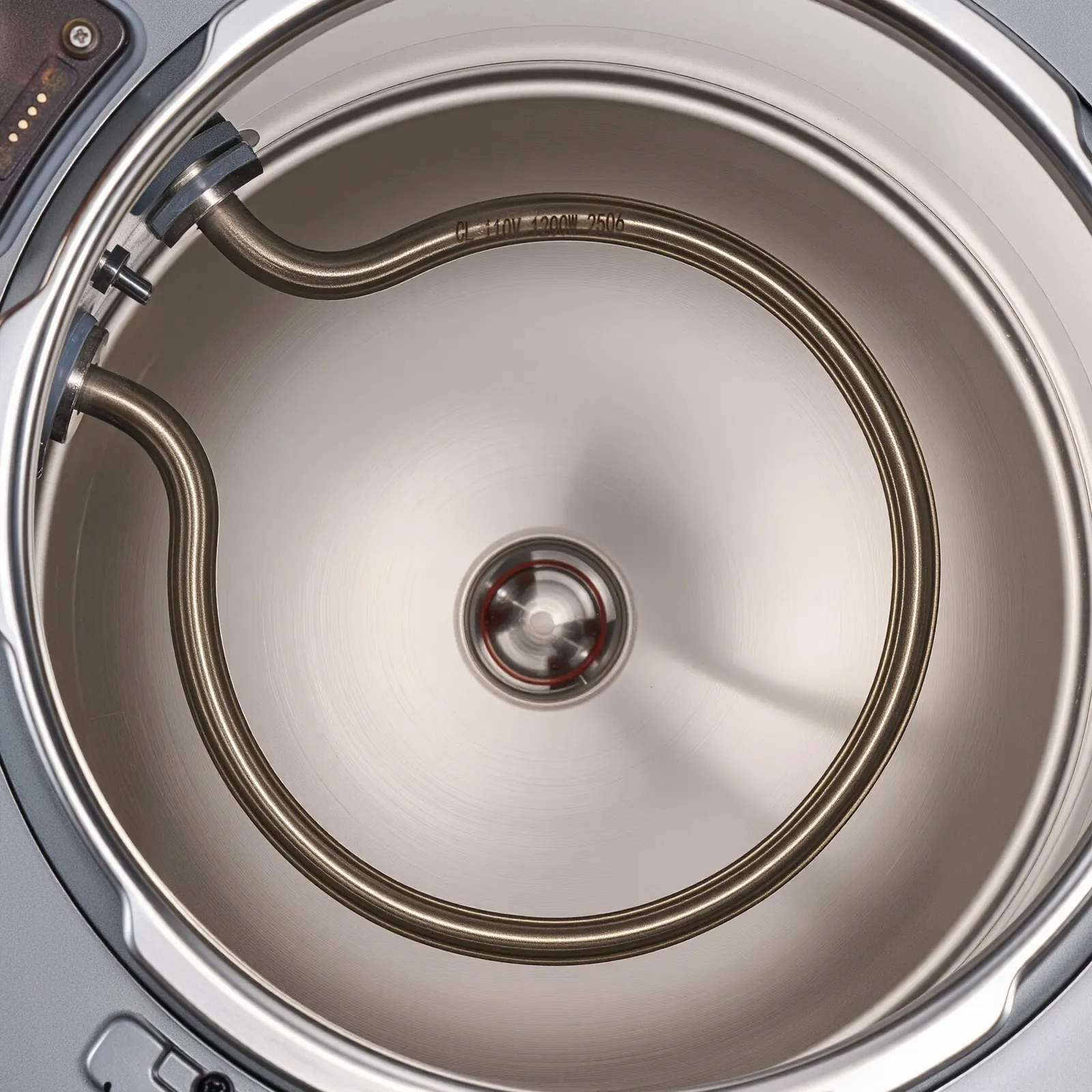
During the brewing process, the internal tank comes into contact with wort, fermenting beer, and finished beer. It is made of SUS304 stainless steel, which has a durable surface that resists corrosion and staining. The stainless steel surface resists staining and corrosion.
Made from ABS, a rigid, impact-resistant thermoplastic, the outer shell protects the internal components. It gives the unit a clean, professional look while keeping the weight at 50.49 lbs (22.9 kg). The two-material construction uses each material for its best function: SUS304 is used for the inner vessel's food-contact and structural-pressure needs, and ABS is used for the exterior's lightweight protection, handling everyday use, surface contact, and the look of a home appliance on a counter.
Home Beer Brewing Machine with 14 Preset Recipes and DIY Mode for All Skill Levels
The 14 built-in beer recipes set the key process variables for each preset style, including the mash temperature profile, boil duration, hop addition timing, fermentation temperature, and carbonation target. This allows first-time brewers to choose a recipe and follow the LCD screen's instructions throughout the 5–12-day brewing cycle without manually adjusting every brewing parameter. Each preset takes care of the variable management that the brewer would have to do for each style if they had to study, calculate, and keep an eye on everything separately.
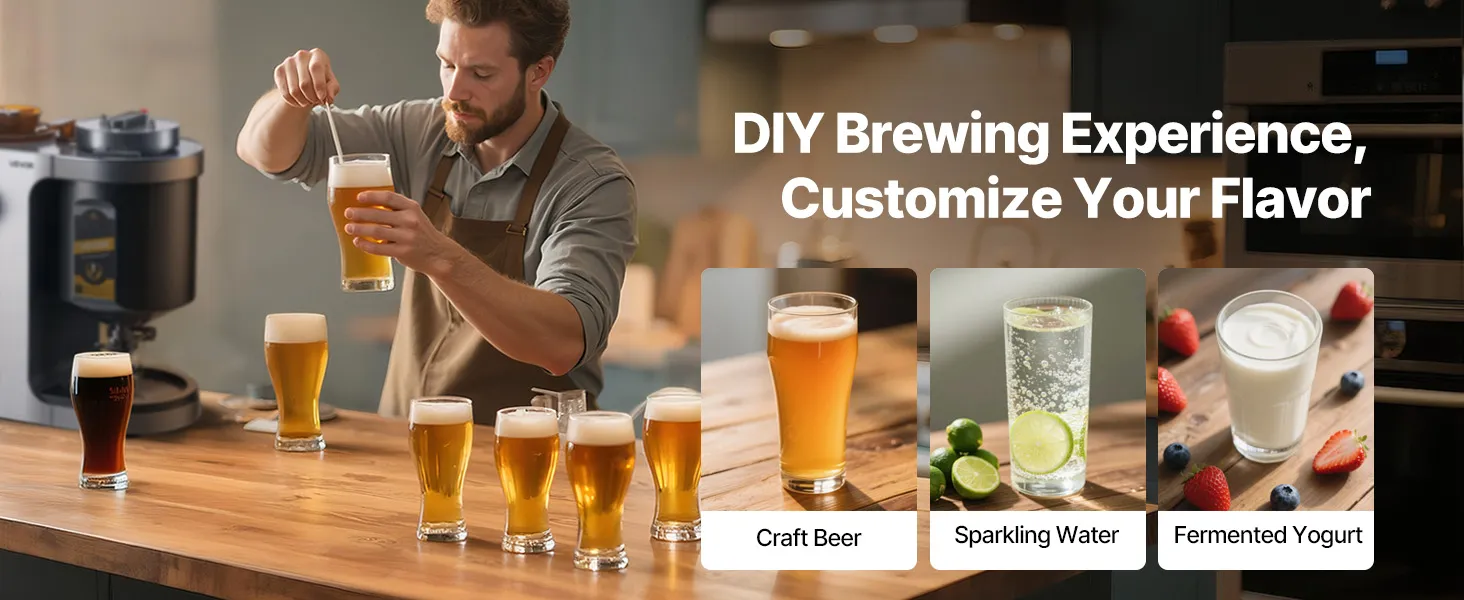
For experienced brewers who want to program their own recipes or improve existing ones beyond what the preset library offers, DIY mode gives them full manual control over every process variable. In a single unit configuration, the machine can work for home brewers of all skill levels because it lets them set custom mash steps, fermentation targets, and specific hop addition times.
Automatic Cooling to 41°F, Yeast Collector, and Auto Cleaning for Full Brew Cycle Completion
After fermentation, the home beer brewing machine automatically lowers the beer's temperature to 41°F. Cooling reduces yeast activity while helping clarify the beer. Instead of cooling the brewing pot outside before serving, this automated step ensures the beer is at its best serving temperature using the machine's cooling system.
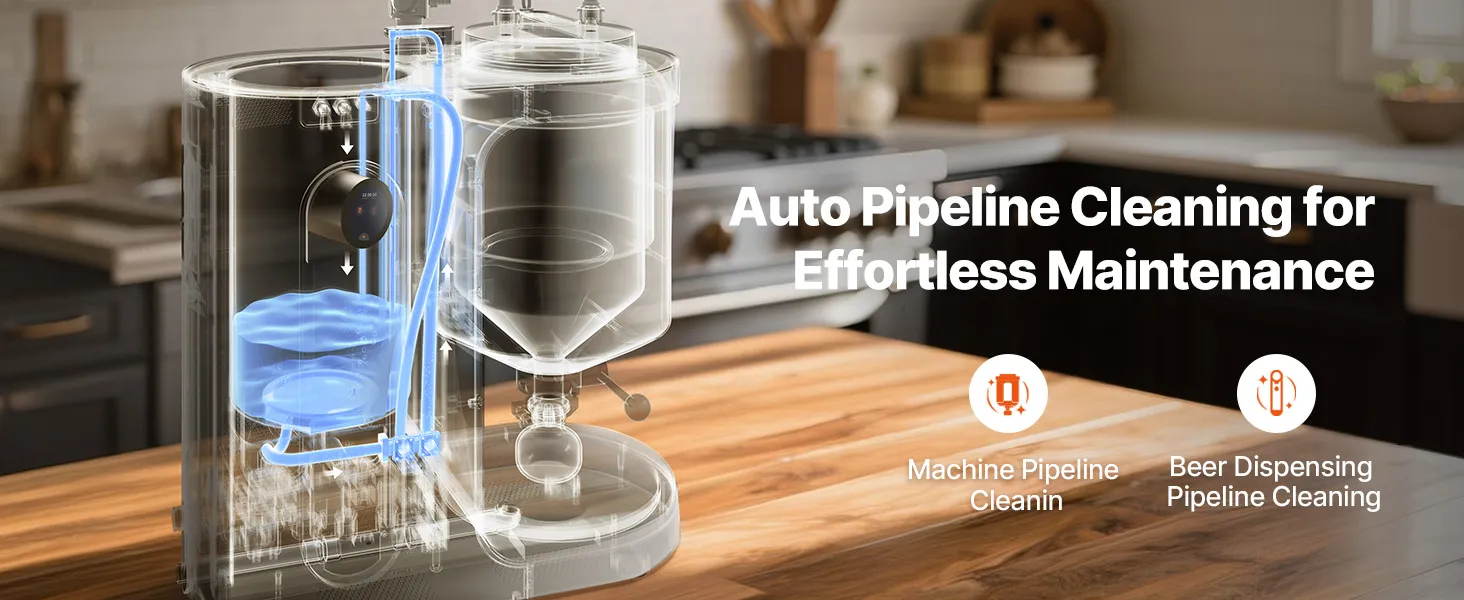
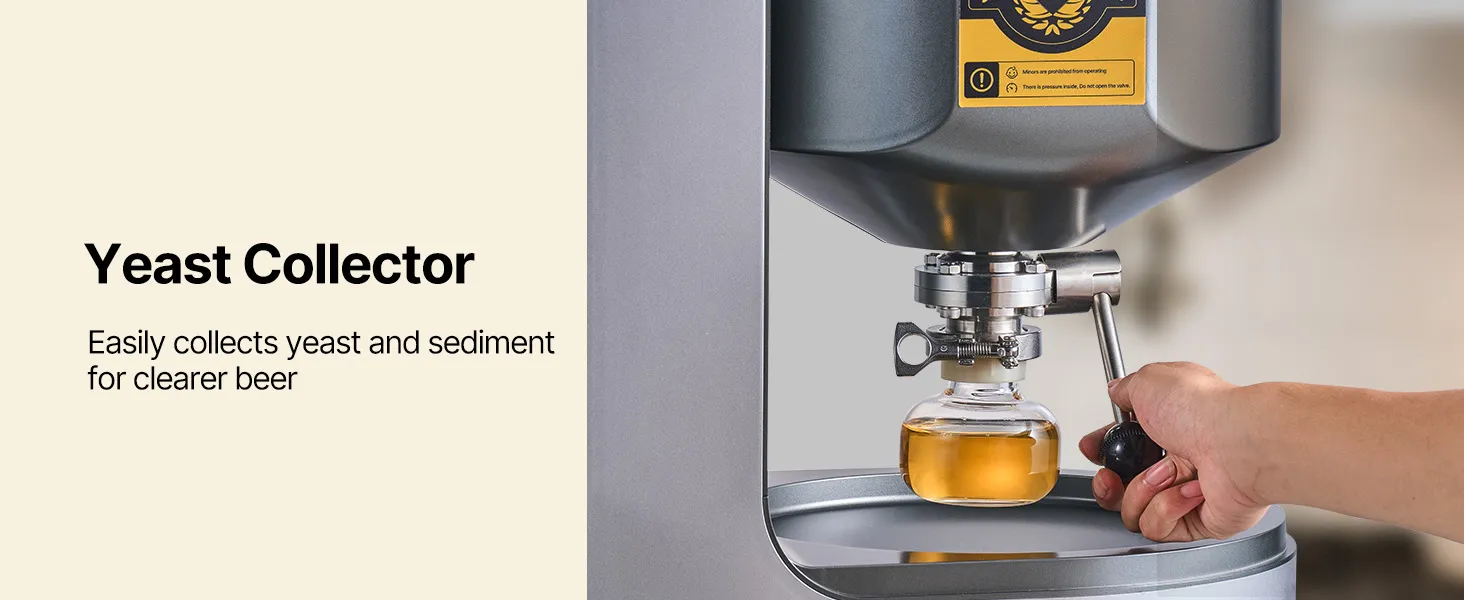
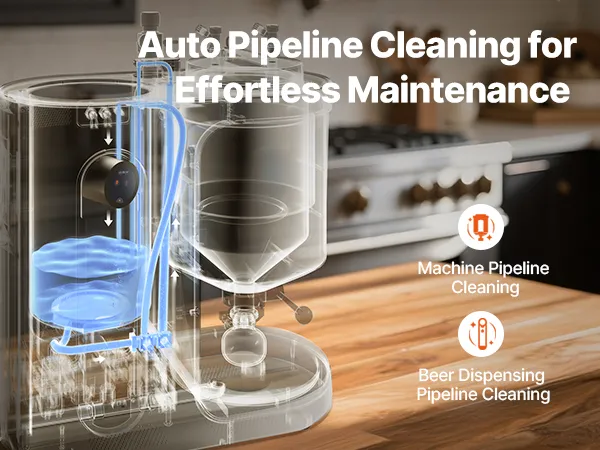
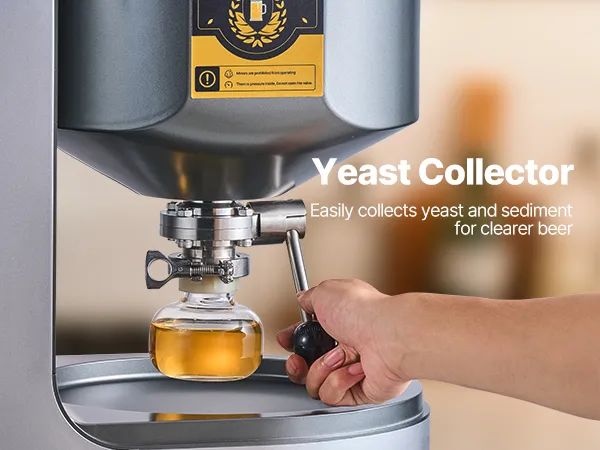
The integrated yeast collector separates spent yeast from the finished beer. By keeping the yeast sediment out of the beer during dispensing or bottling, this separation helps make the final beer cleaner. After the batch ends, the automatic cleaning cycle runs a rinse sequence through the internal circuit.
