VEVOR Drill Bits Sharpener MR-13B, 3-15mm Drill Bit Grinder Sharpener with Adjustable Lip Relief Angle & 95°-135° Point Angle, 4600RPM High Speed Re-Sharpener with 13 Collets, CBN & SDC Wheels

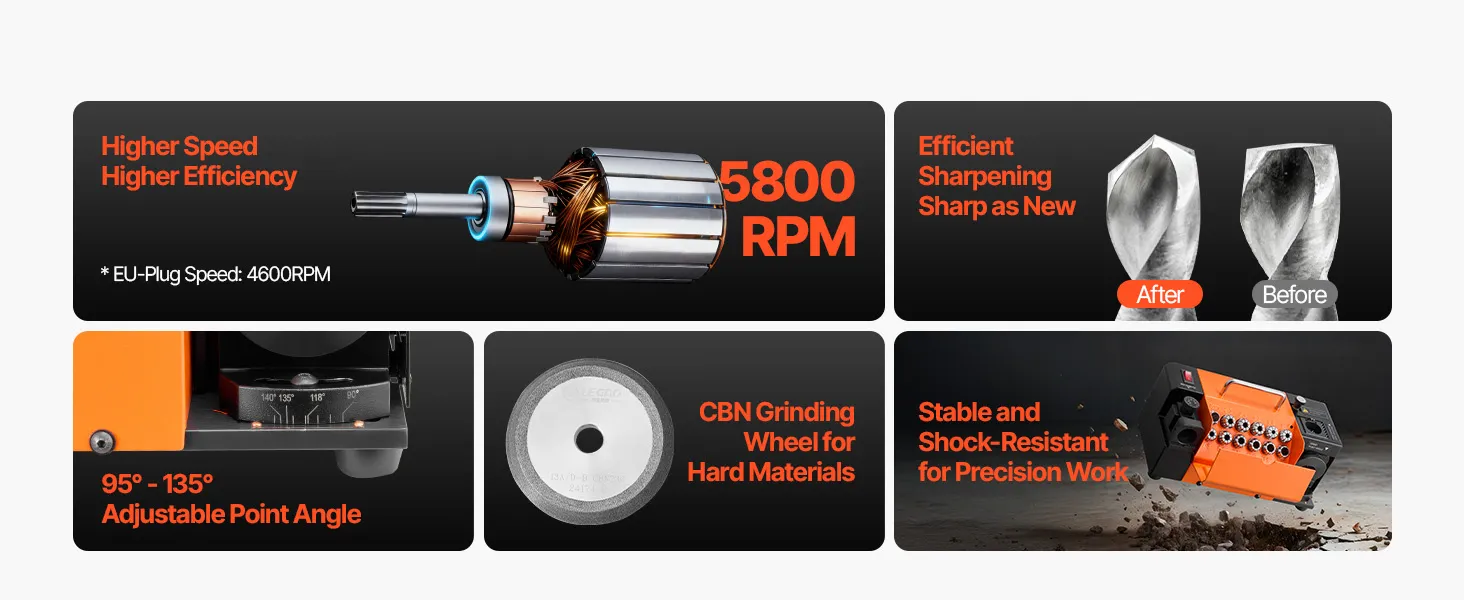
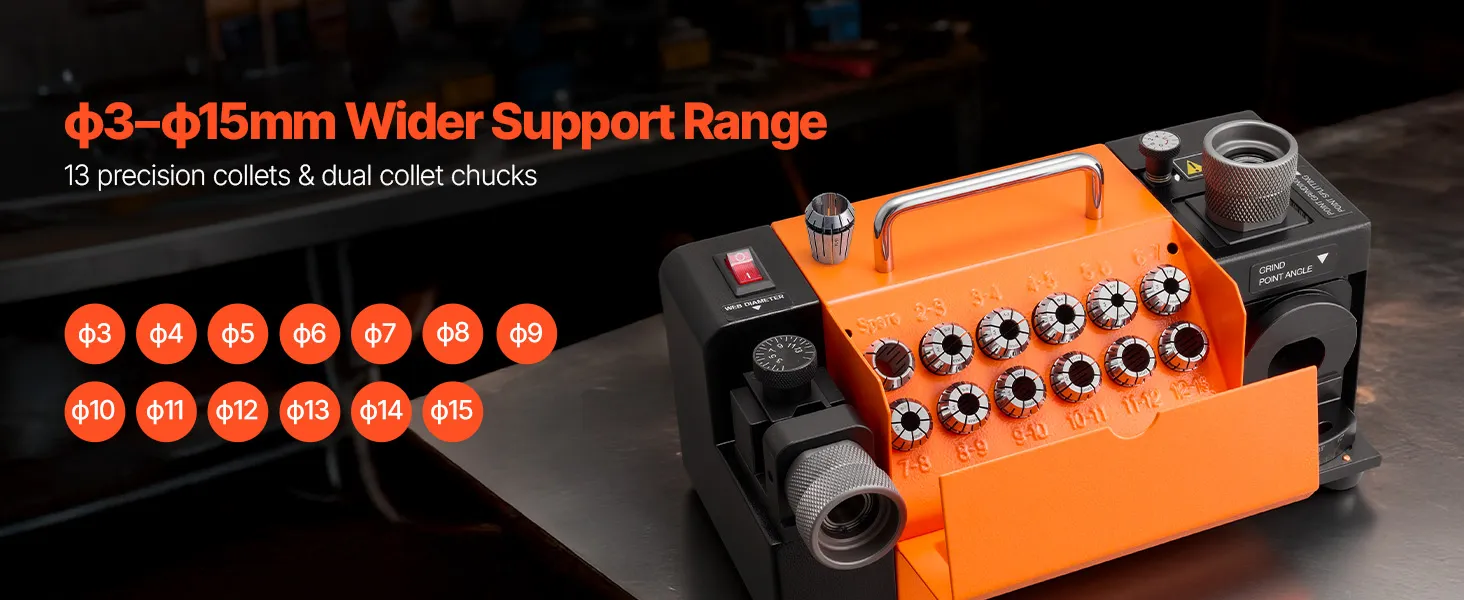
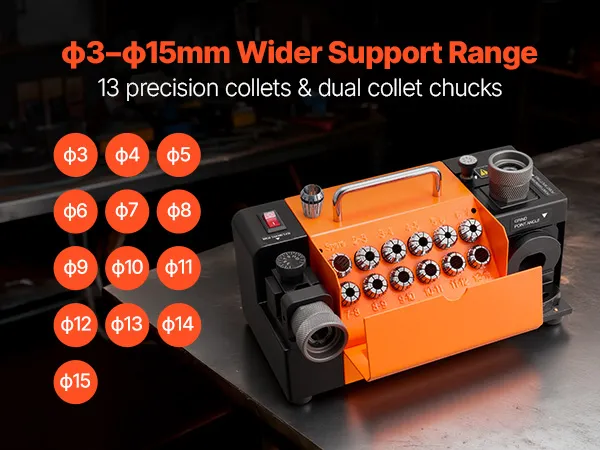
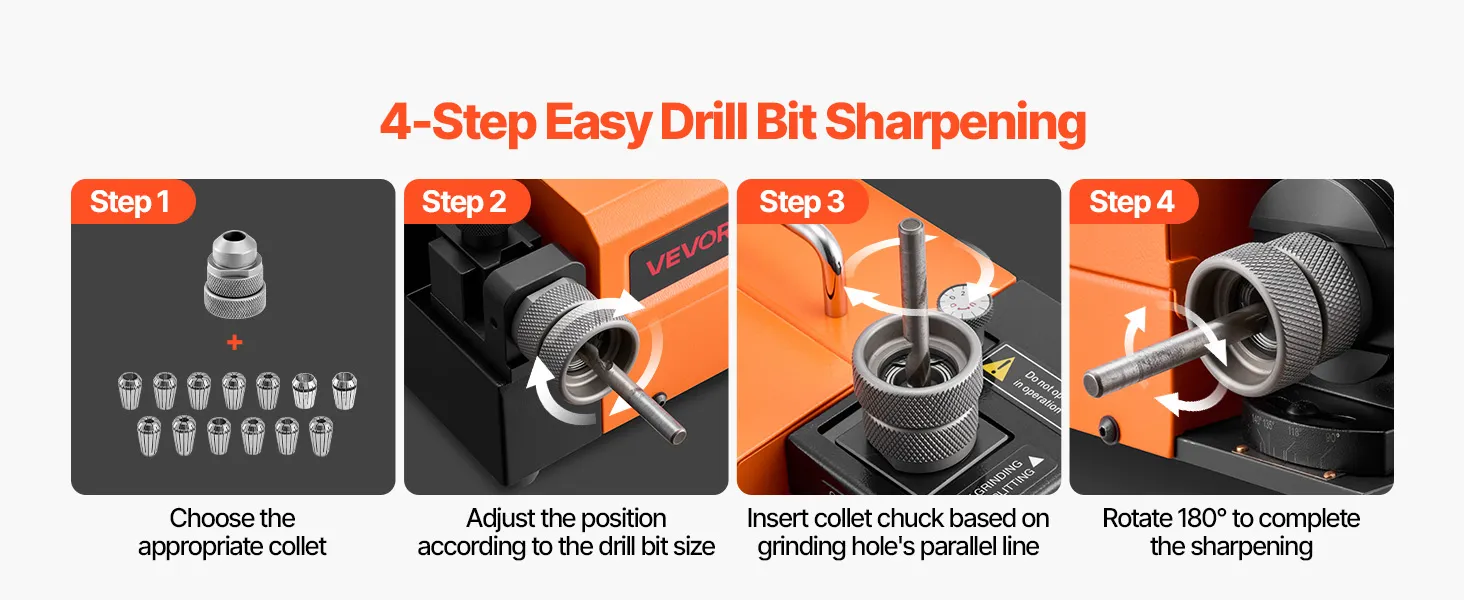
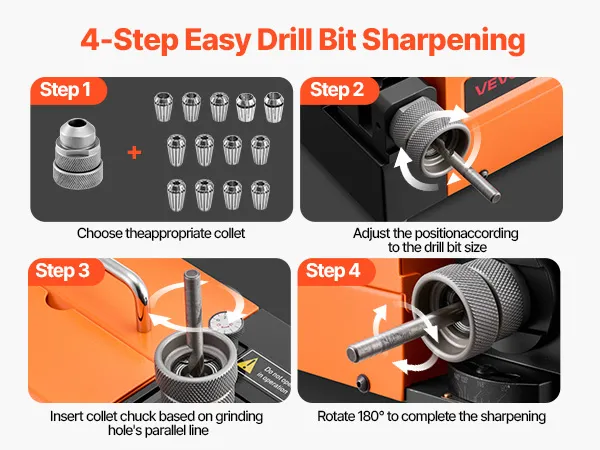
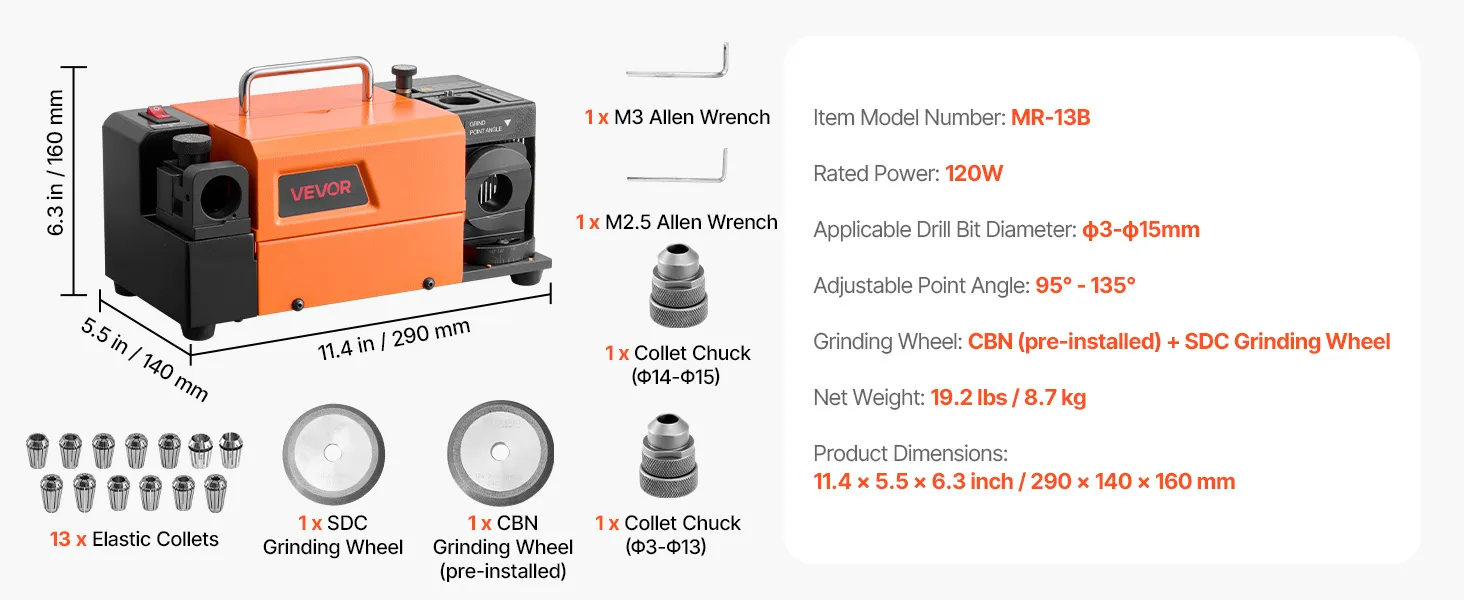
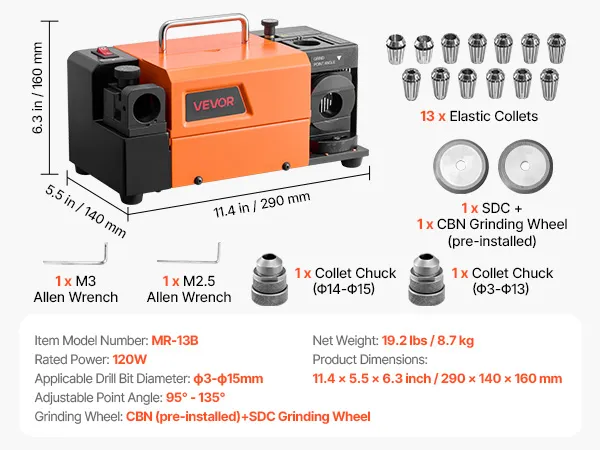
- Professional Sharpening: Designed for φ3–15 mm drill bits, the VEVOR MR-13B drill bit sharpener with 13 elastic collets excels at sharpening the point angle and lip relief angle, quickly restoring your bits to optimal sharpness and precision. Two collet chucks are also included
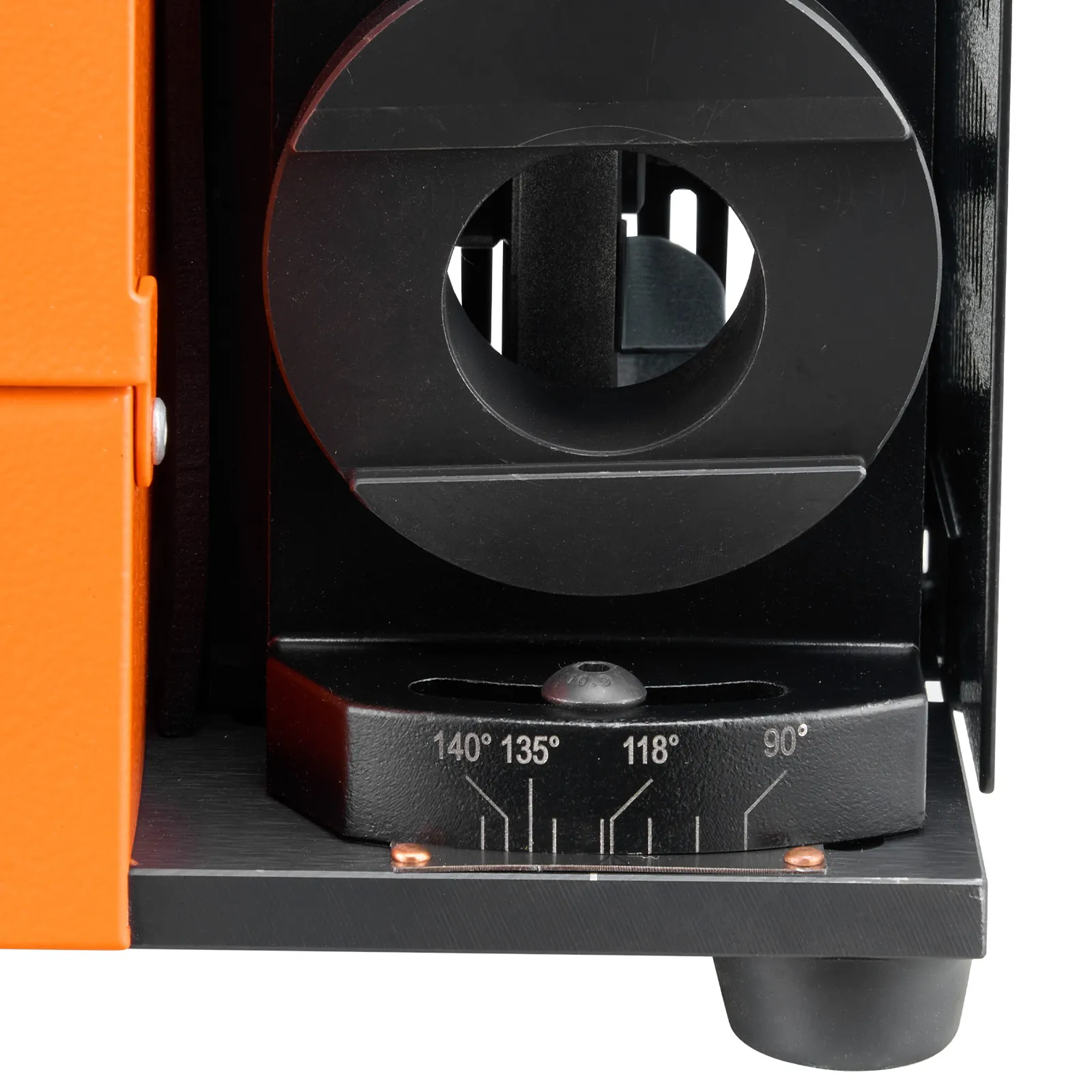
- Adjustable Angle: The drill bit grinder offers flexible adjustment for the lip relief angle and 95°–135° adjustable drill point angle. It allows you to grind 4 types of lip relief angles to meet different needs, achieving smoother and more accurate sharpening results
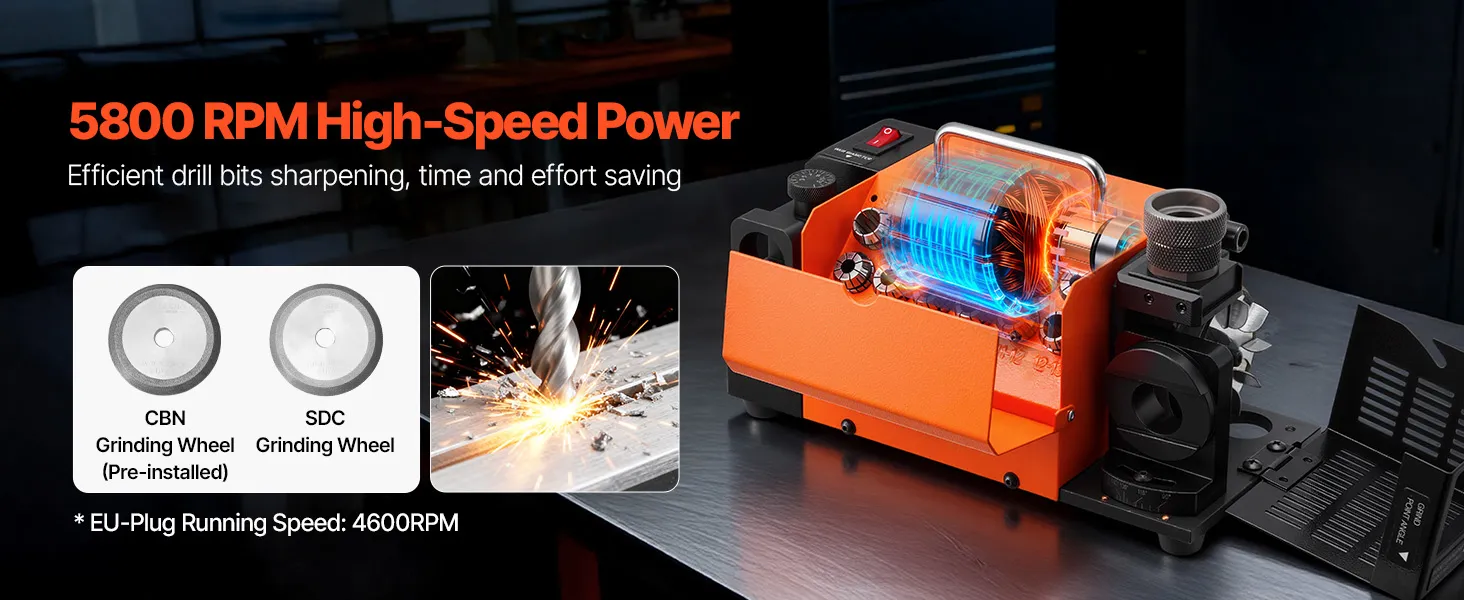
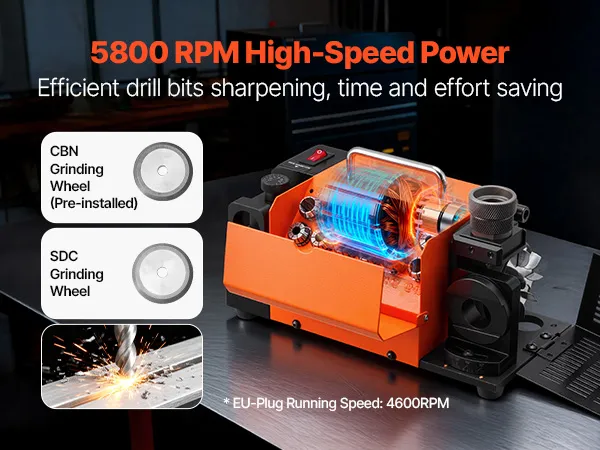
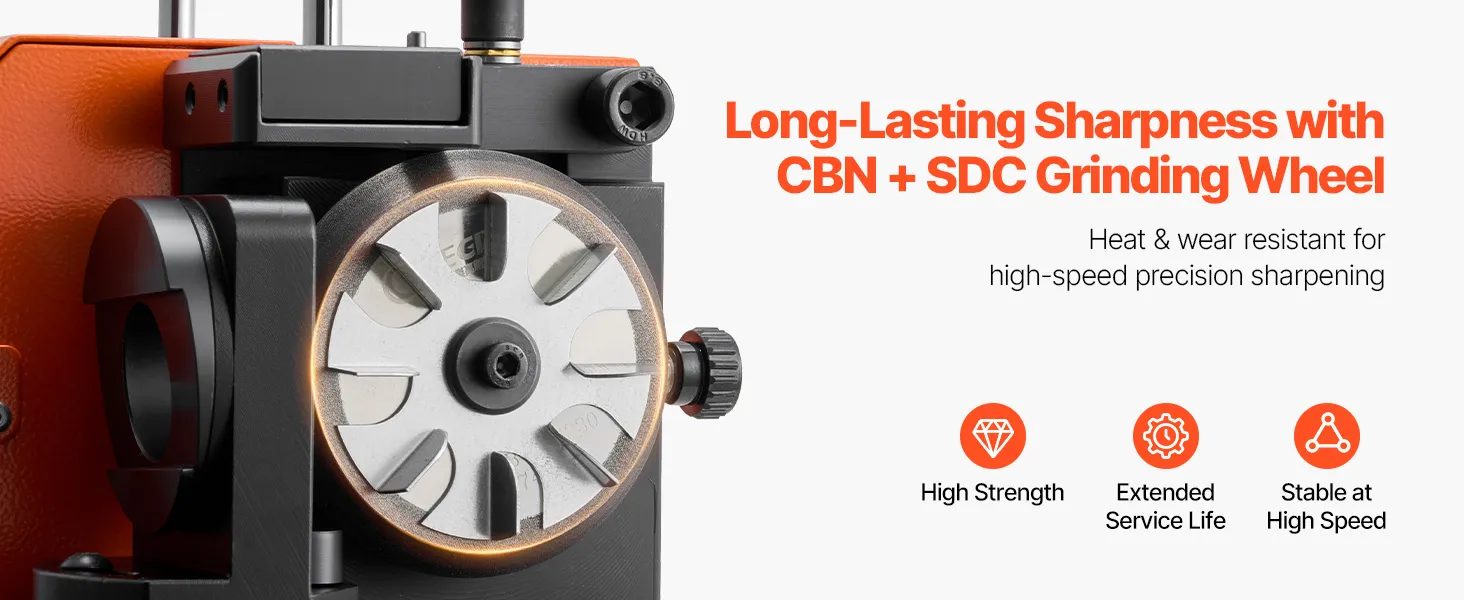
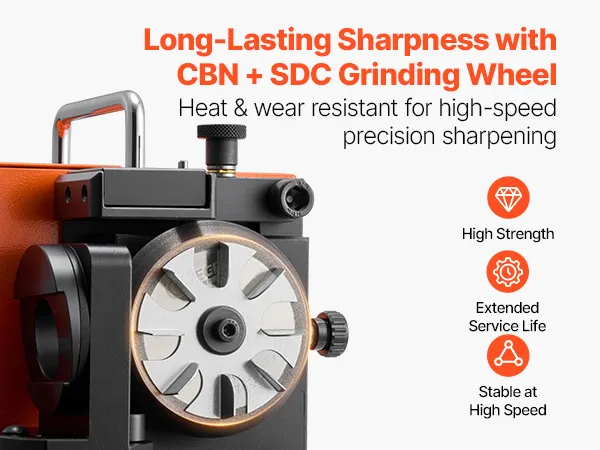
- 2 Grinding Wheels: Choose between CBN (pre-installed) or SDC grinding wheels for compatibility with different materials, greatly improving grinding precision and efficiency. Paired with the 4600 RPM high-speed motor, it delivers more stable and efficient sharpening
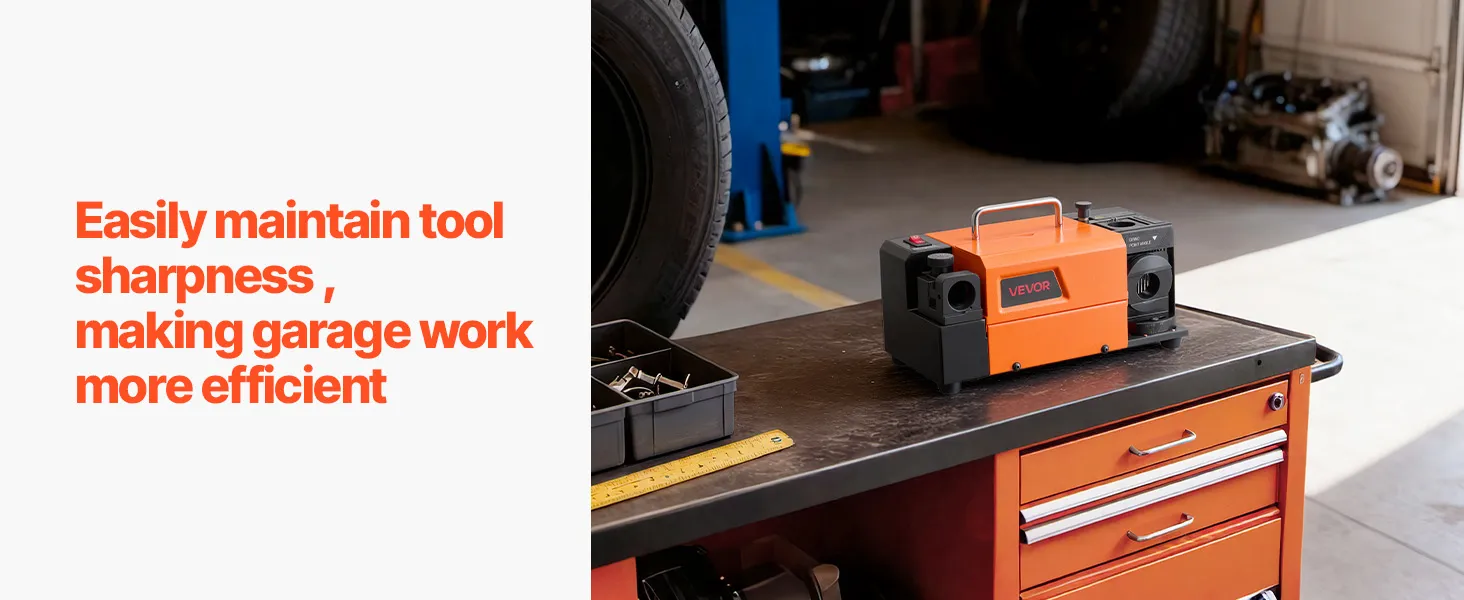
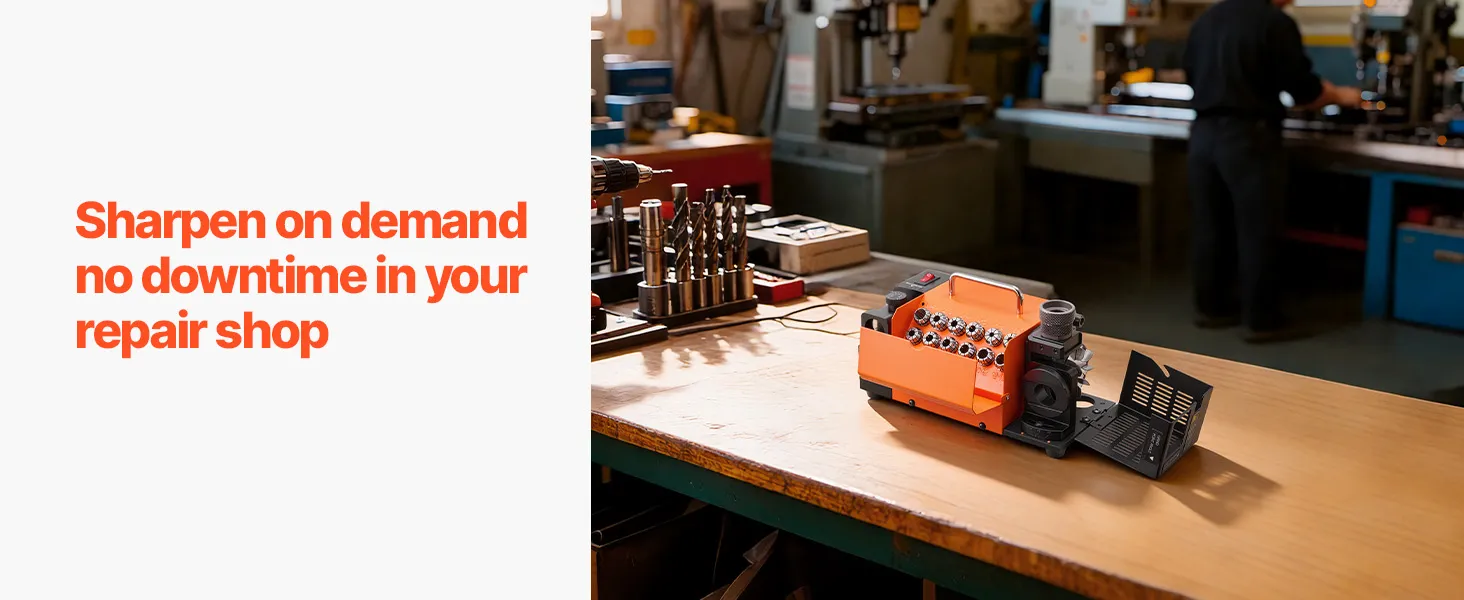
- Multi-Functional Use: Specialized in drill bits re-sharpening, this professional grinding sharpening machine keeps your bits sharp and ready for action — whether you're working in a factory, workshop, garage, or on home DIY projects
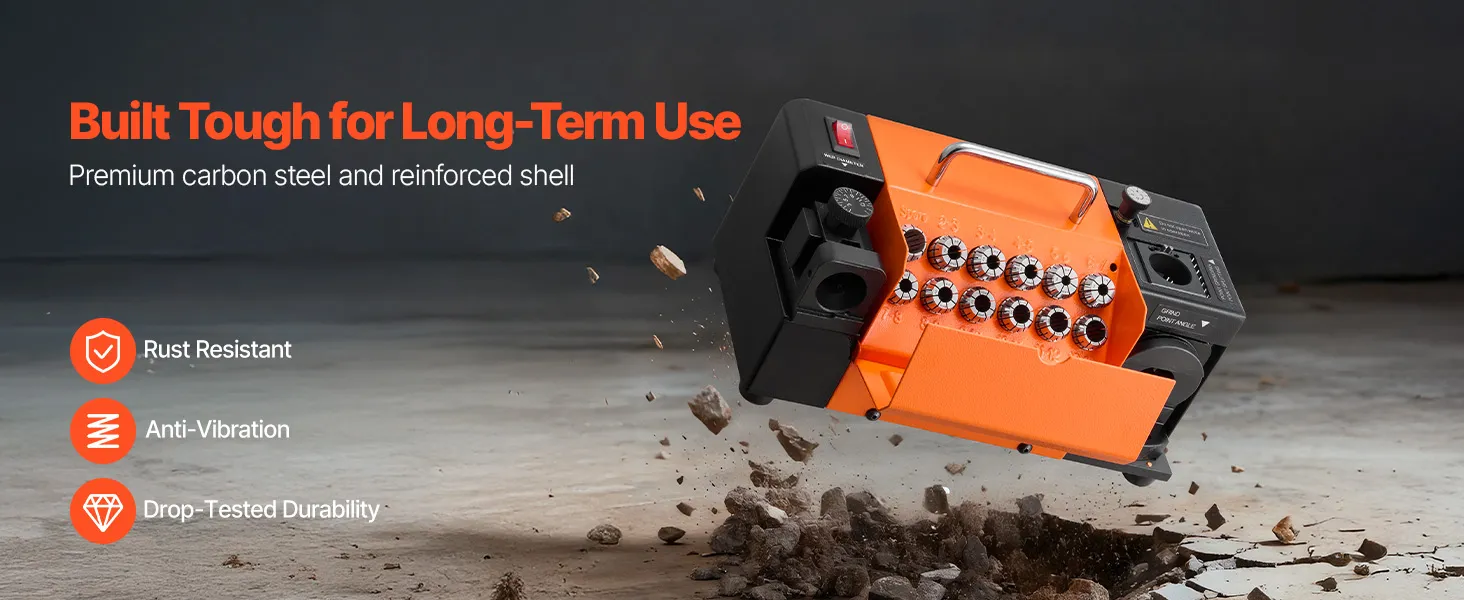
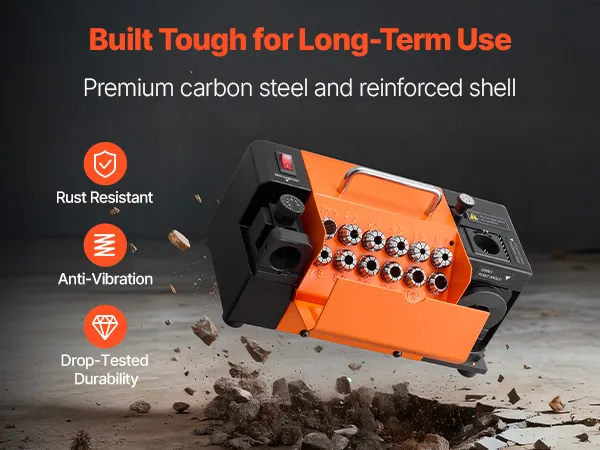
- Portable & Strudy: Lightweight and easy to carry, this drill bit re-sharpener saves space in your workshop and can be transported easily. Crafted from high-quality carbon steel, it features a sturdy, durable structure built to withstand long-term use
Frequently Bought Together
Reviews
About this item
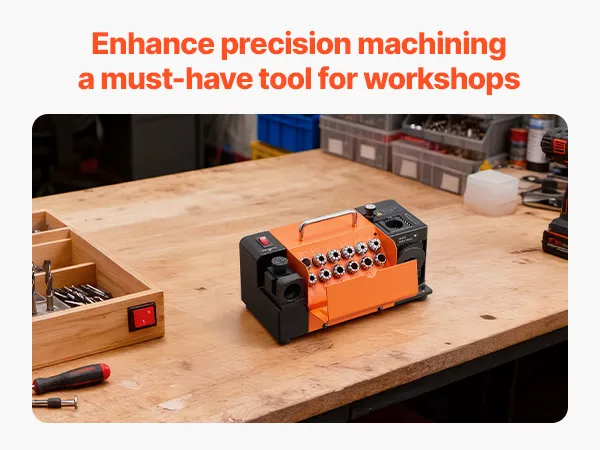
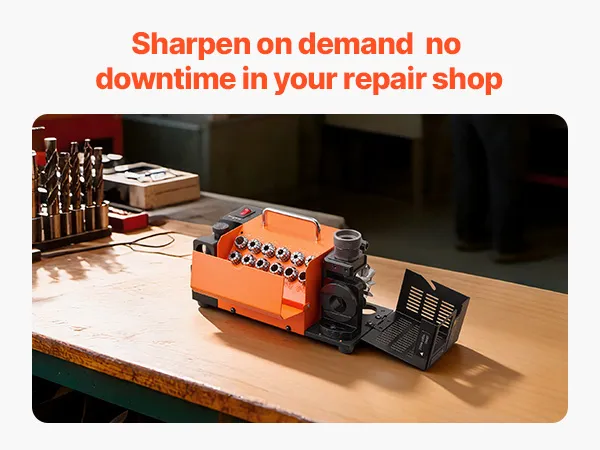
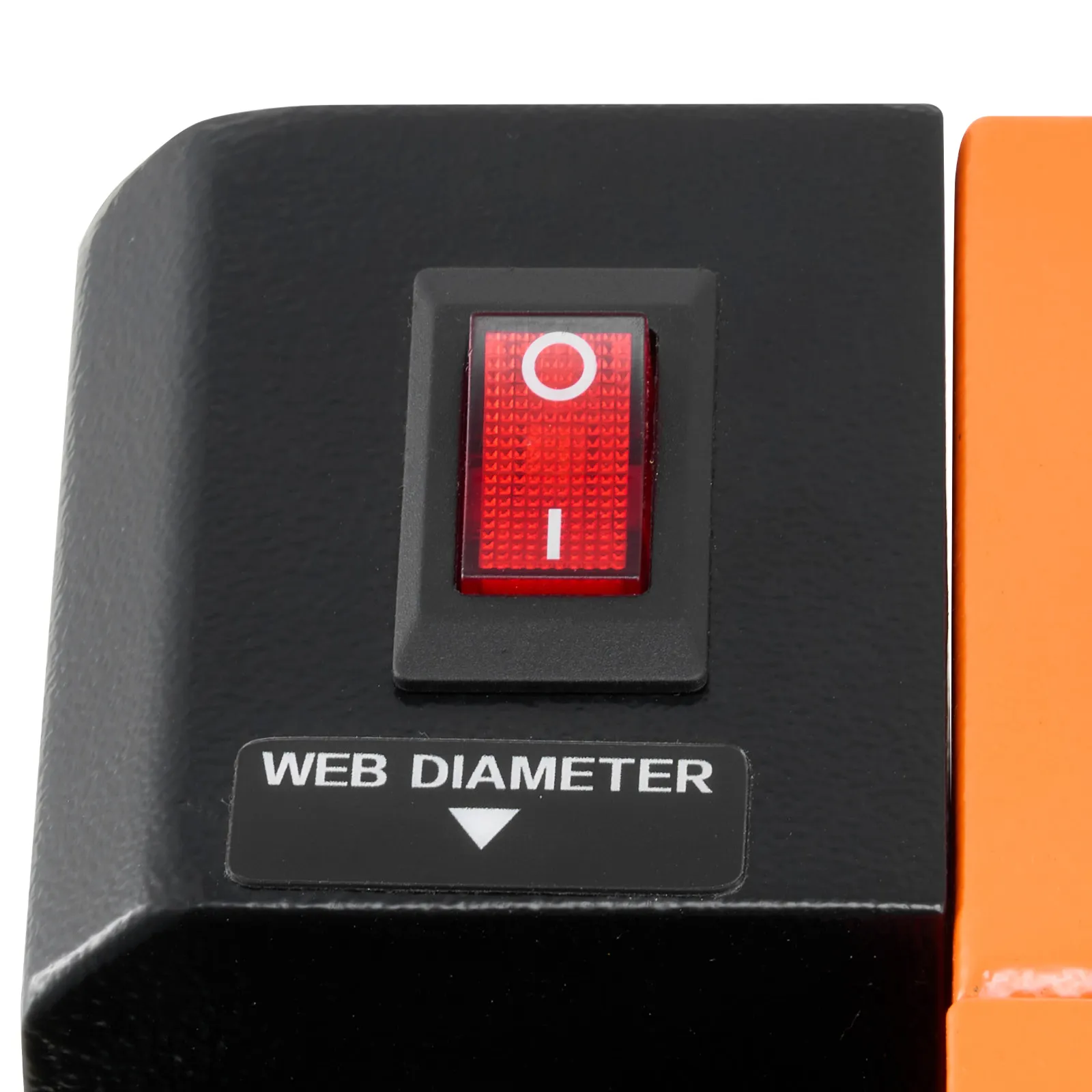
4600 RPM Motor Delivers Industrial-Grade Drill Bits Sharpener Performance
The VEVOR MR-13B drill bits sharpener has a powerful 4600 RPM motor that quickly removes material while limiting heat at the tip. This rotational speed is well within the professional range, providing consistent grinding contact that restores cutting geometry in seconds rather than minutes. Both factory technicians and garage machinists need the motor to remain stable at this RPM to prevent micro-fractures from forming along the flute edge.
The grinding cycle is short enough at 4600 RPM to keep HSS and cobalt drill bits from overheating, which can cause them to lose their temper quickly. The result is a bit that has been re-sharpened and still has the same hardness rating. This speed-to-heat balance directly lowers bit replacement costs and downtime for production environments that run multiple sharpening cycles per shift.
3–15mm Drill Bit Grinder Handles the Full Professional Size Range
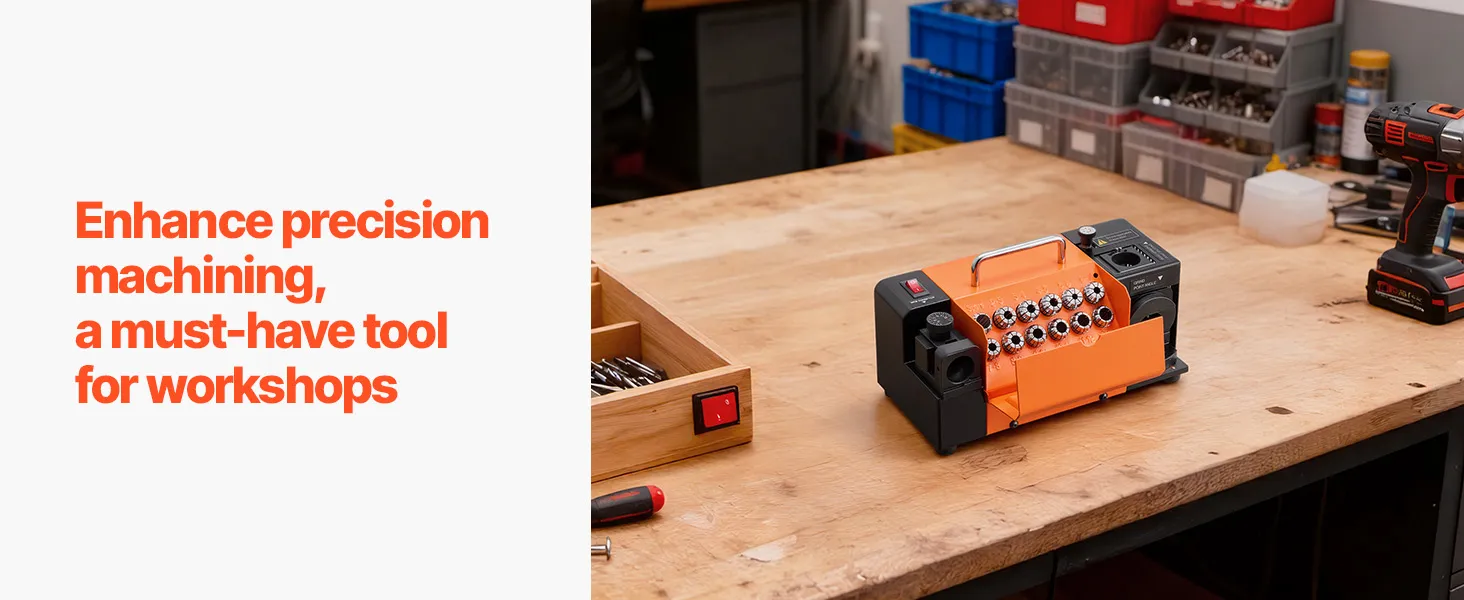
The MR-13B drill bits sharpener can handle bits with diameters from φ3mm to φ15mm, which is the exact range most often used in metalworking, woodworking, and composite drilling. With this spectrum, you don't need to have multiple dedicated machines on the same bench. Instead, you can combine all of your sharpening tasks into one small unit. 13 elastic collets can hold any size within that range without wobbling.
The unit comes with two collet sets, providing extra protection when you quickly switch between bit sizes during a session. Instead of using rigid clamp pressure, the collet system uses elastic tension. This prevents jaw marks from appearing on precision-ground shank surfaces. Shops that use both φ3mm PCB bits and φ15mm structural bits in the same workflow need this range coverage.
95°–135° Adjustable Point Angle Optimizes Cutting Geometry per Material
The drill bit grinder sharpener has a point angle that can be changed continuously from 95° to 135°. This range matches the four main types of materials used in industrial drilling. The wider 135° angle is better for removing chips from soft plastics and wood. If you get this angle wrong by even 5°, the thrust load on the spindle will be noticeably higher.
This adjustment mechanism is indexable and can be used repeatedly. For example, a technician can set it to 118° for general-purpose steel work, note the setting, and then return to it after grinding a specialty bit at a different angle. Instead of guessing, the MR-13B uses an adjustable angle setting to fix this problem.
4 Lip Relief Angle Options with Restore Cutting Clearance with Surgical Accuracy
The lip relief angle is the space behind the cutting edge that allows the bit to bite rather than rub against the workpiece. The VEVOR drill bit grinder sharpener features four lip relief angle settings that support common drill geometry settings. The main reason for glazed holes and excessive feed force in both CNC and hand-drill applications is improper lip relief.
Each of the four settings is best suited to a specific level of material hardness, from soft aluminum at high relief to stainless steel at low relief. Operators who work with a mix of materials on the same production run can re-grind bits to the right relief in less than two minutes per bit. This ability to adapt is what makes a professional drill bit sharpener different from a regular bench grinder with a makeshift jig.
Drill Bits Sharpener CBN and SDC Dual Grinding Wheels Cover All Material Hardness Classes
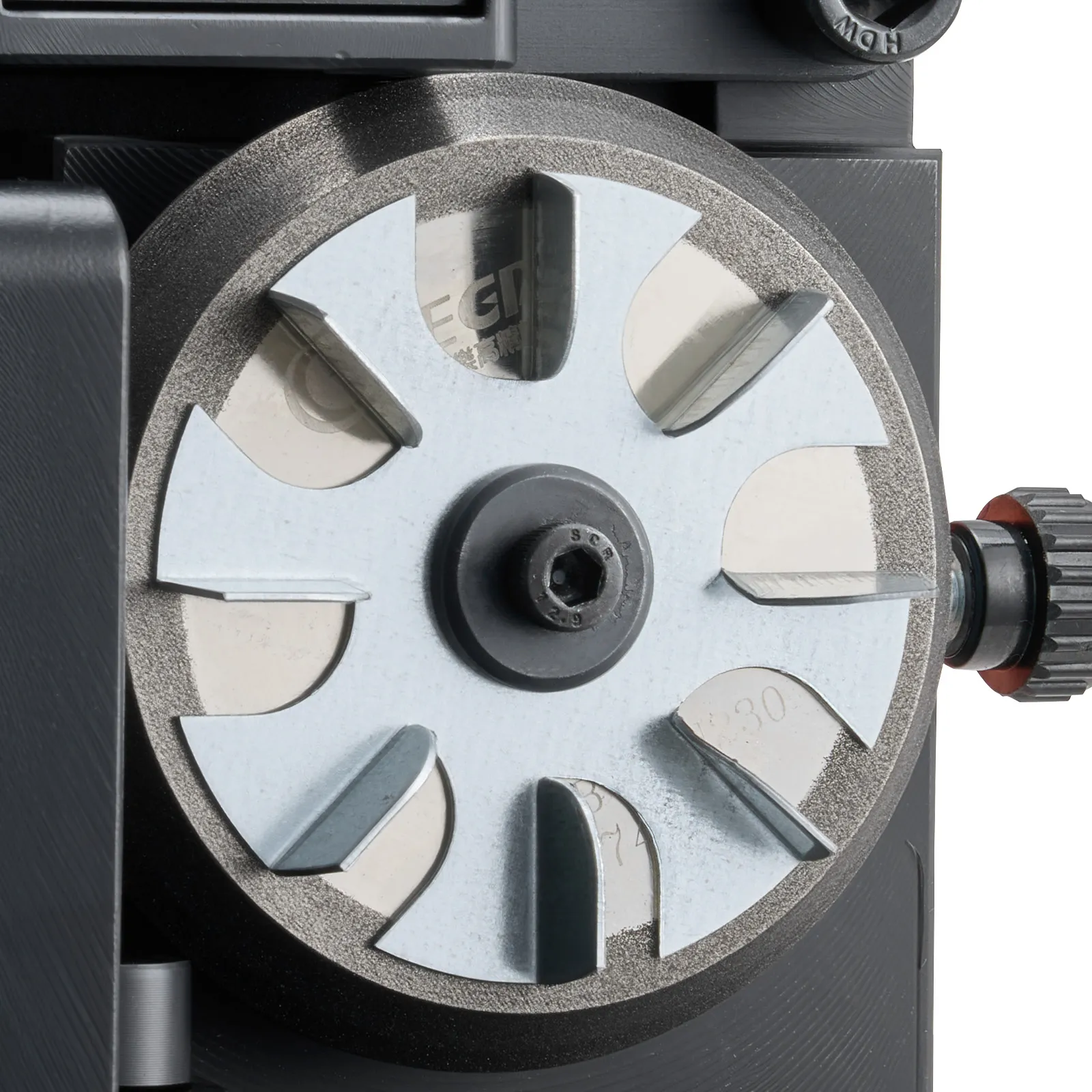
The MR-13B comes with a CBN (Cubic Boron Nitride) wheel already installed and an SDC (synthetic diamond) wheel that can be changed out. CBN is the right abrasive for ferrous metals like HSS, cobalt, and tool steel bits. It maintains the wheel's shape even under high contact pressure. SDC can handle carbide-tipped and masonry bits, which would quickly wear down a regular aluminum oxide wheel.
Shops that sharpen mixed bit inventories need to be able to swap wheels quickly and easily, which is why this design choice is so important. CBN wheels maintain their flat-face shape through thousands of sharpening cycles, ensuring the point angle setting remains accurate. When you use the wrong wheel on carbide bits, the cutting edge can chip into tiny pieces, rendering the bit useless.
High-Carbon Steel Housing Withstands Continuous Industrial Workshop Loads
This drill bits sharpener's outer chassis is made of steel, not ABS plastic or die-cast zinc that some alternatives use. The carbon-steel housing maintains its shape even when it vibrates, which is important because any chassis flex during the grinding cycle can change the angle of the point geometry. You can see a measurable difference in cutting performance even when the bit is only 0.5° out of alignment during contact.
The choice of material also affects how long it will last in a workshop. For example, carbon steel is much better at withstanding damage from dropped tools and corrosion from coolant mist than polymer alternatives. For factory use, where the sharpener stays in one place and runs multiple shifts, structural durability is a requirement for purchase, not an optional upgrade.
Portable Compact Design Moves Between Workshop Stations Without Toolbox Space Penalty
The MR-13B drill bit sharpener is made of carbon steel and features two wheels, yet it is still small enough to move between workstations without a special cart. Because it is relatively compact, one technician can carry it to where it is needed. It is useful on construction sites and in multi-bay workshops where multiple people use the sharpener. A standard 600mm-deep workbench doesn't take up much space.
Most compact sharpeners fail to find a balance between portability and rigidity. The MR-13B solves the problem with a compact steel housing, rather than a large cast housing. For people who do their own sharpening at home, this means the unit can be stored on a shelf rather than taking up permanent bench space. It makes professional-grade sharpening available without needing a large workshop.