VEVOR Solar Panel Extension Cable, 19.81M Black + 19.81M Red, 10 AWG (6 mm²), Solar Panel Wire with Female and Male Connectors, IP67 Waterproof PV Tinned Copper Wire, for Outdoor Photovoltaic Systems


- Excellent Conductivity: This solar panel extension cable uses a 100% tinned copper conductor to deliver high efficiency and low resistance power transfer. It reduces energy loss and ensures stable performance even in harsh outdoor environments
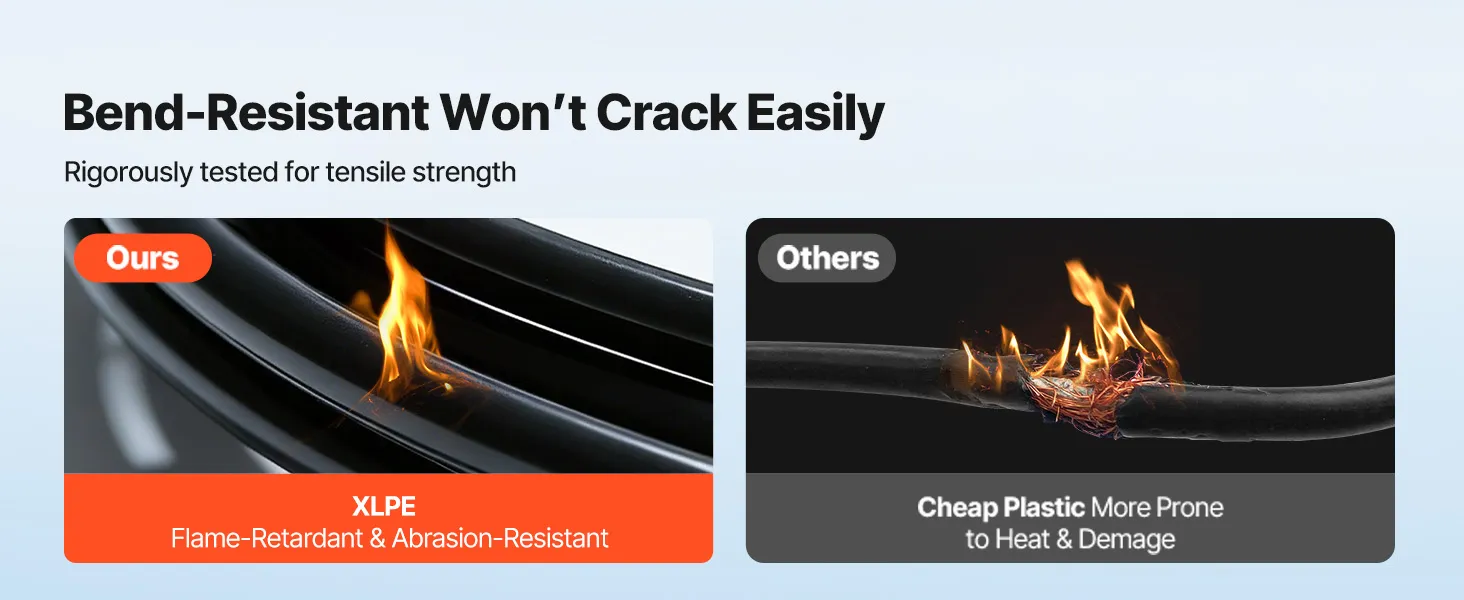
- Thick XLPE Insulation: The solar panel extension wire features a thick XLPE jacket with strong resistance to sunlight, corrosion, and high temperatures, slowing aging and ensuring over 25 years of reliable outdoor use in changing climates
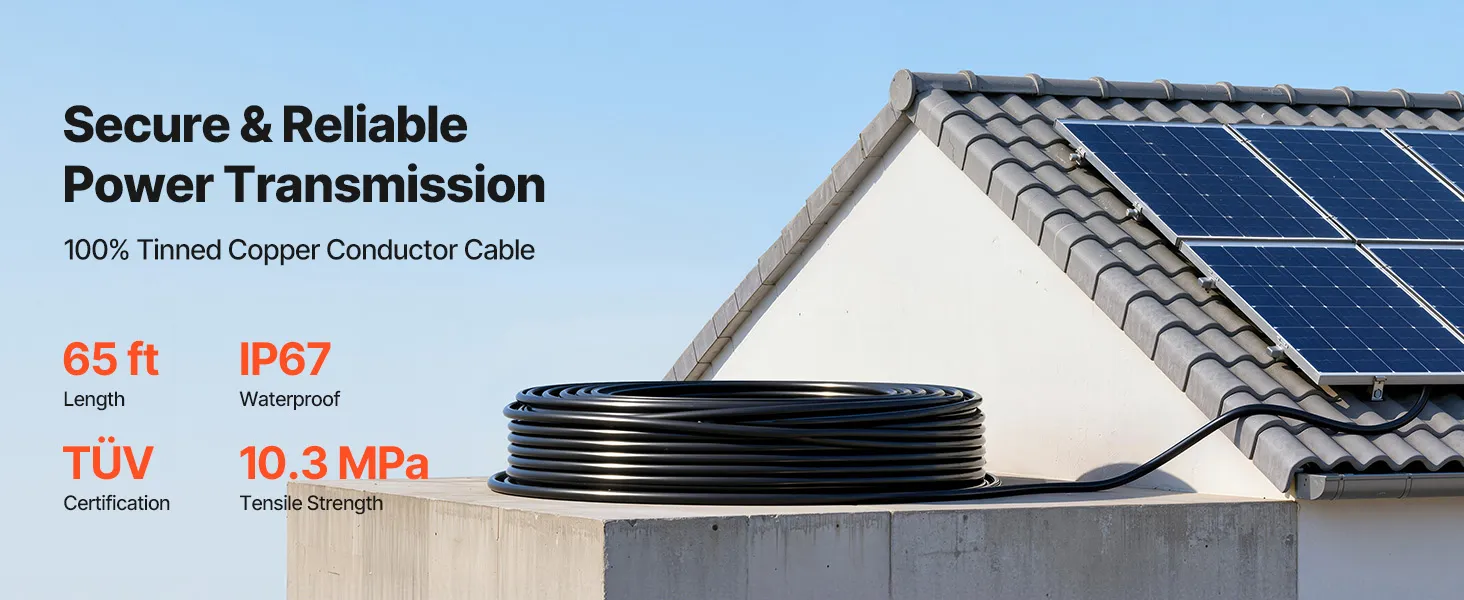
- Reliable 10AWG Cable: Tested to TÜV standard, this solar panel cable meets international security standards. It is ideal for high-power solar systems, with a 65 ft (19.81 m) length for flexible DIY installations
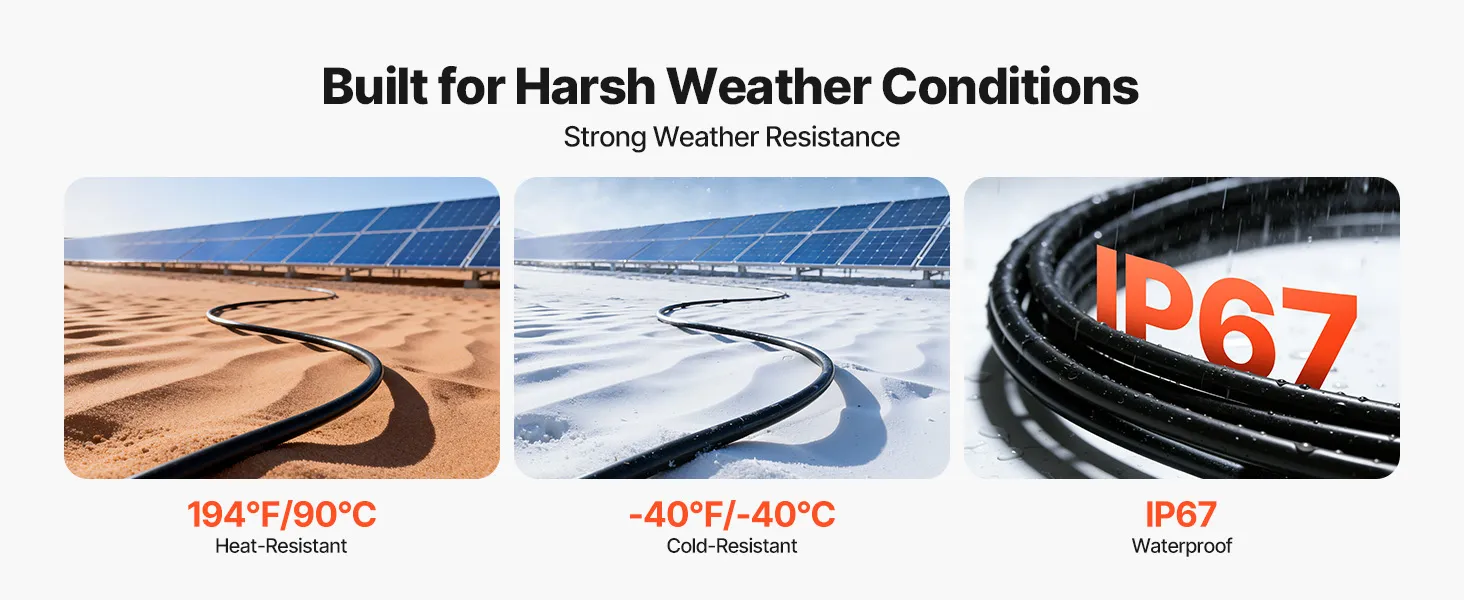
- All-Weather Reliability: This solar panel wire operates from -40°F to 194°F and is IP67 waterproof rated, ensuring stable performance in rain, snow, heat, and harsh outdoor conditions for year-round dependable power delivery
- Quick MC4 Connection: This solar panel extension cable includes one pair of male and female MC4 connectors, allowing fast, tool-free connection and disconnection with secure locking, making placement of solar panels simple and flexible
Frequently Bought Together
Reviews
About this item


10 AWG Solar Panel Extension Cable with XLPE Jacket Rated for 25+ Years of Outdoor Use
The VEVOR 10 AWG solar panel extension cable features XLPE insulation for long-term outdoor durability. This type of insulation lasts much longer outdoors than standard PVC or thermoplastic insulation because it offers excellent resistance to UV exposure, heat, and common environmental contaminants.
The XLPE crosslinking process helps the insulation remain flexible in low temperatures while resisting heat, UV exposure, and long-term cracking. The manufacturer says this cable will last 25 years or more when used outdoors. This is in line with the expected operational lifetime of the solar panel array the cable is meant to serve, so it is less likely to need replacement before the panels do.
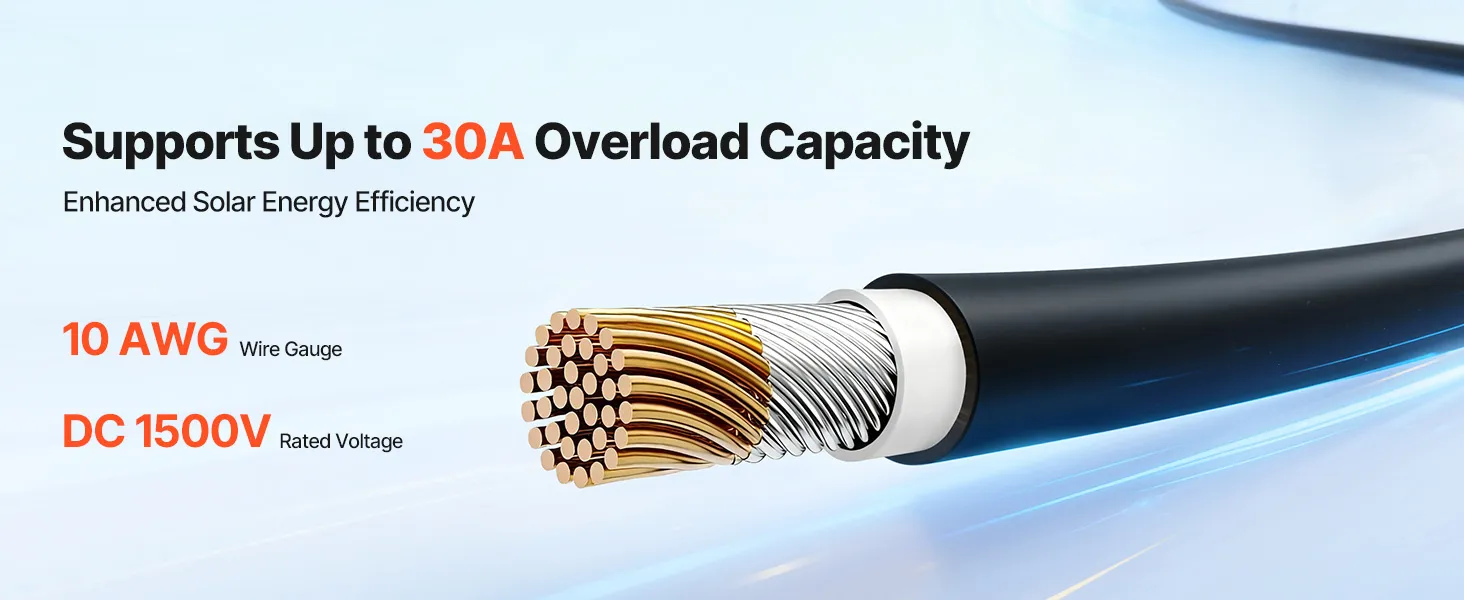
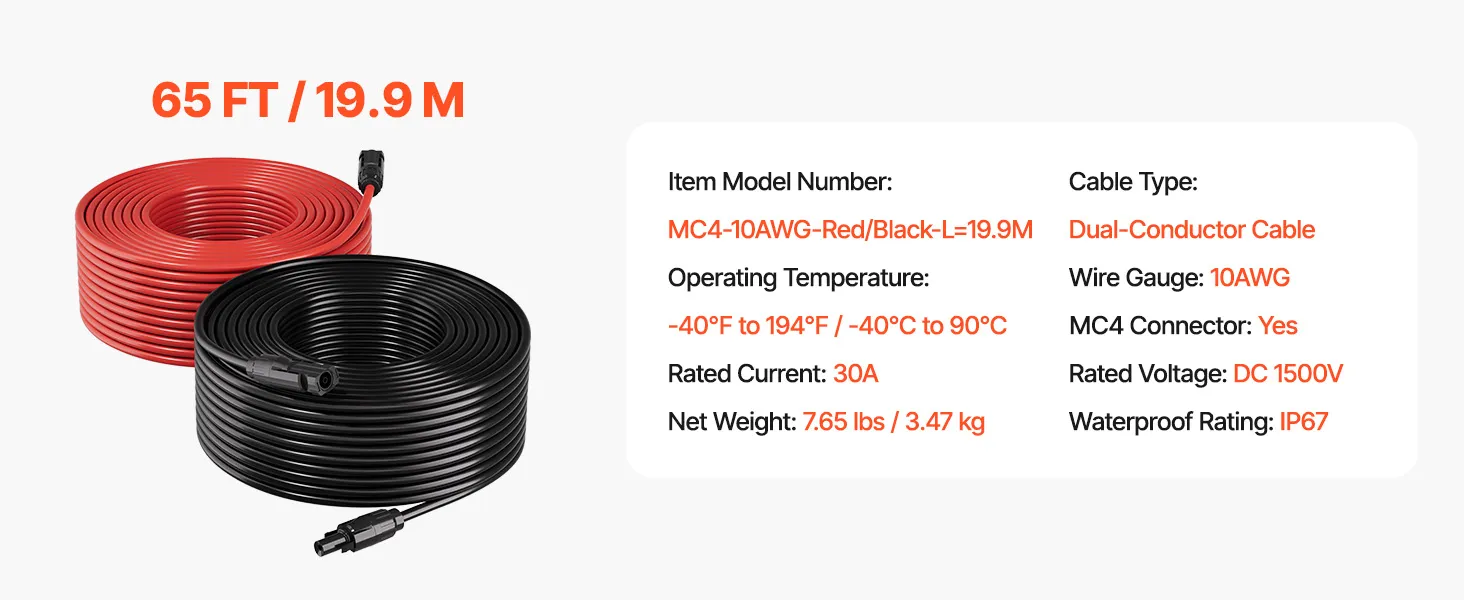
DC 1500V Rated Voltage and 30A Current Capacity for High-Power Solar System Compatibility
The cable is rated for DC 1500V, which is commonly used in large-scale residential and commercial solar PV installations. Higher-voltage solar systems reduce transmission losses over long cable runs. With a DC 1500V system voltage rating, the cable will work in high-voltage solar setups in the future. These are becoming more common in larger solar installations as panel and inverter technology improves.
The 30A-rated current capacity can handle the panel output current of modern high-wattage solar panels, such as 400W+ monocrystalline panels operating at currents of 10–12A per panel. This is especially relevant for parallel configurations where multiple strings add to the main cable run's current. The wire with a 10 AWG (6 mm²) conductor cross-section carries a 30A current, which supports safe current-carrying within its rated specifications.
-40°C to 90°C Operating Temperature Range for Year-Round All-Climate Reliability
The operating temperature range of -40°C to 90°C (-40°F to 194°F) covers the full thermal envelope for outdoor solar cable installations across all climate zones. This includes from cold winter conditions to hot outdoor environments. XLPE insulation remains flexible at lower temperatures than many standard cable materials.
The 90°C upper operating limit supports reliable performance in hot outdoor conditions. In this temperature range, a cable whose insulation starts to soften would experience faster insulation degradation. This would lower the dielectric strength of the insulation and raise the risk of ground faults over time in systems where the cable is run in contact with metal framing or other conductive surfaces.
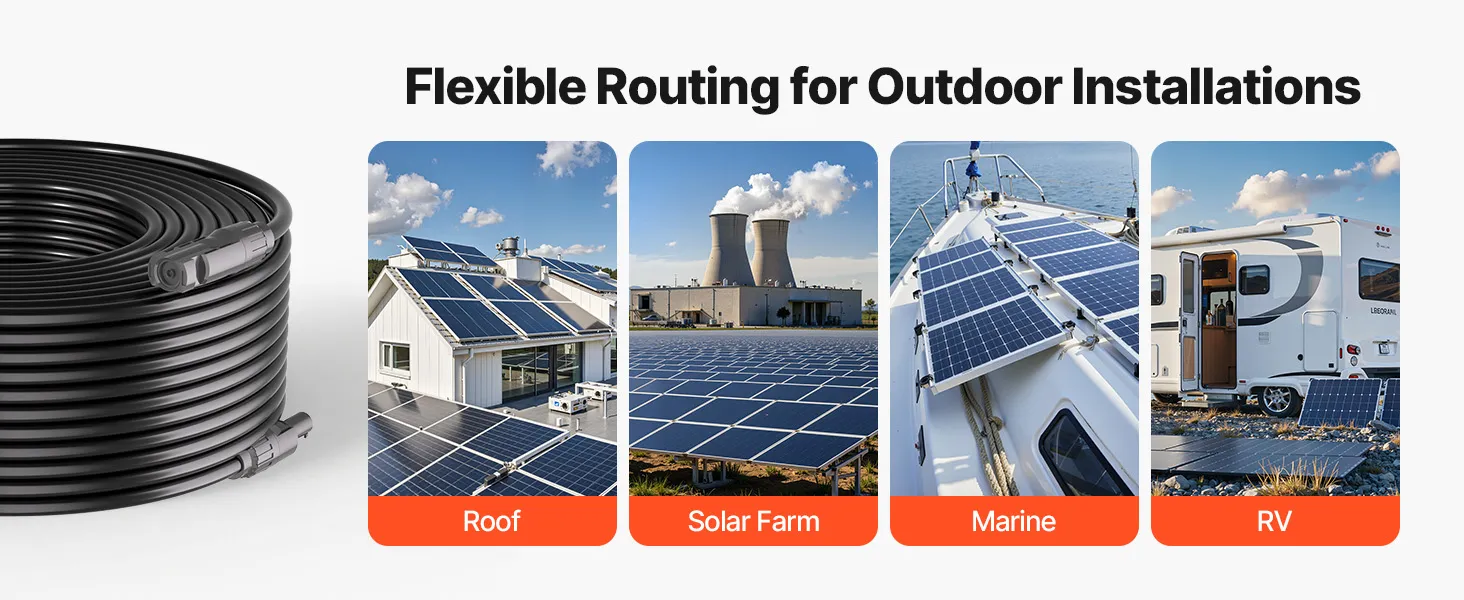
Bend and Pull Resistance for Flexible Routing Through Tight and Irregular Cable Paths
This 10 AWG solar panel extension cable's tinned copper stranded conductor and XLPE insulation make it resistant to the mechanical stresses that come with running through complicated cable paths, like bending around framing members, pulling through conduit, and making tight radius turns at panel junction boxes. They also allow the cable to move over the lifetime of the installation due to thermal expansion and contraction. If a cable cracks, kinks, or breaks under these conditions, it can damage the conductor or insulation over time.
A stranded tinned copper conductor consists of several thin copper strands rather than a single solid conductor. This gives the cable the flexibility to follow curved paths without breaking at bends, and the XLPE jacket remains intact around the bend without cracking or splitting. The flexible conductor and durable insulation simplify routing through tight spaces while helping protect the cable during installation.
10 AWG Solar Panel Extension Cable with IP67 Protection and TÜV Certification
If it rains, the IP67 rating confirms that dust cannot get in and that there is temporary water immersion resistance. This keeps rain and condensation from getting into the conductor insulation and the MC4 connector interfaces, as well as the water that pools on flat roofs and ground-mount frames during and after rain events. The IP67-rated connectors help prevent dust and temporary water ingress. This helps prevent leakage currents that can occur when water enters outdoor photovoltaic circuits with damaged or improperly rated insulation.
TÜV certification is third-party proof that this 10 AWG solar panel extension cable meets international safety and quality standards for photovoltaic cables. These standards cover factors such as conductor cross-section, insulation integrity, UV resistance, flame retardancy, and temperature performance. Installers and system owners who need to demonstrate that a component meets regulatory, grid-connection, or insurance requirements can obtain the certification proof they need from the TÜV listing without paying for separate cable testing.
Dual-Conductor 65 ft Pair for Residential, Commercial, and Off-Grid Solar Installations
The 65-foot (19.81-meter) dual-conductor pair, which includes one red positive cable and one black negative cable with identical specifications, is long enough for all types of solar installations requiring additional cable length. When installing residential rooftop systems, the extension pair connects the panel string outputs on the roof to inverters or charge controllers that are located indoors or in a utility room. This is because the normal panel output leads cannot reach these locations without extra wiring.
For commercial installations on roofs and carports, the cable runs between array sections and centralized inverter rooms are longer than standard panel lead lengths. This is because managing all the cables together needs longer cable runs than standard panel lead lengths. This cable is suitable for permanent installation in off-grid cabins, emergency power systems, and transportation solar systems, such as agricultural vehicles, remote monitoring stations, and mobile power units. Its DC 1500V rating and XLPE insulation make it suitable for all these uses without requiring different cable specifications for each system type or voltage level.