VEVOR Modified Sine Wave Inverter, 1500W, DC 12V to AC 230V Power Inverter with 2 AC Outlets 2 USB Port 1 Type-C Port 6 Spare Fuses, for Small Home Devices like Smartphone Laptop, CE FCC Certified


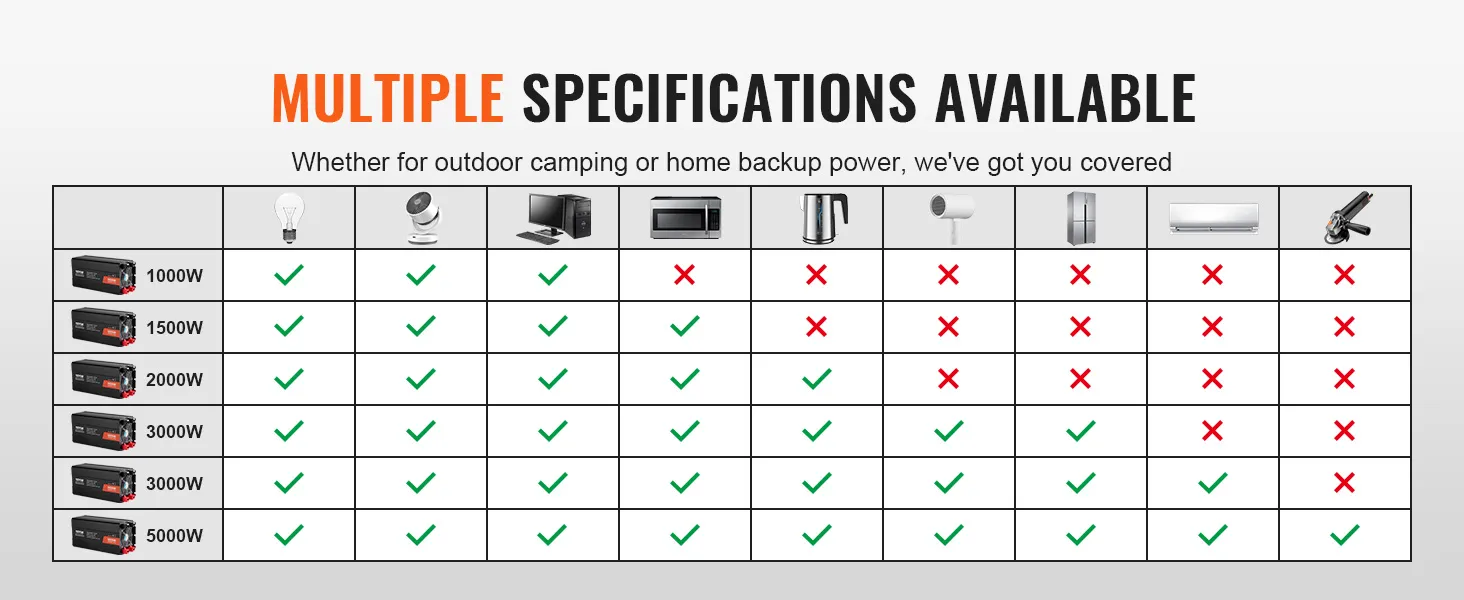
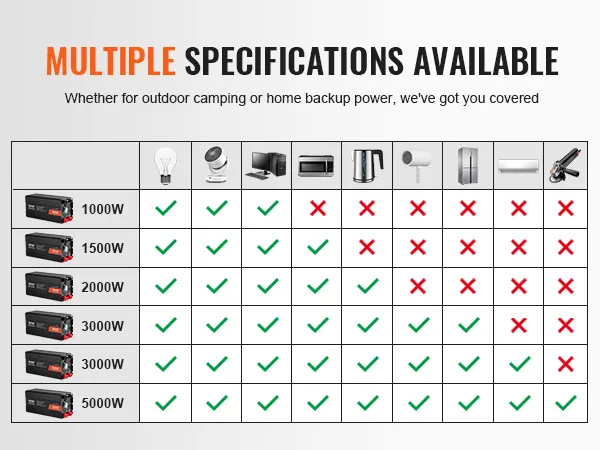
- Modified Sine Wave Power Inverter: Transform DC 12V into stable AC 230V power effortlessly. With 1500W continuous power, 3000W peak power and full load efficiency up to 88%, our power inverter is your go-to for small home devices like smartphones, rechargeable light strings, laptops, game consoles, kindles, iPads, etc. (The total power of the connected devices should not exceed the inverter’s rated power. For higher power needs, consider our high-load models.)
- Multiple Outlets, Enhanced Flexibility: Elevate your power game with our multi-outlet power inverter, designed to charge up to 5 devices at the same time. Featuring 2 AC outlets, 2 USB charging ports (with a combined maximum output of 18W), and 1 Type-C port (with a maximum output of 30W), it's the epitome of convenience and flexibility for all your power needs.
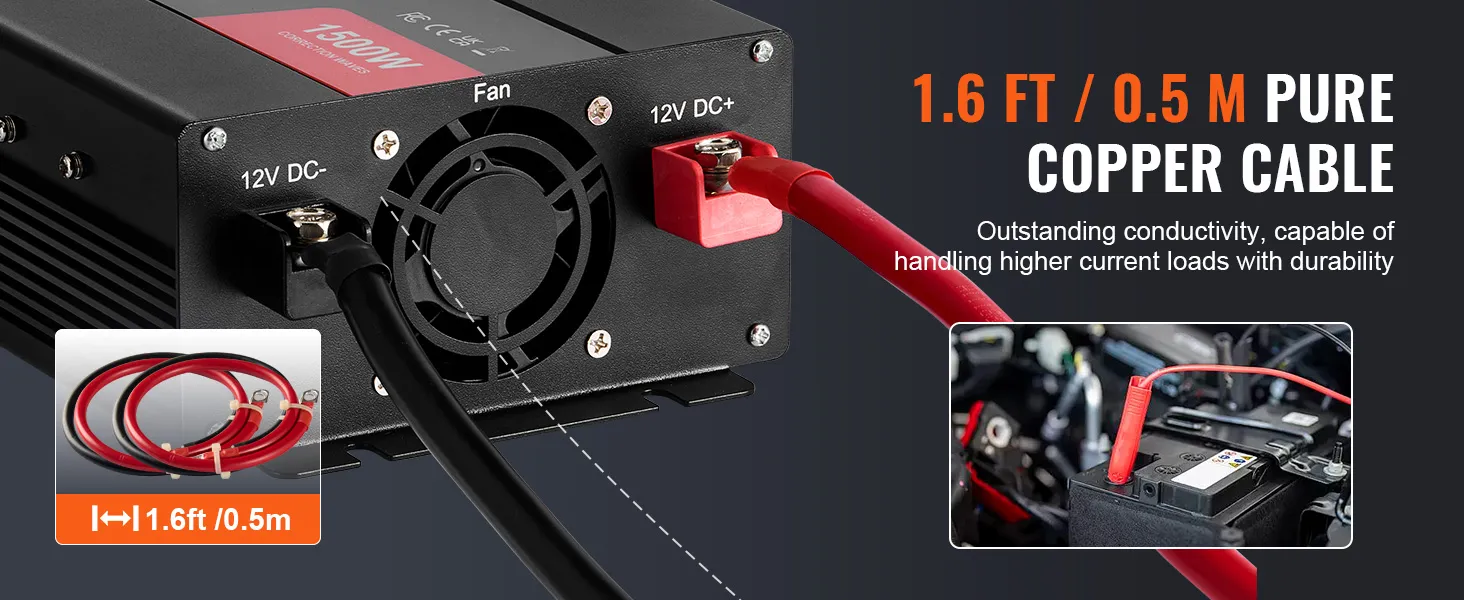
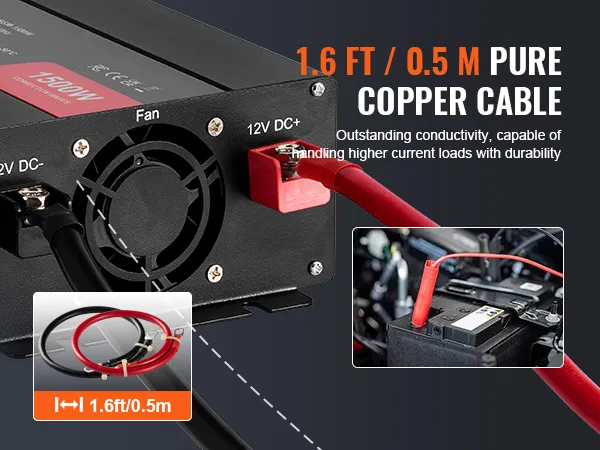
- Certified Security, Six Protections: CE/FCC certified for your peace of mind, our sine wave power inverter boasts 6-layer protections, including over voltage protection, under voltage protection, over load protection, over temperature protection, short circuit protection, and reverse polarity protection. Plus, equipped with 100% pure copper cables, our inverter minimizes power conversion loss, ensuring your devices stay powered up efficiently and safely.
- Intelligent Temperature-Controlled Fan: Ensure your equipment operates at its peak with our power inverter's intelligent temperature-controlled silent fan. When temperature exceeds 40℃/104℉, the fan automatically start running and stop working when it falls below. Aluminum alloy body aids in heat dissipation, ensuring optimal performance and reliability. Experience the peace of mind and silent operation!
- Comprehensive Accessories Package: Each inverter comes with 6 spare fuses, ensuring you're prepared for any unexpected situation, whether at home or during outdoor adventures. With these spare fuses at your disposal, you can swiftly replace them, ensuring continuous high-efficiency and secure operation of your inverter. Stay powered up wherever you go.
Frequently Bought Together
Reviews
 Mydol Garrigues
  talleres
  José Santos sc***

About this item




1500 Watt Modified Sine Wave Inverter with 88% Full Load Efficiency
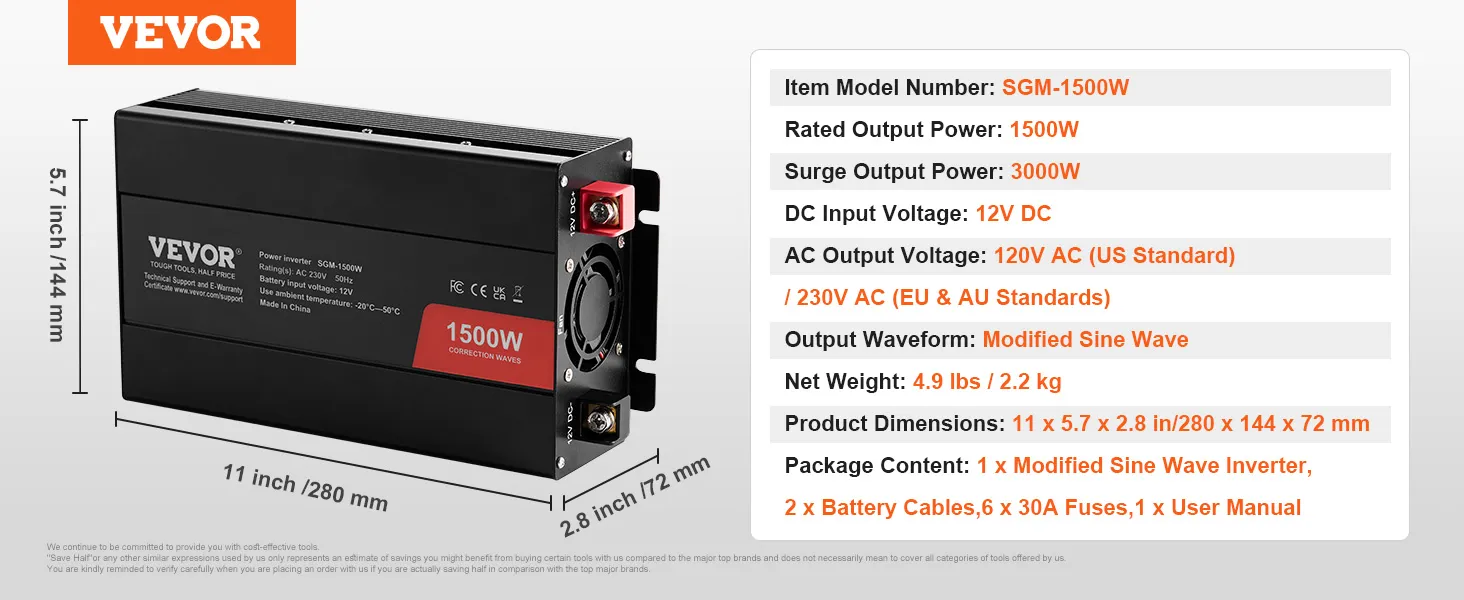
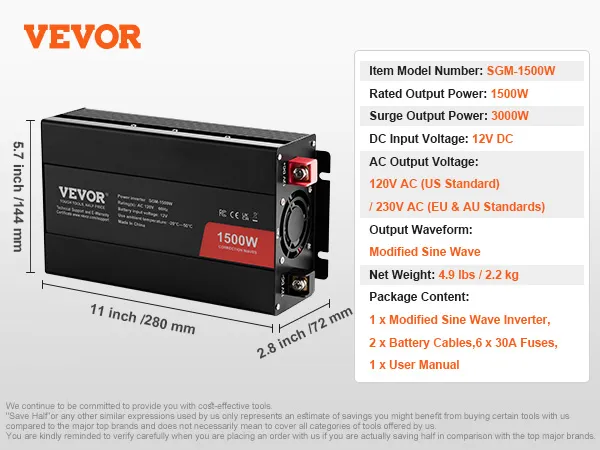
To handle initial loads from small appliances, the VEVOR 1500 watt modified sine wave inverter delivers a constant 1500W of power with a 3000W surge capacity. This inverter consistently meets daily power requirements, whether you are using a laptop, smartphone, game console, or rechargeable light string. With a full load efficiency rating of up to 88%, less energy is wasted during conversion, allowing your connected devices to draw power cleanly without needless heat buildup or battery drain.
When you rely on a 12V battery for prolonged use, efficiency is crucial. This inverter converts the maximum energy from your DC source into usable AC power with 88% efficiency. Longer run times from the same battery capacity are a direct result of this inverter. This efficiency benefit accumulates over hours of use for small household devices that run continuously, such as laptops, iPads, and Kindles. It keeps your power source running longer between charges.
12V DC to 230V AC Conversion for Stable, Consistent Power Output
This 1500 watt modified sine wave inverter converts a 12V DC input from a typical car battery or portable power source into a 230V AC output compatible with common wall-plug devices in the UK and Europe. It is a useful solution for travel, backup power, or off-grid use, since the modified sine-wave output can easily power a wide range of modest home devices. The device is small enough to put in luggage or mount inside a vehicle, measuring 280 × 144 × 72 mm and weighing 2.2 kg.
Whether you are using one device or two at once, the AC output voltage remains steady at 230V across both AC outlets. This uniformity shields delicate electronics from voltage fluctuations that could damage components or trigger shutdowns. The internal 100% pure copper cables minimize energy loss and maintain a constant output voltage even under continuous load conditions by reducing resistance during power conversion.
5-Port Charging Configuration for Concurrent Multi-Device Power
With its two AC outlets, two USB-A ports, and one Type-C port, the VEVOR 1500 watt modified sine wave inverter can charge or power up to five devices simultaneously. Modern smartphones and tablets can be fast-charged with the combined maximum output of 18W from the two USB-A ports and up to 30W from the Type-C connection alone. During travel or outdoor use, this multi-port design removes the need for additional power banks, adapters, or extension strips.
Practically speaking, you can concurrently power a tablet and two peripherals from the USB ports, run a laptop through an AC outlet, and charge a phone via the Type-C socket. Although the total connected load must remain within the 1500W rated capacity, the five-port arrangement offers significant flexibility for low-power household electronics that consume far less than that limit. Traveling families, remote workers, and outdoor campers can all benefit from a single, small device that manages multiple devices without the need to juggle adapters.
6-Layer Protection System for Safe and Reliable Inverter Operation
Overvoltage protection, undervoltage protection, overload protection, overtemperature protection, short-circuit protection, and reverse polarity protection are the six different layers of safety that this inverter incorporates. Before any harm can occur to the inverter or its linked devices, each layer automatically responds to a specific failure event. The unit is CE- and FCC-certified, attesting to its independent testing and compliance with established electrical safety requirements in both European markets.
Because faulty battery terminal connections are a common installation problem, reverse-polarity protection is especially crucial during installation. This inverter protects your car's electrical system and the device itself by instantly detecting reverse polarity and shutting down before any current flows. An essential safety measure during prolonged heavy use or in high ambient temperatures is over-temperature protection, which works in tandem with the thermal management system to shut down the inverter if internal heat rises above a safe level.
Intelligent Temperature-Controlled Fan for Sustained Peak Performance
Instead of operating constantly, this inverter's built-in fan uses a temperature-triggered control. When the interior temperature rises above 40°C, it automatically turns on, and when it falls below that point, it turns off. This method ensures the inverter stays within its safe operating range during prolonged or high-load operation while keeping noise levels low during light use when active cooling is not required. This unit is well-suited for quiet spaces like home offices or sleeping areas because of its quiet fan operation during regular use.
The longevity of an inverter is directly impacted by temperature control. Long-term heated operation leads to higher failure rates, reduced efficiency, and accelerated component wear. This inverter controls thermal load using two complementary systems: active fan cooling and a passive aluminum alloy chassis that dissipates heat over its surface area. The end result is a machine that runs consistently for extended periods without external cooling or human intervention.
1500 Watt Modified Sine Wave Inverter with Aluminum Alloy Body for Efficient Heat Dissipation
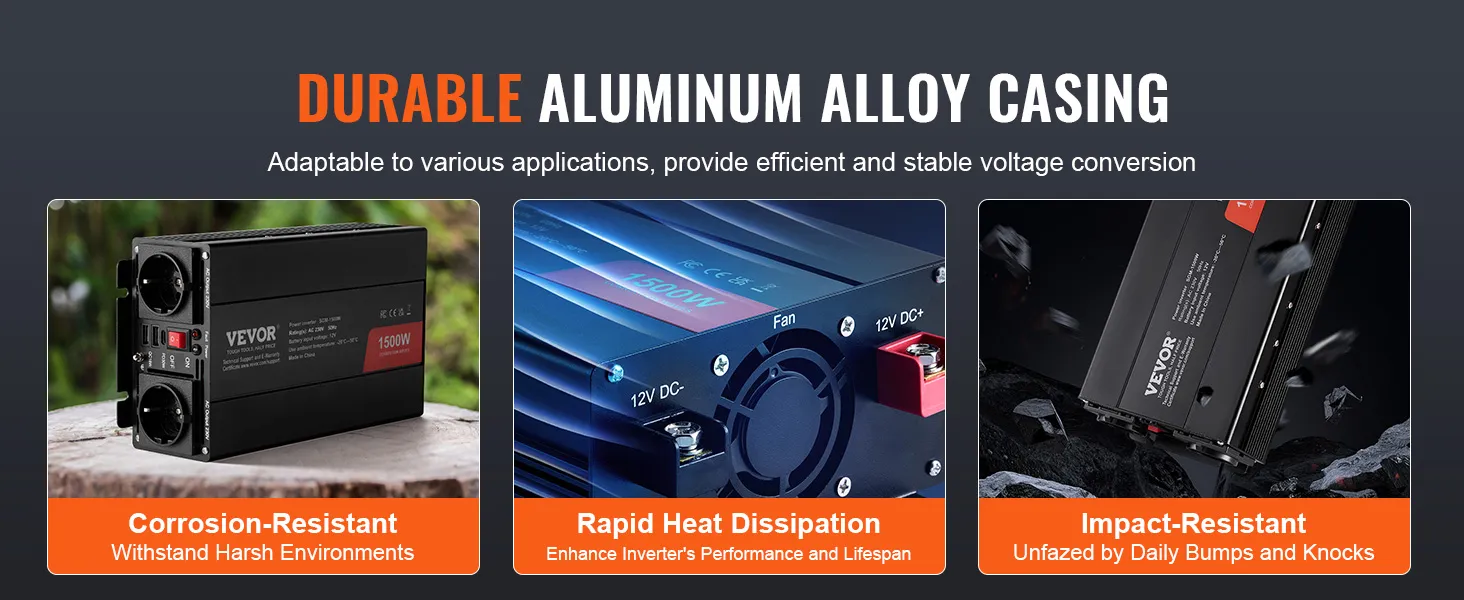
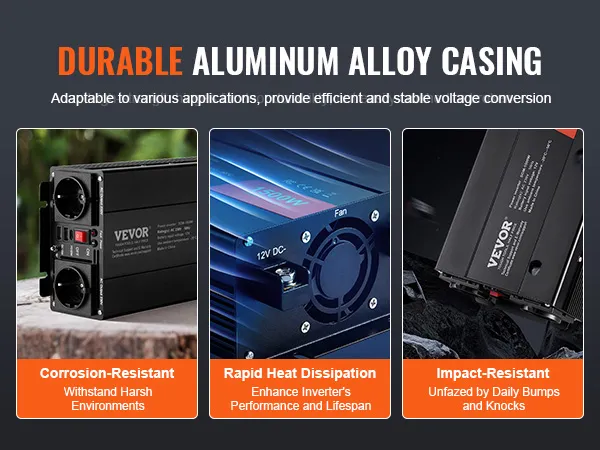
This modified sine wave inverter's aluminum alloy housing serves two purposes: it acts as a passive heat sink, drawing heat away from internal components, and it provides a rigid, impact-resistant shell that can withstand the vibration and handling demands of car or outdoor operation. Because aluminum conducts heat more efficiently than plastic, the shell helps regulate temperature even before the active fan turns on. The fan must operate less frequently and with less effort due to this passive dissipation layer.
Long-term dependability also depends on the housing's durability. In contrast to lower-grade materials, the aluminum alloy body is corrosion-resistant, withstands temperature fluctuations between cold nights and hot operating conditions, and does not deform or deteriorate under prolonged heat exposure. Six spare fuses are provided with every inverter, so if a fuse blows during a power outage, you have quick replacements on hand. This physical construction quality, when paired with the 6-layer electrical safety mechanism, ensures the inverter and associated devices remain safe even after years of consistent use.