VEVOR Vacuum Pump, 3.5 CFM 99 L/min, HVAC Single Stage Rotary Vane AC Vacuum Pump, for R134a R22 R410a Systems, 4 Pole Motor, for Automotive Air Conditioner Maintenance Resin Degassing, Oil Included

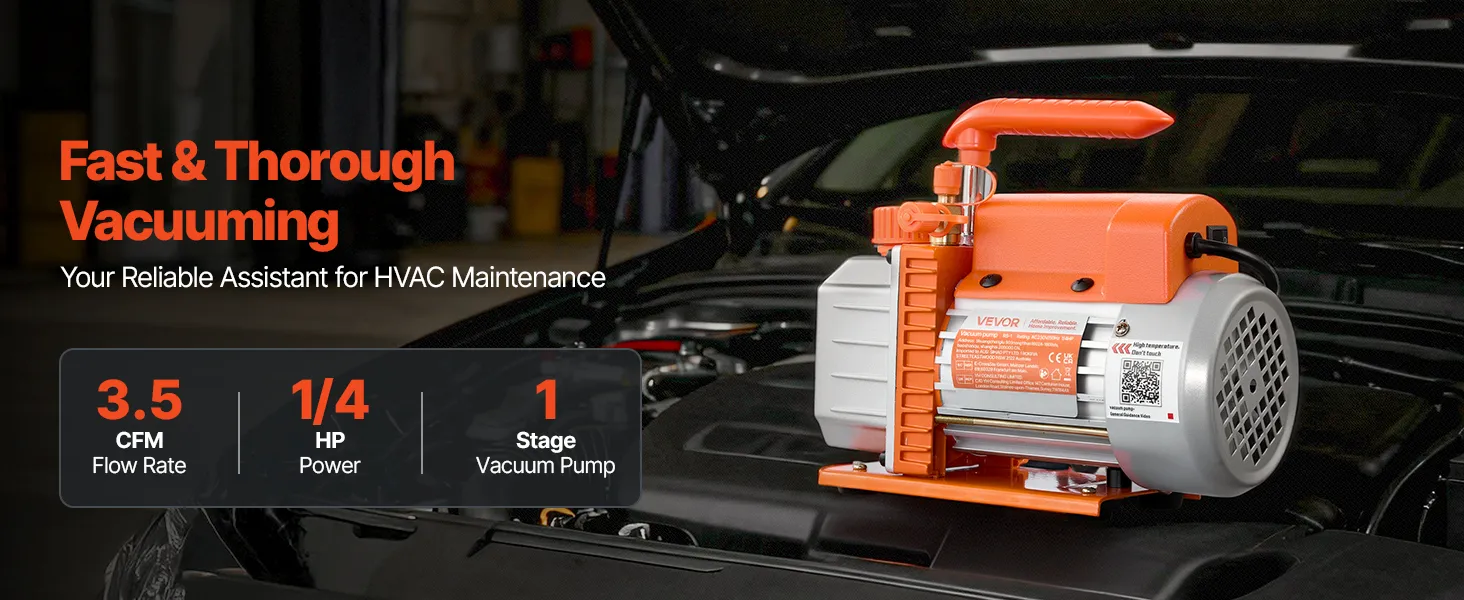
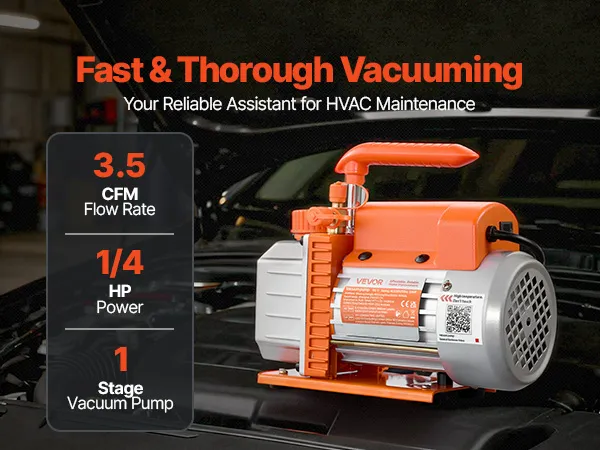
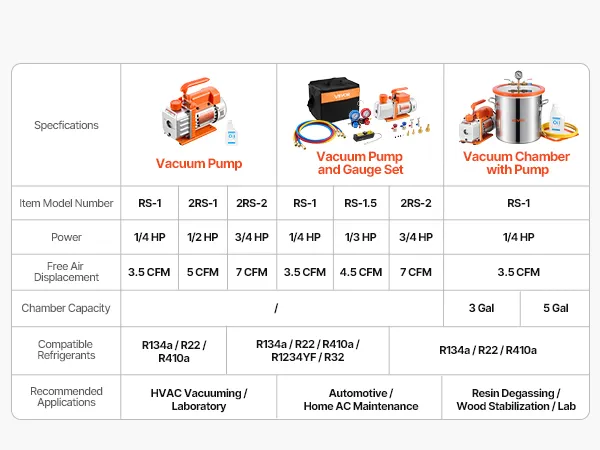
- High-Efficiency Vacuuming: This single-stage rotary vane vacuum pump features a robust 1/4 HP motor, delivering a 3.5 CFM flow rate and an ultimate vacuum of 5 Pa. Ideal for HVAC maintenance, it ensures deep cleaning and reliable results every time
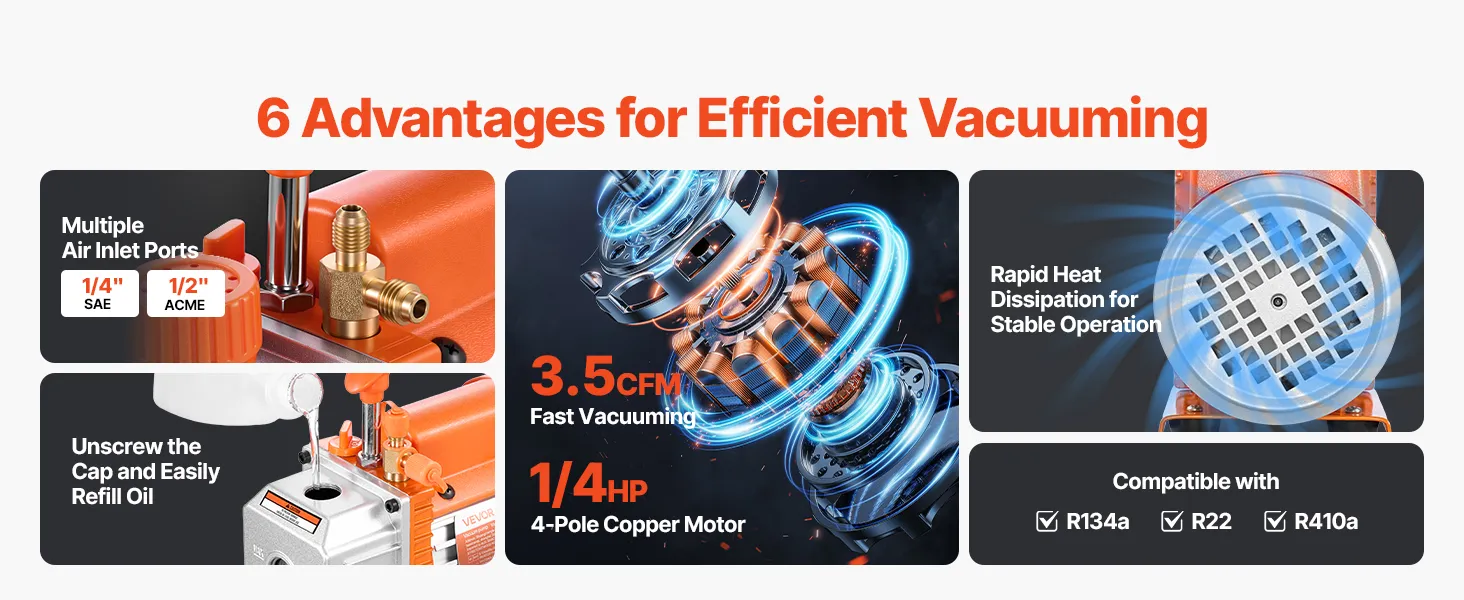
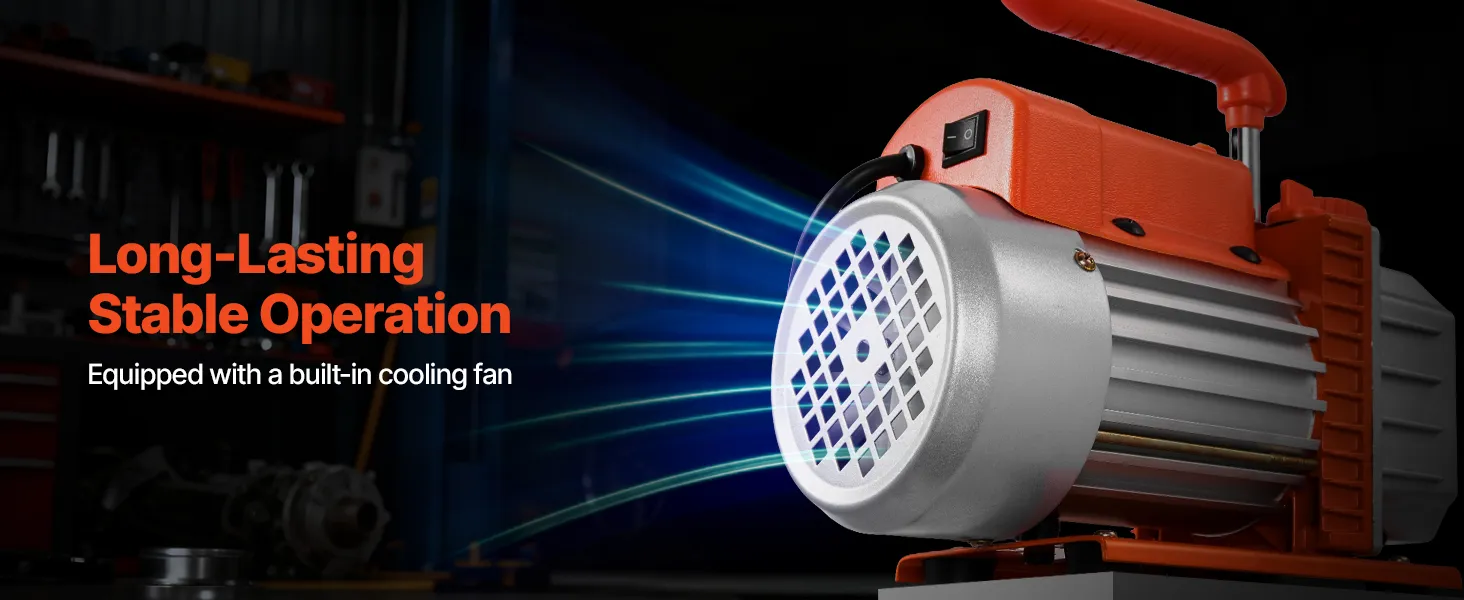
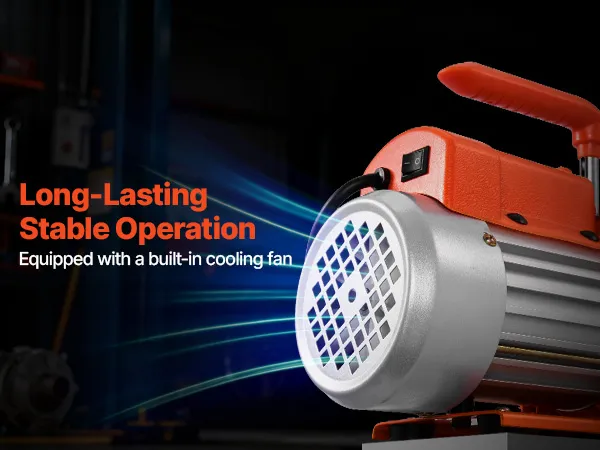
- Stable & Reliable Operation: Equipped with a 4-pole high-torque motor, this HVAC vacuum pump runs efficiently for extended periods. Its cast-iron and die-cast aluminum housing with a built-in cooling fan avoids overheating, maintaining stable performance
- Excellent Compatibility: Equipped with both 1/4-inch SAE and 1/2-inch ACME air inlet ports, this vacuum pump easily connects to automotive A/C systems and small R22, R134a, and R410a refrigerant systems
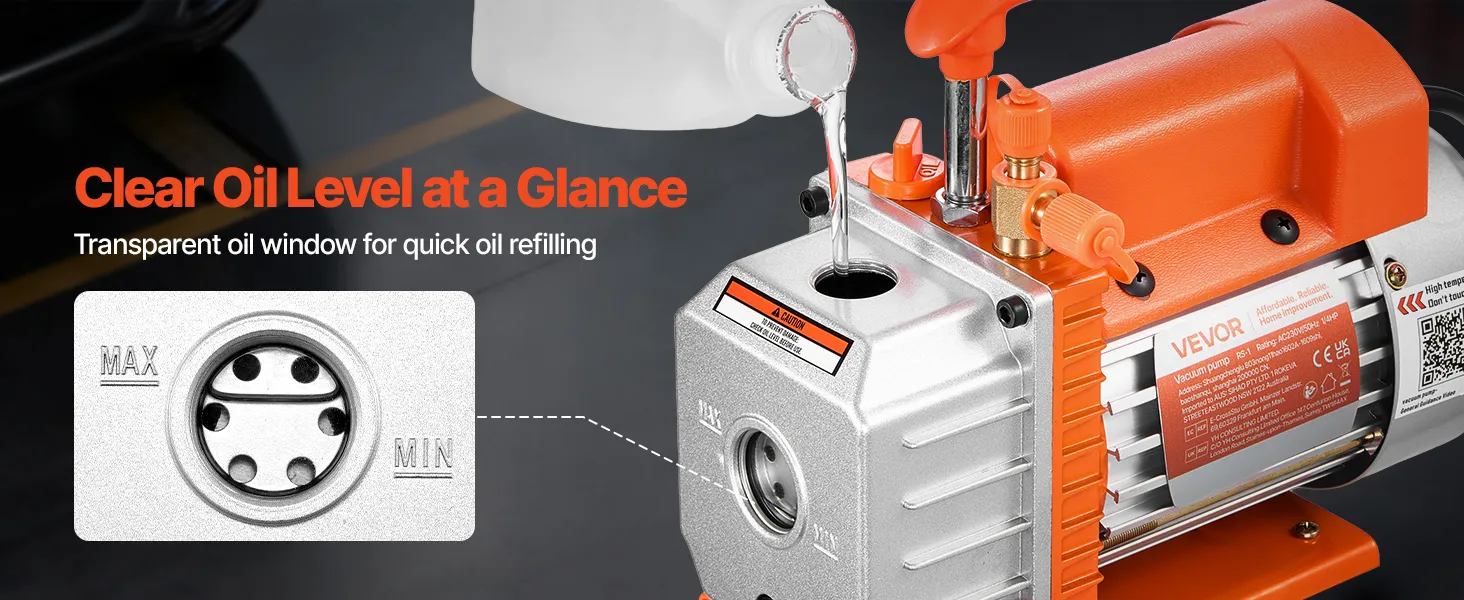
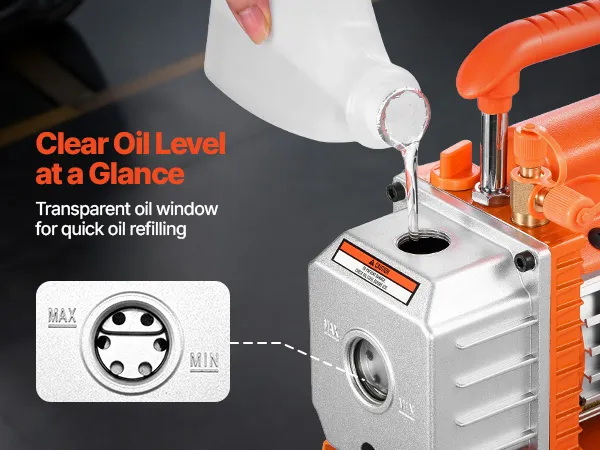
- User-Friendly Design: With a 0.21 qt. (200 ml) oil capacity and a transparent oil window, checking oil levels is simple. This air conditioning vacuum pump even includes a bottle of 0.21 qt. (200 ml) vacuum oil, so you can use it right out of the box
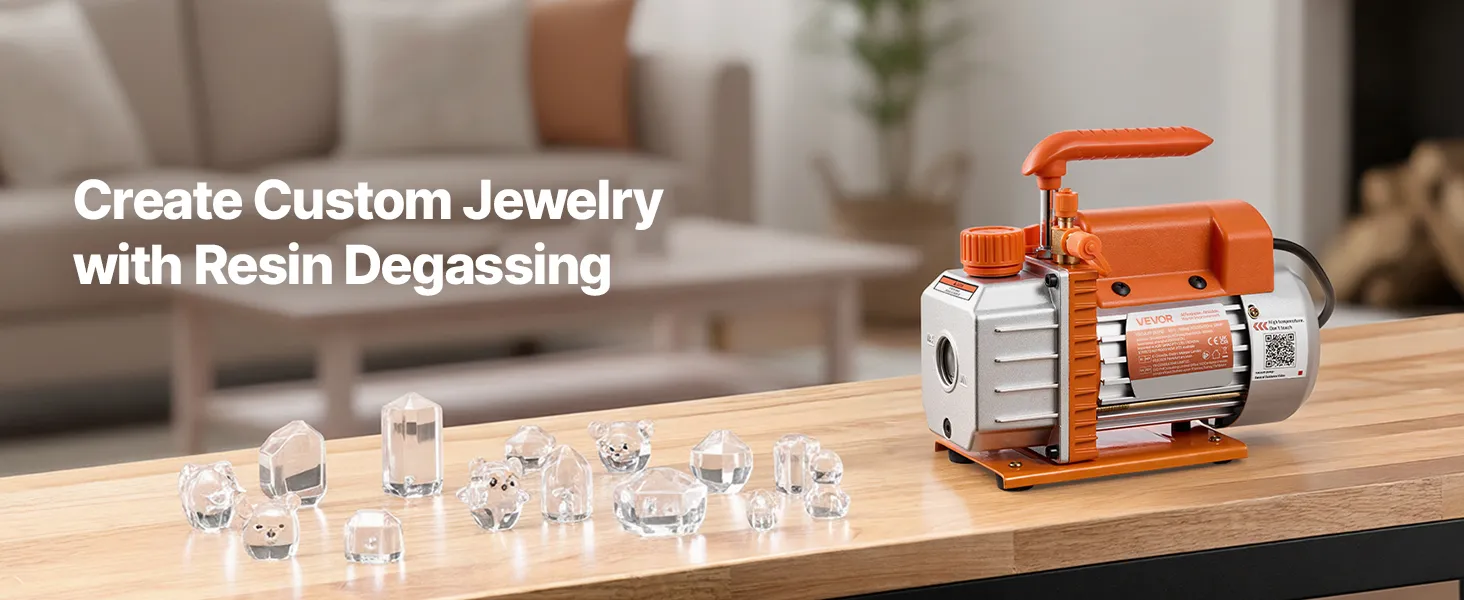
- Versatile Applications: This AC vacuum pump automotive is designed for refrigeration servicing, HVAC repair, resin degassing, and wood stabilization. It is suitable for both professional and home use and handles multiple industries and creative projects
Frequently Bought Together
Reviews
 Mike Köhler
  Du***
Du***  vergaripaolo5 Claude Boudier
 About this item







A: This pump has a flow rate of 3.5 CFM and an ultimate vacuum pressure of < 50 Pa, making it ideal for quickly evacuating home and vehicle AC systems. It far exceeds the needs of DIY users.
Q: What pipe diameters does the inlet port accommodate? Do I need to buy an additional adapter?
A: The standard inlet ports are 1/4" SAE and 1/2" ACME, covering 90% of AC hose specifications. For special connections, you can pair it with commercially available adapters (like 3/8" NPT).
Q: How loud is the pump? Will it disturb the work environment?
A: The noise level is ≤ 70 dB (comparable to normal conversation). Featuring cast aluminum housing for noise reduction, it operates quieter than similar pumps with iron casings. Fit for use in garages, workshops, or other enclosed spaces.
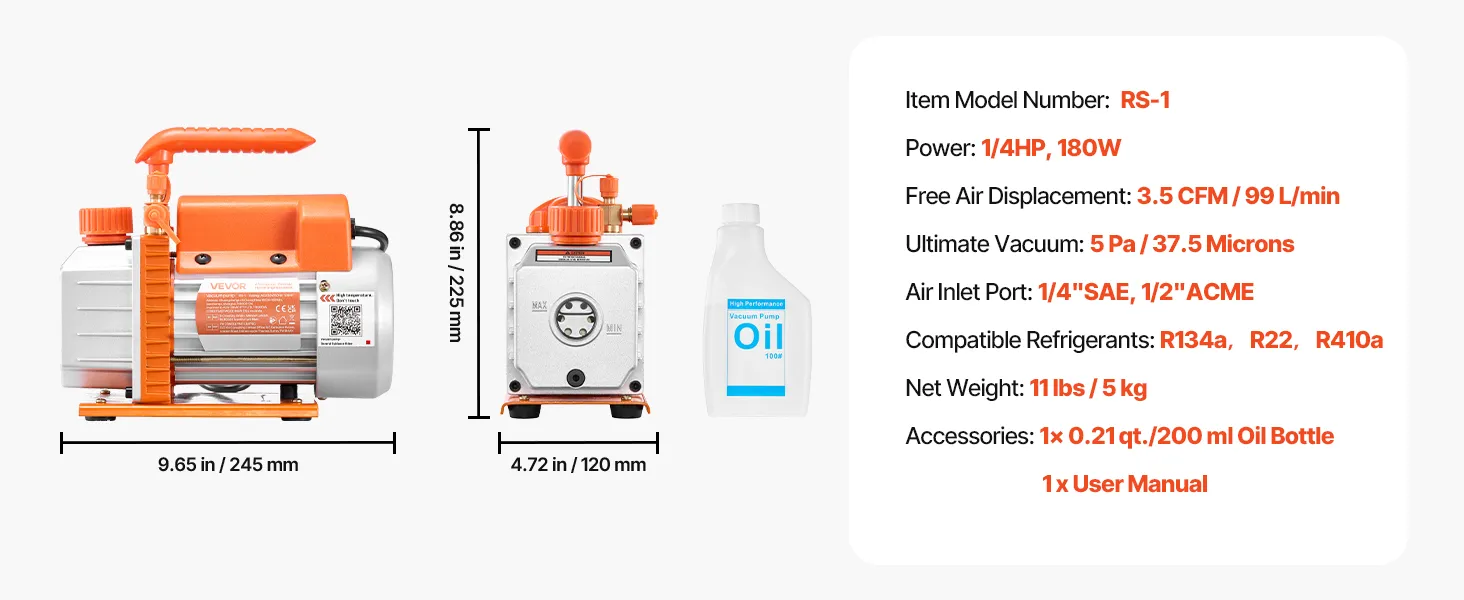
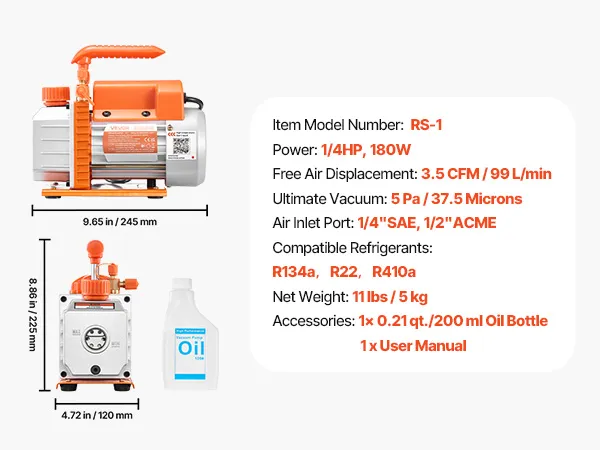
3.5 CFM Flow Rate and 5 Pa Ultimate Vacuum for the Core Evacuation Performance
The flow rate and ultimate vacuum depth are the two numbers that tell you if a vacuum pump can actually pull a system to the right level before refrigerant charge. This VEVOR HVAC air vacuum pump has a flow rate of 3.5 CFM (99 L/min) and an ultimate vacuum depth of 5 Pa. The 5 Pa floor is the most important number. HVAC evacuation standards require the system pressure to be below 500 microns (about 67 Pa) before charging.
The 3.5 CFM flow rate shows how quickly that depth is reached across different system volumes. Larger residential split systems and multi-zone setups have greater internal volume, which means that slower-running pumps require longer evacuation cycles to reach target micron levels. At 3.5 CFM, this pump moves enough air per minute to clear standard residential and light commercial systems in a reasonable time.
4-Pole High-Torque Motor Architecture Sustains Extended HVAC Air Vacuum Pump Runtime Without Overheating
A 4-pole motor configuration runs at a lower speed than a 2-pole motor configuration at the same supply frequency. It directly lowers heat generation and wear on the bearing surfaces. Lower RPM operation also means more torque at the shaft. It lets the rotary vane mechanism in this HVAC air vacuum pump maintain a steady displacement even when pumping against high initial system pressures at the start of an evacuation cycle.
The combination of cast iron and die-cast aluminum in the housing manages thermal load by having each material do its own job. The built-in cooling fan moves air over these surfaces while the pump is running, preventing heat from building up and damaging the vane tips and breaking down the oil in pumps used for back-to-back service jobs.
Dual-Port Inlet Design Connects to R134a, R22, and R410a Systems Simultaneously
The shape of the inlet port is what makes a refrigerant system work with other systems. If the port thread is wrong, there is no connection, evacuation, or service. This pump has both a 1/4-inch SAE flare port and a 1/2-inch ACME port. These are the two most common inlet standards for all active refrigerant systems in the field. The 1/4-inch SAE port works with R134a automotive systems and modern residential R410a equipment.
The 1/2-inch ACME port works with many R22 and other manifold connections without needing an adapter chain that could cause leaks in the vacuum circuit. For technicians who work on mixed fleets, like cars with air conditioning and homes with split systems, or transitional systems that use old refrigerants and newer low-GWP alternatives, having a single tool that works with all of them means they don't have to carry around multiple pumps or port adapters.
1/4 HP Motor Delivers Reliable Mechanical Output Across HVAC Maintenance and Resin Degassing Applications
This pump's 1/4 HP (about 186 W) motor rating puts it in the working tier of single-stage rotary vane units. It's suited to typical service-use demands that struggle with real system volumes and is the right size for the residential and light commercial HVAC workloads this unit is meant to handle.
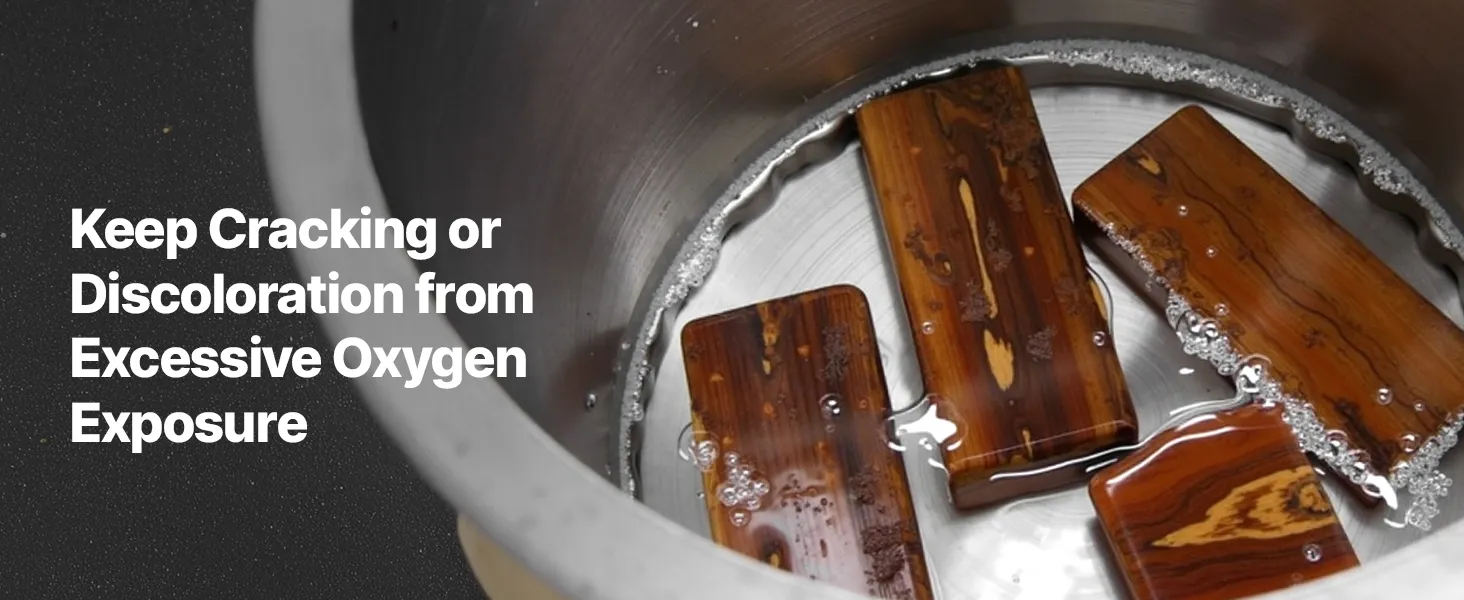
This vacuum pump has a 1/4 HP output, making it mechanically suitable for resin degassing, wood stabilization, and HVAC applications. These processes require a steady vacuum hold rather than quick volume displacement. To degas resin, you have to remove dissolved gas from thick epoxy or polyester matrices. It requires steady motor torque for 5 to 15 minutes at a time.
200ml Transparent Oil Window and Included Vacuum Oil Enable Immediate Ready-to-Run Deployment
The condition of the oil is the most important factor in how long a rotary vane vacuum pump will last. Dirty or low oil causes the vane tips to wear down, the ultimate pressure to rise, and the pump to eventually seize. This HVAC air vacuum pump features a clear oil sight window that lets you check the oil level and condition without tools, disassembly, or downtime.
The pump's displacement class matches the 0.21 qt (200 ml) oil capacity. It means the lubrication film thickness is uniform across the vane sweep arc, without the extra volume that slows thermal stabilization at startup. The included 200ml bottle of vacuum oil eliminates the first-use barrier most pump buyers face.
Single-Stage Rotary Vane Mechanism Achieves 5 Pa Depth Sufficient for Full HVAC System Evacuation
The single-stage rotary vane architecture uses eccentrically mounted vanes that spin inside a cylindrical housing to compress and release gas in a continuous, gradual sweep. This mechanism can achieve very deep vacuum levels with a simpler design than that of two-stage pumps. This feature makes it the industry-standard choice for HVAC field service, where single-stage pumps operating within their performance envelope can easily meet the 500-micron evacuation target.
The ultimate vacuum of 5 Pa this pump can reach is about 37,500 microns, which is deep enough to ensure the system is working properly and to remove moisture before adding refrigerant. Compared to piston-type vacuum pumps, the rotary vane design also makes operation smoother and less prone to vibration, reducing noise on service sites and preventing micro-vibrations from loosening manifold gauge connections during long evacuation holds.
Cast-Iron and Aluminum Housing Construction Extends the Service Life of the HVAC Air Vacuum Pump in Field Conditions
The choice of materials at the pump housing level determines how well the pump will retain its shape over time during field HVAC service, which involves repeated cycles of heating and cooling at varying temperatures, humidity levels, and workloads. The cast iron in the cylinder and vane chamber keeps the bore geometry within tolerance during these cycles.
The outer housing is made of die-cast aluminum, which keeps the assembly's weight in check and helps dissipate heat efficiently. Because of how the materials are assembled, this HVAC air vacuum pump is heavier than consumer units with plastic housings but much lighter than industrial designs with iron housings.