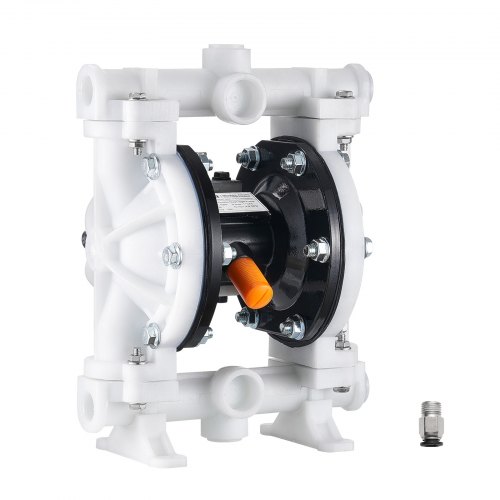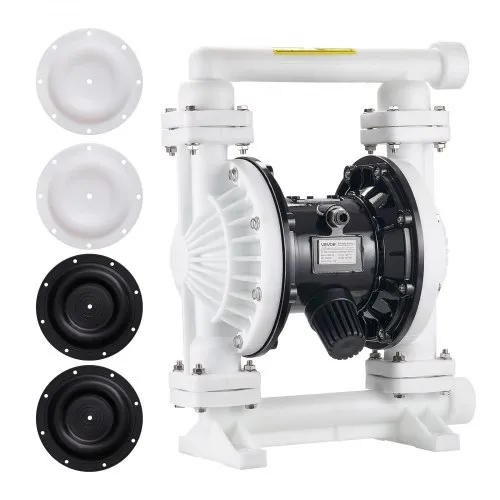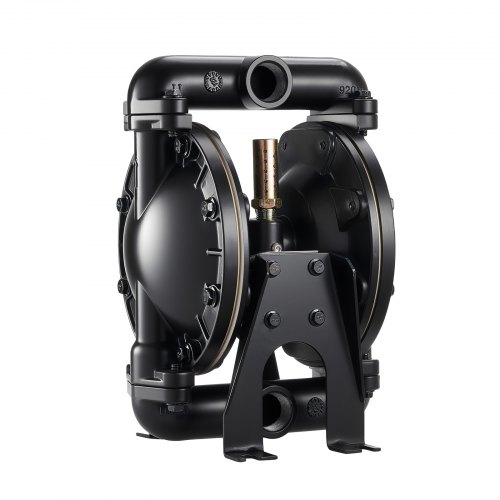


VEVOR diaphragm pumps are designed for use in automobiles, factories, and other establishments where they must be precise, robust, and able to handle a variety of liquids. VEVOR offers a wide selection of air diaphragm pumps, heavy-duty double diaphragm pumps, waste oil, and cost-effective chemical-resistant polypropylene models. In workshops, industries, farms, and service facilities, these pumps can transport petroleum products, fuel, grease, chemicals, wastewater, and low-viscosity fluids.
Do you require a pump that can transfer oil, caustic substances, or heavy liquids without becoming trapped or overheating? A diaphragm pump is designed for harsh environments where it must be dependable, self-priming, and able to run dry. These pumps are highly effective in farms, trucking enterprises, industries, and service garages. A diaphragm pump provides consistent flow, minimal maintenance, and compatibility with a wide range of fluids. It holds whether you're transporting wastewater, diesel fuel, or chemical solutions.
When choosing Diaphragm Pumps for industrial, agricultural, or automotive use, flow rate is one of the most important performance factors. Picking the right GPM output makes the workflow faster, reduces stress on the pump, and helps keep it running well for a long time. Light-duty tasks usually require 2 to 10 gallons per minute (GPM), while heavy industrial tasks may require 20 to 150 GPM to keep oil, wastewater, or chemicals moving continuously. Choosing a pump with the right flow rate prevents energy waste and ensures consistent performance, regardless of working conditions.
An air-operated diaphragm pump is often used for fuel handling and mobile refueling operations because it maintains a steady flow even as fluid viscosity changes. These pumps can also run dry, which is great for emptying barrels, waste oil tanks, or fuel totes where the suction levels change. They are especially useful in dangerous places because they don't spark.
A double diaphragm pump has two chambers, making it well-suited for chemical processing, wastewater systems, and large-scale production. It reduces pulsation, stabilizes operations, and protects downstream equipment from sudden pressure spikes. Smooth flow also prevents foaming and agitation in sensitive or reactive fluids.
An electric diaphragm pump provides stable PSI and controlled liquid distribution for precise tasks like watering plants in a greenhouse, mixing detergent, and spraying crops. Electric models are best when you need a steady flow to ensure even coverage and avoid too much water. Choosing the right GPM makes sure that diaphragm pumps work well in both small and large settings.
The way you set up your system directly affects how well Diaphragm Pumps perform. To keep the flow going, the inlet diameter, hose length, and pressure levels must all match the pump's specifications. Most pumps work best with fittings ranging from 1/2 to 2 inches in size, depending on how much they need to move. Hoses that are too small can limit flow, and lines that are too big can make suction less stable. Putting the right parts together ensures performance stays the same.
To work properly, pneumatic models need the right air supply. An air-operated diaphragm pump needs clean, controlled air with a steady PSI to keep working. Moisture traps, filters, and pressure regulators keep the internal components safe and prevent sudden drops that could harm GPM performance. For long-term reliability, it's important to keep the air lines clean.
A double diaphragm pump is well-suited for heavy-duty industrial applications because each diaphragm shares the load, which extends pump life. The pump can handle abrasive or corrosive fluids used in refineries, processing plants, and wastewater operations due to its design. Choosing the right diaphragm material, like nitrile for oils, Santoprene for general chemicals, or PTFE for aggressive agents, will make it last longer and work better with other parts.
An electric diaphragm pump is useful for tasks that require precise pressure output, such as dosing, cleaning, or spraying. Ensuring the voltage and power supply are correct keeps the flow steady and prevents overheating. When set up correctly, diaphragm pumps work better, run more smoothly, and need less maintenance.
Choosing the right type of Diaphragm Pumps is important to ensure they last and are safe for each job. A double diaphragm pump is needed in automotive and maintenance shops that move waste oil, coolants, or hydraulic fluids because it provides strong suction lift and can move thick liquids without getting stuck. Dual diaphragms take some of the stress off parts, which makes them work reliably every day.
An electric diaphragm pump is highly accurate for handling fertilizers, pesticides, and water in farming settings. Their quiet operation and steady pressure make them perfect for use in greenhouses, irrigation systems, and sprayers. Electric models also reduce chemical waste by providing more accurate flow in sensitive applications.
Air diaphragm pumps are common in factories because they pose no electrical risk when handling volatile liquids such as paints, solvents, alcohols, and resin-based solutions. Pneumatic pumps also work well with suspended solids, which is helpful for dyes, adhesives, and slurry mixtures. They can self-prime and run dry, making them well-suited for high-frequency applications.
Diaphragm pumps are used by trucking depots, fleet maintenance centers, and industrial service garages to move diesel, DEF, coolants, and lubricants. The pumps work well because they can self-prime and work with a wide range of fluids. Matching the pump type to the fluid's properties ensures stable output, higher efficiency, and longer pump life.
The material of the pump is very important for how well Diaphragm Pumps work with fluids that are corrosive, abrasive, or very hot. Aluminum housings work well with petroleum-based liquids, polypropylene is resistant to acids and detergents, and stainless steel is the strongest material for abrasive slurries. Additional features that extend the product's life include self-priming, replaceable diaphragms, and protection against running dry. Choosing the right materials and features for an air diaphragm pump, double diaphragm pump, or electric model ensures reliable, long-lasting fluid transfer.
Because of their robust flow, chemical resistance, and dependability, VEVOR's diaphragm pumps are ideal for workshops, plants, farms, and moving fuel. Our pumps are available in pneumatic and electric configurations, with models for wastewater, chemicals, oil, and diesel. They are long-lasting and offer excellent value. To get the diaphragm pumps that work best for moving fluids, browse the entire collection today, compare features, and click on any product page.