
Download VEVOR App 

Exclusive 5,00€ off for your first three orders on the App.
Scan the QR code to download
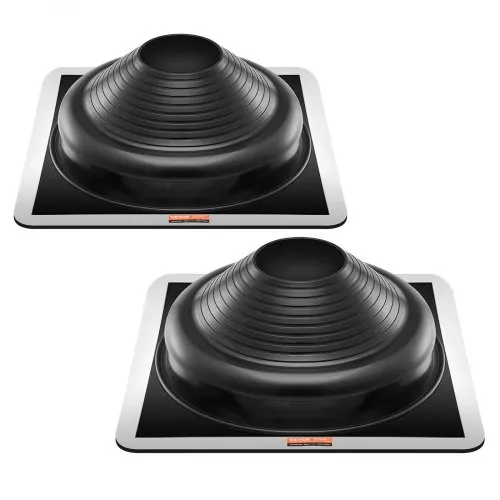
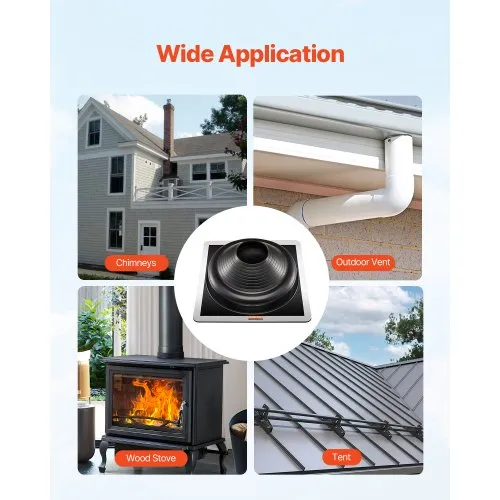
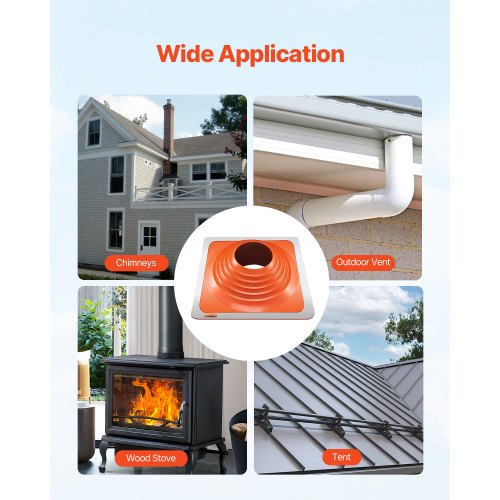
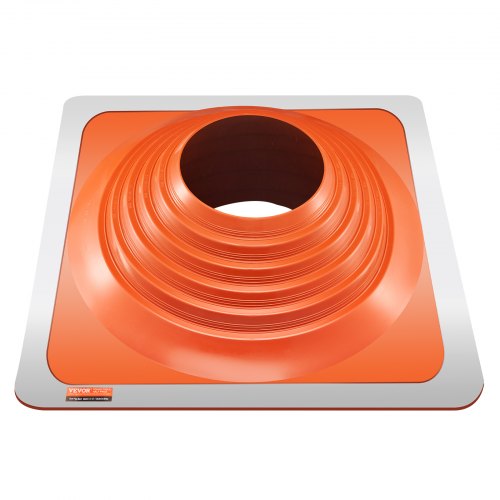
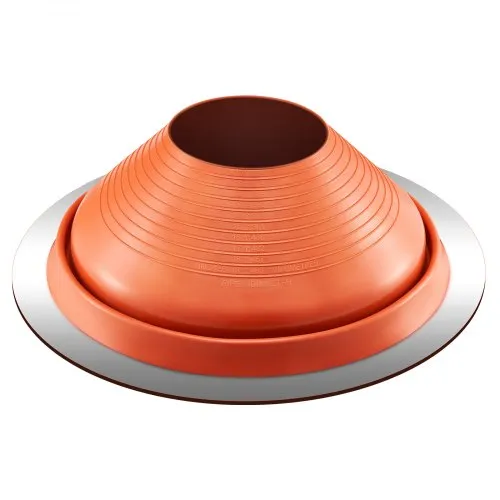
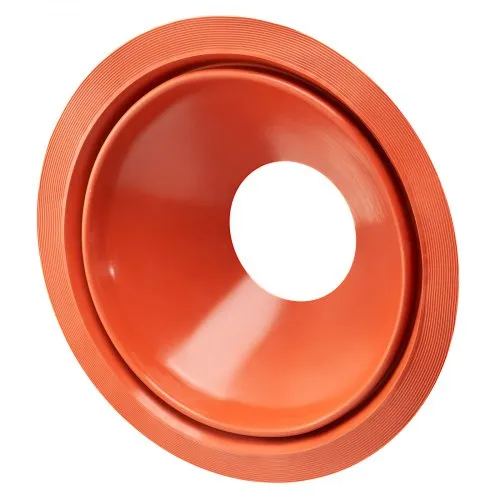
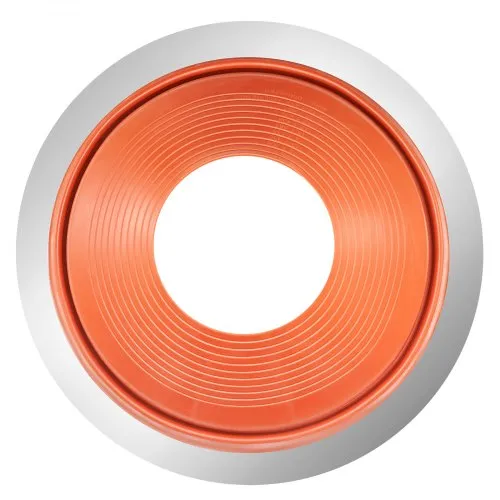
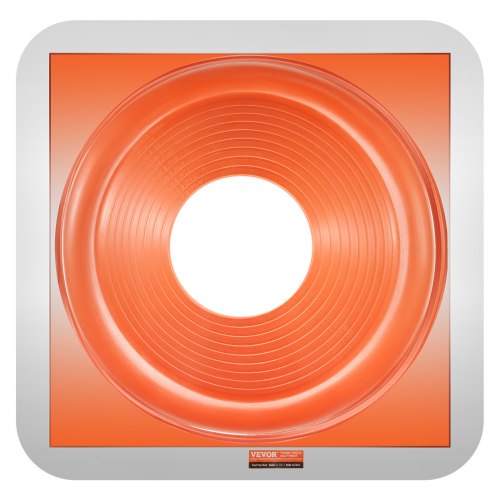
VEVOR's vent pipe flashings are designed to fit snugly around chimneys, ventilation stacks, furnace vents, and stove exhausts, keeping them dry and safe. These vent pipe flashings are available in silicone or EPDM and feature flexible bases that fit various roof types. Vent pipe flashings can withstand extreme temperatures, shifting rooflines, and year-round exposure to the elements. Choose long-term protection that fits your roof structure and pipe diameter needs.
Are you looking for a roof solution that can handle changes in pipe diameter, uneven shingle textures, or very hot air from furnace or stove exhaust lines? VEVOR vent pipe flashings are made of strong silicone or EPDM boots and feature reinforced metal bases that fit tightly to the roof. Vent pipe flashings help prevent leaks, resist weathering, and make installation easier for homeowners and professionals alike.
To choose the right flashing, you need to know how the pipe diameter, roof slope, and temperature affect its performance. This section examines those factors and why vent pipe flashings are important.
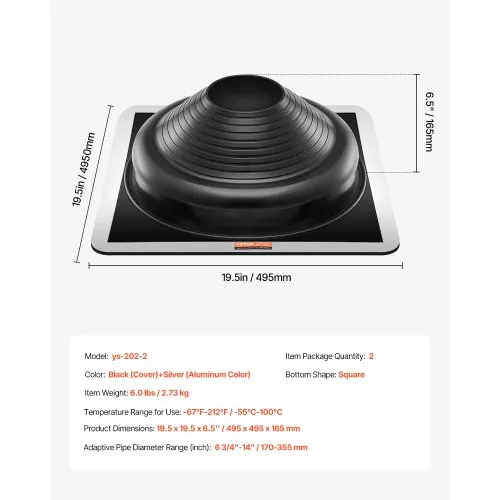
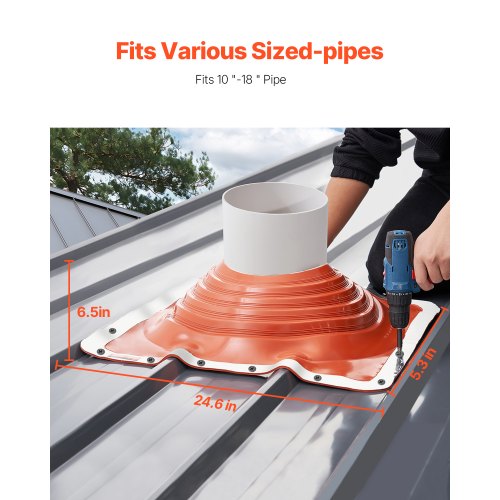
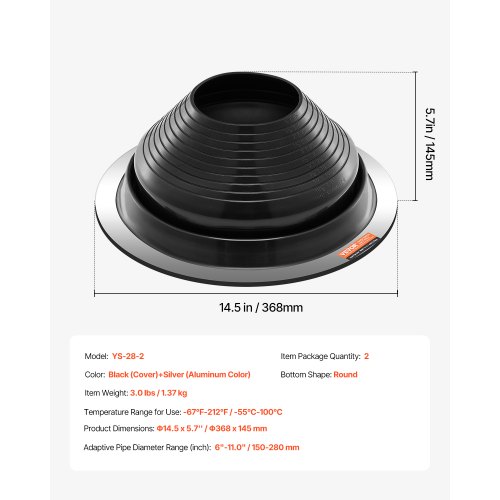
When the flashing is the right size, it will fit tightly around your vent without overstressing the material or leaving gaps. To avoid mismatches that could weaken the seal, start by measuring the pipe's outside diameter, not its nominal size. Many VEVOR vent pipe flashings can fit a wide range of sizes, from small 6-inch household ventilation stacks to large 18- or 19-inch chimney systems. These flexible increments let installers change the boot to fit different layouts or unusual retrofit situations.
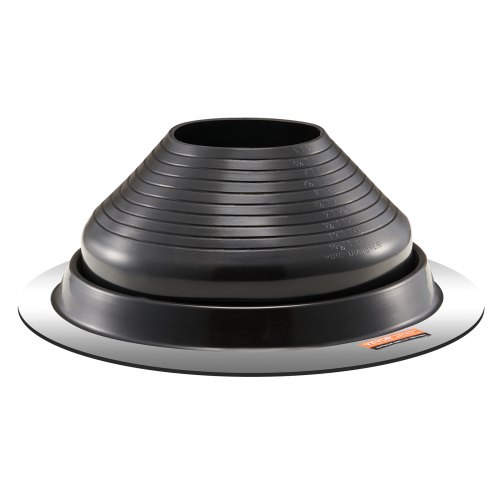
A roof pipe flashing boot should fit snugly over the pipe, allowing a clean stretch that forms a collar that keeps water out without requiring much force. If the size is too tight, the material may wear out too quickly. Water may seep in during periods of heavy rain or snowmelt if it is excessively loose. When working with multi-pipe installations, it's easier to customize by choosing boots with adjustable trimming rings. Marked steps let the user cut the cone cleanly with scissors or a utility knife, making sure it fits snugly around circular or oval shapes.
Choosing the right material directly affects how well it withstands extreme temperatures and long-term outdoor exposure. Silicone pipe flashing works very well in areas with high heat, from well below freezing to over 430°F. This feature makes it ideal for wood stoves, pellet heaters, chimneys, and furnace exhaust systems where heat is constantly changing. Silicone's flexibility prevents cracking when the roof moves or the pipe expands and contracts throughout the year. EPDM is a strong synthetic rubber that performs well over a wide temperature range, from –67°F to around 212°F. Vent pipe flashings work great for plumbing vents, general ventilation stacks, and exhaust lines that don't get too hot.
Rubber roof vent pipe boots are highly resistant to UV rays, making them suitable for roofs in hot, sunny areas. Both materials are rust- and weather-resistant, but the right one for your system depends on how hot it gets. EPDM is a cheap and long-lasting option if you only need it for airflow or low-temperature ventilation. Silicone's better ability to handle high temperatures makes it safer and more stable when it produces a lot of heat. Installers can choose the best products for the roof, the climate, and the type of vent pipe flashings by knowing the differences between these materials. It makes the roof as safe and sealed as possible.
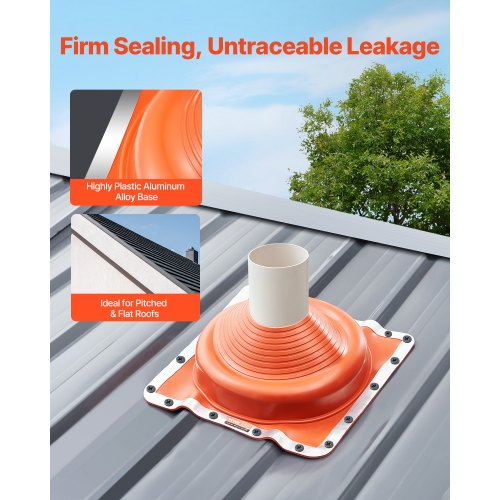
Because roofs are made of different materials and have varying slopes, it's important to choose flashing with a base that matches the roof. It will make sure that the flashing sticks and stays sealed for a long time. The bases of VEVOR vent pipe flashings are made of flexible aluminum or galvanized steel that can bend to fit uneven surfaces, whether they are installed on shingle, metal, tile, or composite roofs. Installers can press the base tightly into ridges or textures because the flashing bases are flexible. It makes a smooth transition that stops water from pooling. To maintain a consistent seal as the structure moves, a rubber boot for roof vent pipe applications must fit well with the chosen base.
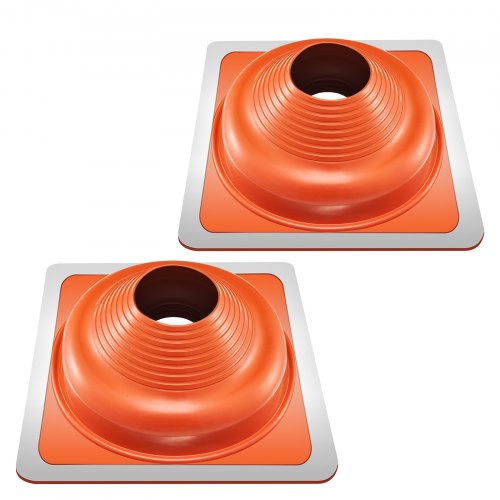
The flashing on roofs with steep pitches must remain in place even when gravity and runoff speed are strong. Wide, square bases give you more grip and surface contact, which puts less stress on the boot and makes sure that water flows cleanly around the structure. Ribbed metal roofs often require extensive work to shape the base so there are no gaps. To get a professional finish, you need to be able to fold, bend, and shape the edges. Choosing a base that fits the shape of your roof ensures the flashing works well in storms, when snow builds up, and as the seasons change. This compatibility makes the roof last longer, requires fewer repairs, and gives you more confidence in how well vent pipe flashings withstand the weather.
High-quality flashing must withstand changes in temperature, wind, roof movement, and long-term exposure to UV rays. VEVOR's silicone and EPDM options are designed to remain flexible even after years of heavy stress. The tapered boot design flexes naturally as the pipe expands due to thermal expansion, keeping the seal in good condition over time. Material stiffness that feels good when installed shouldn't turn brittle months later, especially in cold climates where cracking is common. Strong yet flexible construction ensures the product works well year-round, from winter through summer and fall.
The metal base helps keep the structure stable by evenly distributing pressure without tearing at the boot connection point. This joint is reinforced to prevent vent pipe flashings from coming apart in strong winds or storms, a common problem with lower-quality products. These vent pipe flashings are good for roofs exposed to large temperature changes, such as around chimneys and wood stove exhausts, because they can withstand frequent movement. Longevity isn't just about living through tough times; it's also about doing so without needing much upkeep. Flashing made of strong, flexible materials protects your roof system, reduces future repair costs, and keeps the building envelope safe year-round.
In addition to size and material choice, good sealing depends on how well the flashing sheds water, handles extreme temperatures, and installs securely.
The main job of any roof flashing is to keep the weather out. VEVOR makes its vent pipe flashings so they won't loosen or leak even in heavy rain, strong winds, or snow. The cone shape helps water drain naturally by keeping runoff away from the penetration point and stopping moisture from getting under the shingles. Silicone vent pipe flashings can withstand the heat from chimney pipes without warping, and EPDM options can resist ozone damage that can weaken outdoor rubber over time.
Strong UV resistance prevents fading and cracking, making long-term exposure much less harmful. Wind uplift is another big problem. During storms, roofs stretch, vibrate, and move. The flexible boot and metal base work together to keep the roof in place and absorb movement without breaking. Snow can add weight to the areas around vent openings. A stable base structure keeps the flashing sealed even when winter weather builds up and pushes it down.
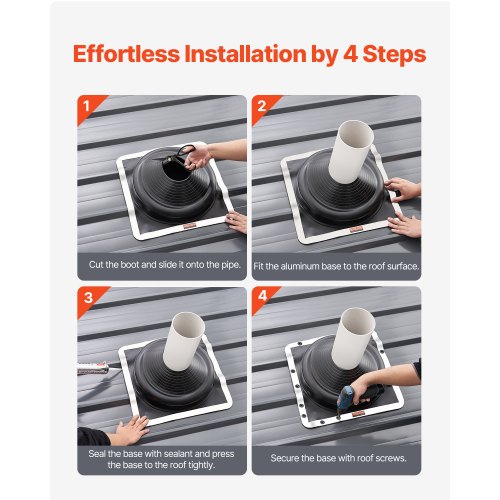
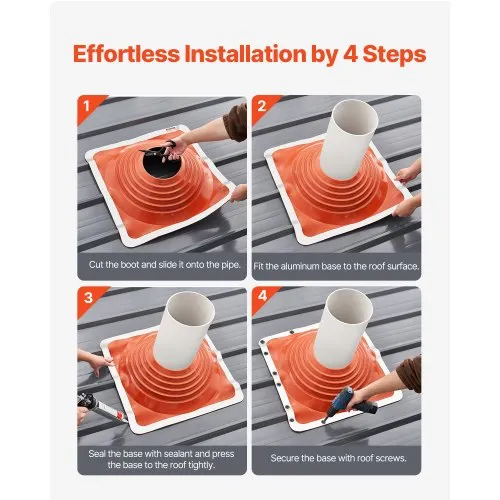
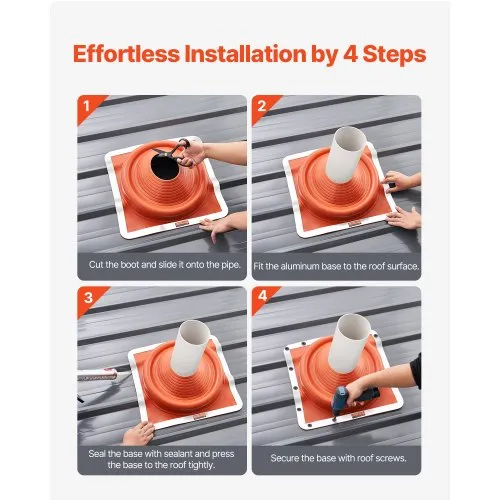
For both professionals and DIY homeowners, installation should be easy. VEVOR vent pipe flashings come with trim-to-fit instructions that let users cut the boot to the right size with ease. This feature ensures a snug, custom fit without the need for complicated tools. You can shape the metal base by hand or with a light tap to fit the roof surface. It makes the installation easy for people with little roofing experience.
Using the right roofing sealants creates a waterproof bond under the base, making the roof stronger where leaks might occur. When installing flashing on shingle roofs, the top part is installed under the existing rows, while the bottom part remains open to allow water to run off cleanly. The layered vent pipe flashings method safely directs water flow over the flashing. You don't need pre-drilled holes, so you can put the screws wherever you want, depending on the type of roof. Once it is anchored, the boot holds the pipe tightly, making a seal that will last.
VEVOR vent pipe flashings are reliable sealing solutions for chimneys, stoves, and ventilation systems because they are made of flexible materials, feature strong metal bases, and can fit a wide range of sizes. These vent pipe flashings are designed to withstand harsh weather and high temperatures, and they fit snugly against roofing surfaces to prevent leaks for a long time. VEVOR sells reliable products for both professionals and homeowners. VEVOR vent pipe flashings are competitively priced, available in a wide range of materials, and backed by responsive post-sale customer service. Check out the whole lineup today and pick the flashing that will keep your roof safe and ready for any weather.
To find the right flashing, measure the outside diameter of your pipe and choose one with a trim ring that is a little smaller. This ensures the seal is tight yet flexible, helping to prevent leaks.
If you need to install something that reaches high temperatures, such as a chimney or stove vent, use silicone. Standard plumbing and ventilation pipes exposed to moderate heat respond well to EPDM.
Yes. When shaped and fastened correctly, the flexible metal bases fit snugly on corrugated or ribbed surfaces, ensuring an even seal.
No, basic shears, sealant, and standard roofing fasteners are usually all you need. It is easy to trim the boot, and the base can be shaped by hand or with a light tap.
Yes. Both silicone and EPDM options are very resistant to UV rays, ozone, and weather. Vent pipe flashings remain elastic and strong even as temperatures change with the seasons.