Welding Blankets




















Results for Welding Blankets
Protect your workspace, tools, and yourself from sparks and molten metal with VEVOR welding blankets. We offer silicone-coated fiberglass that withstands temperatures up to 1800°F, regular fiberglass with brass grommets, and thicker carbon felt mats in sizes from small 4x6 ft sheets to 150 ft rolls. Each blanket resists heat, sparks, and welding spatter within its rated temperature range. We have the right material and size for every job, from a quick garage repair to protecting a whole fabrication bay. Prices are fair, and customer service responds quickly after the sale.
VEVOR Welding Blankets for Sparks, Spatter, and Heat Protection
Uncertain about the type of blanket required for your work? The right welding blanket protects adjacent surfaces from slag, heat, sparks, and spatter. Carbon felt, normal fiberglass, and silicone-coated fiberglass are available. These can tolerate temperatures up to 1800°F and come in sizes from 4x6 feet to 150-foot rolls. In this manner, you can choose the appropriate cover and material for your task, temperature range, and price range.
Choosing Welding Blankets by Material and Heat Resistance
The material and temperature rating determine how much heat a blanket can withstand. To meet different temperatures and usage levels, VEVOR offers three families: silicone-coated fiberglass, standard fiberglass, and carbon felt.
Silicone-Coated Fiberglass
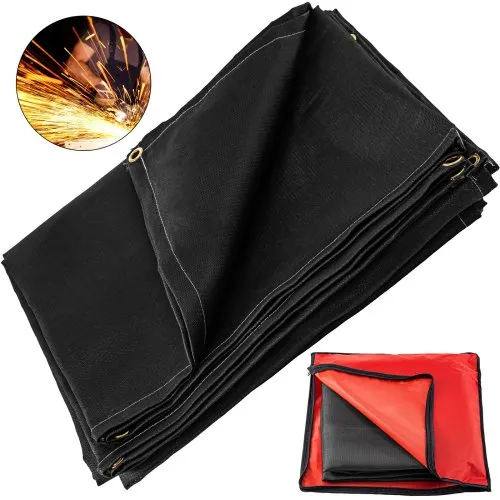
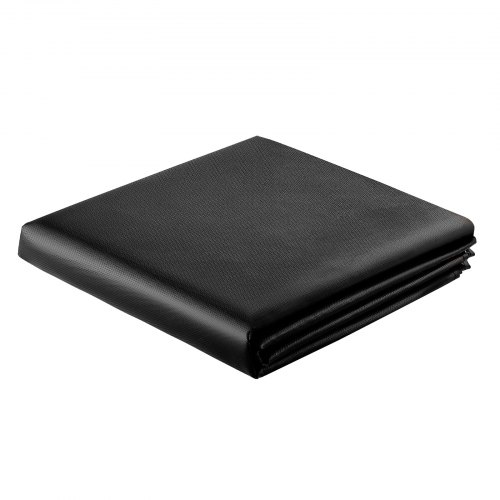
Silicone-coated fiberglass offers the best heat protection. VEVOR'ssilicone welding blanket withstands up to 1800°F, and the silicone layer shields the fabric from molten metal splashes while reducing irritation from glass fibers.
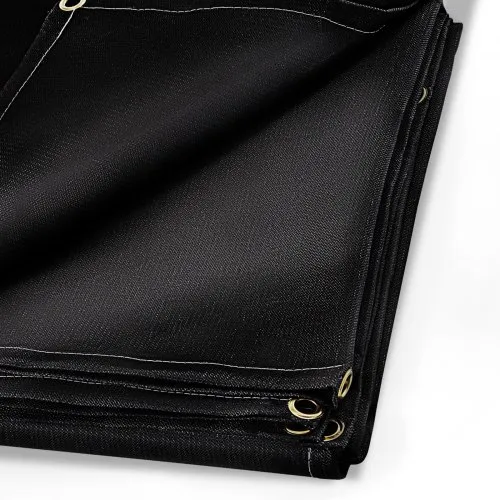
This finish extends the blanket's life and makes it easy to clean between jobs. For spot protection, a small 4 x 6 ft welding blanket works well, while bigger sheets can cover workbenches and other tools. The blanket has metal rings that let you hang it up or tie it down.
If you do heavy MIG, TIG, or stick work with hot, steady spatter, these welding blankets are the best choice. The silicone-coated surface helps resist sticking and makes cleanup easier. The extra cost of a silicone-coated model is worth it if you weld a lot or at high amperage because it lasts longer and protects better and more cleanly.
Standard Fiberglass
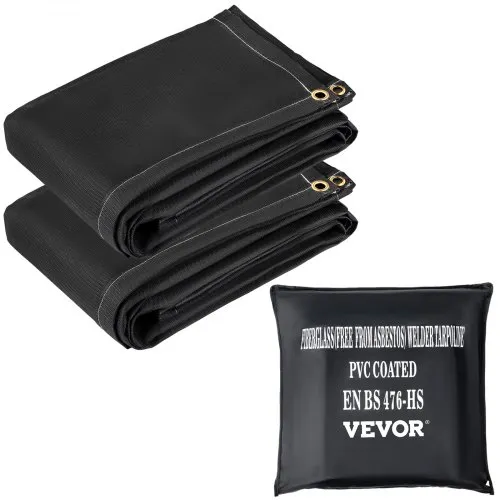
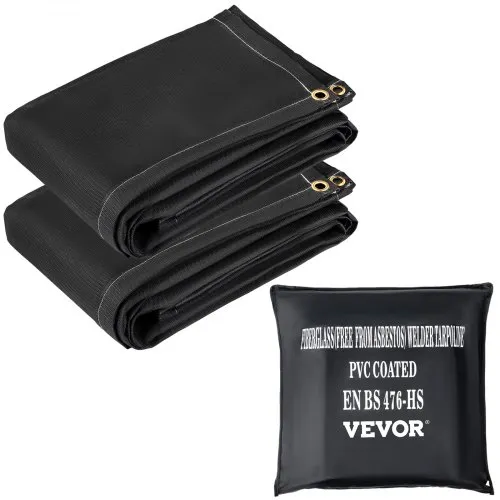
Uncoated fiberglass is the most cost-effective way to get reliable protection. VEVOR'sheavy-duty fiberglass welding blankets resist temperatures around 1022°F and come with premium brass grommets for easy hanging.
A portable, flame resistant blanket rolls up small for storage, and a fiberglass welding fire blanket with a carry bag is easy to move from job site to job site because it is light and easy to set up. These are great for light-duty tasks like grinding, welding, and keeping sparks down.
Standard fiberglass covers everyday tasks that aren't moderate in temperature and is an affordable option for a flame-resistant blanket. It regularly stops sparks and spatter, keeping floors, walls, and nearby surfaces safe. Although they don't last as long as silicone-coated models, these welding blankets are a great deal for DIYers and occasional welders who want good safety without paying for professional-grade gear. They are a good place to start for a home workshop or garage.
Carbon Felt Mats
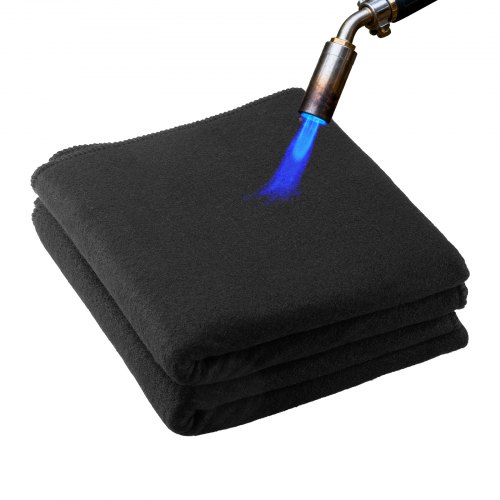
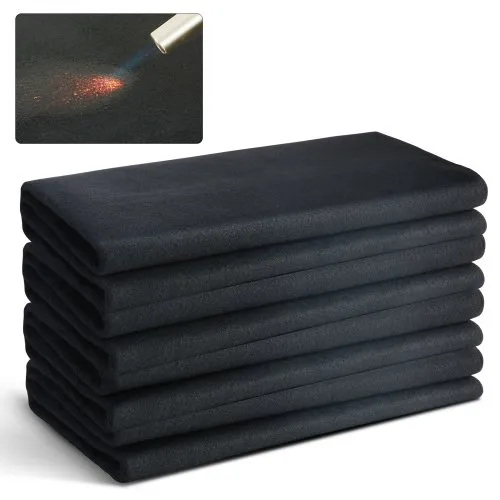
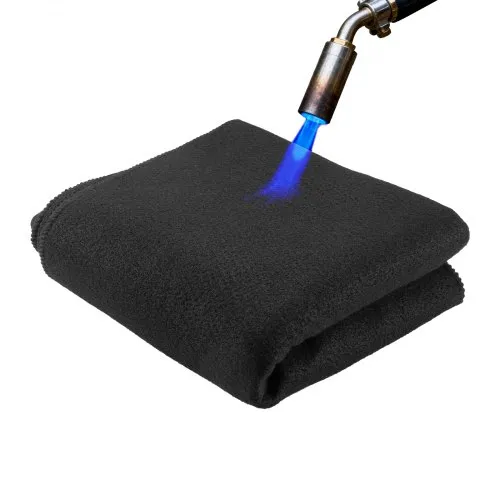
Carbon felt is a versatile choice for soft, cuttable protection. VEVOR'scarbon felt welding blankets use 3.5mm thickened carbon fiber rated to 1800°F, and the soft felt drapes easily over irregular shapes and corners.
Sold in single mats and multi-packs, a cuttable carbon felt set lets you trim pieces to fit tight spots, while a compact carbon felt mat two-pack works well for small jobs and travel. The felt provides a thick, flexible heat barrier.
Carbon felt is great for covering benchtops and other delicate surfaces right under your work as an insulated welding blanket. It is thick, bendable, and will not fray when cut, which makes it a favorite for repair and detail work. These welding blankets give you high-temperature coverage that bends to fit whatever you are protecting. They are better than a fixed sheet because you can cut them to fit the job.
Heat Resistance Ratings
The temperature rating keeps you safe, so make sure it matches your work. For light work, VEVOR has normal fiberglass that can handle temperatures up to 1022°F. For hot, heavy welding, it has silicone-coated fiberglass and carbon felt that can handle temperatures up to 1800°F.
As a heatproof blanket, each one absorbs and blocks radiant heat, keeping whatever is behind or under it safe. A heavier welding heat blanket is better for cutting and sparks, while a higher-rated one can handle long-term high-amperage work.
Choose a blanket with a temperature rating suitable for the heat and exposure conditions of your specific application. This will keep the blanket safe and intact. Think about the type of welding you do. Welding and cutting can expose nearby surfaces to intense heat, sparks, and molten spatter, so choose a blanket rated for your application. Using the right welding blanket can help control sparks and spatter and protect nearby surfaces. That is why it is so important to match the heat level to the job.
Sizes and Applications of VEVOR Welding Blankets
Besides the material, you also need to choose the right size and use case. VEVOR offers a range of sizes for any workspace, from small mats to long rolls.
Sizes from Mats to Rolls
Coverage should fit your workspace. VEVOR's small 4x6 and 6x8-foot sheets are good for protecting spots and small benches. Their 8x10 and 10x10-foot blankets, on the other hand, protect larger equipment and floor areas.
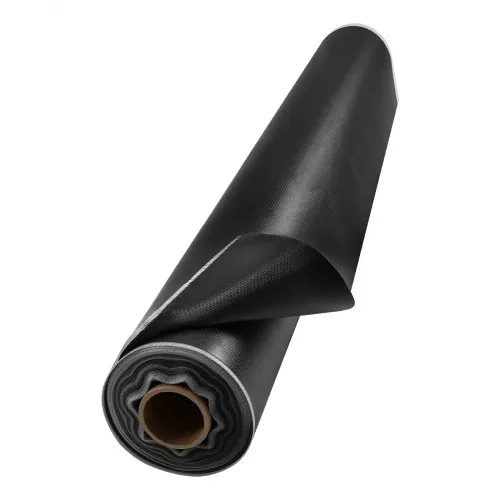
Welding blanket rolls come with 5 x 150 feet of silicone-coated fiberglass that you can cut to any length you need. This is great for shops that need to protect long runs or many stations. You can use packs of carbon felt for many small jobs at once.
Getting the right size is important. If it is too small, sparks can fly; if it is too big, it wastes material and gets in the way. A welder blanket that is the right size for your bench or shop will cover everything without being too big. Measure your work area, leave some space around the hot spot, then choose the next largest size. You can get these welding blankets in different sizes, from a single garage mat to a roll that covers the whole shop. They keep sparks contained wherever they fly.
Applications and Fire Protection
A good welding blanket does more than catch sparks. As a fireproof blanket, it shields floors, walls, tools, and nearby materials from spatter, slag, and radiant heat during welding, cutting, and grinding.
Beyond the workshop, a fire resistant blanket protects vehicles, glass, and finished surfaces on repair jobs, and a dedicated fire resistant blanket for welding wraps or drapes over anything you can't move out of the spark zone. Some can even put out small fires in an emergency by cutting off their air supply.
A fire welding blanket is useful for home garage projects, and professionals use them on construction, auto, and fabrication sites. With the grommets, you can hang them as spark curtains or walls. The best way to keep everyone and everything safe is to choose the right size and material for the job. Browse our welding blankets to find the right size, style, and heat rating for your work area.
Why Choose VEVOR Welding Blankets?
From compact carbon felt mats to a 150-ft silicone fiberglass roll, VEVOR delivers professional-grade fire protection for far less than specialty suppliers. With simple care, each blanket can be reused for years, shielding nearby surfaces from sparks, spatter, and radiant heat. They all come ready to use. With three material types, temperatures up to 1800°F, and sizes ranging from small mats to shop-wide rolls, there is a product for garages, fabrication bays, workshops, and other welding areas. Plus, you can get quick post-purchase support. Browse the full collection now to improve your welding setup.
FAQs
What temperature can VEVOR welding blankets handle?
Standard fiberglass blankets resist around 1022°F, while silicone-coated fiberglass and carbon felt models handle up to 1800°F. Always choose a rating comfortably above your welding process's peak temperature for safe, reliable protection.
What's the difference between fiberglass and carbon felt blankets?
Fiberglass is lightweight and affordable for spark and heat protection. Carbon felt is thicker, cuttable, and drapes over irregular shapes, making it ideal for benchtops and detailed work where you need a conformable, high-temperature mat.
Can a welding blanket be used for fire emergencies?
Yes. Many VEVOR fiberglass blankets double as fire suppressants, smothering small flames by cutting off oxygen. For large fires, however, a blanket alone is insufficient; evacuate and use proper firefighting equipment instead.
How do I clean and maintain a welding blanket?
Inspect regularly for damage, and keep the blanket free of contaminants that reduce performance. Silicone-coated models wipe clean easily; store any blanket dry and folded to extend its service life across many jobs.