
Download VEVOR App 

Get 5,00€ Off 99,00€+ Orders on Your First 3 App Orders
Scan the QR code to download
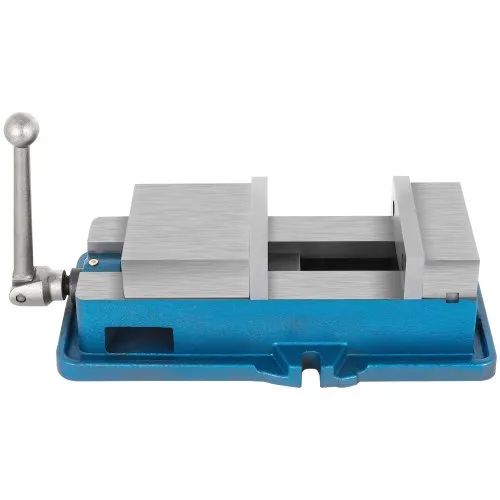
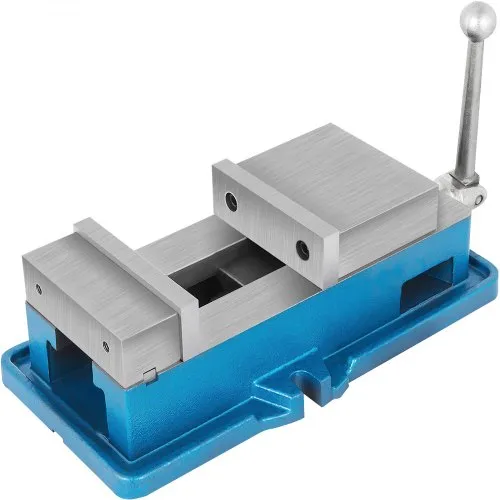
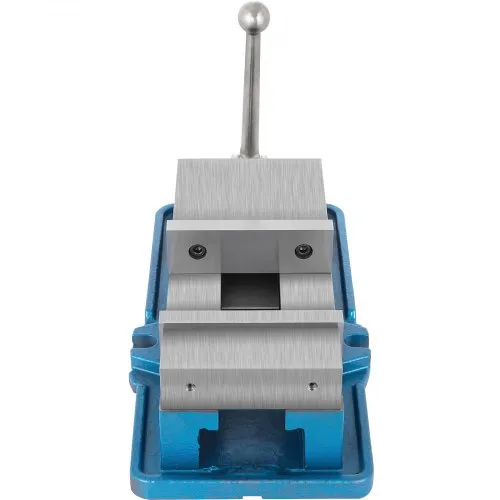
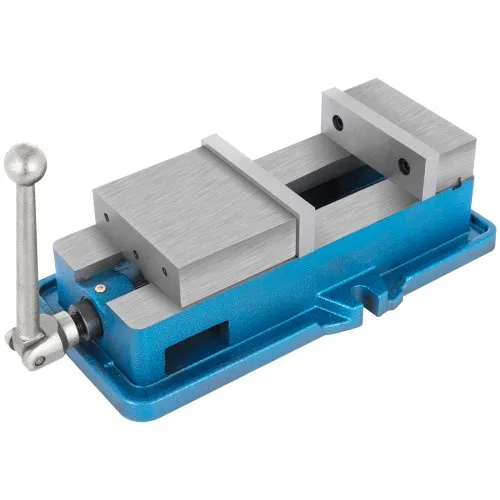
VEVOR offers a full line of woodworking bench vise styles for enthusiasts, tradesmen, and craftsmen. Whether you’re outfitting a new shop bench or replacing the worn gear on a long-used workstation, this collection has every mounting style, jaw size, and capacity you may need. Each of these woodworking bench vises is built to last and is designed to hold your work firmly while you cut, plane, chisel, or sand.
Timber shifting mid-cut with your existing workholding? Slowing you down with a stiff, unreliable mechanism? A good woodworking bench vise improves efficiency in the shop. The VEVOR line of woodworking bench vises offers smooth jaw travel, powerful gripping force, and installation choices for both permanent bench applications and portable work locations.
The first step in choosing the correct woodworking bench vise is learning the difference between vise types and how each one mounts to your bench. Where you set the tool on the bench, the orientation of the clamp, and whether the installation is permanent or detachable, all affect how effectively the tool will function in your particular workflow.
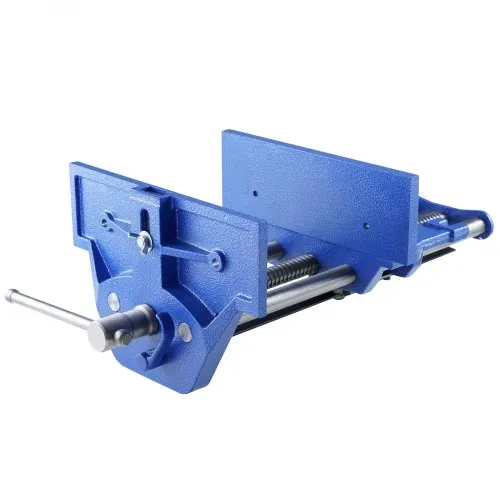
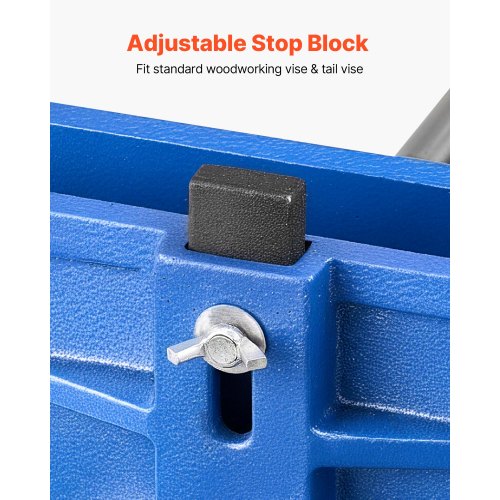
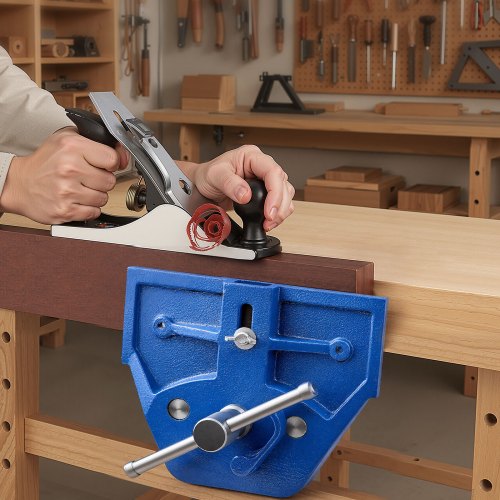
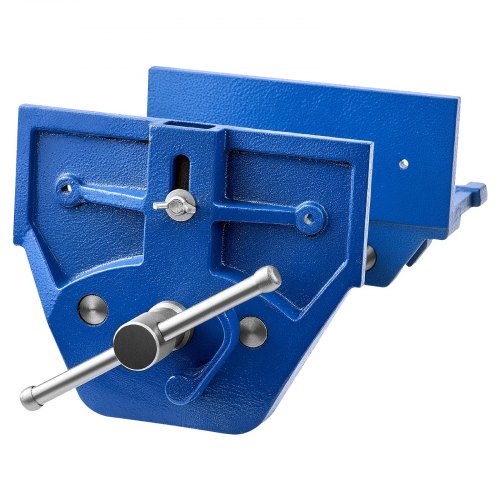
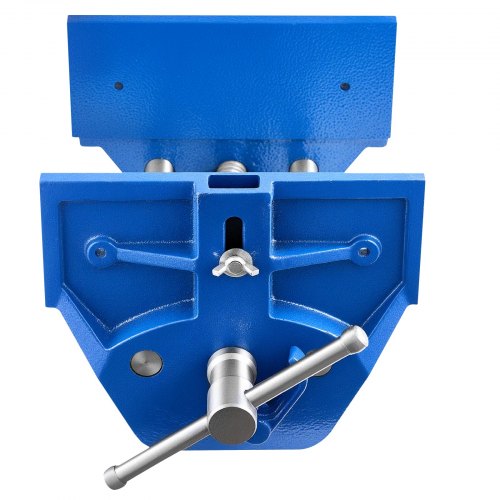
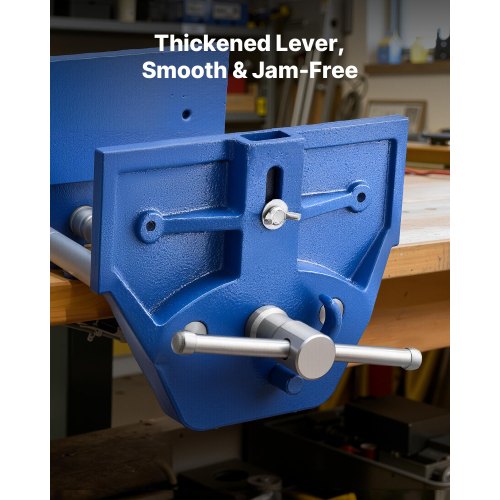
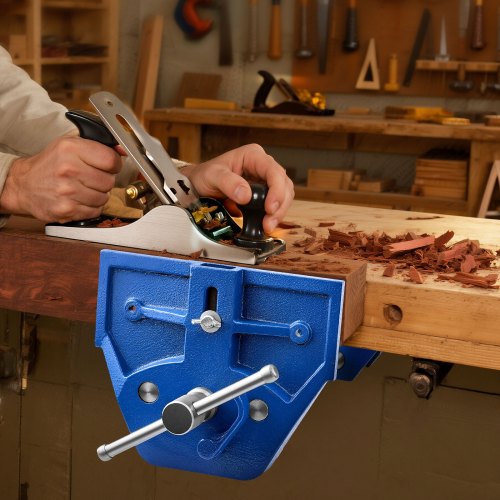
A woodworking front vise is the most popular layout for conventional woodworking benches, and for good reason. A front vise mounts to the front left or right corner of the bench and sets the work at the leading edge of the bench surface, providing you with complete access to the workpiece from above and from the side simultaneously.
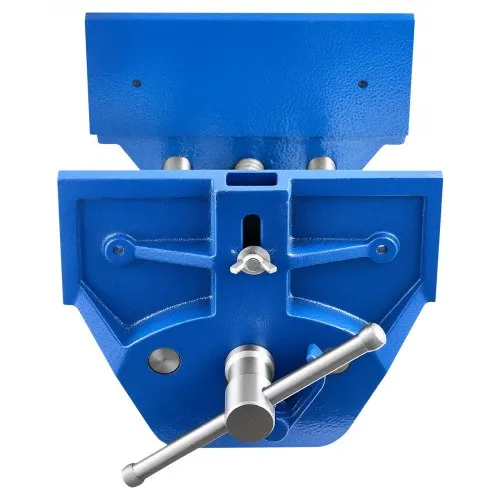
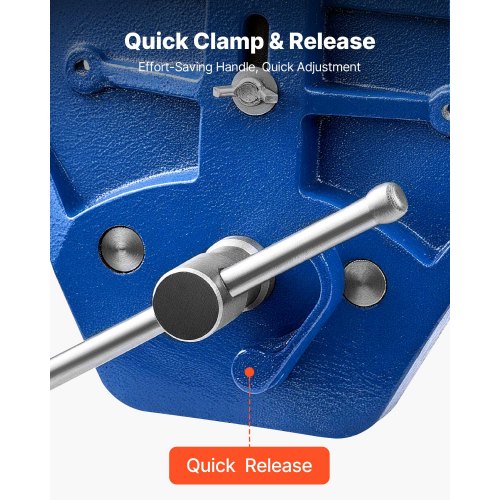
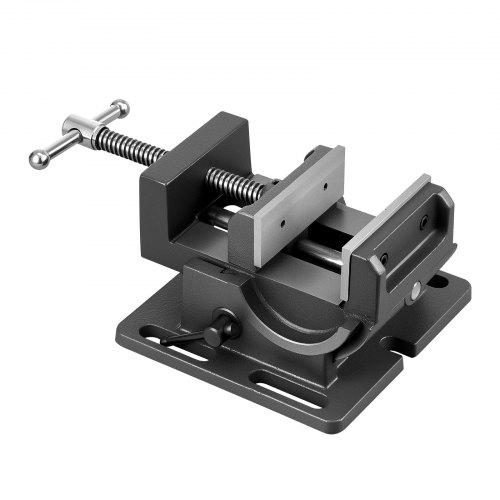
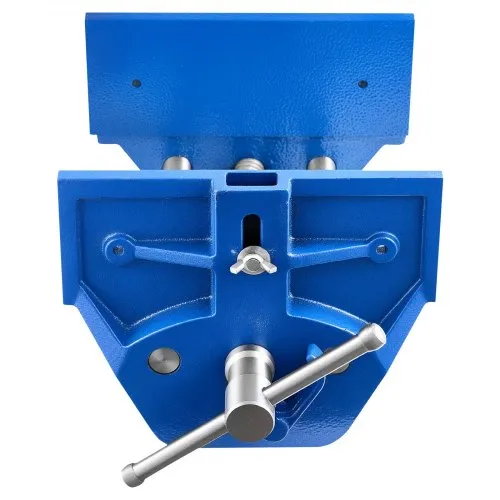
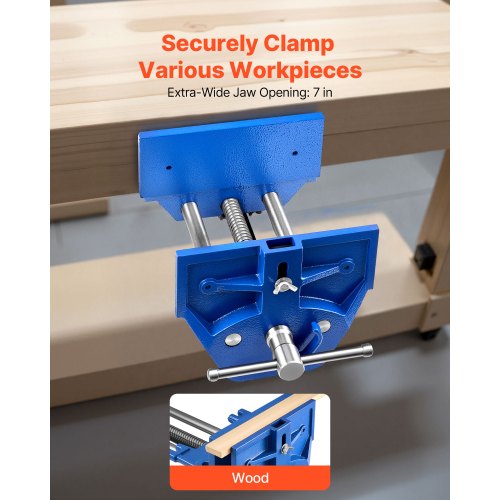
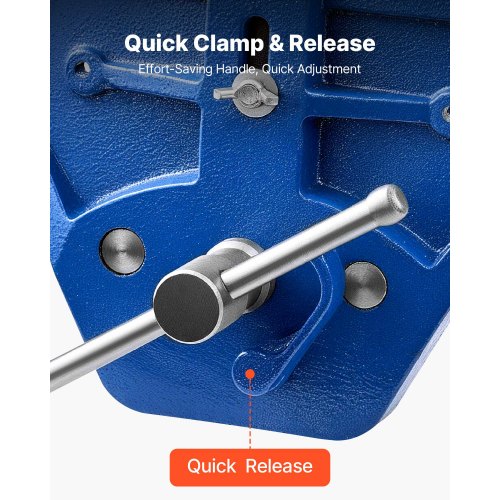
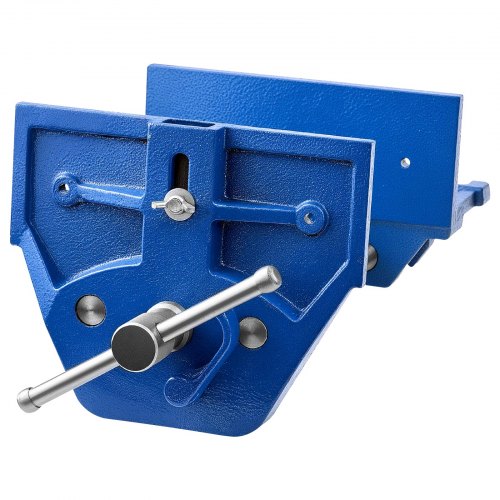
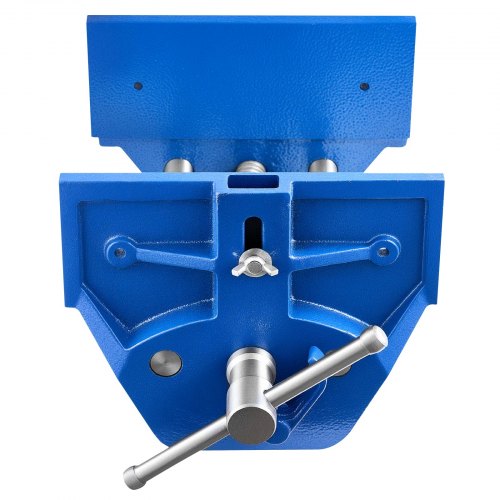
Designed with parallel jaws, a screw in the middle to drive them, and two smooth rods to guide them, VEVOR woodworking front vises will keep the face of the jaw aligned flawlessly while opening and closing. This parallel tracking prevents the jaw from racking under load, which is a common failure point in cheaper vise designs that rely on just a single guide rod.
When you apply clamping pressure to one side of a board, the other edge of the jaw remains equally firm; it doesn’t move away and release its grasp. This woodworking bench also has a front vise position that is good for bench dogs. If the vise jaw has a bench dog hole in line with a row of dogs on the bench surface, long boards can be fastened end to end using the dog system, rather than relying solely on the pressure of the jaw.
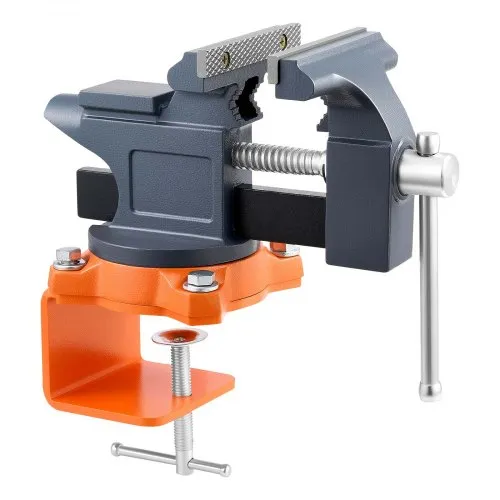
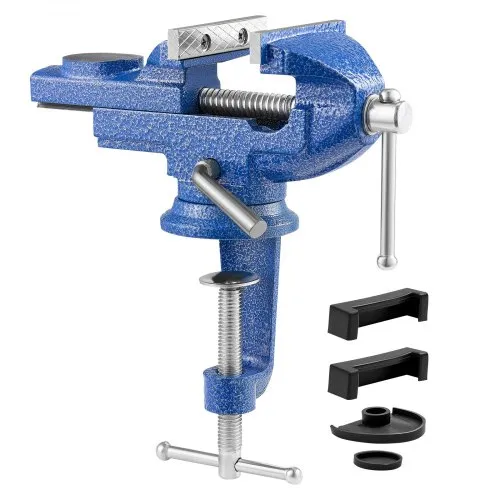
Not all woodworking arrangements have a fixed bench with fastened hardware. Site carpenters, furniture manufacturers who work in several locations, and amateurs with limited dedicated workshop space generally find greater use for a portable woodworking vise that can be fixed to different surfaces as needed and removed when the project is done. That’s exactly what VEVOR’s portable woodworking vise models do: they provide robust clamping performance and quick-attach mounting for this kind of flexible use.
Portable woodworking vise units with clamp-on mounting systems use a large-jaw screw or cam-lock mechanism to hold the underside of the bench or sawhorse without drilling. This allows the vise to be set in less than a minute and removed just as fast, without leaving lasting markings on the bench surface. The clamping power of the mount itself is usually enough to keep the vise steady during mild woodworking tasks.
VEVOR’s portable woodworking vise alternatives are also weight-conscious designs. The compact cast iron and steel design keeps the vise functional and rigid without being inconvenient to take to a job site or to transfer between work areas in a shared environment. These machines are smaller than full bench-mounted vises but nevertheless offer considerable jaw-opening capacity and smooth screw operation.
Traditional woodworking benches usually come with a leg vise or an end vise in addition to the usual front mount. These two differ in their clamping function. A leg vise mounts vertically on the front leg of the bench, not on the bench surface itself, with a large wooden or metal parallel guide to maintain the jaw face in alignment during operation.
The end vise, on the other hand, is mounted at the short end of the bench and clamps parallel to the length of the bench, rather than across the breadth. End vises are a traditional part of Scandinavian and European-style workbenches and lend themselves naturally to a bench dog system, with bench dogs drilled into the bench top at regular intervals.
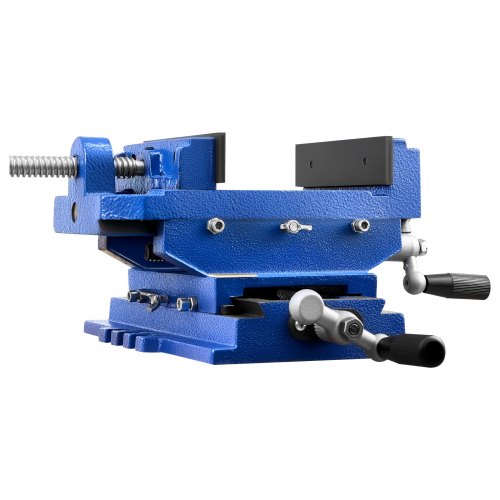
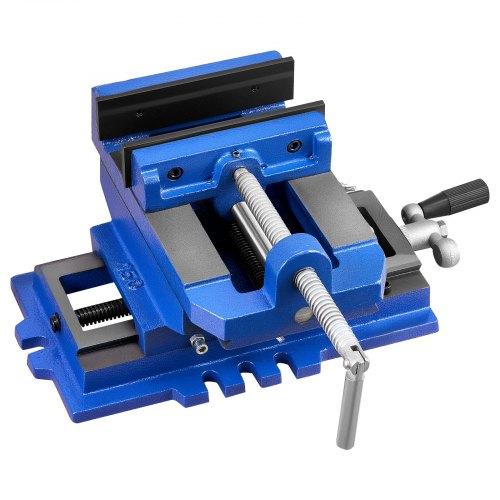
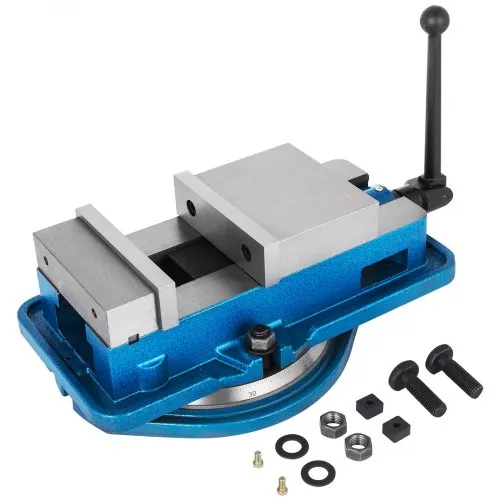
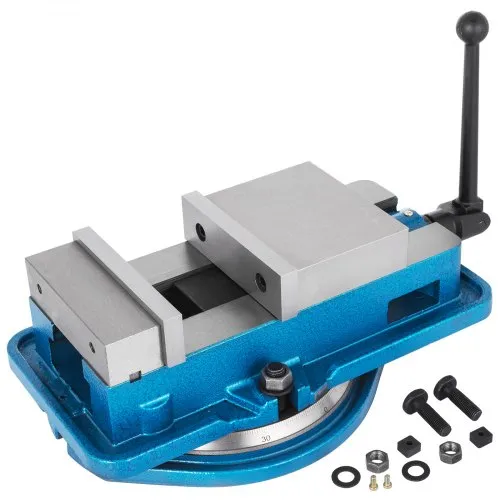
VEVOR’s range of woodworking bench vises includes models for both traditional and more prevalent front-mount configurations. In this range, you have the option of a woodworking bench vise kit, including the vise body, mounting hardware, and sometimes guide rod assemblies that make the installation on benches where the mounting surface has not been pre-drilled or routed easier.
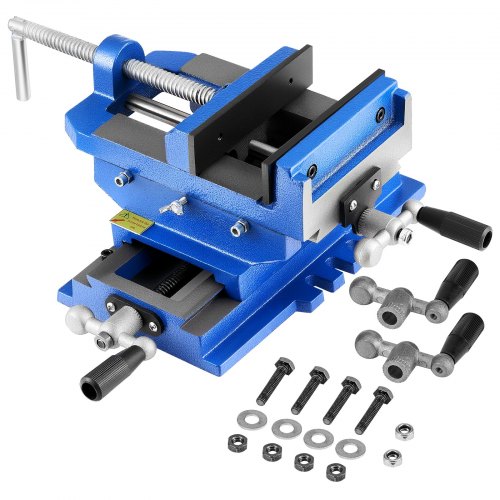
A woodworking bench vise kit streamlines the purchasing and installation by packaging the vise mechanism with the hardware you need to attach it correctly the first time. With a complete woodworking bench vise kit, you get all the components, bolts, guide rod bushings, and jaw lining material in one kit, and the dimensions are already matched to operate together without having to source them individually.
The VEVOR woodworking bench vise kit options usually include a cast iron or steel vise body, the main driving screw, guide rods, and matching bushings, mounting bolts, and jaw liner templates or pre-cut wooden jaw faces. Some kits are supplied with installation instructions that contain particular bench drilling measurements. Setting the vise height and setback correctly in the first place prevents the frustration of having to remount after finding that the jaw does not sit flush with the bench top.
The design of the woodworking bench vise kit also makes it easy to modify individual components over time for those customers who like to customize their bench gear. VEVOR’s woodworking bench vise kit line covers numerous jaw opening capabilities and bench thicknesses, so a suitable option is available for most bench designs.
The size of the jaw opening and the materials utilized for the vise body and jaw faces directly determine what you can hold and how well the vise will operate over time. In this part, we examine the practical capacity concerns and material differences that matter most when selecting a woodworking bench vise.
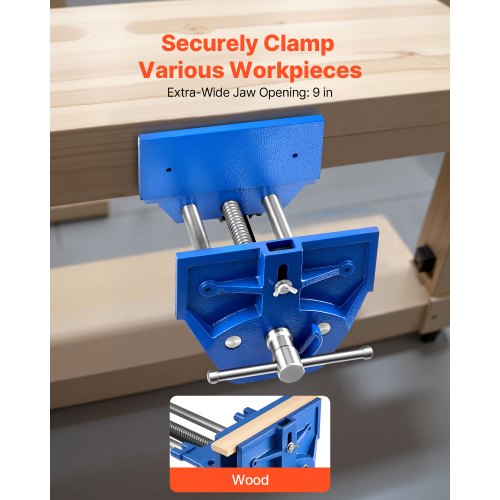
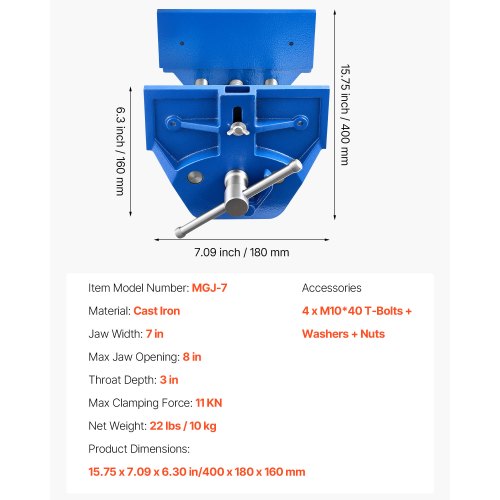
Jaw opening capacity is the maximum thickness of material that a woodworking bench vise can hold directly. VEVOR offers a wide choice of woodworking bench vises, with jaw openings ranging from small designs that open to 150mm for lighter bench use to heavy-duty options with 300mm or larger capacities for large lumber and furniture-scale work. Choosing the correct jaw opening for your normal workpieces prevents the aggravation of a vise that opens just shy of what you usually need to clamp.
Beyond maximum opening, the depth of the jaw face also plays a role in workholding quality. A deeper jaw face contacts more of the workpiece surface, so clamping pressure is spread over a larger region, lowering the risk of marking or crushing softer timber species. VEVOR woodworking bench vise jaw faces are normally between 100mm and 200mm deep. Larger commercial-grade bench vises have deeper jaw faces for wider board work.
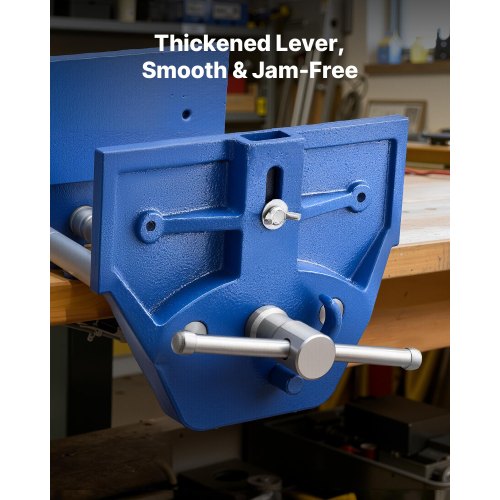
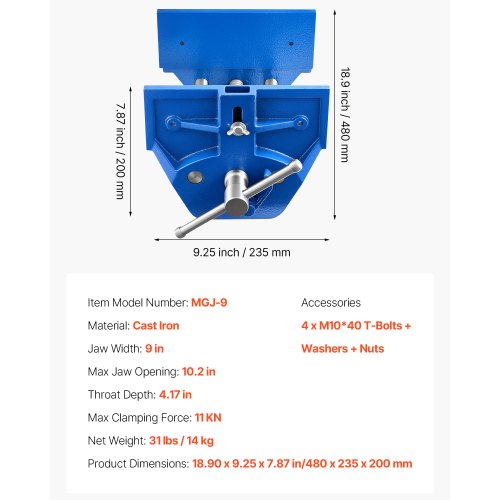
The woodworking table vise style has the vise mounted level with the front of the bench (or slightly below) and is frequently designed with a deeper jaw, at the expense of maximum capacity, since it is intended for clamping boards flat on the bench surface rather than clamping thick portions vertically. This focus is seen in VEVOR’s woodworking table vise alternatives. Wide, shallow jaw configurations are especially adept at holding boards for face work, carving, and routing tasks where a standard front vise would put the work at an inconvenient angle.
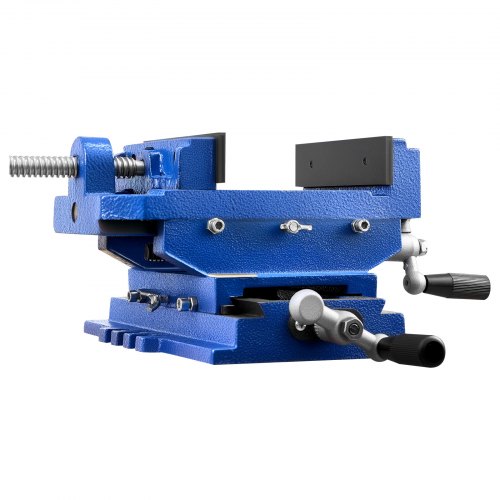
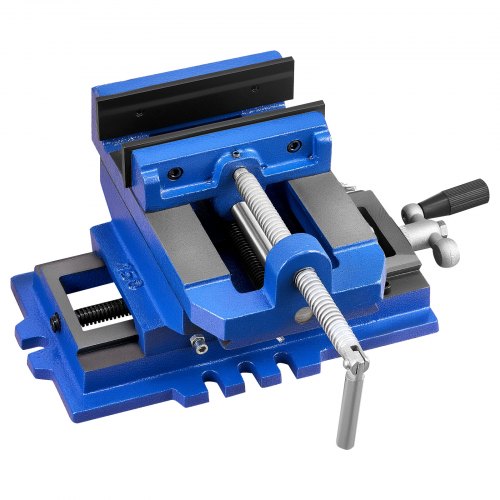
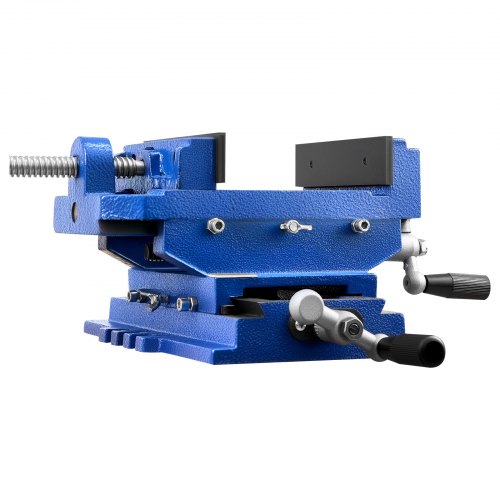
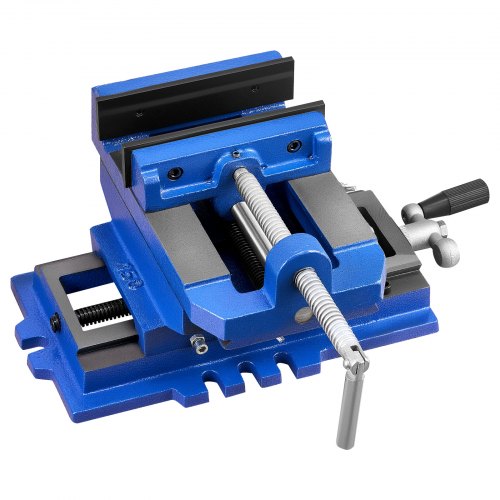
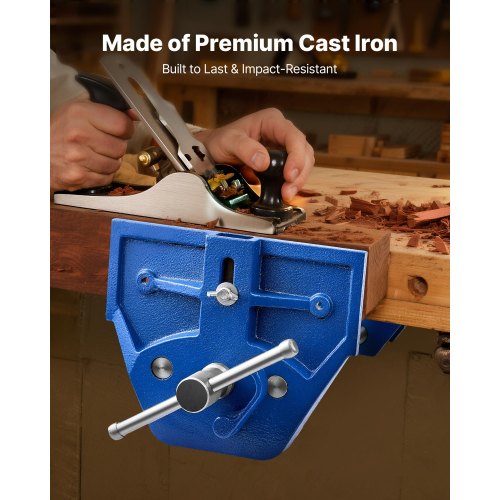
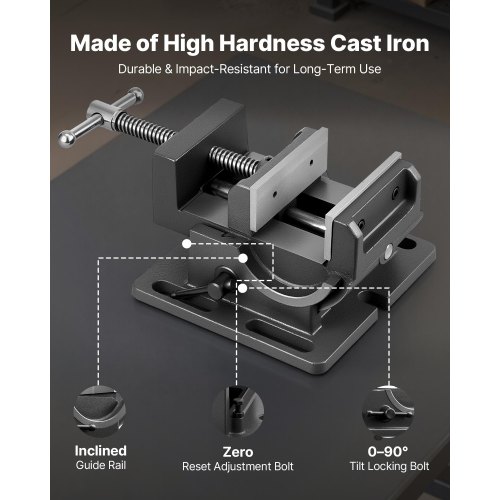
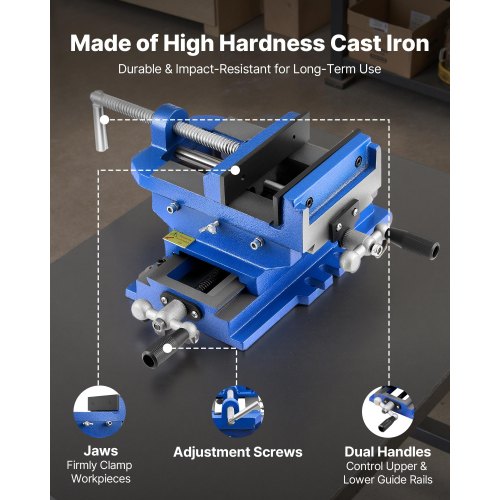
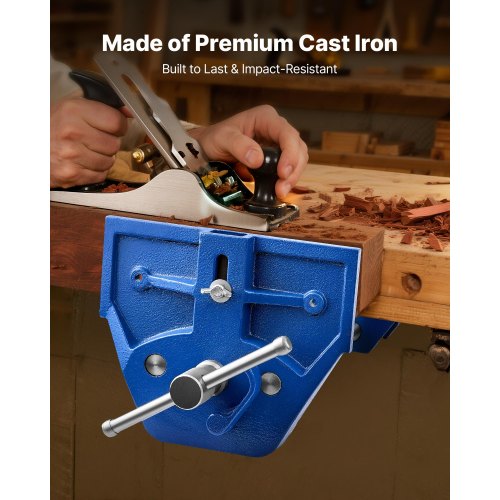
The body material of a woodworking bench vise is also important for rigidity, wear resistance, and dimensional stability over time under repeated clamping stresses. Cast iron and manufactured steel are used throughout VEVOR’s line of woodworking bench vises, each with its own benefits for specific applications. Castings are great for heavy hand tool use, with good compressive strength and vibration damping.
Fabricated steel vise bodies have a higher tensile strength than cast iron and are more resistant to bending stresses that occur when clamping off-center workpieces or applying force to the outer edges of the jaw. VEVOR offers a selection of steel woodworking bench vise models in the portable and mid-range ranges, where weight savings and impact resistance matter as much as raw compressive strength.
VEVOR’s cast iron woodworking table vise and front vise models feature a protective surface finish that resists corrosion during storage and in workshop conditions with fluctuating humidity. These vises will keep in working order for the long term, with only minor oiling of the screws and guide rods.
VEVOR’s woodworking bench vises allow any woodworker the chance to have sturdy, well-engineered workholding hardware at a price that screams true value. Whether you need front vises, portable versions, complete kit alternatives, or a range of jaw capacities from light hobbyist use to heavy professional work, there is a woodworking bench vise here for every bench and every budget. VEVOR is also backed by affordable pricing and reliable after-sales service, which makes it easy to improve your workshop the right way. Explore the whole assortment and have your bench working harder now.
A jaw opening of between 200mm and 300mm can comfortably cover most workpieces while manufacturing furniture. Match the opening capacity to a jaw depth of at least 150mm to hold large boards securely during furniture work.
Portable vises are made for moderate work with hand tools such as sawing, chiseling, and light planing. If you do a lot of heavy mallet work or forceful hand planing, a permanently fixed vise with a bolted installation will be more stable and pass less vibration to the clamping surface.
Mount the vise so the face of the top jaw is flush with the bench surface. Use the kit’s drilling template to align the guide rod holes precisely prior to cutting. Use wooden jaw liners to prevent damage, and bolt through the supplied hardware.
A front vise fastens to the bench face and clamps vertically to hold boards on edge or on end. A woodworking table vise mounts flush with the top of the bench and holds boards flat for face work, carving, and routing. Many classic benches use both for comprehensive workholding coverage.