A Frame Extension Ladder
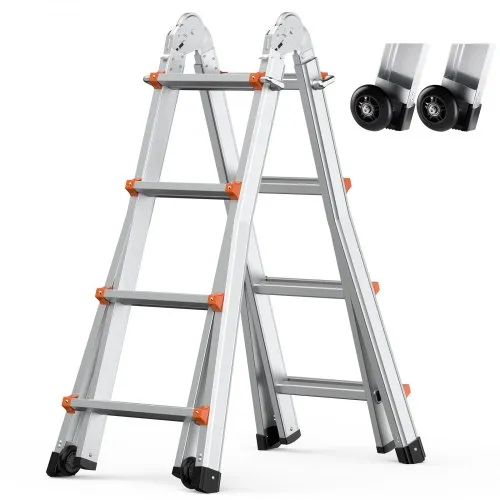


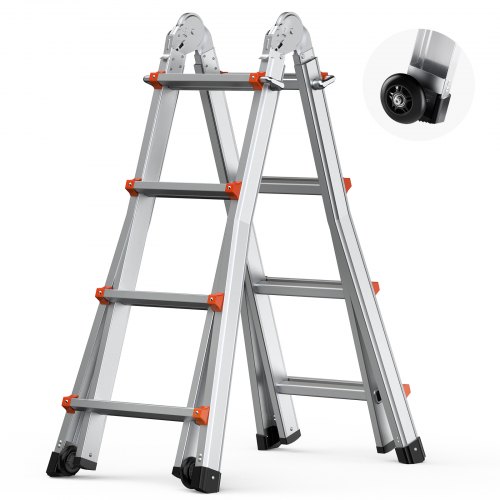


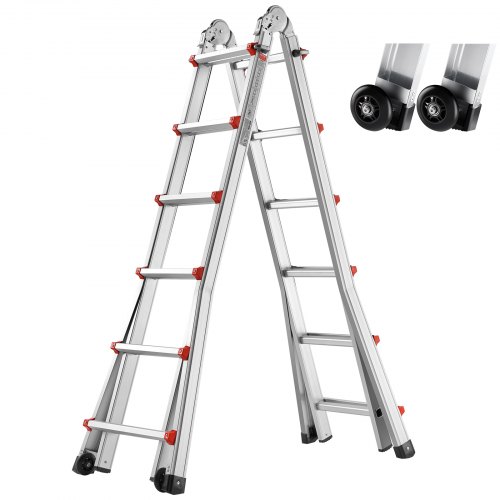


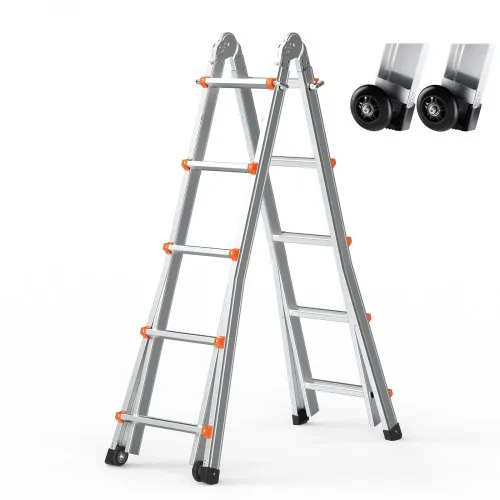








Results for A Frame Extension Ladder
Explore VEVOR's full selection of A frame extension ladders, made to provide safe, stable access for a wide range of chores, from painting and home maintenance to construction, roofing, and electrical work. Our selection has everything you need, whether you're a first-time buyer or a seasoned tradesperson. We have small telescoping A-frame ladders for tight places inside and heavy-duty multi-position models made for tough job sites. Find models with a wide range of heights, the ability to hold a lot of weight, and long-lasting constructions that will work well on any job.
VEVOR A Frame Extension Ladders for Safe, Adjustable Access on Every Job
Need an A-frame extension ladder that can do any job without sacrificing safety or stability? A-frame extension ladders from VEVOR are designed to provide safe access to a wide range of working heights and areas. VEVOR has the right model for your project and is designed to support safer work at height, whether you need a small A-frame ladder for work on the ceiling inside or a full-size collapsible ladder A-frame for painting and roofing jobs outside.
Height Range & Weight Capacity: What Defines a Capable A Frame Extension Ladder
The height range and weight limit are the two specs that really show you if an A-frame extension ladder is right for your job. Getting both right lets you reach what you need, carry what you need, and always stay within a safe working range when you climb. It is designed so that VEVOR a frame extension ladders can be used for a wide range of jobs and by a wide range of people.
Height Range Options and Choosing the Right Reach for Your Projects
There is a range of working heights for VEVOR A frame extension ladders that covers the most typical home and business uses. Shorter models can reach working heights of about 10 to 12 feet, which makes them great for light maintenance jobs, installing cabinets, and working on ceilings inside that wouldn't be possible with a regular ladder. A-frame ladders in the middle price range are 16 to 20 feet long and provide sufficient reach above the standing level for painting the outside, cleaning gutters, and reaching the top of a single-story building. Heavy-duty models extend to 24 feet or more and are suitable for many exterior two-story tasks when used correctly, such as tree trimming and skilled trade uses.
Each model in VEVOR's lineup features a telescoping A-frame ladder design that lets it adjust height in multiple increments rather than locking into a single position. So you can use the same ladder for different jobs. In the morning, set it to 8 feet for work inside, and in the afternoon, extend it to 18 feet for work outside, without having to switch tools. When you step on the first rung of a VEVOR telescoping A-frame ladder, the locking mechanisms connect with a solid click at each height increment. This lets you know that the ladder is securely in place.
When you need a single ladder that can do work indoors and outdoors at different heights, VEVOR's mid-range A frame extension ladders are the best choice. They have a balanced mix of reach, weight, and portability. One real benefit that fixed-height ladders can't match is the ability to change the height in the field without any tools.
Weight Capacity Ratings and What They Mean for Safe Use
Each A-frame extension ladder has a weight capacity that shows how much the person using it, their tools, and any other items they bring can weigh at most. There are different types of VEVOR a frame extension ladders, with different load limits. Lighter models can hold up to 200 pounds, while heavy-duty models can hold up to 375 pounds.
For safety reasons, you must choose a ladder with a load rating higher than your actual working load. Many workers carry bags, tools, and other items that weigh 30 to 50 pounds more than they do. A painter with a full bucket and set of brushes or an electrician with a full tool belt needs to add that extra weight to the capacity estimate. Type IA (300 lbs) and Type IAA (375 lbs) VEVOR a frame ladders give workers the working space they need to stay well within safe operating limits all day.
VEVOR's A frame extension ladder can hold the same amount of weight at all increased heights, not just at the lowest height. This is an important difference because some lower-quality ladders become more limited as the extension height increases. The rated capacity of the VEVOR ladder stays the same whether it is set at 10 feet or fully extended. This helps you feel confident at any working height within the rated range.
How Telescoping Design Expands Practical Versatility
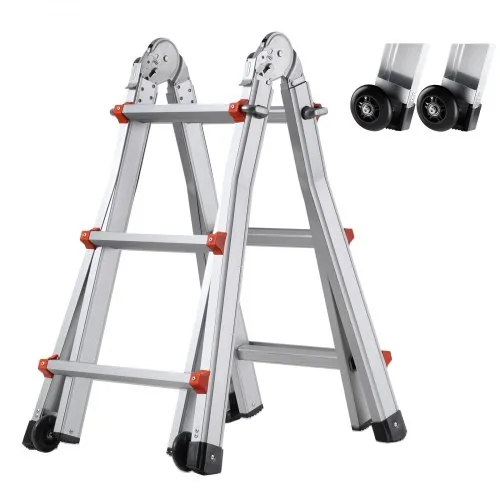
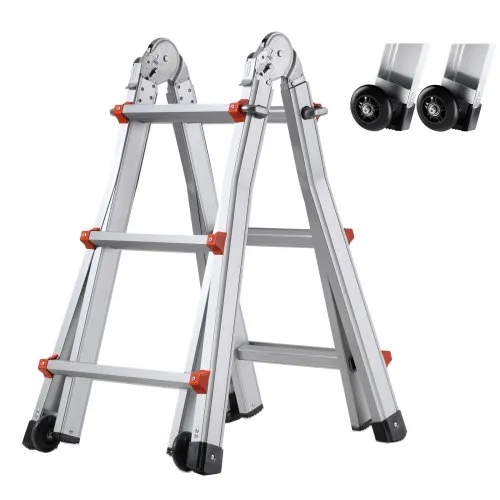
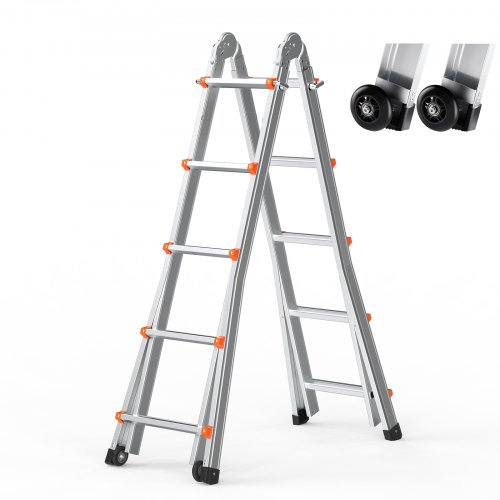
VEVOR's most useful types are different from regular fixed-rung a frame ladders because they have a telescoping design. A telescoping ladder's frame folds down to a small fraction of its fully extended length. When fully retracted, it's usually only 3 to 4 feet long, which makes it easy to store in a closet, move in a van, or get through a tight doorway without having to take it apart or do any awkward maneuvering.
VEVOR telescoping a-frame ladders have separate locking systems for each rung, which let each section lengthen or retract on its own. To work on steps or uneven ground, you can set each side of the ladder to a different height, which is something that fixed A-frame ladders can't do. You don't need separate ladder leveling accessories or much time to set up this asymmetric height adjustment feature when painting inner stairs, getting to the loft, or working on driveways that slope.
When retracted, a VEVOR A frame telescoping ladder is very compact, so you don't need a special ladder rack on your car to take it to job sites. If a contractor or tradesperson works at more than one location in a day, they can use a ladder that fits inside a standard vehicle's cargo area. This saves them time and reduces the risk of damaging an outside-mounted ladder during transport.
Reach Height vs. Working Height: Understanding the Difference
When buying a frame extension ladder, one thing that people often get mixed up about is the difference between the ladder's total reach height and its safe working height. If you fully lengthen the ladder, it can reach a maximum height of (total reach height). For A frame ladder, the safe working height, or the highest rung or platform from which you should work, is usually 4 feet shorter than the total reach height. This value is because you need to be stable and balanced at the top of the climbing range.
Labels on VEVOR frame extension ladders show both measurements, so you can be sure the ladder gives you the working height you need, not just the reach number on the label. If a ladder says it can reach 20 feet, it might only reach 16 feet, which is a big deal if you need to reach a certain building feature, roofline, or fixture height. This distinction is clear in VEVOR's standard labelling, so you can be sure the ladder will work for your project before you buy it.
Material & Safety Features in VEVOR A Frame Extension Ladders
Ladders last longer, work more safely under load, and are more useful across a wider range of work settings, depending on the materials they are made of and the safety features they include. There are safety features and materials used to make VEVOR a frame extension ladders that can handle heavy use at home or in the workplace.
Aluminum vs. Fiberglass: Choosing the Right Material
An aluminum or fiberglass VEVOR frame extension ladder will offer different benefits depending on where and how you use it. Aluminum A-frame ladders are lighter, rust resistant, and easier to move and carry during the workday. This makes them the best choice for general maintenance, painting, cleaning, and other tasks that require frequent ladder movement.
Fiberglass A-frame extension ladders are heavier but safer in electrical areas because they don't conduct electricity. For electricians, HVAC workers, and anyone else who works near live wiring or electrical panels, a fiberglass A-frame ladder is safer than an aluminium one because it doesn't conduct electricity. The framing standards for VEVOR's fibreglass models are the same as those for their aluminium models. They offer the same weight limit and height range, but with the extra safety of non-conductive rails and rungs. The main factor in choosing between the two materials is where you work. If there is power, fiberglass is the better option, even though it is heavier.
Non-Slip Rungs, Feet, and Stability Systems
VEVOR's frame extension ladder features safety features that protect against the most common ladder problems: slipping feet, unsteady footing on the rungs, and side movement while climbing. A-frame ladders from VEVOR have wide, non-slip rungs that keep your feet in place even when your boots are wet or dirty. The rungs have a textured surface that keeps your grip even when they're loaded.
With non-slip rubber pads on the bottom feet, VEVOR a frame extension ladders can grip both hard, smooth surfaces like tile, concrete, and hardwood, as well as softer outdoor surfaces like grass and packed soil. The spread-leg frame design spreads the ladder's load over a large base area, making it much less likely to fall over than a straight ladder standing against a wall. When the VEVOR telescoping a frame ladder is open, the hinge locking system at the top of the frame locks firmly. This keeps the ladder from collapsing inward under load, regardless of how the weight is distributed across the rungs.
Why Choose VEVOR A Frame Extension Ladders?
Adjustable height, heavy-duty safety features, and a price range that makes them suitable for both business and home use define VEVOR a frame extension ladders. Our selection of collapsible A frame ladders includes small indoor models and heavy-duty fibreglass models for electrical and outdoor work. There is a ladder for every need and user. With reliable customer service after the sale and clear capacity specs, VEVOR makes it easy to feel confident when picking out the right ladder. Get a VEVOR a frame extension ladder today and do all of your jobs safely.
FAQs
What is the difference between an a frame ladder and an extension ladder?
You can use an a-frame ladder in open areas because it stands on its own and doesn't need to be leaned against something. An extension ladder needs a place to lean against for support. VEVOR a frame extension ladders can do both; they can stand on their own as an a frame and stretch for a longer reach.
How do I choose the right height for my a frame extension ladder?
Find the highest point you need to reach and take 4 feet away to get the lowest safe working height. Pick a ladder whose stated working height is at least that high. VEVOR a frame extension ladders have labels that show both the total reach and the safe working height. This makes it easy to compare them.
Are VEVOR telescoping a frame ladders safe on uneven ground?
Yes, VEVOR extendable a-frame ladders can be set to different heights on each side, making them suitable for stairs and uneven ground. Before climbing, make sure all locking devices are fully engaged and that your feet are firmly on stable ground.
What weight capacity do I need for professional use?
The type of frame ladder most workers should choose is either Type IA (300 lbs) or Type IAA (375 lbs), depending on their body weight and the weight of tools and materials. Do not use a ladder at its full rated capacity; always keep a working gap of at least 20% below the rated limit.
Should I choose aluminum or fiberglass for my a frame extension ladder?
Aluminium is lighter and easier to move, so it's a better choice for general cleaning, painting, and jobs that aren't near electrical hazards. When working near live wires or electrical panels, fibreglass is preferable to aluminium because it is non-conductive and poses no risk of electrical shock.