Anvil
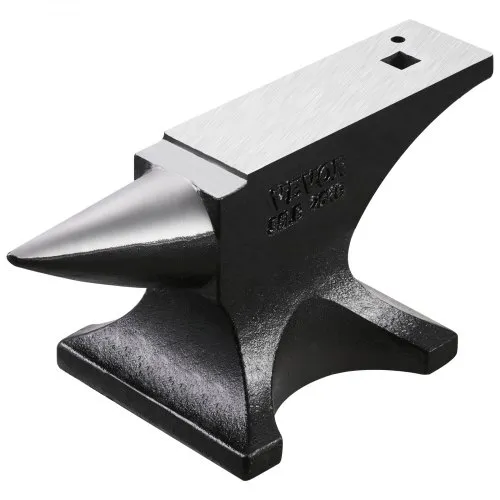


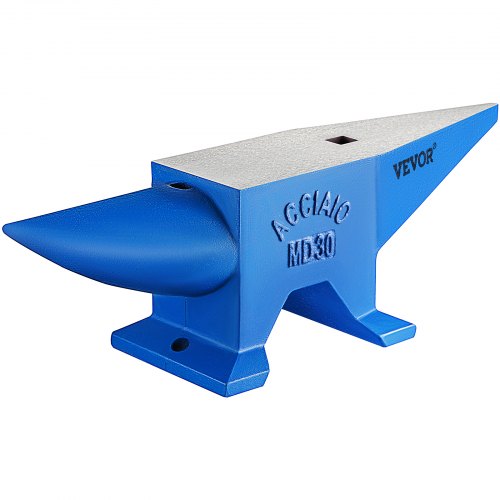


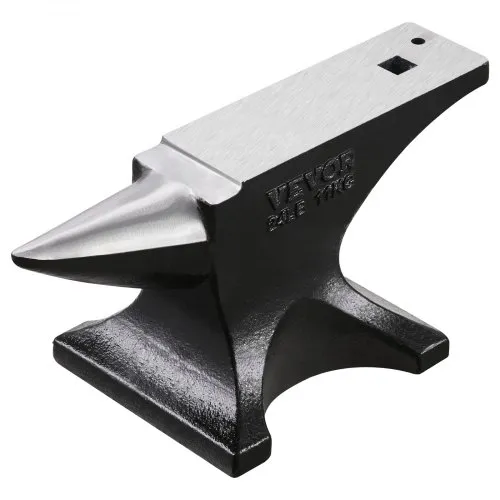


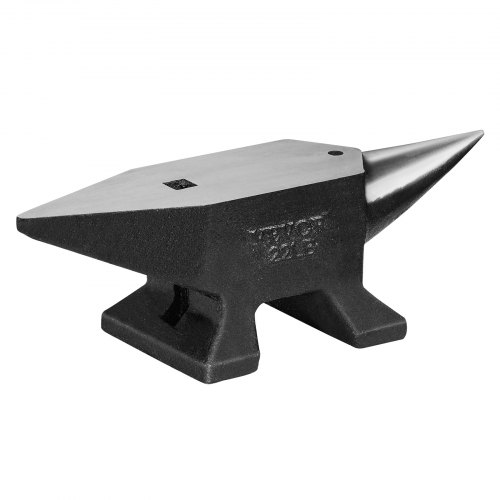










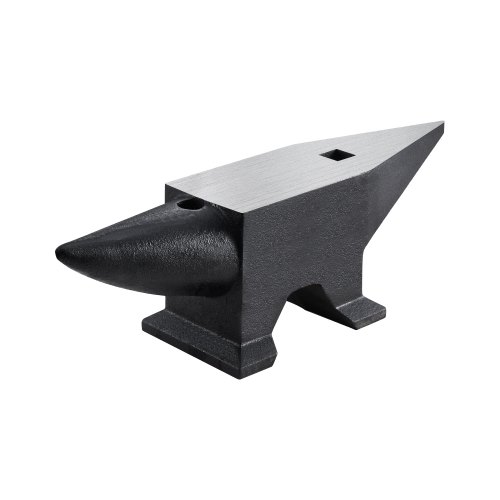


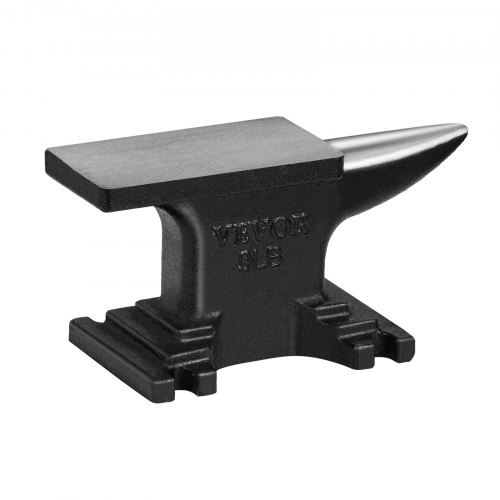


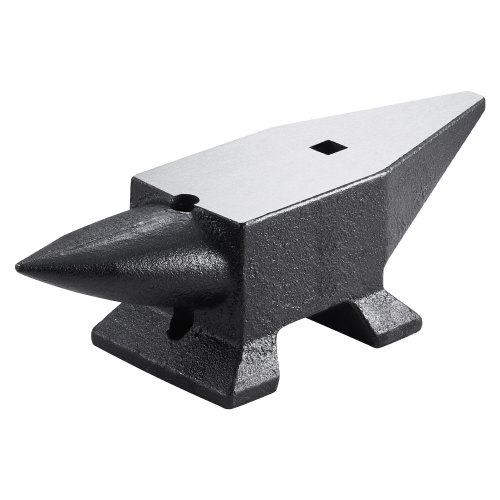


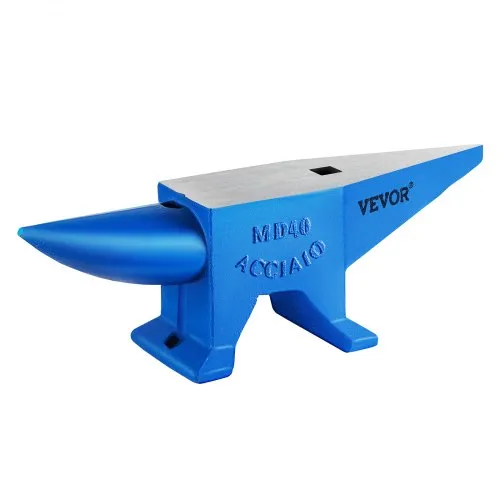


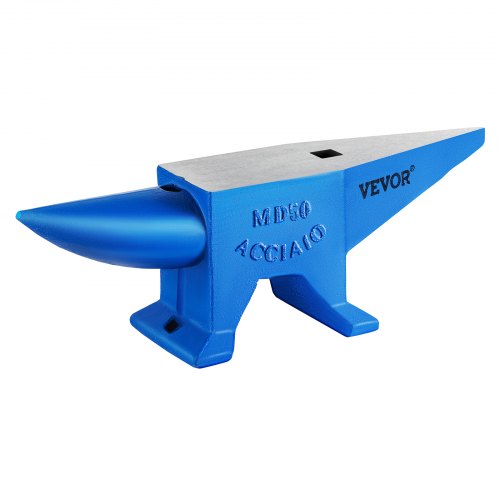


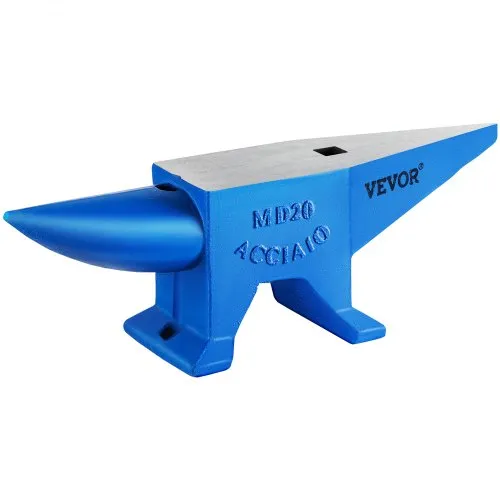


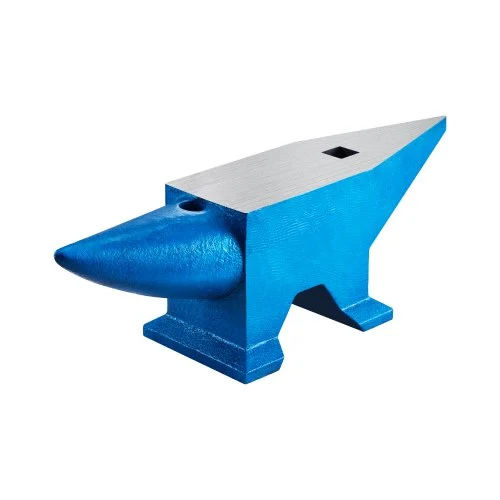


Results for Anvil
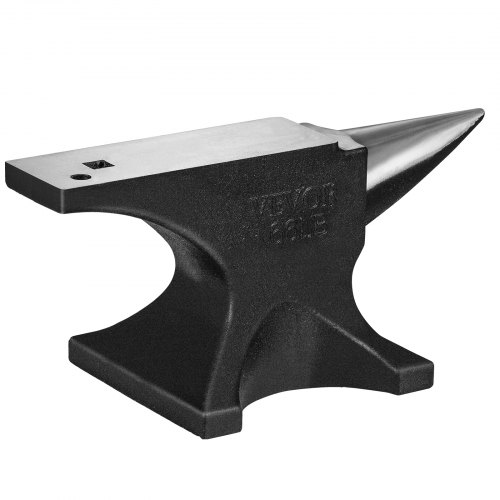
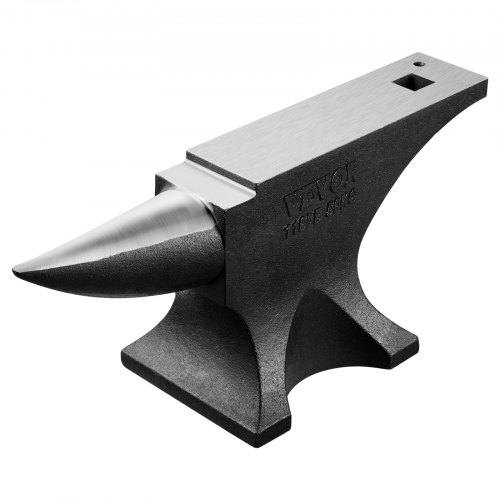
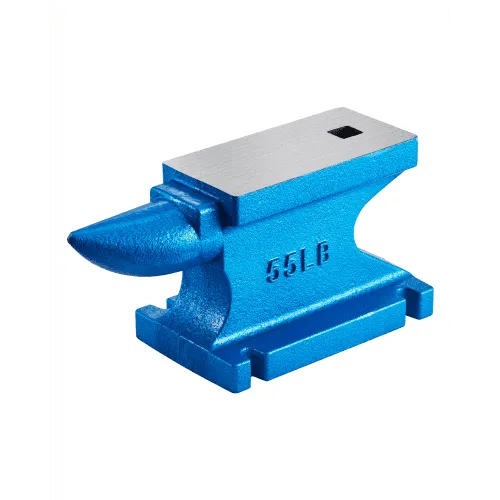
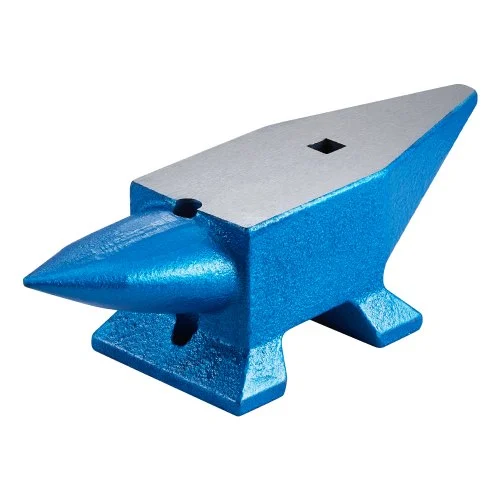
VEVOR offers a wide selection of anvils for blacksmiths, farriers, jewelers, knife makers, and anyone who just likes working with metal for fun. They come in cast steel and cast iron, small bench blocks that weigh less than 20 pounds, heavy professional units for heavy forge work, and horned designs with hardy and pritchel holes for punching stock and shaping curves. VEVOR has reasonable prices, reliable stock, and quick customer service for all orders, whether you are making your first bottle opener or running a working blacksmith shop.
VEVOR Cast Steel and Cast Iron Anvils for Forging, Shaping and Bench Metalwork
Are you sick and tired of a work surface that dents, moves around when you hit it with a hammer, or takes a hit? The right anvil puts energy back into the workpiece, keeps its face flat over years of use, and gives you the horn and holes you need to shape metal exactly how you want.
Choosing Anvils by Material Type and Working Weight
Material and mass affect rebound, longevity, and price, so think about what you will be forging before you compare models.
Cast Steel Construction and Rebound Performance
Real casting needs steel. A cast steel anvil has high rebound, meaning the hammer does not break when it hits it. This means that your arm will not get tired as quickly, and you can get more done at the forge.
It is because it is hard. When you repeatedly hit hot stock on quality steel anvils, they become so hard they won't dent. This means that the working surface stays flat for decades without getting a bowl in the middle.
Look for a Polished steel face anvil with clean, well-dressed sides. If the face is smooth, your workpiece will finish smooth too. Sharp but not knife-edged corners let you set shoulders without cutting into the metal.
A steel professional blacksmith anvil is the best thing to buy for a working shop because it lasts a long time. It costs more at first, but it will last longer than the smith who uses it and is worth much more when it comes time to sell.
Cast Iron Options and Where They Fit
At the lighter end of the market, cast iron really does have a place. A cast iron anvil is much cheaper than a steel one and offers greater mass for cold work, riveting, straightening, jewelry making, and light shaping.
Castings today are much better than they used to be. An older grey iron anvil is much easier to mark than a High-hardness cast iron anvil with a hardened working face. This makes it a real option for occasional hot work.
Just know the limits. Instead of using iron as a work surface, use it as a bench tool. Iron doesn't bounce back as well as steel, and it is more brittle.
For hobbyists and light shop use, a heavy duty cast iron anvil that weighs between 50 and 100 pounds is a great deal because it gives you the stability you need without costing as much as a steel one.
Matching Weight to Your Work
Since mass absorbs hammer energy, bigger is usually better. But only as much as your back, floor, and bench can handle. Try to get an anvil that weighs at least fifty times your hammer.
An easy-to-mount, self-moving light duty blacksmith anvil weighing between 10 and 30 pounds is good for beginners and small projects. It can handle knife blanks, hooks, small brackets, and jewelry work without any problems.
Step up to do general shop work. Blacksmiths anvils use a medium steel anvil that weighs between 50 and 120 pounds for most of the work they need to do, from making tools to doing light farrier work.
When you are making things, you need real mass. Anvils that weigh more than 150 pounds do not move when hit hard, give you the most rebound, and let you work with bigger stock without the tool moving or bouncing on its stand.
Mounting and Base Stability
If the anvil moves, even the best one will not work as well. A stable base metalworking anvil has a wide, flat foot that doesn't rock on a stump, steel stand, or bench.
Make sure there are fixing holes. With slots, holes, or a wide base, you can bolt or strap the anvil down. This stops the ringing sound and any creep during long sessions.
Your body cares about your height. When you stand with your arms loose, set the face to about knuckle height. Too low or too high will hurt your back, and too low or too high will take away power from every swing.
When forging by hand, a metalsmith anvil set on a solid hardwood stump is the most stable, best at blocking sound, and least likely to move.
Anvil Horn Configuration and Working Features
What kinds of shaping you can do depend on the horn's shape and the holes in its body, not just its weight and material.
Horn Shapes and Curve Forming
The horn is where you make curves and turns. Using a single horn anvil, you can bend, draw, and shape hot stock into rings, scrolls, and rounded shoulders by using the tapered horn.
Length is less important than taper. A round horn blacksmith anvil with a smooth, sloping cone lets you make many different sizes by sliding your piece of work along it.
You should also think about bench space. A compact single horn anvil keeps its full shape while taking up little space on a crowded table. This is great for jewelers and small-shop makers.
Hardy Holes, Pritchel Holes, and Face Area
Cutting, bending, and shaping tools can drop straight into the square hardy hole. With an anvil that has both round and square hardy holes, you can punch holes and shear stock without extra fittings.
Your face area changes everything you do. A large countertop-surface anvil lets you straighten longer bars and work on multiple heats at once without moving around much.
Forge anvils are useful by themselves, but when you pair them with the right forged steel blacksmith tools, like hardy cutters, bending forks, and swages, they become a full forming system.
Why Choose VEVOR Anvils?
VEVOR has a huge selection of all kinds of blocks, from small bench models to heavy professional blocks, single-horn designs with tough and pritchel holes, and more, all at prices that leave money for tongs, hammers, and fuel. Every anvil comes with a working face, ready to put to work, and we support it after the sale in case anything arrives broken. Working smiths get the same quality on every order, and new smiths get a tool that will not slow them down as they learn. Browse the collection now and get to work making it.
FAQs
Cast steel or cast iron, which should I buy?
For regular smithing, steel is the best choice because it has a higher rebound and lasts much longer under hot forging. For cold work, light shaping, riveting, and hobby projects, cast iron is a better choice because it is less expensive.
What weight anvil do I need?
Aim for about fifty times the weight of your hammer. Ten to thirty pounds is good for jewelry and small projects, and fifty to one hundred twenty pounds is good for general shop work.
What is the hardy hole used for?
Cutting tools, bent forks, and swages with shanks can fit in the square hole. When punching holes in hot stock, the smaller round pritchel hole gives you room.
How high should I mount my anvil?
Place the face at knuckle height and let your arms hang loosely around your sides. Too low puts stress on your back, and too high makes each hammer blow less powerful.
Can I use an anvil on a workbench?
Yes, as long as the bench is stable and the anvil is secure with bolts or straps. A hardwood stump reduces vibrations better for heavy models and long-term forging.