

Baseboard Heater Cover Replacement


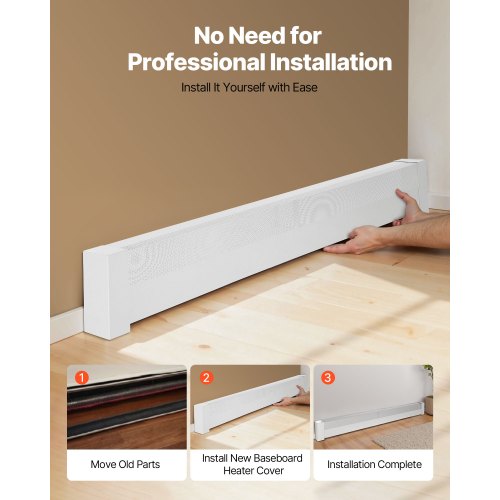



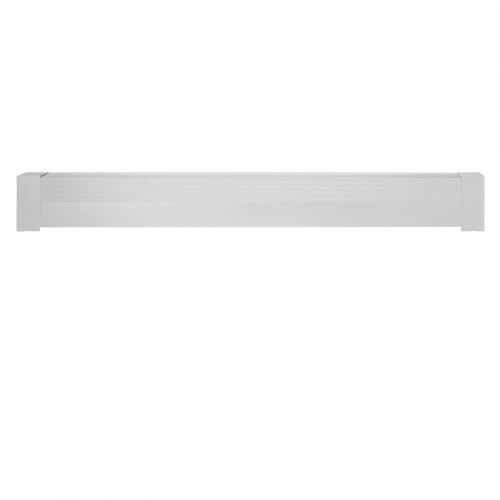
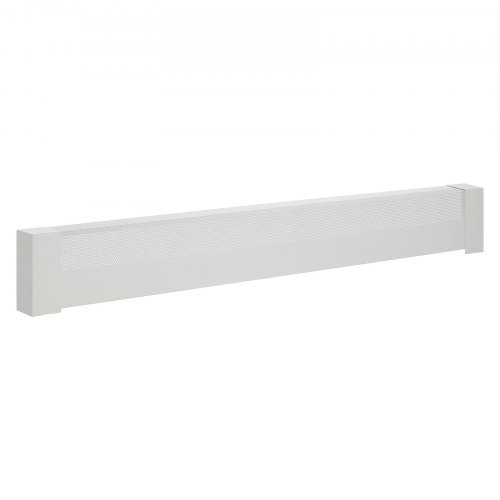


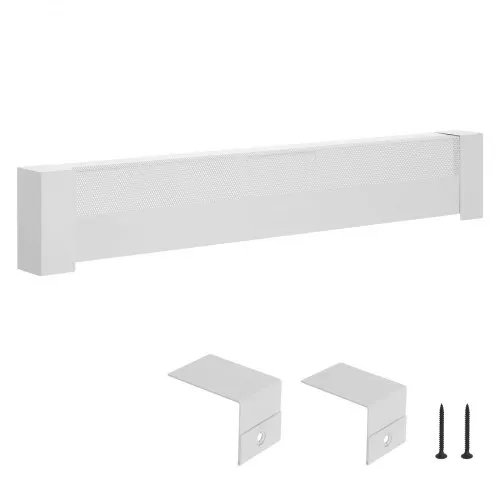




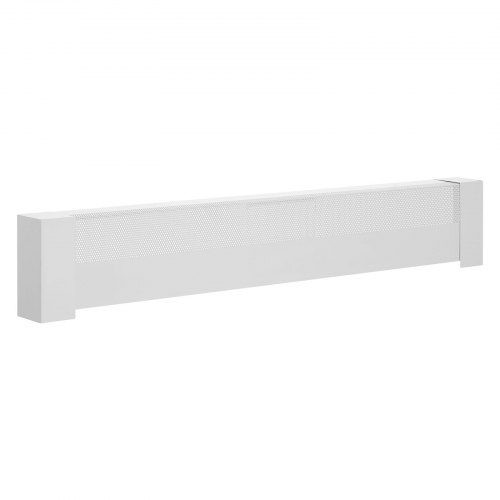
Results for Baseboard Heater Cover Replacement
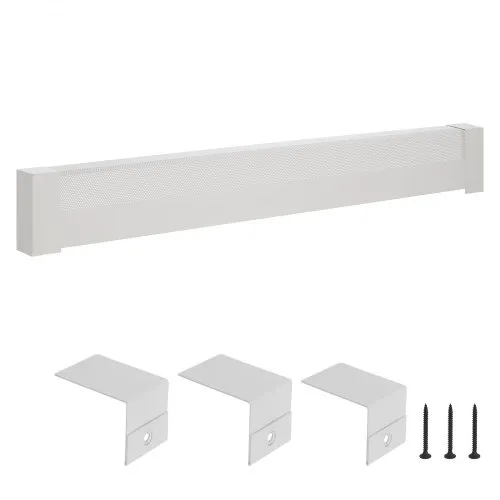
A baseboard heater cover is the protective shell that fits over a baseboard heating unit along the bottom of a wall. It shields the heating element and its wiring or pipes from dust, knocks, and accidental contact, while directing warm air out into the room through its vents. Because the cover sits in plain view at floor level, it also finishes the look of a wall, hiding the working parts behind a clean panel. A good cover guards the unit, keeps airflow open so heat reaches the room, and holds up to years of everyday contact and cleaning.
Covers come in a few forms to match your heating setup. Front replacement covers slip over an existing electric baseboard unit, while deeper covers suit hydronic systems that run hot water through pipes and need more internal space. Lengths commonly run in standard 3, 4, and 5 foot sizes to match typical heater runs, and modular panels with adjustable end caps handle odd wall lengths in older homes. Heavy steel construction with a painted finish resists dents and rust, and planned vent layouts keep warm air flowing into the room. Replacement covers and other heater accessories let you refresh a tired unit without rewiring it. Typical uses are replacing a dented or rusted cover, finishing a renovation wall, and standardizing covers across rental units.
Five things decide what you need:
- System type: confirm whether your heater is electric or hydronic, since hot-water units need deeper covers for their pipes.
- Length: measure the existing heater and match a standard 3, 4, or 5 foot cover, or use modular panels for in-between runs.
- Clearance: leave about 1/2 inch around the element and 3/4 inch above the floor so airflow and heat output stay open.
- Material and finish: heavy steel with a painted finish resists dents and rust better in high-traffic rooms.
- Fit details: check end caps, trim alignment, and backplate compatibility so the new cover lines up with the existing screw holes.
Browse the full baseboard heater cover replacement range to match your unit by length and system, or explore more heater accessories to complete the job.
Baseboard Heater Cover Types at a Glance
At VEVOR, a cover has to match the heater behind it, so this table lines up the main cover types by the system they suit, the clearance to check, and how each one installs.
| Cover Type | System It Suits | Clearance to Check | Install Method | Selection Note |
| Electric baseboard cover | Electric heating units | About 1/2 in around the element | Front cover over the mounted base | The standard replacement, so match length and height to the old unit |
| Hydronic baseboard cover | Hot-water systems | Extra depth for the pipes | Front panel with end caps | Needs more internal space than electric, so measure pipe clearance |
| Front replacement cover | Electric or hydronic | Fit to the existing backplate | Swaps the visible front only | Quickest fix when the old front is dented or rusted |
| Modular adjustable cover | Electric or hydronic | Trim to the wall run | Panels plus adjustable end caps | Best for odd lengths and older homes with uneven walls |
VEVOR Baseboard Heater Covers for Home Heating Upgrades
Are you updating your heating panels or finishing up a home improvement project? A well-fitting heater cover makes the heater safer, allows more airflow, and looks better. With careful planning, VEVOR creates solutions for homes, apartments, businesses, and rental properties. Our designs strike a balance between fit accuracy, durability, and a clean look, whether you need replacement baseboard heater covers for high-traffic rooms or for older baseboard heaters.
Getting the Right Fit Through Accurate Sizing and Compatibility
Picking the right size is the first step to making sure the heater cover protects the area safely and works effectively. Knowing the sizes, installation options, and space requirements can help ensure the heating works well and the finish looks good.
Measuring Heater Length, Height, and Clearance Correctly
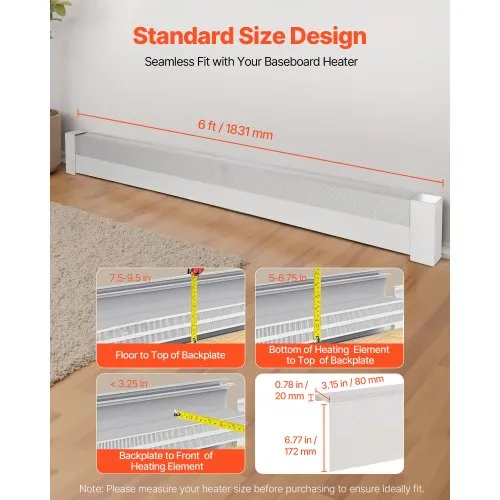
To ensure baseboard heater covers fit well and don't block airflow or reduce heat output, the first and most important step is to make sure they are the right size. The method is safer and works better over time with a cover that is the right size. First, measure the old heater element from one end to the other to determine its length. Include the original end caps in your measurement if they are still on and will stay on. This will ensure there are no gaps or exposed sections.
Usually, there should be at least 1/2 inch of space between the heater element and the inside of the cover. This keeps heat from building up. Heat does not need to circulate as forcefully along the wall, since warm air naturally rises. Make sure no pipes, valves, or electrical lines extend past the heater body when replacing an old system. Access is easier for future cleaning and fixes when the front panels are removable or hinged. For the same level of performance, this extends the life of both the heater and the cover.
Matching Covers to Electric and Hydronic Systems
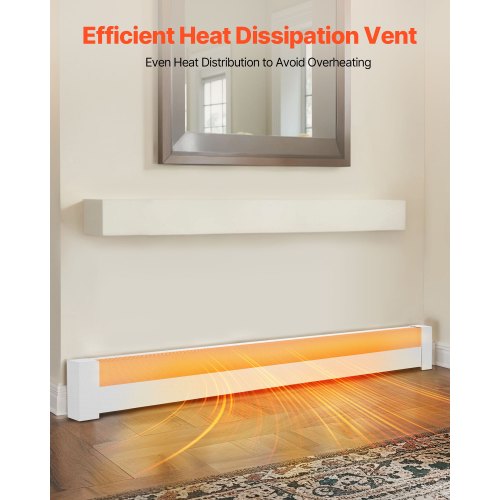
When choosing baseboard covers, compatibility is crucial because electric and hydronic systems operate differently. Electric baseboard heaters provide steady surface warmth and rely on cover designs with vents to let warm air rise slowly into the room. If there isn't enough airflow, heat can build up, causing uneven temperatures and reduced efficiency.
Because hydronic heating systems use pipes to move hot water, their covers usually need more space inside. This extra depth provides space for tubes, valves, and thermal expansion during operation. If you choose a cover that does not leave enough internal space, it could restrict component movement or affect normal system operation.
Make sure you know whether your system is electric or water-based before you buy new baseboard heater covers. Universal designs can work with many different setups, but system-specific covers generally fit better and heat more efficiently. Choosing the right cover for your heating system helps reduce drafts, keeps temperatures from becoming too high or too low, and ensures it works reliably every day during the winter.
Wall Mounting, Floor Clearance, and Trim Alignment
Your room's layout directly affects how baseboard heater covers match the walls, floors, and trim. Correct alignment is important to ensure the cover sits flat and has a clean, finished look in areas with thick baseboards, decorative molding, or uneven walls. To ensure proper placement, measure the distance from the floor to the bottom edge of the heater.
There should be at least 3/4 inch of space above the floor to allow air to flow properly. This makes it easier to clean the area under the cover of dust and dirt. Insufficient floor clearance can impede airflow, lowering overall heating efficiency.
Adjustable end caps and modular heater cover panels are very useful in older homes where the walls might not be straight. These parts help even out rough spots, which makes them look and work better. Aligning the covers correctly also prevents them from rattling or moving while the system is running, making the warmth quieter and more comfortable in the room.
Planning for Renovations and Replacement Projects
Remodeling projects often use baseboard heater covers as finishing touches that tie together the style of the walls, floors, and furniture. Check whether the current mounting holes can be reused to reduce installation time for replacement jobs. Modular lengths make upgrades easier across multiple rooms and provide a consistent visual appearance.
Standardized sizes make it easier to quickly replace damaged covers in rental properties and business areas. Baseboard heat covers that are long-lasting and reinforced at the ends can withstand daily use and cleaning. Careful planning ensures that all the rooms work together and keeps future repair costs low.
Matching a Cover to Your Install Situation
The best cover depends on the job in front of you, so this table pairs common install situations with a cover choice, the measurement to prioritize, and what to watch for.
| Install Situation | Cover Choice | Measurement to Prioritize | What to Watch For |
| Replacing a dented cover in a bedroom | Matching-length electric front cover | Existing heater length | Buy the same length as the old cover so screw holes and end caps line up |
| Finishing a renovation wall | Modular or adjustable cover | Total wall run and trim height | Adjustable end caps hide gaps where new flooring meets an older heater |
| Rental or multi-unit turnover | Standard-size covers | Common lengths kept in stock | Standardized sizes let you swap damaged covers quickly across units |
| Hydronic hot-water heater | Deeper hydronic-compatible cover | Pipe clearance inside the cover | Electric-depth covers can crowd water pipes, so confirm internal space first |
| Low floor clearance or thick carpet | Cover with the proper floor gap | 3/4 in gap above the floor | Too little floor clearance blocks the airflow that carries heat into the room |
Material and Design Options for Baseboard Heater Covers
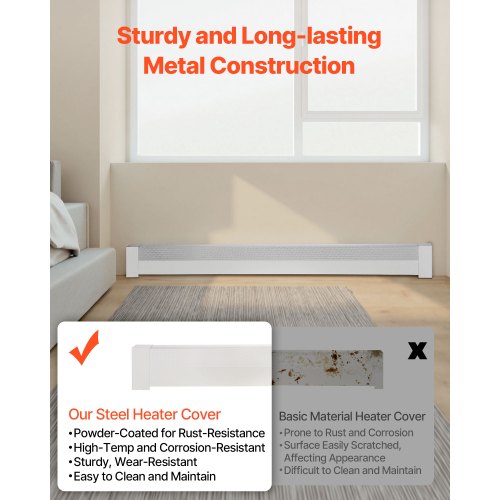
The material you choose for a heater cover strongly affects how long it lasts, how it looks, and how well it performs over time. Steel baseboard heater covers are impact-resistant, making them a good choice for homes with many occupants, high-traffic areas, and shared living spaces. Their robust construction keeps the structure stable during daily use and protects the internal heating components from accidental contact.
The location of the vents is also very important. Well-planned vent layouts let warm air flow well without heating the outside surfaces too much. Baseboard heater covers with clean lines look excellent in both modern and classic rooms because they add to the look without drawing attention to themselves. Getting the right mix of material, finish, and vent design for your heater cover panel will make it last longer, keep you safer, and give it a clean, finished look.
Best-Seller Comparison
At VEVOR, these four covers lead the page, so here they are side by side on length, series, and the spot each one suits best.
| Product | Cover Length | Material | Finish | Series | Typical Room Spot | Best For |
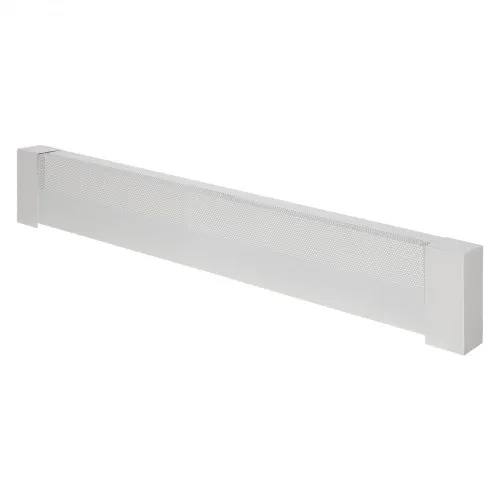
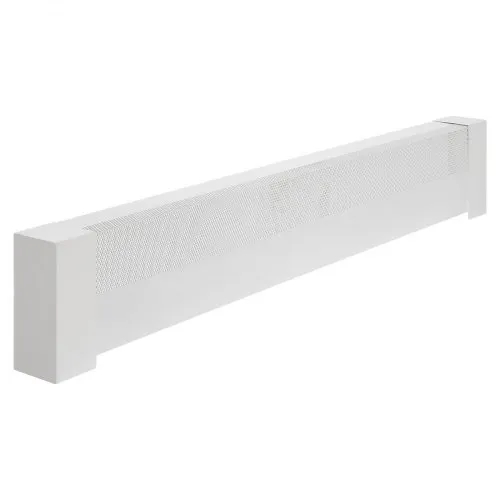
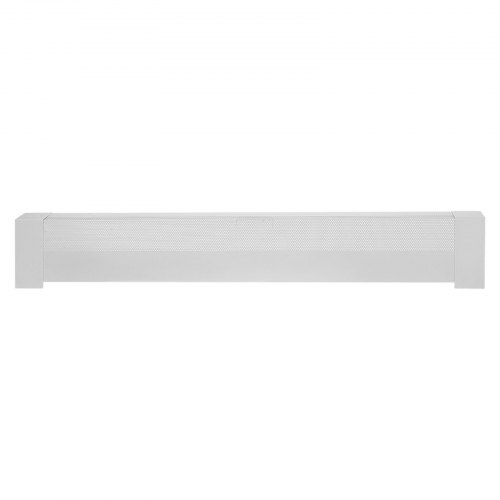
| Premium 5 ft Baseboard Cover, White | 5 ft | Heavy-duty Steel | White | Premium | Longer living-room or main-wall runs | Longest cover here; single-piece fit over a 5 ft heater |
| Premium 4 ft Baseboard Cover, White | 4 ft | Heavy-duty Steel | White | Premium | Standard bedroom wall | Mid-length premium; the common bedroom replacement size |
| Premium 3 ft Baseboard Cover, White | 3 ft | Heavy-duty Steel | White | Premium | Small room or under a window | Shortest premium option; tight spaces and short heater runs |
| Basic 3 ft Baseboard Cover, White | 3 ft | Heavy-duty Steel | White | Basic | Small room, budget replacement | Only Basic-series cover; simplest 3 ft swap where a premium finish is not needed |
Why Choose VEVOR Baseboard Heater Covers?
VEVOR offers long-lasting heating options that are well-fitted and made for safety, airflow, and modern living areas. Upgrading your heating system is easy and cost-effective when you choose a company that offers fair prices, high-quality products, and reliable after-sales customer service. Check out VEVOR today to find baseboard heater covers that will make your home more comfortable, save you money, and look better.
FAQs
Where can I buy stylish and affordable baseboard covers?
You can order baseboard heater covers directly from the VEVOR baseboard heater cover replacement range, listed by length and series so you match your unit before buying. Clean white steel panels suit most rooms, and standard sizes keep replacement simple.
Are there different styles of baseboard heater covers available?
Yes. Covers vary by the system they fit, electric or hydronic, by length in standard 3 to 5 foot sizes, and by series or finish grade. Modular panels with adjustable end caps also handle odd wall runs in older homes.
What are the best options for covering or hiding baseboard heaters?
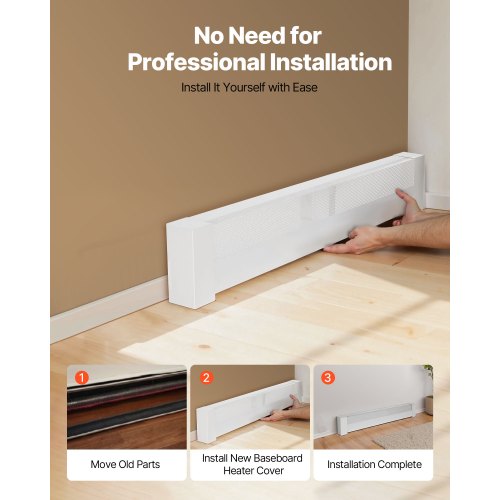
The simplest option is a front replacement cover that slips over the existing unit and hides the element behind a clean steel panel. For uneven walls, modular covers with end caps close the gaps. Match the length and height to your heater for a flush look.
What are the best materials for durable baseboard heater covers?
For durability, heavy-gauge steel with a powder-coated or painted finish holds up best, resisting dents in high-traffic rooms and rust in damp areas. Thicker steel stays flat over long runs, while the finish protects against scratches and everyday cleaning.
Are electric baseboard heater covers better?
Neither type is better overall; the right cover matches your system. Electric baseboard covers fit snugly around a heating element, while hydronic covers are deeper to clear hot-water pipes. Using the correct type keeps airflow and heat output safe.
What is the best material for baseboard heater covers?
Steel is the most practical choice for most homes because it is strong, holds a painted finish, and resists heat and impact. Choose a heavier gauge for long wall runs and busy rooms where the cover takes regular contact.
Do baseboard heater covers work on electric baseboards?
Yes. Most VEVOR covers are made for standard electric baseboard units, slipping over the existing base to protect the element and direct heat. You can find matching covers and other heater accessories sized for standard units; just confirm your heater's length and height first.
How much does it cost to replace baseboard heater covers?
Cost depends on the cover length, series, and how many sections your heater run needs, rather than a single figure. A short Basic-series cover is the entry tier, while longer Premium covers sit higher. Compare lengths and series to judge value.
