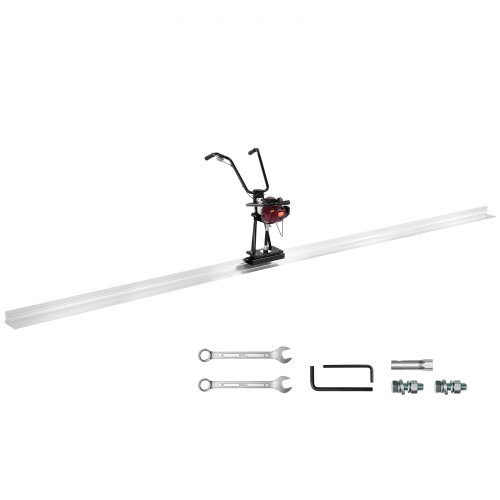

VEVOR offers a wide range of concrete tools for professional builders, building crews, and serious do-it-yourselfers working on slabs, driveways, walkways, patios, and foundation pours. The collection includes concrete floats, concrete screeds, concrete trowels, concrete edgers, concrete groovers, concrete brooms, concrete bull floats, concrete vibrators, and concrete grinders. Designed to last on the job site, each concrete tool in the range gives users a reliable option for every step of laying, finishing, and shaping concrete.
Do you need concrete tools for flattening, floating, troweling, edging, or grinding the surface of residential or business concrete projects? With the right concrete tools, you can achieve flat, smooth, and properly finished surfaces. These surfaces will dry properly and last for a long time. VEVOR offers a wide range of concrete tools suitable for use on poured slabs, precast panels, ornamental concrete, and structural concrete.
Matching each tool to the right step in the finishing process is the first step in finding the right concrete tools. VEVOR sorts all its concrete tools by type so builders and do-it-yourselfers can quickly find the right tool for their project's size and the type of concrete they need.
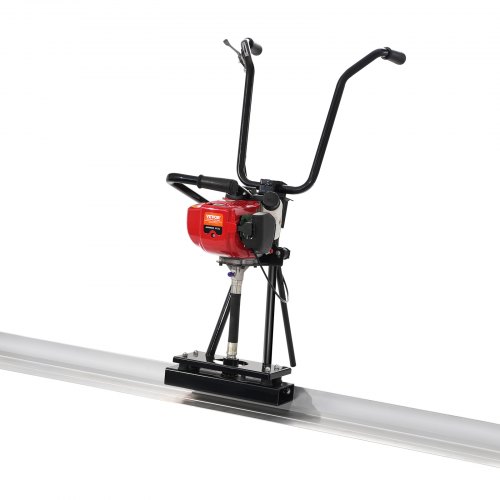
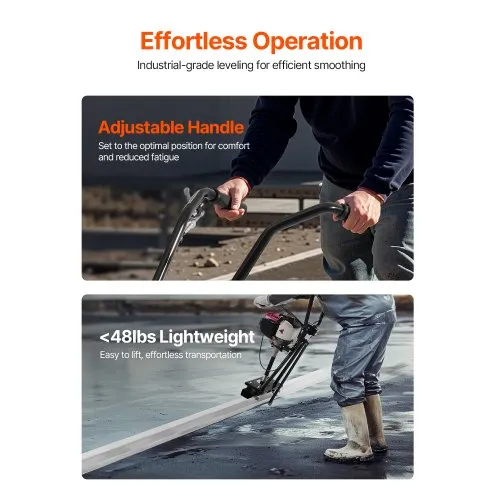
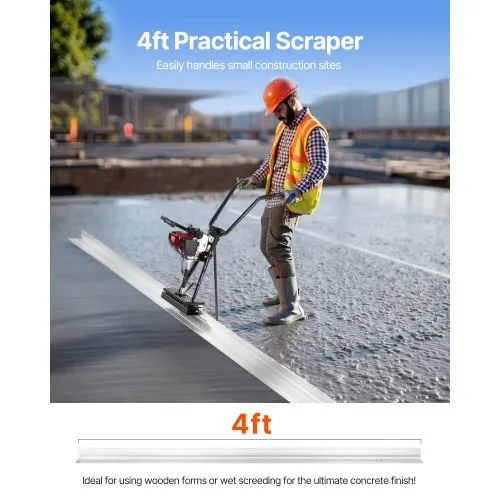
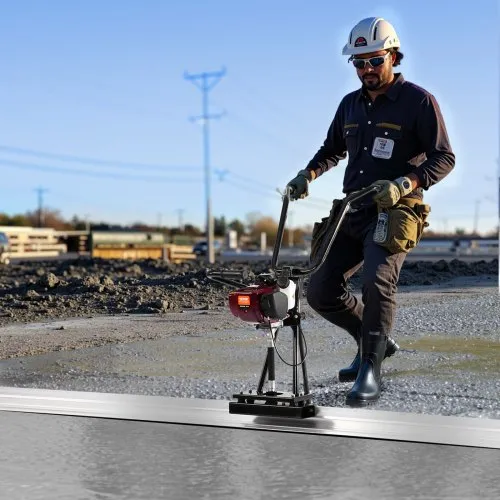
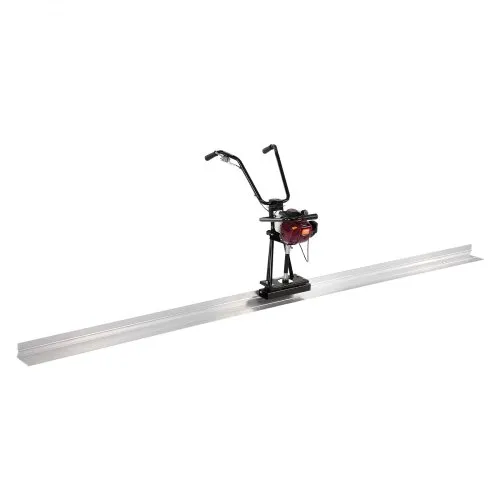
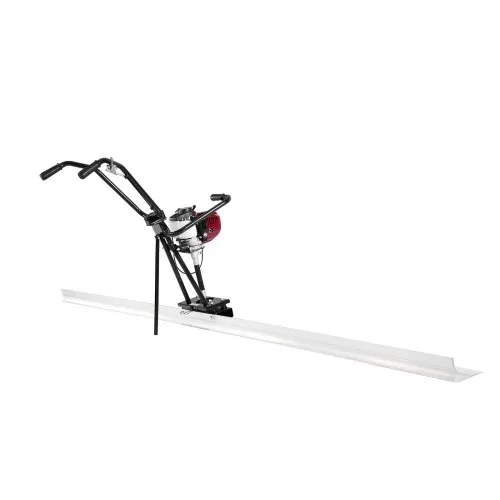
You use a concrete screed right after dumping concrete to remove any excess and ensure the slab's surface is level. VEVOR offers both hand screeds for smaller pours and long-handle magnesium-blade screeds for work on larger slabs. As the concrete screed moves along form edges or screed tracks, its straight blade profile cuts down on high spots and fills in low ones, making the surface level before floating starts. With VEVOR, you can choose blade lengths from 4 feet to 10 feet to fit different slab widths and pour amounts.
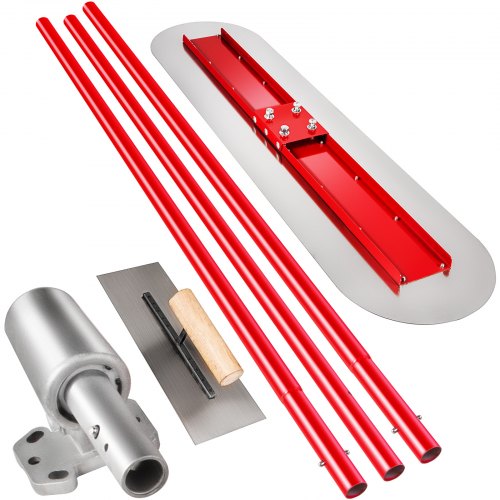
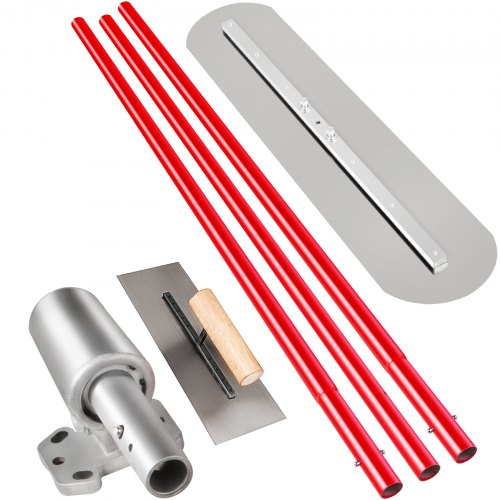
Large concrete tools called concrete bull floats are used after screeding to smooth the surface, push gravel below the surface, and make the concrete smooth before it starts to set. Bull floats for VEVOR concrete come with blades made of magnesium or aluminum and partial handle systems that let them reach across wide slabs from the edge of the form. Magnesium bull float blades slightly open the surface texture, allowing the trowel to stick better, while aluminum blades make the original surface harder in concrete mixes with air. VEVOR bull floats have handle pivot joints that let you adjust the blade angle while pushing and pulling to achieve even contact with the surface.
Concrete floats are handheld tools used to further smooth the surface, embed aggregate, and prepare the slab for troweling after bull floating. VEVOR concrete floats come in magnesium and wood versions, both of which work with various concrete mixes and finish needs. When finishing air-entrained concrete, magnesium floats are preferred because they do not draw excess moisture from the surface. Wood floats make the surface a little rougher, which helps subsequent toppings or layers bond better.
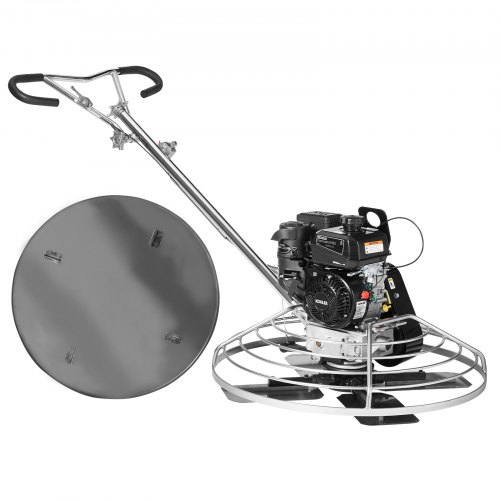
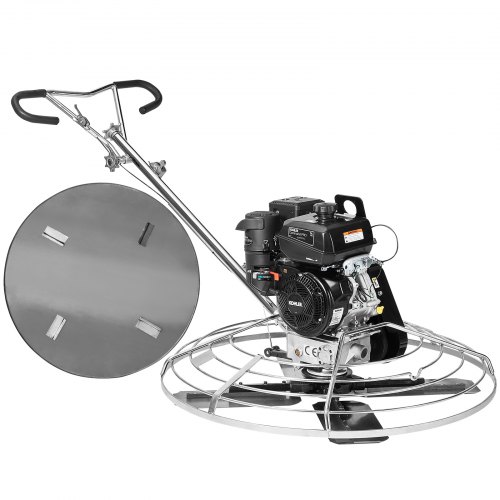
Concrete trowels are precision tools used in the final finishing stages to create a smooth, dense, and durable surface for garage floors, interior slabs, and commercial concrete. There are hand trowels and finishing trowels from VEVOR that feature blades made of high-carbon steel or stainless steel. High-carbon steel trowel blades flex slightly during use, helping finishers better gauge the surface and maintain consistent pressure. When working with wet concrete, stainless steel trowel blades do not stain or rust, making them the best choice for artistic and polished concrete finishing jobs.
Concrete edgers are specialized concrete tools that smooth and press down the edges of a freshly poured slab to prevent chipping and cracking when the forms are removed. VEVOR concrete edgers have a curved radius shoe that rolls along the form edge and pushes down on the concrete at the slab edge. This process produces a smooth, durable, rounded-edge profile. With 1/4-inch, 3/8-inch, and 1/2-inch radius options, the VEVOR edger range can meet a variety of finishing standards and project needs.
Using concrete groovers, you can cut control joints into new concrete slabs at regular intervals. This design ensures that as the slab shrinks during curing, cracks form along predetermined lines. VEVOR concrete groovers feature a center bit that cuts a V-shaped groove into the surface, deep enough to help control random cracking. Different slab thicknesses and joint spacing needs lead to different groove depth and width choices across the range. Long-handle groover types let you cut joints in larger slabs while standing, so you do not have to kneel on the fresh concrete.
Texturing concrete surfaces with concrete brooms creates a broom-like finish on exterior slabs, driveways, and paths, making them easier to walk on when the surface is wet. VEVOR concrete brooms have long arms with stiff polypropylene or horsehair bristle heads, allowing the finisher to pull the broom across the new surface in straight, even strokes.
The stiffness of the bristles determines how deep the texture grooves are. Stiffer bristles make deeper texture grooves that are good for high-traffic exterior surfaces, while softer bristles make lighter texture grooves that are better for decorative uses.
During the pour stage, concrete vibrators are mechanical tools used to ensure that all air pockets are filled and the form is fully consolidated before the surface is finished. They work by consolidating the fresh concrete around reinforcement and eliminating air pockets.
VEVOR offers electric and pneumatic concrete vibrators with immersion probe heads in standard sizes of 1 inch, 1.5 inches, and 2 inches to fit different form depths and reinforcement spacing. Using the right vibration method with a VEVOR concrete vibrator densifies, strengthens, and makes the concrete more uniform throughout the pour depth. It directly improves the load-bearing performance and surface quality of the finished slab.
Understanding the concrete tools' material and size requirements helps users choose the right product for the concrete mix type, slab size, and finishing needs. VEVOR manufactures concrete tools using materials and sizes optimized for professional finishing and long-term durability.
The choice of material for concrete tools directly affects how well they finish, how much they weigh, and how long they last on the job site. When working with air-entrained concrete, magnesium blades work best because they do not react with the agents in the mix that trap air, leaving a smooth, open surface that is good for troweling. Aluminum blades are a lighter option for contractors who need to work quickly over large slab areas, where the tool's weight can make them tired after extended use.
High-carbon steel is the standard blade material for commercial and industrial finishing work with concrete trowels. This is because high-carbon steel has a small flex, making it easier for finishers to control during burnishing hard concrete mixes.
When you finish the concrete with artistic touches, stainless steel trowel blades keep the surface clean and prevent staining from colored mixes. VEVOR makes edger and groover bodies from stainless steel and aluminum, so they do not rust when they come into contact with wet concrete and cement slurry for extended periods during finishing work.
As you choose a concrete tool, its size affects both the area you can cover in a single pass and how easily you can control it. VEVOR makes bull float blades in lengths ranging from 36 inches to 48 inches and widths ranging from 8 inches to 12 inches. On big open slabs, wider blades cover more surface area with each pass. For clean single-pass leveling without blade deflection in the middle of the span, the length of the screed blade should be the same as or a little longer than the distance between the form lines or screed rails.
The VEVOR range of concrete tools has hand trowel blades that are 10 inches to 20 inches long. Longer blades are better for experienced finishers working on big flat slabs, while shorter blades are better for patching, repair work, and tight spaces around columns and walls.
You should choose the concrete vibrator probe diameter based on the spacing of the reinforcement bars in the form. The probe diameter should not exceed one-third of the clear distance between the bars to ensure the concrete is fully consolidated and there is no aggregate separation. For single-pass texturing on paths, driveways, and large commercial slab decks, VEVOR offers broom heads ranging from 18 to 36 inches wide.
A complete concrete job with VEVOR tools includes vibration, screeding, floating, troweling, edging, grooving, brooming, and surface grinding. Made from professional-grade materials, the range includes concrete screeds, bull floats, floats, trowels, edgers, groovers, brooms, vibrators, and grinders. They all work the same way on the job site. With fair prices and reliable customer service after the sale, VEVOR concrete tools are a good buy for contractors and serious do-it-yourselfers working on jobs of various sizes. At VEVOR, you can look through all of their concrete tools and find the right one for each step of the pour and finish.
A concrete float is used earlier in the finishing process to pack down the gravel and fill any surface holes left by screeding. Later, a concrete trowel is used to smooth and harden the surface by compressing and densifying it.
There is a short window between placing the concrete in the form and using a concrete vibrator. Place the vibrator probe in the pour area, 18 to 24 inches apart, and hold it vertically in the pour. Hold each insertion site for 5 to 15 seconds to allow all air bubbles to rise and escape.
Your choice of edger radius will rely on the project requirements and how you plan to use the slab edge. A 3/8-inch radius is the most common size for driveways, walkways, and patios in homes.
For cracking to go in the right direction, control joints cut with a concrete groover should go at least a quarter of the way through the slab. For a typical 4-inch home slab, the seam should be at least 1 inch deep.
For outdoor slabs such as driveways, walkways, pool decks, and ramps that require a textured, non-slip surface, concrete brooms are the best choice. For looks and cleanliness, interior slabs are usually smoothed with a concrete shovel.