Concrete, Cement & Masonry

















































































Results for Concrete, Cement & Masonry
Get everything you need for your pour and finish job in one place. For slabs, footings, driveways, and decorative surfaces, VEVOR has floats, trowels, rebar accessories, and finishing tools. You can find sturdy, well-designed tools for every step of the job, whether you are in charge of a busy crew or work on projects at home on the weekends. Our range includes hand tools for rough edges and powered machines for big flatwork. It covers every stage of residential, commercial, and industrial concrete work, from start to finish.
VEVOR Concrete, Cement & Masonry Supplies for Every Pour and Finish
Not sure what tools you need for your next slab? Whether you're laying a new driveway, troweling a warehouse floor, or setting rebar for a foundation, the right tools are crucial for a smooth, professional finish. VEVOR offers reliable tools for cutting, shaping, floating, and finishing, so you can choose the right tool for the job and get it done.
Match the Right Tool Category to Your Concrete Application
Choosing tools by job stage keeps work moving quickly and surfaces clean. Below, we'll cover the main tool types and why each belongs on the job site.
Concrete Finishing Tools for a Smooth Surface
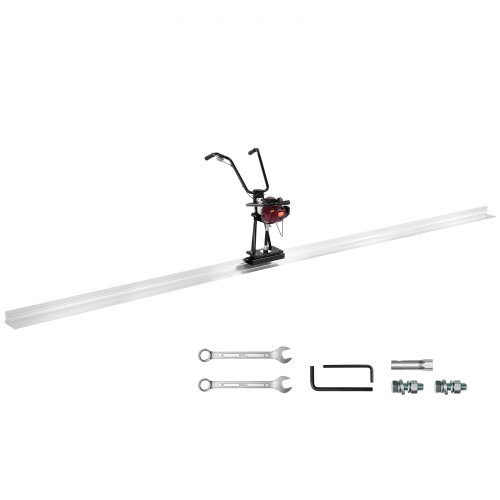
Concrete finishing tools help you smooth and level a rough pour, making it ready for use. This group includes the powered and hand tools you use after pouring and letting the concrete start to set. Groovers cut control joints to help control cracking, edgers make clean edges along forms, and steel trowels close the surface for a hard, thick finish.
Timing matters as much as the right tool. Working on the top too soon traps water, and waiting too long makes it hard to shape. Keep different concrete tools close at hand so you can easily switch between tasks like bull floating, edging, and trowel finishing. VEVOR finishing tools have comfortable handles and plates strong enough to handle multiple jobs. This means that you can get the same results on patios, walkways, and interior floors.
Bull Floats and Hand Floats for Leveling
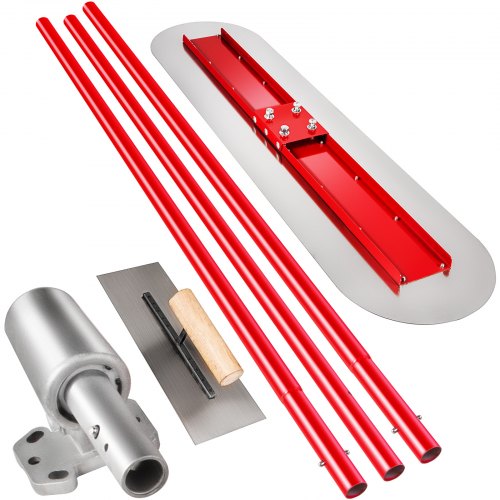
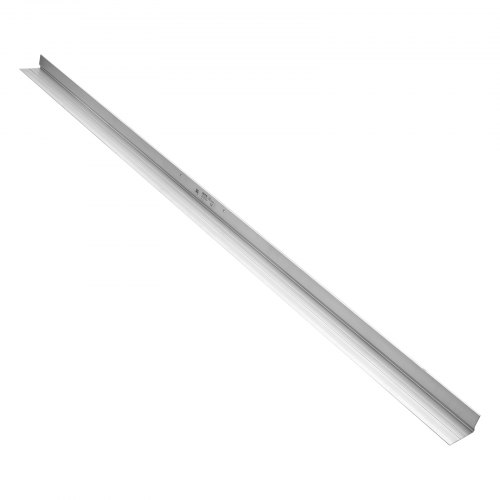
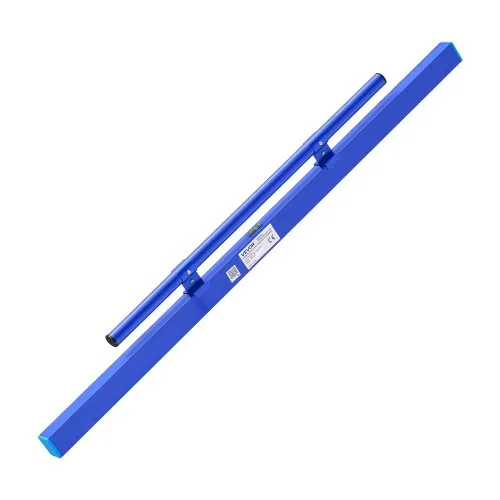
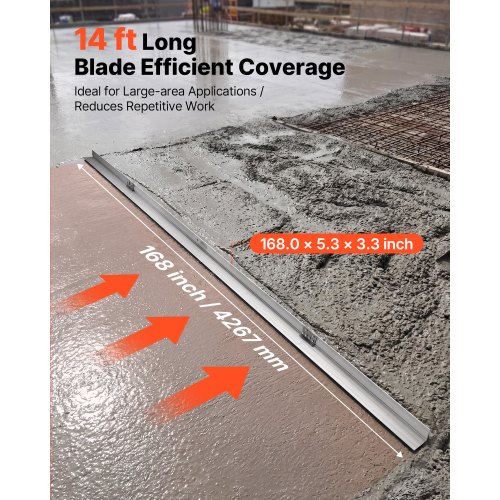
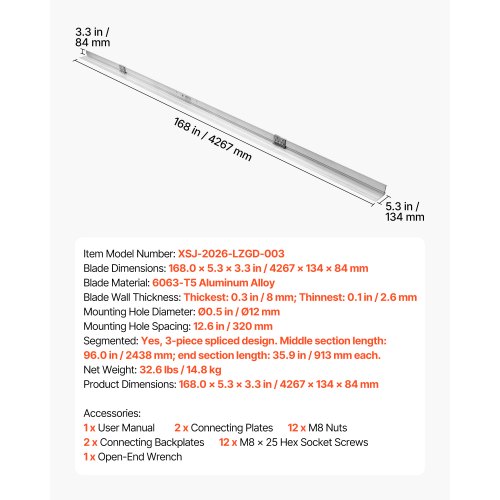
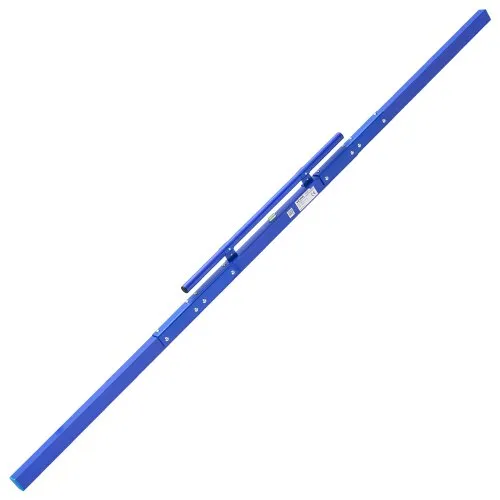
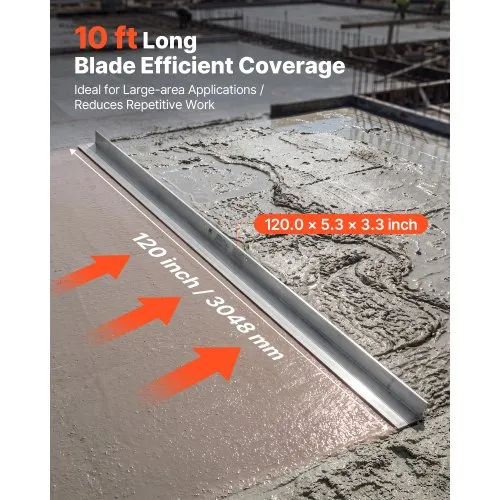
Immediately after screeding, floats break up ridges and push material below the surface. Bull floats quickly cover large areas, so you can level a new slab in long, smooth strokes before the concrete hardens. When the mix has a lot of air, magnesium bull floats work well because they are light and open the surface without closing it too soon.
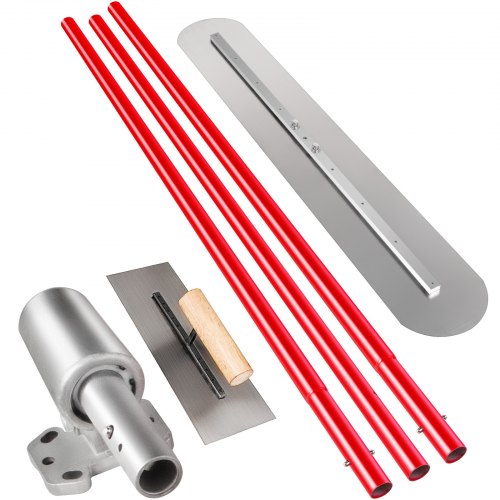
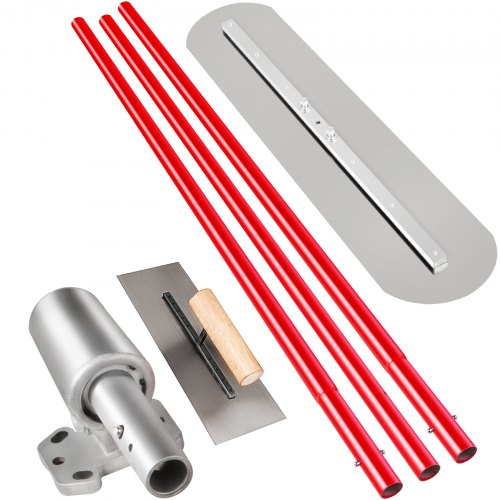
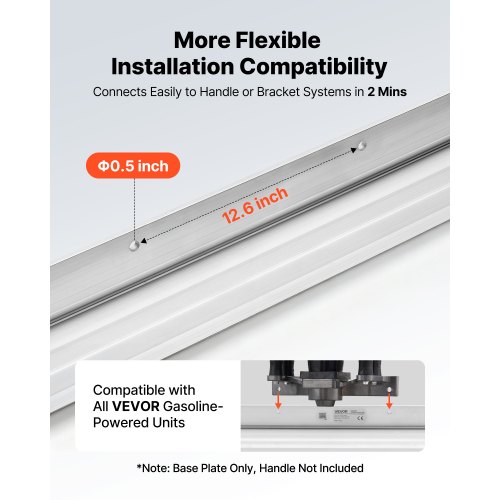
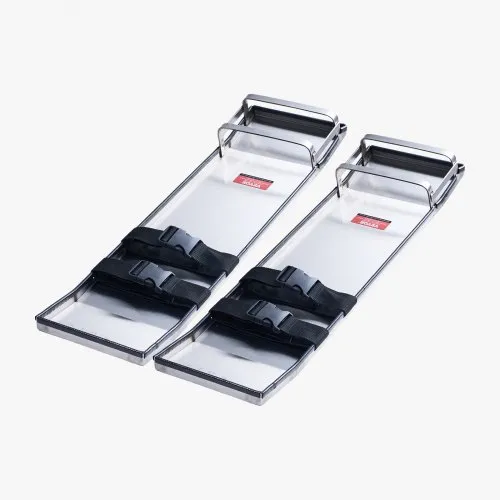
Round end concrete floats let you work on bends, edges, and small details. They also let you reach into corners and along walls where a straight blade would not be able to sit flat. Use a wide float for open areas and a smaller hand float for tight areas to cover the whole pour. VEVOR floats have strong bracket connections and rigid blades that stay flat even under heavy pressure. This helps you make a smooth base for the next steps.
Power Trowels for Large Flatwork
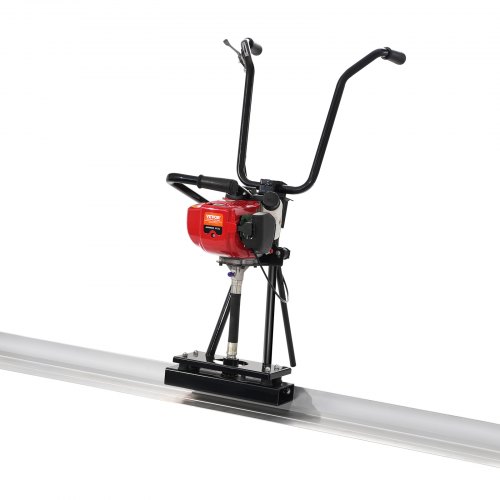
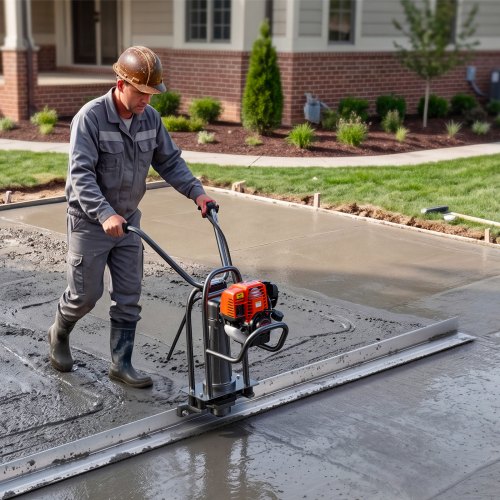
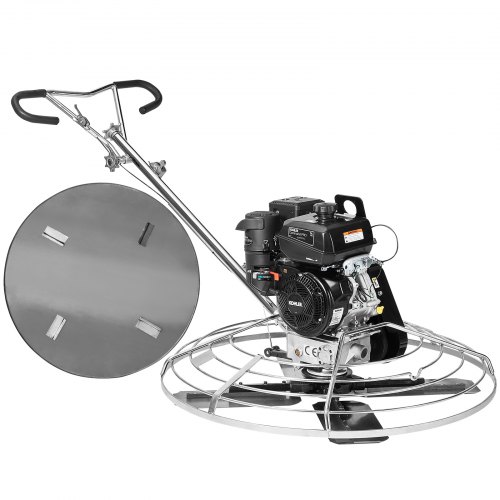
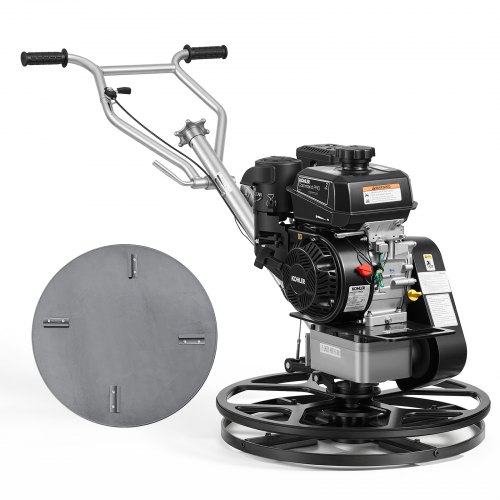
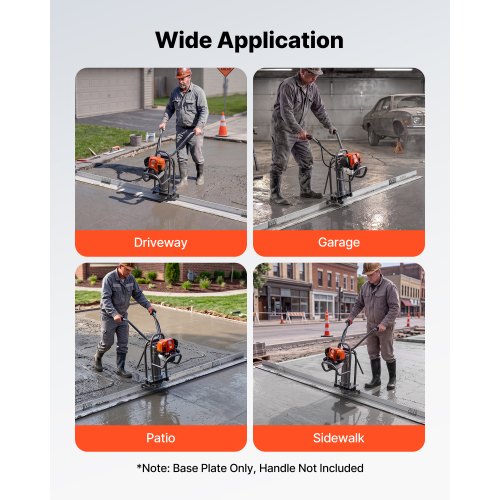
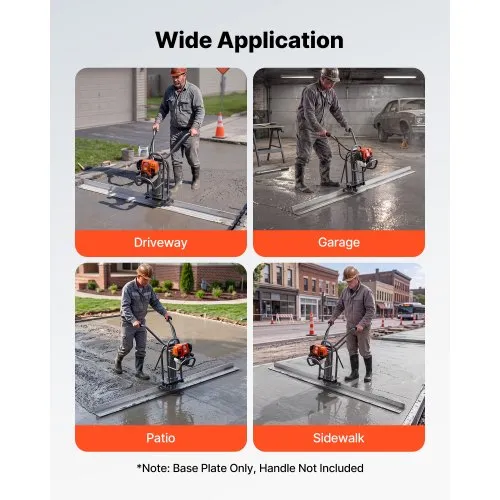
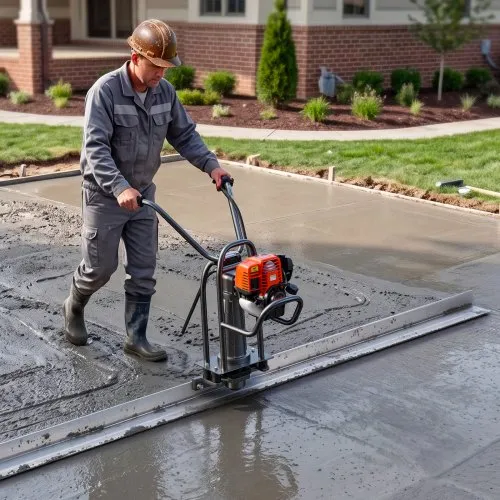
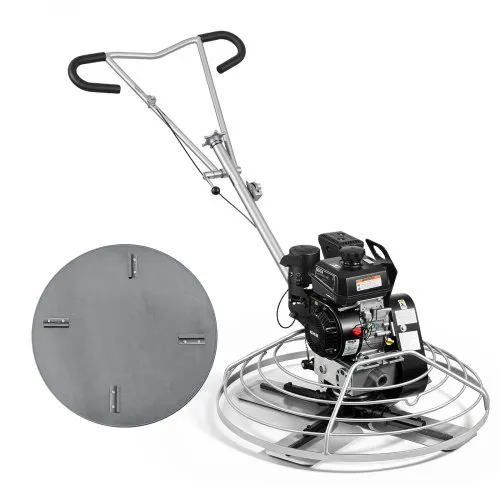
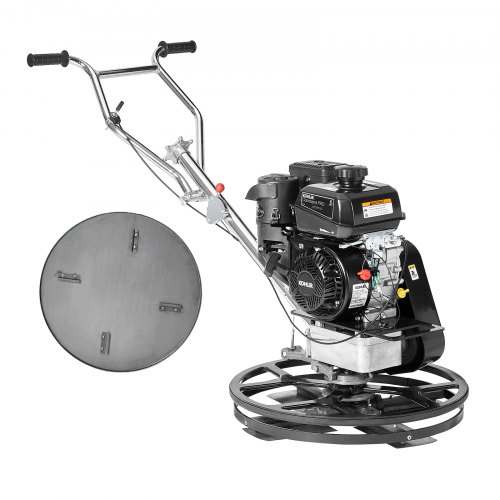
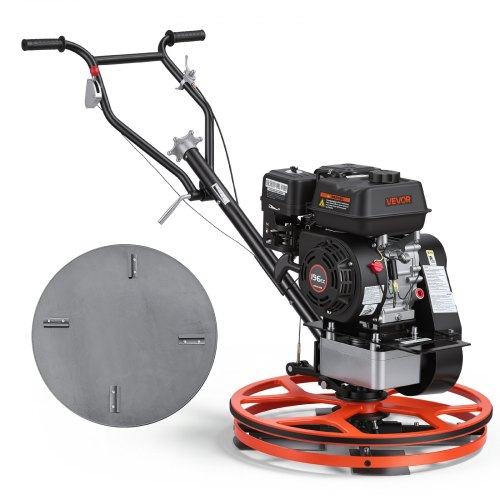
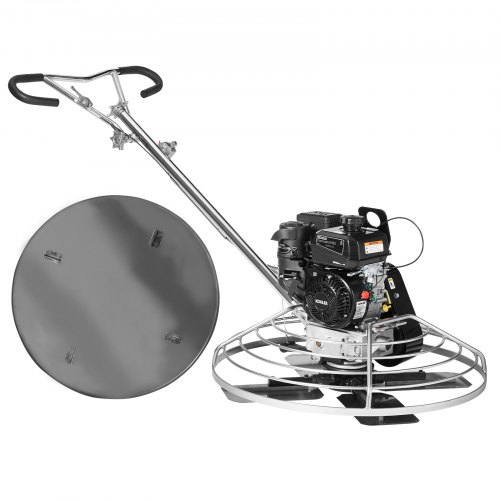
When hand tools can not handle the size of the slab, power trowels step in. In much less time, these machines spin blades or pans across the surface to create a dense, shiny finish over large areas. One person can walk behind a walk-behind cement trowel and use it in garages, basements, and mid-sized business floors.
The blade pitch determines the finish. To close and polish the surface, raise the blade angle as the concrete hardens. Start with flat blades. For very large industrial pours, bigger machines can cover more area with each pass. Crafted with strong frames and evenly weighted rotors, VEVOR trowels run smoothly and keep the finish even from one edge of the slab to the other, even after long shifts.
Rebar and Accessories for Structural Strength
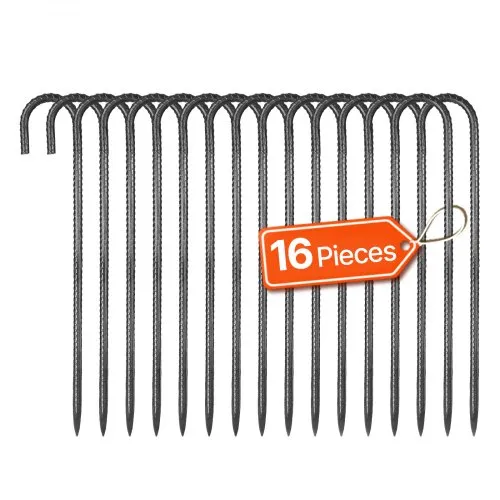
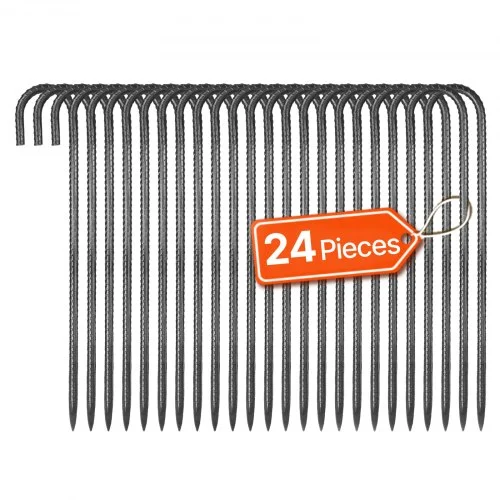
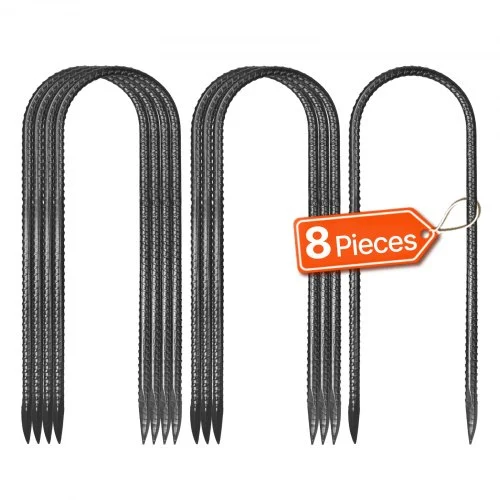
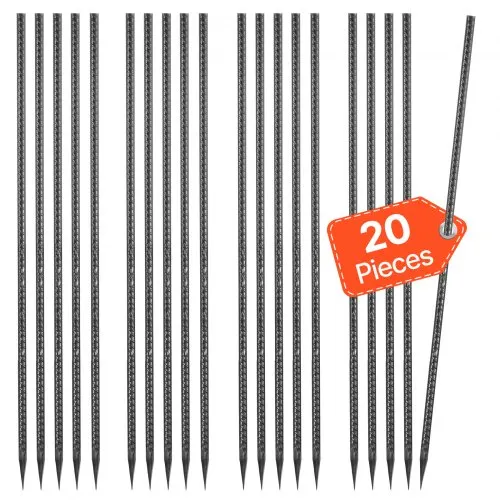
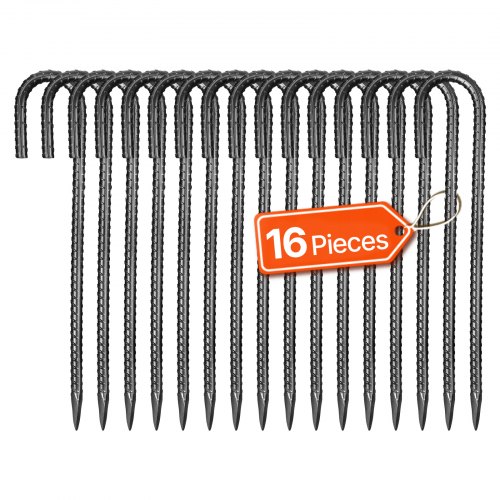
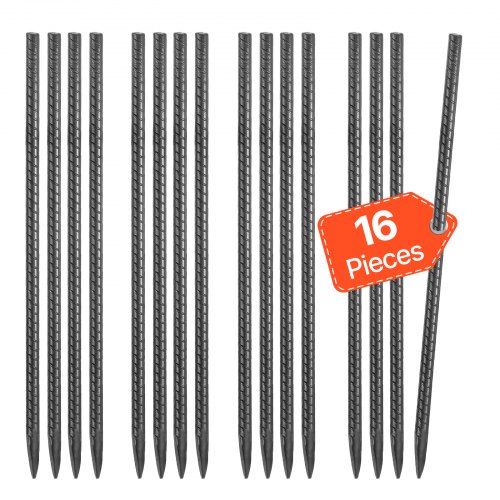
Concrete is weak in tension but strong in compression. This is where rebar & accessories come in. Tensile loads keep footings, supports, and slabs from breaking apart under heavy stress. How far apart they are and how they should be laid out depends on how much weight it will hold.
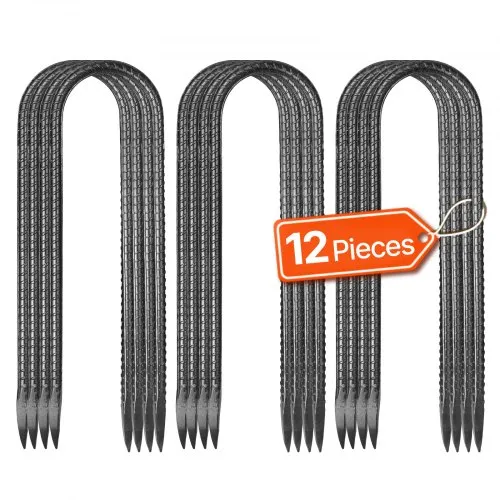
Accessory pieces, in addition to the bar itself, hold the system together. During the pour, chairs and spacers keep the rebar at the right height, tie wire holds crossings together, and bar caps protect the exposed ends from damage. After the concrete sets, it is too late to fix mistakes in reinforcement placement. VEVOR offers supporting hardware and reinforcement materials made to job-site standards to help ensure your structural work lasts a long time.
Choosing Concrete, Cement & Masonry Supplies by Power Source and Material
After the job is done, how a machine is powered and what a tool is made of are two real things that affect your choice. The tips below will help you match your job site with the right machine and finish quality.
Gas Versus Electric Power for Finishing Machines
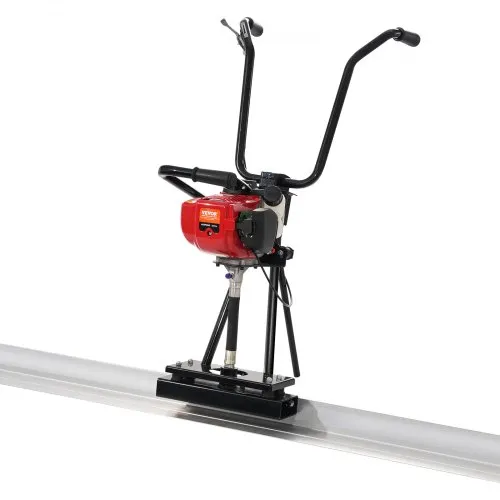
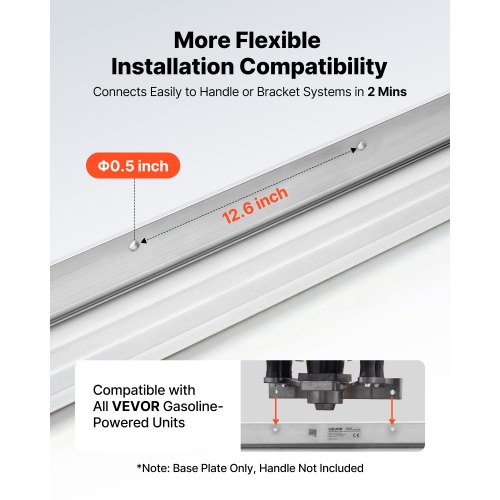
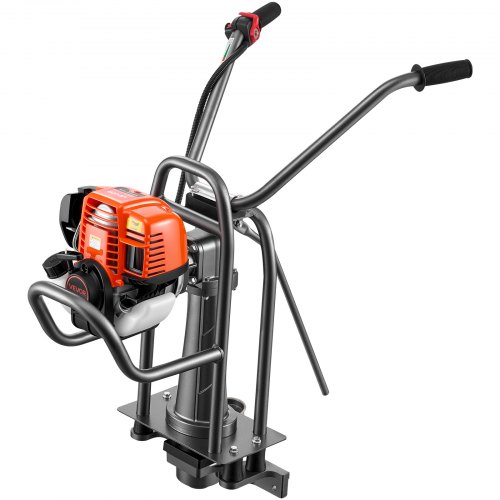
Choose a power source that fits your job site. Gas-powered concrete finishing machines work well for outdoor slabs, driveways, and pours far from an outlet. Their ability to work without electricity makes them the standard choice for commercial and large exterior flatwork crews.
In basements, warehouses, and other enclosed areas, electric power trowels work best because they make no noise or exhaust, making them ideal for these spaces. As long as you can reach an outlet, a corded cement finisher provides steady power for small to medium-sized work. Consider airflow, run time, and area size before choosing. VEVOR offers both fuel types, so you can choose the drive system that best fits your typical jobs.
Blade, Pan, and Float Materials That Last
Wear-part material affects both finish quality and lifespan. You can also put trowel discs and float pans on top of the blades to spread the weight and float the machine early in the finishing process. This keeps the freshly laid concrete from getting gouged. When the surface gets hard, finishing blades close it and polish it to make it smooth and hard.
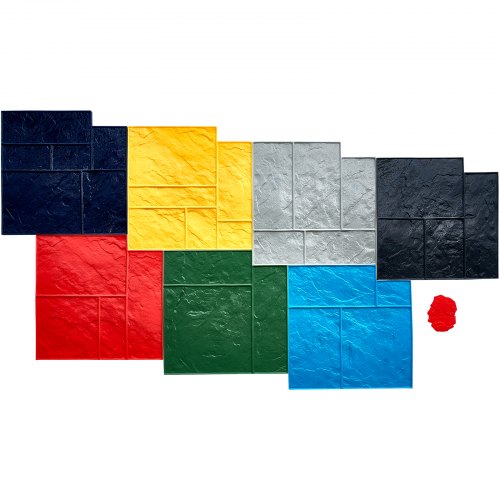
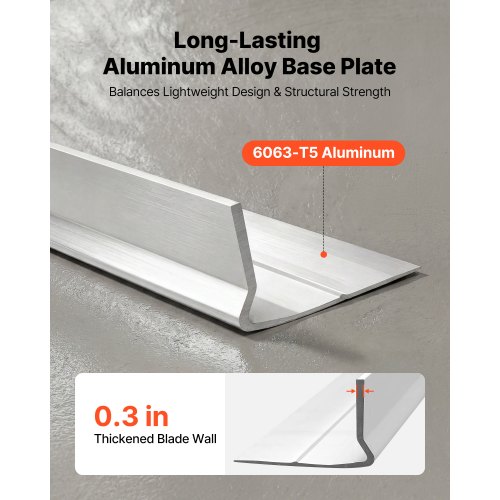
Magnesium is great for hand floats because it is light and opens up the surface without closing it too much. Steel parts, on the other hand, give many jobs the dense, polished finish they need. If you choose hardened, corrosion-resistant parts, you will need to repair them less often and get more consistent results over time. For long-lasting discs, pans, and blades, VEVOR makes its own equipment. This way, they work well pour after pour, whether you are working with standard grey slabs or decorative concrete surfaces that need extra care.
Why Choose VEVOR for Concrete and Masonry Work?
For all stages of concrete work, VEVOR has everything you need in one place, from floats and finishing tools to power trowels and rebar & accessories. At fair, competitive prices, you can get durable tools built for real job sites, along with reliable after-sale support. Whether you are a contractor equipping a crew or a homeowner pouring a slab, our range helps you pour, level, and finish with confidence. Browse the full collection today to find the tools you need for your next project.
FAQs
What do I need to finish a concrete slab?
First, use a bull float to level the surface. Next, use edgers and groovers to clean up the edges and joints. Finally, use a steel trowel or power trowel to close the surface and finish it. This will make it hard and wear-resistant.
When is it better to use a power trowel than a hand float?
For big flat surfaces, like garage floors, warehouse floors, and commercial floors, finishing by hand would take too long. Use a power trowel instead. For small pours, edges, and fine work that machines cannot reach, hand floats are the best tool.
Which is better: a gas or electric power trowel?
For outdoor pours or rural areas without access to electricity, choose gas-powered machines. For indoor and enclosed spaces, choose electric or corded types because they run quietly and make less noise in well-ventilated areas.
Why is it important to use rebar in concrete projects?
Rebar gives concrete extra tensile strength it lacks on its own, which helps keep structures from cracking and breaking under load. Chairs, spacers, and tie wire keep the reinforcement in place before the pour sets.
What is the difference between steel and magnesium floats?
Use magnesium floats for the first pass because they are light and open the surface without closing it too soon. Later, in the finishing process, steel tools make the finish denser, smoother, and more polished.