Cargo Bars














Results for Cargo Bars
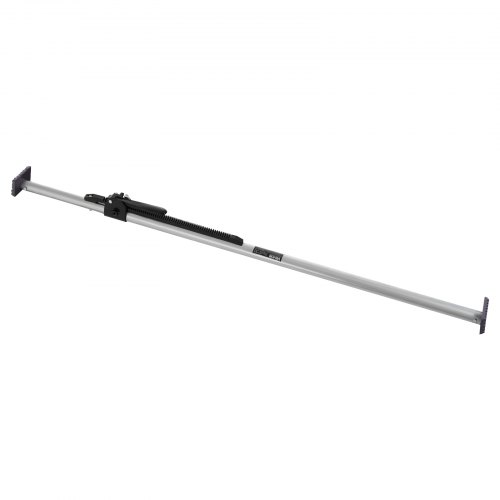
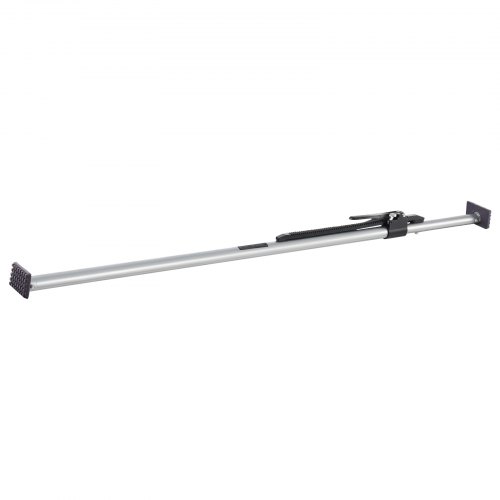
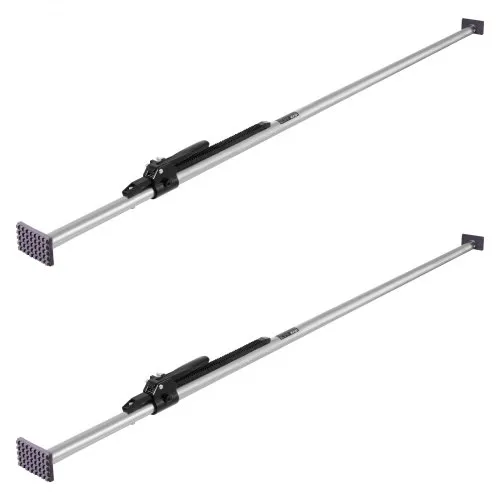
VEVOR’s load bars provide truckers, movers, and pickup owners with an option to secure cargo and prevent it from shifting in transit without using just rope or bungee cords. Available from tiny 40" to 73" adjustable cargo bars for pickup beds to elongated 89" to 104" telescoping load lock bars for box trucks and enclosed trailers. VEVOR offers lengths and duty ratings to match your needs, whether you need a truck bed load stabilizer for weekend hauling or heavy-duty steel cargo stabilizer bars for regular commercial freight runs.
VEVOR Load Bars for Trucks, Trailers, and Enclosed Cargo Areas
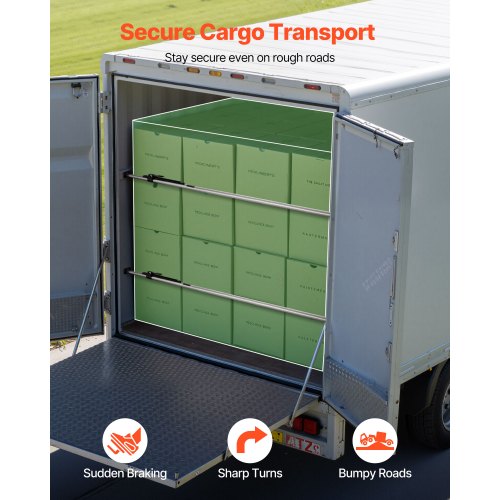
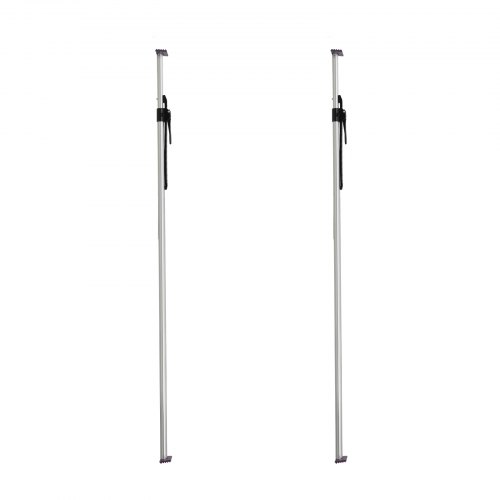
Tired of your cargo shifting around every time you stop or turn? VEVOR load bars fit snugly between the inside walls of a truck bed, trailer, or box truck, forming a brace that prevents boxes, furniture, and equipment from shifting while moving. Whether you need telescoping load lock bars for pickups suitable for pickup beds or extended cargo bars built for full-size trailers, these adjustable cargo load locks give haulers a fast, no-tool solution to stabilize goods on every voyage.
Choosing Load Bars by Adjustable Length Range and Application
The adjustable length range of a load bar is designed to fit the interior of your specific vehicle or trailer. When the bar is too short, gaps can form where cargo can shift during transit.
40" to 73" Adjustable Pickup Truck Bed Cargo Bars
Fits most standard and short bed pickup trucks with an adjustable range of 40" to 73". The Telescoping load-lock bar fits snugly between the bed walls without custom cuts. This series is ideal for small- and mid-sized trucks carrying smaller loads like moving boxes, appliance dollies, or landscaping equipment, where the cargo needs to stay against the tailgate or cab wall rather than sliding the length of the bed.
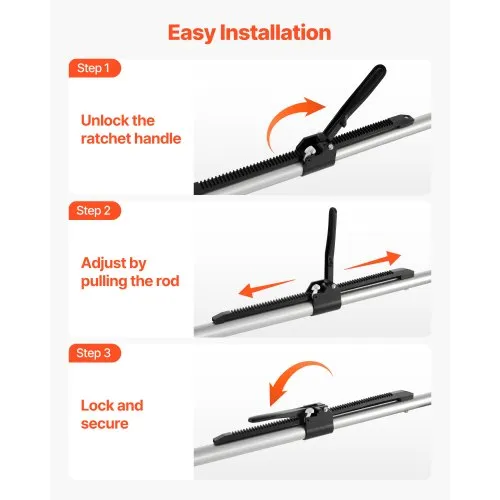
Installation typically involves extending the telescoping bar until the non-slip foot pads contact opposing bed walls, then locking the extension in place with a twist lock or pin. These shorter truck bed cargo bars work well with truck bed load bars used horizontally to create sections within the bed that keep smaller items from mixing with larger cargo on the road.
This range is versatile enough to provide full-width bracing or shorter cross-bed placement depending on the load, whether hauling groceries, moving supplies, or weekend project items. Since pickup beds vary in width by manufacturer, verify the interior wall-to-wall dimension before ordering to ensure the 40" to 73" range spans the planned truck bed without reaching its limit.
59" to 73" Adjustable Cargo Bars for Mid-Size Applications
The 59" to 73" range bridges the gap between short pickup bed bars and full-size trailer bars, ideal for mid-size truck beds, small enclosed trailers, and cargo van interiors that need more reach than the shortest adjustable model provides. This length works well for SUV cargo areas and van interiors when the distance between the side walls is greater than a conventional pickup bed but not long enough for the reach of a full box truck cargo bar.
This is a common range for movers and delivery drivers with cargo vans. They tend to stay within this range to split heavier loads into stable sections, preventing furniture or stacked boxes from sliding forward during heavy braking. A shorter adjustment range also provides greater fine control over exact fit, since a shorter overall telescoping range often allows more fine incremental adjustment within that range.
This range is often a specific need for owners of mid-size enclosed trailers, bridging the gap between the shortest and longest cargo bars on the market, so it’s worth carefully measuring interior width before choosing between the 40" -73" and the longer 89" -104" options, as a bar that’s too short for the application won’t create the wall-to-wall tension needed to hold its position.
89" to 104" Adjustable Cargo Bars for Box Trucks and Trailers
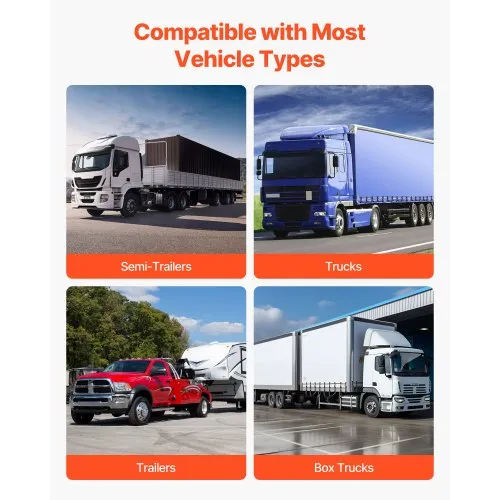
89" to 104" extended telescoping load lock bars are designed for full-size box trucks, enclosed cargo trailers, and larger commercial hauling applications where the inside width is much more than a pickup bed. That extra distance gives commercial drivers and moving businesses trailer load bars to keep pallets, heavy appliances, or stacked freight from shifting during lengthy highway hauls, where sustained speed and repeated braking take a greater toll on cargo security than short local excursions.
Bars in this range tend to have a stronger locking system for their telescoping mechanisms, as the added length under strain demands extra structural rigidity to provide a tight wall-to-wall brace that won’t flex or slip free mid-transit. Many moving companies that load the contents of several families onto one trailer use multiple bars in this extended range to create bracing points throughout the load, breaking the trailer into sections that keep unrelated shipments isolated and stable.
Commercial freight movers also use this range to prevent load shift that could alter vehicle weight distribution during transit, which matters for cargo safety and for maintaining level axle loading on longer routes when moving palletized items. At this range, where length and cargo weight are usually higher, it is especially vital to ensure the bar's rated holding power meets the predicted cargo weight before relying on it for commercial freight security.
Matching Load Bar Length to Vehicle Type and Cargo Volume
The key to choosing the correct adjustable length range is to measure the actual inside width of the truck bed, van, or trailer you’re working with, not just guess based on the type of vehicle, because even “similar” vehicles might have quite different inside measurements.
A load bar that is too short for its application won’t create enough wall-to-wall tension to remain locked in place, sliding free just as a hard stop or turn exerts stress on the cargo it’s designed to secure. A bar that’s too long for the space, in contrast, won’t fit at all or will have to be forced past the telescoping mechanism to get into the space, stressing the internal locking hardware with frequent use.
Haulers that often rotate between vehicle types, such as a mixed fleet of pickups and cargo vans, usually stock load bars in multiple adjustable lengths rather than trying to make one length work for every purpose. Before buying, consider the vehicle's average cargo volume and interior width to avoid the frustration of a bar that almost fits but doesn’t quite reach both walls (with no adjustment room to spare).
Duty Rating and Accessories for VEVOR Load Bars
A load bar's duty rating and accessories define how much cargo weight it can securely hold and how well it adapts to varied carrying applications beyond basic bracing.
Heavy-Duty Steel Construction for Higher Load Capacity
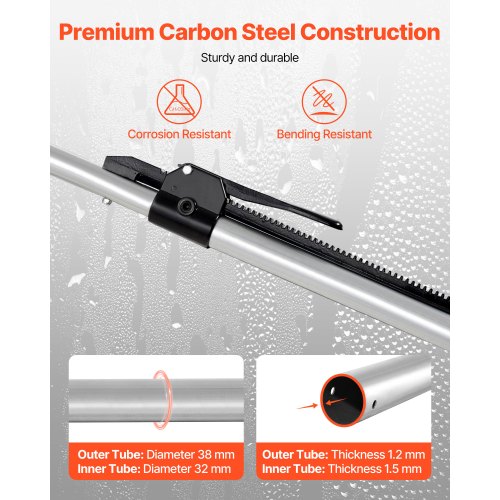
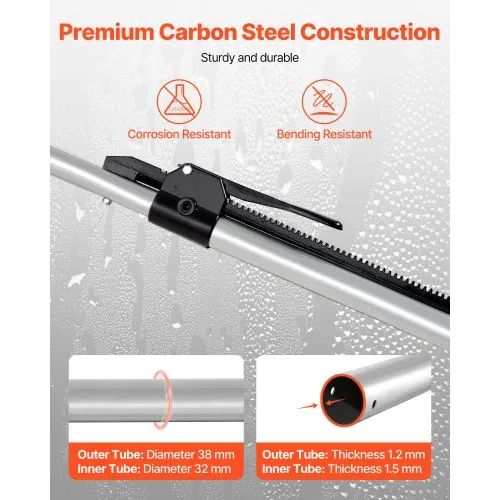
Heavy-duty steel cargo stabilizer bars use thicker-gauge tubing and stronger internal locking mechanisms, allowing them to hold substantially more cargo weight under stress than lighter-duty aluminum or thin-wall steel counterparts. This build is especially important for commercial uses and for those who move larger freight often, including appliances, machinery parts, or palletized products, where a lighter bar could bow or slip under sustained pressure in transit.
Be sure to verify the weight rating against common cargo loads to ensure you are not selecting a bar that looks like a heavy-duty model but lacks the internal strength to support it. The steel gauge and wall thickness of a cargo brace bar are directly related to its stated holding force. Our cargo bars with non-slip foot pads also improve holding capacity because a smooth or worn pad surface reduces needed friction.
The heavy-duty steel design is especially advantageous for commercial drivers and moving businesses that run daily routes, as continuous loading and unloading cycles wear lighter-duty load bars down faster than occasional weekend use. For occasional pickup-truck transport of lightweight home items, a mid-duty rated bar often provides enough holding force without the extra weight and bulk of heavy-duty steel construction.
Cargo Bars with Storage Nets and Divider Accessories
Cargo bars with storage nets – a mesh panel attached to the length of the load bars that acts as a barrier to prevent smaller loose items such as tools, bags, or moving supplies from sliding around on their own even after the main cargo is braced. This addition is great for movers with mixed loads of large, stable items and smaller, loose objects. The net will trap items that would otherwise roll or shift in the spaces between larger boxes or pieces of furniture.
Another option is cargo bars with divider bars, which are a little different because they use a secondary bar or bracket to physically divide the cargo area into sections. This is key for moving companies that transport items from multiple households in one trailer trip and delivery drivers who need to separate different customer orders in the same vehicle.
These additions turn a cargo pole into a multi-purpose tool that does far more than simple wall-to-wall bracing. With these accessories, one piece of equipment can double as a tool for stabilization and organization, so you don't have to buy multiple straps, bins, or nets individually. The difference between a truly useful add-on and one that goes unused is matching the accessory to your typical cargo, so haulers who move mostly large furniture might pass on the storage net in favor of extra divider bars.
Why Choose VEVOR Load Bars?
VEVOR load bars come in adjustable sizes from 40 inches for pickup beds to 104 inches for trailers, all built from heavy-duty steel to brace your cargo with confidence. No matter the length or duty grade, all load bars include non-slip foot pads for a secure, tool-free fit against cargo walls. Browse the full line and compare models by adjustable range and accessory options, and keep your next load secure from pickup to delivery. Buy VEVOR load bars today and protect cargo from shifting before it happens.
FAQs
How do I know which adjustable length range fits my truck bed?
Measure the inside width between the side walls of your bed at the broadest usable point. Compare that measurement to the telescoping range of a load bar, and allow extra space for the mechanism to lock down firmly without maxing out.
Can load bars hold heavy furniture and appliances during transport?
Yes, if you choose a heavy-duty steel model rated for the weight you anticipate. Compare the bar’s specified holding force with your average load. This ensures you aren't relying on equipment that isn't rated for the job.
Do load bars require drilling or permanent mounting?
No. Load bars telescope and wedge against cargo walls using tension and non-slip foot pads, so you don't need drilling or permanent hardware in the truck bed, trailer, or van interior.
What’s the benefit of a cargo bar with a storage net?
A storage net extends the bar's length. It holds smaller loose items, such as tools or bags, that would otherwise move around on their own, even after you've braced and secured larger cargo.
Can one load bar work for both my pickup truck and enclosed trailer?
Only if the adjustable range includes both interior widths; most transporters use different load bars for each vehicle type, often because pickup beds and trailers are much wider than each other.