Bonne qualité et pas cher c est costaud !
Par contre hauteur Max pas en 6 coup comme le dis la description mais 10 à 12! Ce qui gène en rien c est un très bon cric je recommande.
SKU: WSQJDTZ3TDGB5U7P7001V0


Top highlights
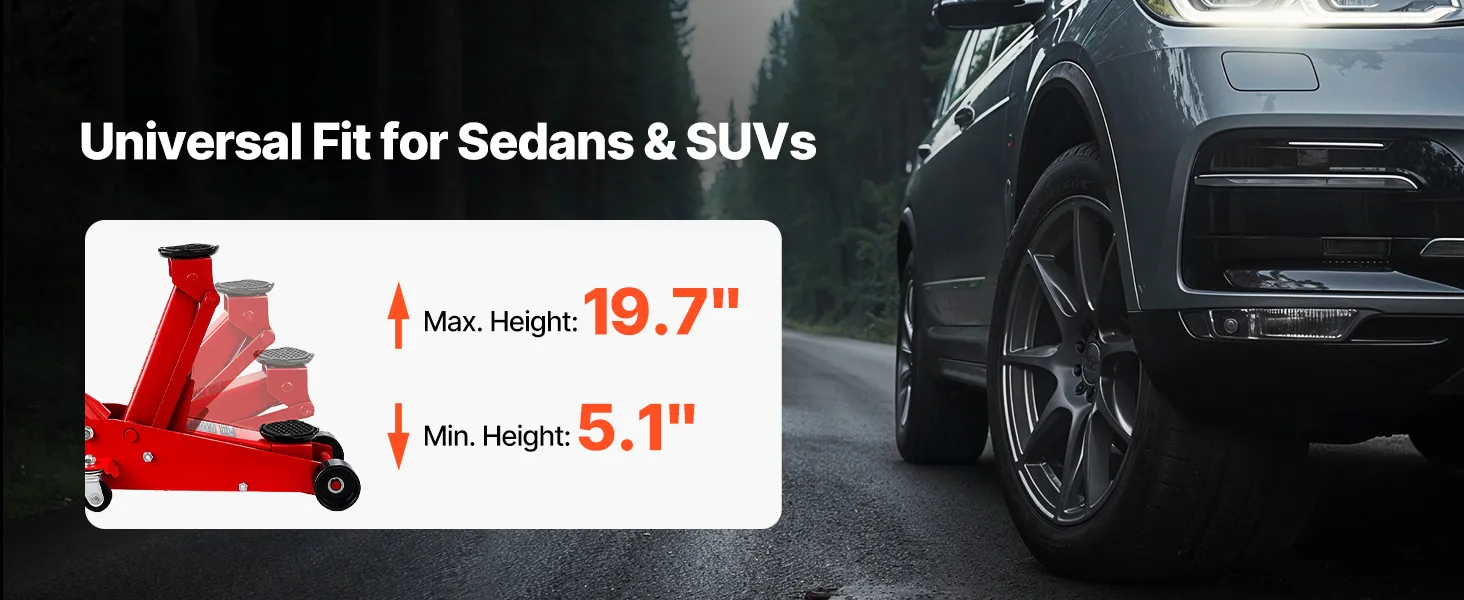
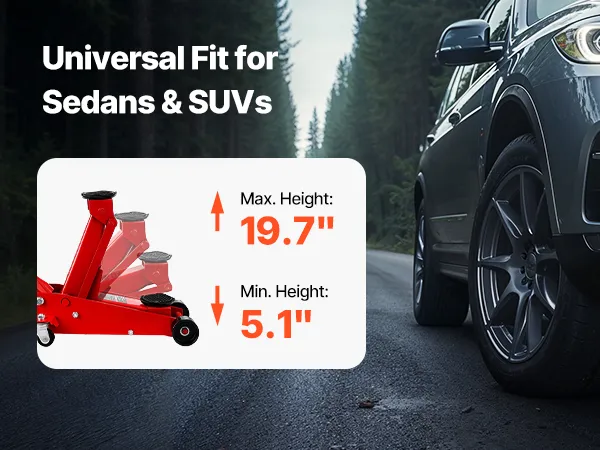
- Wide lift range from 5.1–19.7 in, perfect for sedans to pickups.
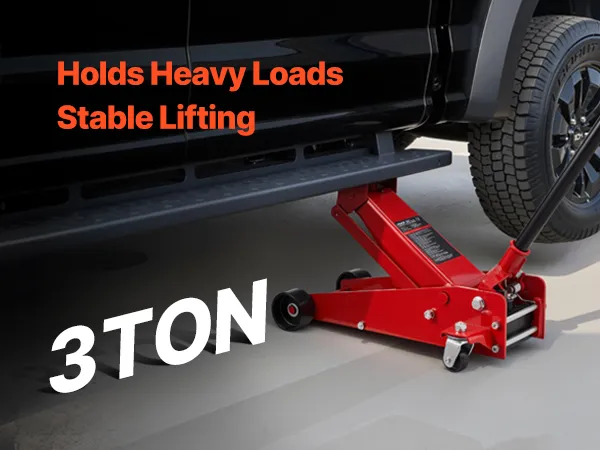
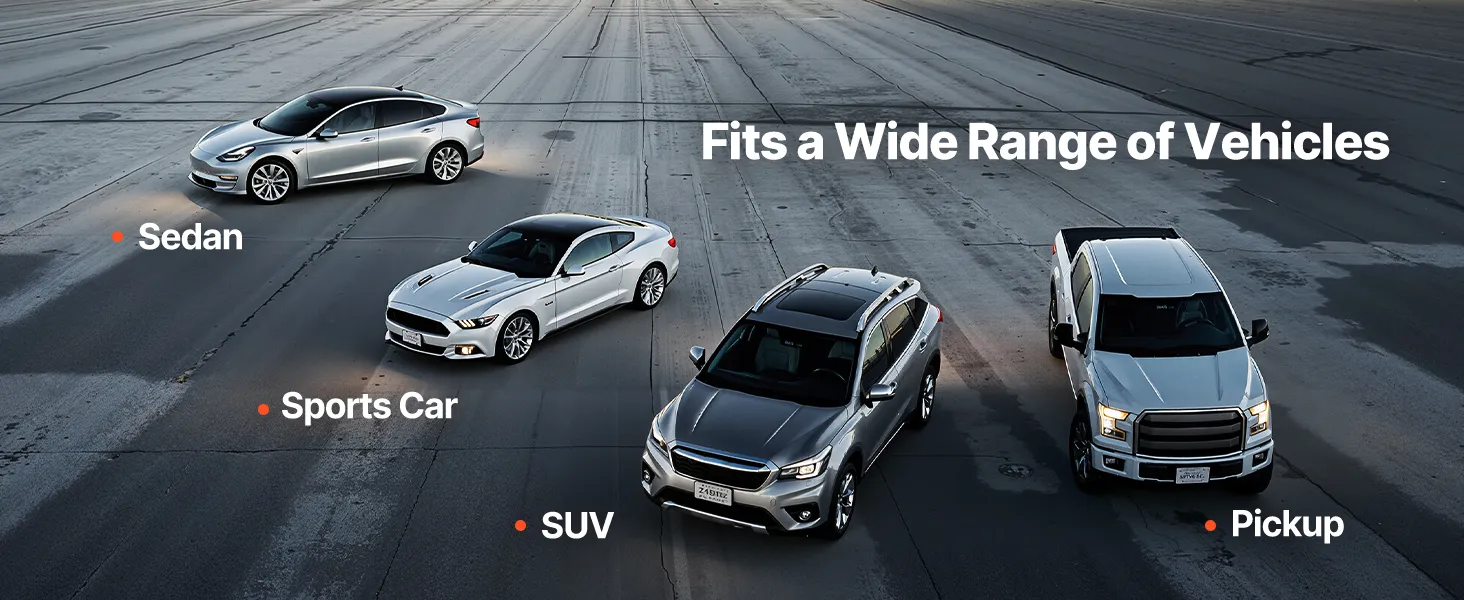
- 3-ton capacity handles sports cars, SUVs, and heavy-duty tasks.
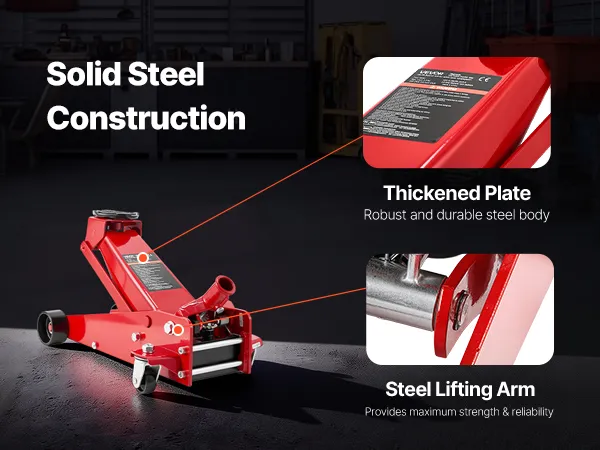
- Durable all-steel construction with stable, wobble-free base.
AI Summarized from product information
Specifications
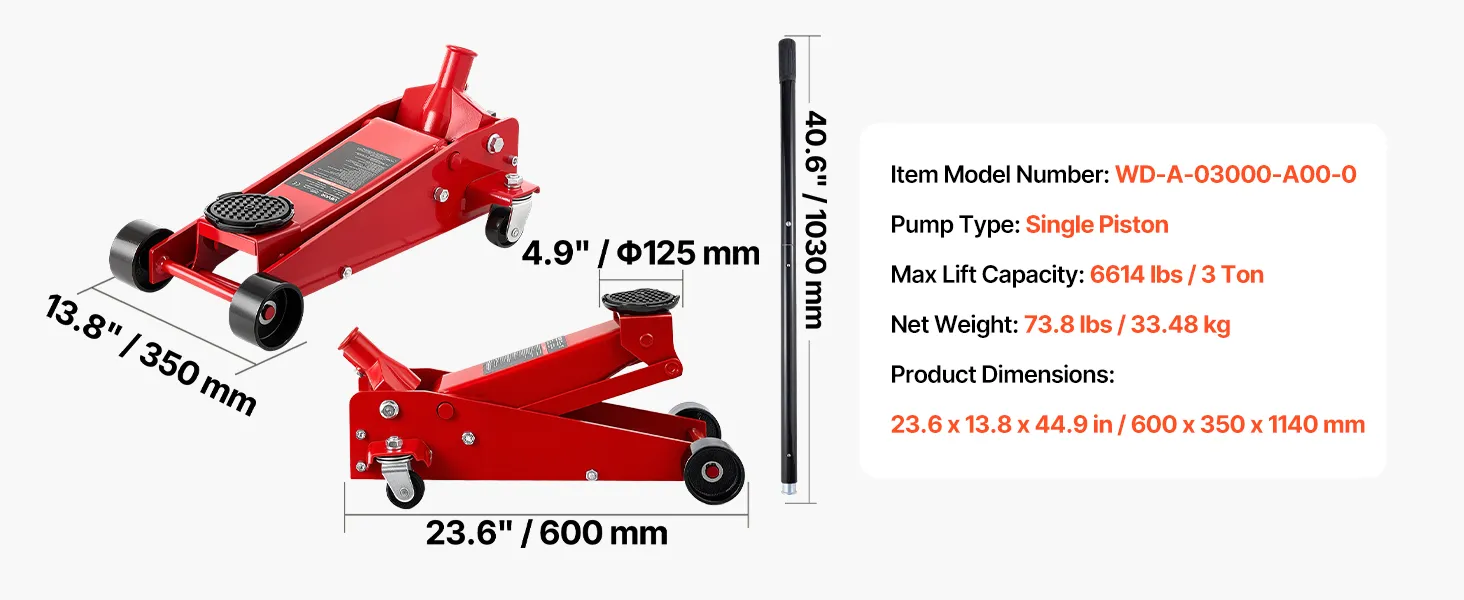
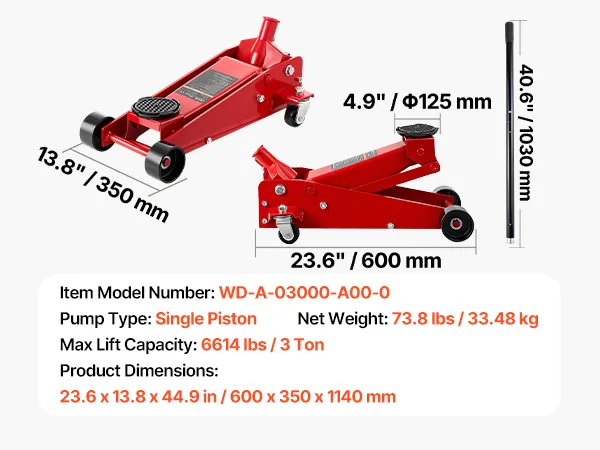
- Item Model Number WD-A-03000-A00-0
- Pump Type Single Piston
- Max Lift Capacity 6614 lbs / 3 Ton
- Net Weight 73.8 lbs / 33.48 kg
- Product Dimensions 23.6 x 13.8 x 44.9 in / 600 x 350 x 1140 mm
Reviews · 4.2
Reviews · 4.2
 Da***
Da***
in
 on Oct 03,2026
on Oct 03,2026
christianbechard
in
 on Oct 18,2026
on Oct 18,2026
Double Cylinder
Super
About this item
Description


Heavy-Duty Floor Jack
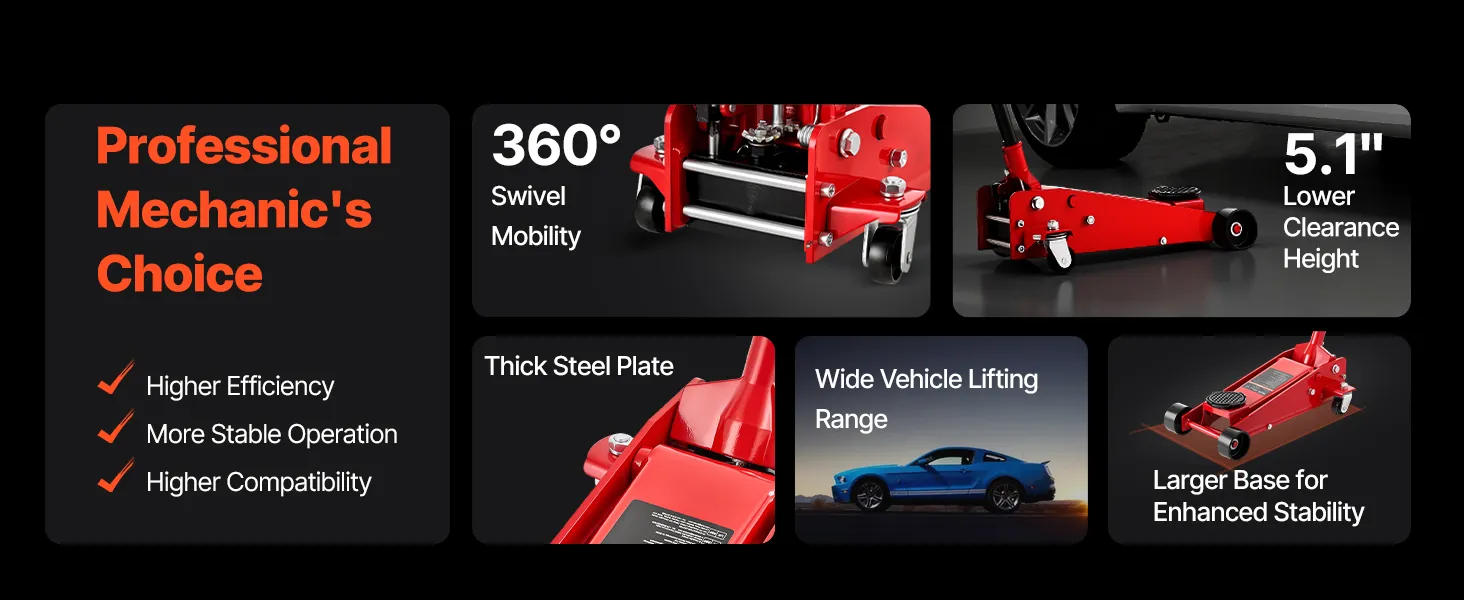
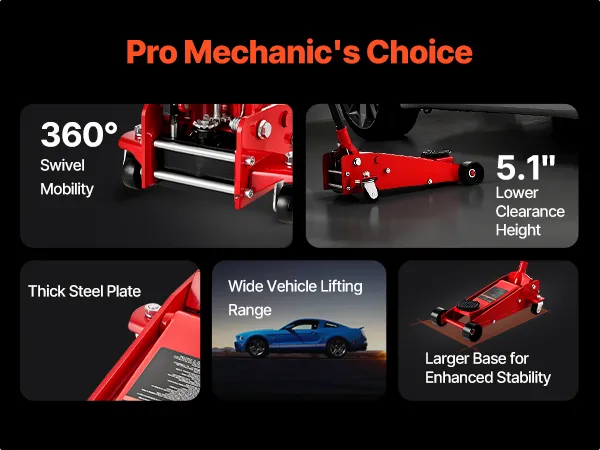
This low profile floor jack features a heavy-duty, high-strength structure that helps reduce wobble and sinking during lifting. Operation stays smooth and controlled. It provides dependable support to keep your vehicle steady while raised.
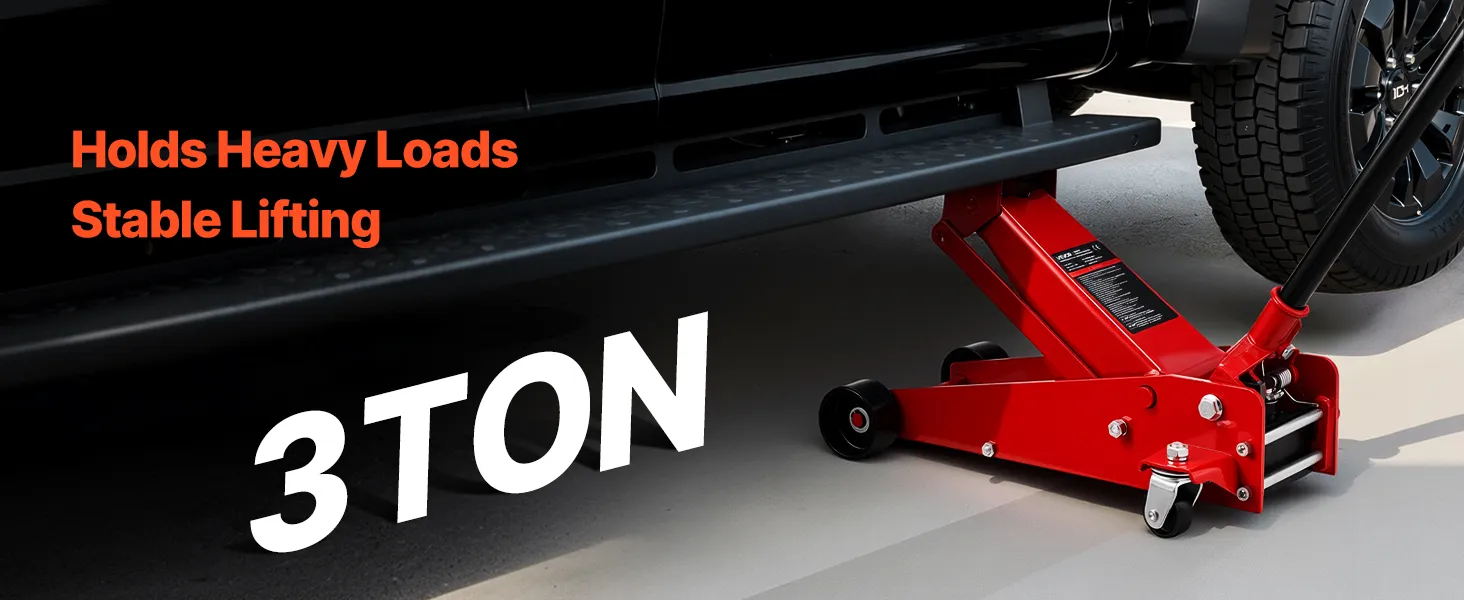
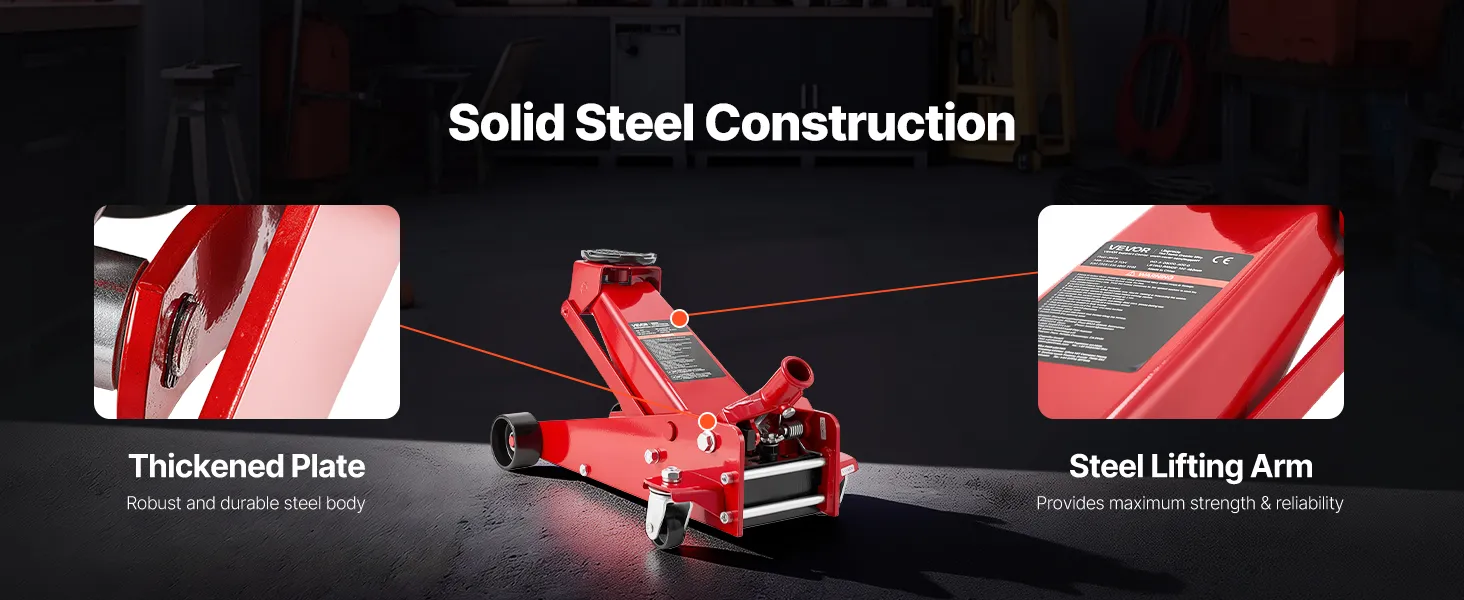
Key Features
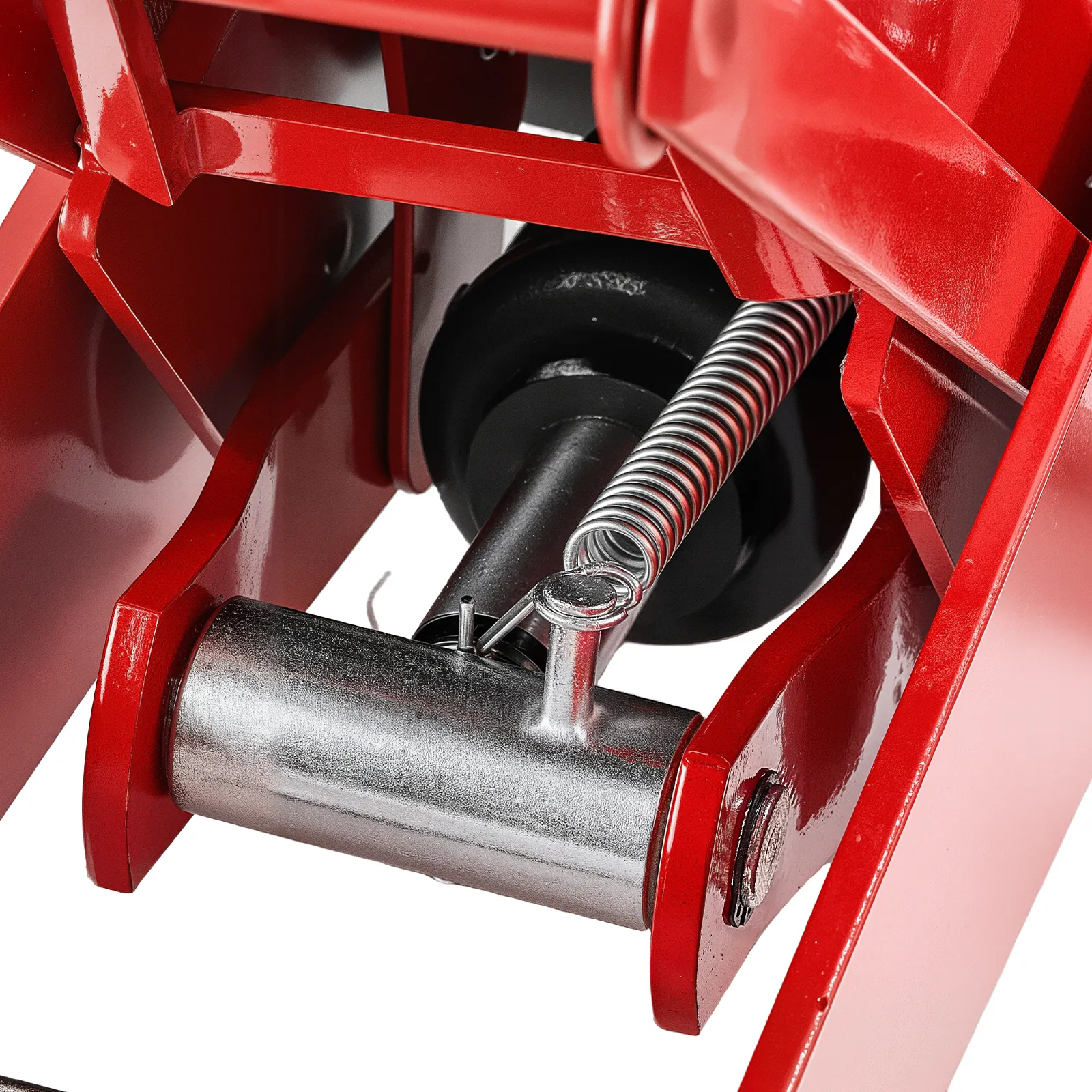
Hydraulic Power Unit
This low profile floor jack features a tightly sealed hydraulic system for reliable performance. Strong sealing helps minimize oil leaks and maintain consistent lifting power over long-term use.
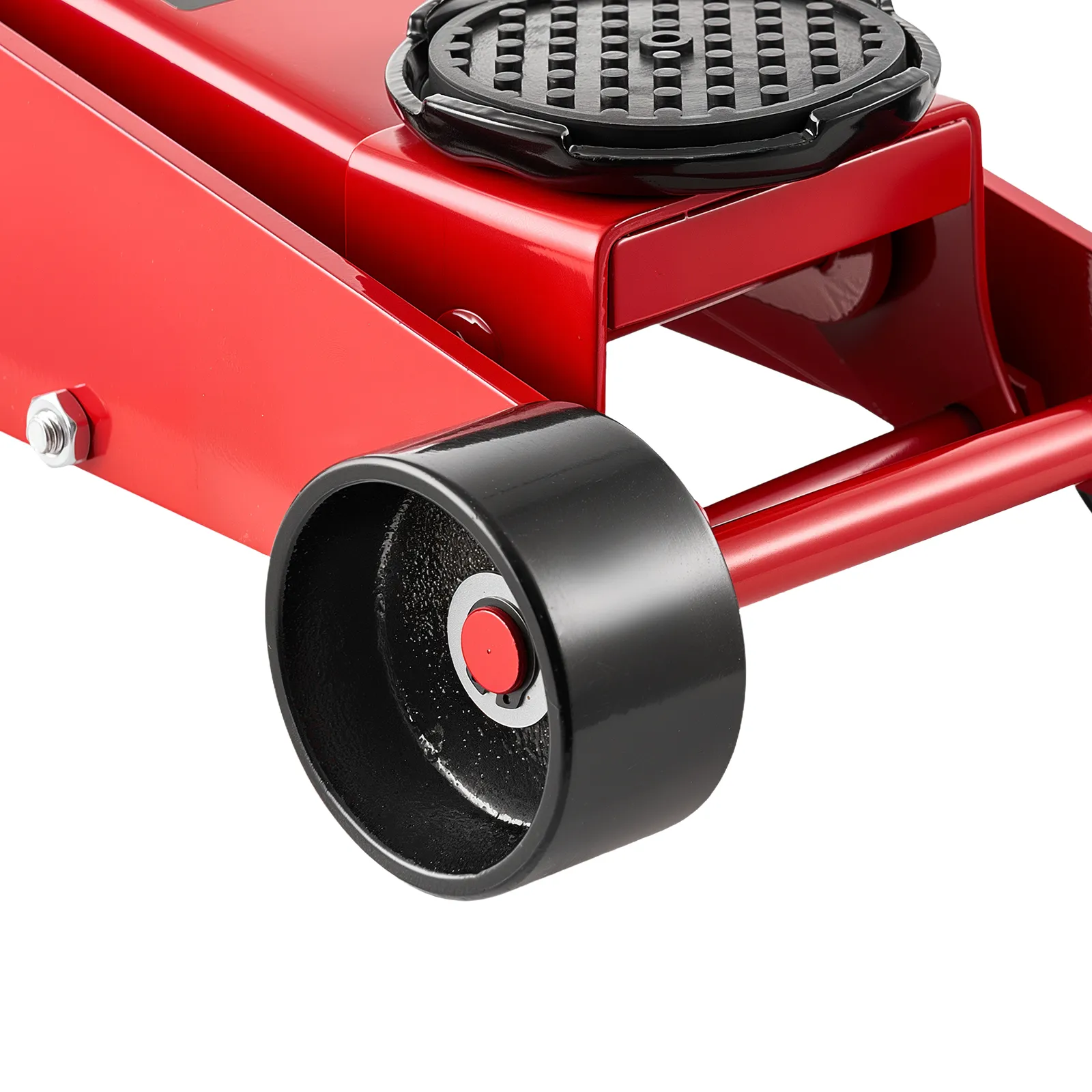
Secure Casters
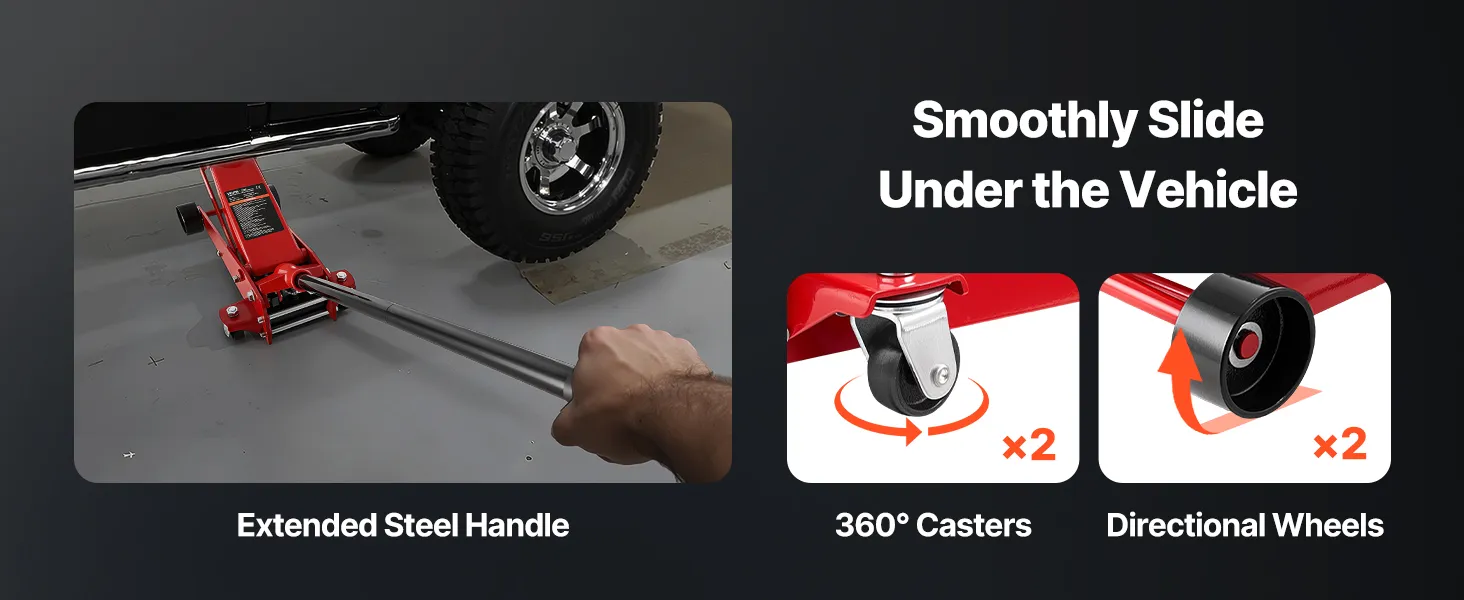
The hydraulic floor jack uses reinforced caster connections for added durability. Wheels roll smoothly without loosening, designed for reliable movement and long-term use.
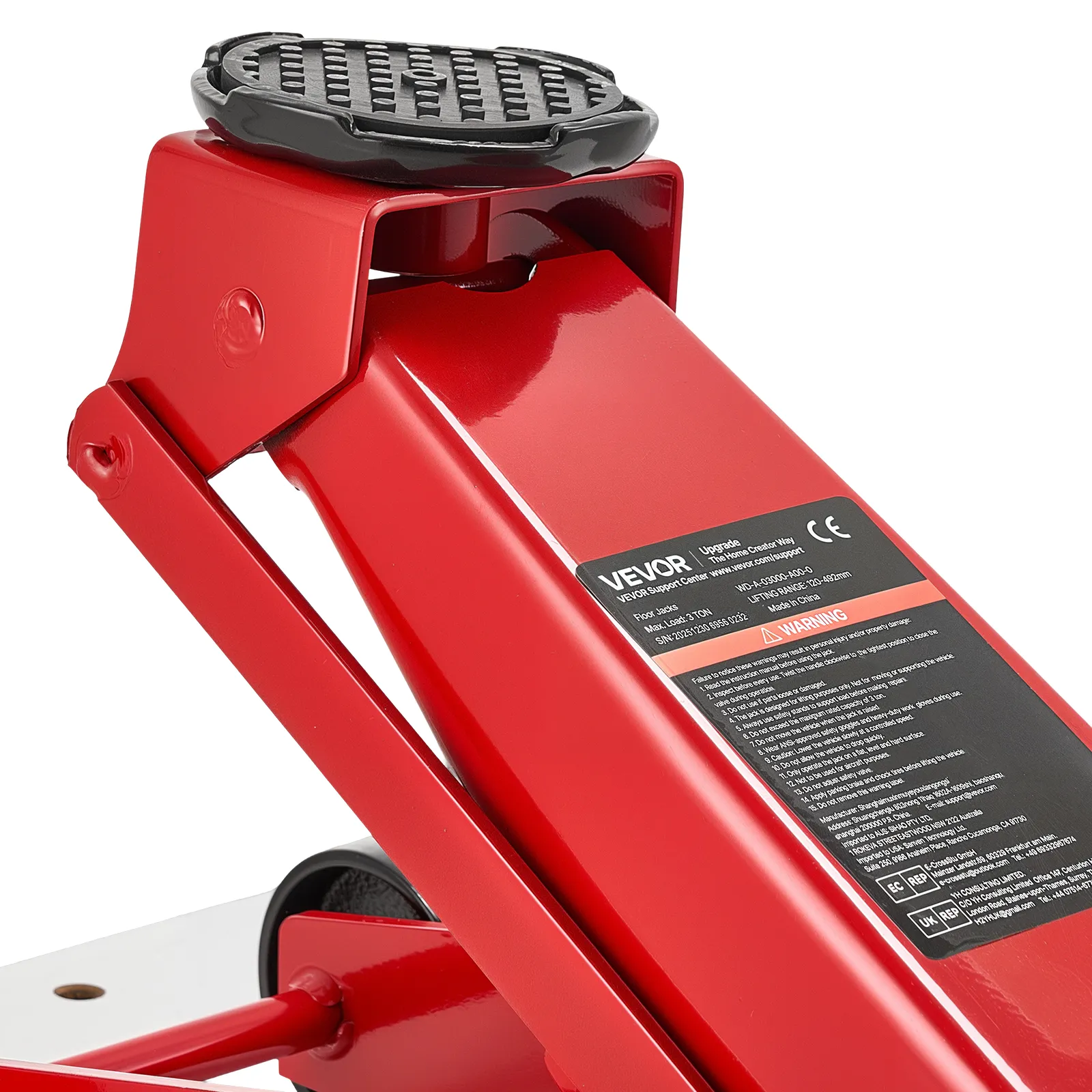
Heavy-Duty & Rugged
Our floor jack is built with solid materials to deliver strong, stable lifts every time and long-lasting durability for extended use.
3-Ton Low Profile Floor Jack with Quick Lift for Mixed-Vehicle Households
Most garages contain more than one vehicle type — a sedan, an SUV, and a pickup that does most of the heavy work. This VEVOR 3-ton low profile floor jack with quick lift handles all three without adapters or configuration changes. The 130 mm entry fits under sedans and standard-clearance sports cars, and the 500 mm maximum lift height provides enough working space for SUVs and light pickups.
The single-piston quick-lift pump reduces the stroke count to reach the working height, keeping the lift cycle short during repeated use. This keeps the lift cycle short even after heavy use. The jack, measuring 600 × 350 mm and weighing 33.48 kg, rolls into place without being lifted. This single 3-ton unit eliminates the need for separate jacks for each type of car in a household.
Enlarged Steel Base That Stays Stable Under Full Pickup Truck Load
The most useful feature for pickup trucks is the larger base plate. A wider base improves stability by creating a larger footprint and helping distribute forces during lifting. A larger base spreads the uneven load over a greater contact area, making it less likely the jack will tilt during the lift.
If you load the frame repeatedly, it will not change shape at the base-to-arm junction, where the lateral force is strongest when a heavy vehicle is lifted off-center. For mechanics who work under pickups or vans all the time, this 3-ton low profile floor jack with quick lift's larger base keeps it stable in situations where a smaller-footprint jack would start to wobble.
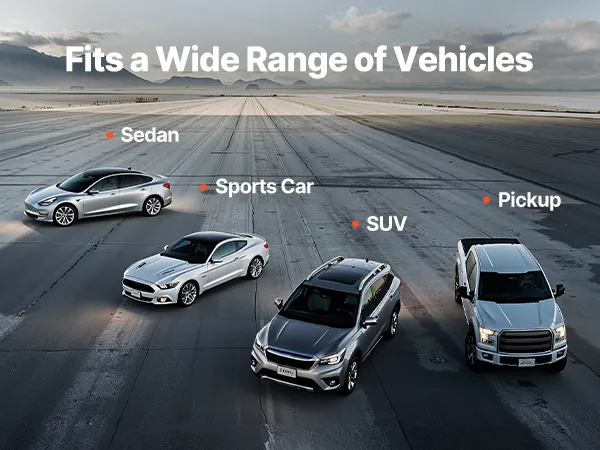
130–500 mm Lift Range Covering Sports Cars, Sedans, SUVs, and Pickups
The range from 130 to 500 mm (5.1 to 19.7 in) is typical for passenger vehicles. With a 130 mm entry height, the saddle can clear standard-height sports cars, factory sedans, and small hatchbacks without the need for ramps. It gives you the working height you need for exhaust work, brake access, and tire changes on full-size SUVs and light trucks with higher chassis than passenger cars, up to 500 mm.
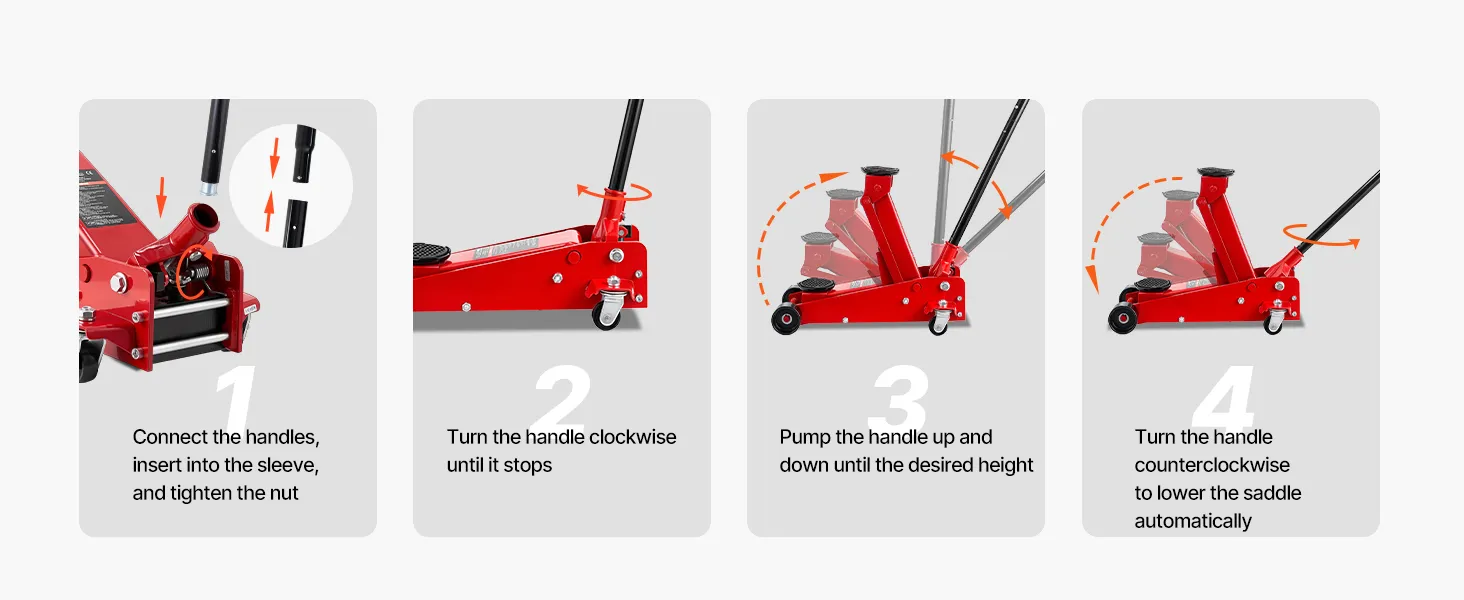
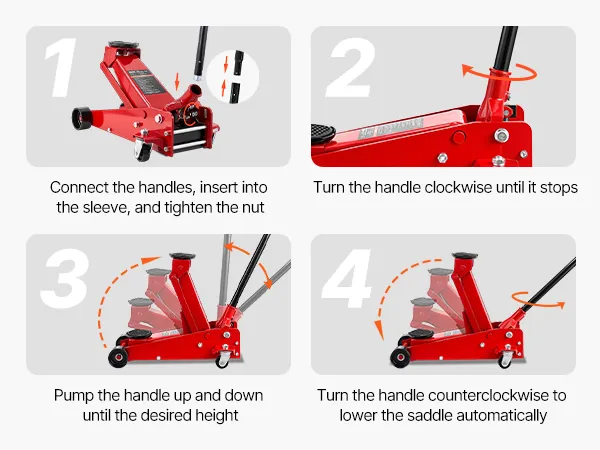
A mechanic who works on cars of different heights at the same time can use the same jack for both lifts without changing its setup. Turning the handle anticlockwise opens the release valve and allows controlled lowering. This includes placing partial-height stands before lowering the vehicle to the floor.
Tightly Sealed Hydraulic Cylinder for Consistent Lift Pressure at Height
In the hydraulic system, the cylinder is tightly sealed to prevent oil from leaking past the piston seal during extended pressure hold. At 3 tonnes, the pressure difference across the seal is much higher than on lower-rated jacks. This means the stability of the seal is critical to long-term performance. When the seals are strong, the saddle stays in place and does not slowly sink; slow sinking is a sign that the seals are failing and making the jack unsafe to use.
The sealed design also prevents oil from leaking during storage. A jack that loses oil between uses needs to be refilled and bled before it can reach full lift pressure, which is what the sealed cylinder is meant to avoid. The sealed hydraulic system helps maintain consistent lifting performance over repeated use.
Reinforced Caster Connections and 360° Mobility for Precise Positioning
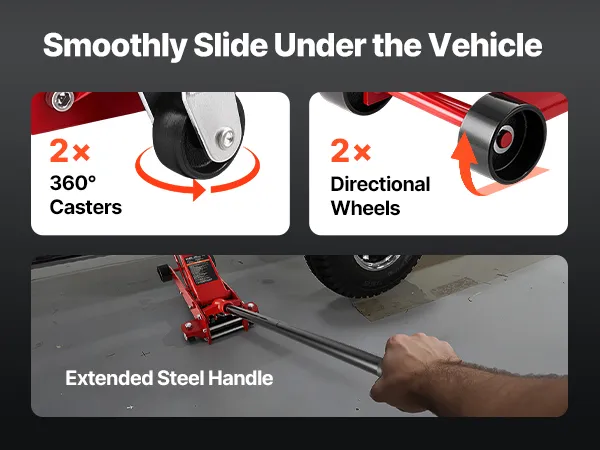
The two swivel casters and two fixed wheels are attached to the frame with stronger caster connections that prevent the wheels from coming off when the jack is steered side to side. On jacks with lower specifications, the connection slowly loosens, and the wheels start to wobble. This makes the approach less stable and makes it harder to place the saddle correctly. Stronger links keep the jack's fit tight and rattle-free, so it tracks consistently on both approach and return.
The 360° swivel action on the rear casters allows the jack to be walked in from any angle and corrected mid-approach without backing out. In a garage with limited floor space, this directional flexibility reduces the number of positioning attempts per lift. It keeps the approach smooth when the path is constrained by floor storage or the vehicle's own wheels.
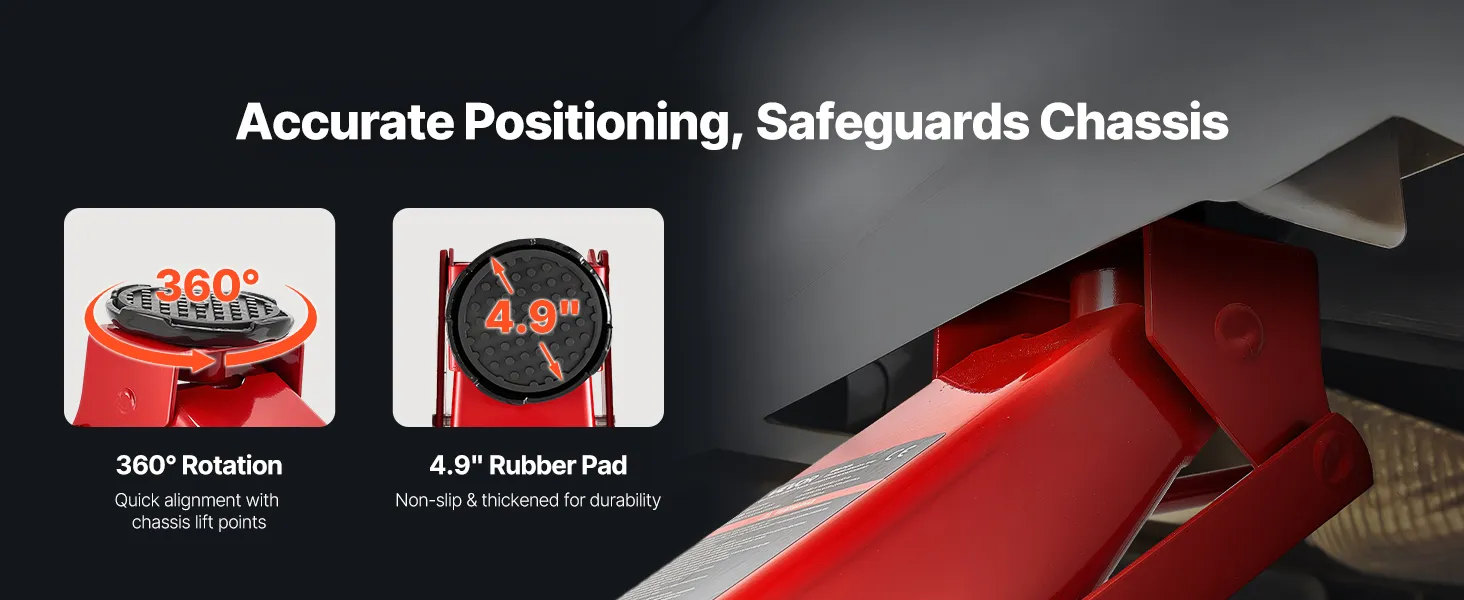
Rotating Non-Slip Rubber Saddle for Safe, Self-Aligning Chassis Contact
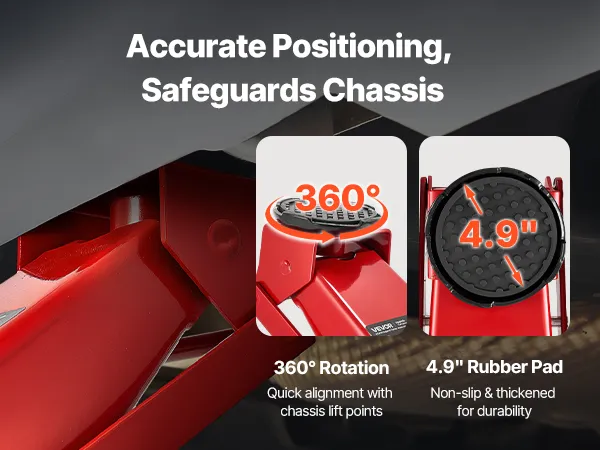
The rotating saddle maintains a constant contact angle regardless of the approach direction, so it sits flat against the jacking point whether it comes in at an angle or straight on. This self-alignment makes it less likely that the seat will sit off-axis, which would put all the weight on one edge of the saddle and could cause the vehicle to shift as it rises.
The non-slip rubber pad prevents the saddle from moving off the jacking point on uneven floors. The rubber also prevents the chassis rails, pinch welds, and underbody panels from coming into direct contact with steel. This is a useful safety measure for people who maintain newer cars; keeping the underbody protected can help maintain the vehicle's condition.
3-Ton Low Profile Floor Jack with Quick Lift at 6,614 lbs All-Steel Capacity
With a rated capacity of 6,614 pounds, the all-steel design means that there is no aluminum in the load path and no composite sections at the pivot points. The steel frame is designed to withstand repeated lifting loads while maintaining structural rigidity.
A 3-ton low profile floor jack with quick lift weighs 33.48 kg and measures 600 × 350 mm. It is wider and heavier than the 2-ton models in the range because pickup trucks need a larger base and greater capacity. The longer handle gives it the mechanical edge it needs to reach the full 500 mm height with reasonable effort per stroke.
Product guides and documents
Frequently Bought Together
VEVOR Low Profile Floor Jack, 3 Ton Capacity, Steel Racing Floor Jack with Single Piston Quick Lift Pump, Hydraulic Trolley Car Lift for Sports Cars, Sedans, SUVs, Pickups, Lifting Range 130-500 mm
4.2 122
215 99 €
Get -% off for new user
Each when you buy 0+.
Shop
5,00€ off 1st App Order 99,00€+

In Stock
Compare with similar items
Explore your interests
Recommended Searches
car jack lift car jack near me best car jack portable car jack suv jack 3 ton car jack air jacks for trucks low car jack low profile car jack electric car jacks types of car jacks car jacks for sale 2 ton car jack car jack stands car jack tool automotive jack small car jack using a car jack 20 ton air jack jack overlock