
Floor Jacks
















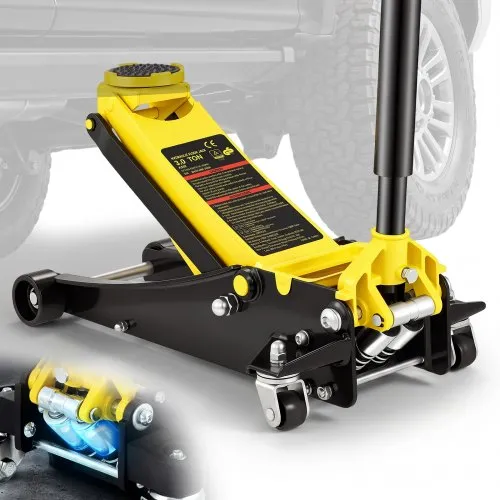


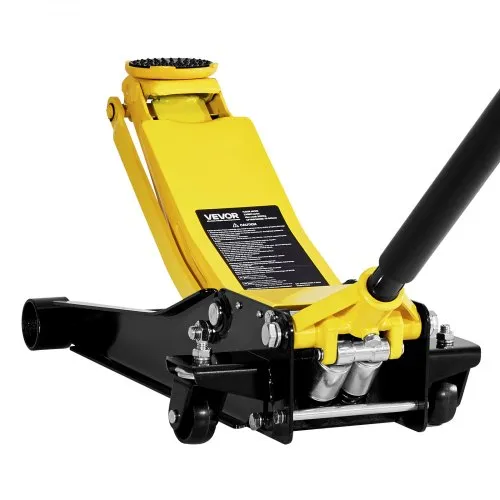


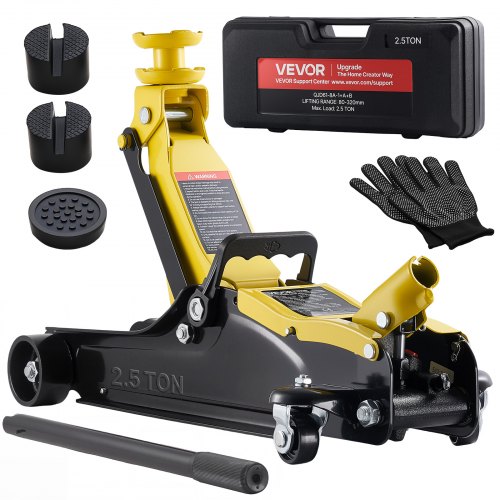


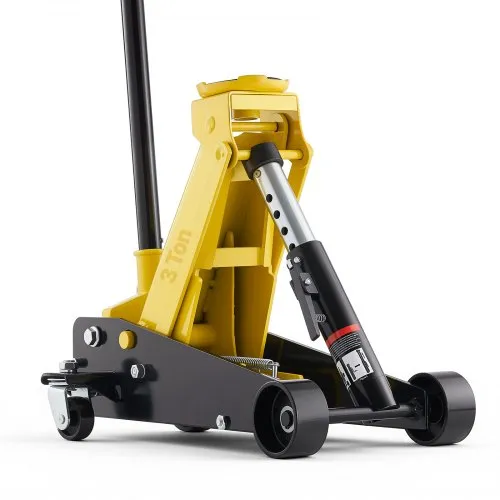


















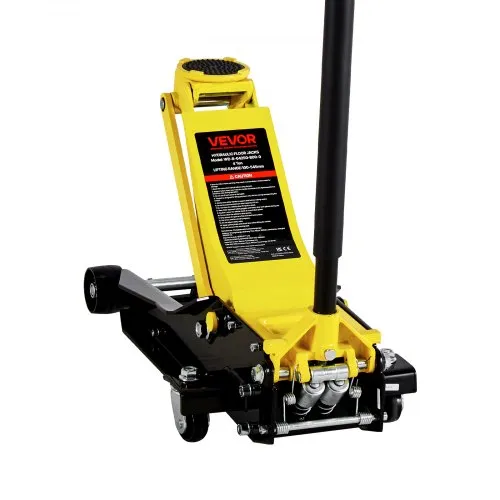


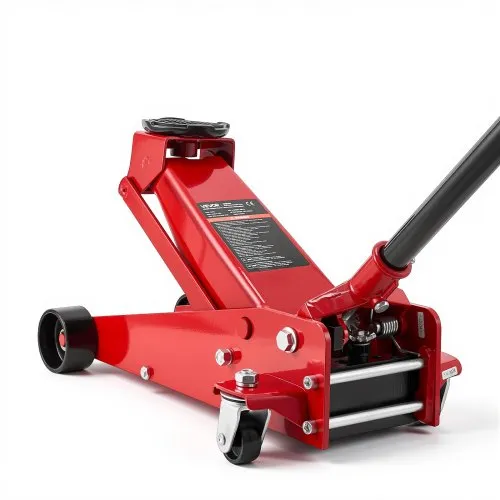


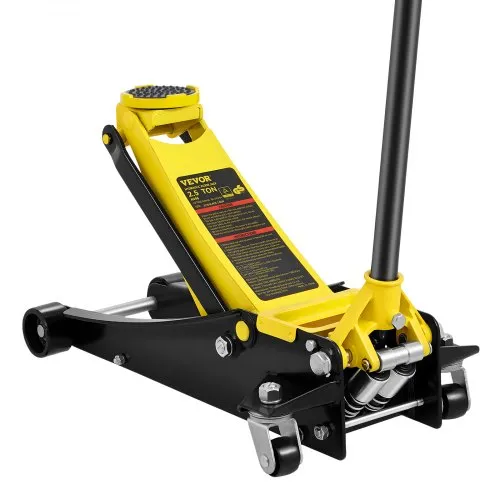


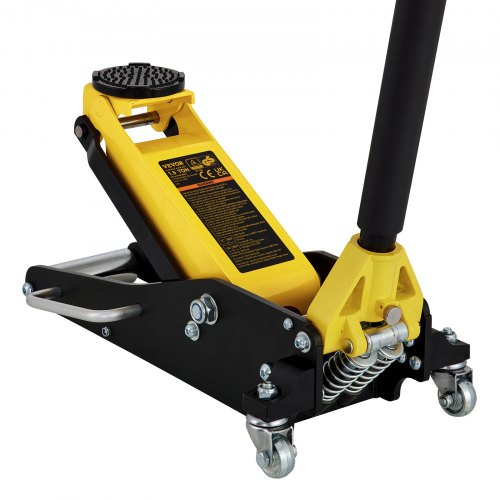


Results for Floor Jacks
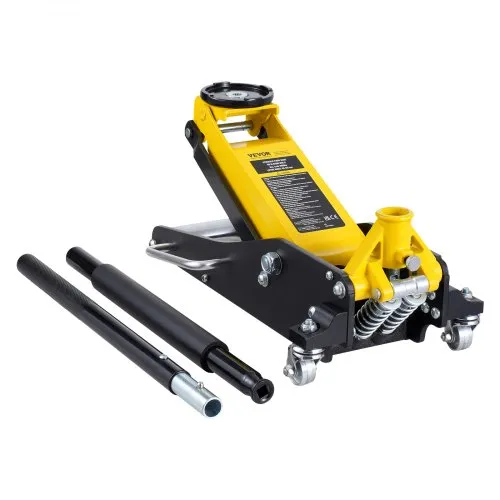
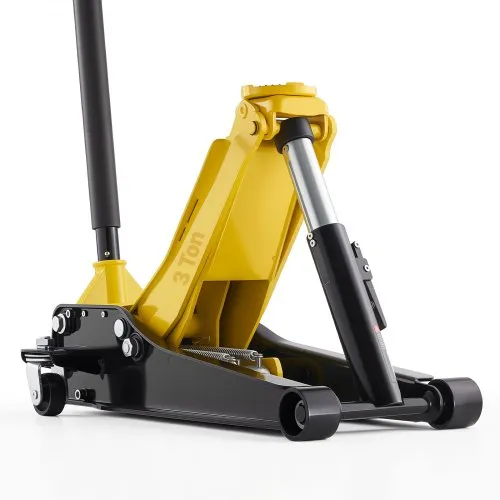
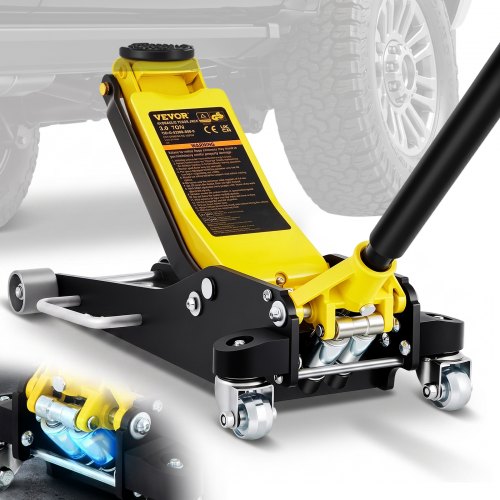
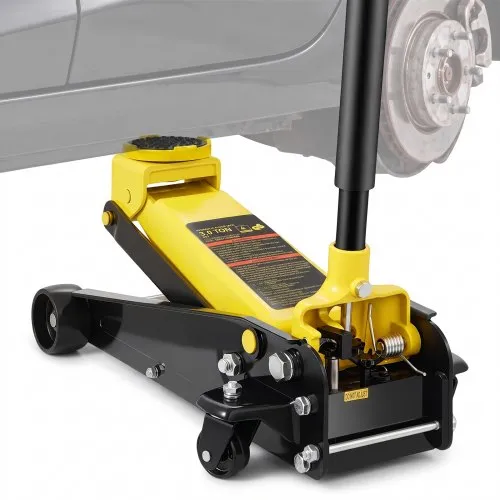
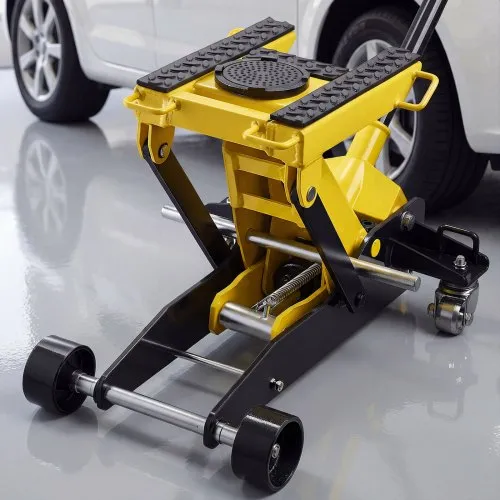
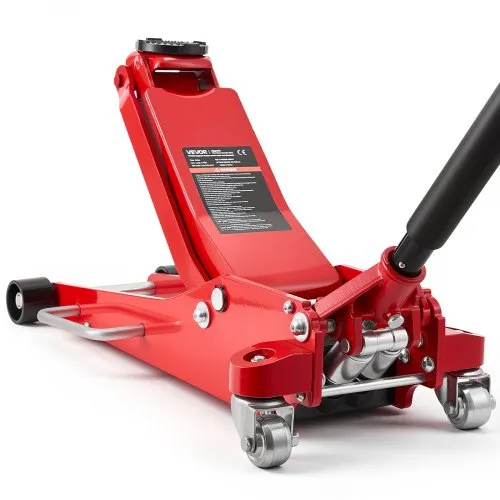
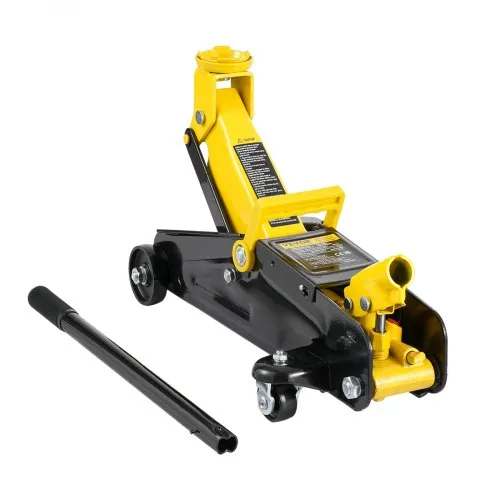
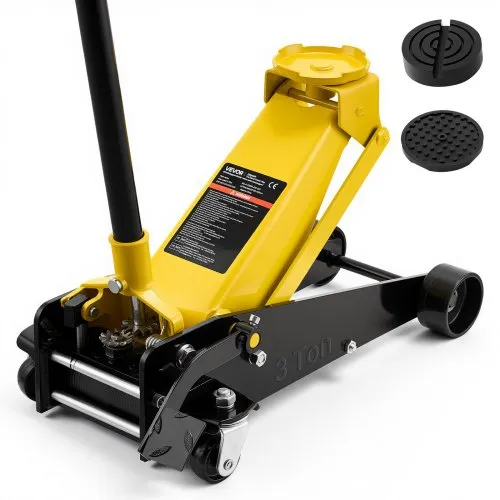
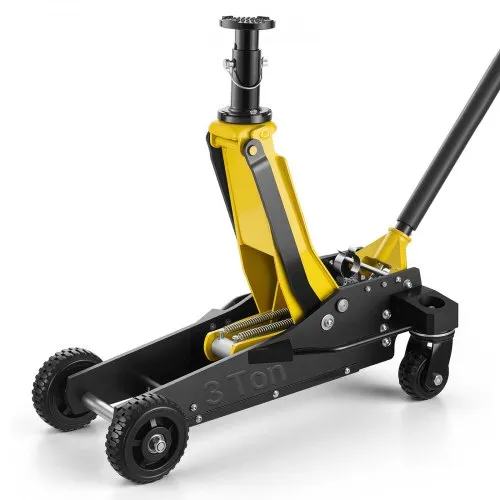
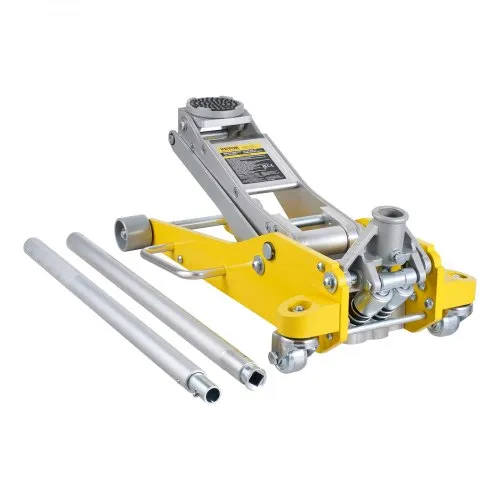
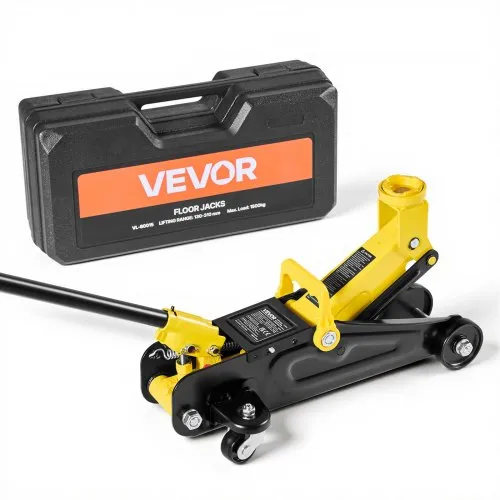
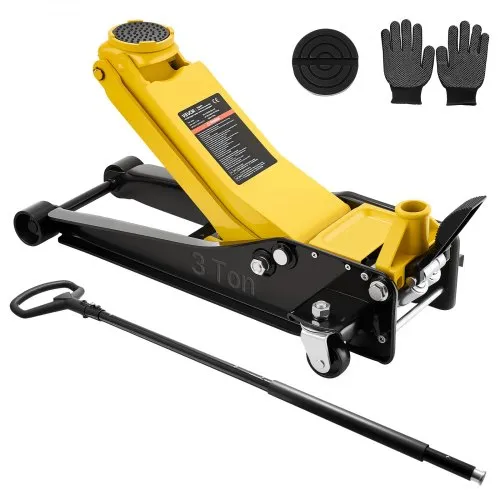
For garages, service bays, race paddocks, and heavy fleet work, VEVOR has a wide choice of floor jacks for you to choose from. We offer racing types made of lightweight aluminum, tough steel trolley jacks, low-clearance units for sports cars, and air-powered systems that can handle trucks and buses. VEVOR has capacities from 1.5 to 22 tons, with reasonable prices, reliable stock, and quick after-sales service for every order, no matter how often you change tires or how long you lift cars all day.
VEVOR Hydraulic Floor Jacks for Fast, Stable Vehicle Lifting in Any Garage
Are you having trouble with a jack that won’t lift or that takes thirty pumps to lift? It only takes seconds for a properly matched hydraulic jack to raise your car, stay steady under load, and move into place, making what used to be a difficult task quick and easy.
Choosing Floor Jacks by Ton Capacity and Frame Material
Before you compare anything else, start with your car's curb weight. The weight rating and build material determine both safety and daily usability.
Matching Capacity to Your Vehicle Weight
Since you lift only one part of a car at a time, the capacity should be less than the gross weight suggests, but you should always leave some room for error. When portability is more important than reach, 1.5 Ton Floor Jacks are best for small cars, motorcycles with adapters, and light garden tools.
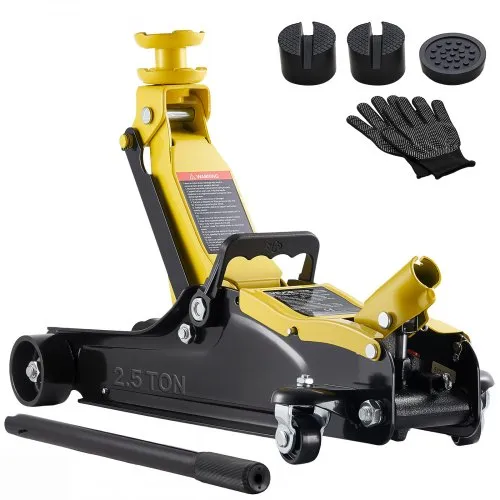
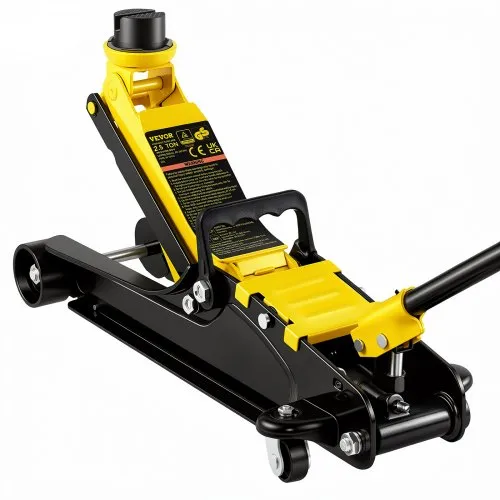
Around 90% of drivers find that 2 Ton Floor Jacks and 2.5 Ton Floor Jacks are just right. They work well with sedans, hatchbacks, and most crossovers, and they are not heavy enough to keep on a shelf when not in use.
Move up to heavier metal models. Full-size SUVs, pickup trucks, and vans can fit on 3 Ton Floor Jacks, and 4 Ton Floor Jacks deliver commercial-grade support for work trucks and other big utility vehicles. 22 ton heavy-duty air hydraulic jacks are at the top of the range. Fleet garages, farms, and bus depots use them. These lift with compressed air because a worker alone couldn't lift that much weight by hand.
Aluminum Construction for Weight and Portability
A jack's weight is more important than most people think, especially when you are moving it between bays or putting it in the trunk. Aluminum Floor Jacks are usually half as heavy as steel ones of the same size, which matters on long workdays.
When used on a track, they really shine. An all aluminum racing floor jack is the standard in the paddock because it is easy to carry one in each hand, roll it across a smooth surface, and safely lift a full race car.
The trade-offs are cost and durability under rough use. Aluminum works well on clean shop floors, but it doesn't handle dirt, dropped tools, and rough treatment as well as hardened steel.
Pay close attention to the lift range. A low starting height is often a priority for aluminum designs. This is great for cars with lower suspensions but can limit your reach for taller trucks if the model does not come with extension hardware.
Steel Construction for Strength and Longevity
When used hard on a concrete floor, steel is better. Impact-resistant Heavy-Duty Steel Floor Jacks can handle the kind of working conditions that would dent softer alloys. They also do not bend under full load.
Often, racing shops split the difference. With steel's toughness and a competition-style long body and low profile, these Steel Racing Floor Jacks let you lift things quickly without having to worry about the tool itself.
Looking at the caster design. A heavy steel jack is easy to move with wide-turning rear wheels and hardened front rollers. Cheap casters get stuck when loaded, making it hard to get the jack into the right place.
Corrosion protection is important for durability. In a busy or cold garage, brake fluid, road salt, and moisture can shorten a jack's lifespan. A powder-coated frame and sealed hydraulic ram protect against these problems.
Automotive and Workshop Applications
An automotive floor jack can do a lot more than just change a flat tire. Getting the car off the ground is the first step in fixing the brakes, changing the oil, working on the suspension, fixing the exhaust, and checking the undercarriage.
Trolley styles work best for use in a workshop. Hydraulic trolley car lifts move under the car, align perfectly with the original lift point, and keep the load stable during the lift because they rest on four wheels instead of a stem.
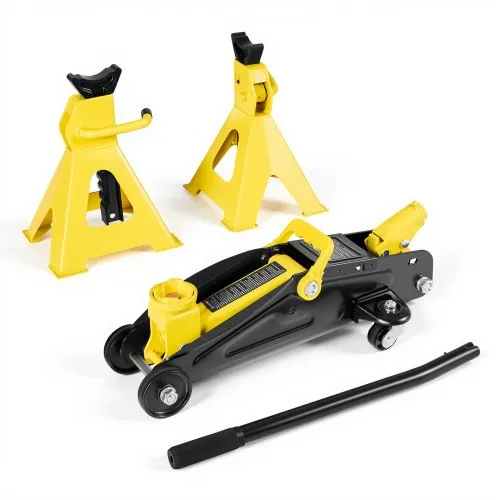
Always use stands with the jack. For car work, a hydraulic floor jack for car is only for lifting; it is not for supporting. Never work under a car that is supported only by hydraulic pressure. Consider fitment for your unique vehicle. For high-clearance trucks, a standard saddle may not reach the pinch weld or frame rail. Floor Jacks with Extension Posts & SUV Adapters go over that gap.
Floor Jack Lift Features and Chassis Profile Explained
The pump's design and the body's height determine how quickly and easily the jack works in real life.
Pump Design and Lifting Speed
The pump's design directly affects how many beats you need. Dual-piston quick-lift pump floor jacks move much more fluid with each stroke, so it takes only three or four pumps to close the gap between the saddle and the vehicle instead of twelve.
Single-piston units are less expensive and still work just fine. Single piston lift pump floor jacks give up speed for ease of use and fewer wear spots, which makes them good for occasional use around the house.
For shops with many items, air help takes away all the work. Foot-pedal-operated hydraulic floor jacks let you position the vehicle while lifting and keep both hands free. Air-hydraulic trolley floor jacks use standard shop compressed air.
There should still be a valve that lets you control how quickly a car floor jack lowers, even if the label says "floor jacks with quick Lift."
Low Profile Designs and Ground Clearance
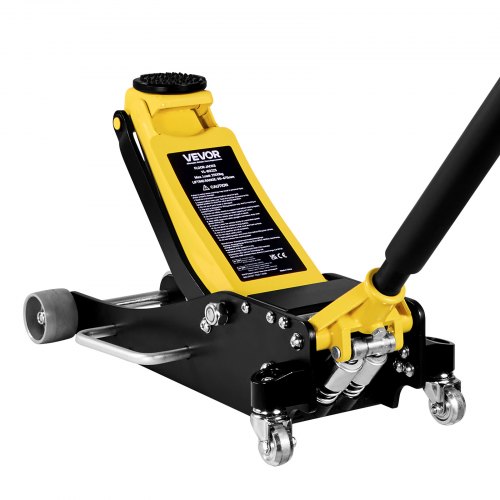
A standard jack will not fit under many modern cars because they sit lower than ever. People who have sports cars, vehicles with lowered suspensions, or vehicles that have aftermarket body kits can use a low profile floor jack with a saddle that starts at about 75 mm. Check the range's two ends. Some low-entry models don't go as high, so make sure the jack can lift far enough to fit stands and remove a wheel without problems.
Chassis length also affects reach. When making a floor jack for car that needs mid-chassis jacking pads, it is important to make sure that the longer body can reach the center lift points on wide vehicles. Most hydraulic car jack specs list the lowest and highest seat heights. Find out how much space your car has, then buy the jack that fits.
Why Choose VEVOR Floor Jacks?
VEVOR has a full selection of cranes, from 1.5 to 22 tons, made of metal and steel, low profile and standard, manually and air-powered, and at prices that leave money for jack stands and tools. Each unit comes with clear directions, good hydraulic seals, and help if something goes wrong after the sale. Professional shops get the same level of performance every time they order, while home mechanics get a jack that works safely. Browse the collection now and get your car moving.
FAQs
What capacity floor jack do I need?
As you lift one end at a time, make sure the jack can handle at least half of your car's gross weight. Two tons is enough for most cars, and three tons is enough for SUVs, pickup trucks, and vans.
Is aluminum or steel better?
Aluminum is about half as heavy as steel, and it is good for race days and everyday transport. Steel is the best choice for a stable garage or busy workshop because it is less expensive and can handle more abuse.
Can I work under a car on a floor jack?
Never. After lifting with the jack, put the load on properly rated jack stands before going under. Under long-term load, hydraulic seals can fail without warning.
What is a low profile jack for?
They can fit under sports cars, lowered cars, and other vehicles with low ground clearance that would normally block a standard jack because their minimum saddle height is lower.
How do I maintain a hydraulic jack?
Keep the ram clean and lightly oiled, and check the hydraulic fluid level once a year. Store the jack with the legs fully lowered, and bleed any trapped air if lifting becomes soft or incomplete.
