VEVOR Mobile Wallbox, 3.6 kW 16A, Type 2 Portable EV Charger, Single Phase Electric Vehicle Car Charger with 6 m Charging Cable, Schuko16A Plug, LCD, Adjustable EV Charging Station, IP66 Control Box


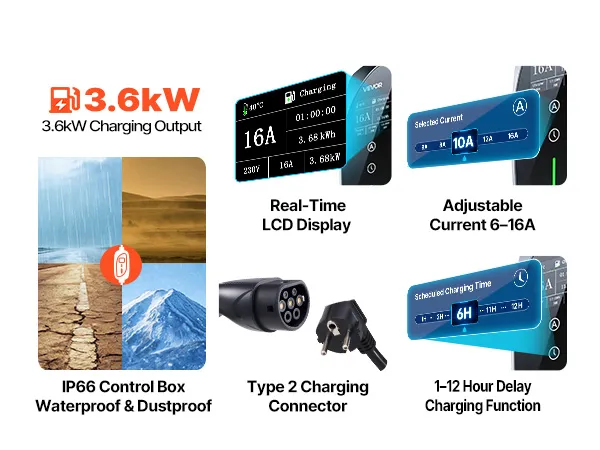
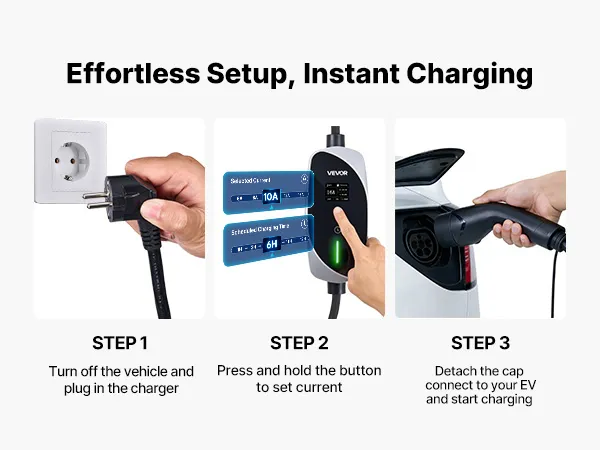
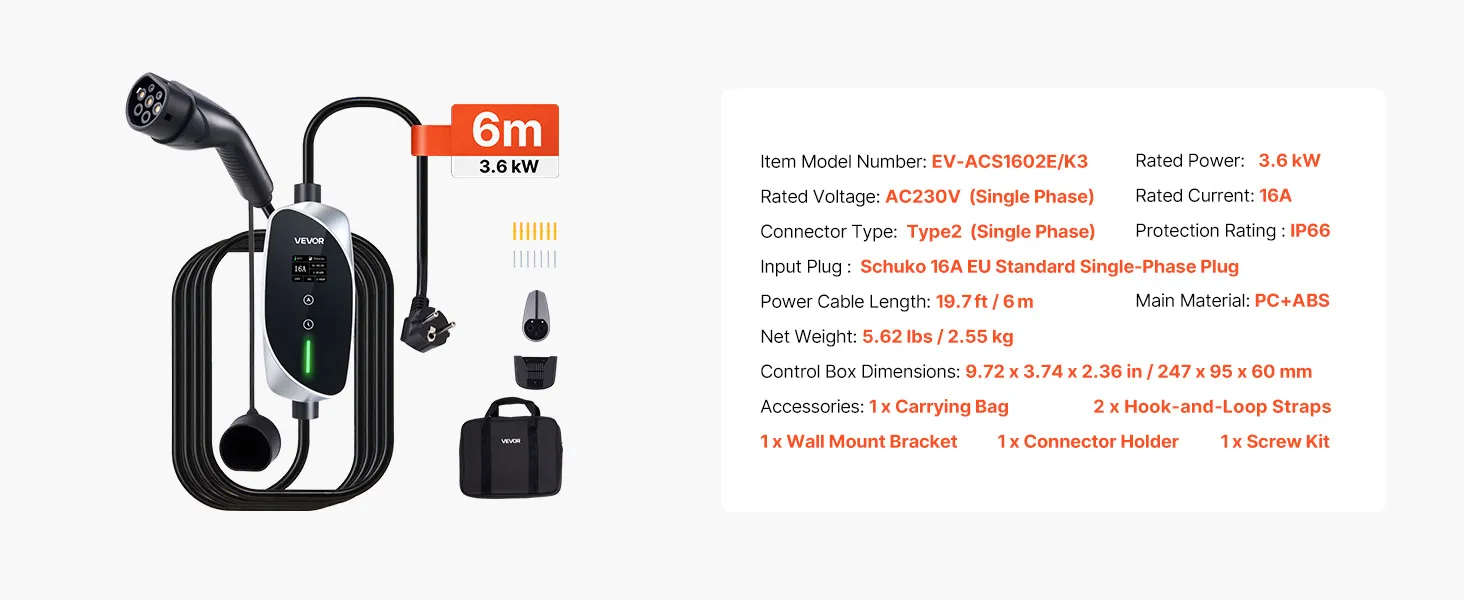
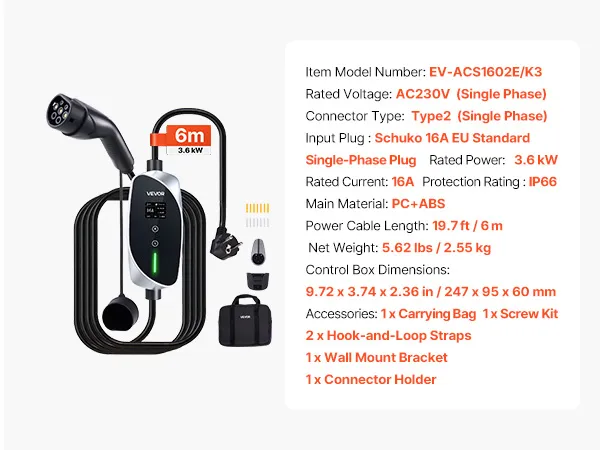
- Fast Charging Performance: This portable EV charger features a single phase Type 2 and Schuko 16A plug with adjustable 6 to 16A current. Delivering up to 3.6 kW and about 34 km per hour, it reduces wait time while delivering stable and efficient charging
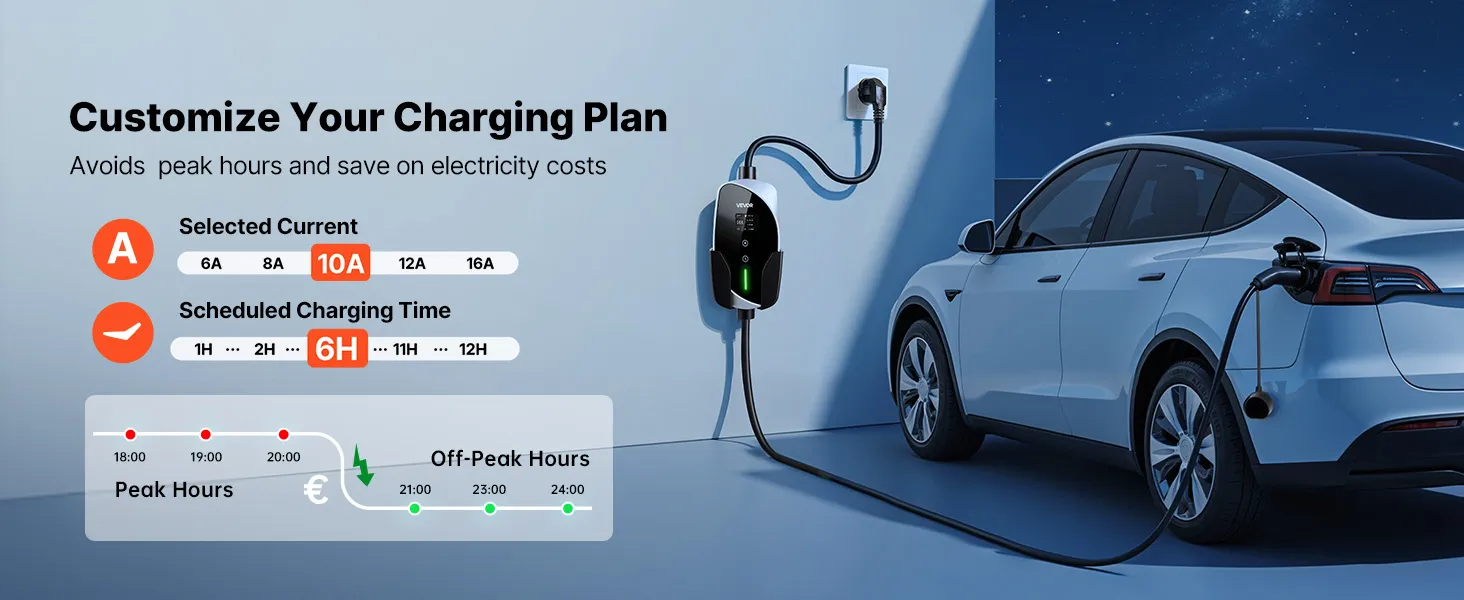
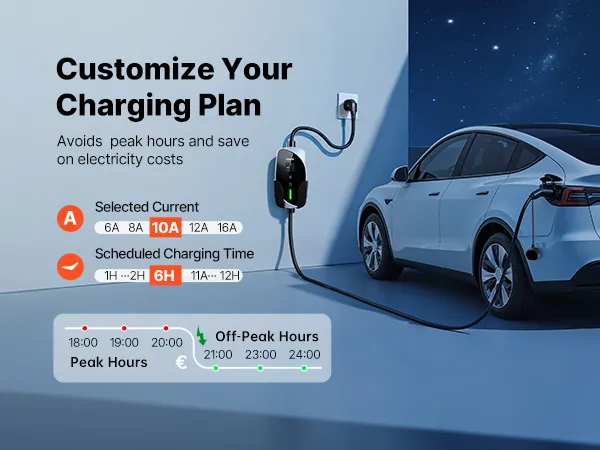
- Delay Charging Function: This Type 2 EV charger features an LCD display and clear indicators showing real time charging status and alerts. Easily set a 1 to 12 hour delay to avoid peak electricity hours, reduce energy costs, and charge on your schedule
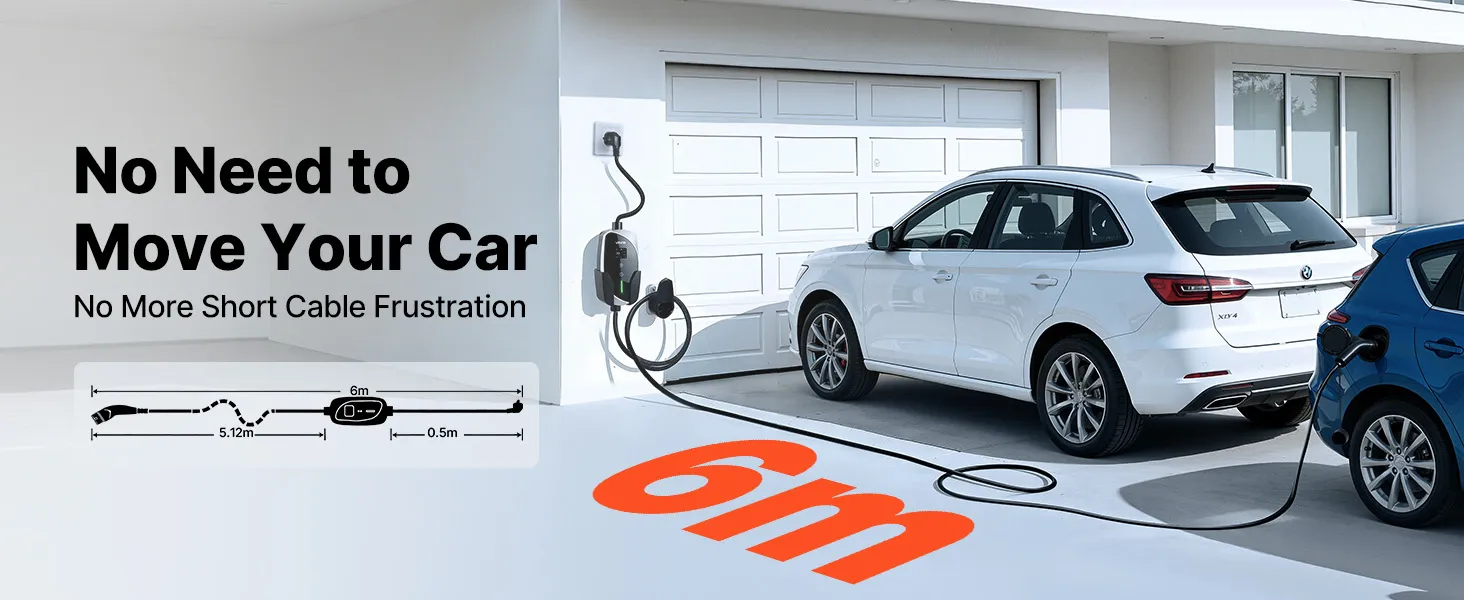
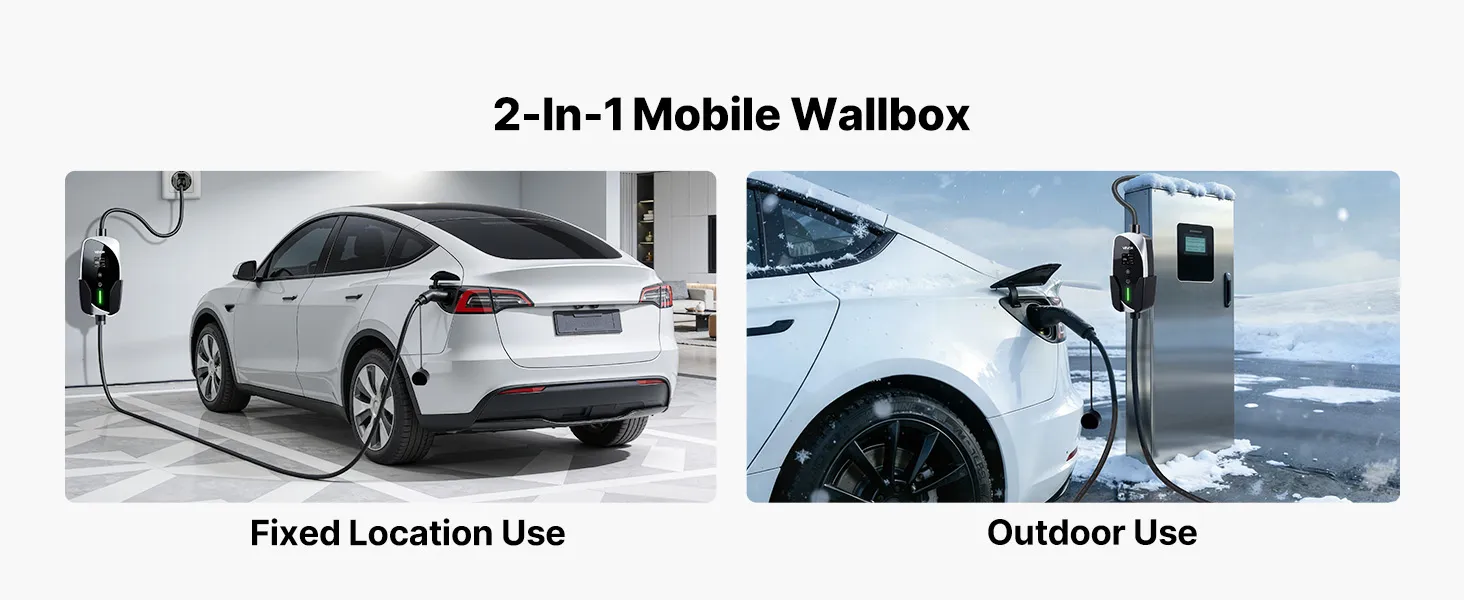
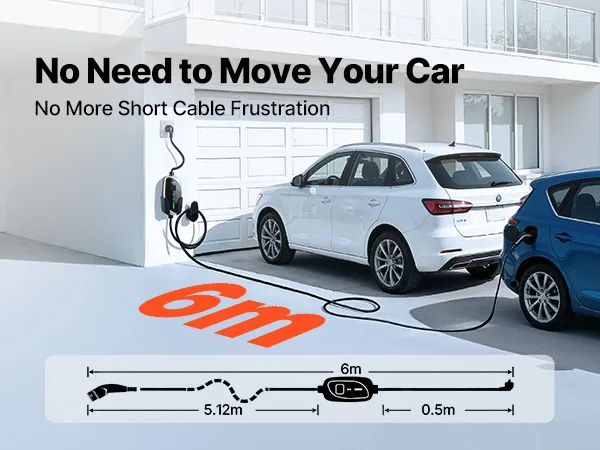
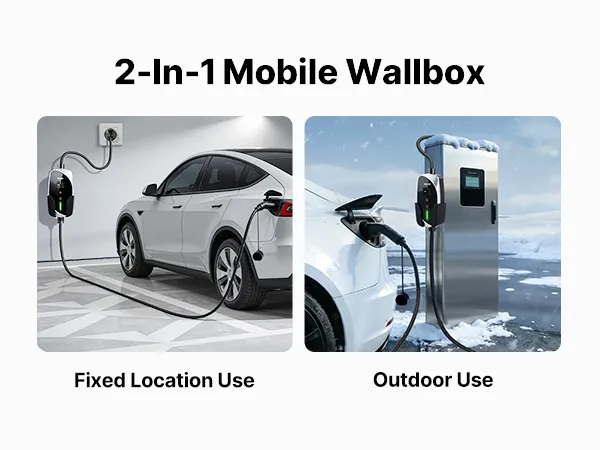
- 2 in 1 Mobile Wallbox: With an 6 m charging cable, this EV car charger easily reaches across driveways and garages, ideal for multi EV households without moving cars. Compact and travel ready, it provides flexible charging at home or on the road
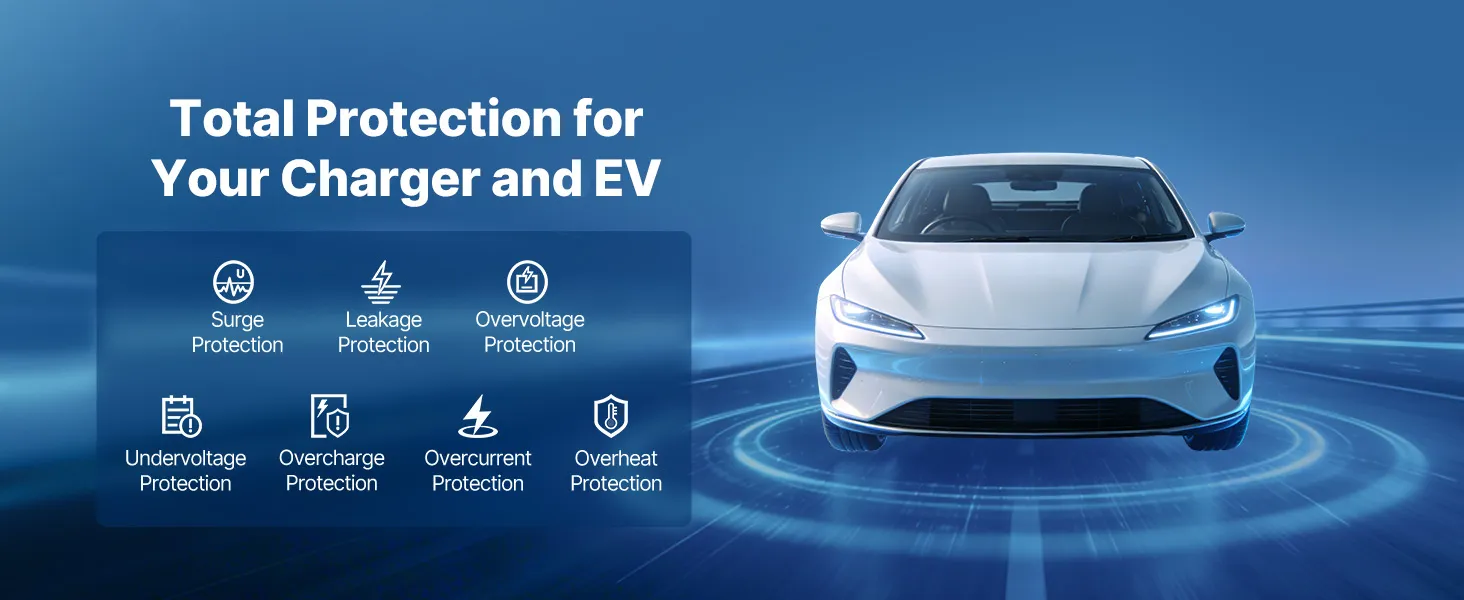
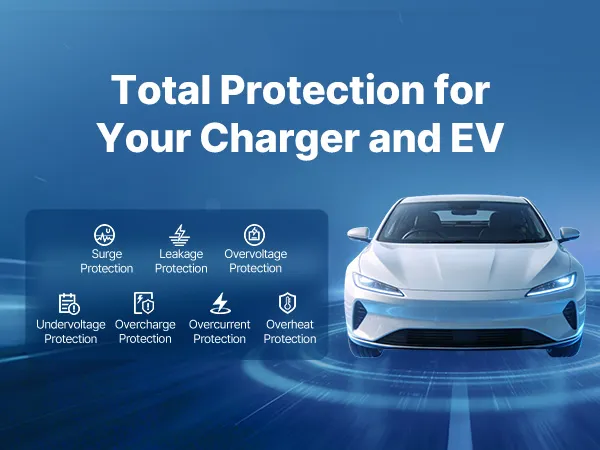
- All-Round Protection: This electric vehicle charger includes surge, leakage, grounding, overvoltage, undervoltage, overcurrent, overheat, and overcharge protection. IP66 rated control box supports reliable charging in rain, snow, heat, or cold
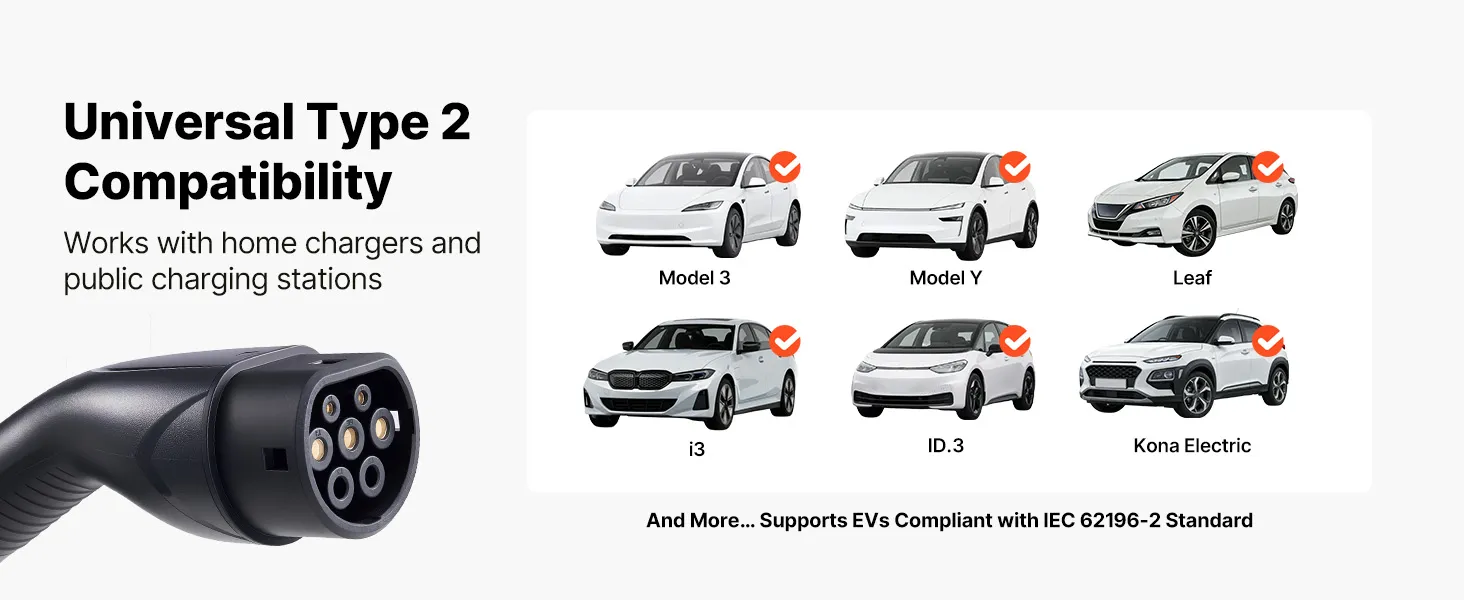
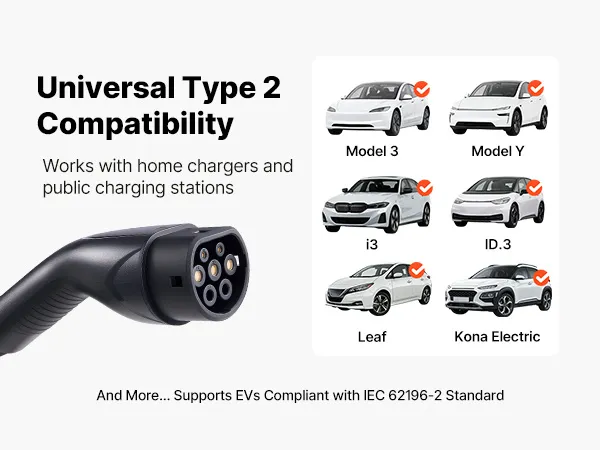
- Universal Type 2 Compatibility: This electric car charging station works with most Type 2 electric vehicles and public AC charging stations. Compatible with Model 3 Y, Leaf, i3, ID.3, Kona Electric, and other EVs compliant with the IEC 62196-2 standard
Frequently Bought Together
Reviews
 ledjo63
 Carsten Oldrup grottinofilipe F. L.
 About this item




3.6 kW Portable Type 2 EV Charger with Schuko 16A Plug for Standard Household Sockets
The VEVOR 3.6 kW portable Type 2 EV charger connects to a standard Schuko 16A household socket — the most common domestic power outlet format across Germany, the Netherlands, Austria, and much of continental Europe. Unlike chargers that require a CEE16 or CEE32 socket, this model plugs directly into an existing standard Schuko household outlet without additional installation.
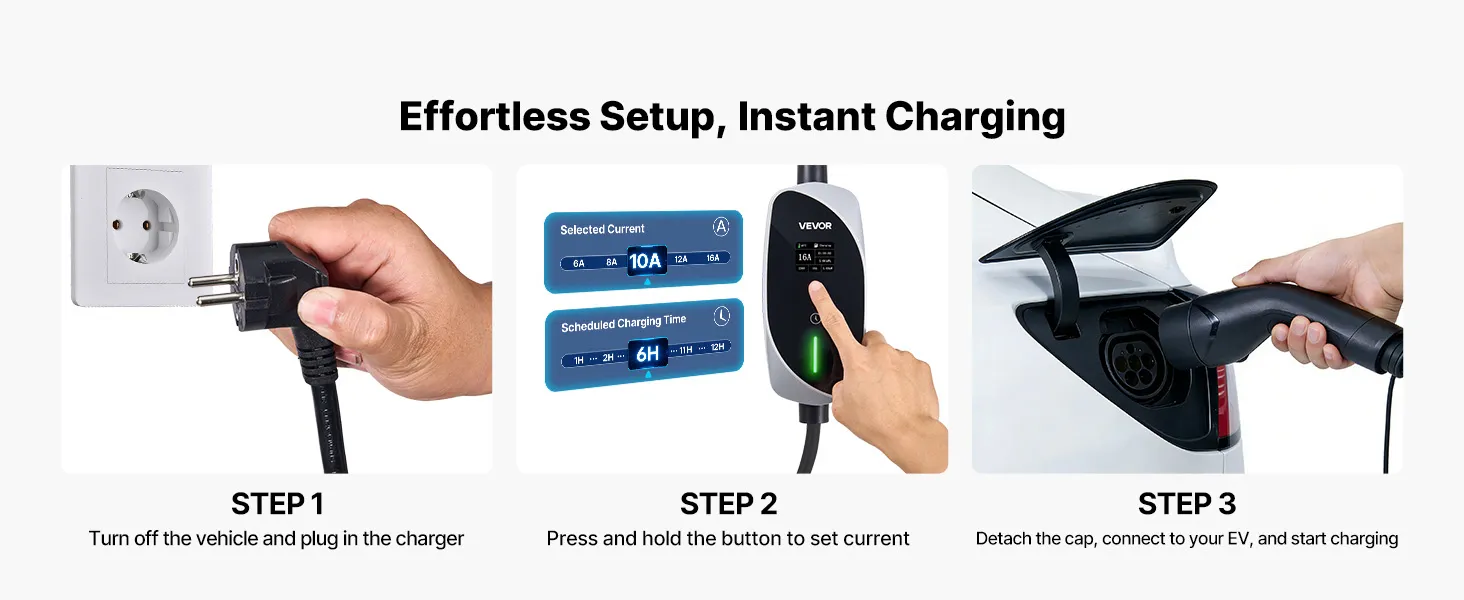
With this Schuko compatibility, the most common barrier to charging their cars at home is the need to install a charging socket first. EV owners can plug in and start charging the same day it arrives, without having to wait for an electrician or a socket upgrade. Renters and temporary residents who cannot make permanent electrical modifications can use the Schuko input to charge their vehicles immediately.
6 to 16A Adjustable Current for Safe Charging Across Different Circuit Capacities
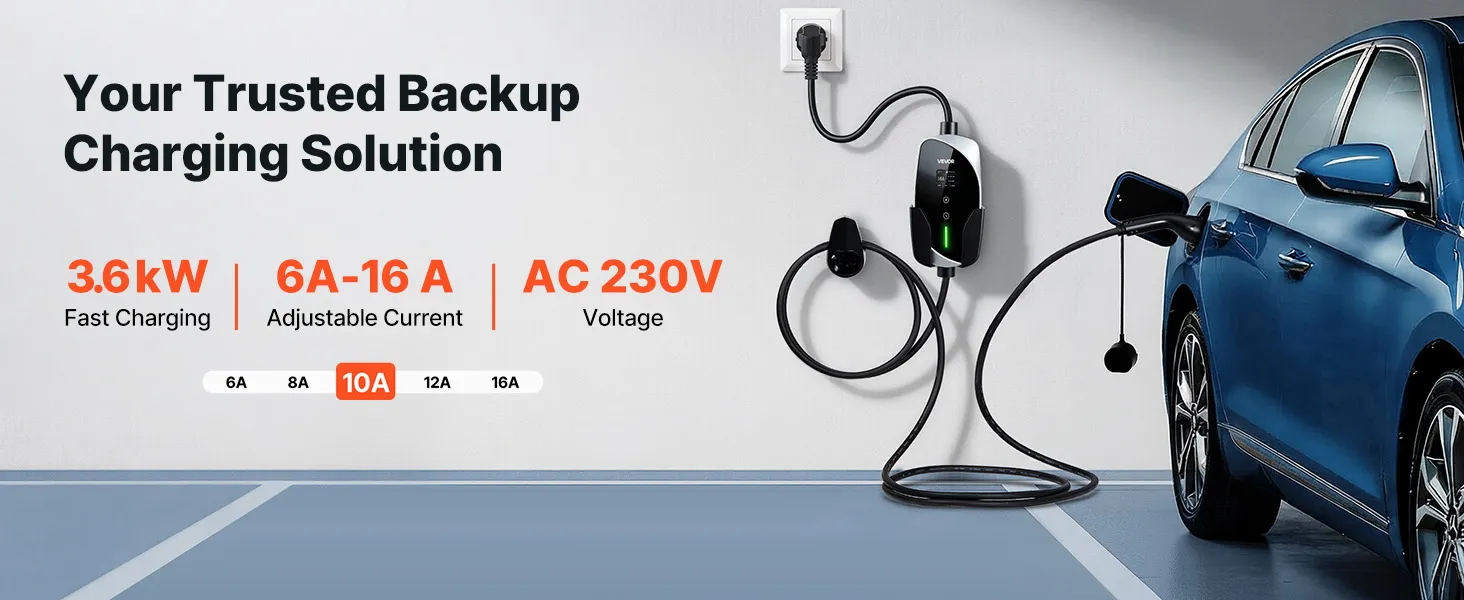
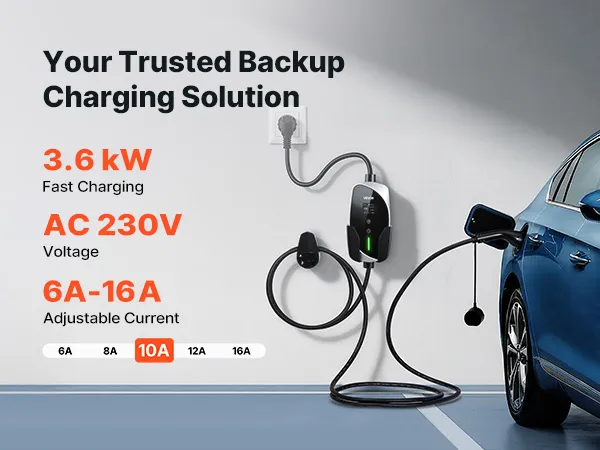
The charging current is adjustable from 6A to 16A. This gives the operator exact control over how much power is drawn from the home circuit during each charging session. At the full 16A setting, there may be limited capacity for other appliances on the same circuit.
By lowering the current on the same circuit to 10A or 12A, other household loads, like a washing machine, kettle, or microwave, can run while it is charging without going over the breaker rating. This feature, which lets you change the current, is especially useful in older homes where the garage socket might be on the same circuit as kitchen or utility appliances, and where a 16A continuous draw would cause annoying trips during normal household activities during the charging period.
34 km of Range Added Per Hour for Reliable Everyday Household Charging Sessions
At 3.6 kW output, this charger adds about 34 kilometers of range per hour of charging. That is enough to cover a 30- to 50-kilometer daily commute within the 8- to 10-hour overnight charging window. For most EV drivers whose daily driving falls within this range, leaving their car plugged into this charger overnight can provide enough charge for most daily needs by morning.
Many plug-in hybrid vehicles support AC charging rates up to approximately 3.7 kW, allowing them to take full advantage of this charger's output. This means that you can use the full 3.6 kW charger output without the vehicle's on-board charger slowing down the charging session. The charging rate these cars can handle is precisely what this charger provides.
1 to 12-Hour Delay Function and LCD Screen for Scheduled Off-Peak Charging
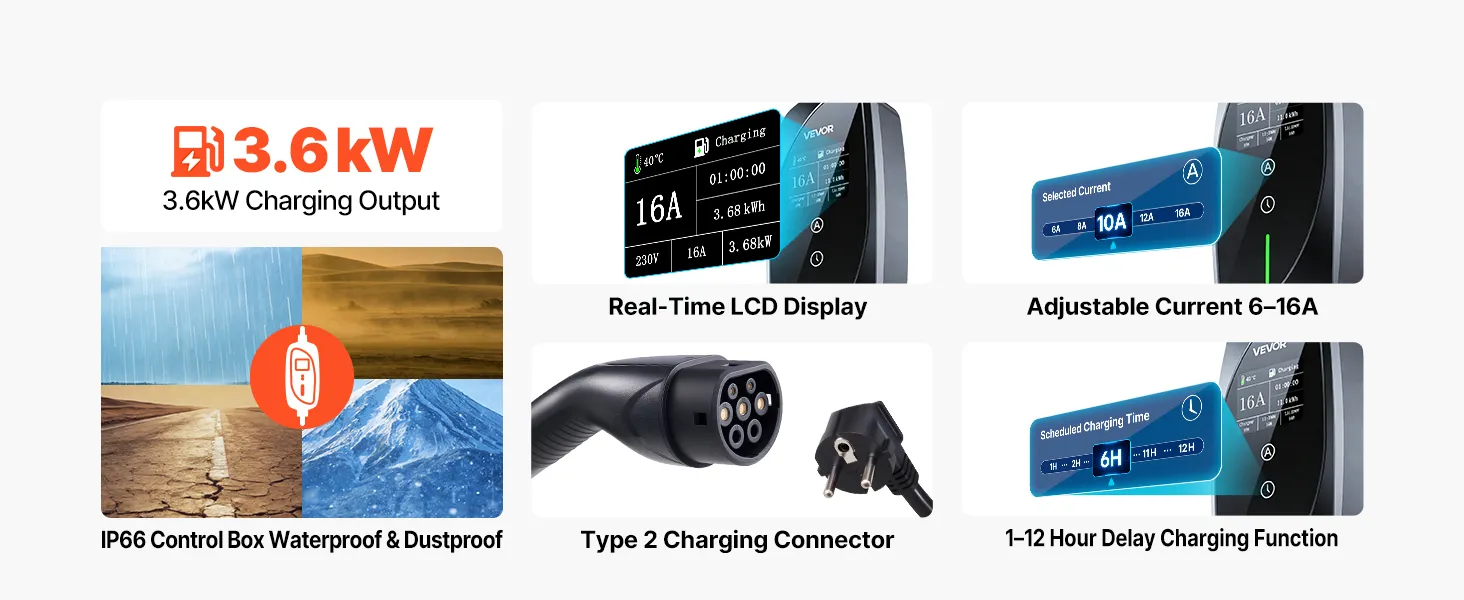
The built-in delay charging feature lets you delay the start of each session by 1 to 12 hours after plugging in. This means that you can connect the car at any time in the evening, and the charging session will start automatically during the overnight off-peak electricity rate window. The user sets the delay directly on the unit using the LCD screen. After connecting, the user selects the desired delay time, the screen confirms the scheduled start time, and the charger maintains the connection until the programmed time arrives, with no further action required.
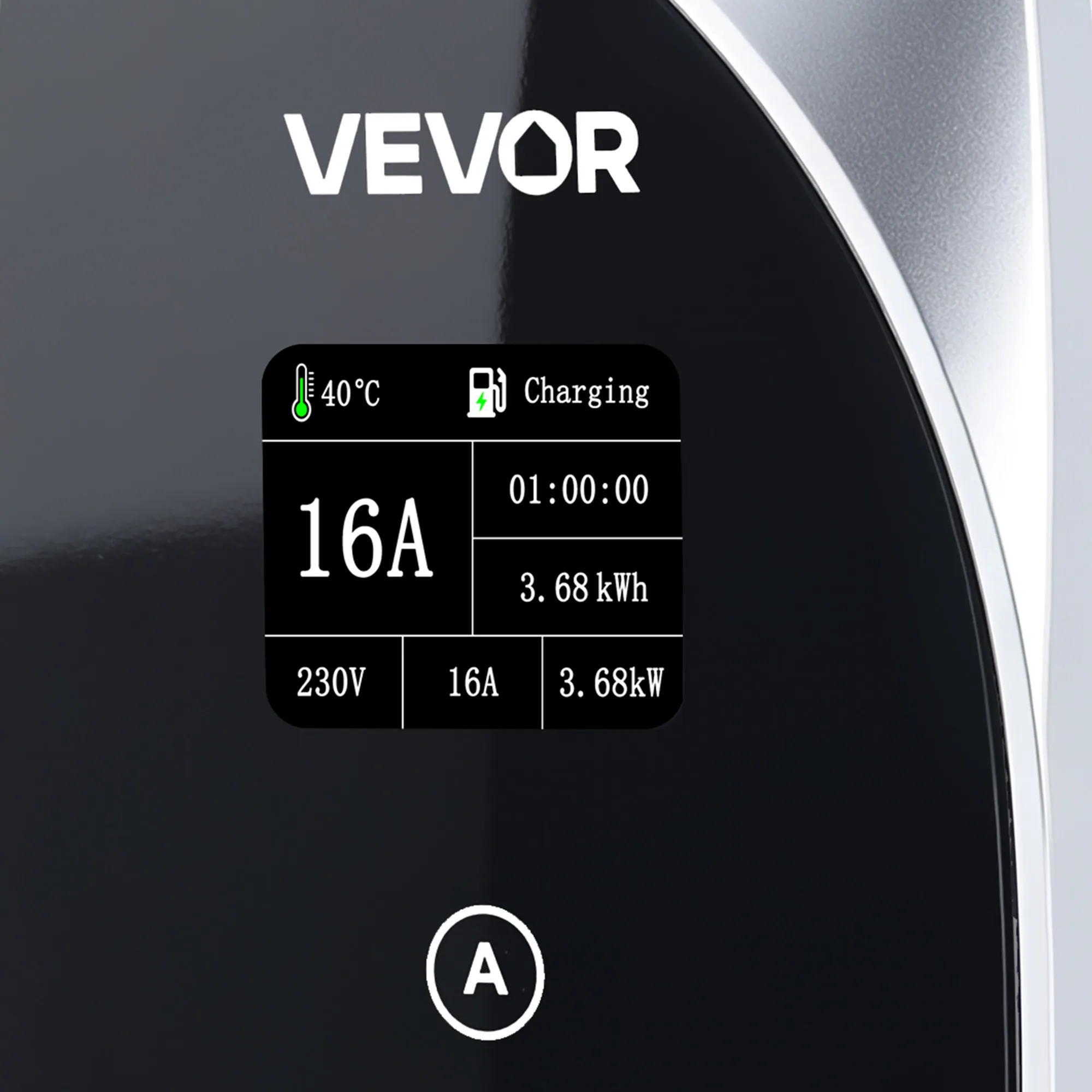
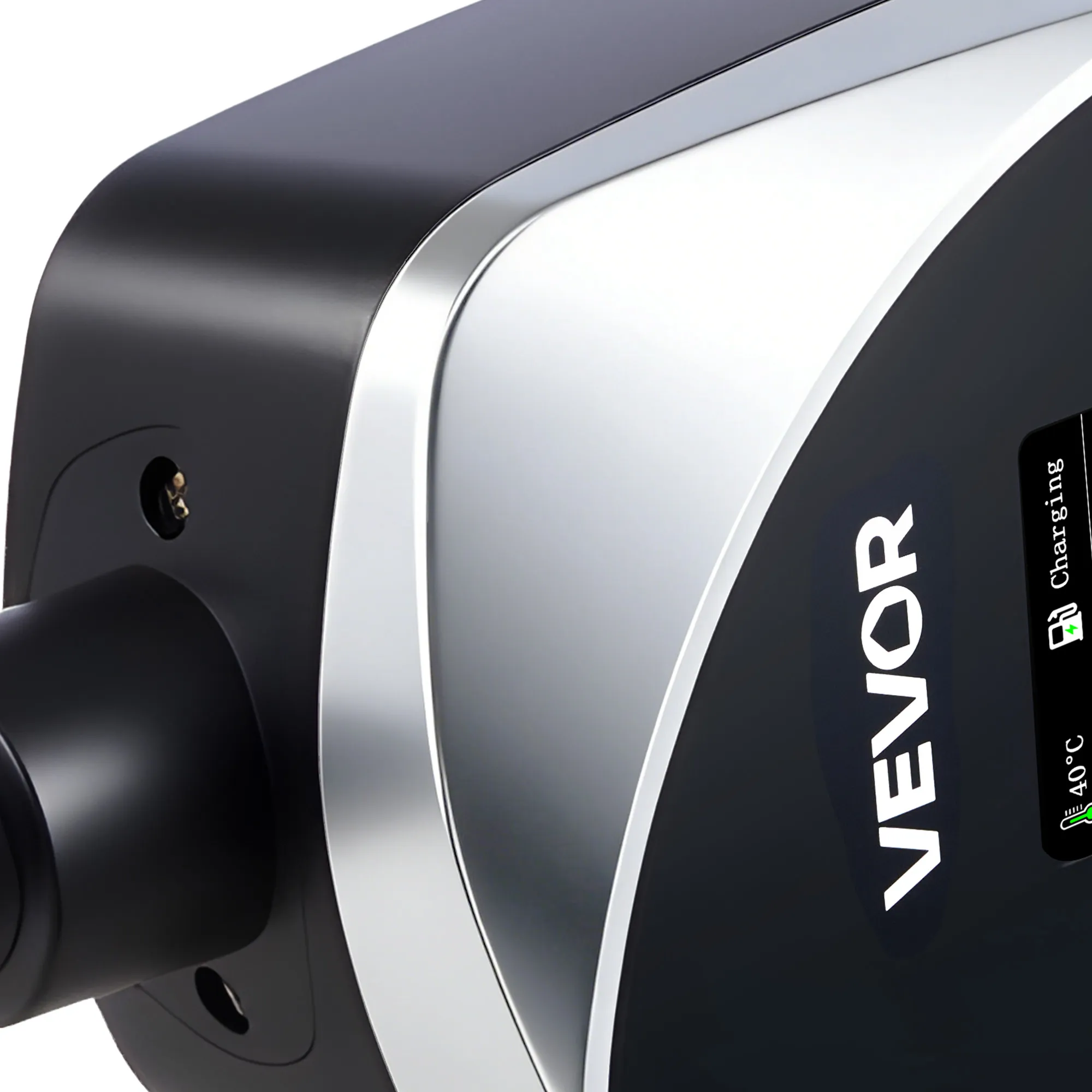
The LCD screen shows the current draw, supply voltage, active power output, and fault status in real time during each active session. The screen is clear and easy to read. When the user plugs in, this live readout lets them know right away that the session has started correctly at the current setting they chose. It also clearly shows when any protection function goes off during the session, so they can figure out what went wrong and fix it rather than causing an unnecessary interruption.
3.6 kW Portable Type 2 EV Charger with IP66 Control Box and 8-Layer Protection
This 3.6 kW portable Type 2 EV charger has an IP66 ingress protection rating, which means dust and strong water jets from any direction cannot enter the control box. This level of protection means that the charger can be used in open driveways, uncovered parking lots, and garden sockets, where the control box may be exposed to rain during a charging session without the user having to cover the unit or stop the session during rain.
Eight independent protection functions operate simultaneously throughout each session: surge protection, leakage current detection, grounding fault monitoring, overvoltage protection, undervoltage protection, overcurrent protection, overheat monitoring, and overcharge prevention. Each safety system works independently.
6m TPU Cable and 2-in-1 Design for Home Wall Mount or Portable Travel Use
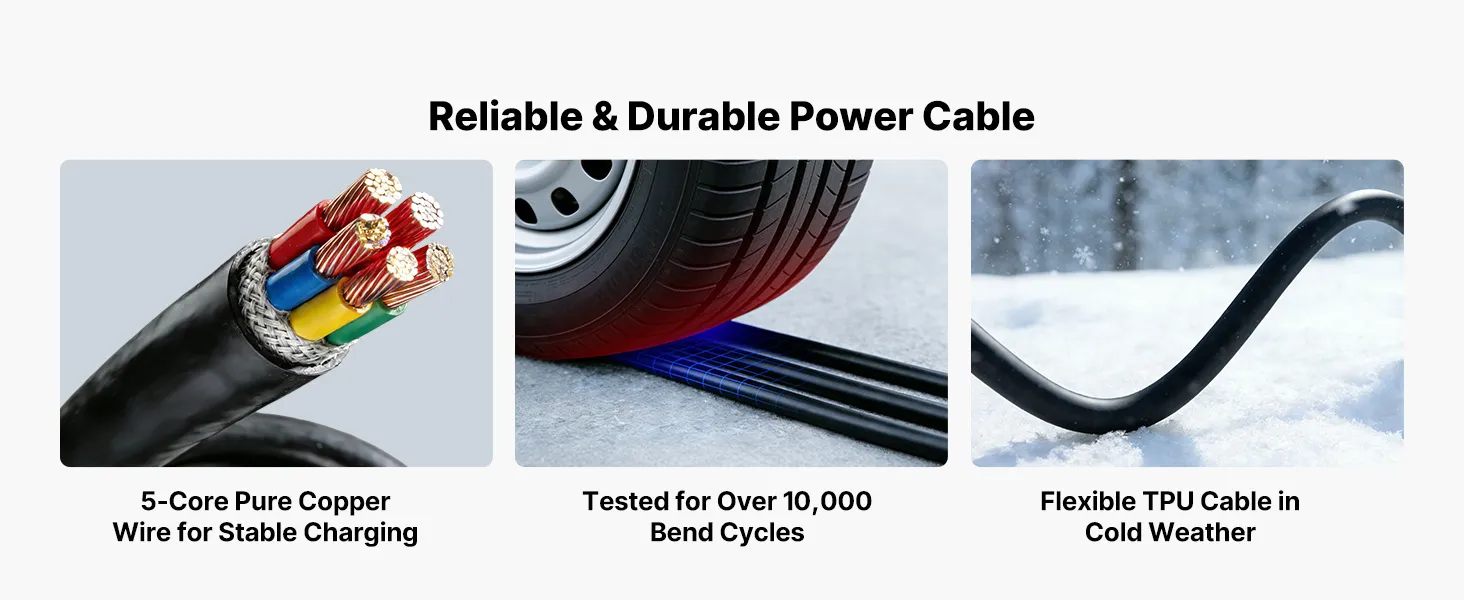
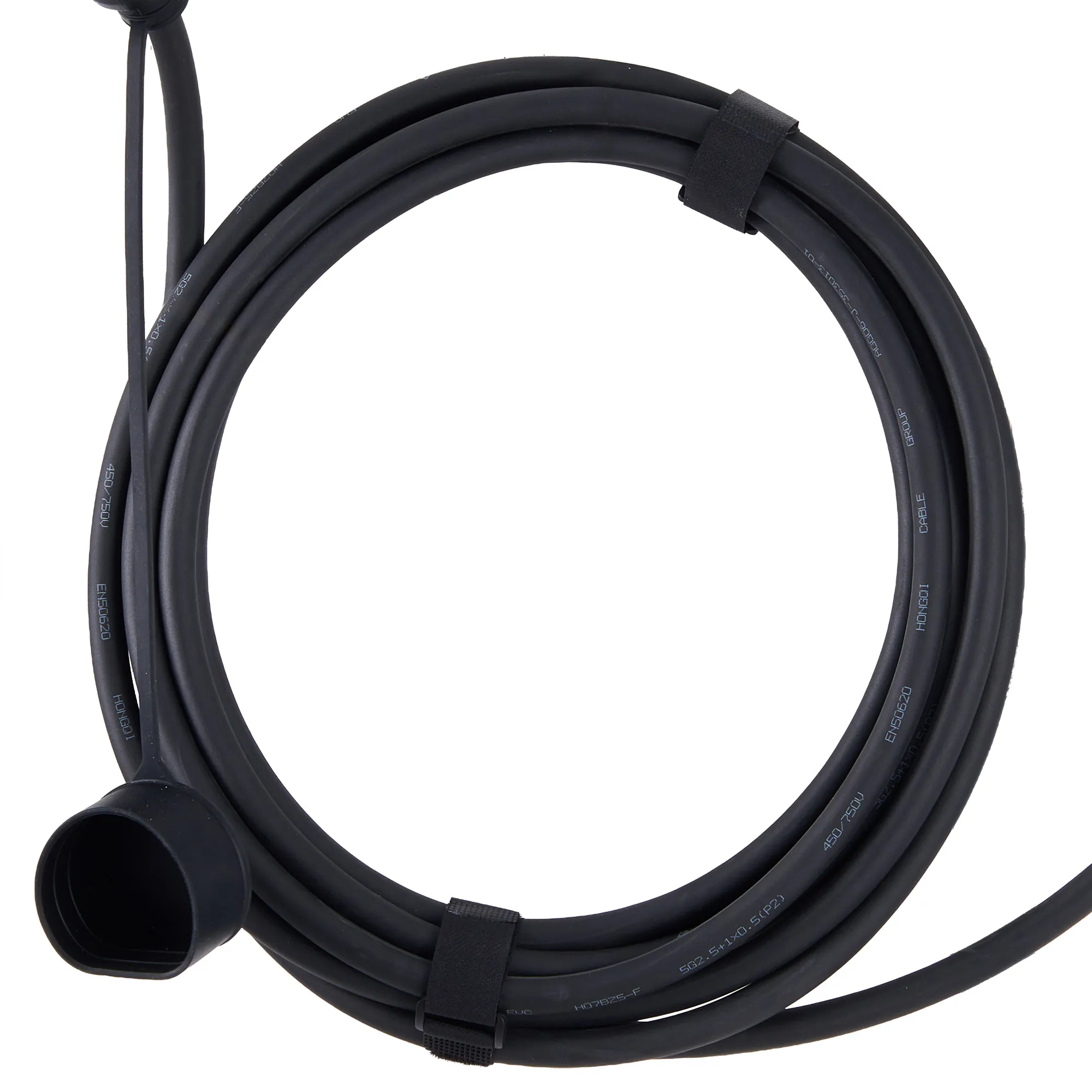
The 6-meter TPU charging cable is long enough to reach from a wall outlet to a parked car. It meets the cable length needs of most residential charging setups using Schuko outlets and Type 2 vehicles without the need for a cable extension. When it is cold outside, the TPU jacketing keeps the cable flexible. This is important for winter outdoor use when temperatures drop below freezing, and PVC-jacketed wires become stiff and difficult to handle.
The 2-in-1 design of this 3.6 kW portable Type 2 EV charger lets you mount it permanently on the wall near your garage door for daily use as a fixed home charging solution. You can also remove it and keep it in your car as a backup charger to use at Schuko outlets at vacation homes, campsites, relatives' homes, or anywhere else a standard household socket is available.