VEVOR Garden Stakes, 15 Pack, 1705 mm, Plastic Coated Metal Tomato Stakes, Garden Sticks for Plants Support, with Pointed End and Non-Slip Bumps for Growing Climbing Plants, Outdoor Vegetables


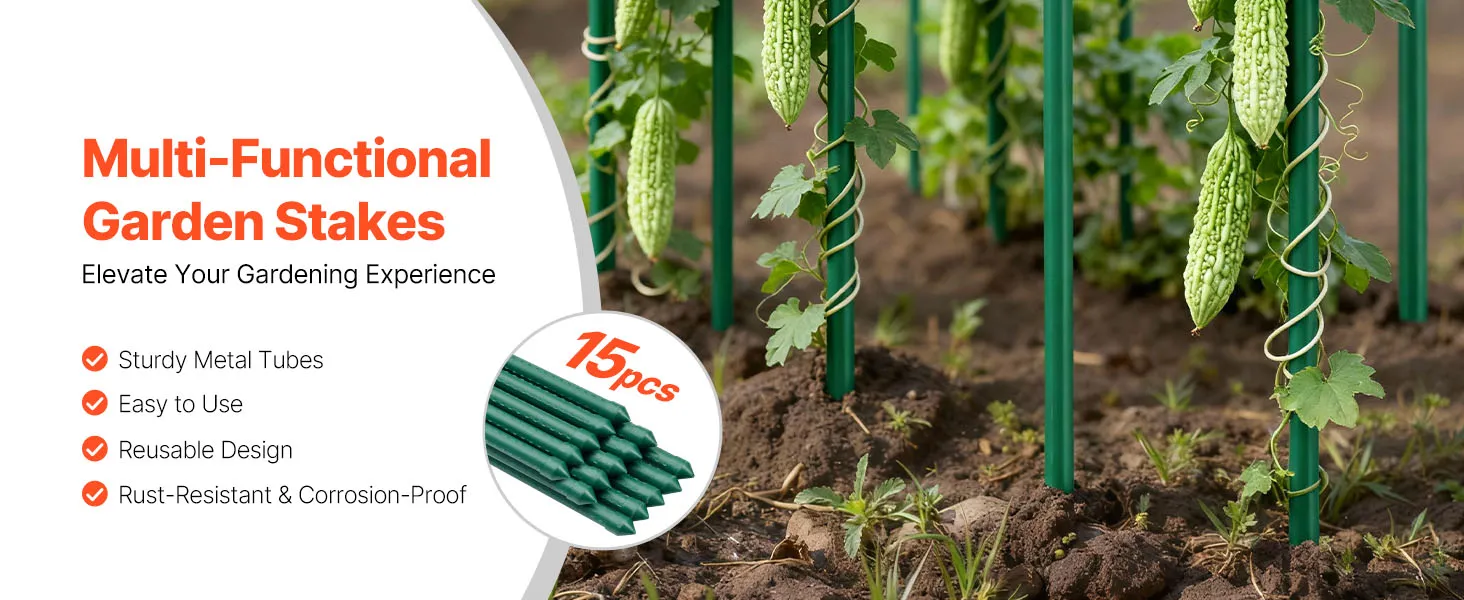
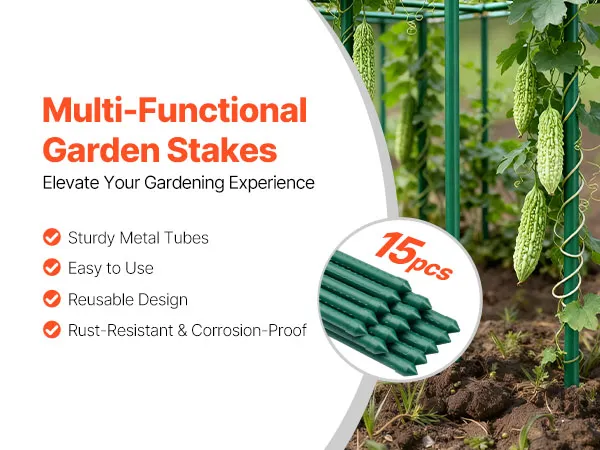
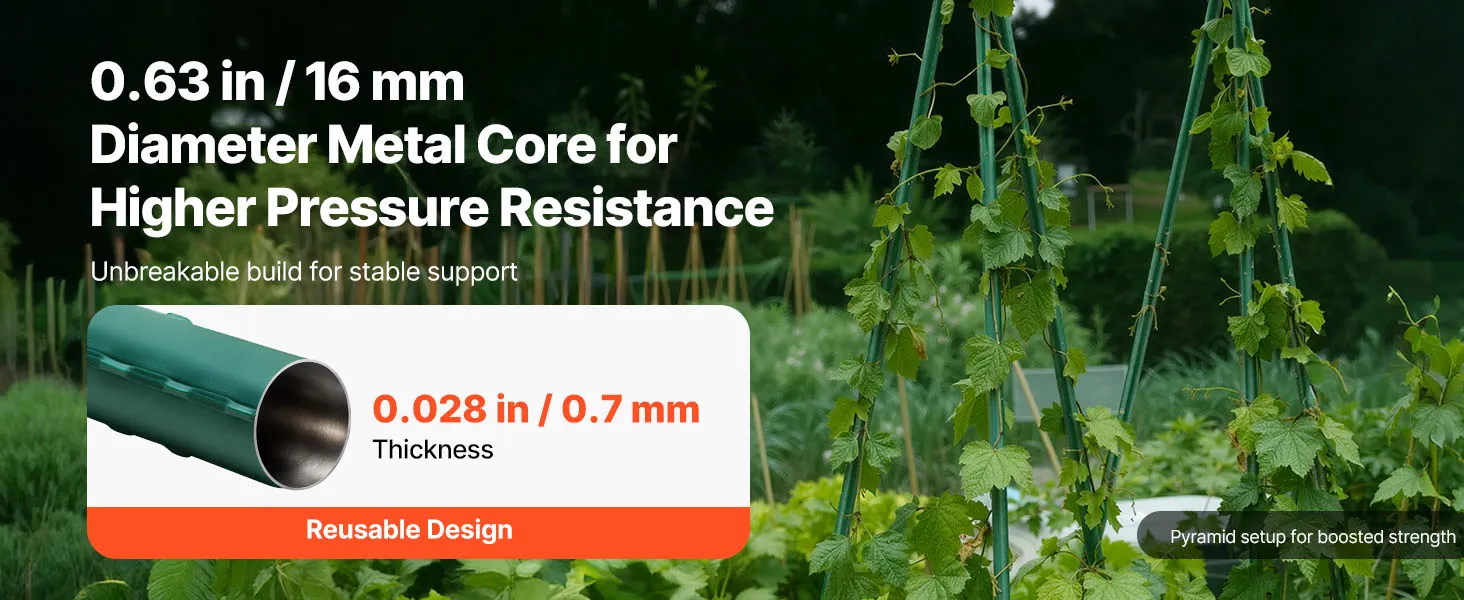
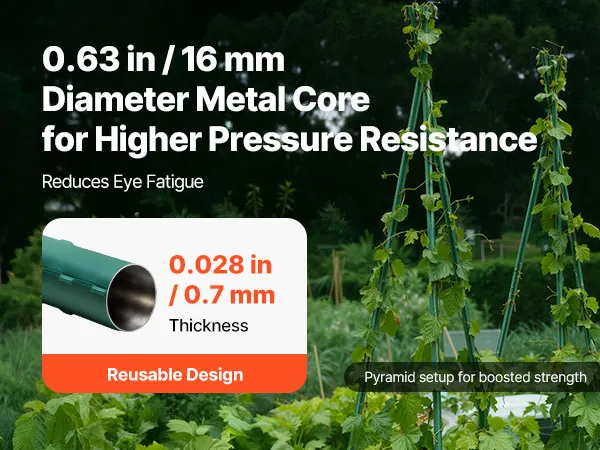
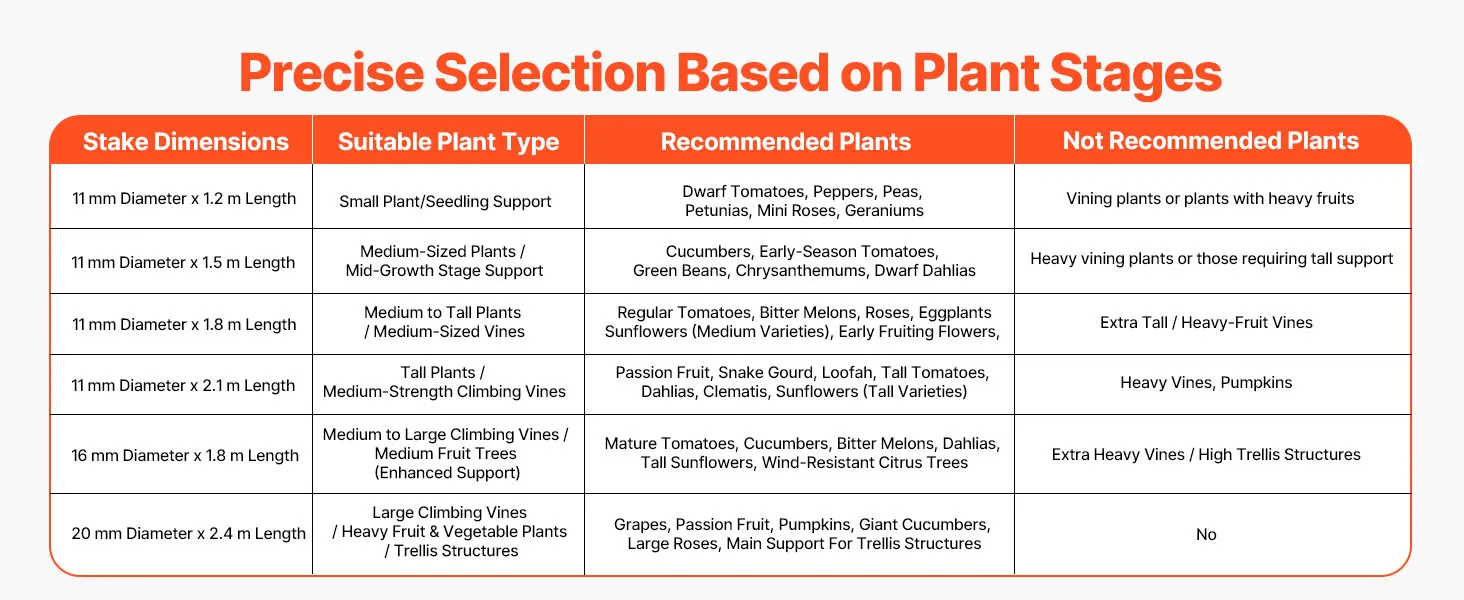
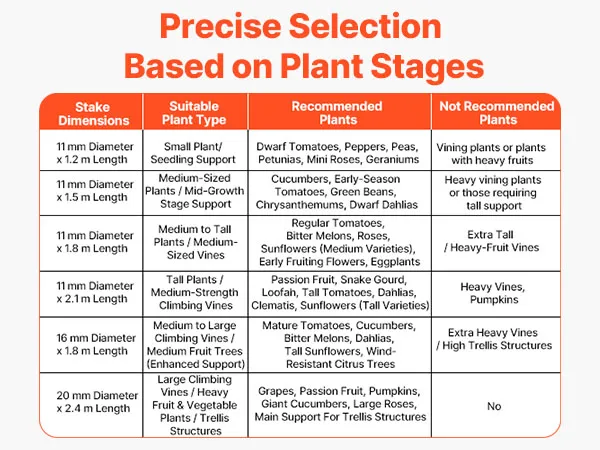
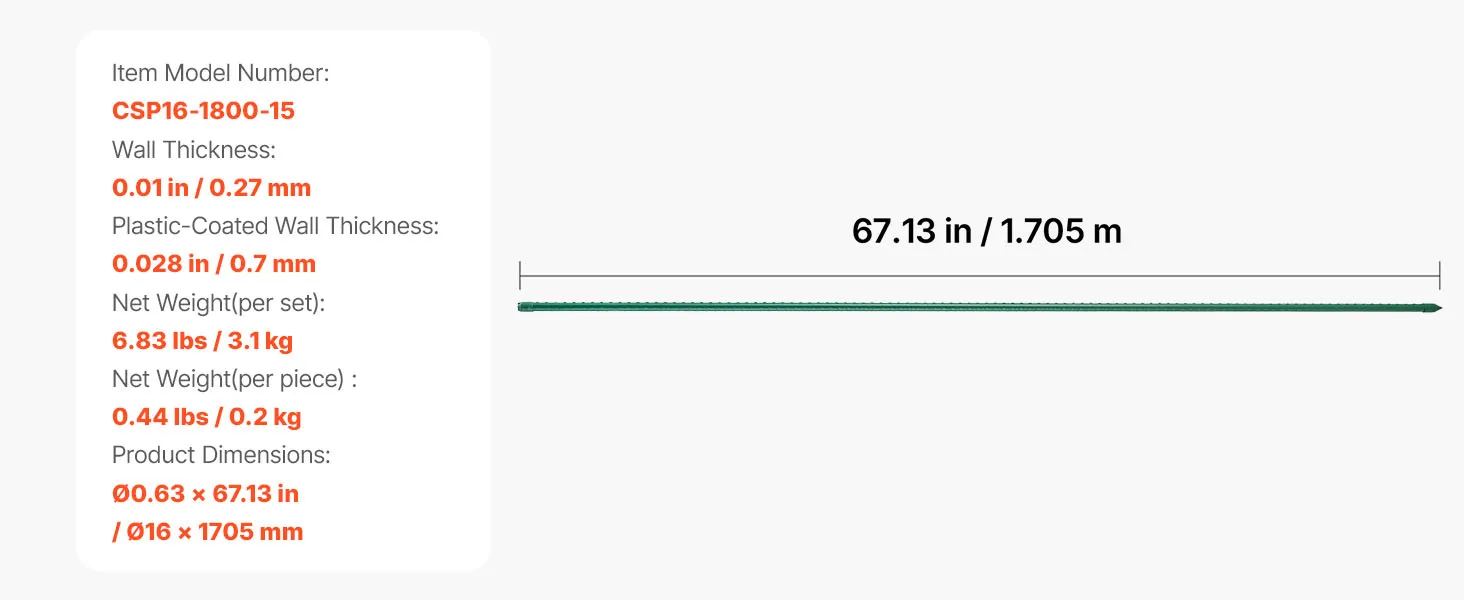
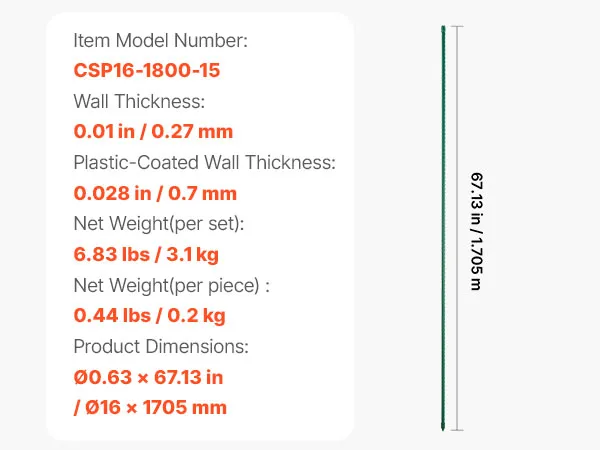
- Sturdy Plant Support: This 67.13-inch-long, 0.63-inch-diameter garden stake set includes 15 stakes supporting plants like tomatoes, beans, and vines. For enhanced strength, a pyramid setup is recommended to resist tipping and promote upright growth
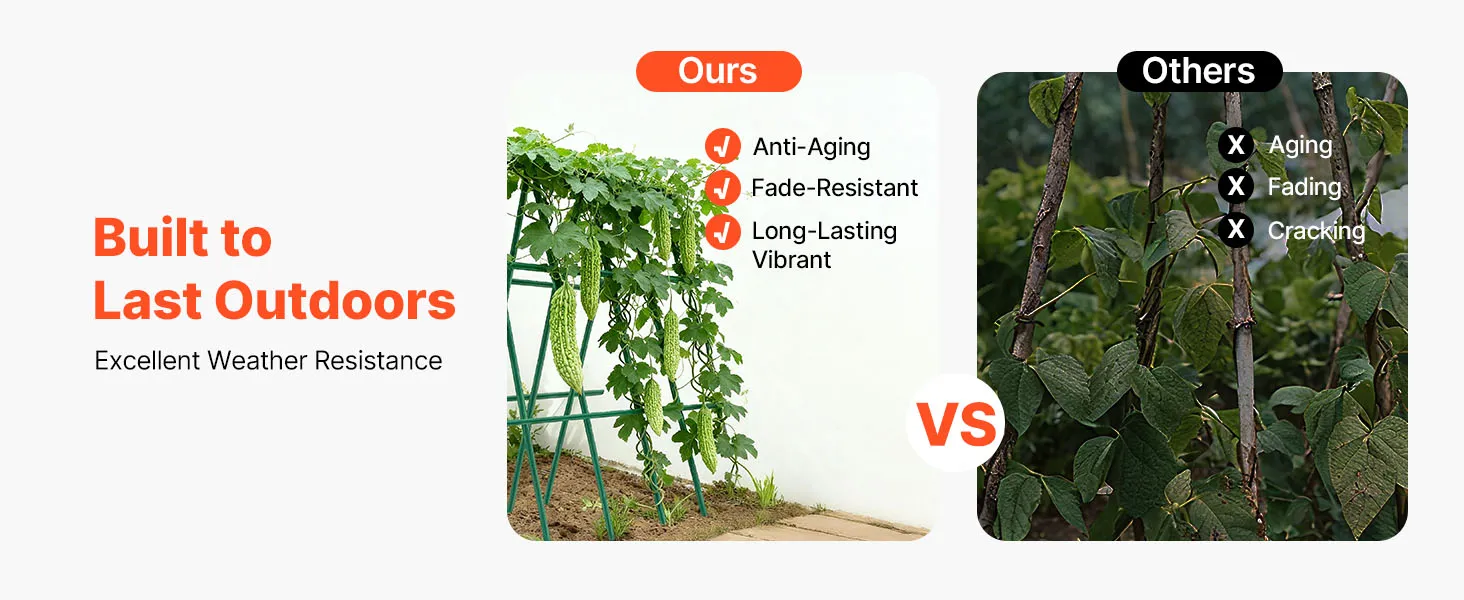
- Premium PE-Coated Steel: Made with high-strength PE-coated metal pipes, these tomato stakes deliver durability and compression resistance. The sunlight- and weatherproof PE layer withstands fading, cracking, or deformation for long-lasting outdoor use
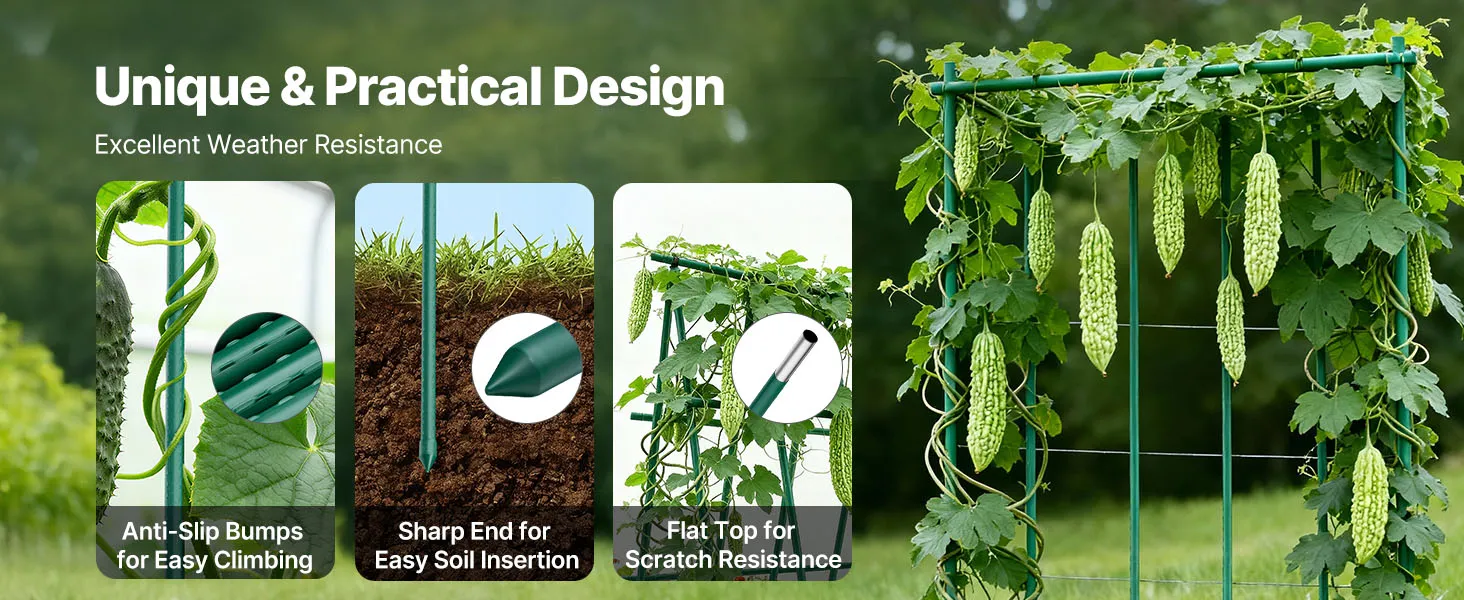
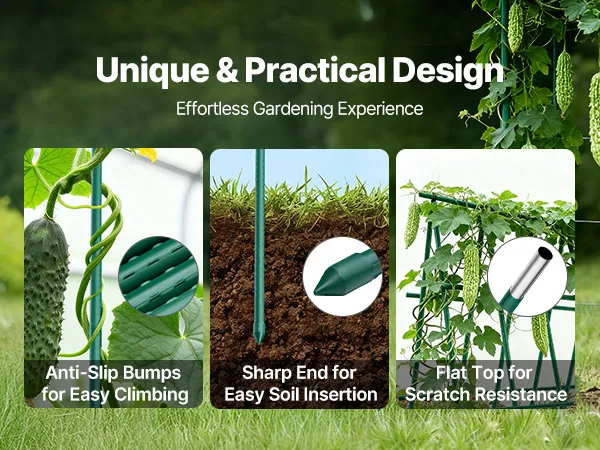
- Easy to Use: No complicated tools needed. These garden sticks feature a pointed end for easy soil insertion and anchoring. The anti-slip bumps enhance grip, allowing plants to naturally climb and wrap around, ensuring stable support
- Versatile Use: Ideal for home gardens, balcony planters, farmland, and landscaping projects. These tall garden stakes support climbing plants and upright growth, meeting diverse needs for plant support and guidance in different environments
- Reusable and Durable: Built to last, these plant stakes for outdoor plants are easy to detach after harvest, clean, and store compactly. No need for yearly replacements, it reduces long-term gardening costs and waste for continuous planting over the years
Frequently Bought Together
Reviews
 Torbjorn memoly
  Erika David
 About this item


High-Strength PE Coated Steel Tubing for Rust-Free Long-Term Outdoor Durability
Each stake in this set is made from steel tubing with a polyethylene (PE) coating applied to its entire surface. The structural stiffness required to withstand bending, warping, or cracking under the lateral pressure of large stems, branches bearing fruit, and powerful winds is provided by the metal core. The tubing's wall thickness withstands compression resistance throughout the year without degrading or losing its shape in the soil.
The main defense against outdoor deterioration is the PE covering. It protects the metal beneath from moisture, humidity, and acidic soil, which are the common causes of rust and surface corrosion in exposed steel stakes. Additionally, the coating is UV-resistant, helping prevent peeling, fading, or breaking over several growing seasons. This feature indicates that the stakes do not require any treatment or protective spray and remain aesthetically pleasing and structurally sound year after year.
Plastic Coated Steel Garden Stakes with Non Slip Surface Bumps for Secure Plant Grip
Each of these plastic coated steel garden stakes has raised, non slip bumps all over its surface. Plant ties, twine, and natural tendrils have something to hold onto thanks to these rough bumps, which keep them from sliding downward under the weight of developing stems or fruit. Over time, ties without surface texture tend to slip along smooth stakes, leaving plants unsupported and vulnerable to breaking or drooping.
For climbing plants like beans, cucumbers, and peas that naturally wrap their tendrils around a support, the bumpy surface is very helpful. The plant is encouraged to grasp and climb upward in a steady, directed manner because the uneven surface provides additional grip points for the tendrils. This feature saves time during routine garden maintenance throughout the growing season by reducing the need for frequent retying and enabling the plant to self-support more effectively.
1705mm Height for Supporting Tall Growing Tomatoes, Vines, and Climbing Vegetables
These plastic coated steel garden stakes are ideal for tall growing plants that need prolonged vertical support, with a height of 1705mm (roughly 67 inches). Throughout the season, tomatoes, especially indeterminate varieties, continue to grow vertically and can reach significant heights before harvest. This length of stake ensures the plant will not run out of support before it stops growing, from the early stages of growth through to full fruit production.
For climbing plants like runner beans, cucumbers, and squash, which benefit from a tall, sturdy support that promotes upward growth rather than sprawling across the soil, the height is similarly helpful. Vertical growth makes harvesting easier, increases air circulation around the plant, and reduces the risk of soil-borne diseases on fruit and leaves. These stakes provide even the most active climbers the structural height they need to grow erect all season long.
Pointed End Design for Tool Free Soil Insertion and Fast Installation
Every stake has a pre-formed, pointed base that allows it to be pressed straight into garden soil without extra tools. It is easy to drive the stake into most types of soil with light mallet taps or simple hand pressure, since the tapered point concentrates the insertion force into a compact area. When laying out an entire row or bed of stakes, this greatly expedites the process and eliminates the need for a separate installation tool.
Additionally, when the stake is loaded by plant weight or wind pressure, the pointed tip guarantees a tight fit in the soil that resists upward tugging. The stake does not rock or tilt once it is put to the proper depth. For taller plants that exert significant lateral strain as they grow and fill out, this sturdy soil anchor is crucial for keeping the stake upright throughout the growing season.
Pyramid Setup Compatibility for Enhanced Stability on Heavier Crops
These plastic coated steel garden stakes can be arranged in a pyramid or cross-linked arrangement to form a more structurally sound support system for heavier crops. Still, they can also be used individually for conventional plant support. Instead of relying on a single vertical stake, pyramid installations, which have numerous stakes slanted together and linked at the top, distribute the weight of a single plant or crop cluster across multiple anchor points in the soil. By doing this, the likelihood of the support toppling over or moving while plants are heavily loaded with fruit is greatly decreased.
Each stake's 0.43-inch diameter makes it simple to bind at crossing locations when using plant clips or garden twine. Gardeners may scale up the support structure as the crop grows and the weight increases, thanks to its compatibility with multi-stake arrangements. The pyramid configuration provides the additional stability that a single stake cannot provide on its own for climbing bean structures, high-yield tomato plants, or any crop expected to reach full canopy growth.
Plastic Coated Steel Garden Stakes: Easy to Clean and Built for Long-Term Use
These stakes can be removed from the ground, cleaned, and stored compactly until the next growing season. The PE coating makes cleaning simple; dirt and debris do not adhere permanently to the smooth plastic surface, and most residue can be easily rinsed away. The stakes are easy to store in a shed, garage, or storage box between seasons because they stack flat and take up little space.
Compared to bamboo or wooden pegs, which deteriorate in soil moisture and usually require replacement after one or two seasons, this reusability is a true cost advantage. These steel stakes may support several growing cycles with a single purchase, significantly lowering the annual cost of plant supports. Having a dependable, reusable set of stakes ready to use at the start of the growing season is a time-saving advantage for gardeners who plant the same crops year after year.