


VEVOR Mobile Wallbox, 22 kW 32A, Type 2 Portable EV Charger, 3 Phase Electric Vehicle Car Charger with 7 m Charging Cable, CEE32 Plug, LCD Screen, Adjustable EV Charging Station, IP66 Control Box


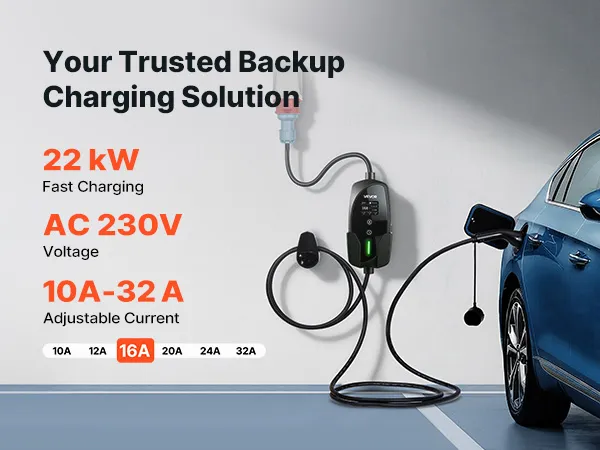
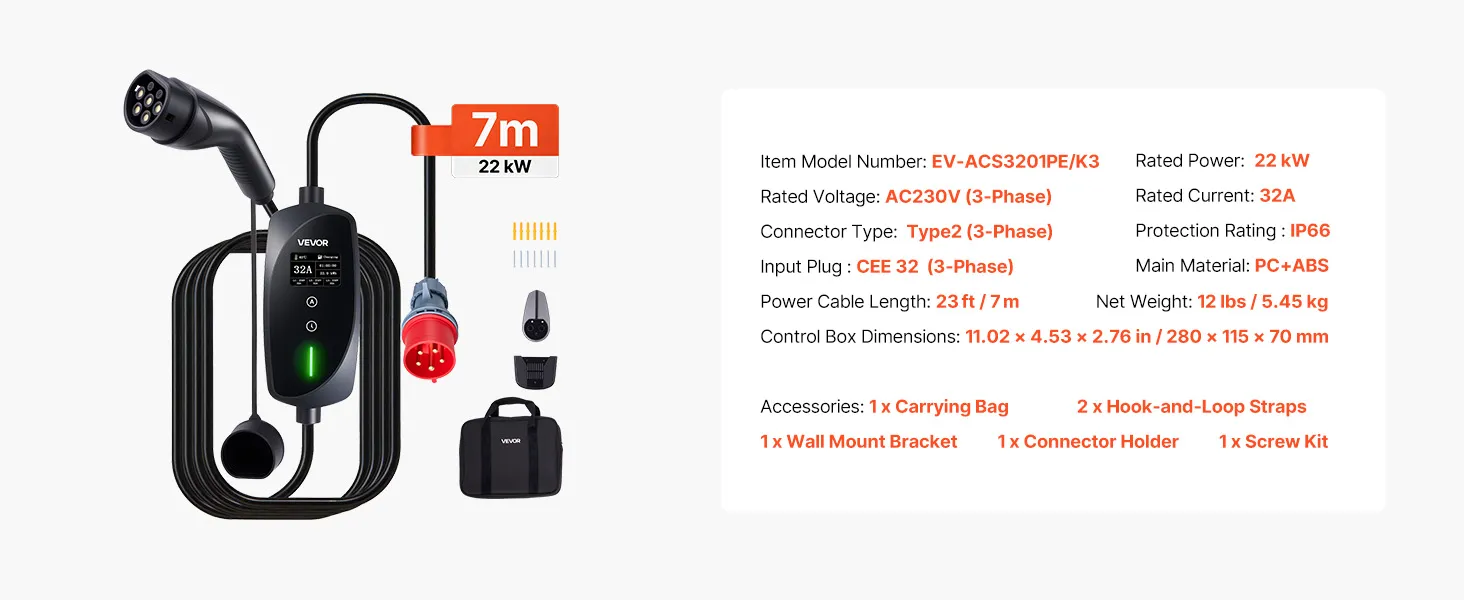
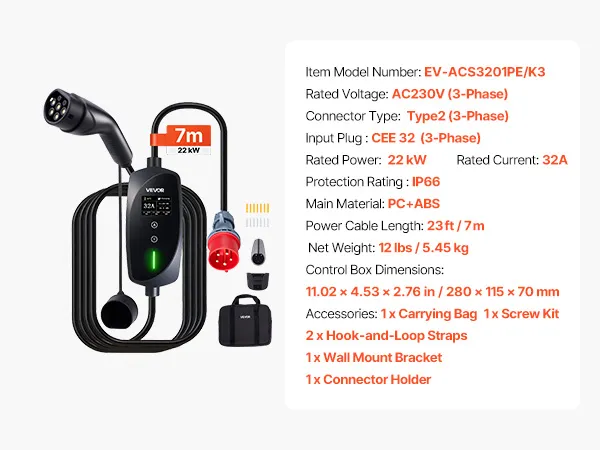
- 6X Faster Charging: This portable EV charger delivers about 208 km per hour, 6 times faster than single phase charging at 34 km per hour. It features a 3 phase Type 2 and CEE32 plug (230V x 32A x 3) with adjustable 10 to 32A current and 22 kW max power
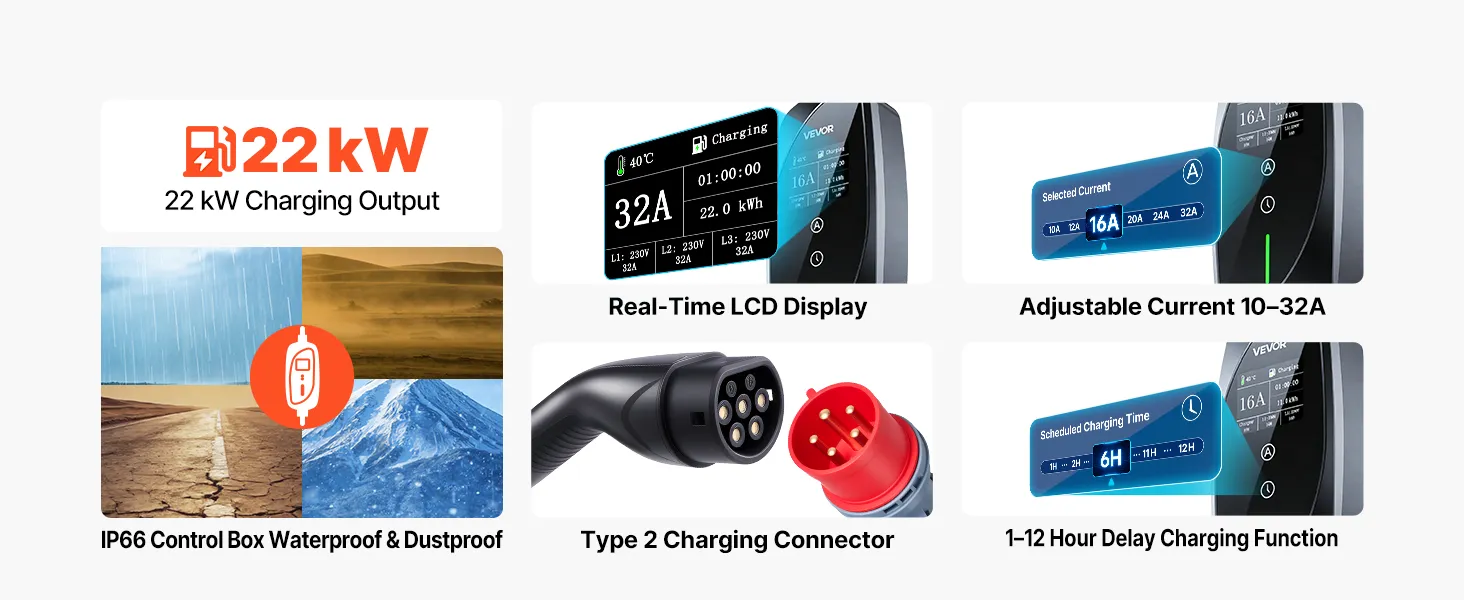
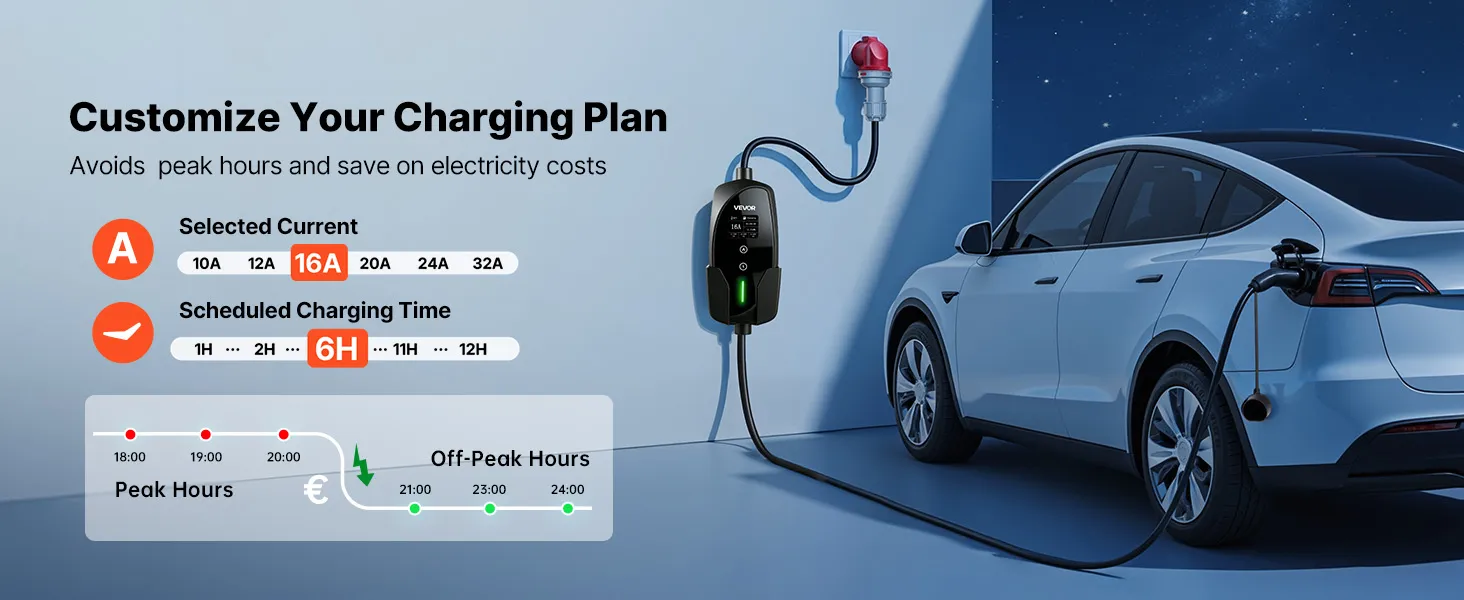
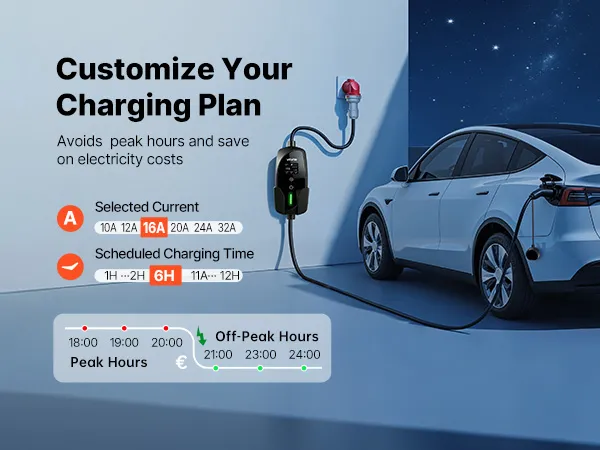
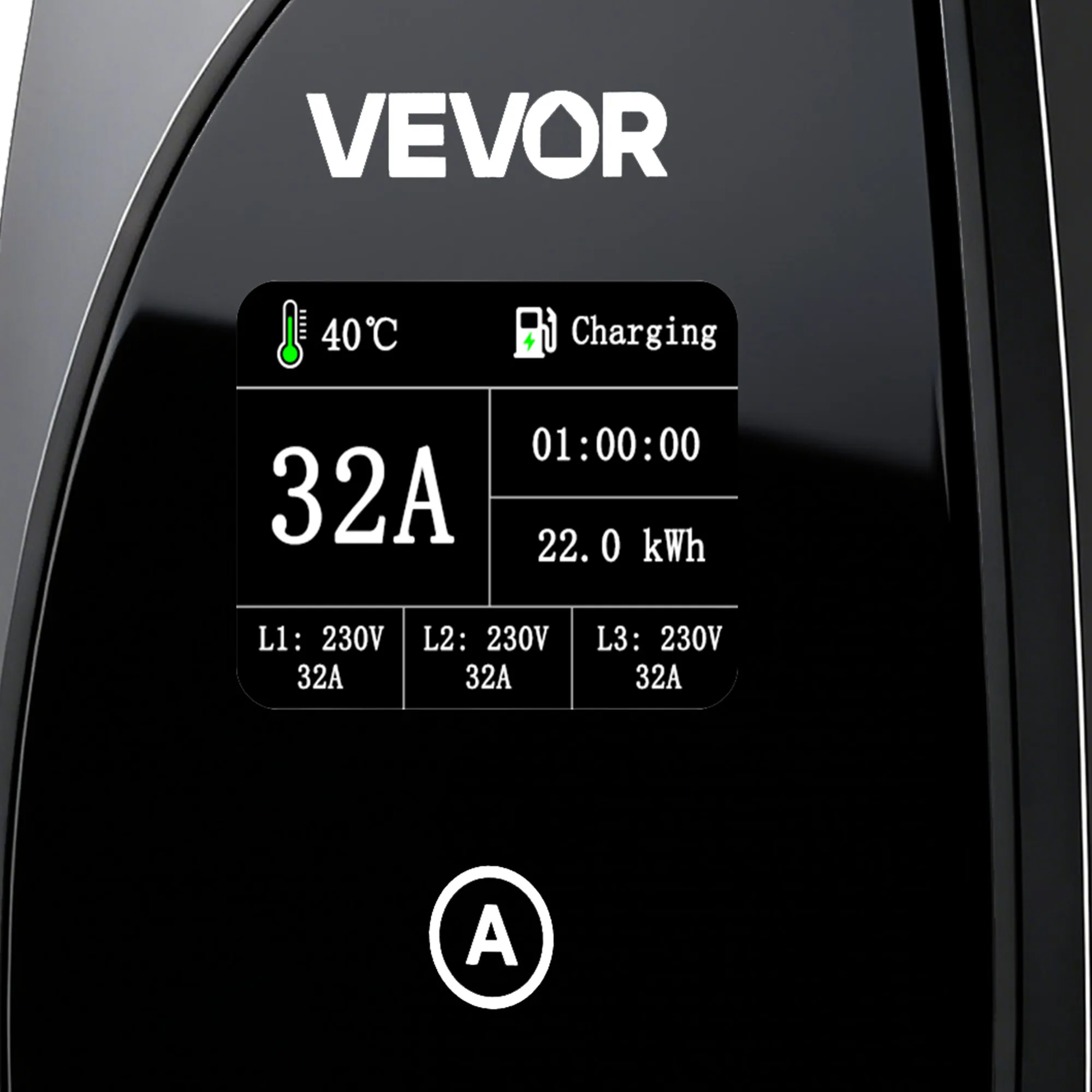
- Delay Charging Function: This Type 2 EV charger features an LCD display and clear indicators showing real time charging status and alerts. Easily set a 1 to 12 hour delay to avoid peak electricity hours, reduce energy costs, and charge on your schedule
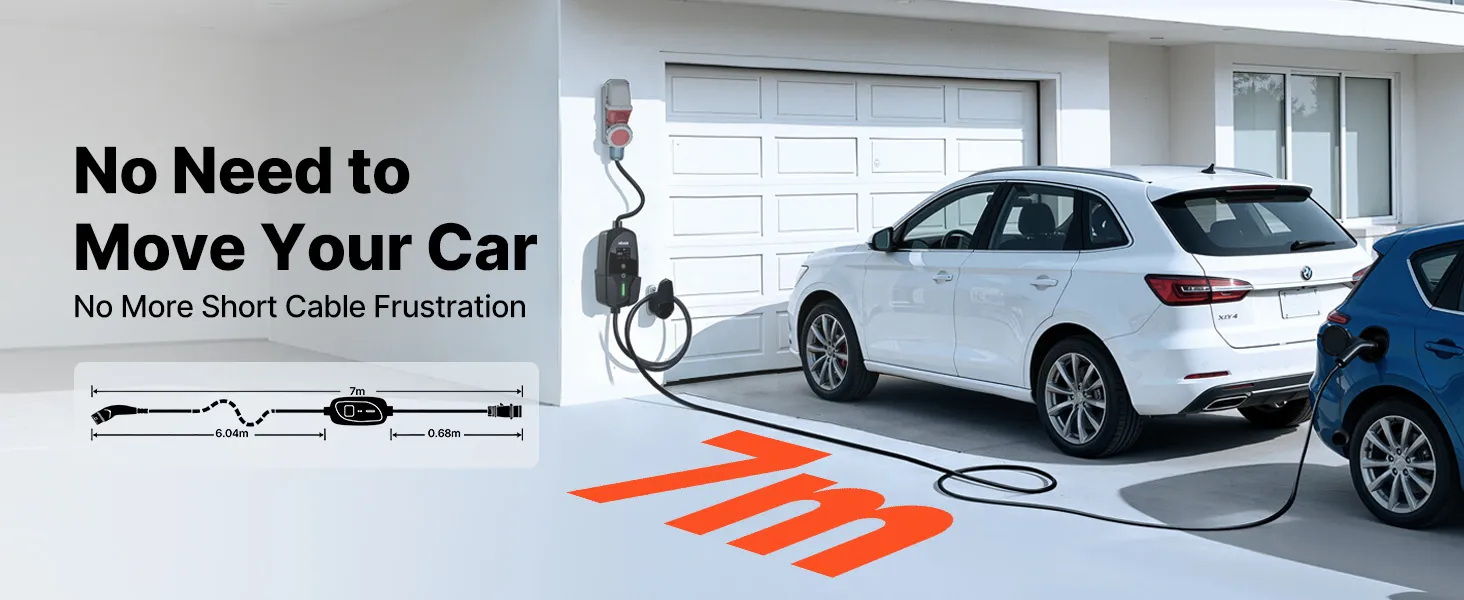
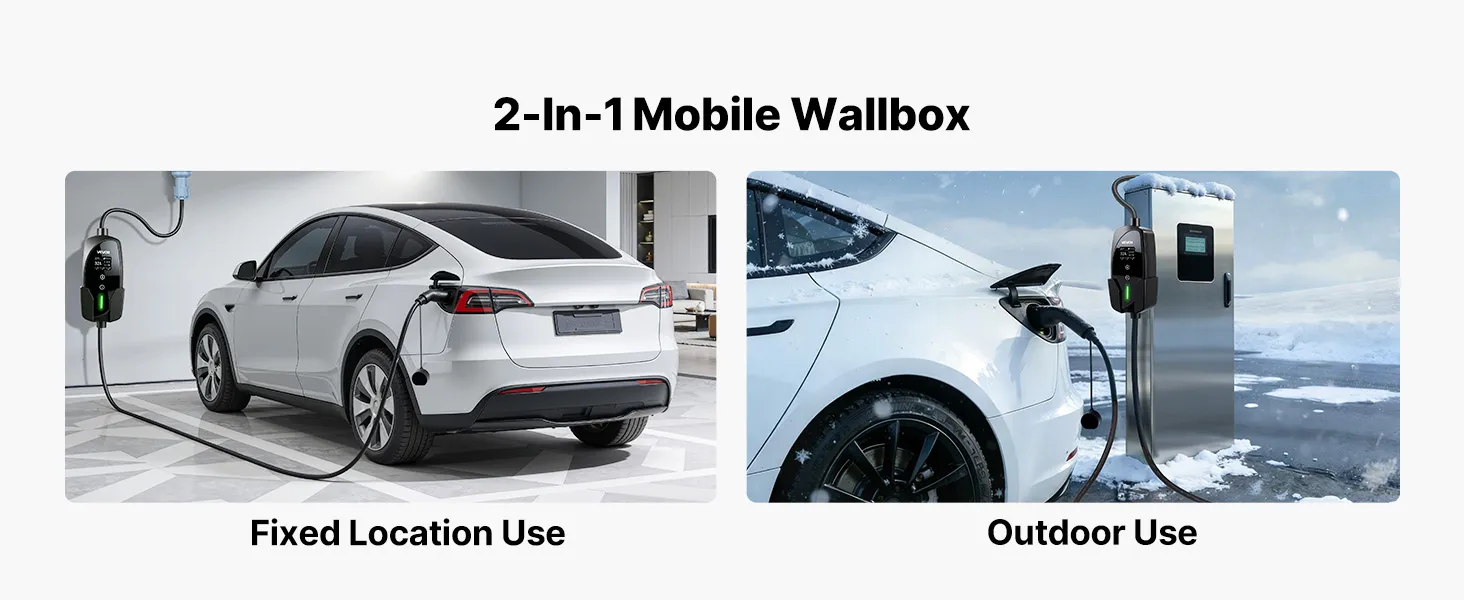
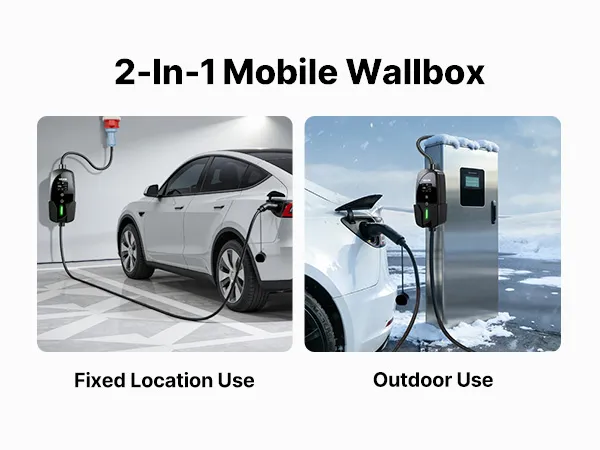
- 2 in 1 Mobile Wallbox: With an 7 m charging cable, this EV car charger easily reaches across driveways and garages, ideal for multi EV households without moving cars. Compact and travel ready, it provides flexible charging at home or on the road
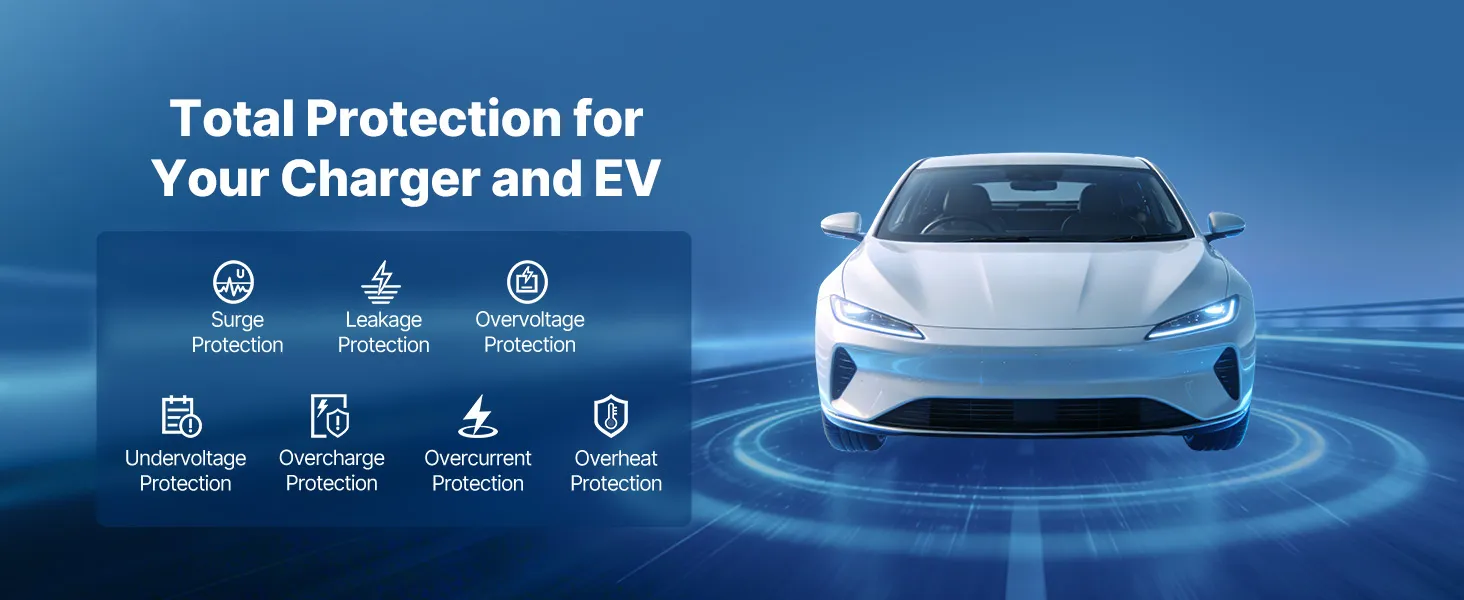
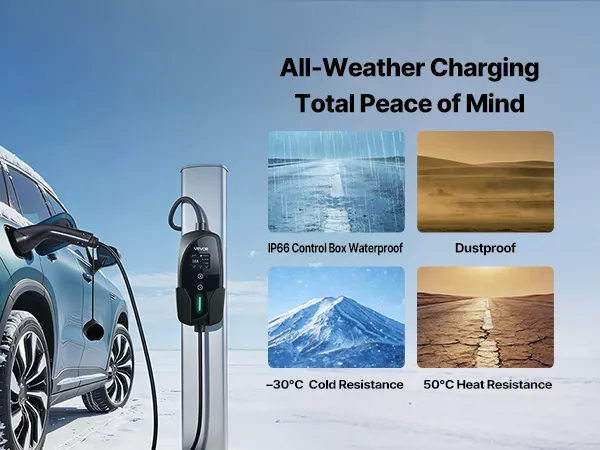
- All-Round Protection: This electric vehicle charger includes surge, leakage, grounding, overvoltage, undervoltage, overcurrent, overheat, and overcharge protection. IP66 rated control box supports reliable charging in rain, snow, heat, or cold
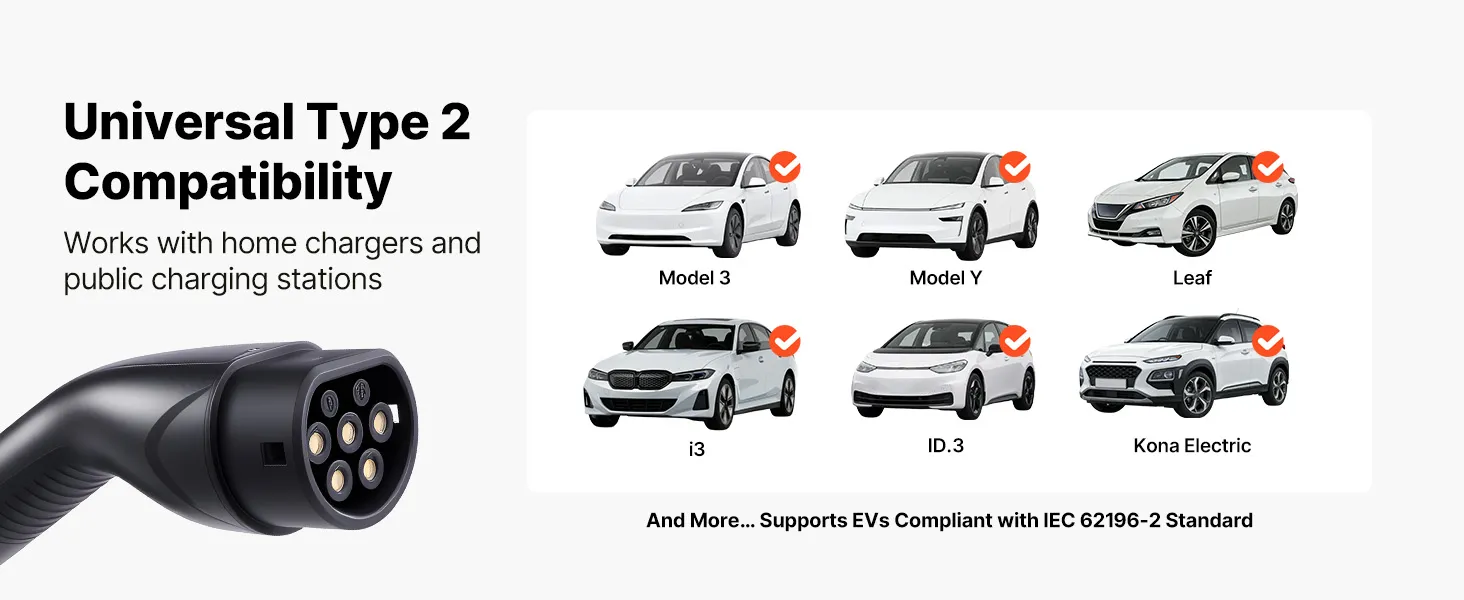
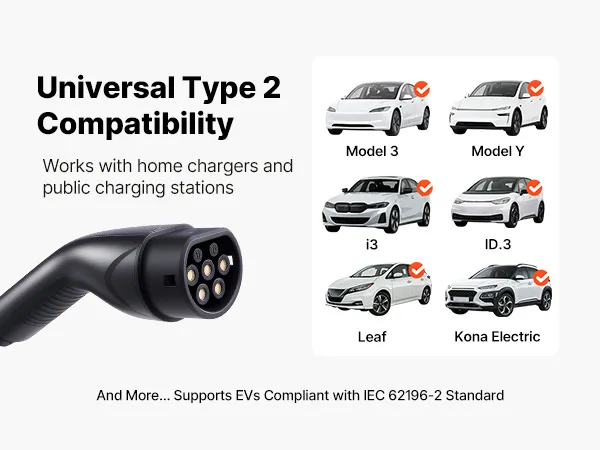
- Universal Type 2 Compatibility: This electric car charging station works with most Type 2 electric vehicles and public AC charging stations. Compatible with Model 3 Y, Leaf, i3, ID.3, Kona Electric, and other EVs compliant with the IEC 62196-2 standard
Frequently Bought Together
Reviews
 da***
da*** 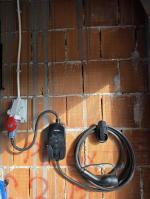
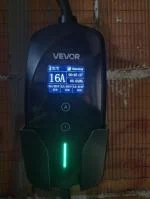
 Jo***
Jo***  C.Alex Francisco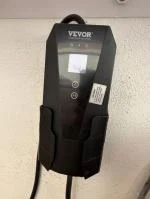
About this item


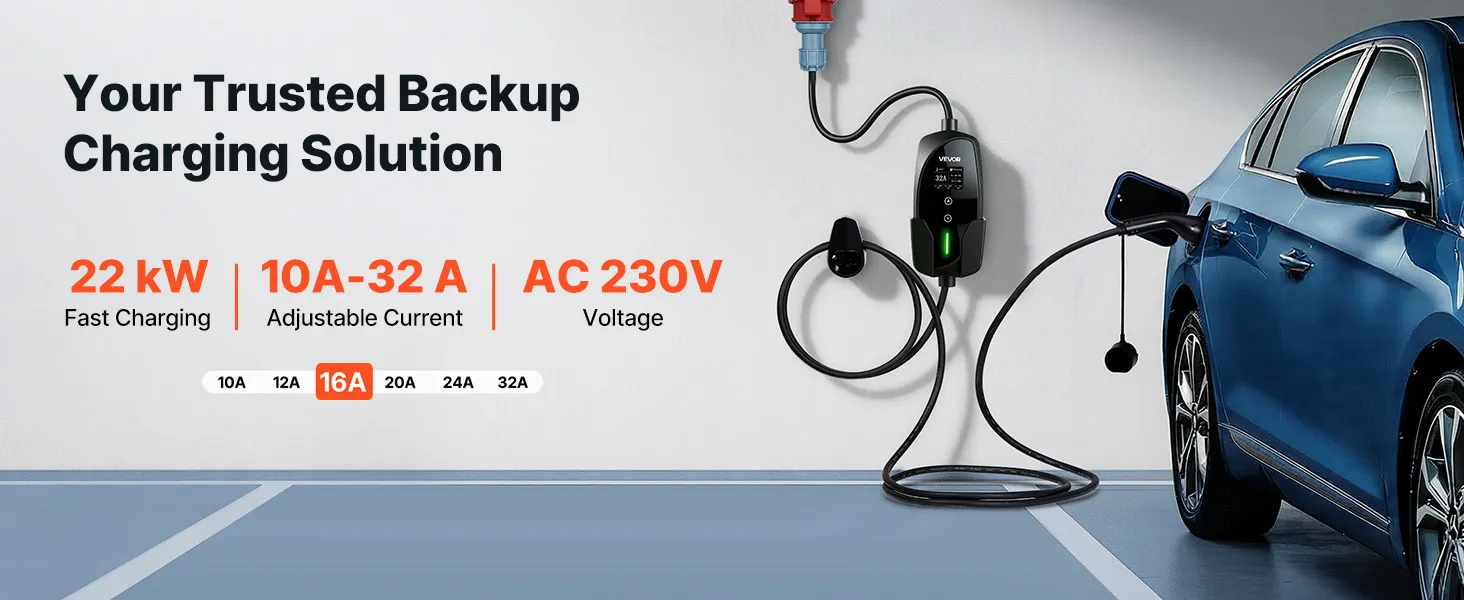
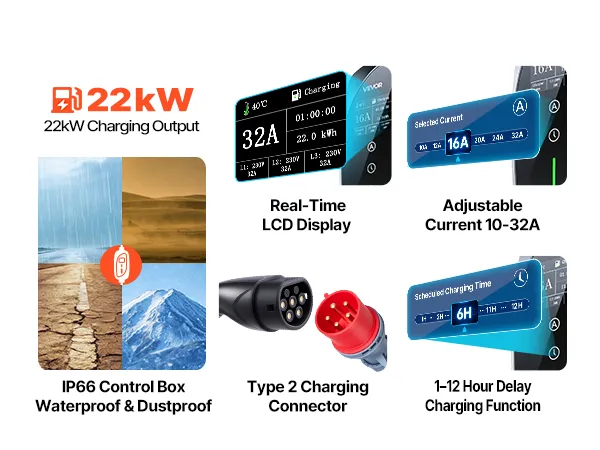

22kW Mobile Wallbox Delivering 208 km of Range Per Hour via 3-Phase Type 2 Output
The 22kW mobile wallbox from VEVOR can add about 208 kilometers of range to compatible 3-phase EVs every hour. The charger delivers this power via a 3-phase connection at 230 V × 32A per phase. This connects all three phases of a standard European power supply to the vehicle simultaneously and meets the IEC 62196-2 Type 2 standard.
If you only have a few hours to charge your car, this 22kW mobile wallbox delivers enough power to add useful driving range before your next trip. At a charging rate of up to 208 km of range per hour, even a 2-hour charging window gives a useful amount of range. This lowers the risk of not having enough charge at the next departure and reduces the stress slower AC charging rates cause when you only have a short time between trips.
Durable TPU Charging Cable Rated for Pulling, Bending, and Abrasion Across Daily Use
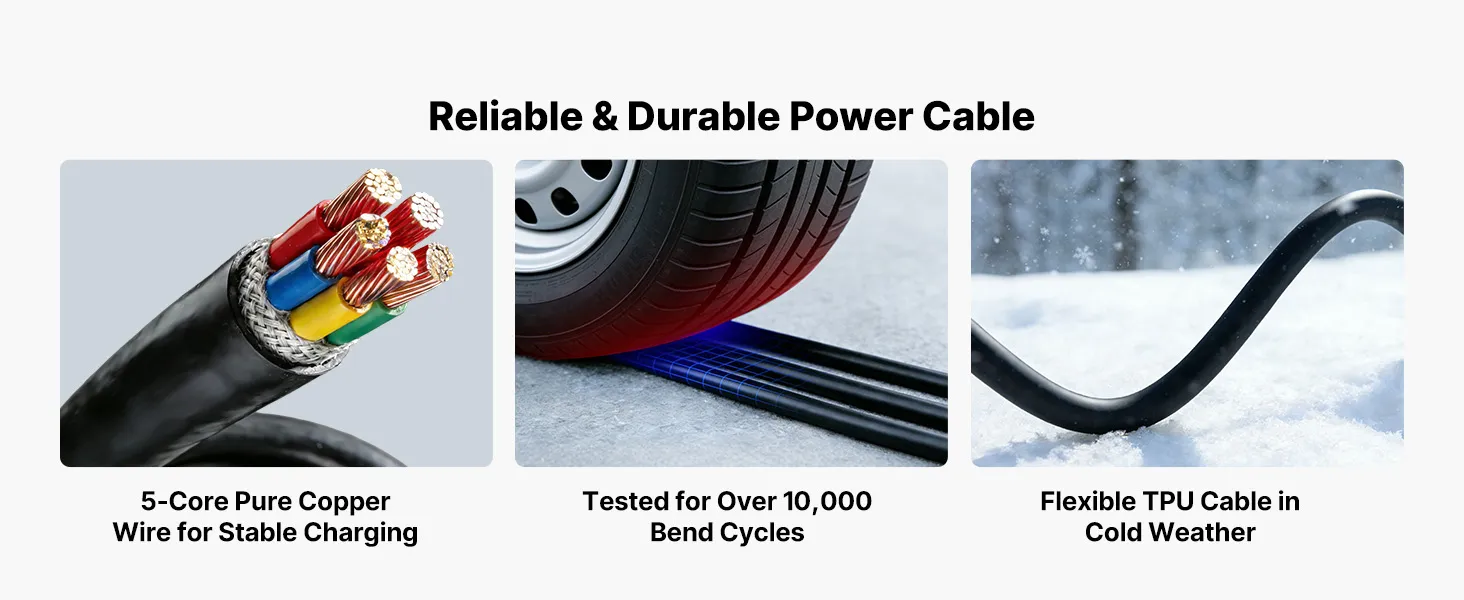
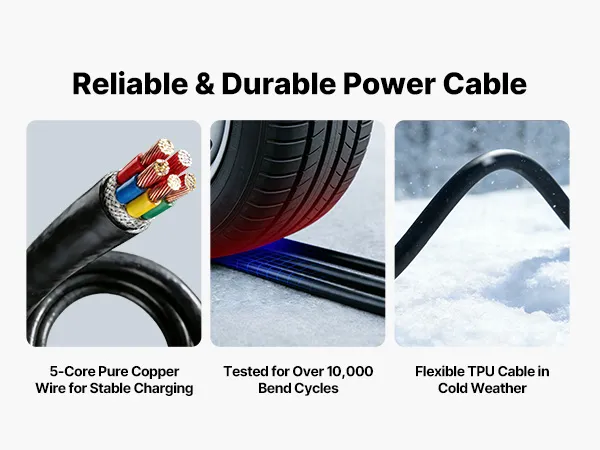
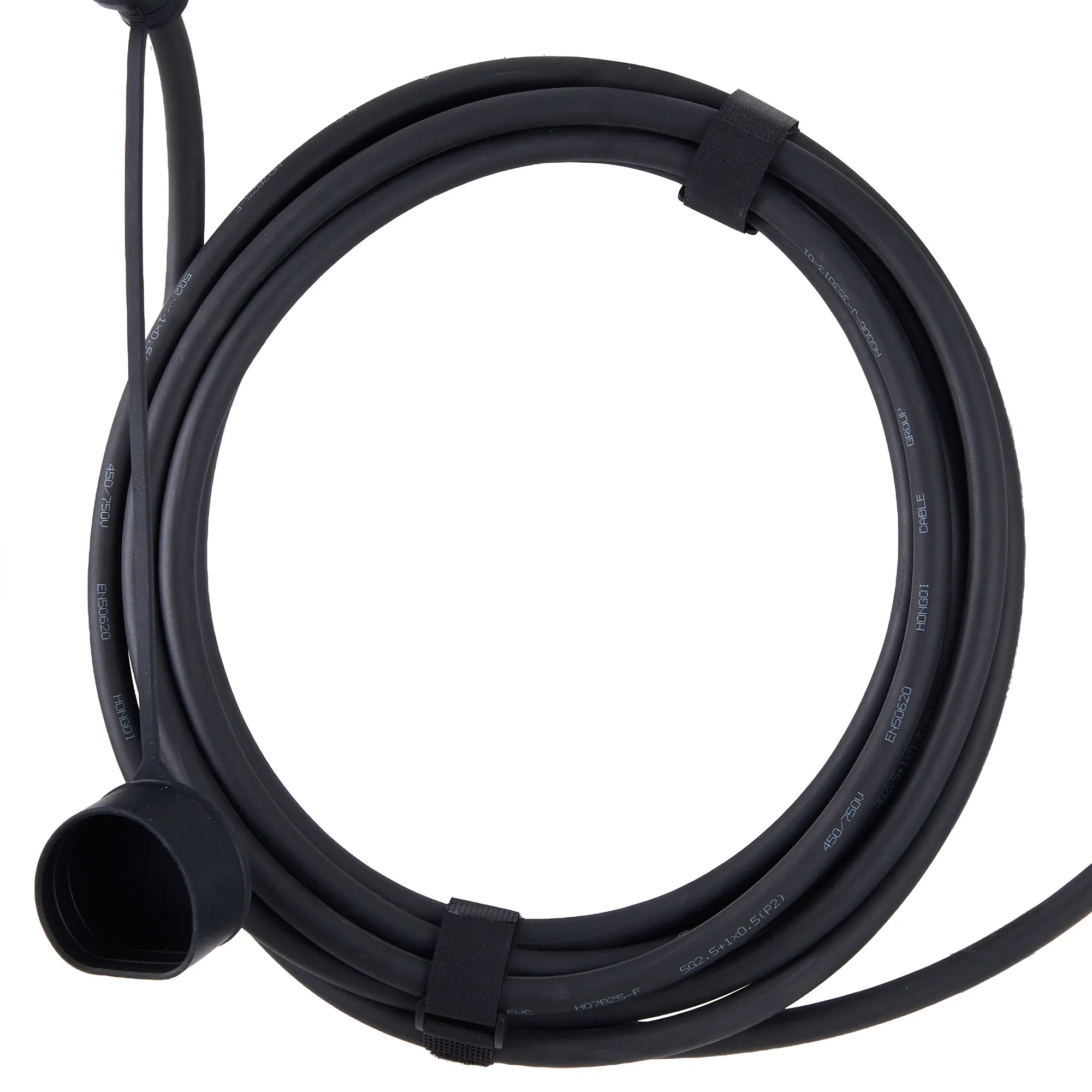
The thermoplastic polyurethane (TPU) jacket around the 7-meter charging cable was chosen because it is strong enough to withstand the physical stresses of daily EV charging use. When you stretch the cable across a driveway, TPU can handle pulling tension, repeated bending at the connection points (where the cable bends the most), and surface wear from dragging it across concrete, asphalt, and garage floors during plugging in and storage.
The most important thing about these longevity traits is that they apply to a portable charger that is not permanently set up. Over and over again, the TPU jacket protects the copper conductors inside without cracking, splitting, or getting kinks that would make the surrounding insulation less effective. For drivers who charge daily, the TPU jacket helps keep the cable safe and durable over time.
Universal Type 2 Compatibility with Tesla, Nissan Leaf, BMW i3, VW ID.3, and More
The Type 2 connector works with all electric cars in Europe that are compliant with IEC 62196-2. This includes the Tesla Model 3 and Model Y, the Nissan Leaf, the BMW i3, the Volkswagen ID.3, the Hyundai Kona Electric, and cars from Renault, Audi, Mercedes-Benz, Peugeot, Citroën, and other companies that list Type 2 as their AC charging interface.
The wallbox is also compatible with public AC charging stations that accept a Type 2 portable cable, allowing it to serve as a portable charging cable at destinations where a tethered cable is not provided. This public station compatibility gives the driver more charging options than just their driveway and CEE32-equipped spots. They can now use any Type 2 socket public charging point they come across while traveling.
Plug and Play CEE32 Connection for Immediate Charging Without Installation Work
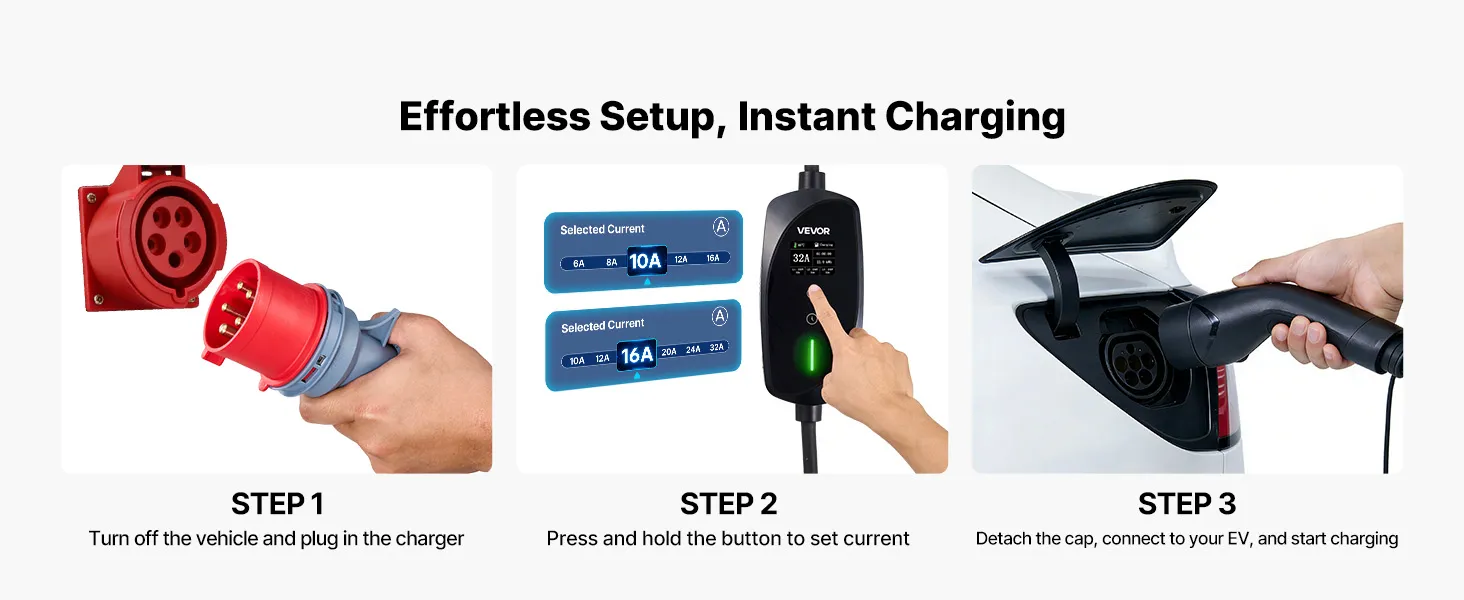
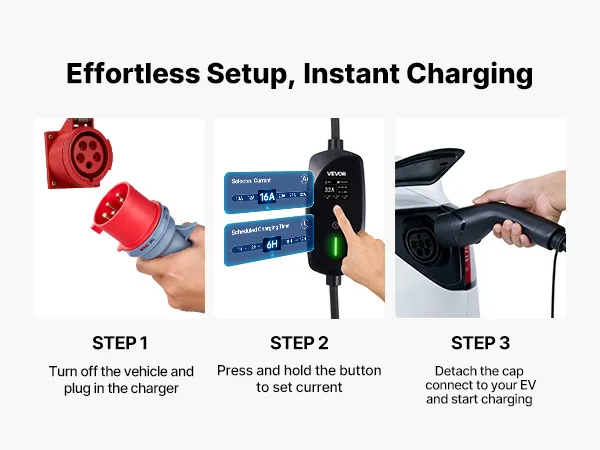
There are standard 3-phase industrial sockets in workshops, garages, campsites, and homes with 3-phase infrastructure that the CEE32 plug can connect straight to. When you plug this connection in, you do not need to hardwire anything or have an electrician make permanent changes to the building's electrical system. The wallbox is ready to use as soon as you plug it in and connect the Type 2 connector to the vehicle.
This plug-and-play setup makes the wallbox useful in many places. If a driver uses it at home during the week, they can take it to a second home on the weekends, use it at work with a CEE32 socket, or put it anywhere with a compatible 3-phase supply. The charger goes with the vehicle and can output 22kW wherever the supply does.
22kW Mobile Wallbox with Delay Schedule and LCD Screen for Smart Charging Control
When you plug in, the delayed charging mode postpones the start of each session by one to twelve hours. The user sets the delay directly on the unit using the LCD screen. After connecting the car, the user selects the delay duration, and the wallbox maintains the session until the set start time. People who pay for their electricity based on when they use it can plug in their car at any time in the evening, and the session will start automatically during the lower-rate window.
The LCD screen displays current draw, supply voltage, charging power, and fault status in real time throughout each charging session. This live readout lets the user perform an immediate verification check to ensure the session started correctly at the set current level. Problem alerts appear on the screen and make it clear what kind of issue it is. This is better than a single warning light that does not say what kind of interruption it is.
IP66 PC/ABS Control Box and 8-Layer Protection for Year-Round Outdoor Reliability
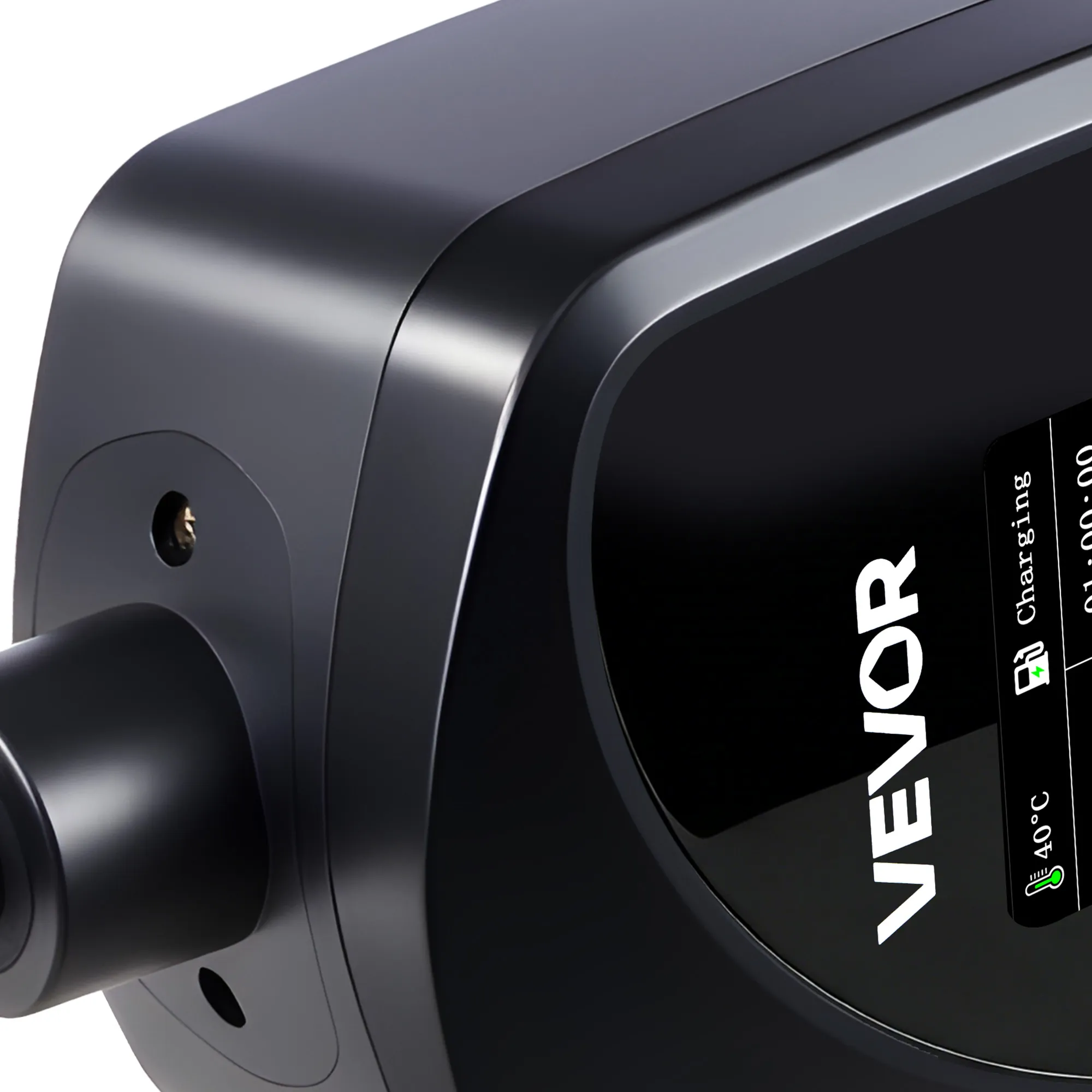
This 22kW mobile wallbox features a PC/ABS control box with an IP66 rating for reliable outdoor charging. Together, they create a housing that can withstand drops, trunk compression, and daily use and storage on hard surfaces. With an IP66 rating, you can be sure it will withstand dust and strong water jets. You can use it outside in rain, sleet, snow, and high temperatures across Europe.
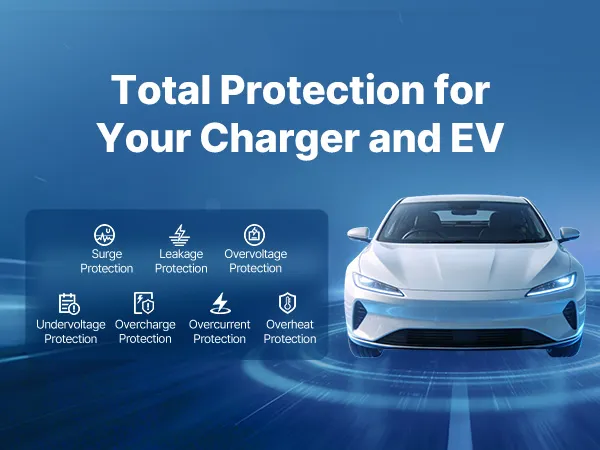
Eight protection systems operate simultaneously: surge, leakage current, grounding fault, overvoltage, undervoltage, overcurrent, overheat, and overcharge protection. Each layer monitors its specific parameter independently, meaning a fault in one area triggers that protection while the remaining protection systems continue to operate normally. This architecture provides comprehensive electrical safety coverage across all fault scenarios during AC charging in residential and outdoor environments, protecting both the vehicle battery and the building's electrical infrastructure throughout every session.
