Clothes Racks





Results for Clothes Racks
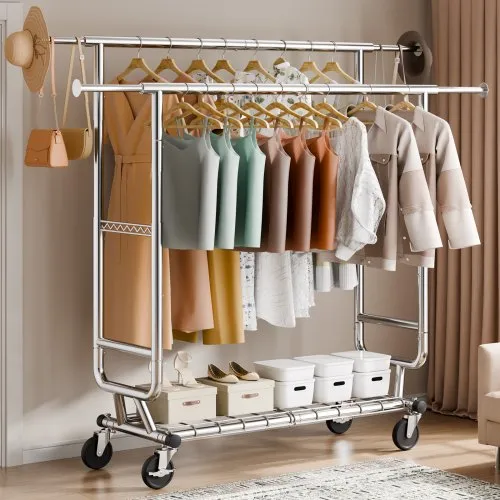
VEVOR makes clothing racks that make clothes easy to see, keep them organized, and make them easy to move around. You can find heavy duty clothes rack styles for stockrooms and showrooms, as well as slim frames for apartments. These racks can hold daily clothes, guest coats, or inventory. With their stable bases, smooth rails, and, on some models, movable parts, these racks help keep your clothes out of the way and make them easier to find and care for.
VEVOR Clothing Rack Solutions for Home and Retail
You can use VEVOR racks in real life, whether you're setting up a laundry room, a capsule wardrobe corner, or a pop-up store. In this group, you'll find single- and double-rail options, bottom shelves, and storage choices with bases that nest together. You can adapt your clothing rack setup as your space and needs evolve by mixing and matching designs for seasonal overflow, daily wear, or temporary displays.
Choosing the Right Clothing Rack Size and Configuration
First, think about how a clothing rack will fit your rooms, your clothes, and your daily life. Then, look at the finishes and extra shelves. If you get the right size, weight rating, and configuration from the start, you won't have to deal with sagging rails, crowded hangers, or last-minute rearranging as your closet grows.
Choosing Height and Width for Your Space
When you get the right-sized rack, it's easier to use every day, and the room looks better put together. First, measure the ceiling height, the space between doors, and the space in front of closets or along empty walls. Most of the time, a single-rail clothing rack that is 60 to 65 inches tall is good for shirts, blouses, and jackets. Long coats and dresses won't touch the floor on bigger frames.
Super-wide shapes let more than one person look around at the same time in shared rooms or store displays. Wider bases feel more stable when fully loaded, while smaller footprints work better in hallways and studio flats that aren't very big. You can fine-tune the total size of many heavy duty clothes rack models by adding or removing uprights or telescoping rails. If you take a moment to draw out the lines people will take, the edges of furniture, and the space between hangers, you can choose a clothing rack that fits the space perfectly.
Matching Weight Capacity to Fabrics and Seasons
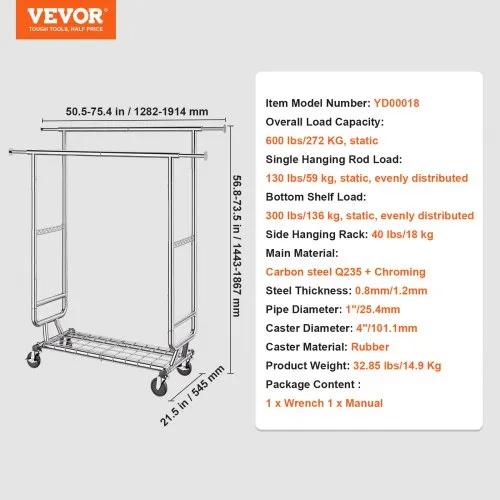
A rack’s weight capacity is more important than many realize, especially if you store heavy coats, uniforms, or merchandise that is frequently taken down and rehung throughout the year. The horizontal rail and any lower shelves should be able to support the specified weight. Then, think about your heaviest clothes, like wool coats, denim jackets, or bundled goods. A strong clothing rack should be able to handle not only today's load but also yearly spikes when winter clothes and coats for guests end up on the same bar.
Some things that make it more stable under full load include center supports, thicker tubes, and stronger welds. A higher-rated clothing garment rack is better for small shops or markets because it keeps the rack from wobbling when customers slide clothes across it quickly. For home use, you might choose one setup for daily wear and another for long-term storage in a spare room. If you plan to move between rooms or events often, make sure your weight estimate includes extra headroom so the same clothing rack can handle occasional large loads without bending or leaning over time.
Comparing Single, Double, and Multi-Level Layouts
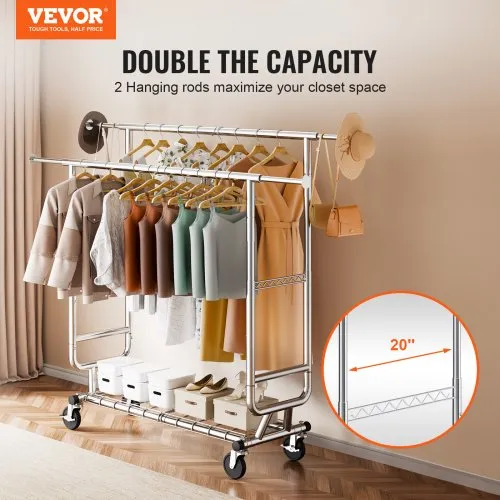
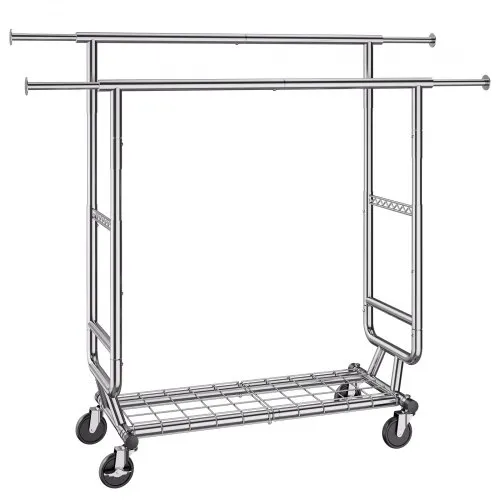
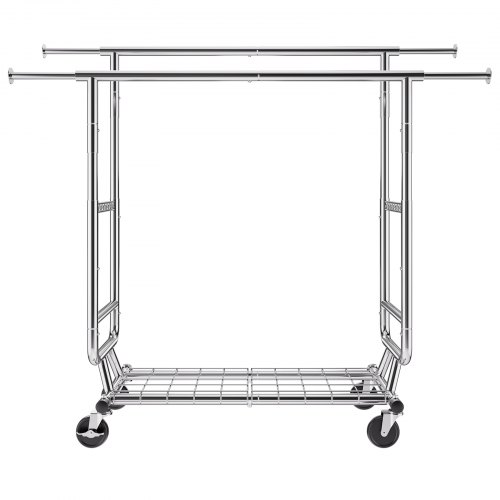
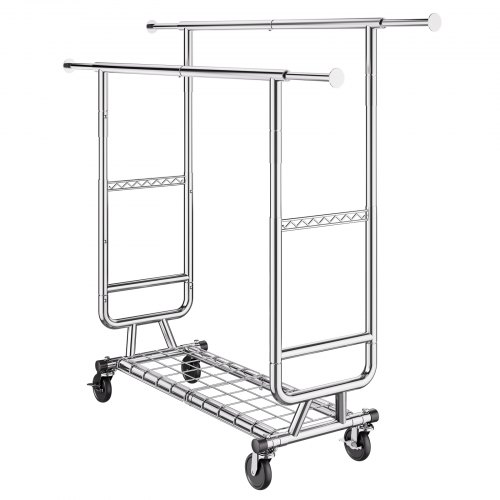
The arrangement of rails affects how well you can store or show off clothes. Single-rail frames are simple and clean, and they're easy to load. But double-rail and tiered frames can almost double the hanging space in the same space. For mixing short and medium-length tops, a double-rail clothing rack with different heights works well. Side-by-side rails make it easy to organize garments by size, season, or family member.
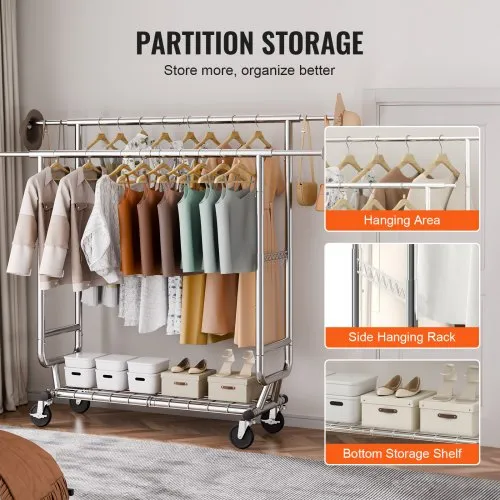
There are designs that use vertical space effectively by adding upper shelves for boxes and hats or lower wire shelves for shoes and totes. In a business setting, a Z garment rack frame makes it easier to stack units together when not in use or roll them next to each other without snagging. Think about how you like to arrange your clothes, by color, type, or how often you wear them, and pick a plan that works for you. You can use the clothing rack to save time every day by organizing clothes, rather than just putting them away, when the layout aligns with how you naturally sort things.
Portability & Assembly for Clothing Rack
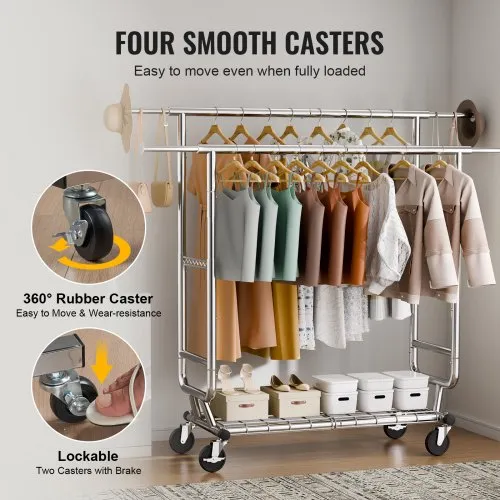
It's not always about how big or heavy a rack is; sometimes it's about how easy it is to move and put together. If you frequently rearrange rooms, sell at markets, or run a small shop, look for a clothes rack with wheels that roll smoothly on tile, wood, or low-pile carpet. Full-swivel designs make it easier to turn corners in stockrooms or hallways that aren't very wide. Locking wheels keep the frame stable while you load it up. A clothes rack on wheels is also useful in laundry rooms because it lets you roll dry clothes straight from the dryer to the closet without having to carry a bunch of hangers.
To make sure it lasts a long time, check how the casters connect to the frame and whether they can be replaced when they wear out. Another important part is assembly. Most people can put together a heavy duty clothes rack with just a few simple tools, thanks to bolt-together and click-in methods. Clear labels speed up the process. If you want to take it apart between events, pick a model with fewer loose parts and simple crossbars that stack flat in a car. Clear instructions and thoughtfully designed hardware ensure your clothing rack remains practical for daily use, not just a one-time setup.
Why Choose VEVOR Clothing Rack?
VEVOR offers a variety of clothing racks for bedrooms, laundry rooms, shops, and pop-up events. You can make your setup fit how you use your space with choices that roll, fold, or nest for storage, and with frames that are strong and can hold heavy loads. You can choose the rack that works best for your closet or business needs and place your order today with confidence. We offer low prices, flexible configurations, and quick post-sale customer service.