Compost Bins







Results for Compost Bins
VEVOR offers a wide range of compost bins that convert organic waste into nutrient-rich soil for gardens and landscapes. Our collection of composting systems meets the needs of all sizes and types of spaces, from small kitchen units to big outdoor systems. Each device has a useful design and is built to last, ensuring a smooth composting process and easy handling of the materials. VEVOR compost bins come in a range of shapes, sizes, and working styles, so environmentally conscious homeowners and gardeners can find the right one to help keep the soil healthy and reduce the amount of trash sent to landfills.
VEVOR Quality Compost Bins: Sustainable Solutions for Gardens, Yards, and Kitchens
Want to turn kitchen scraps and yard garbage into priceless garden gold without having to deal with difficult methods or unpleasant smells? With the correct composting system, recycling organic materials is easy, clean, and very effective. VEVOR’s collection of compost bins covers all composting types and offers solutions that both experienced gardeners and beginners like, as they are easy to use and always work.
Understanding Bin Types and Capacity Options
To choose the right compost bins, you need to look at the different types of systems and make sure that the capacities meet the amount of garbage your home produces and the needs of your garden. Each design has its own pros and cons that make it better for certain scenarios, from revolving drums to stationary enclosures.
Tumbler Composters for Accelerated Decomposition
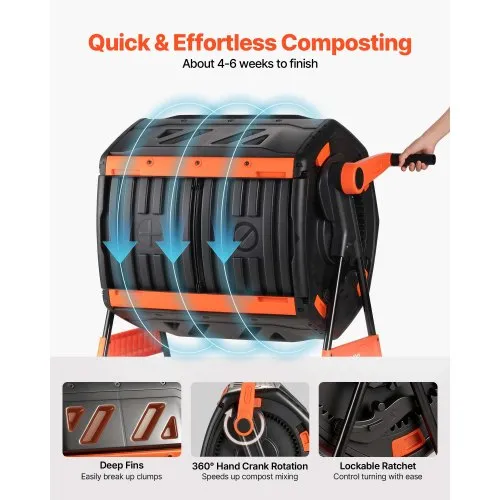
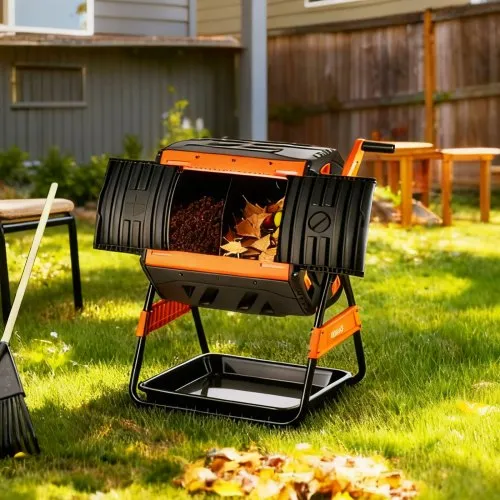
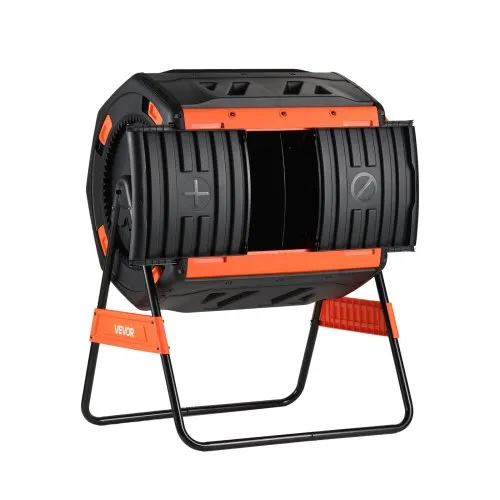
Tumbler composters are popular compost bins with spinning drums that speed up the breakdown of organic matter by making it easier to mix and introduce air. These closed systems revolve around frames or axes, mixing materials completely without turning them by hand with pitchforks or shovels. Rotation ensures that moisture and oxygen are evenly distributed throughout the composting materials.
A compost tumbler speeds up the composting process significantly compared to passive pile methods, which can take months for everything to break down. Rotating the compost every few days keeps it aerobic, which accelerates its conversion into finished compost from week to week. Gardeners who want soil supplements that work quickly are pleased with faster results.
A dual chamber compost tumbler lets you compost in two compartments at once, doubling your production. One chamber cures as the other takes in new materials, so you don’t have to wait for batches to finish. These compost bins are very effective and help those who make a lot of organic waste get the most out of their compost.
Stationary Composters for Traditional Methods
Stationary composters are like traditional compost bins that lie immediately on the ground, where soil organisms help break down the compost. Open-bottom designs let beneficial bacteria, fungi, and bugs enter composting materials from below. This natural integration speeds up the breakdown process and increases microbial diversity.
A fixed garden compost bin can hold more garbage than a tumbling compost bin, which is usually easier to use. Leaves, grass clippings, and yard-pruning waste fit readily into large fixed enclosures—people who take care of big gardens like having a lot of space.
To keep compost piles aerated and evenly moistened, traditional fixed compost bins need to be turned by hand from time to time. Stationary systems cost less up front and work well for patient composters, but they need more physical effort than tumbler systems. A simpler structure requires fewer mechanical parts that need maintenance.
Worm Composters for Kitchen Waste Processing
Worm composters use special compost bins that hold red wiggler worms. These worms eat organic waste and make nutrient-rich castings. These vermicomposting systems are effective at processing kitchen waste, such as vegetable scraps, coffee grounds, and paper products. Serious gardeners love the very rich nutrients that come from worm activity.
Worm-based compost bins can be used indoors, while outdoor compost bins need yard space and can only be used in good weather. People who live in apartments or homes without outside space can still compost adequately with properly maintained worm systems. Indoor operations continue all year, no matter how hot or cold it gets outside.
These compost bins produce worm castings with higher nutrient content than regular compost. It means that each application volume is better for plants. Worm tea is a liquid byproduct that provides additional fertilizer for houseplants and gardens. Vermicomposting yields the highest value from organic waste.
Countertop Composters for Kitchen Convenience
Countertop composters are small compost bins designed to collect kitchen waste before it is moved to larger outdoor systems or municipal composting programs. These small-footprint units fit easily near food prep areas, making it easy to gather scraps without going outdoors during dinner prep.
Quality countertop compost bins feature features that help minimize odors, while simple collection containers lack sufficient sealing or filtering. Charcoal filters, tightly fitting lids, and designs that allow air to flow through keep unpleasant aromas from entering the kitchen. Good odor control keeps the peace in the house while composting.
Electric countertop compost bins speed up the breakdown of trash by heating and grinding it. It reduces waste significantly and produces compost ready for gardening in just a few hours. These high-tech units are great for those who want finished compost without maintaining outdoor systems. Technology makes composting easier for people who want to save time.
Evaluating Ease of Use and Feature Benefits
In addition to choosing the right sort of bin, how easy it is to use and what features it has will decide how well compost bins fit into daily life and produce consistent results. Knowing these things will help you have positive composting experiences.
Rotation and Mixing Mechanisms
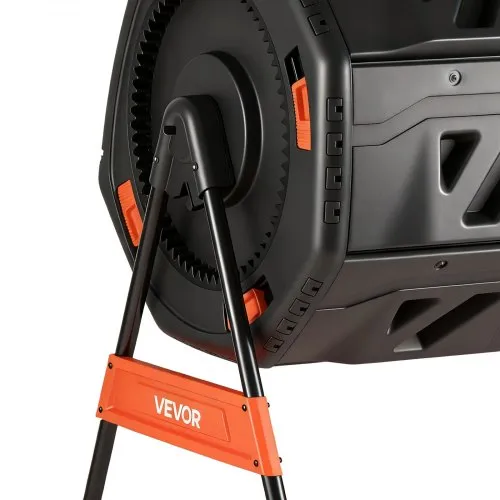
Compost bins that look like tumblers include easy-to-use turning mechanisms that make it easier to mix materials often, which is necessary for quick, even decomposition. Handles, gear systems, and balanced designs make it easier to turn things all the way around. Low-effort operations make it more likely that mixing schedules will remain the same.
The way the barrels are positioned on tumbler compost bins determines how easy it is to rotate them and how comfortable users are while mixing. Elevated frames reduce bending, but ground-level systems may be easier for some users to load. Considering your physical preferences might help you choose the right style.
When compost bins spin, internal mixing fins or baffles help mix the materials better. These built-in features break up clumps and move moisture around without the need for extra tools or manual work. Passive mixing enhancements make composting easier.
Loading and Unloading Convenience
The way the access door is designed on a compost bin affects how quickly materials can get in and completed compost can get out when the bin is in operation. Wide apertures let in large yard trash, while secure closures keep animals out and materials from spilling. Balanced access provisions meet both loading and harvesting needs.
Many compost bin designs need access from the bottom or side to remove finished compost without disturbing the elements that are still decomposing on top. Sliding doors, detachable panels, and screened outlets make it easier to separate finished products from batches that are still in progress.
The height and placement of compost bin openings affect how easy it is for those who routinely add items to load them into the bin. Comfortable loading heights reduce stress, and openings in the right place make it easier to empty collecting containers. Easy-to-use designs encourage people to compost more often.
Ventilation and Moisture Management
Aerobic decomposition happens faster when compost containers have good airflow and no foul odors associated with anaerobic conditions. Ventilation holes, slots, and chimney designs let in oxygen and let out too much heat and moisture in the right way.
You may adjust the airflow in good compost bins to match the moisture content of the materials and the weather at the time. More airflow speeds up drying, whereas less airflow keeps moisture in during dry times. Better control over the circumstances leads to better composting results.
Compost bins have drainage systems that prevent water from pooling, keeping the environment anaerobic and slowing decomposition significantly. Good drainage keeps the soil at the right moisture level, which supports active microbial organisms. Collecting extra fluids gives you extra fertilizer for your garden.
Why Choose VEVOR Compost Bins?
VEVOR compost bins make composting easy and are built to last so that you can turn organic waste into compost, no matter your experience or available space. We offer a wide range of composting options, from small kitchen collectors to large outdoor systems that handle substantial yard and household waste. Each product is made with high-quality materials and careful engineering to ensure it breaks down properly and remains easy to use for years to come. VEVOR makes it easy to start or grow your composting business by making it easy to buy things and providing reliable customer service for every order. Check out our full selection of compost bins online and turn your organic waste into beautiful treasures.
FAQs
How long does composting take in tumbler bins?
If you take care of your tumbler compost bins, they will make complete compost in 4 to 8 weeks. Rotating the compost often, keeping it at the right moisture level, and ensuring the materials are balanced all speed up the breakdown process.
What materials should I avoid composting?
Don’t put meat, dairy, oils, or sick plants in regular compost bins. These things attract pests, emit odors, or spread germs throughout the finished compost.
Do compost bins attract rodents or pests?
Pests don’t usually bother enclosed compost bins with secure lids and the right amount of material. Most insect problems can be avoided by eating a vegetarian diet and keeping the right amount of moisture.
Where should I place outdoor compost bins?
Put compost bins on flat ground where they can receive some shade and are easy to get to. Being close to gardens and kitchens makes it easier to apply amendments regularly.
How do I know when compost is finished?
The compost is done when it looks dark and crumbly, smells like dirt, and you can’t see any of the original elements. A cool temperature means that the microbes have finished breaking down the material.