Die Cutting Machine










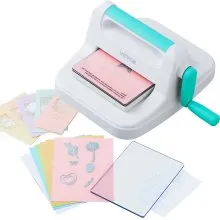
Results for Die Cutting Machine
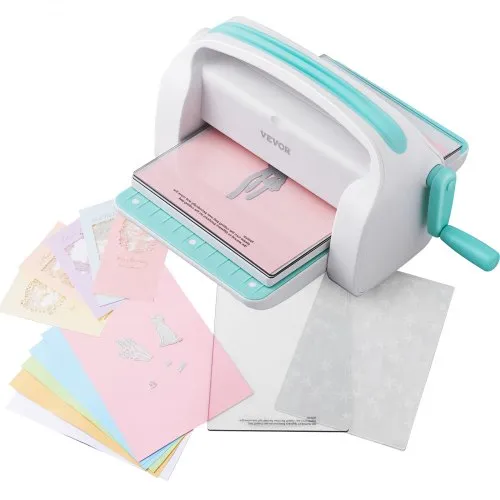
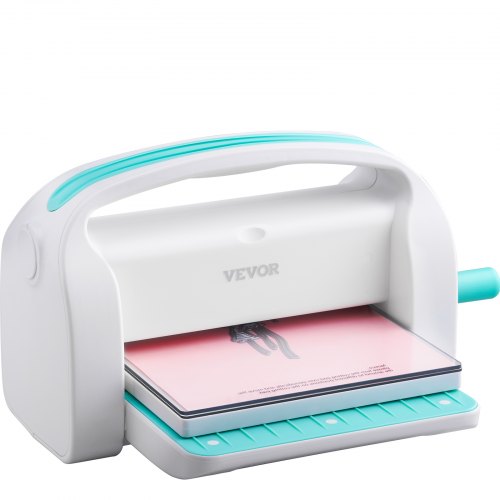
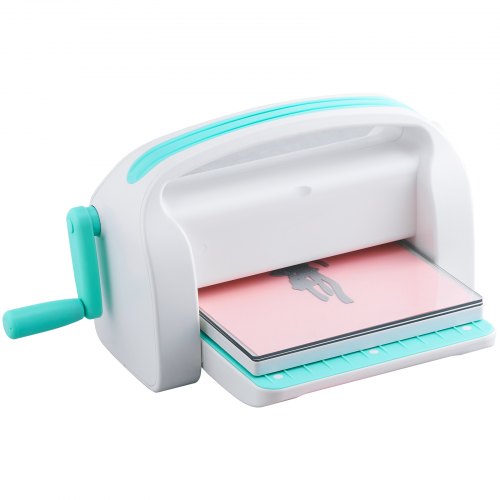
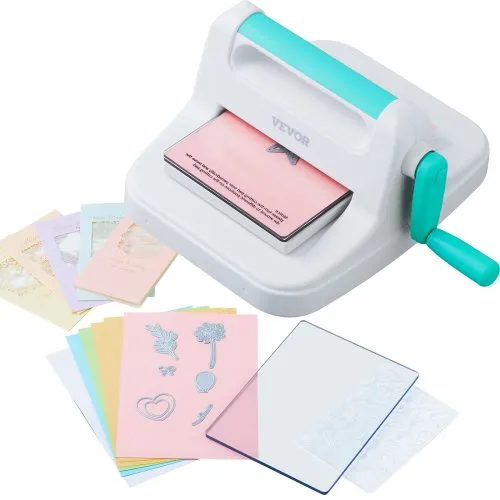
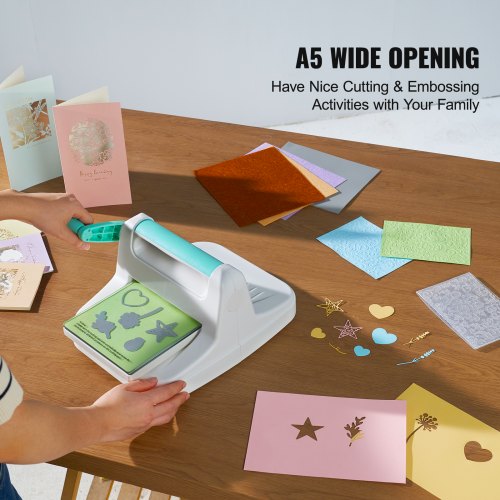
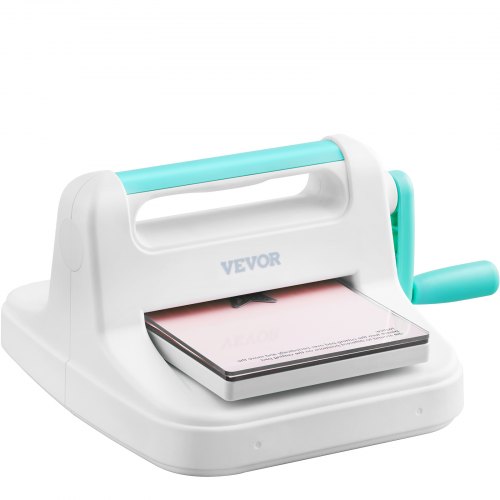
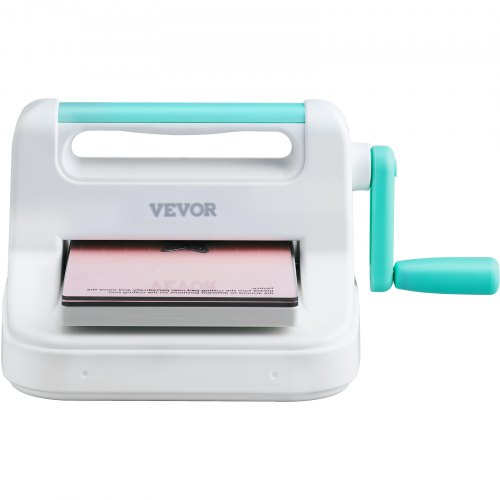
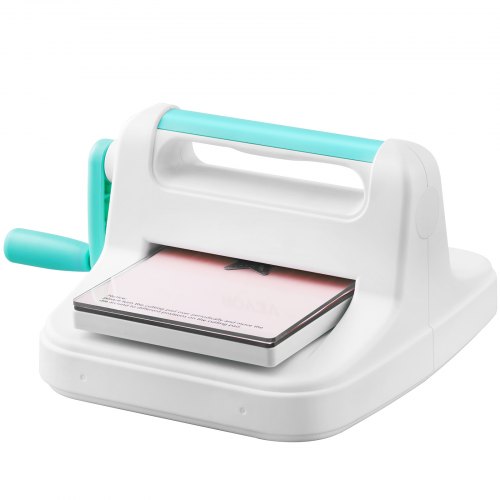
You can browse a wide range of die cutting machines for people who make cards, make scrapbooks, teach, and run small handmade businesses. VEVOR has small 3-inch models, portable 6-inch units, wide 9-inch platforms, and matching embossing tools. You can find a machine here that fits your project size, workspace, and price, whether you are making a few tags at the kitchen table or a lot of invitation sets for a wedding.
VEVOR Manual Die Cutting Machines for Cards, Scrapbooks, and Paper Crafts
Having trouble cutting the same shapes with scissors? Wish your paper had real texture instead of a flat printed finish? A roller press can do both at the same time. VEVOR's products range from small pocket-sized cutters to large wide-format platforms. These give hobbyists and small businesses clean edges, clear embossed details, and consistent results on every sheet.
Choosing Die Cutting Machines by Cutting Width and Portability
You can choose the right machine based on two things: the size of your projects and whether you want the unit to stay on your desk or move around. Here's how each size performs in real life.
Compact 3-Inch Machines for Small Detail Work
The smallest useful die cut machine is a 3-Inch Mini Die Cut Machine, which weighs about 2 to 3 pounds and fits easily in a box or tote bag. It can handle tags, small flowers, alphabet cuts, and other small elements that you find on most card fronts. Width, not power, is what is limited. The cutting power through the rollers is about the same as on bigger machines, so the shapes are just as clean. The only problem is that a die wider than three inches will not fit.
These units are great for crafters with limited space, travelers who want to work on projects while away from home, and people who want to try a hobby before spending more money. Look for a stable base with grip pads and a crank handle that can be taken off or folded up. During the cutting stroke, light die cutting machines can slide across a smooth table, which makes it harder to keep the pressure steady.
Portable 6-Inch Models for Everyday Crafting
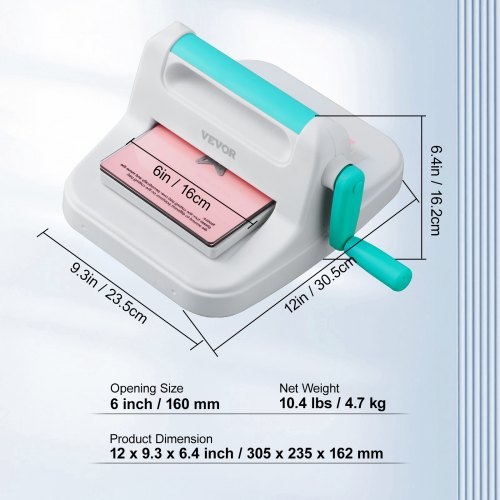
The most common size is the 6-Inch Portable Die Cutting Machine, and for good reason: it can fit most widely available dies and is still light enough (about 7 to 10 pounds) to bring to a crop night or classroom. Standard card fronts, A2 envelopes, and most background embossing Folders can fit on a platform that is six inches wide. That size range lets you do about 80% of common paper crafts without buying a larger machine.
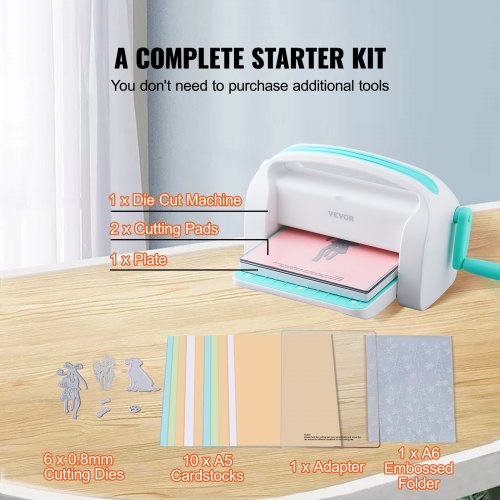
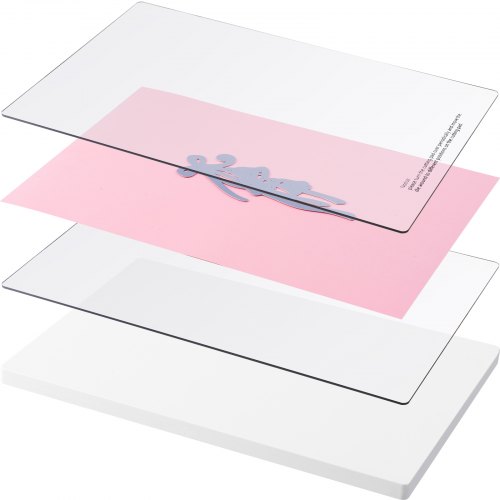
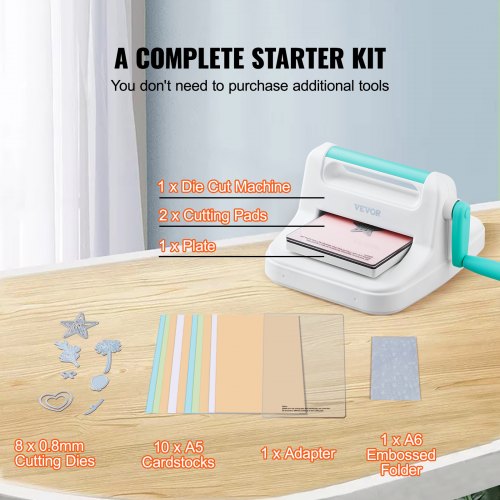
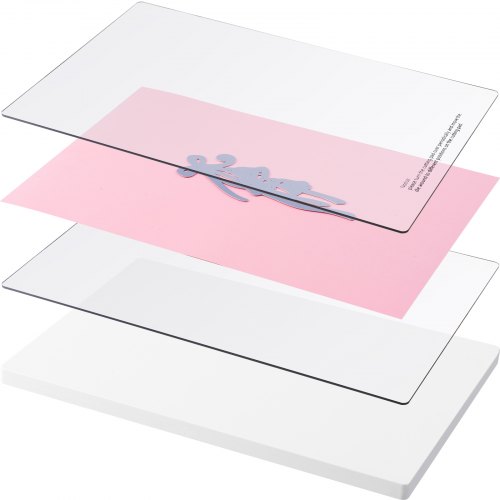
Check to see how many platform and shim plates are in the box. A full sandwich normally has one thick base plate and two cutting plates. If you run the wrong stack thickness, the cuts will not be complete. Many models come with clamp mounts or feet that stick to surfaces. Both keep the unit in place while you crank it, which is more important than it sounds when you’re quickly going through twenty cards.
Wide 9-Inch Platforms for Large Projects
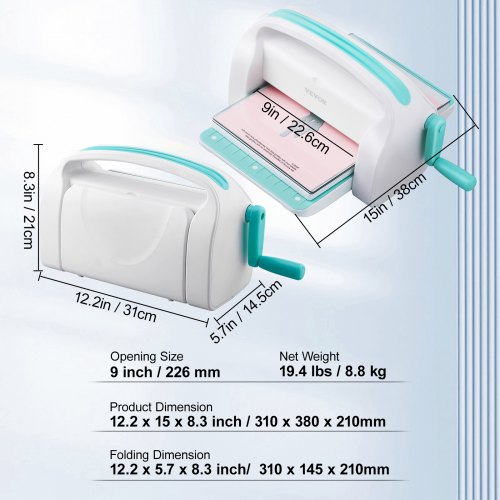
With a 9-Inch Die Cutting & Embossing Machine, you can do full-page work. You can run 12x12 scrapbook layouts, big background panels, oversized flowers, and several small dies next to each other in a single pass. Batch efficiency is what makes it better. When you line up four or five small dies across a 9-inch base, one crank can do the work that a mini machine would have to do five times.
These units are usually 15 to 25 pounds and have stronger steel gears and a wider roller assembly to handle the extra weight. Plan where the table will stay, not where to put it after the lesson. Wide-format die cutting machines also cut through thicker materials better. These frames can provide extra roller pressure, which is good for chipboard, thin leather, felt, and craft foam.
Manual Operation and Workspace Considerations
A manual die cutting and embossing machine does not need a power outlet, software, or a computer connection. All you need to do is put the material and die between two plates and turn the handle. The job is done in seconds. That ease of use is a real plus for schools, craft shows, and camping trips. It also means nothing electronic to break, and no subscription or file library to carry.
It takes more work to crank when the material is thicker and the die is bigger. If you don't have much counter space, make sure the handle is long enough to give you real leverage. Also, make sure it stores flat or folds up. Also consider the space around the machine. During a pass, the plates go well past the frame on both sides, so leave about twice the machine's width on the table.
Embossing Features and Applications for VEVOR Die Cutting Machines
These machines do a lot more than just cut. This is how stamping works and where these tools really come in handy.
How Embossing Folders Add Texture and Dimension
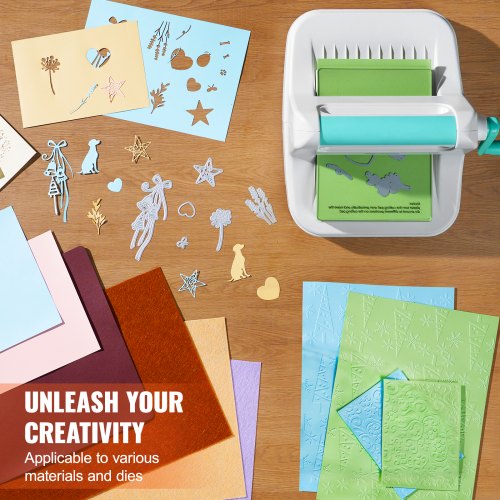
An embossing folder is a hinged plastic sleeve with a raised pattern on one side and a matching recess on the other. When you put paper inside and run it through the rollers, the paper that comes out has a permanent three-dimensional texture. With the same roller system, a cutter embossing device can do both jobs; you just switch out the die sandwich for a folder sandwich. Common designs include dots, chevrons, flowers, wood grain, bricks, and holiday themes.
Paper that is between 65 and 110 lb works best for embossing. Deep pattern lines can tear very thin paper, and a very heavy board won't produce a crisp print. Lightly misting cardstock before embossing makes the details deeper and sharper. Afterward, let it dry flat under a book to prevent curling, especially on larger pieces.
Real-World Projects and Material Compatibility
When you do the same thing over and over, such as wedding invitation sets, holiday card batches, classroom name tags, and packaging for a small handmade shop, a manual scrapbooking & embossing machine keeps it fast. The range of materials goes far beyond paper. With the right plate configuration and a stabilizer sheet, most machines can cut vinyl, felt, thin cork, craft foam, sheets with adhesive on the back, and light fabric.
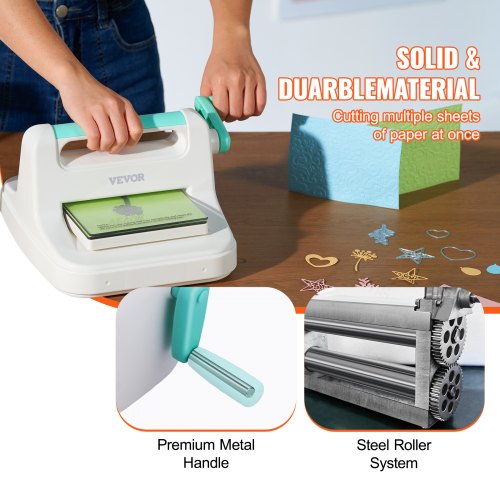
Plate care is the main maintenance job. Cutting plates get cut over time. To ensure even wear, turn them a quarter turn between passes and flip them often. VEVOR makes die cutting machines with steel roller cores and long-lasting gearing. They also offer quick after-sales service and replacement plates and handles.
Why Choose VEVOR Die Cutting Machines?
VEVOR offers cutters and platforms for projects of all sizes, from 3-inch cutters that fit in your pocket to 9-inch platforms that are wide and embossed. The prices are low enough that you can still afford dies and paper. Every machine comes with the plates you need to start cutting right away, and reliable support and replacement parts are available after the sale. Check out the whole collection right now to give your paper projects a clean, professional look.
FAQs
What size machine should I get first?
Six inches is good for most crafters because it is small enough to carry around and big enough to fit standard card fronts and most dies. Choose 9 inches for 12x12 plans or 3 inches for small decor and travel.
Need power for these things?
No, the manual models work only with a hand crank, which makes them great for places without outlets, like classrooms and craft fairs.
What kinds of things can I cut?
With the right plate setup, you can use cardboard, vinyl, felt, craft foam, thin cork, sticky sheets, and light fabric. If the material is thick, you might need an extra shim to get full pressure.
What is wrong with my cut?
Usually, an incorrect plate sandwich. Add a shim, turn over worn-out cutting plates, and make sure the blade side of the die is facing down on the material before running it through.
How long do cutting plates last?
Usually a few hundred times. Rotate and flip them often to spread out the wear, and replace them when the grooves get deep enough to affect cut quality.