Diving Compressors


Results for Diving Compressors
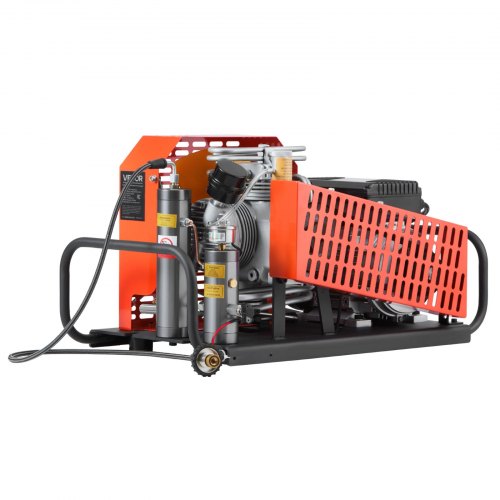
VEVOR makes reliable diving air compressors for divers who want to fill their tanks without going to a dive shop. Our selection includes diving air compressors with different pressure ratings, flow rates, and filtration systems, suitable for both recreational and technical diving. VEVOR has everything you need for filling, from simple devices for occasional usage to heavy-duty systems for regular diving. The costs make it possible to own your compressor.
VEVOR High-Performance Diving Air Compressors with Advanced Filtration and Portable Design
Are you tired of scheduling your dives around store hours or incurring rapidly mounting pay-per-fill expenses? Diving air compressors enable divers to fill their tanks whenever they want, so they don't have to rely on commercial fill stations. VEVOR makes these compressors to produce clean, dry breathing air that meets safety regulations and is still small enough to take to dive sites around the world.
Understanding Pressure Ratings and Flow Capacity
To choose the best diving air compressors, you need to know how pressure output and flow rate determine how well they fill. These specs tell you which tanks you may fill, how long it will take, and if the compressor is right for your dive frequency. Getting these numbers right implies quick fills without damaging the equipment or wasting time.
Maximum Pressure Output Explained
The pressure rating indicates the maximum pressure the compressor can deliver to the tank. Standard scuba tanks need to be filled to 3000 PSI, whereas high-pressure steel tanks need to be filled to 3442 PSI or more. To fill your tanks all the way, your diving air compressors must be able to handle more pressure than your tanks.
Aluminum 80 tanks rated at 3000 PSI are what most recreational divers use. This scuba diving air compressor can easily manage them and provide space for more tanks in the future. To get full fills, technical divers who use high-pressure steel cylinders need compressors that can handle at least 4500 PSI.
The quality of the fill also depends on the pressure output when the tank is almost full. Compressors running at maximum capacity generate excess heat and possible moisture. Units rated far higher than your tank pressure work better in a more comfortable range, making the air cooler and drier during the fill cycle.
When looking at pressure ratings, consider how your diving air compressors has changed over time. Just because you start with ordinary aluminum tanks today doesn't mean you'll always utilize them. Buying diving air compressors that can handle higher pressures makes it easier to modify your equipment in the future without having to buy new compressors.
Flow Rate and Fill Time Calculations
The flow rate, measured in liters or cubic feet per minute, indicates how quickly tanks fill. More flow means faster fills, but the relationship is more complicated than just numbers. Knowing how long it will really take to fill helps you set the right expectations.
It takes about 25 to 30 minutes for a 3.5 CFM compressor to fill an empty aluminum 80 tank. Increasing to 5 CFM cuts the fill time to about 15-20 minutes. These times are based on tanks beginning empty, which doesn't happen very often. Partial refills from normal post-dive pressures happen significantly faster.
The flow rate also impacts how much heat builds up when filling takes a long time. Longer-running, lower-flow diving air compressors create heat that stays around, which is hard on cooling systems. Higher-flow units fill tanks rapidly, allowing time for cooling between tanks. This is very important when filling more than one tank in a row.
The number of times you dive should help you decide on the flow rate. A lower-flow air compressor for scuba diving devices is more than suitable for weekend divers who fill one or two tanks. Dive pros or charter operators who fill dozens of tanks per day need systems with higher flow rates that can keep up without overheating.
Matching Compressor Specs to Tank Types
When choosing a diving air compressor, pay special attention to the tank size and material. Each tank type, aluminum, steel, or composite, has its own set of features that determine how it is filled. To make sure your compressor works right, make sure it matches the number of tanks you have.
Aluminum tanks are the most popular choice for fun. These cylinders have standard valve connections and moderate working pressures that almost all scuba diving air compressor models can handle without issue. With aluminum, fill rates remain constant and can be predicted.
Steel tanks can hold more than tanks of the same size, though they usually require higher fill pressures. To fill high-pressure steel cylinders, you need diving air compressors capable of reaching 3442 PSI or higher. The tank's denser walls also absorb more heat as it fills, so the fill rate may need to be reduced to prevent it from overheating.
More and more technical divers are using tanks made of composite and carbon fiber. These light cylinders can withstand high pressure, but you need to be careful about how quickly you fill them. Too much heat can harm composite materials; the fill needs to be slower and cooler. You may need to change the settings on your scuba diving tank compressor for these specific cylinders.
Duty Cycle Considerations for Multiple Fills
The duty cycle tells you how long a compressor can run before it needs to take a break. This parameter is crucial for divers who need to fill more than one tank in a row. If you don't pay attention to duty cycle restrictions, your parts could overheat, wear out too soon, or even fail.
Continuous-duty diving air compressors can run forever without needing to take breaks. These commercial-grade diving air compressors cost more, but they can fill up many things without stopping. This feature is necessary for charter operations and dive shops.
Diving air compressor sets for intermittent duty have run times followed by cooling periods. A common rating could be 30 minutes of running followed by 15 minutes of rest. This limit doesn't really matter for recreational divers who fill two or three tanks. You can really check the pressure and handle the tank during the rest interval.
Environmental temperature greatly influences the duty cycle performance. Hot weather shortens the time that a device can run, while cooler weather may let it run longer. An air compressor for scuba diving in warm regions demands careful regulation of its duty cycle. To keep safe operating temperatures, use shade and ventilation, and avoid filling up in the middle of the day.
Portability Features and Essential Capabilities
Along with core-filling criteria, practical characteristics help you determine how well diving air compressors complement your diving lifestyle. In real life, usability depends on factors such as weight, size, filter quality, and power options. For recreational divers, these things are typically more important than raw performance data.
Weight and Transport Considerations
There are diving air compressors that are small enough to carry and weigh less than 40 pounds, as well as larger, fixed systems that weigh more than 200 pounds. Your normal use case should determine what is most important when it comes to weight. Travelers need systems that are light and compact, but divers working on shore can use larger equipment.
Most portable scuba diving air compressors made for travel weigh between 30 and 50 pounds. These devices can fit in car trunks, small boats, and even airplane bags for diving trips far away. The motors are smaller, and the materials used to build the cars are lighter, which saves weight without sacrificing performance.
Diving air compressors that weigh between 50 and 100 pounds strike a good balance between portability and power. Two people can move these diving air compressors without any tools, and they fit in most cars. Output is usually higher than that of ultralight devices, although they are still suitable for mobile use.
The way a case is designed, with handles, wheels, and other features, might make it easier to carry than just its weight. A 45-pound compressor with built-in wheels and a telescopic handle is far easier to move than a 35-pound machine that needs to be carried with both hands. Look at the whole product, not just the weight.
Filtration Systems for Breathing Air Quality
The filtering system is the most important safety part of any diving air compressor configuration. If the filtration isn't effective, oil, moisture, carbon monoxide, and other pollutants can get into the air we breathe, which can be deadly. There is no way to compromise on quality filtering.
Multi-stage filtration cleans the air completely. The first steps remove oil aerosols and particles from the compressor's output. In later phases, desiccant compounds are used to deal with moisture. Activated carbon may be used in the latter steps to remove odors and small amounts of contaminants.
Moisture separation is a crucial feature of diving air compressors. Water vapor in the air we breathe can cause regulators to freeze in cold weather and accelerate corrosion inside tanks. Good scuba diving air compressor systems use mechanical separation and chemical desiccants to reduce moisture levels to acceptable levels.
Monitoring carbon monoxide adds an important safety feature to diving air compressors. CO enters the compressor's intake from engines, generators, or the surrounding environment. Dedicated monitors continuously monitor the air exiting the machine and sound an alarm if CO levels rise too high. Some compressor packages include built-in monitoring, while others require separate detectors.
Power Source Options and Flexibility
The high power consumption of diving air compressors restricts their potential applications. Knowing about power options helps you choose the right compressors for the places you plan to use them. Each configuration type has benefits: electrical, gasoline, and dual-fuel.
Electric diving air compressors are ideal for indoor use or sensitive environments because they are quiet and don't pollute the air. They can be powered by single-phase 110V or 220V, which is suitable for homes and small businesses. Three-phase power is more efficient for larger scuba-diving tank compressor systems, but it needs commercial electrical service.
Gasoline-powered machines don't need any electrical infrastructure to work. These diving air compressors are small enough to carry with you, so they're ideal for isolated dive sites, boats, and adventures. The amount of fuel used depends on the power level, but it usually runs for several hours per gallon. The noise levels are much higher than those of electric appliances.
Systems that run on two fuels are the most flexible, as they can use multiple power sources. Some scuba diving air compressors can run on either propane or gasoline, so you can choose based on what you have. Some use both electric motors and backup gas engines so they can work without being connected to the grid when necessary.
Why Choose VEVOR Diving Air Compressors?
VEVOR offers filling options for divers that are both reliable and affordable. Our diving air compressors feature effective filtration systems and the right pressure ratings and are easy to carry so that you can fill your tanks. We examine each device to ensure the air it breathes meets safety standards. VEVOR makes owning a compressor easy for divers who want to stop relying on fill stations, with fast customer service and clear warranty coverage. Browse our entire assortment today and take charge of your diving schedule.
FAQs
How often should I replace the filters in a diving air compressor?
Most manufacturers recommend replacing the filter every 25 to 50 operating hours, or annually, whichever comes first. High-humidity environments may require more frequent changes. Always follow your specific compressor’s maintenance schedule.
Can I fill Nitrox tanks with a standard scuba diving air compressor?
Standard diving air compressors produce only breathing air. Nitrox requires either dedicated oxygen-compatible systems or partial pressure blending equipment. Never attempt Nitrox mixing without proper training and equipment.
How long does it take to fill a standard tank?
A typical scuba diving air compressor fills an empty aluminum 80 tank in 20 to 35 minutes, depending on the flow rate. Partial refills from post-dive pressures complete much more quickly, often in under 15 minutes.
Do diving air compressors require special maintenance?
Regular maintenance includes filter replacement, oil changes for lubricated models, and valve inspections. Annual professional servicing ensures continued safe operation. Keep detailed maintenance logs for safety verification.
Can I use diving air compressors for other applications?
While technically capable of high-pressure output, scuba-diving tank compressor systems produce relatively low volumes, unsuitable for pneumatic tools. The specialized filtration also adds unnecessary costs for non-breathing applications.