
Electronic Keyboards



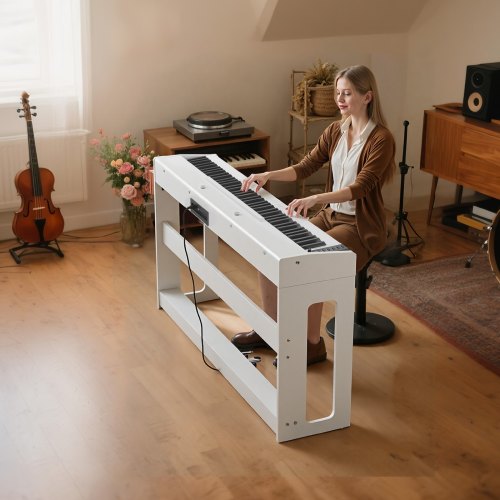


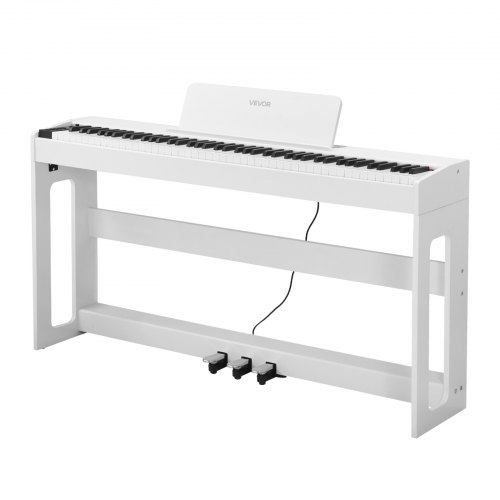


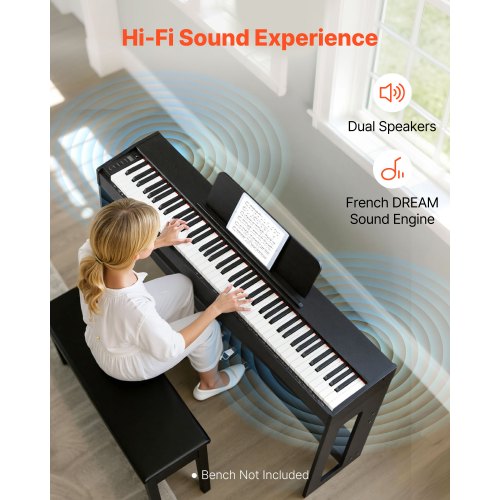

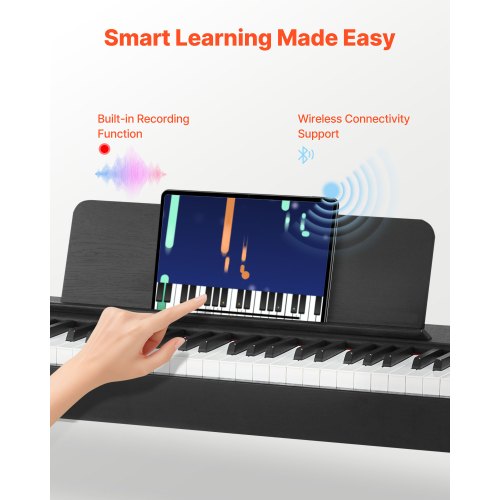





























Results for Electronic Keyboards
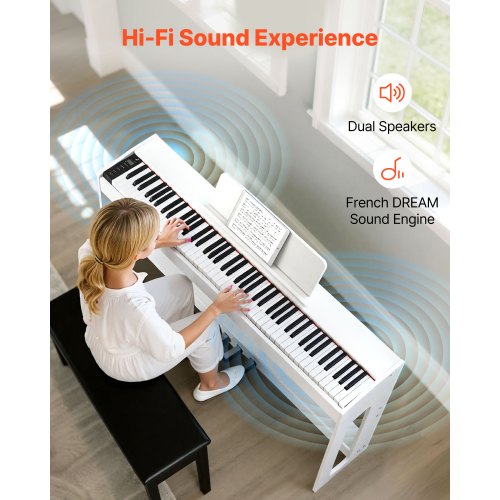
An electronic piano keyboard is a musical instrument that creates sound electronically instead of through hammers striking strings. Pressing each key triggers a digital or sampled note, which is sent to built-in speakers or headphones. The instrument reproduces the sound of a piano, and usually many other voices, so a player can perform, practise, and record without tuning or acoustic resonance. Volume is adjustable, letting the same instrument be played softly or loudly to suit the room. Because the sound is produced and shaped electronically, it can change its tone, pitch, and tempo instantly at the touch of a control.
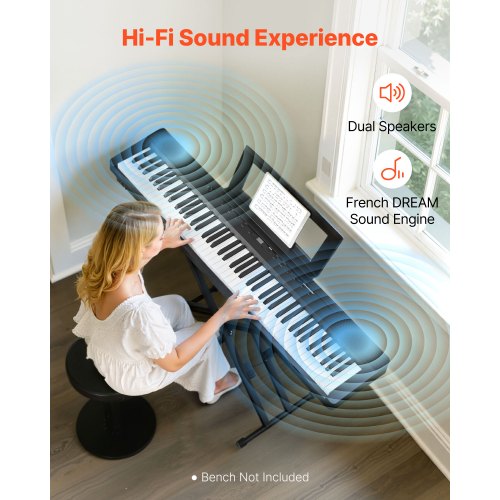
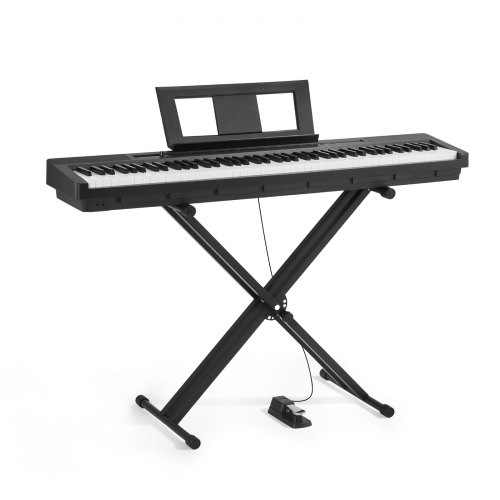
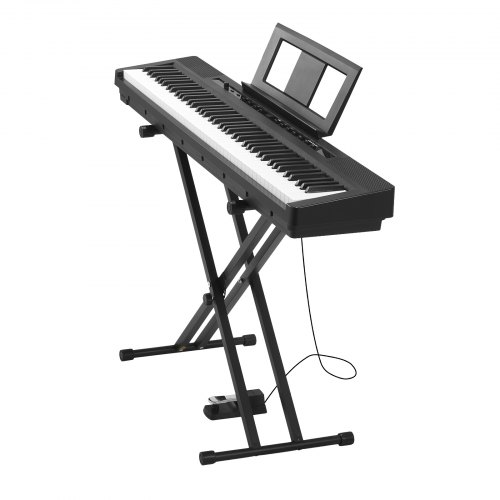
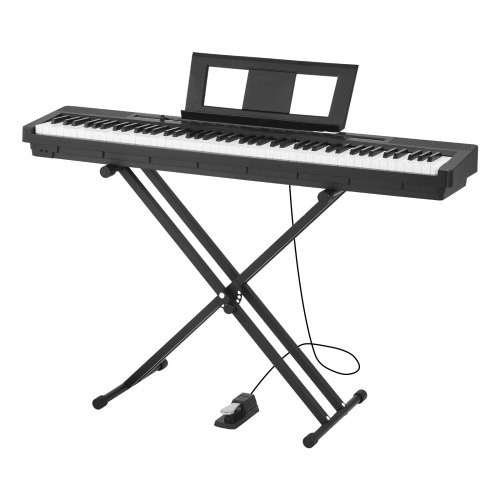
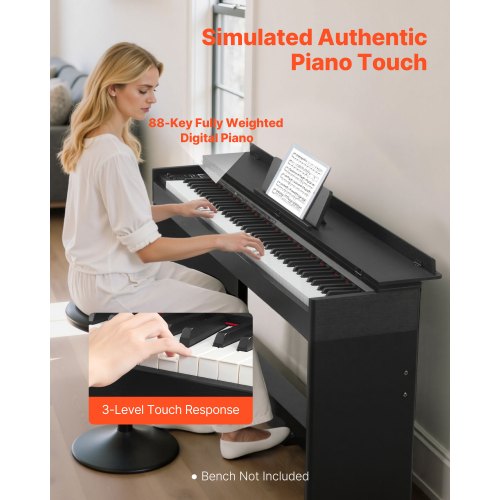
VEVOR electronic piano keyboards span several types. Full-size 88-key digital pianos cover roughly seven octaves with fully weighted or semi-weighted key actions, tone libraries from around 128 to 680 voices, and connection by USB, MIDI, or Bluetooth. Compact 61-key models give five octaves in a lighter frame, while portable and folding keyboards add rechargeable batteries and carry bags for travel. Typical uses are classical and exam practice, casual home learning, worship and stage performance, songwriting, and home-studio recording.
Five things decide what you need:
- Key count: 88 keys give the full range for classical work; 61 keys stay compact for pop, worship, and first-time players.
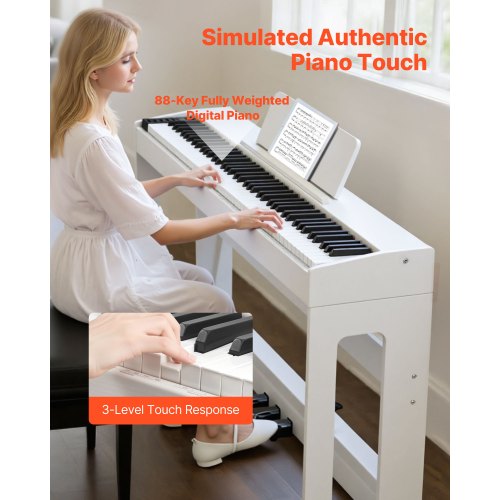
- Key action: fully weighted feels closest to an acoustic piano, semi-weighted is a lighter middle ground, and standard or touch-sensitive keys suit casual play.
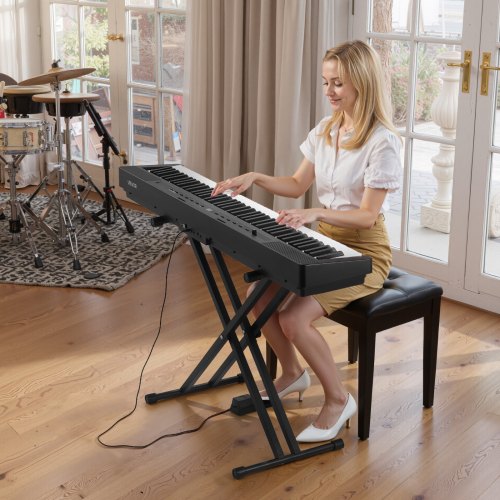
- Portability: pick a folding or battery-powered model to travel, or a stand-mounted console to leave set up at home.
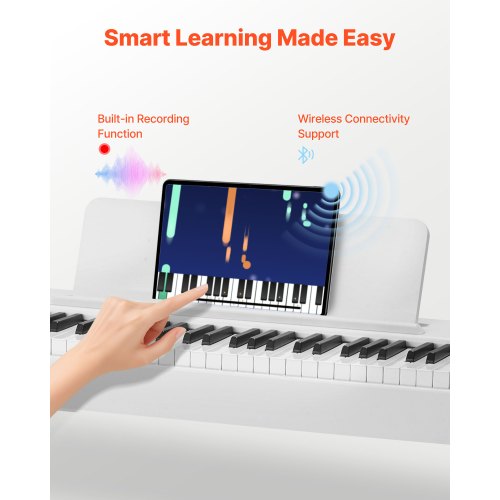
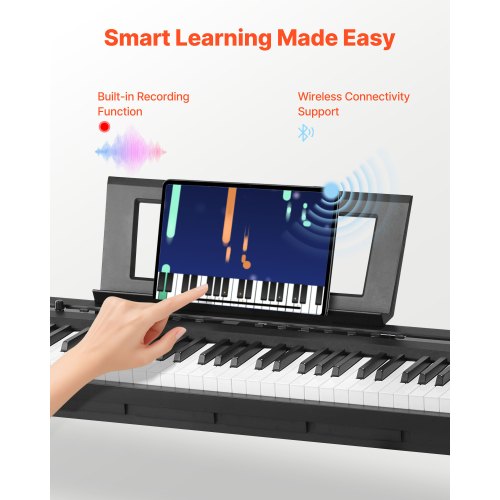
- Connectivity: look for USB, MIDI, or Bluetooth if you want to link learning apps or recording software.
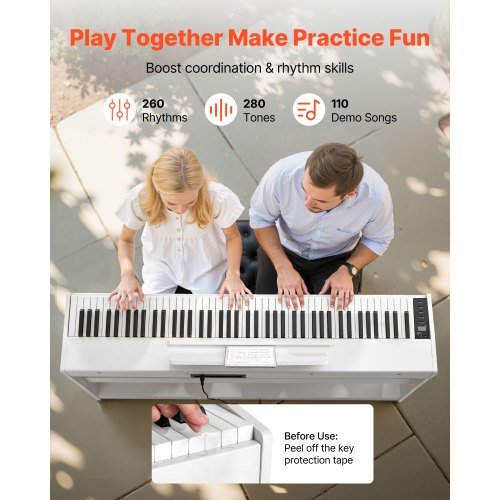
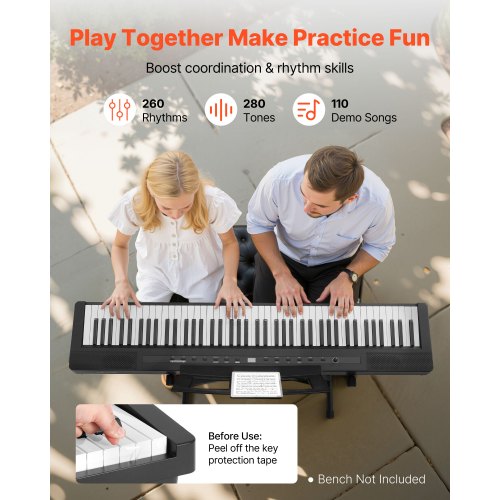
- Learning features: lighted keys, demo songs, and a recording function help beginners, while a headphone output keeps practice quiet.
Browse the complete electronic piano keyboards range to compare every model, or explore the wider keyboards and MIDI collection for stands, pedals, and accessories that complete your setup.
Electronic Piano Keyboard Types at a Glance
The table below sets the main keyboard types side by side so you can match range, portability, and power to how you plan to play.
| Type | Playing Range | Portability & Setup | Power Options | Selection Note |
|---|---|---|---|---|
| 88-Key Fully Weighted | About 7 octaves (A0 to C8) | Large, best left on a dedicated stand | Mains adapter | Closest to an acoustic feel; needs floor space and a fixed spot |
| 88-Key Semi-Weighted | About 7 octaves (A0 to C8) | Full width, lighter to reposition | Mains adapter | A middle ground on feel; easier to move than a weighted console |
| 88-Key Folding Portable | About 7 octaves (A0 to C8) | Folds roughly in half into a carry bag | Rechargeable battery | Full range you can pack away; touch is lighter than weighted keys |
| 61-Key Standard | 5 octaves (C3 to C8) | Compact tabletop, sets up anywhere | Mains or AA batteries | Easiest, lightest start; limited for advanced classical pieces |
| 61-Key Semi-Weighted | 5 octaves (C3 to C8) | Compact, optional stand and bench | Mains or AA batteries | More realistic feel in a small frame; still short of full range |
VEVOR Electronic Piano Keyboards Collection: Complete Instruments for Every Musical Journey
Want to start taking piano lessons, add to your collection of instruments, or find trusted tools for artists who play live? The correct electronic piano keyboards turn any room into a great place to practice, where musical creativity may grow spontaneously. VEVOR offers a wide range of electronic keyboard systems, electronic keyboards, and portable electronic keyboards to meet a variety of needs. These encompass professional-grade instruments that produce realistic sounds, as well as practical instruments suitable for busy lifestyles and various performance types.
Understanding Key Count and Action Types for Optimal Performance
To choose the best electronic piano keyboards, you need to know about key configurations, action mechanisms, and how these features affect your ability to learn new techniques and play a wide range of music. Varied skill levels and performance goals require varied keyboard setups. Choosing the right type of instrument for each player makes practice more fun and helps them progress musically. When picking electronic piano keyboards that will help you on your musical path for years to come, think about how much experience you have, how much room you have, and what you want to achieve.
88 Key Electronic Keyboard for Complete Range
An 88-key electronic keyboard has the same range as an acoustic grand piano and can play any classical piece without any constraints. These full-sized electronic piano keyboards can handle sophisticated techniques, like works that need very low and very high bass and treble registers that shorter keyboards couldn't handle. Serious musicians demand and deserve real playing experiences from high-quality 88-key electronic keyboards made with top-of-the-line parts.
Students who want to get good exam scores, prepare for conservatory, or work as professional performers need electronic piano keyboards with full 88-key ranges to learn the proper techniques. Teachers often recommend 88-key electronic keyboards for intermediate and advanced students whose growing repertoire requires full keyboard access across different musical periods. These all-in-one electronic piano setups ensure that practice sessions go smoothly when you play on an acoustic piano without having to make any tedious adjustments.
The extra keys on 88-key electronic keyboards need enough room to be installed correctly and for players to be comfortable while practicing for long periods. Before buying an electronic piano keyboard, it's a good idea to measure the available space. This way, you can be sure the keyboard will fit where you want it without making the space feel cramped, which can make it harder to improve your technique. An 88-key electronic keyboard is an important piece of equipment for musicians who are serious about studying classical music and becoming professionals.
61 Key Electronic Keyboard Versatility for Various Styles
A 61-key electronic keyboard strikes a good balance between playability and portability. These mid-sized electronic piano keyboards can play the most popular music, modern genres, and beginner classical pieces without requiring the full keyboard range. 61-key electronic keyboards are great for students who want to learn about music before buying bigger instruments later.
The smaller size of 61-key electronic keyboard alternatives makes them easier to accommodate in apartments, dorms, and smaller practice areas where full-sized instruments are hard to install. These portable electronic piano keyboards are much lighter than 88-key models, making it easier for musicians to move them between venues when practicing or performing. A 61-key electronic keyboard is good for students and performers whose typical playing doesn't go too far into the extreme registers.
Many modern musicians play only 61-key electronic keyboards because the most popular music styles don't require very low or very high bass or treble frequencies. These electronic piano keyboards have a five-octave range that works well for jazz, pop, worship, and electronic music. Being honest about what you need in a repertoire helps purchasers choose the right size beginner's electronic keyboard or advanced instruments without spending too much on features they don't need.
Weighted Electronic Keyboard for Authentic Touch Response
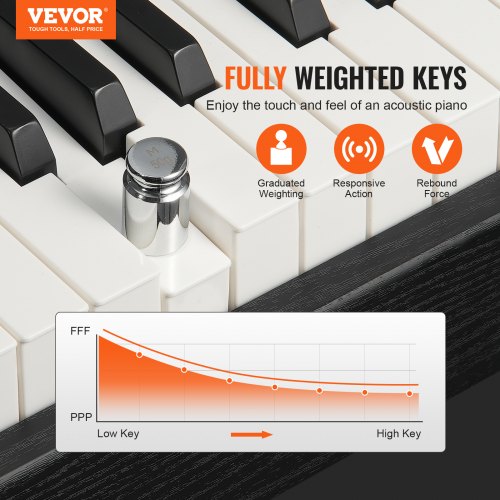
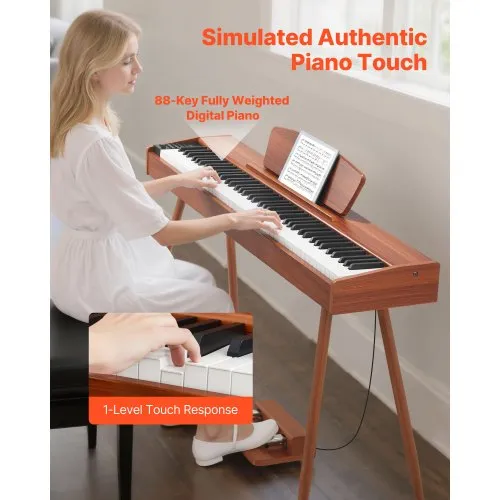
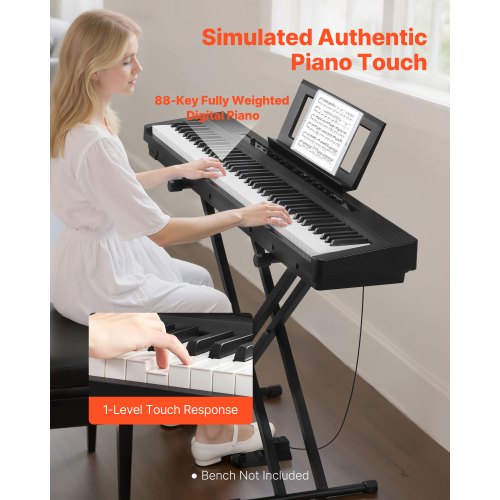
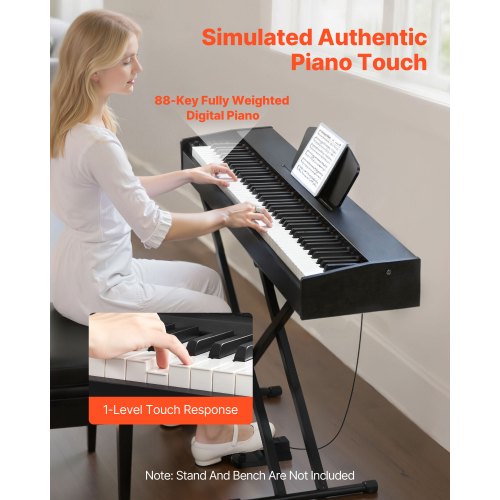
A weighted electronic keyboard has a hammer-action mechanism like that of an acoustic grand piano, providing the keys with the resistance they need to develop good technique. These high-end electronic piano keyboards feature graded hammer action, meaning the lower keys feel heavier than the higher ones. It accurately mimics how acoustic instruments respond throughout their entire playing range. Quality-weighted electronic keyboard instruments with realistic key mechanics come close to the feel of a real acoustic piano in terms of touch and sound.
Weighted electronic keyboard systems that respond to touch assist students in building the finger strength, control, and dynamic expression they need to be great classical performers. Teachers suggest that students who are serious about preparing for exams or planning to study music at a higher level use electronic piano keyboards with weighted action. These tools ensure that the skills learned during practice can be used right away in acoustic piano performances without having to relearn them later.
Advanced electronic keyboard technology now features escapement modeling, which reproduces the subtle sensations that occur when acoustic piano hammers let off the strings. These high-tech electronic piano keyboards give players subtle feedback they appreciate when they need to adjust their touch during expressive passages. Buying high-quality electronic keyboard instruments helps musicians grow from beginner to professional levels over many years.
Portable Electronic Keyboard Designs for Mobile Musicians
A portable electronic keyboard is built to be light and small, yet it doesn't lose any of the essential capabilities that traveling musicians need. These electronic piano keyboards are easy to move between practice areas, performance venues, and lesson settings, where players need reliable instruments right away. Portable electronic keyboards with sturdy cases can be transported without compromising their precise key calibration or response over time.
Musicians who play live music like portable electronic keyboards that fit in ordinary vehicle cargo spaces and can easily go up and down stairs at venues without being too heavy. These useful electronic keyboard pianos often have battery-powered options for playing outside or in places where electricity is difficult to access. Investing in a portable electronic keyboard gives musicians the ability to tour and be more flexible than traditional instruments can.
Portable electronic keyboard instruments that are easy to travel with and don't need to be permanently installed at each location visited are helpful for students who split their time between different homes. These versatile electronic piano keyboards let you practice anywhere, anytime, which helps you keep strengthening your skills no matter what happens. Modern portable electronic keyboard engineering ensures that designs that are simple to transport remain structurally sound and playable throughout daily use.
Matching an Electronic Piano Keyboard to Your Situation
This table lines up common playing situations with the setup that fits and the single factor worth prioritising for each.
| Your Situation | Recommended Setup | Factor to Prioritise | Why It Fits |
|---|---|---|---|
| Serious classical or exam study | 88-key fully weighted with triple pedal | Action realism | Graded hammer feel transfers straight to acoustic exams |
| Apartment or dorm practice | 61-key or folding 88-key with headphone output | Noise and footprint | Quiet headphone play and a small frame keep neighbours happy |
| Gigging or mobile musician | Folding 88-key, rechargeable battery | Weight and power | Packs into a bag and plays where no outlet exists |
| Young or first-time beginner | 61-key with lighted keys and demo songs | Guided learning | Lit keys and demos build confidence before any upgrade |
| Home studio or songwriting | 88-key with USB or Bluetooth and recording | Software connectivity | Links to apps and DAWs so ideas become finished tracks |
Skill Level Considerations and Essential Features
Buyers can choose electronic piano keyboards that support their current skills and enable future musical growth by understanding which features and educational tools are right for their level of expertise. Different levels of experience can benefit from distinct sets of features designed to help them learn most effectively.
Beginner's Electronic Keyboard Features for New Players
A beginner's electronic keyboard comes with learning tools designed to help students just starting their musical journey quickly strengthen their skills. These beginner electronic piano keyboards feature built-in instructional modes, illuminated keys, and step-by-step tutorials that systematically teach novice players the basics. Quality beginning electronic keyboard instruments make learning fun and keep you motivated through the difficult early stages of development.
Beginner-friendly electronic keyboard alternatives have simpler controls so new players don't get overwhelmed by features they can't use yet while they're still learning. These easy-to-use electronic music keyboard pianos focus on the most important tasks while also having features that help pupils learn as their skills naturally improve. A beginner's electronic keyboard is a good investment because it gives them a solid foundation without requiring an upgrade right away as they get better.
Headphone outputs and volume controls are two parent-friendly features that make beginner electronic keyboard instruments great for homes where practice noise is a problem. These thoughtful electric piano keyboards let you practice without bothering family or neighbors in the early morning or late evening. Quality beginner electronic keyboard designs carefully balance the need to learn with the need to fit into everyday life.
Electronic Music Keyboard Piano Features for Advancing Players
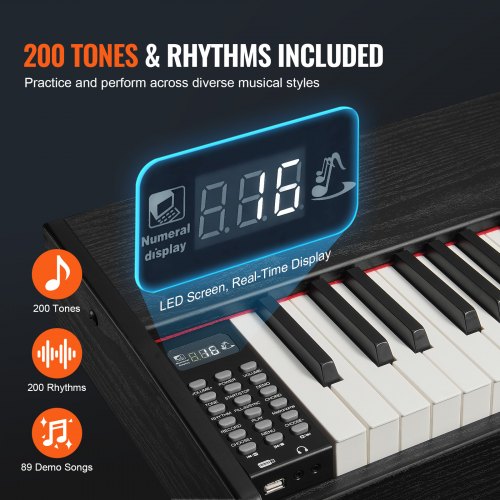
An electronic music keyboard piano offers more sound banks, recording options, and ways to connect to other devices, all of which are essential for more advanced players to achieve full artistic growth. These electronic piano keyboards come with hundreds of instrument sounds, rhythm accompaniments, and effect options that let you explore your creativity beyond the limits of basic piano practice. High-quality electronic music keyboard pianos can play a wide range of music and support many different production styles simultaneously.
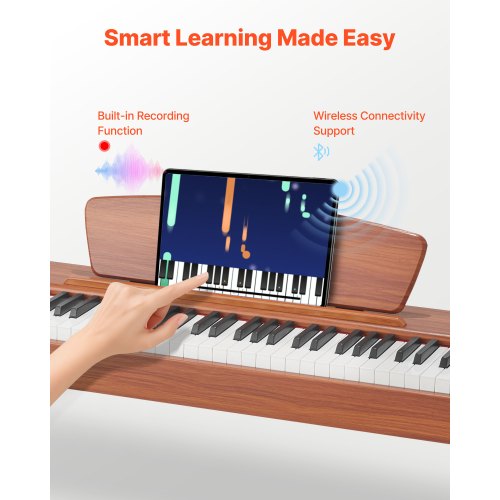
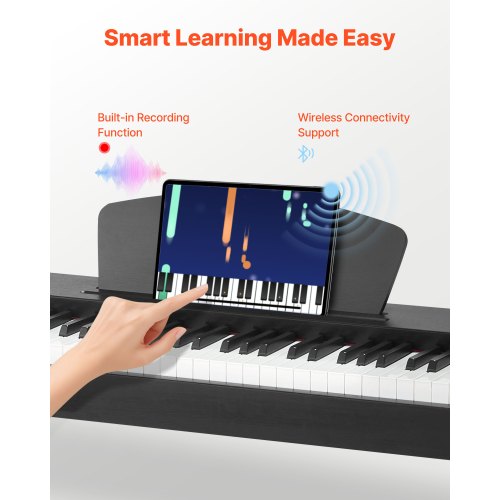
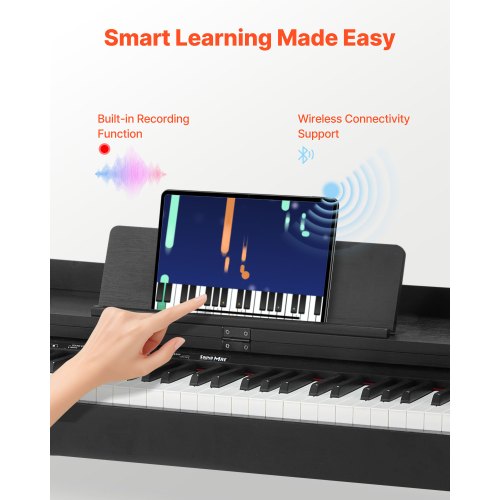
Electronic music keyboard piano systems with built-in recording functions let you listen to your own playing and see where you need to practice more clearly. These computerized piano keyboards for learning record performances so that teachers can review them, students may prepare for auditions, and students can keep track of their progress over long periods of time. A good electronic music keyboard piano with recording features helps you get better faster by giving you opportunities to objectively evaluate yourself regularly.
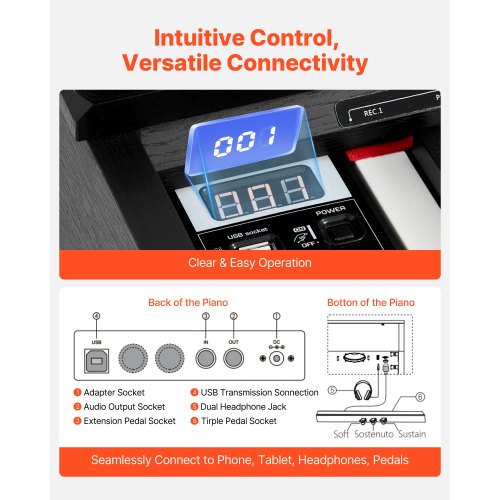
When you connect your electronic music keyboard piano to production software via USB or MIDI, it can operate your home studio. These electronic piano keyboards are very useful for creative musicians who want to do more than play music. They may help with writing, arranging, and producing music. Both the 88-key and 61-key electronic keyboards have connectivity features that let you use them for more than practice.
Best-Seller Electronic Piano Keyboard Comparison
These five popular models, listed in the catalog they appear on the page, show how key count, action, tone library, and connectivity differ across the range.
| Product | Key Count | Key Action | Built-in Tones | Connectivity | Included Stand | Best For |
|---|---|---|---|---|---|---|
| 61-Key Keyboard, 200 Tones | 61 | Standard keys | 200 | Audio and headphone jacks | None | Simplest grab-and-go starter here; a first keyboard for young beginners |
| 61-Key Lighted Keyboard, Z-Stand | 61 | Lighted standard keys | 600 | USB and MIDI | Adjustable Z-stand | Lighted keys plus a ready stand; the guided-learning pick here |
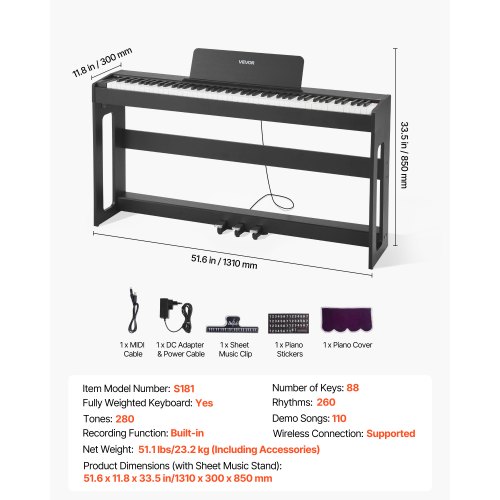
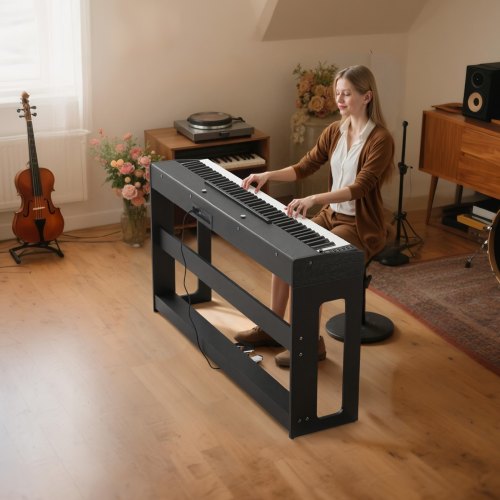
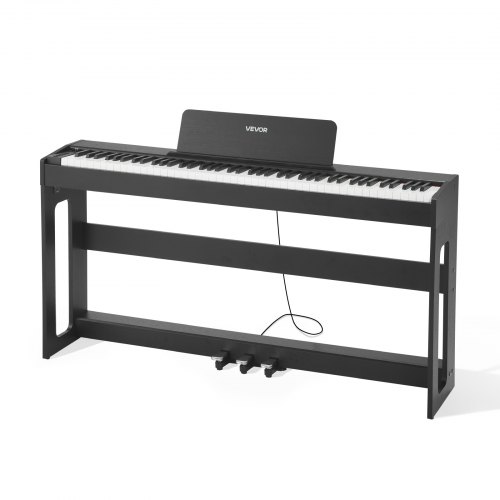
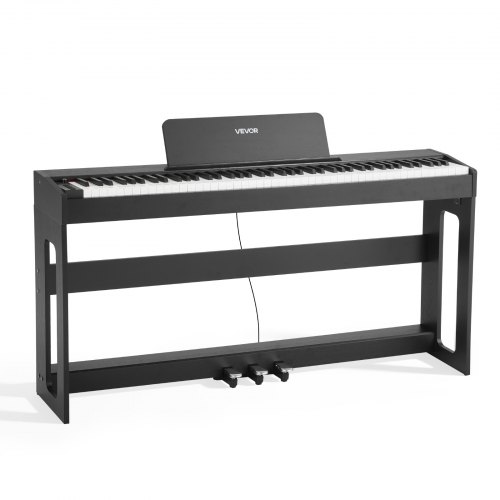
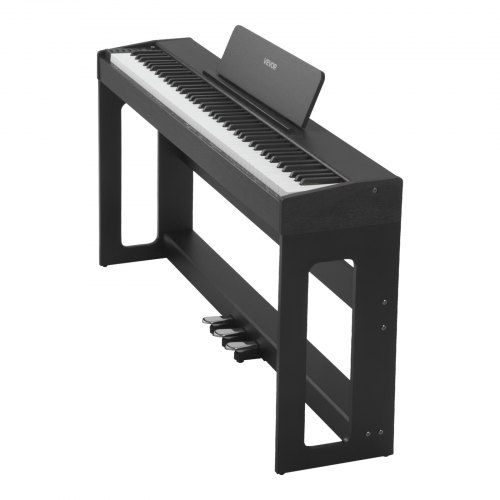
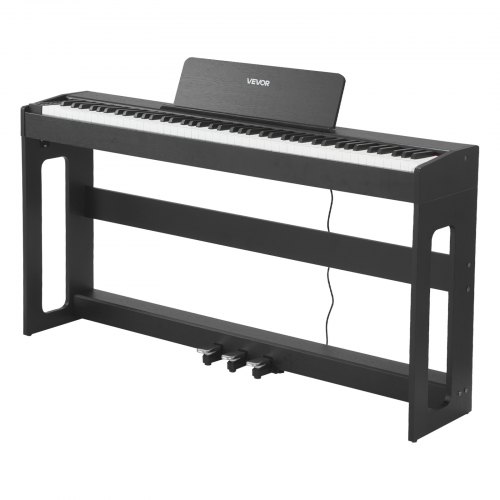
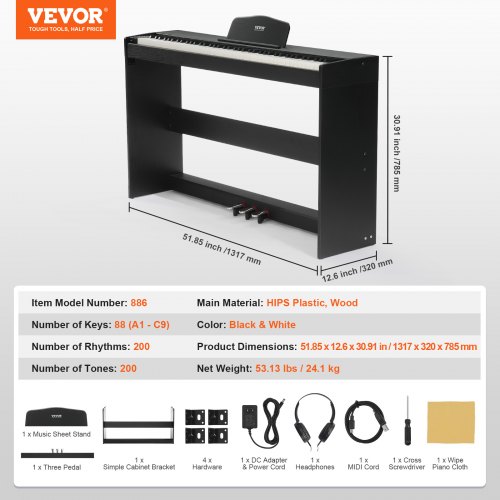
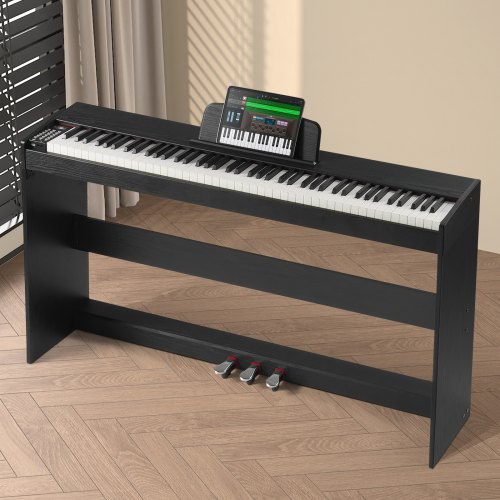
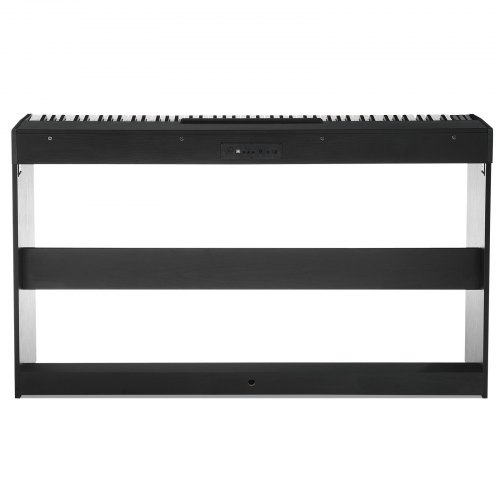
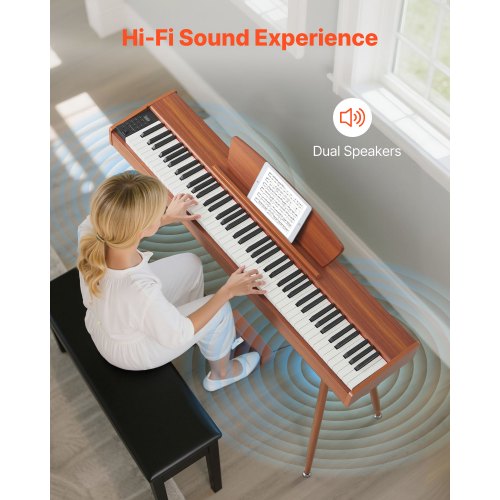
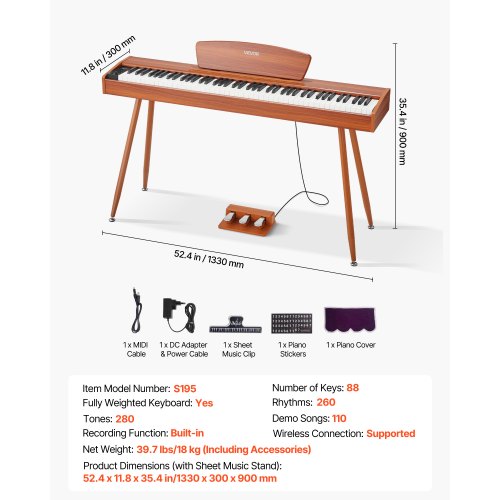
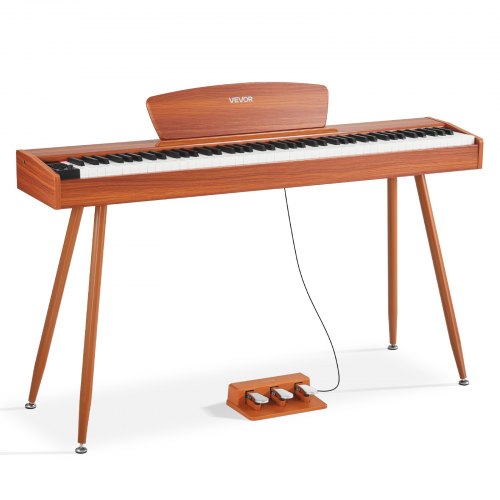
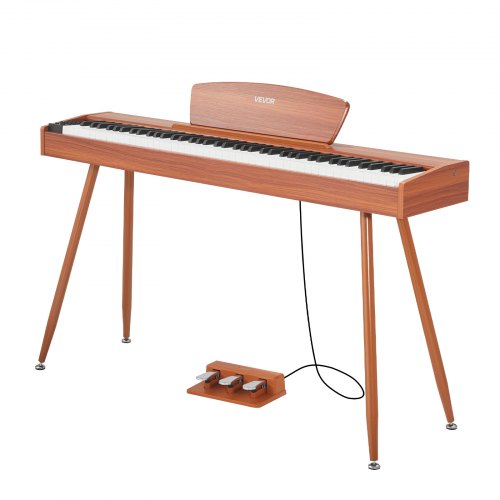
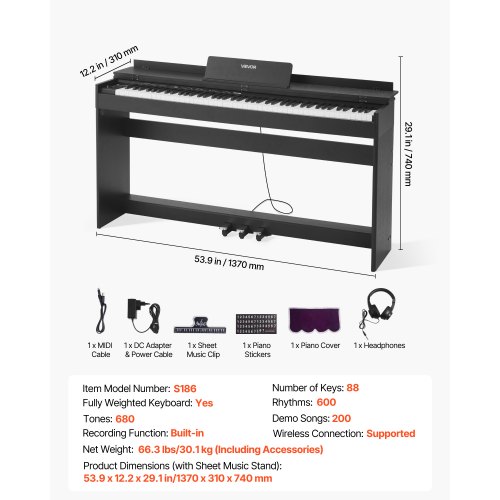
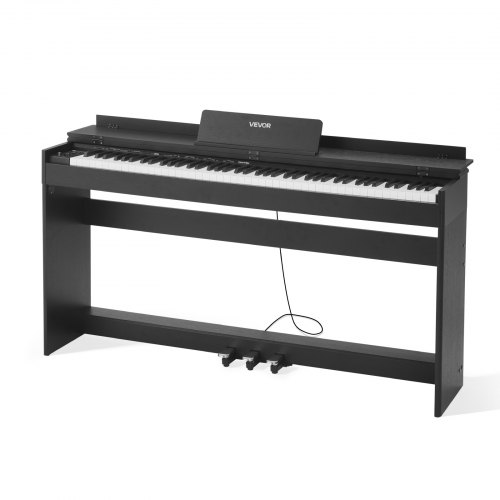
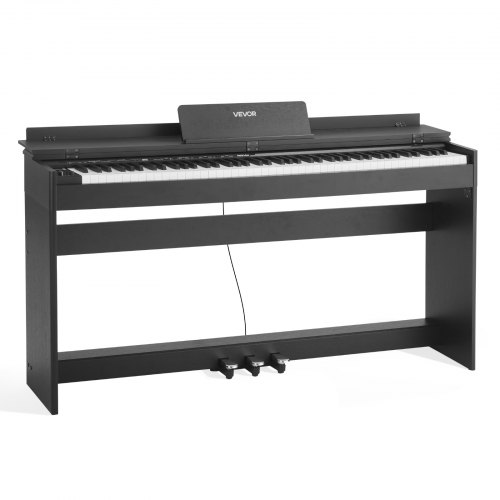
| 88-Key Fully Weighted, Furniture Stand | 88 | Fully weighted | 680 | Wireless | Furniture stand, triple pedal | Most complete home setup here; weighted feel with triple pedal for exam prep |
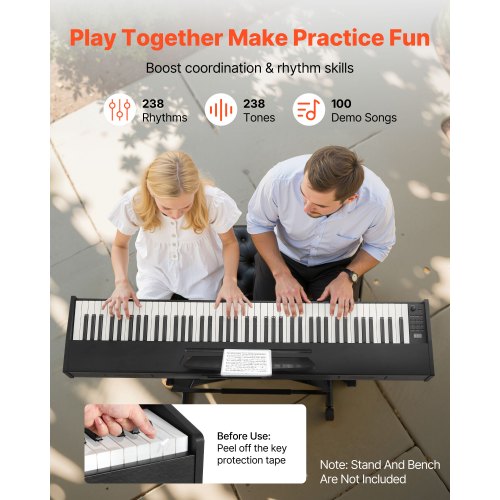
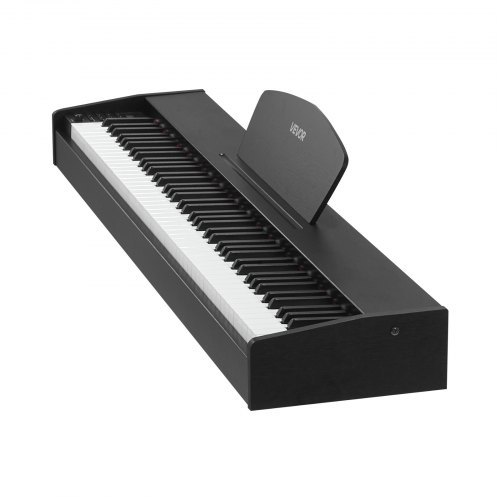
| 88-Key Fully Weighted, No Stand | 88 | Fully weighted | 238 | Wireless | None, sustain pedal only | Only weighted model here without a stand; recording for tight studio spaces |
| 88-Key Folding Piano, Bluetooth | 88 | Touch-sensitive | 128 | Bluetooth and MIDI | None, carry bag | Only folding full-size model; full range you can pack into a bag |
Why Choose VEVOR Electronic Piano Keyboards?
The VEVOR electronic piano keyboards offer great value for money because they are well-made, available in a variety of styles, and reasonably priced. Our 88-key electronic keyboards give serious artists the full range of keys, while our 61-key electronic keyboards are small and flexible. Premium weighted keyboards help players develop their real touch, and portable electronic keyboards enable active performers to move around like never before. Shopping at VEVOR is a safe investment because they offer reliable after-sales support and a full customer satisfaction guarantee. Check out our full range today and change the way you play music with professional-quality electronic piano keyboards.
FAQs
What key count suits beginning piano students best?
A beginner's electronic keyboard with 61 keys is good for people who want to study casually. An 88-key electronic keyboard is better for students who want to learn classical music seriously and need a full variety of keys to build their repertoire.
How does weighted electronic keyboard action improve technique development?
Weighted electronic keyboard systems help you build the finger strength and control you need to play the acoustic piano well. This real resistance trains the right way to play so that it transfers easily to traditional instruments.
Can portable electronic keyboard instruments connect to learning applications?
Most new electronic piano keyboards have USB ports that work well with popular learning programs. Before you buy, make sure that it works with the apps you want to use it with.
What features should beginner electronic keyboard instruments include?
Some good starter electronic keyboards have built-in lessons, various voices, headphone outputs, and touch-sensitive keys. These features support learning while making it easy to practice at home.
Are 61 key electronic keyboard instruments sufficient for advanced players?
Many professional musicians play only contemporary music on 61-key electronic keyboards. Most classical music needs an electronic keyboard with 88 keys to be fully accessible.
What should I look for in an electronic piano keyboard?
Start with key count and touch: an 88-key fully weighted model suits classical study, while a 61-key keeps things casual. Then weigh portability, the built-in tone library, learning aids like lighted keys, a headphone output, and USB or Bluetooth connectivity for apps.
Where can I buy a piano keyboard?
You can buy electronic piano keyboards directly from VEVOR's electronic keyboards collection, with options from 61-key starters to 88-key weighted pianos. Ordering online includes reliable after-sales support, free returns, and delivery to your address, so you can compare models before you decide.
What is the difference between an electronic keyboard and a digital piano?
An electronic keyboard is lighter and built around many tones, rhythms, and portability, often with 61 keys. A digital piano focuses on an 88-key weighted action that mirrors an acoustic feel. Choose a keyboard for versatility, and a digital piano for authentic technique.
How much does a good electronic piano keyboard cost?
It depends mainly on key count, key action, and included extras. Entry-level 61-key models are the simplest tier, while 88-key fully weighted pianos with furniture stands and triple pedals are the most premium builds. Compare the current range to match features to your needs.