Engine Hoists
































































































































Results for Engine Hoists
Garages often end up with damaged engine bays and dropped motors when they pull an engine without the right equipment. From folding shop cranes and electric chain hoists to manual lever hoists and rigging accessories, VEVOR's engine hoists are designed to make the job safer and faster. This collection gives you the lift capability and portability to complete the job without renting equipment, whether you're running a full auto repair shop or pulling a motor in your home garage once a year.
VEVOR Engine Hoists for Auto Repair, Motor Lifts, and Shop Lifting Jobs
Unsure whether your shop needs an electric chain hoist or a folding engine crane? Because VEVOR's selection of engine hoists is built around real lifting tasks, you can match the right equipment to your space, capacity needs, and how often you pull motors. Whether you’re doing occasional engine removal in the home garage or daily hoisting in the busy repair shop, having the right setup can save time and unnecessary effort. Depending on your workload and available space, manual, electric, and portable options are also available.
Equipment Type and Capacity: Choosing the Right Engine Hoist for Your Shop
Since undersizing a hoist is both impractical and a safety concern, the first things to decide before buying are lift capacity and equipment type. VEVOR breaks down the types and capacities of its engine hoists here.
Engine Cranes and Shop Cranes for Motor Removal
The typical machine for removing motors from cars, trucks, and other vehicles is an engine motor lift, often called a shop crane. These car motor hoists enable you to latch onto an engine and pull it out of the bay in a steady, controlled motion by using a hydraulic ram to raise a boom arm. For home garages with limited floor space between projects, VEVOR's automotive engine lifts machine usually fold down for storage.
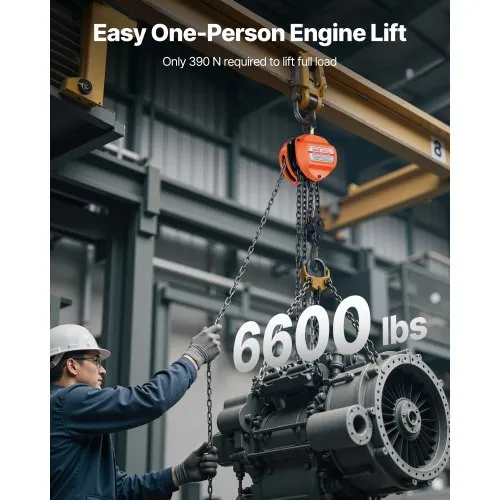
Engine hoists typically have capacity ratings ranging from one tonne to two tonnes or more, and the best option will depend on what you're pulling. Before selecting a crane, estimate your engine's weight, including any related parts like the gearbox if you're pulling both together. A little four-cylinder engine won't require the same capacity as a diesel truck motor. Also, since it gives you a safety margin and protects future projects on heavier vehicles, buying more capacity than you technically need isn't a bad idea.
Electric Chain Hoists and Electric Cable Hoists for Powered Lifting
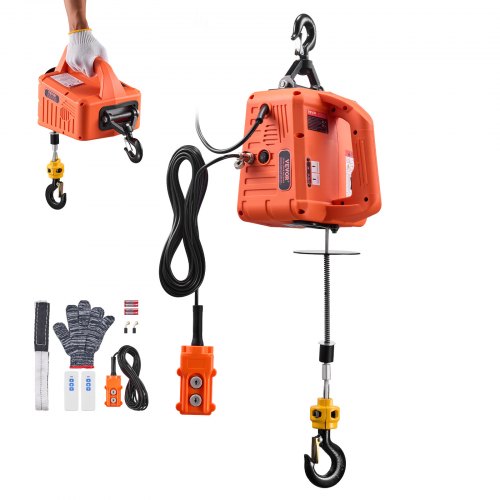
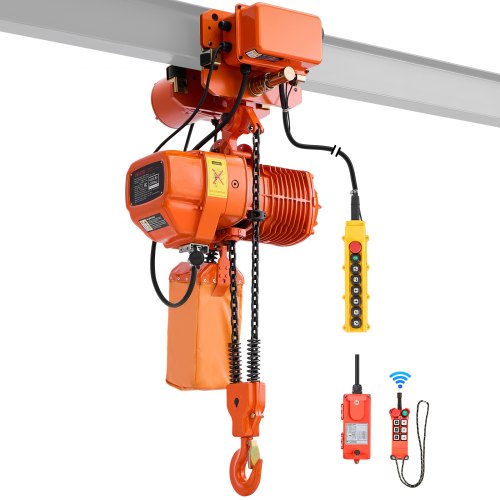
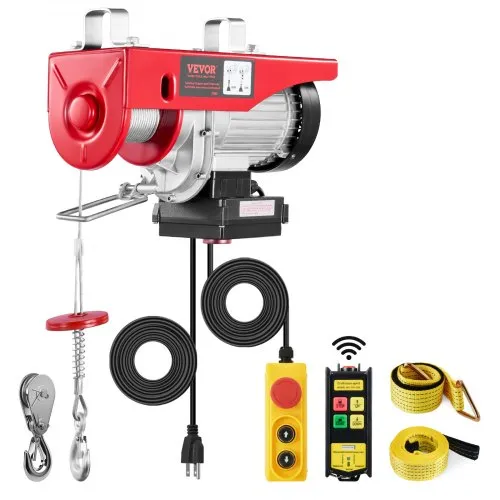
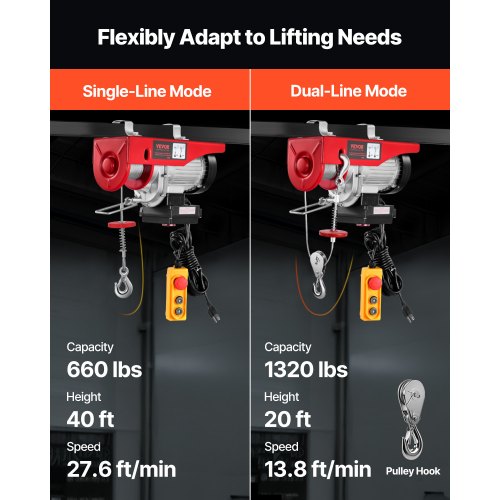
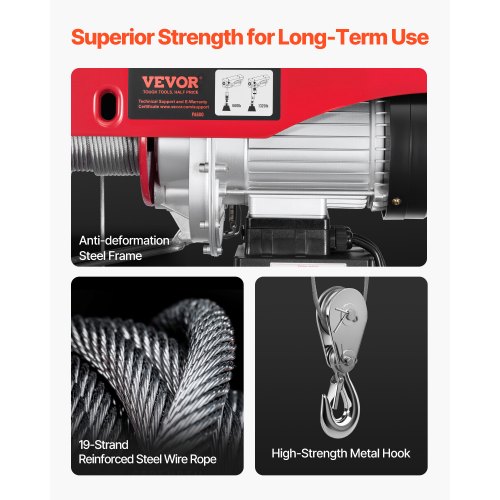
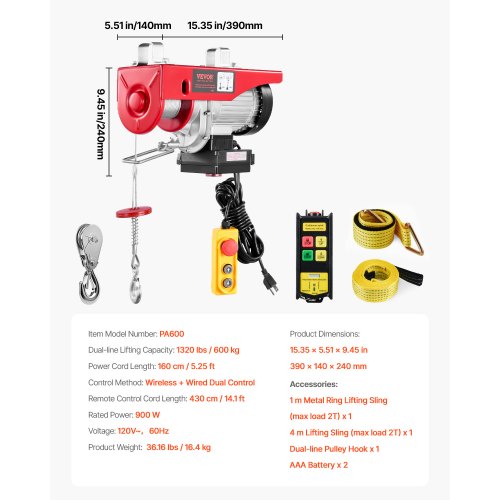
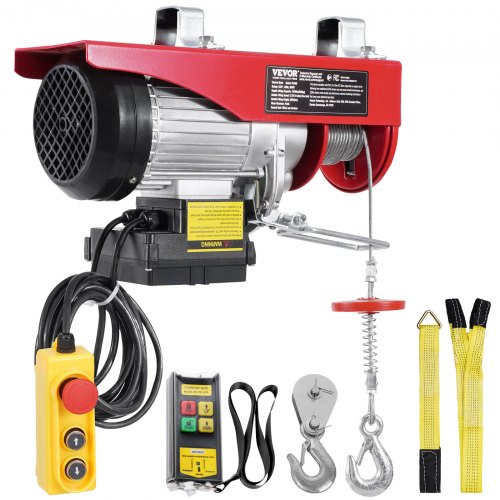
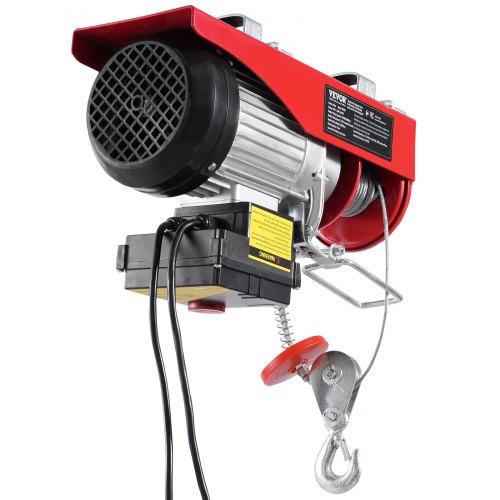
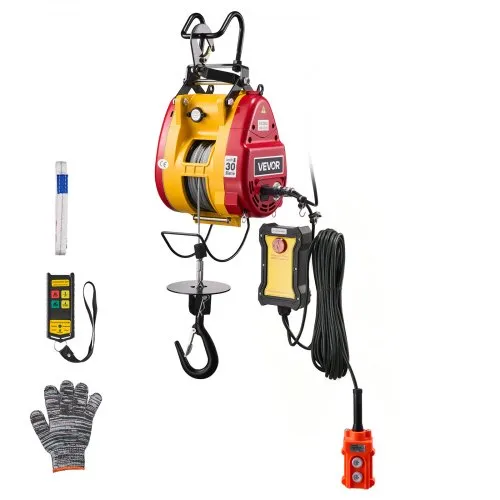
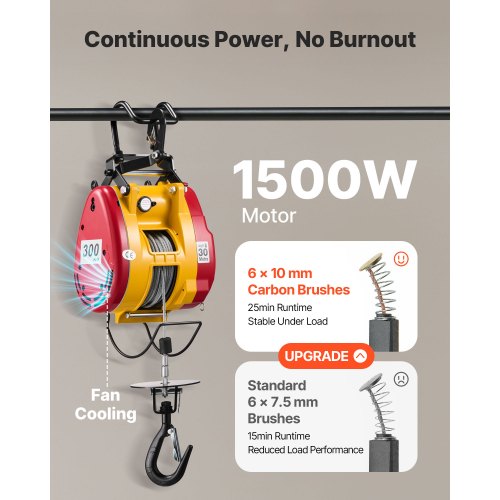
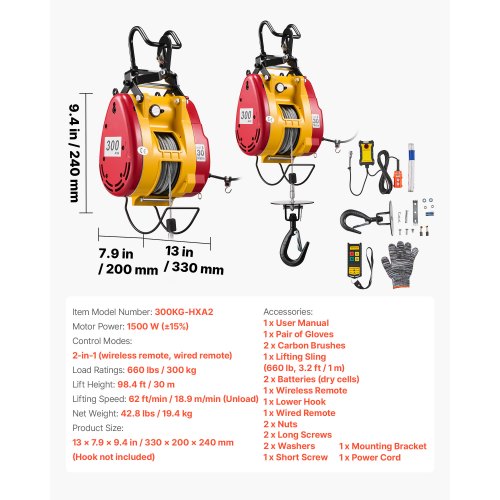
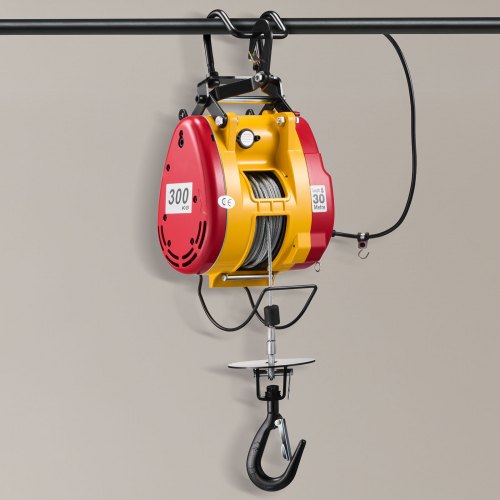
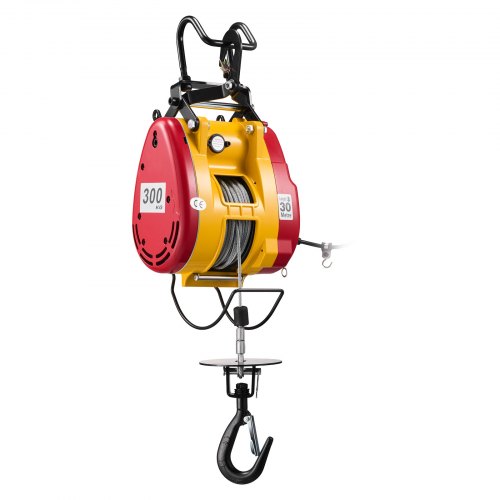
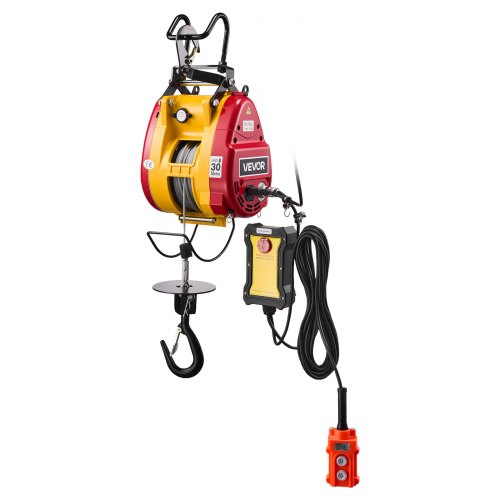
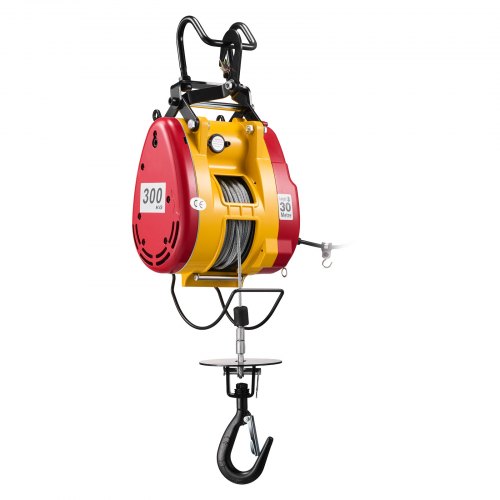
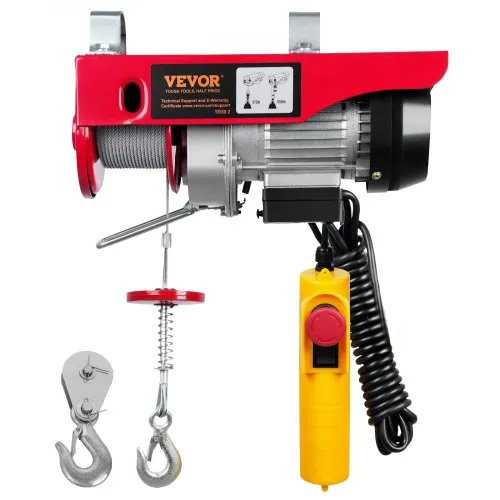
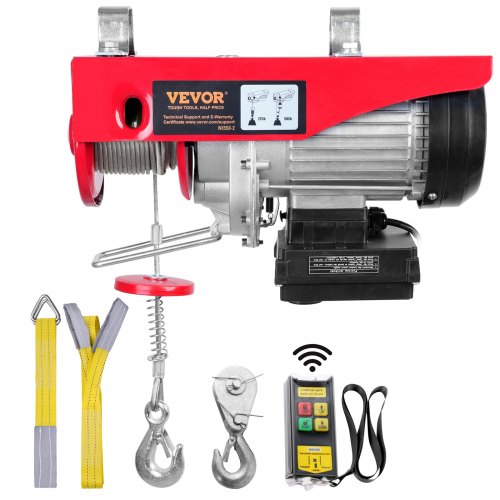
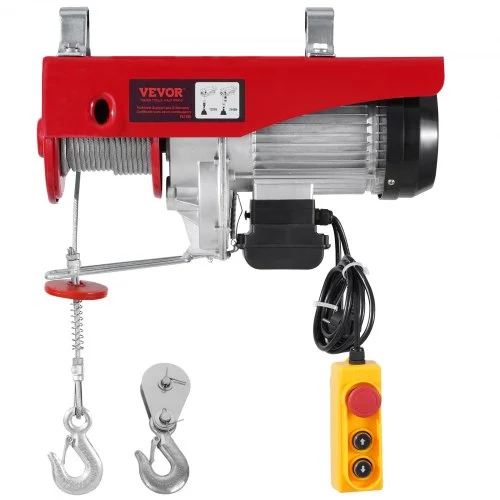
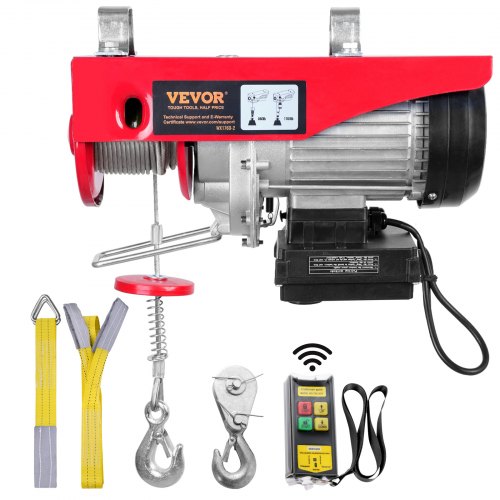
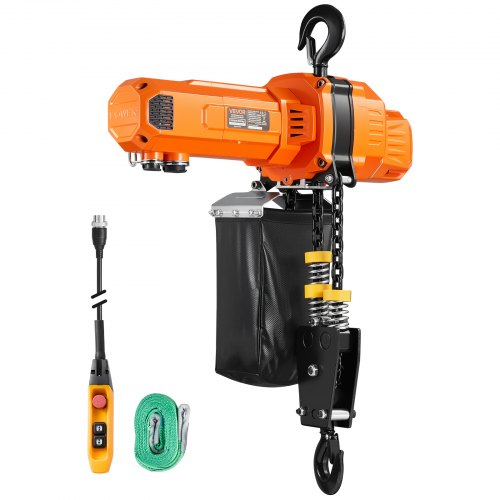
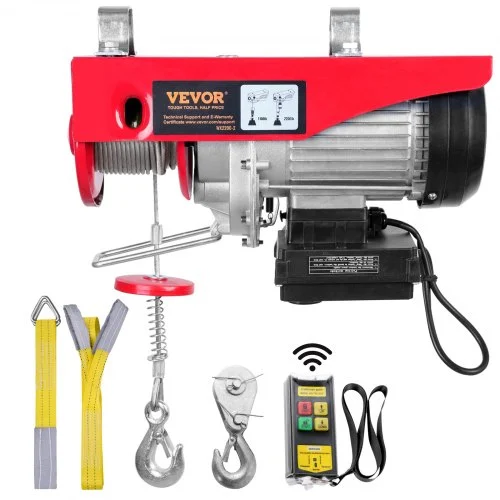
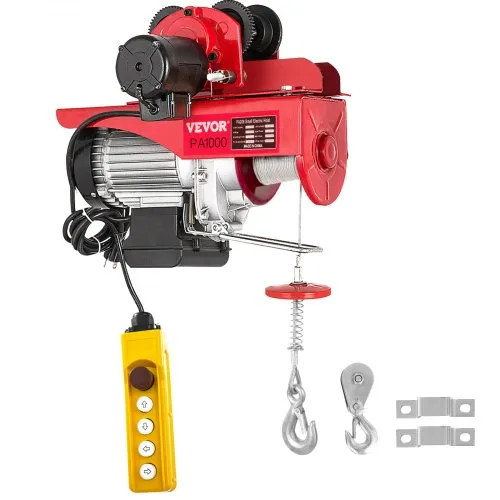
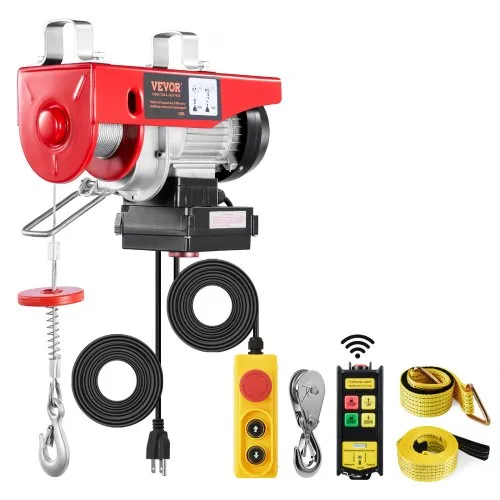
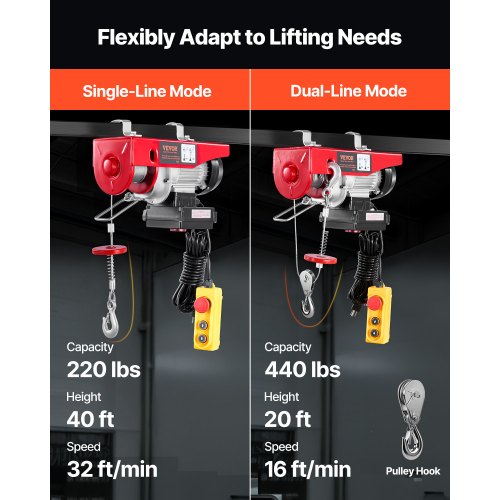
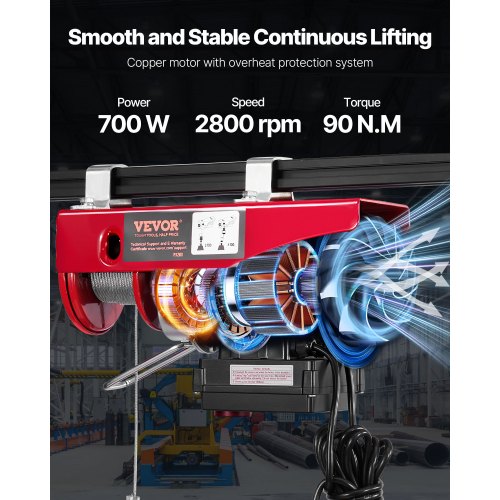
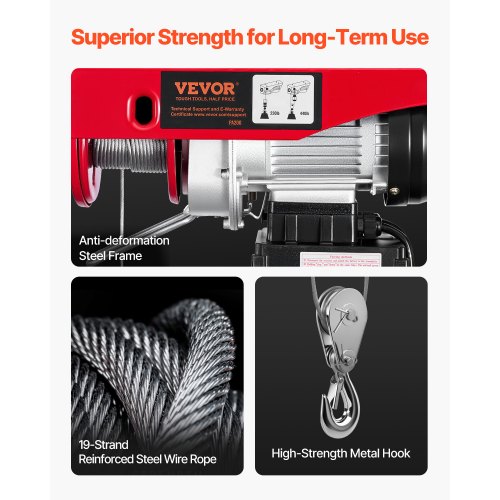
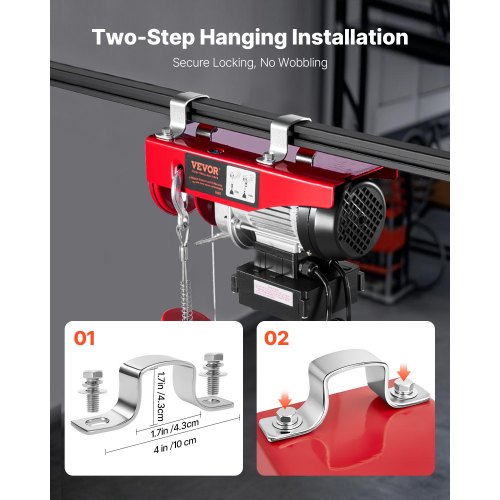
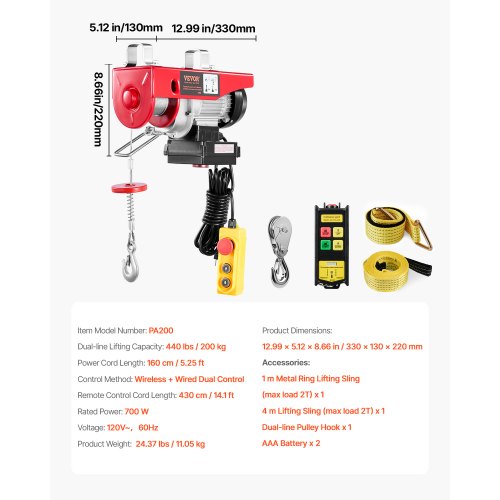
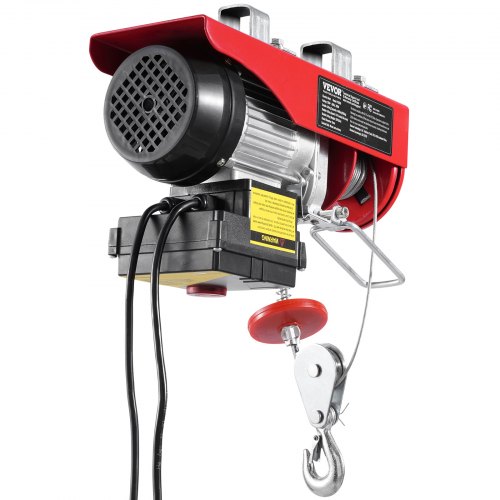
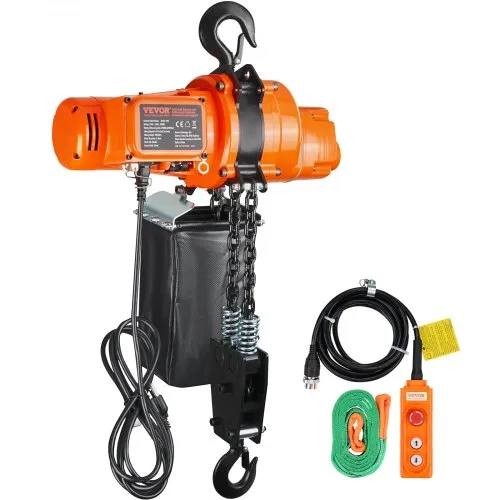
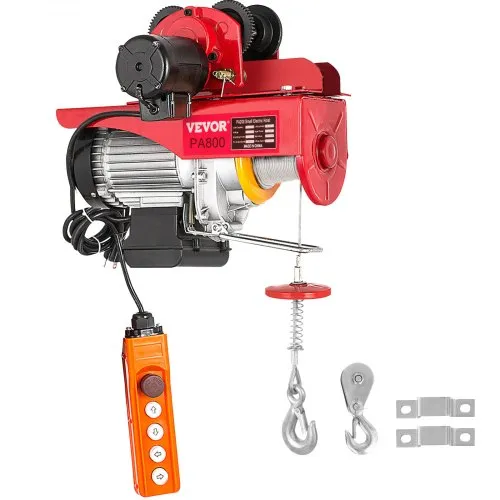
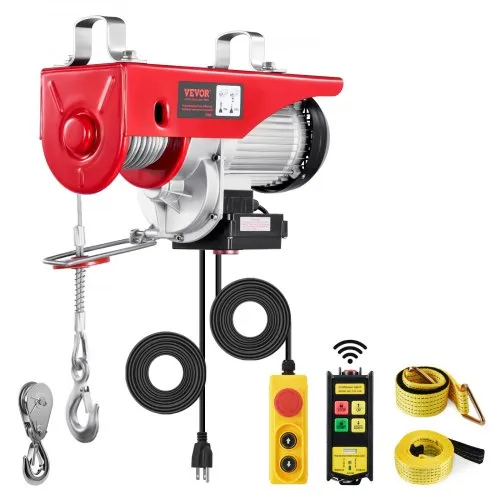
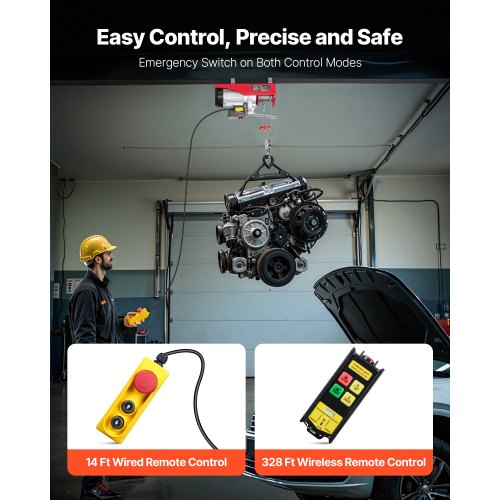
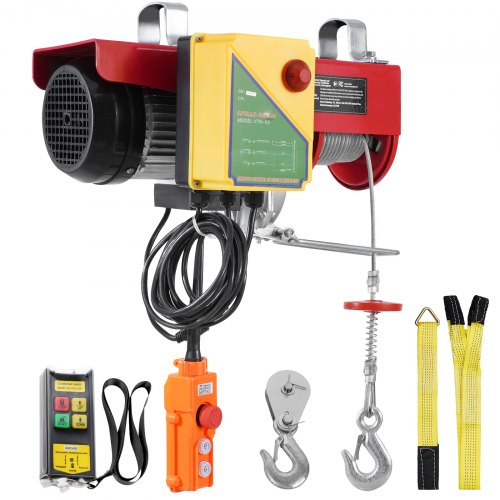
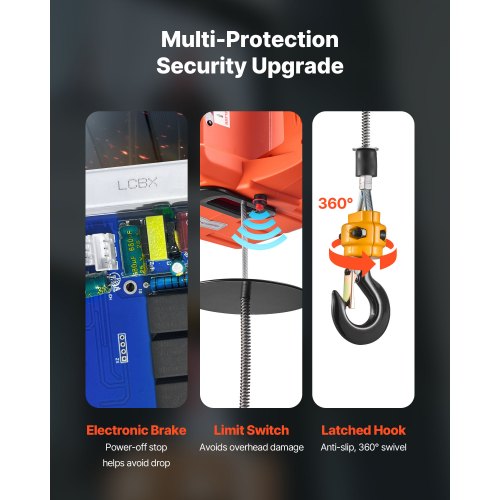
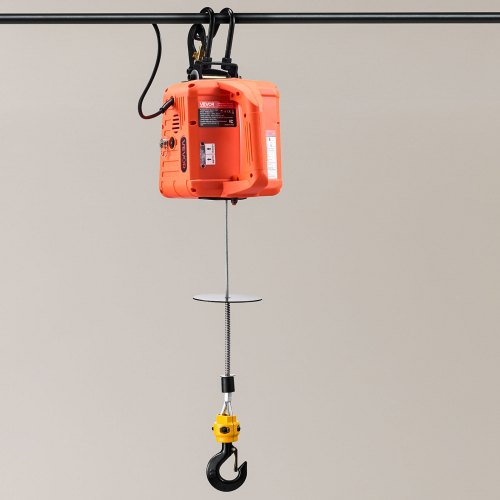
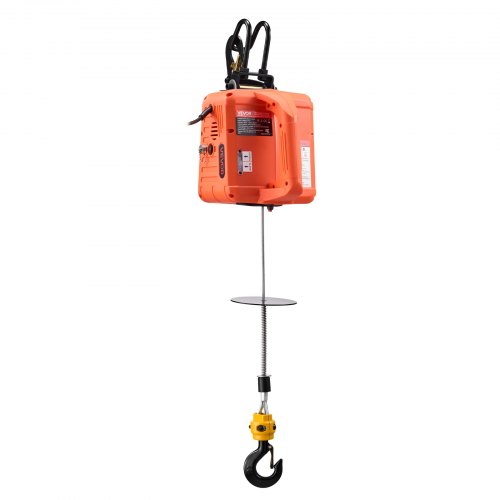
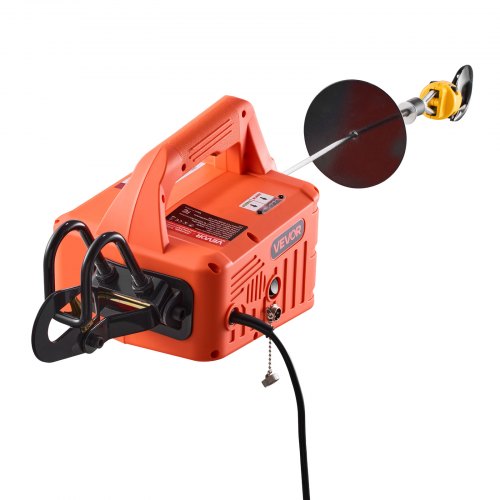
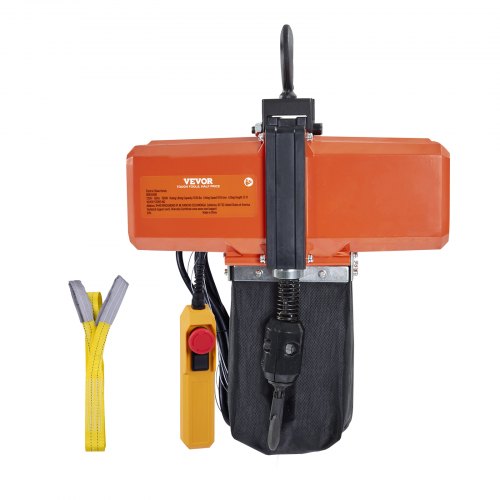
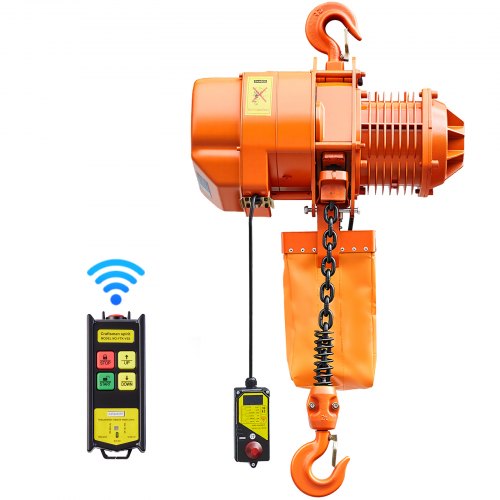
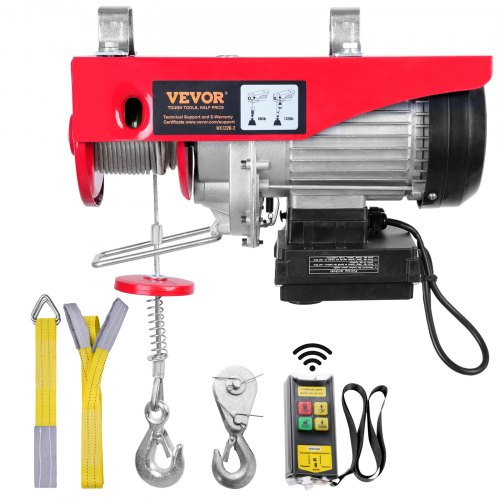
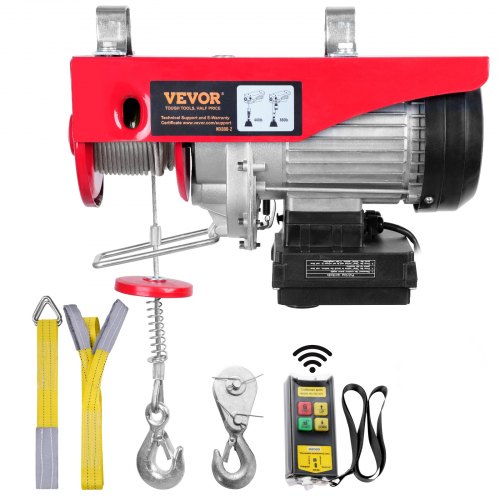
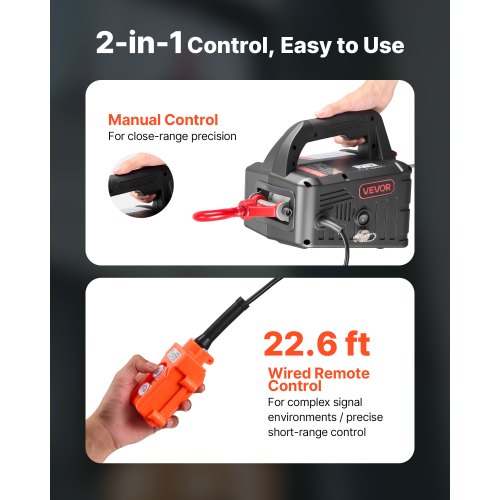
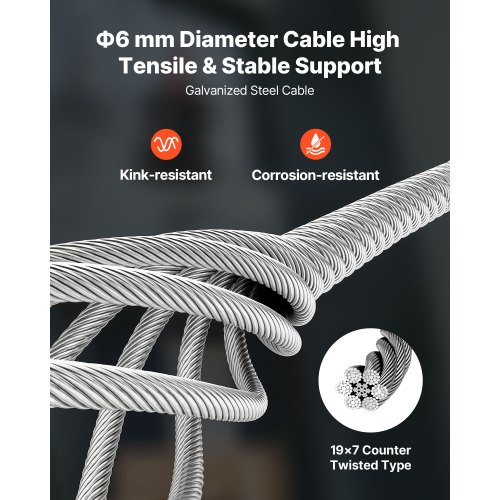
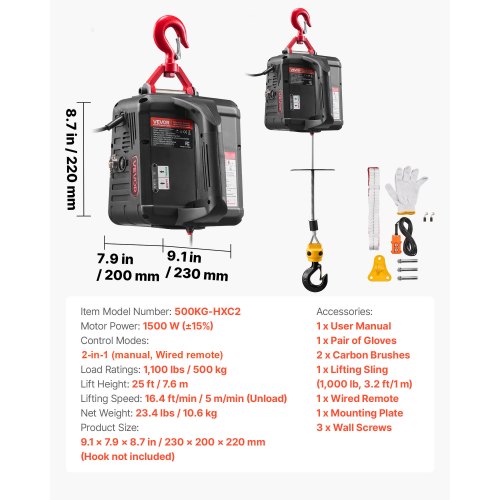
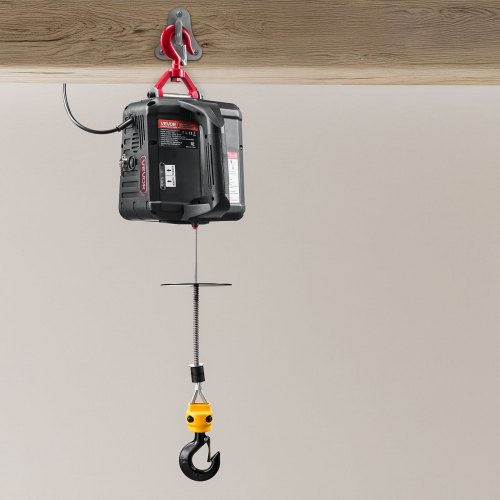
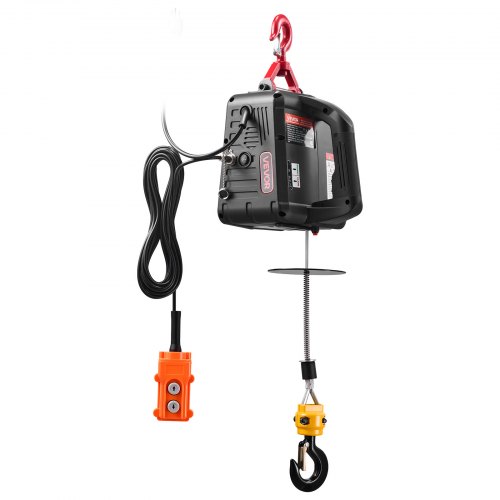
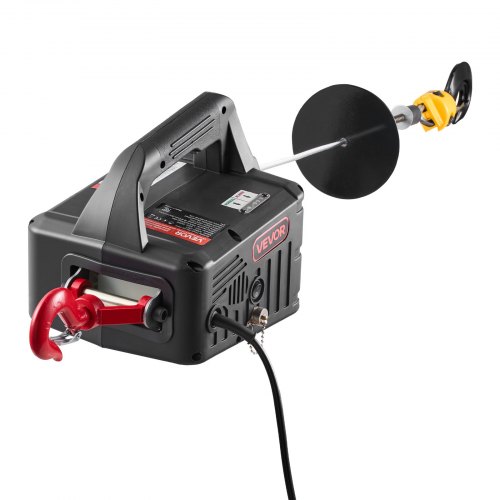
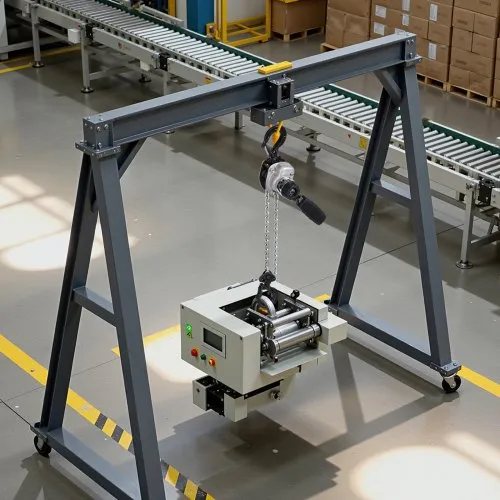
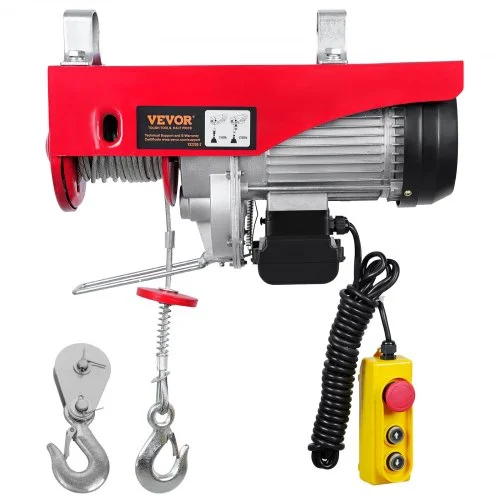
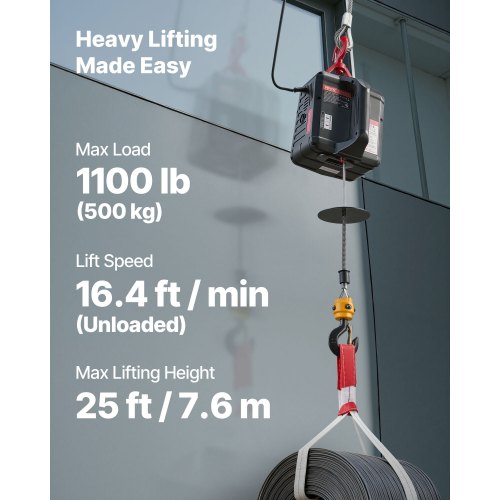
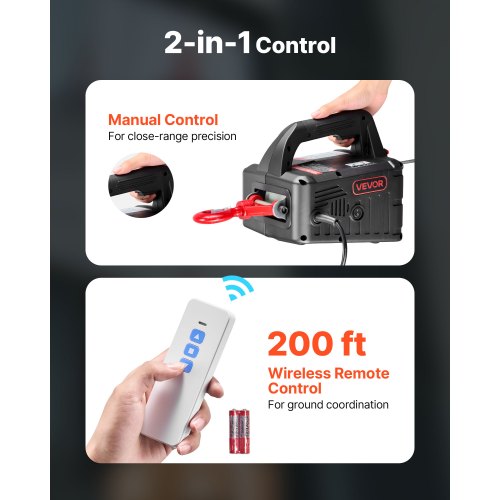
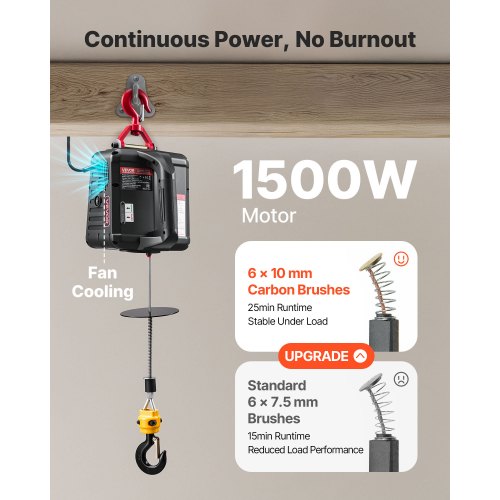
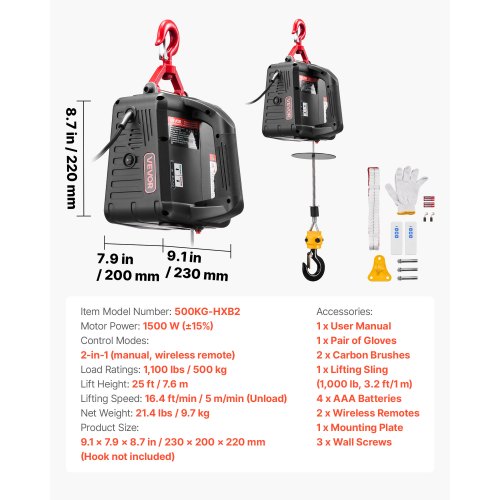
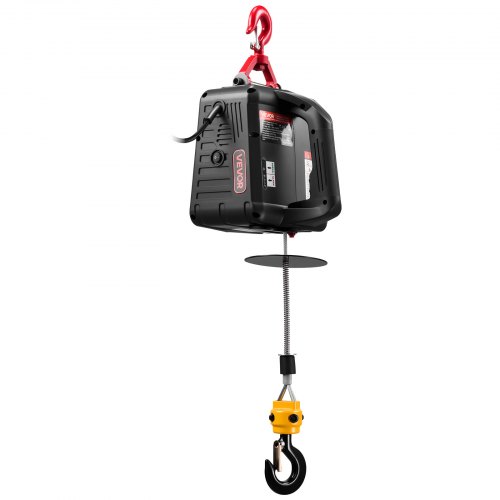
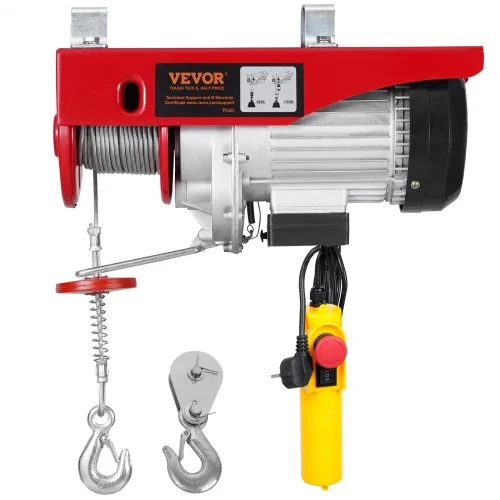
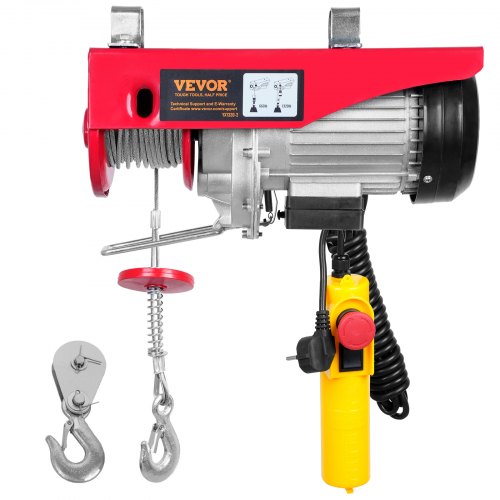
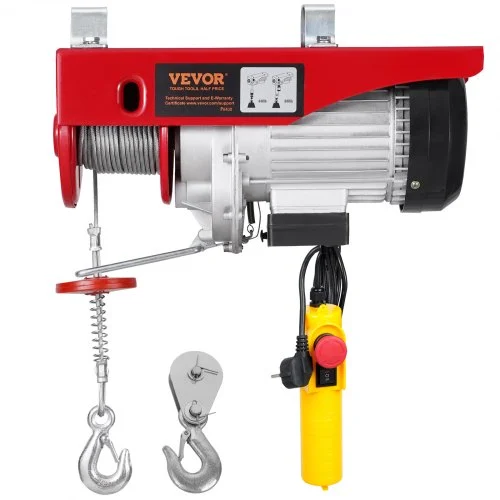
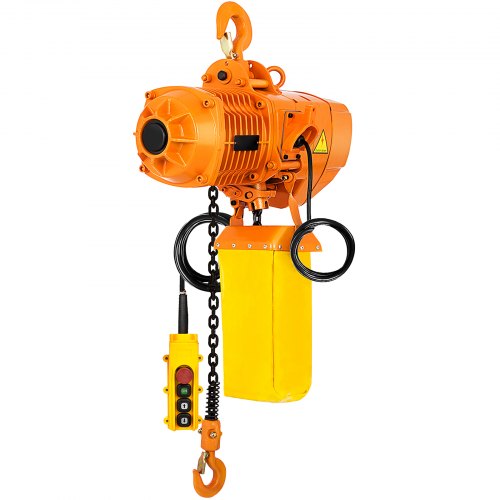
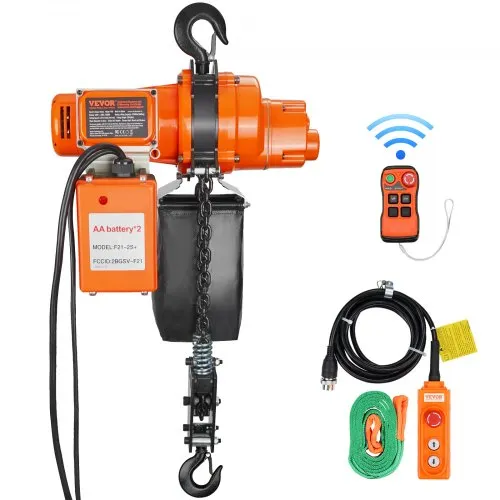
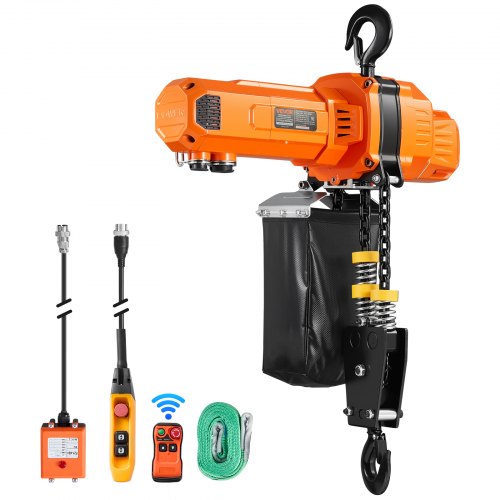
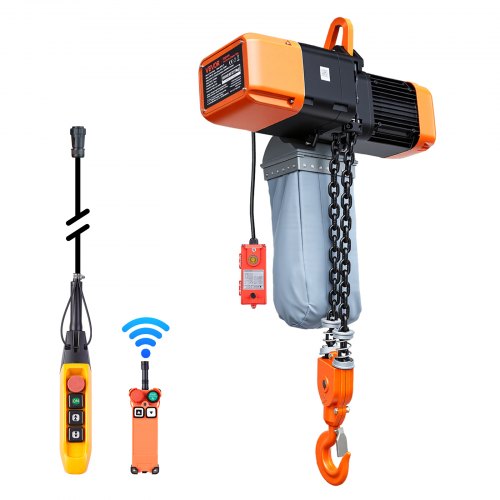
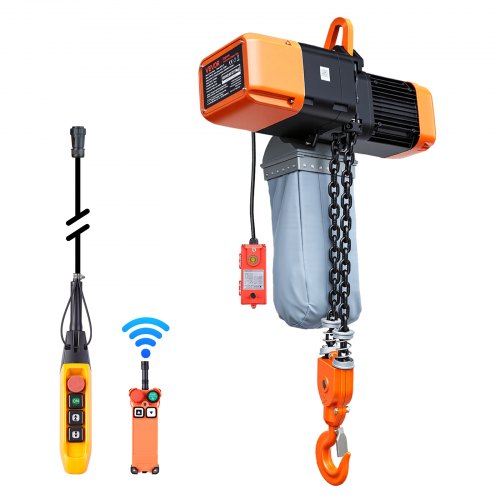
By using a motor to raise and lower loads at the touch of a button instead of manually turning a lever, electric chain hoists eliminate manual labor. Shops that do many lifts throughout the day often use VEVOR's electric chain hoists because their motorized operation saves time and reduces physical strain compared with manual alternatives. Similar principles underlie electric cable hoists, which some users prefer for smoother operation on certain loads because they use wire rope rather than chain.
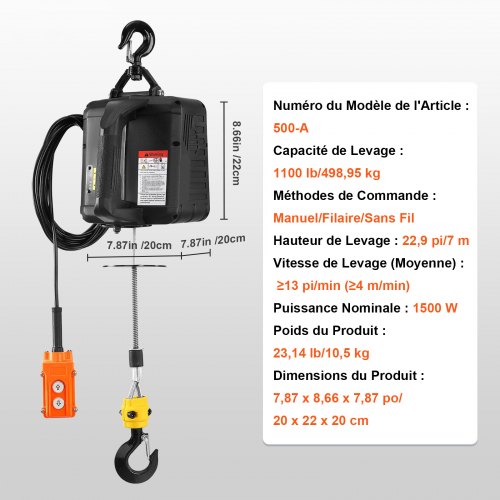
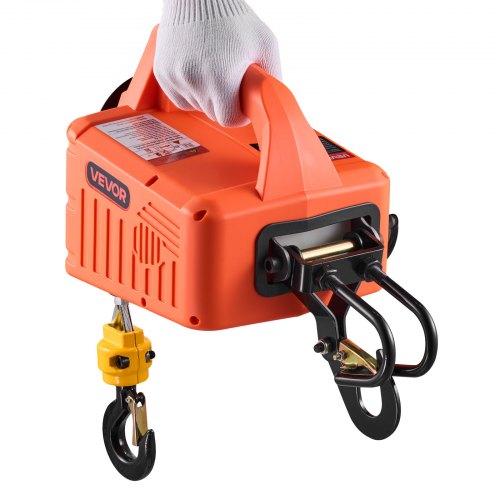
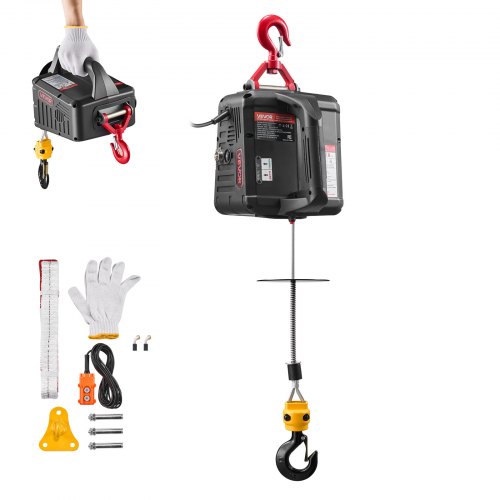
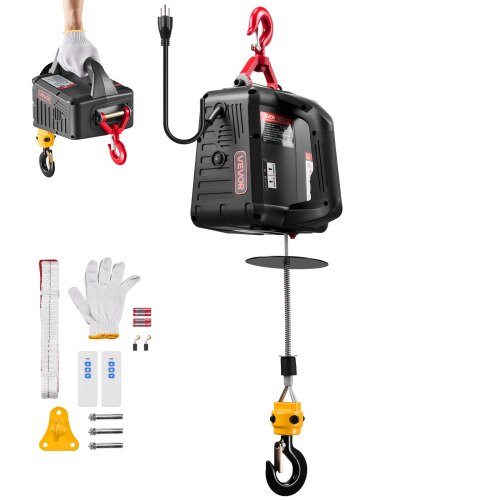
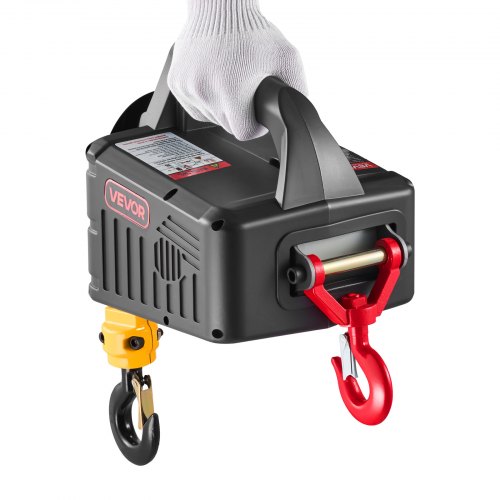
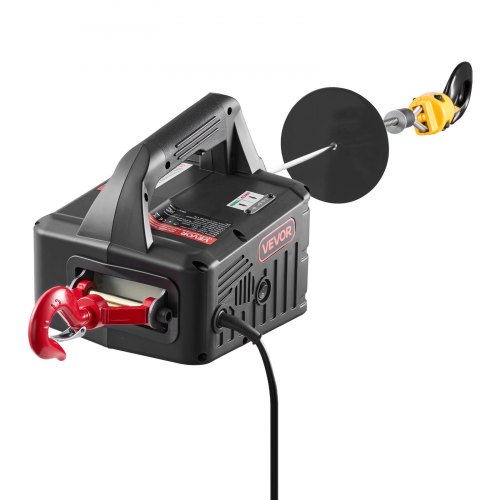
Portable power electric hoists further improve convenience by letting you place lifting power wherever it's needed, rather than being limited to a single permanent mounting location. This matters in shops where lifting happens across multiple bays or locations because a portable unit adapts to the job rather than requiring the job to come to a fixed hoist. The investment in electric hoisting usually pays off quickly through shorter labor times if your shop frequently raises engines, transmissions, or other large components.
Manual Lever Hoists and Manual Gear Chain Hoists for Budget-Friendly Lifting
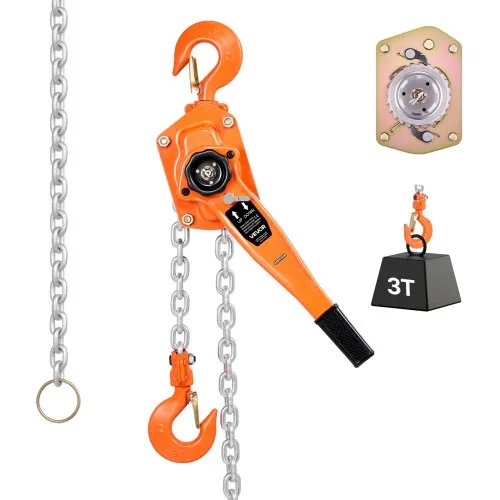
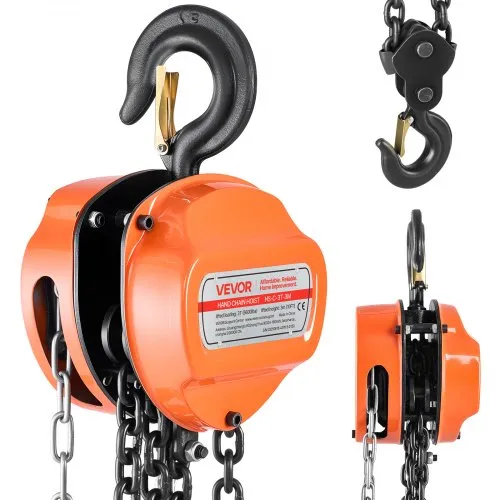
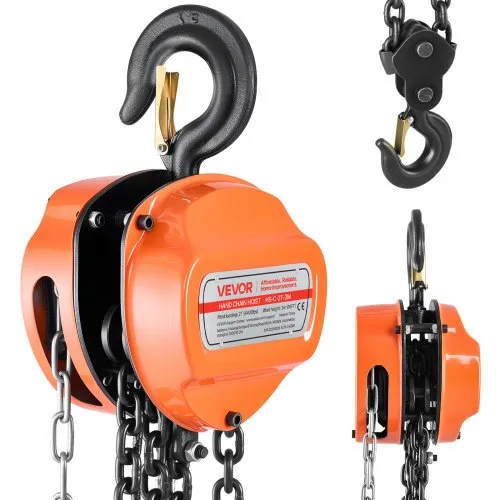
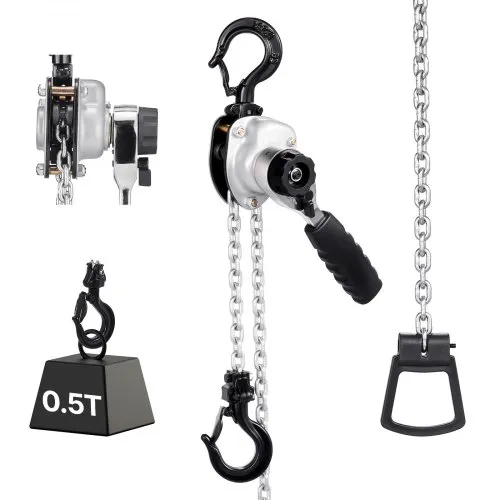
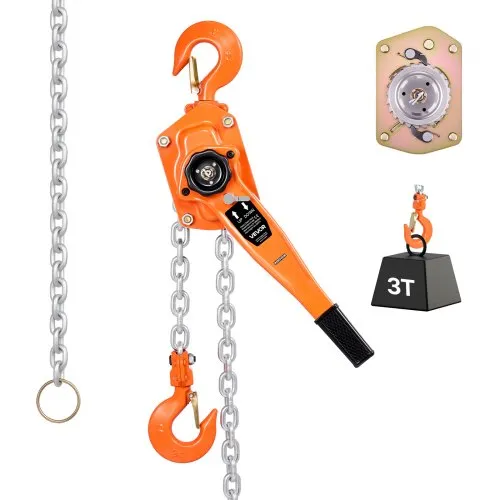
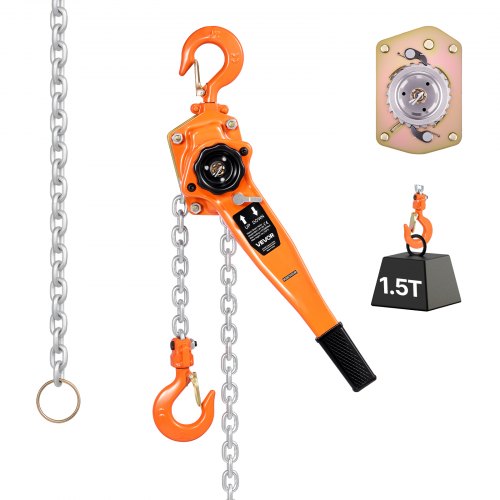
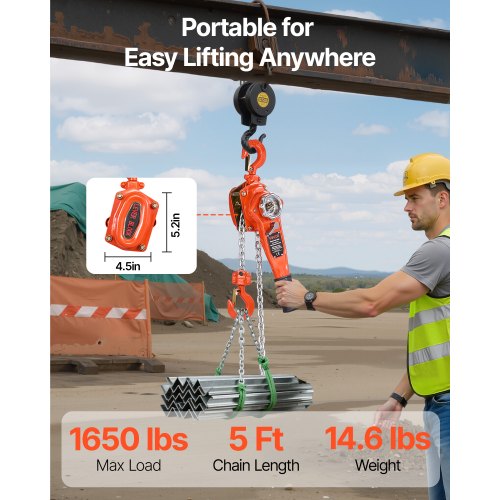
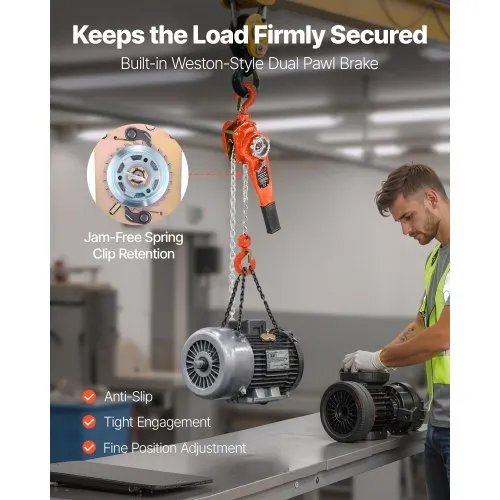
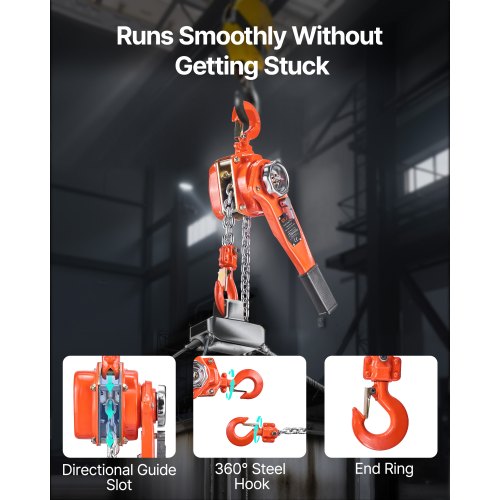
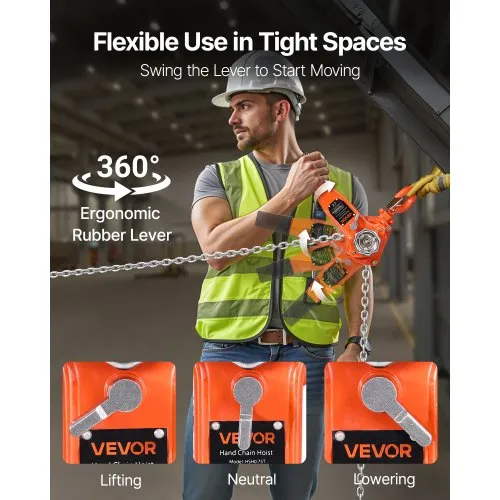
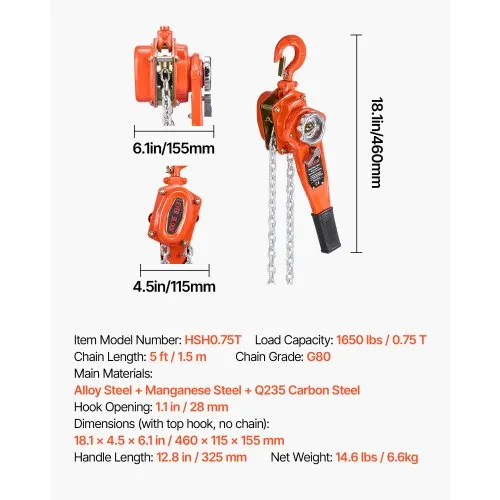
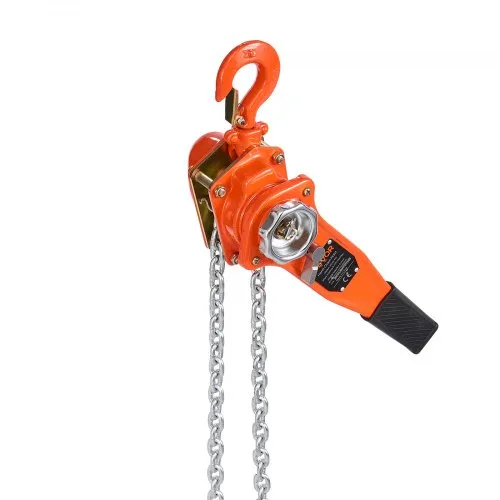
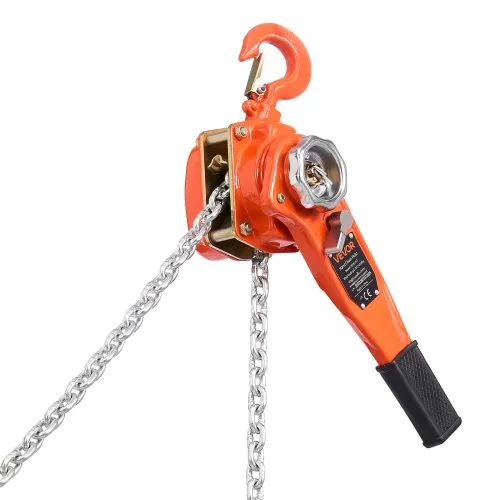
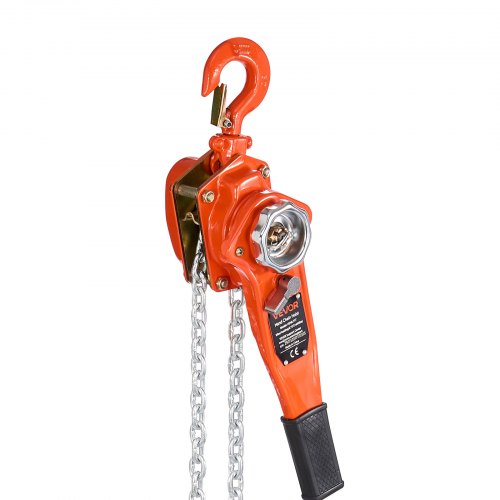
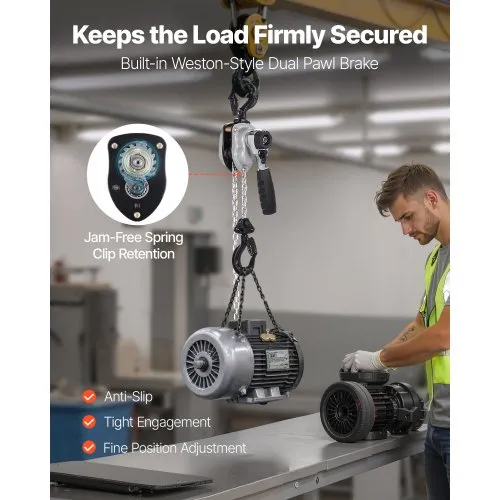
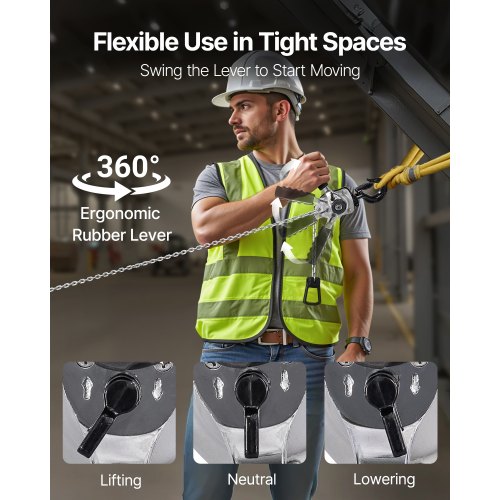
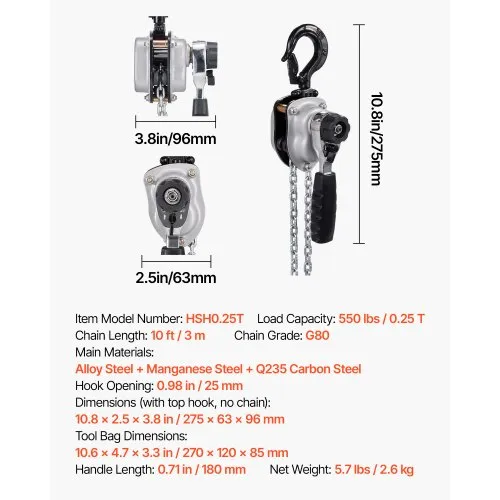
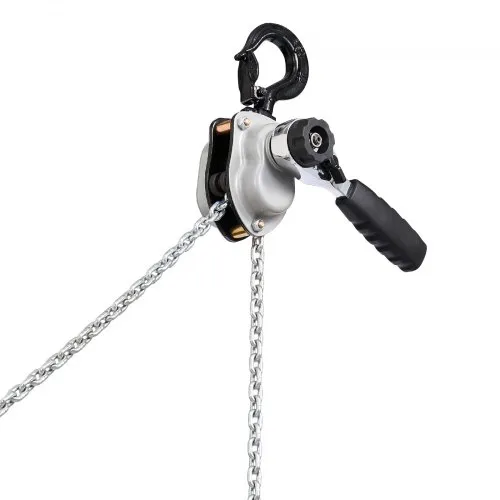
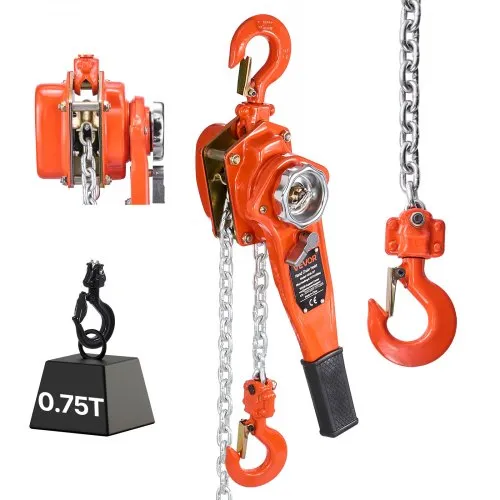
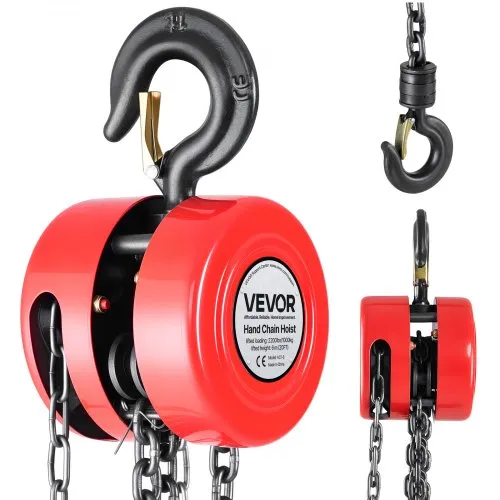
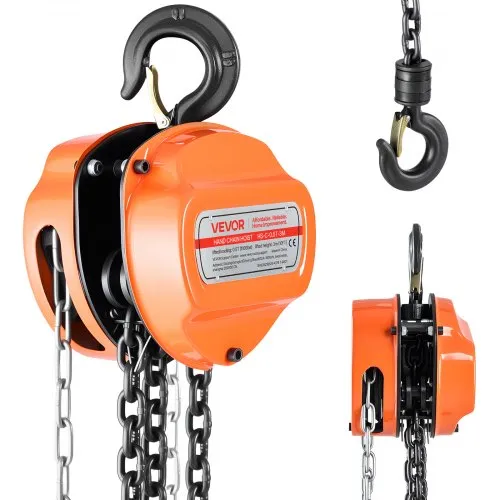
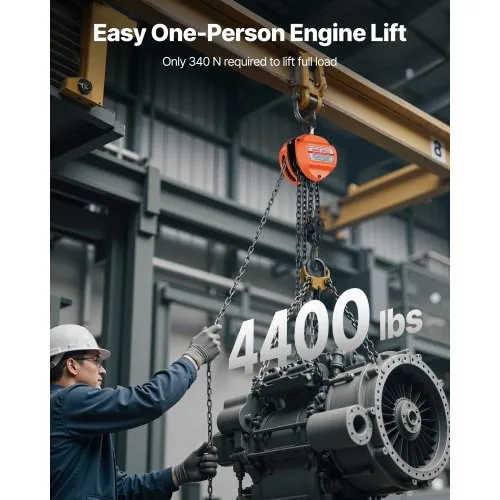
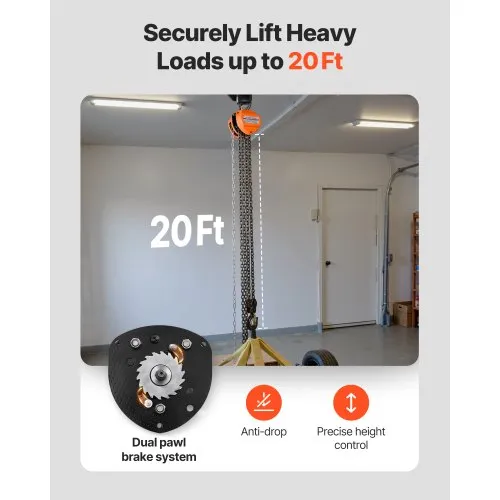
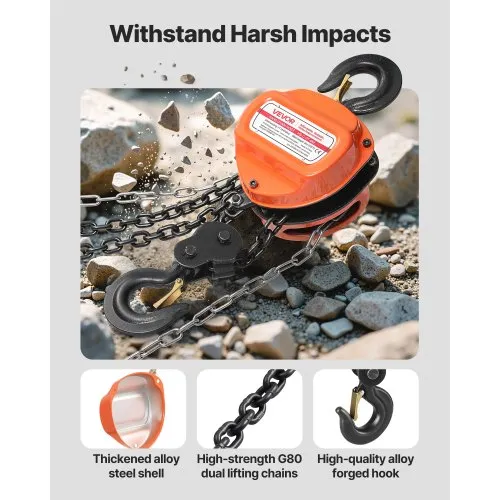
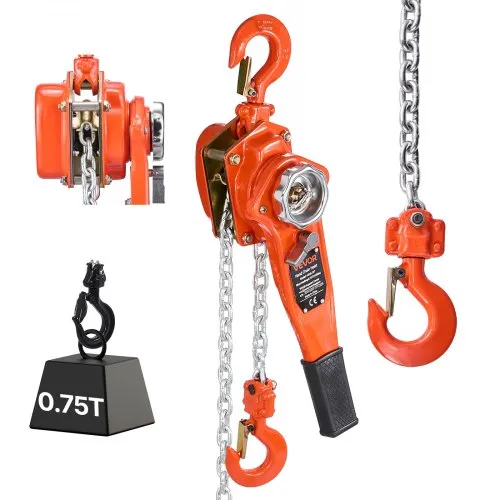
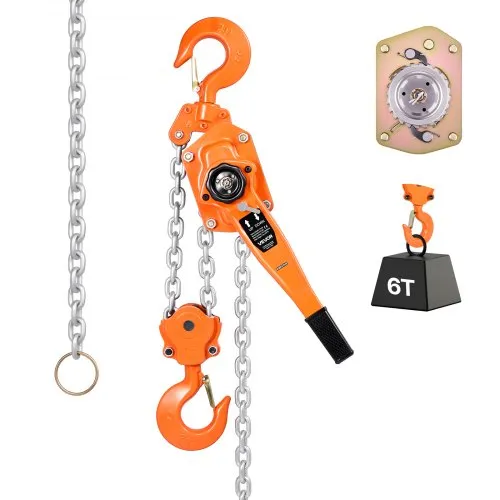
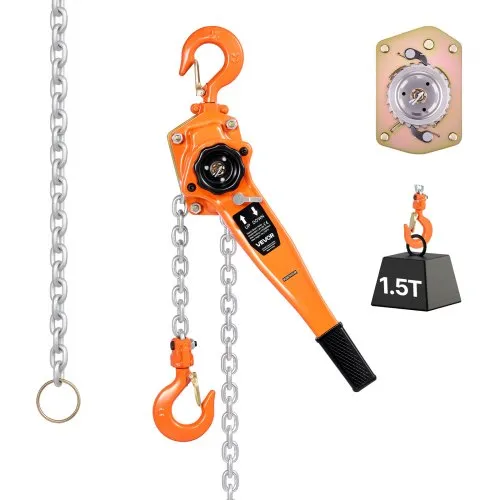
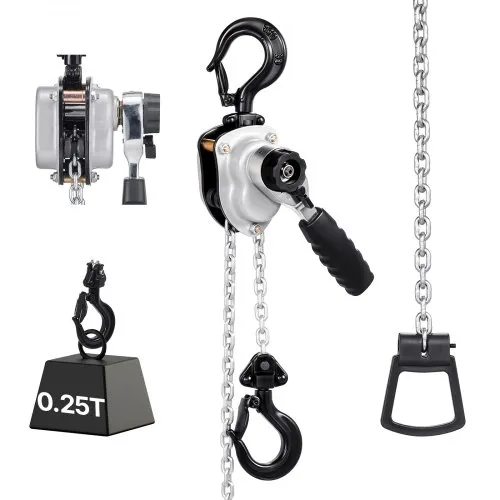
Not every shop needs powered lifting, and manual lever hoists remain a dependable, reasonably priced choice for occasional use. By ratcheting a chain via a lever mechanism, these engine hoists provide you with a mechanical advantage that allows you to raise loads much heavier than you could with just your hands. Because VEVOR's manual lever hoists are small and power-free, you can use them in remote areas or as a backup when electric hoists aren't feasible.
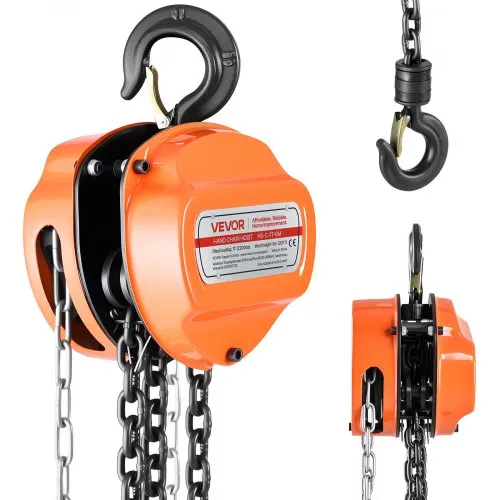
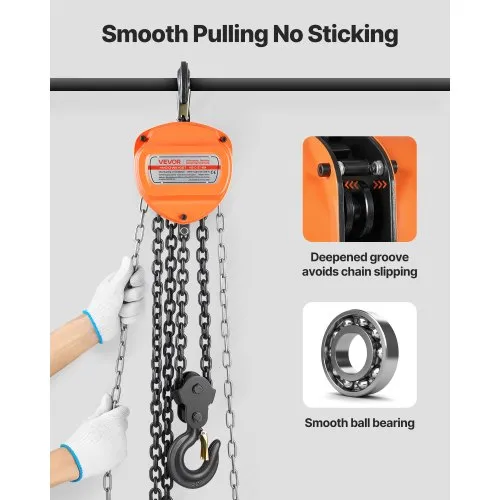
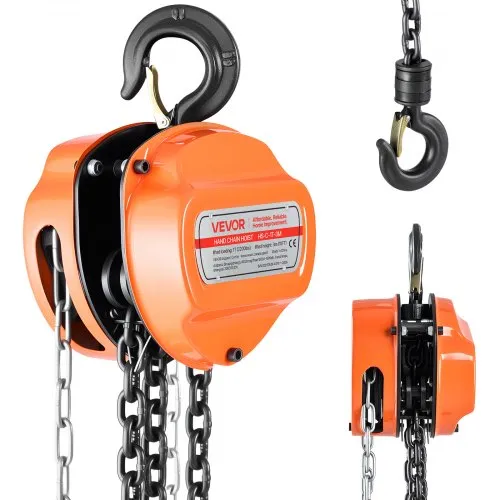
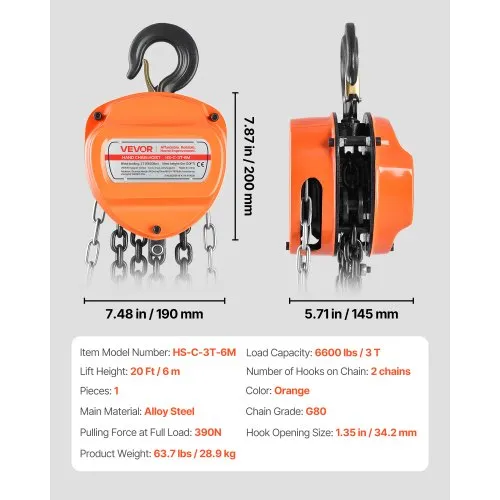
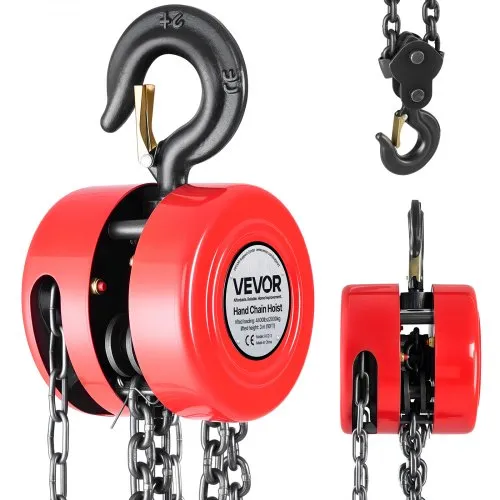
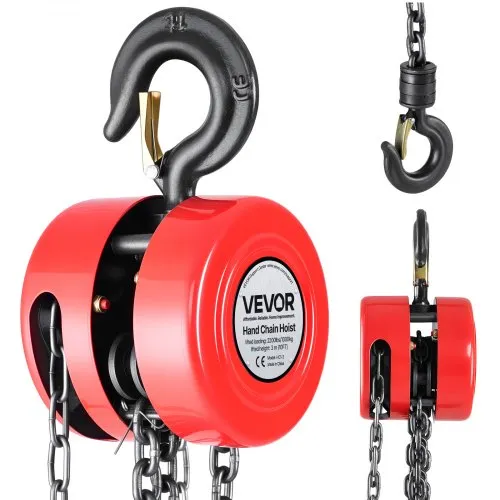
Manual gear chain hoists are better suited for vertical lifts where steady, incremental control matters more than speed; they're similar in function to lever-arm hoists and usually use a hand chain and gear system. Both are great for home garages and small shops that only pull engines a few times a year, since they are less expensive than electric hoists when you don't need a motorized investment. They are also lighter and easier to store than the powered alternatives.
Winches for Pulling, Positioning, and Heavy-Duty Recovery
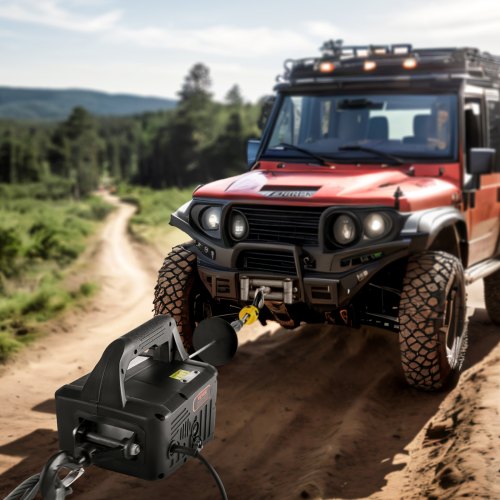
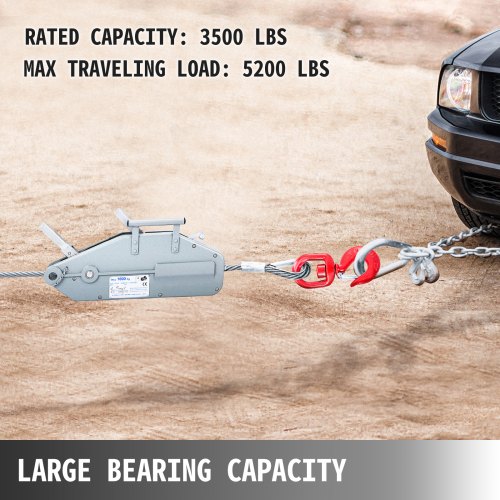
Although many shops use them with hoists to position heavy components during a task, winches serve a different but related function from engine hoists. They typically pull items horizontally rather than lift them vertically. These two pieces of equipment complement each other rather than being interchangeable, since a winch attached to a workbench or frame can help drag an engine into position before a hoist takes over the vertical lift. VEVOR winches handle everything from light shop chores to more demanding recovery work.
For shops that do engine removals and the occasional vehicle recovery or heavy positioning job, pairing a winch with a dedicated engine motor hoist gives you more flexibility than a hoist alone. Also, choose the right capacity. A winch that is too small for the load can put unnecessary strain on the cable and motor. Seek a model with a safety margin and sufficient rated capacity to manage your heaviest expected load so it can deliver reliably through repeated heavy-duty use.
Power Source and Portability: Getting Engine Hoists to Fit Your Shop
Beyond equipment type, a hoist's power and ease of movement in your workplace significantly affect its everyday usability.
Manual vs Electric Power Source for Engine Hoists
Depending on how frequently you lift and how much physical effort you wish to put into each pull, you can choose between manual and electric power. For residential garages or shops with infrequent lifting needs, manual engine hoists, including lever and gear chain models, are more affordable up front and don't require an electrical hookup. Time and effort add up because it takes much longer to manually ratchet up a large engine than to use an electric hoist that can do the same task at the touch of a button.
In shops where lifting happens often throughout the week, electric-powered engine hoists and hoisting equipment excel because of their speed and reduced physical strain over time. With the speed advantage of electric power and the flexibility to move as tasks change, portable electric hoists are designed specifically for shops that need motorized lifting without a permanent fixed installation. Since electric solutions cost more but can pay for themselves in busy establishments, consider your actual lift frequency before deciding.
Portability, Rigging Accessories, and Storage Considerations
If your garage serves as parking or general storage between projects, a folding engine crane that collapses for storage should be your top priority, since a constantly deployed hoist takes up space you might need for other things. VEVOR's portable motor hoist alternatives let you raise it for a lift and fold it down again when the task is finished, instead of dedicating permanent floor space to equipment used only occasionally.
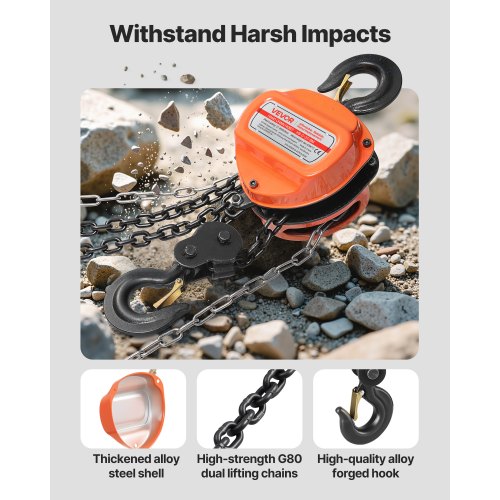
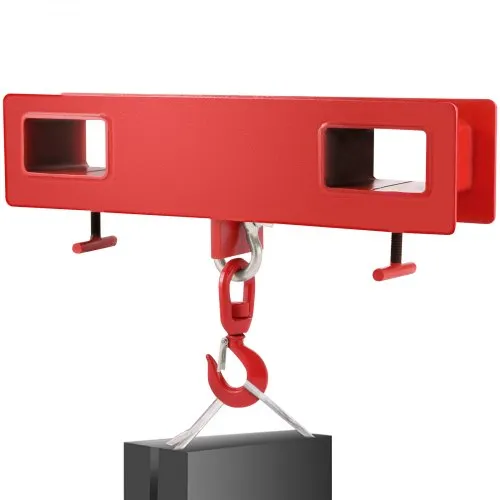
When budgeting for engine hoists, don't overlook rigging slings and accessories, which complete a lifting system along with chain slings and hoisting hooks. Because the sling or chain that connects the hoist to the engine has a capacity rating that must match or exceed your lift weight, a hoist without correct rigging is only half the equipment you actually need. The lifting system as a whole, not just the hoist, is kept safe by making sure your hooks, slings, and chain attachments are rated properly for the same tonnage as your hoist.
Why Choose VEVOR Engine Hoists?
Both home garages and full-service shops can benefit from VEVOR's engine hoists, which range from foldable engine cranes and electric chain hoists to manual lever hoists and full rigging accessories, all without the exorbitant prices other companies charge for the same lift capability. You are protected long after the purchase thanks to the reliable after-sales support that comes with every hoist. End hiring equipment for each engine pull. Get the ideal lifting arrangement for your shop by perusing VEVOR's selection of engine hoists.
FAQs
For a V6 or V8 engine, what capacity engine hoist do I need?
Most V6 and V8 engines weigh between 1 and 1.5 tons. For added safety, get a 2-ton engine hoist, particularly if you're lifting the gearbox next to the engine.
For a home garage, is an electric or manual hoist preferable?
Manual lever hoists are cheaper and suit sporadic residential use. If you frequently lift engines or desire a quicker, less physically taxing job, electric chain hoists make more sense.
Is it possible for a folding engine crane to have the same capacity as a stationary one?
Folding cranes can match stationary capacity specifications. Since this varies by model, check the exact tonnage rating instead of assuming portability reduces lift capacity.
What equipment is required for rigging an engine hoist?
A rated chain sling or lifting chain and hoisting hooks that match the tonnage of your hoist are the bare minimum. Even with a properly rated hoist, underrated rigging accessories pose a safety risk.