

Faux Stone Landscape Edging






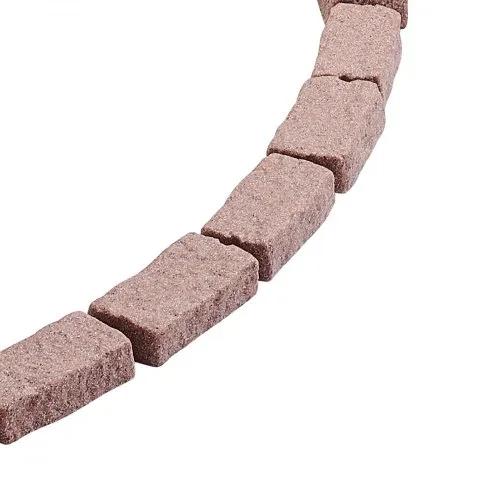


Results for Faux Stone Landscape Edging
Designed to create beautiful, low-maintenance borders that replicate the look of natural stone without the weight, higher cost, or complex installation, VEVOR offers high-quality faux stone landscape edging. We offer a wide variety of realistic faux brick edging, adaptable faux rock edging, and realistic faux stone edging to transform average yards into expertly planned outdoor areas. VEVOR addresses most common landscaping situations, whether you are defining garden beds, establishing border lines, or separating lawn from mulch. DIY homeowners and commercial landscapers seeking long-lasting, aesthetically pleasing edging solutions can more easily achieve professional-looking landscape definition thanks to VEVOR's UV-resistant materials and realistic textures.
VEVOR Faux Stone Landscape Edging for Professional-Looking Garden Borders
Do you want to create visually appealing borders around your lawn, garden beds, or paths that are resistant to rot, shifting, and frequent maintenance? VEVOR offers realistic landscape edging faux stone alternatives that closely resemble the appearance of stone or brick. Our edging solves the fundamental problem of achieving neat, professional landscape definition that helps maintain its appearance season after season without the cost and effort of traditional masonry work, whether you are building curved flower bed borders or ornamental tree rings.
Style Options & Installation Method: Creating Your Perfect Landscape Design
Understanding the various aesthetic styles, color variants, and installation methods is important when choosing faux stone landscape edging to ensure stable, long-lasting borders and a seamless integration with your current landscape.
Design Styles and Aesthetic Variations
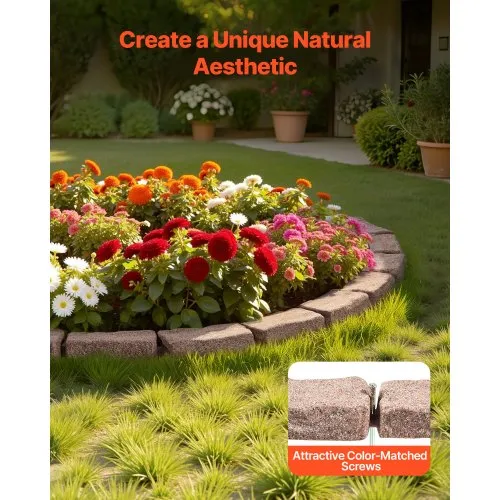
The way your faux stone edging for landscaping complements your house's architecture and the landscape elements already there depends on the style you choose. The rough surfaces, variable proportions, and organic color changes of natural stone mimic designs, creating realistic-looking borders that are difficult to distinguish from genuine stone at typical viewing distances. These designs resemble the appearances of fieldstone, river rock, or stacked slate. These designs work well with rustic architecture ideas that emphasize natural materials, cottage gardens, and wooded landscapes. Red clay brick textures, weathered antique brick finishes, or clean modern brick styles offer options that match a variety of architectural periods. Faux brick edging offers consistent, geometric patterns ideal for formal gardens, colonial-style homes, or landscapes where matching existing brick hardscaping creates visual continuity.
For modern houses or commercial establishments seeking enhanced curb appeal, ledge stone and stacked stone designs provide a contemporary, upscale appearance with horizontal stacking that suggests professionally placed dry-stack walls. For naturalistic settings, xeriscape designs, or properties surrounded by natural rock outcroppings where a smooth integration with the underlying geology is important, VEVOR offers faux rock edging in the form of boulders with large, rounded profiles. To mimic the natural color diversity of stone, color palettes span warm earth tones (tans, browns, and terra cottas) to cold grays and charcoals to multi-toned blends that include beiges, grays, and delicate rust highlights.
Interlocking Systems and Modular Connections
The installation technique strongly influences long-term performance, border stability, and project ease. Male-female connection points, tabs and slots, or overlapping edges are aspects of interlocking faux stone landscape edging that produce smooth junctions between sections without any gaps, misalignment, or obvious separation. Even on sloping ground, where gravity may otherwise cause shifting, these connection mechanisms ensure that borders maintain a constant height and alignment. Modular panel designs, which are usually 24 to 48 inches long, provide for versatile layout planning. You can use individual sections for short flower beds and tree rings, or combine multiple panels for long, straight runs along sidewalks or roadways.
Premium VEVOR kits come with corner pieces and end caps that allow for polished termination points, and 90-degree turns that look professional without clumsy cutting or exposed raw edges. With the help of advanced systems, raised beds and terraced gardens can have double- or triple-height borders without the need for extra support structures, thanks to the ability of numerous edging pieces to lock together vertically. With pre-drilled holes or built-in stake channels, stake-based anchoring systems take in ground stakes (often included) that pierce the soil and secure edging in place, preventing settling, lawnmower impacts, and frost heave that beset unanchored borders.
Ground Preparation and Leveling Techniques
Your faux rock edging will either stay level or develop unattractive dips and rises over time, depending on how well you prepare the ground. Mark the border path first with a garden hose or landscape paint, making sure that straight sections run parallel to buildings or property lines and curves flow organically. Along the designated line, dig a shallow trench that is two to three inches deep and slightly wider than the base of your edging material. This trench allows for partial burying, which increases stability and gives the impression that stones are growing out of the ground rather than sitting on top. After clearing the trench bottom of grass, roots, and debris, add 1-2 inches of leveling sand or stone dust, then press it firmly to create a stable, even base that will not settle.
To guarantee constant depth along straight lengths, use a string line and level; for curved sections, use a flexible level. Deeper trenches and more staking on slopes minimize movement during heavy rains or freeze-thaw cycles, making this preparation especially crucial on sloped properties where gravity can drive downhill migration. Although this method reduces future repositioning flexibility and might not meet certain HOA natural appearance requirements, construction glue forms permanent bonding between edging and substrate for installations on existing hardscape or compacted surfaces where excavation is not feasible.
Curved Installation and Flexible Borders
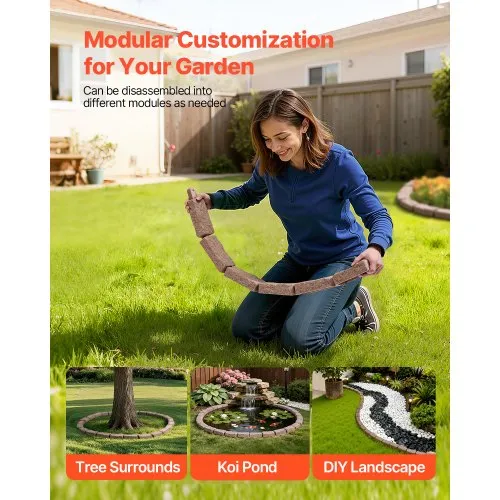
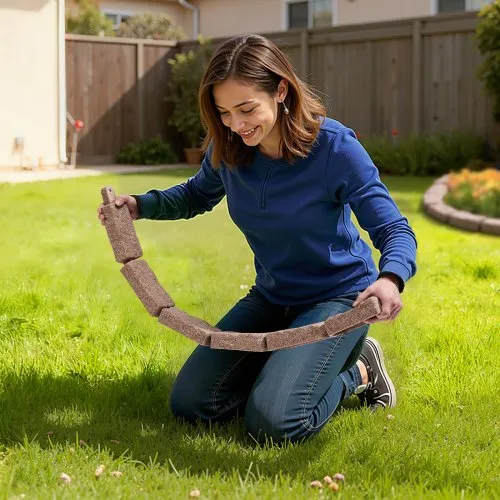
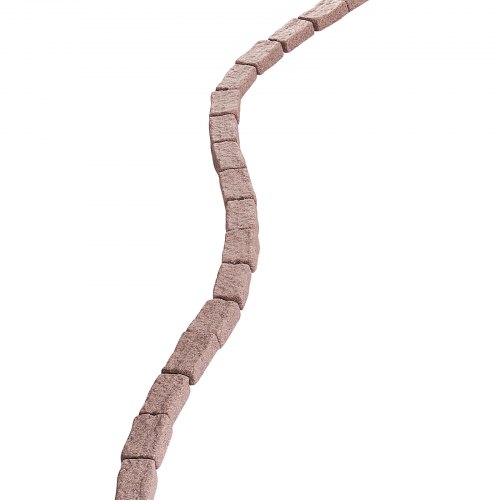
Curved boundaries distinguish professional installations from amateur ones. Flexible features allow for organic walkway edges, flowing garden borders, and smooth curves around circular flower beds without abrupt angles or spaces between portions in high-quality landscape edging faux stone. To accommodate the majority of residential landscape curves, flexible edging materials can bend to radii as small as 3 to 4 feet. Cutting separate sections to shorter lengths permits sharper turns while preserving the integrity of the connection for tighter bends. For example, a 48-inch section divided into three 16-inch sections may negotiate far tighter radii than a full-length panel.
Before staking, place loose edging parts along the planned course for curved installations. Then, modify the curves until the flow is both visually appealing and natural. Use landscape paint to mark locations, then permanently install portions beginning at a predetermined reference point, such as a pathway crossing or a structure corner. Since smaller units naturally follow curved courses better than long panels with large stone representations, VEVOR faux brick edging with tiny individual brick parts produces very realistic curves. Alternate the curve direction gradually for serpentine or kidney-shaped beds, rather than making sudden reversals that look artificial or forced.
Durability & Height, Ensuring Long Term Performance
Making sure that the materials you choose for your faux stone landscape edging are weatherproof and that the heights you choose complement your landscape scale and care procedures will help your edging last as long as possible.
Material Composition and Weather Resistance
The durability of faux stone edging for landscaping over years of exposure to sunlight, extreme temperatures, and moisture cycles depends on the material's quality. The premium VEVOR products' high-density polyethylene (HDPE) and polypropylene formulations are UV-resistant, preventing cheaper plastic edging from fading, becoming brittle, or splitting within 2 to 3 years. Quality indicators include manufacturer UV resistance ratings of 5 or more years and warranties that cover color fastness. UV inhibitors and stabilizers integrated within the material (not simply surface-applied) ensure color retention and flexibility even after decades of direct sunshine exposure.
Fiberglass-reinforced composites combine the strength of fiberglass to resist flexing, warping, or breaking from lawn mower impacts, wheelbarrow crossings, or unintentional foot traffic, with the weather resistance of plastic to provide remarkable durability. These composite materials can withstand temperatures ranging from -40°F to 140°F without breaking easily in the winter or softening in the summer, which would cause inferior products to droop or distort. Realistic stone textures, made by injection or rotational molding from actual stone masters, preserve minute details that do not deteriorate when exposed to soil, pressure washing, or freeze-thaw cycles. High-quality synthetic faux stone landscape edging requires no sealing, repointing, or repair of damaged parts throughout its service life, unlike natural stone, which may crack from frost, or concrete, which may spall from moisture intrusion.
Height Options and Functional Considerations
Edging height must strike a balance between practical needs for mowing clearance, mulch containment, and visual proportion and aesthetic choices. After installation, typical landscape faux stone edging heights range from 4 to 12 inches above ground. Profiles 6 to 8 inches tall are ideal for most residential applications. For formal gardens, where distinct borders divide lawn from planting beds without overpowering the eye, lower profiles (4-5 inches) provide delicate definition, keeping plants and flowers the major features. When property owners are concerned about tripping hazards or municipal rules limit border heights near pedestrian areas, these reduced heights are ideal for walkways and driveways. In addition to supporting standard mower decks, mid-range heights (6–8 inches) offer strong mulch containment.
After accounting for natural settling and annual replenishment, this height keeps 3–4 inches of mulch or decorative stone from migrating onto lawns during intense rainstorms or aggressive string trimming. Taller profiles (9–12 inches) work well for raised beds, produce striking visual effects in expansive landscapes, or support the thick mulch layers (6+ inches) needed for vegetable or xeriscaping gardens to retain moisture. On the other hand, tall gardens in tiny yards appear disproportionate and congested. Within each design style, VEVOR offers a range of heights, allowing you to choose proportions that suit your faux stone landscape edging scale, maintenance requirements, and functional containment needs without sacrificing visual authenticity.
Why Choose VEVOR Faux Stone Landscape Edging?
For a wide range of residential and commercial landscaping projects, VEVOR offers an extensive selection of faux stone landscape edging that combines realistic appearance, long-lasting construction, and exceptional pricing. Our selection includes premium faux stone edging for landscaping that transforms outdoor spaces with expert results, adaptable faux rock edging for naturalistic settings, and accurate faux brick edging for traditional designs. Everyone can now afford professional faux stone landscape edging borders thanks to VEVOR's affordable prices and UV-resistant materials. Discover what makes VEVOR unique: greater realism, long-lasting durability, and customer focused service and support. Buy today!
FAQs
How realistic does faux stone landscape edging look compared to real stone?
High-quality imitation stone edging features realistic color variations and surface details, with textures modeled from real stone. Premium VEVOR products offer better consistency, simpler installation, and lower prices than quarried materials, and they are indistinguishable from genuine stone at standard viewing distances.
Can I install faux brick edging on slopes or uneven terrain?
Yes, compared to many solid materials, faux edging adjusts to slopes more easily. Use more stakes on steep gradients, dig trenches that follow the slope's contour, and ensure interlocking connections stay tight. Flexible edging adapts to small ridges that would otherwise necessitate cutting concrete or stone.
How long does faux rock edging last outdoors?
When installed correctly, UV-stabilized HDPE and composite materials can resist significant degradation for approximately 15 to 25 years. To prevent fading and brittleness, VEVOR products incorporate UV inhibitors throughout their materials. In contrast to wood edging, which needs to be replaced every five to seven years, expect decades of maintenance-free performance.
