Gas Heaters















































































Results for Gas Heaters
A gas heater burns a liquid or gaseous fuel to produce heat directly at the point of use, rather than drawing power from a mains circuit. A unit combines a burner, a fuel supply from a tank or cylinder, an ignition system and a shutoff safety device, and either blows heated air through a fan or radiates heat from a hot surface. It differs from an electric heater, which needs a plug or a hardwired circuit and produces no combustion byproducts, so it requires no ventilation.
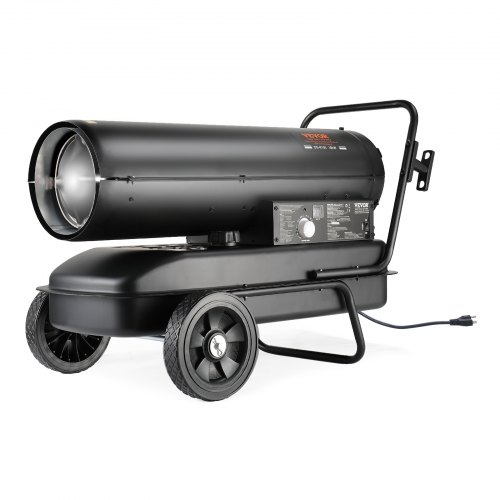
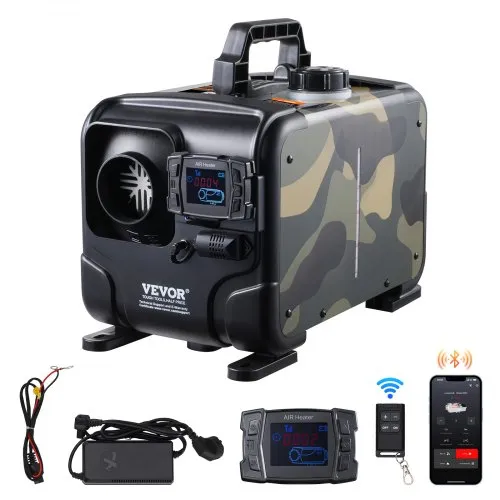
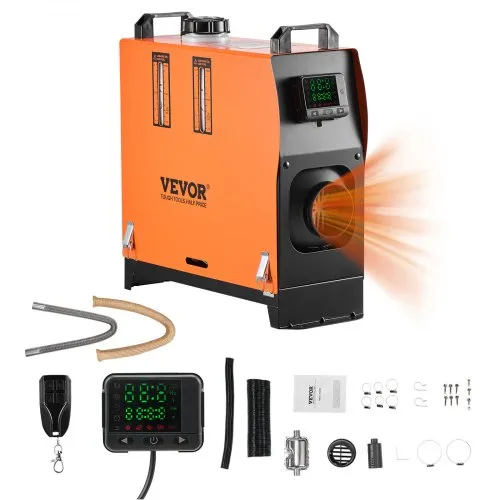
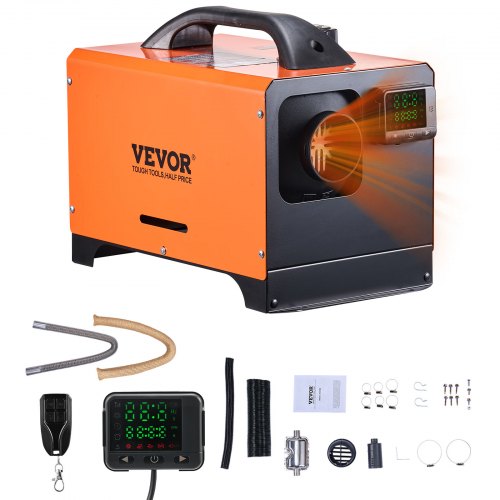
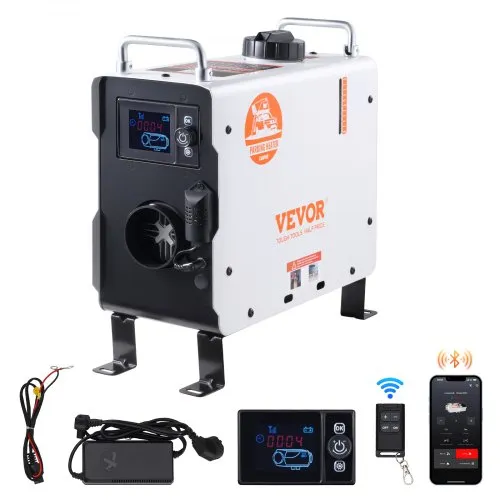
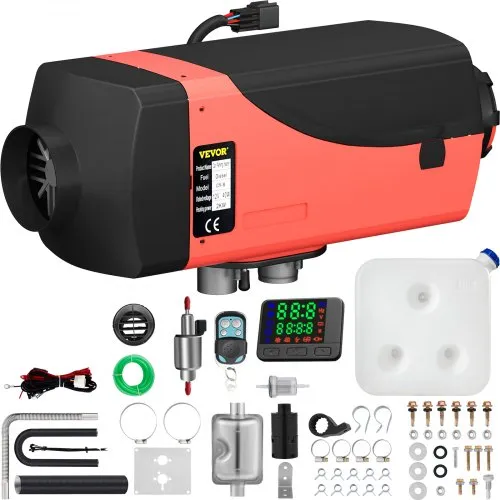
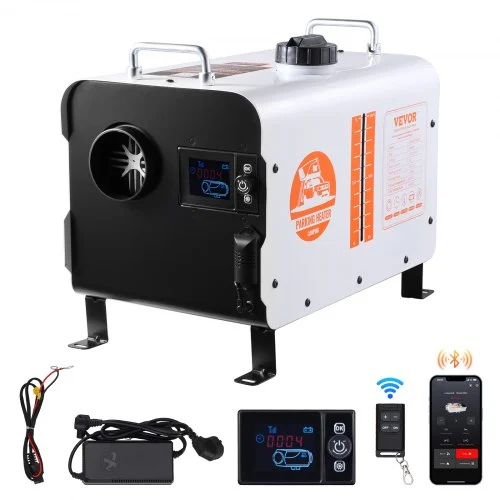
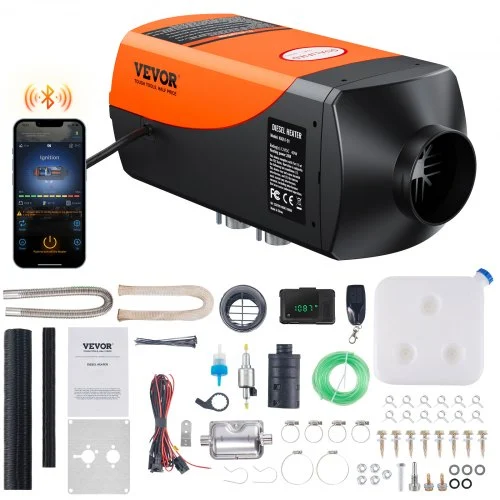
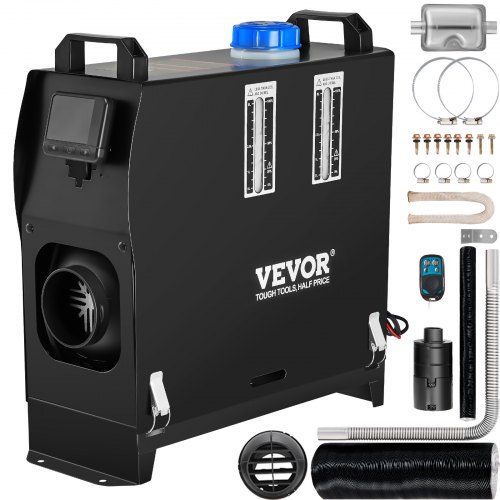
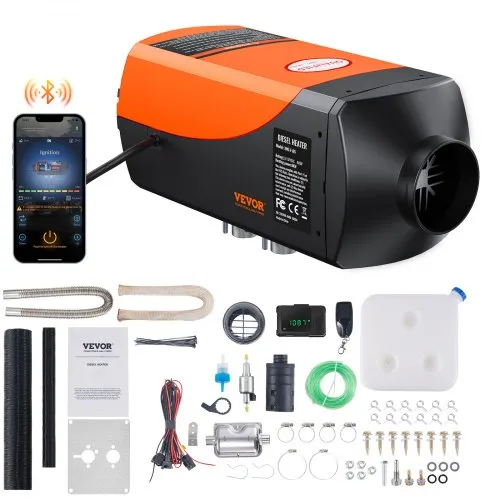
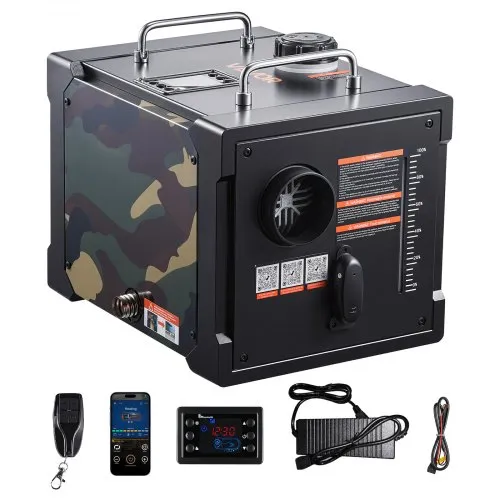
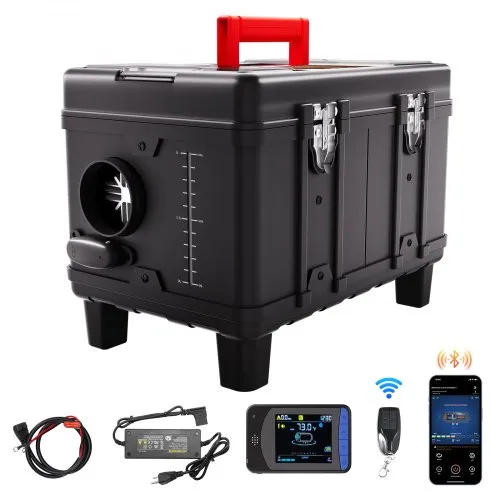
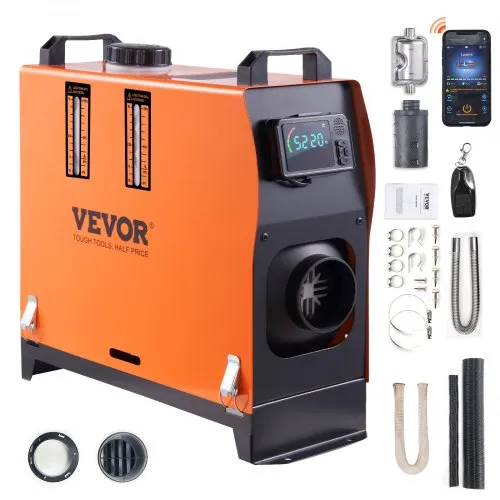
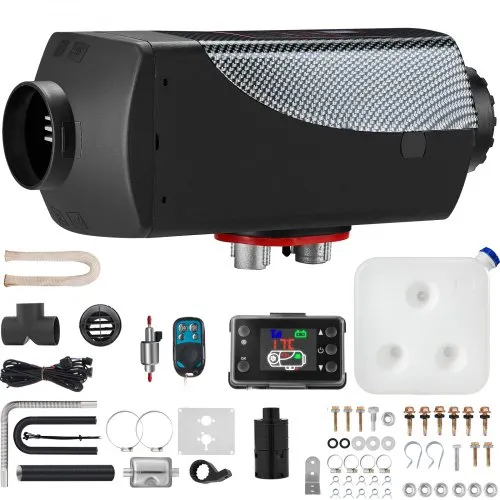
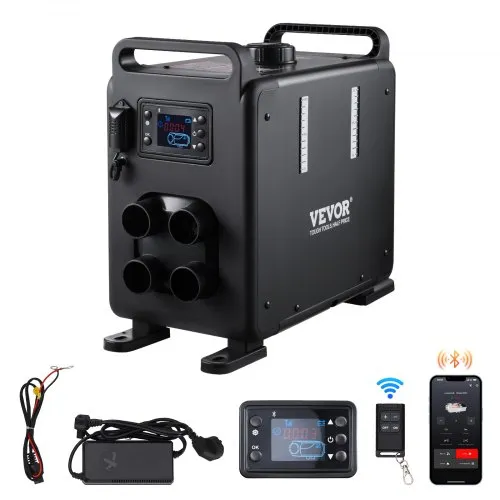
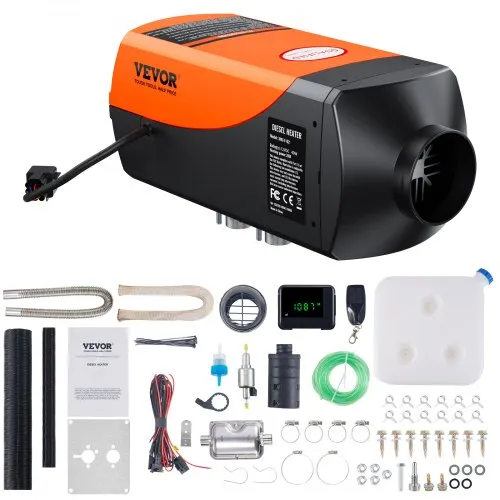
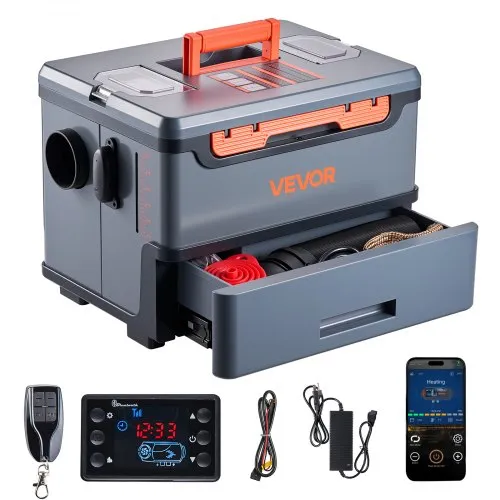
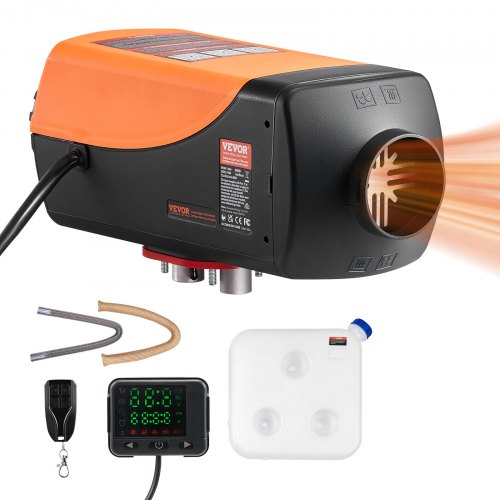
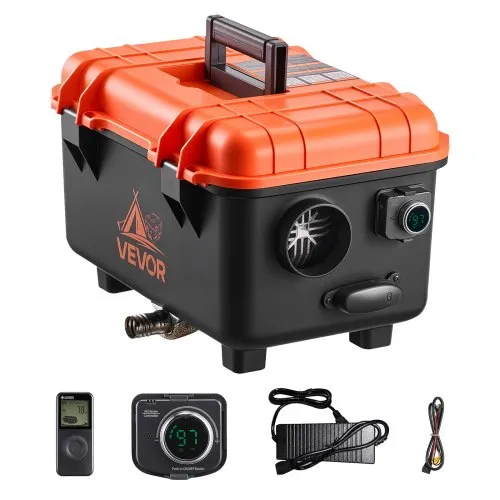
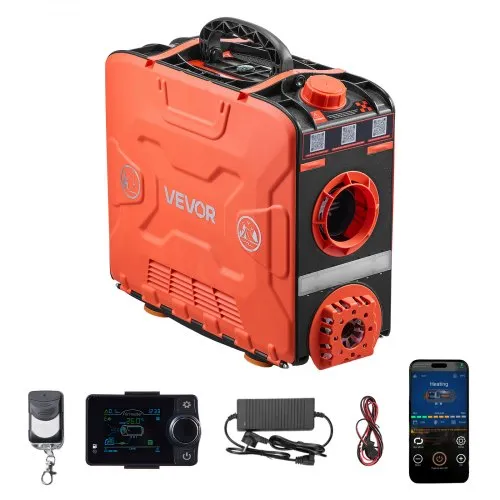
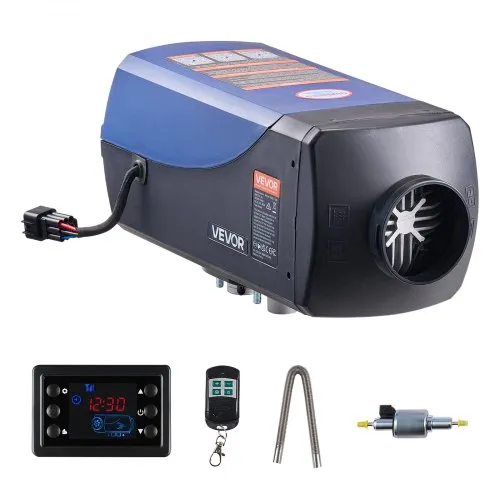
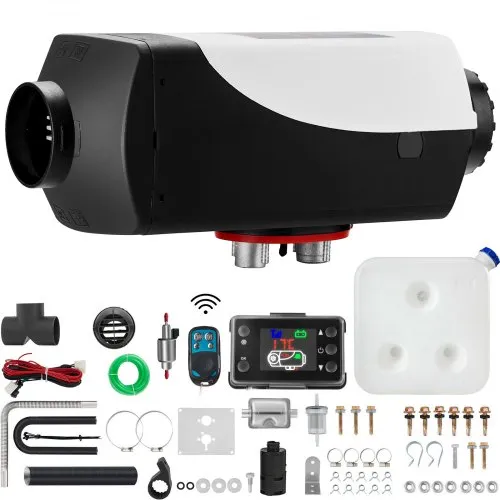
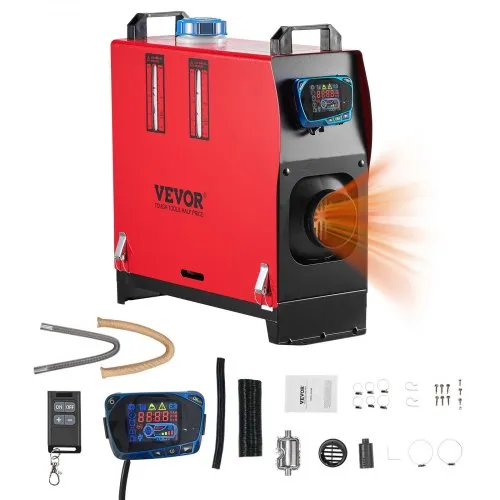
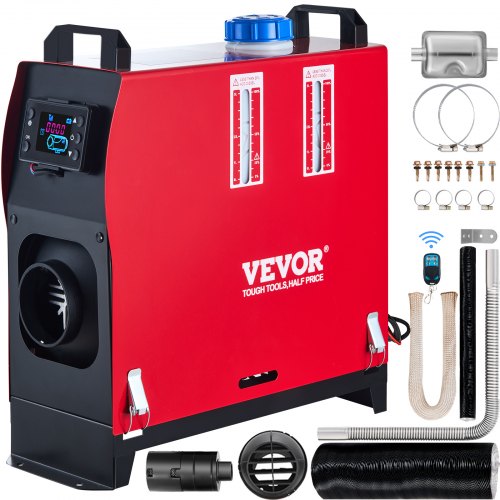
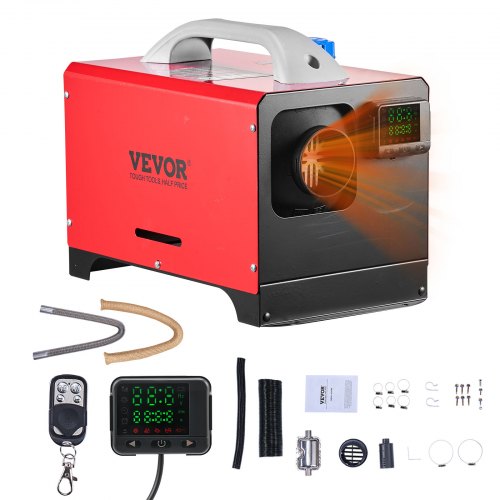
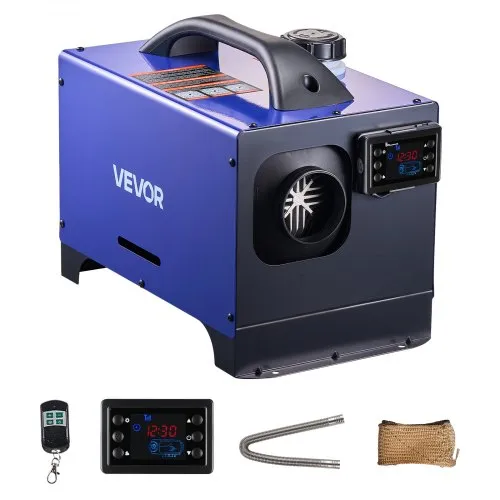
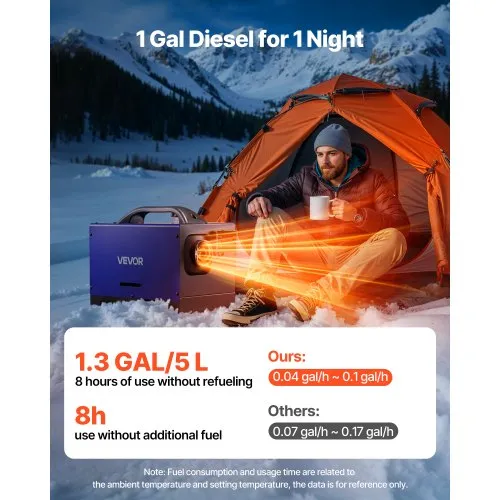
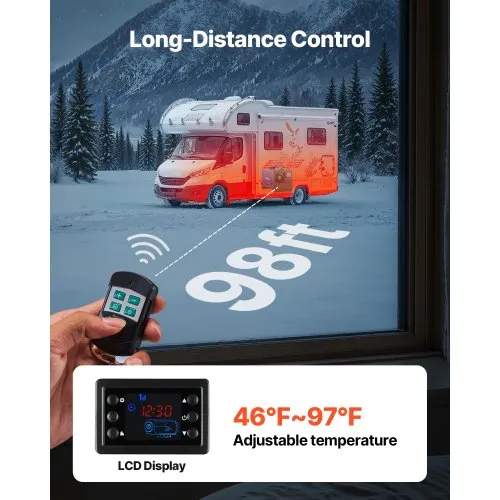
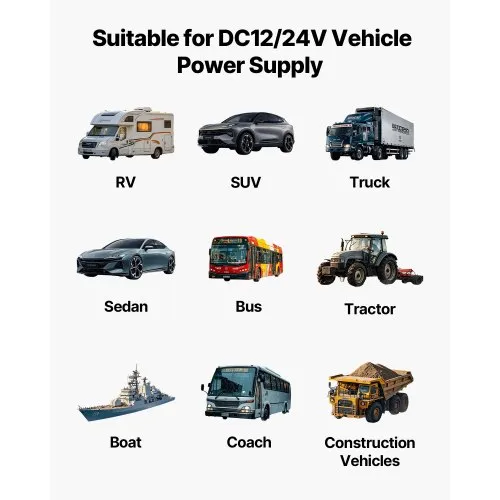
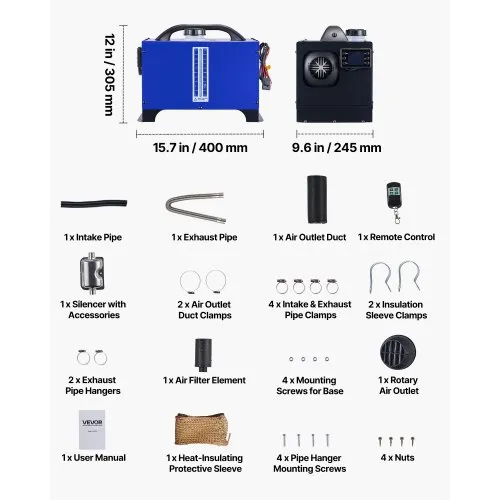
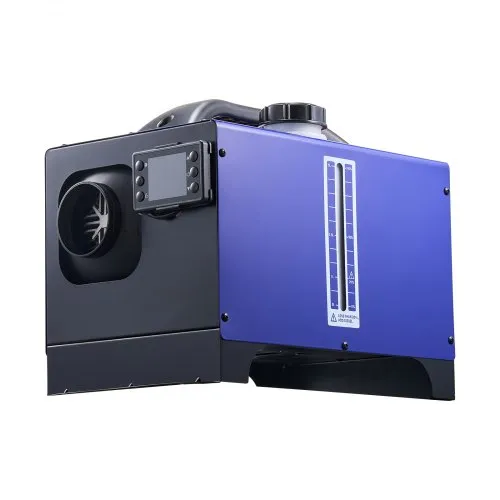
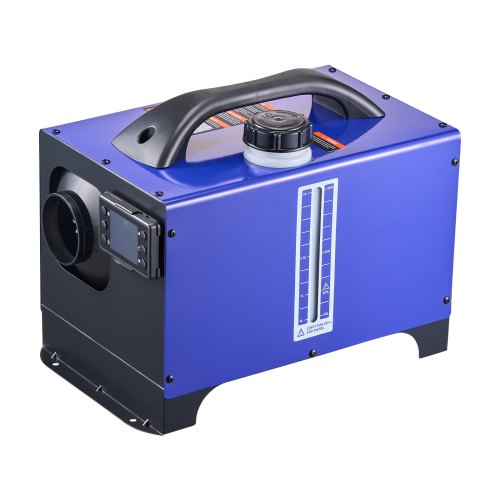
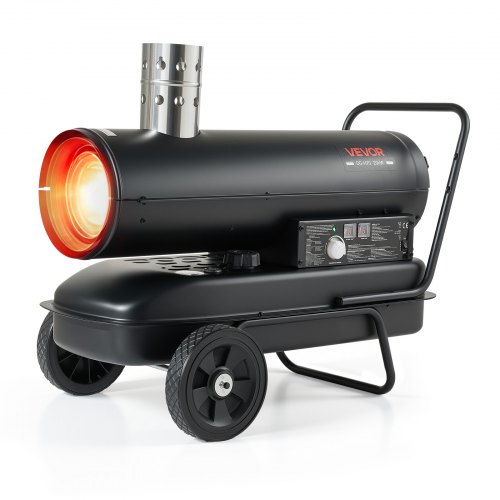
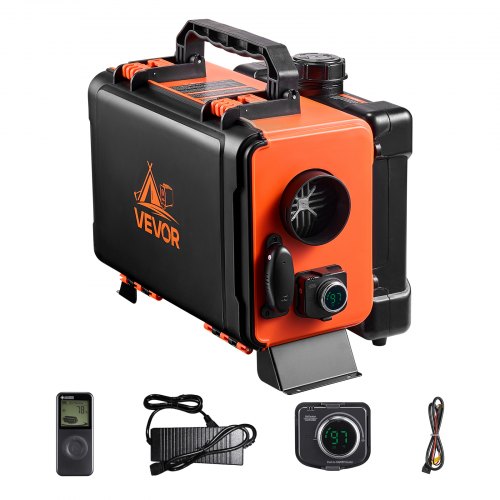
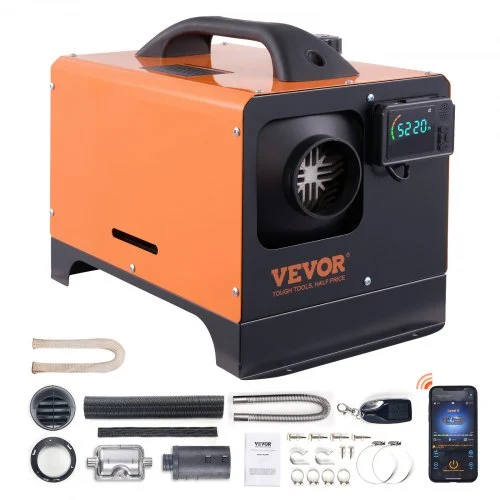
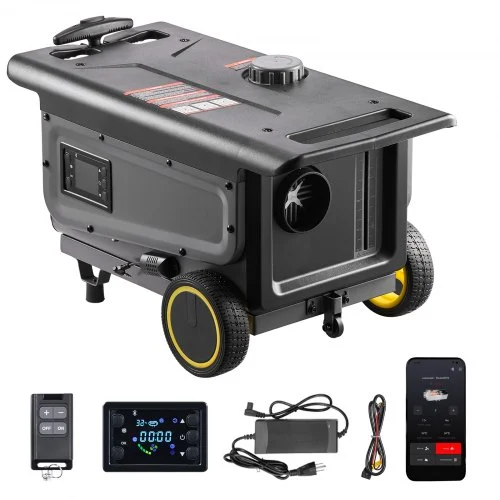
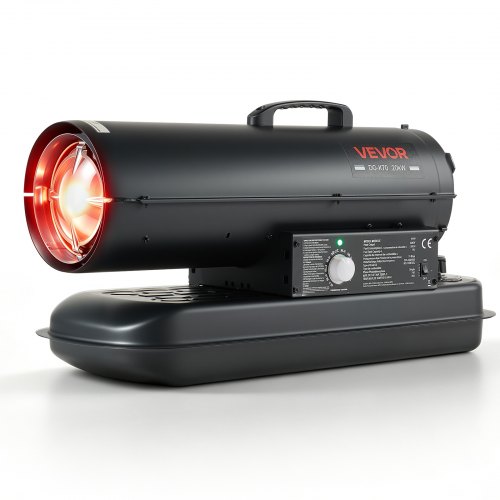
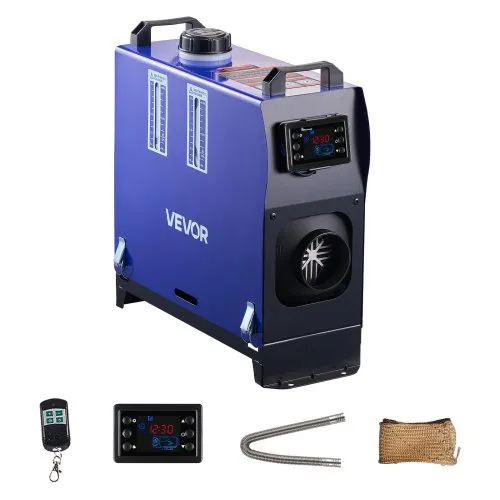
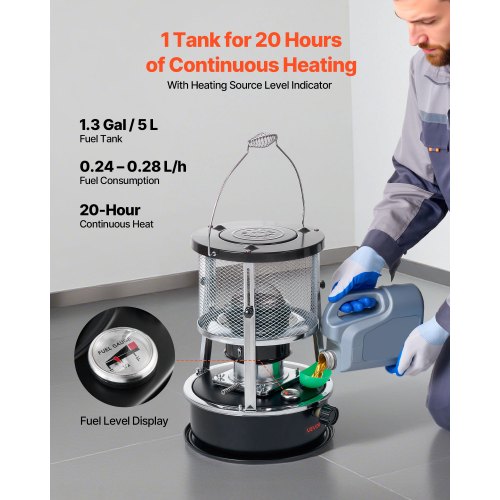
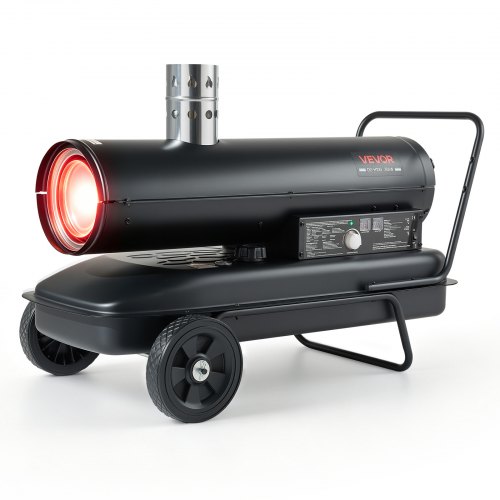
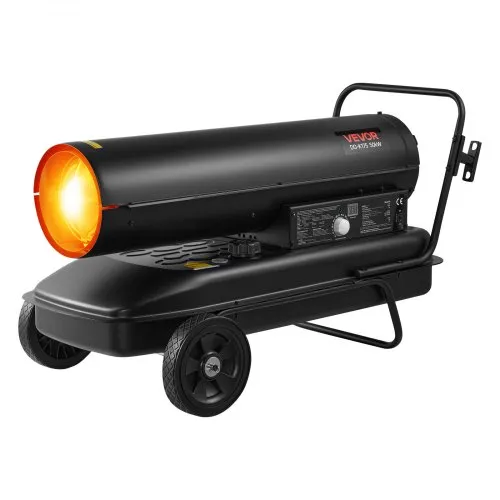
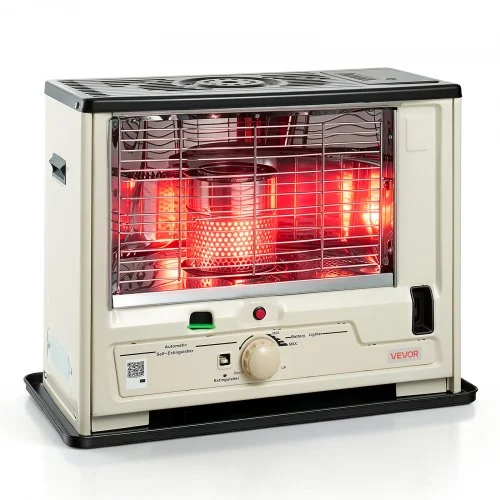
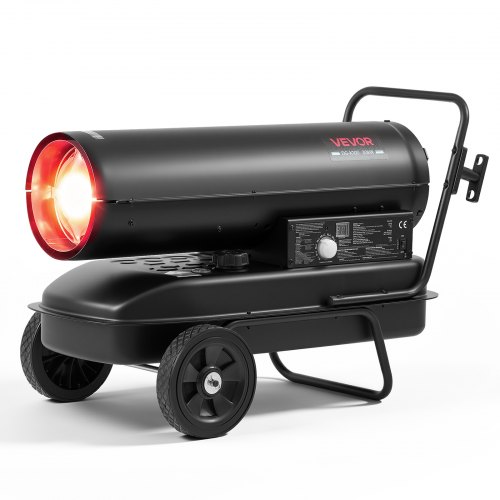
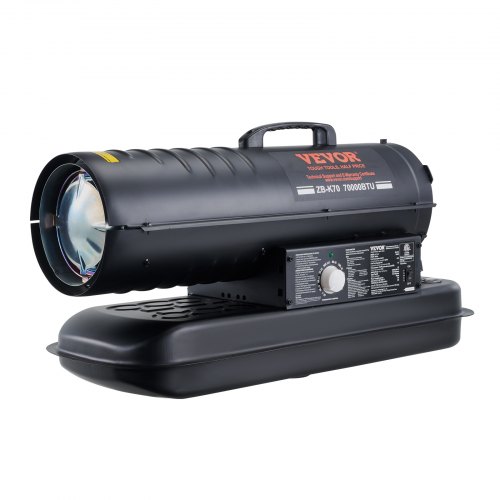
VEVOR splits the range into three fuels. Diesel heaters are 2 to 8 kW air heaters running on 12 or 24 V DC with fuel tanks from 1.1 to 2.6 gallons, most with Bluetooth app control, remote, LCD and a CO alarm. Kerosene heaters run from a 9,000 BTU cordless radiant stove up to 215,000 BTU forced-air torpedo units with thermostats and 5 to 13.2 gallon tanks. Propane heaters cover 30,000 and 42,000 BTU infrared tank-top burners and 60,000 to 125,000 BTU forced-air barrel heaters. Typical uses are RVs, vans, trucks and boats, garages and workshops, construction sites, and outdoor work such as ice fishing and hunting.
Four things decide what you need:
- Output: allow roughly 20 BTU per square foot, adding 20 to 30 percent for poor insulation or high ceilings.
- Fuel access: diesel suits vehicles, kerosene suits off-grid sites, propane suits cylinder-fed outdoor work.
- Ventilation: every fuel-burning heater needs airflow, and sealed rooms need an oxygen depletion sensor.
- Mounting: under-bunk in a vehicle, carried by handle, or wheeled for the largest torpedo units.
Browse the full gas heater range to match fuel and output, or step up to the wider space heaters category.
Gas Heater Types at a Glance
| Fuel Type | Output Range | Fuel Supply | Best For |
|---|---|---|---|
| Diesel air heater | 2 to 8 kW | 1.1 to 2.6 gal tank, 12 or 24 V DC | RVs, vans, trucks and boats with no mains power |
| Kerosene radiant | 9,000 to 10,000 BTU | Wick-fed reservoir, no electricity | Power outages, camping and drafty semi-open spaces |
| Kerosene forced air | 45,000 to 215,000 BTU | 5 to 13.2 gal tank with thermostat | Construction sites, warehouses and large open workshops |
| Propane tank-top | 30,000 to 42,000 BTU | Direct cylinder mount | Ice fishing, hunting and outdoor work sites |
| Propane forced air | 60,000 to 125,000 BTU | Cylinder-fed barrel heater | Garages and job sites needing stepless temperature control |
VEVOR Gas Heaters: Powerful Fuel-Based Heating Solutions for Indoor and Outdoor Use
Are you looking for a reliable gas heater for your warehouse, garage, job site, or outdoor meeting area? VEVOR gas heaters offer high BTU output, multi-fuel versatility, and durable portability to meet the most demanding heating needs. VEVOR has the ideal heating solution, designed to keep you warm whether you are fighting winter in a workshop or keeping a construction crew warm on-site.
Understanding Fuel Types and Heat Output for Gas Heaters
Knowing what fuel a gas heater uses and how much heat it can actually provide is the first step in selecting the best one. BTU values directly affect how quickly and efficiently a heater warms your room, and different fuel kinds are suitable for different situations.
Propane Heaters: Clean-Burning and Versatile
With good reason, propane heaters are among the most widely used gas heaters available. Propane is a popular choice for garages, patios, camping excursions, and temporary workstations because it burns cleanly, produces little soot, and is readily available at hardware stores. VEVOR propane heaters come in a wide range of BTUs, from high-output 60,000+ BTU models that can heat large open rooms or commercial job sites to compact 10,000 BTU units that are perfect for small enclosed spaces.
Propane's mobility is one of its main practical benefits. The majority of VEVOR propane heater models connect to conventional 1 lb. or 20 lb. cylinders, allowing users flexibility based on the size and length of heating required. Propane tanks are also convenient to transport. There is a propane model that is suitable for the task, whether you are heating a 200-square-foot garage or a 1,500-square-foot building site.
Propane is a dependable fuel source during the severe winter months, when heating demands are at their peak, because it performs well in frigid temperatures. VEVOR propane heaters deliver performance and convenience in a compact, sturdy design for contractors, homeowners, and outdoor workers who need consistent, on-demand heat with minimal setup time.
Diesel Heaters: High-Efficiency Performance for Large Spaces
When continuous, high-output heating is needed in off-grid settings, industrial workshops, big warehouses, and truck cabins, diesel heaters are a strong option. When operating a heater for extended periods, diesel fuel's remarkable energy density enables diesel heaters to produce more heat per gallon than many other fuel sources.
With their sturdy burner assemblies, cutting-edge fuel pumps, and steel housings that withstand harsh operating conditions, VEVOR diesel heaters are designed for heavy-duty operation. Diesel variants are among the most powerful gas heaters available for commercial use, with BTU outputs ranging from 30,000 to over 200,000.
In markets where diesel fuel is competitively priced, diesel heaters can be more economical than alternatives. Additionally, they are frequently used in vehicle heating systems, particularly in trucks and RVs, where a reliable heating source must operate safely in enclosed or semi-enclosed spaces. To reduce waste and enhance comfort during extended shifts or overnight stays, VEVOR's diesel heater lineup features units with programmable timers, remote controls, and LCD displays.
Kerosene Heaters: Dependable Heat Without Electricity
For many years, kerosene heaters have been a reliable heating option because they can produce significant warmth without electricity. Because of this, they are particularly useful in remote work environments, during power outages, and in older buildings without dependable electrical infrastructure. With BTU outputs typically ranging from 10,000 to 23,000 BTU, VEVOR kerosene heaters provide a dependable option within the broader portable heater category.
Instead of merely circulating warm air, kerosene burns steadily and provides a radiant heat that directly heats people and objects. Because of these features, kerosene heaters work especially well in drafty spaces where forced-air systems quickly lose effectiveness, such as barns, building frames, and semi-open garages.
Models of VEVOR kerosene heaters feature wick-based ignition systems for reliable starts, wide-mouth fuel containers for easy filling, and safety guards that reduce the risk of unintentional contact burns. Kerosene remains a viable, cost-effective fuel option that delivers true warmth without reliance on grid power or gas supply lines for consumers in rural areas or areas with inadequate infrastructure for propane or natural gas.
Matching BTU Output to Your Space
One of the most crucial choices when buying gas heaters is accurately calculating the BTU. An oversized heater wastes fuel and may cause uncomfortable temperature swings; an underpowered heater will operate continuously without providing enough warmth.
Generally speaking, modestly insulated interior areas require about 20 BTU per square foot. For instance, a 500-square-foot garage typically needs a heater rated between 10,000 and 12,000 BTU during typical winter weather.
For areas that frequently experience temperatures below 20°F, have high ceilings, or have poorly insulated interiors, add 20–30% more BTU capacity.
From entry-level 10,000 BTU units intended for modest personal workspaces to industrial 200,000+ BTU forced-air heaters suited for hangars and big commercial buildings, VEVOR's gas heaters cover a broad BTU spectrum. Additionally, many VEVOR models feature programmable heat settings that let customers control the output rather than always operating at maximum capacity. In addition to improving comfort, this flexibility increases fuel efficiency, which is crucial when heaters operate for 8 or more hours a day on a job site.
Choosing a Gas Heater by Setting
Different settings place different demands on a fuel-burning heater. Use the table below to compare the main considerations based on where and how the unit will be used.
| Setting | Priority Heater Type | Key Consideration | Why It Fits |
|---|---|---|---|
| RV, van or truck | 2 to 8 kW diesel air heater | Vehicle power | Runs from a 12 or 24 V battery and vents combustion outside the cabin |
| Two-car garage | 30,000 to 60,000 BTU forced air | Ventilation | Output matches 400 to 500 sq ft while an open door supplies airflow |
| Construction site | 125,000 to 215,000 BTU torpedo | Run time | Large tanks and thermostats keep an open span warm through a full shift |
| Outdoor work | 30,000 to 42,000 BTU propane tank-top | Radiant reach | Infrared heat warms people directly where moving air carries warmth away |
| Power outage | 9,000 to 10,000 BTU kerosene radiant | No electricity | Wick ignition and battery start run with no mains supply at all |
Safety Features and Portability in VEVOR Gas Heaters
Performance alone is insufficient when it comes to gas heaters; safety and portability are equally important, particularly in busy workshops, on job sites, and in family settings. VEVOR considers both while designing its range of gas heaters.
Built-In Safety Systems You Can Rely On
Every VEVOR gas heater incorporates a wide range of safety safeguards to protect nearby structures, equipment, and people. Most versions come equipped with tip-over auto-shutoff, which instantly stops fuel flow if the heater is unintentionally toppled over, preventing a fire. This is particularly important on busy job sites, where there is a constant risk of tripping over cords, tools, and foot traffic.
When internal temperatures rise over acceptable operating thresholds, overheat protection sensors automatically shut down the system. During prolonged operation, the system safeguards the heater's fuel and motor systems. An essential safety feature for indoor or semi-enclosed heating applications, most VEVOR gas heaters also feature oxygen depletion sensors (ODS) that detect low oxygen levels in enclosed rooms and shut off the unit before carbon monoxide poses a threat.
The VEVOR gas heater range also includes reinforced protective guards around heating elements, pressure regulators for propane and gas line models, and flame-failure protection. Along with the heating performance, these built-in safeguards provide a great deal of peace of mind for homeowners with kids and pets nearby, as well as for job sites subject to safety inspections.
Portability: Built to Move Where Work Demands
The clever mobility design of VEVOR gas heaters is one of its distinguishing features. In contrast to stationary HVAC systems, portable gas heaters can move with the work, from a truck cabin to an outdoor event, from a job site to a storage unit, or from one room to a garage.
VEVOR heaters feature lightweight steel or impact-resistant housings, ergonomic carry handles, and small footprints, making them easy to store in truck beds, work vans, or on storage shelves. Even in confined spaces, single-person transportation is easy because many models weigh less than 15 lbs. Larger, higher-BTU units have wheeled bases that make it possible to move even the most powerful gas heaters without much effort.
The majority of VEVOR portable gas heaters do not require installation, a permanent gas line connection, or expert assembly, making setup equally simple. The device can be operational in a matter of minutes after filling the fuel or kerosene reservoir or connecting a propane tank. VEVOR gas heaters are a great option for contractors, weekend warriors, and anyone else who needs dependable warmth without the hassles of a permanent heating installation, thanks to their plug-and-heat simplicity.
Best-Seller Comparison
Here is how the five most popular products on this page compare side by side.
| Product | Fuel | Heat Output | Fuel Tank | Control | Orientation | Key Protection |
|---|---|---|---|---|---|---|
| 8KW Diesel Heater, Horizontal | Diesel | 8 kW | All in one, tank included | Bluetooth app, remote and display | Horizontal | CO alarm |
| 8KW Diesel Heater, Altitude Adjusting | Diesel | 8 kW | All in one, tank included | Bluetooth app, remote and LCD | Horizontal | Automatic altitude adjustment |
| 8KW Diesel Heater, 1.2 Gal Tank | Diesel | 8 kW | 1.2 gal | Bluetooth app, remote and LCD | All in one | / |
| 8KW Diesel Air Heater, Parking | Diesel | 8 kW | All in one, tank included | Bluetooth app, remote and LCD | All in one | Automatic altitude adjustment |
| 215,000 BTU Kerosene Forced Air Heater | Kerosene | 215,000 BTU | 13.2 gal | Thermostat | Torpedo, floor standing | Not stated in listing |
Shop VEVOR Gas Heaters for Powerful, Safe, and Portable Warmth
VEVOR gas heaters combine industry-leading safety features, high BTU output, and multi-fuel flexibility at affordable costs for companies, homeowners, and contractors. VEVOR's extensive array has everything you need, whether you are looking for a heavy-duty diesel heater for a large workplace or a tiny propane unit for the patio. Discover the ideal model for your area, fuel preference, and price by browsing the entire selection of gas heaters at VEVOR.com, which offers dependable after-sales service.
Frequently Asked Questions
What fuel type is best for indoor use with gas heaters?
For interior use, propane heaters equipped with oxygen depletion sensors (ODS) are among the safer options. Regardless of the fuel type, ensure there is adequate ventilation. Diesel heaters are ideally suited for outdoor or well-ventilated spaces, though kerosene can still be used indoors with the right airflow.
How many BTUs do I need to heat a two-car garage?
A gas heater rated between 10,000 and 15,000 BTU is usually needed for a two-car garage, which is about 400–500 square feet. To maintain pleasant temperatures in garages with poor insulation or in colder climates, use a model with a capacity of 20,000 BTU or higher.
Are VEVOR gas heaters safe to leave running overnight?
The majority of VEVOR gas heaters feature auto-shutoff and overheat protection, enhancing safety at night. Nonetheless, ensure adequate ventilation, always adhere to manufacturer instructions, and refrain from operating any gas heater unsupervised in tightly sealed areas without ODS protection.
Can I use a diesel heater in my truck or RV?
Indeed. Many vehicles, RVs, and camper vans employ VEVOR diesel heaters. Many models feature programmable timers and remote controls, making them ideal for heating cars overnight in cold weather. They are made to operate effectively in compact, confined environments.
What is the lifespan of a typical gas heater?
A good gas heater can last five to ten years or longer with routine maintenance, such as cleaning burners, changing wicks (for kerosene types), and inspecting fuel lines. Long-term, heavy-use performance is supported by the robust materials used in VEVOR models.
How do I choose the right BTU capacity for my space?
Allow roughly 20 BTU per square foot in an insulated space, then add 20 to 30 percent for high ceilings, poor insulation or temperatures below 20 degrees Fahrenheit. A 500 square foot garage typically needs 10,000 to 12,000 BTU in normal winter weather.
How do I choose the right propane heater for outdoor use?
Decide between radiant and forced air first. A tank-top infrared burner at 30,000 to 42,000 BTU warms people directly for ice fishing and hunting, while a forced-air barrel heater suits an enclosed garage or job site.
What are the main features to consider when choosing a 20000 BTU propane wall heater?
Wall-mounted gas heaters are not stocked in this category. For that output range, look at the cabinet and tank-top propane units instead, and check for tip-over shutoff, an oxygen depletion sensor and stepless or multi-stage temperature control.
How do propane and natural gas 200,000 BTU heaters compare in efficiency?
At the same rated output both deliver comparable heat, so the difference is supply rather than efficiency. Propane comes in portable cylinders and suits sites with no gas line. VEVOR stocks propane and kerosene at high output rather than natural gas.
Are 6000 BTU propane heaters efficient for outdoor use?
Not usually. At 6,000 BTU the output is designed for a small enclosed space, and outdoors most of that heat is carried away by moving air. For outdoor work, step up to a 30,000 BTU or larger radiant burner.
How do I choose a safe and efficient 2000 BTU propane heater?
Output that low is below the VEVOR propane range, which starts around 30,000 BTU. Whatever the rating, check for tip-over shutoff, an oxygen depletion sensor and a regulator matched to the cylinder you intend to use.
How does natural gas heating compare to electric heating in terms of efficiency?
Electric heaters convert nearly all input power to heat but cost more per unit of energy in most markets. Gas delivers more heat per dollar and needs no circuit, at the cost of ventilation and combustion byproducts.
How do I maintain and clean gas logs and fireplaces to ensure safety and efficiency?
Gas logs and fireplaces are not stocked here. For the portable heaters that are, maintenance means cleaning the burner, replacing the wick on kerosene models, checking fuel lines for cracks and confirming the tip-over and shutoff devices still trip.
What are the main differences between propane and electric heaters with 35000 BTU?
At that output an electric equivalent would draw around 10 kW, which needs a 240 V hardwired circuit. A propane unit at 30,000 BTU runs from a cylinder anywhere, provided there is ventilation.
What are the best types of gas heater hoses for outdoor use?
Hoses and regulators are not sold separately in this category. Use the regulator supplied with the heater, keep the hose clear of the burner and traffic routes, and replace it if the outer sheath is cracked or perished.
Are there safety concerns with using the wrong type of gas fittings?
Yes. Mismatched fittings can leak, and a leak near an open flame is the most serious failure mode with any gas heater. Use only the regulator and connector supplied for the unit, and test joints with soapy water before lighting.
How do I choose the right thermostat-controlled gas valve for my heating system?
Separate gas valves are not stocked in this category. VEVOR builds thermostat control into the heaters themselves, including the 215,000 BTU torpedo unit and the stepless propane barrel heaters, so no separate valve selection is required.
What safety tips should I follow when using propane or natural gas sauna heaters?
Sauna heaters are not part of this range. For any fuel-burning heater in an enclosed space, the rules are the same: confirm ventilation, use a unit with an oxygen depletion sensor, and never leave it running unattended in a sealed room.
Are used gas heaters safe and efficient for home use?
Only if the safety devices still work. On a used unit, verify the tip-over switch, flame-failure cutout and oxygen depletion sensor all trip correctly, and inspect the burner, fuel line and tank for corrosion before running it indoors.