
Gazebos


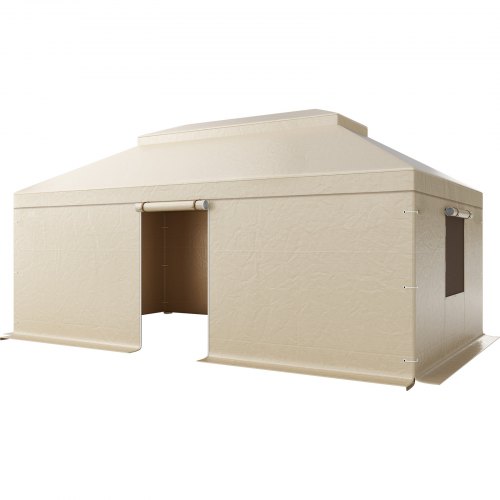
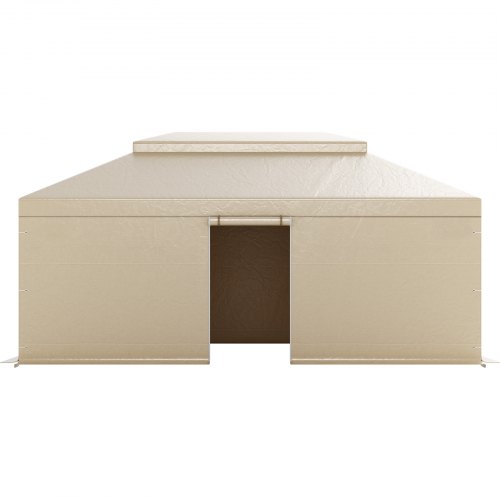
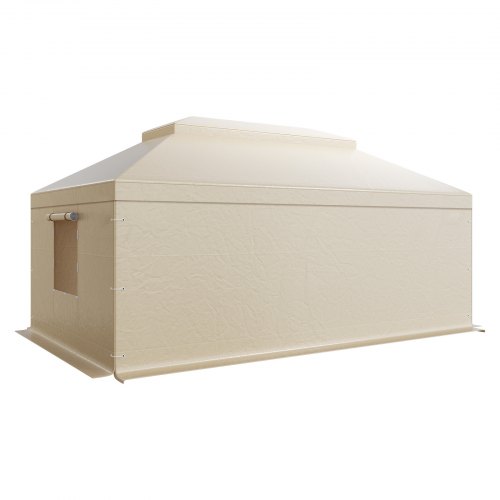
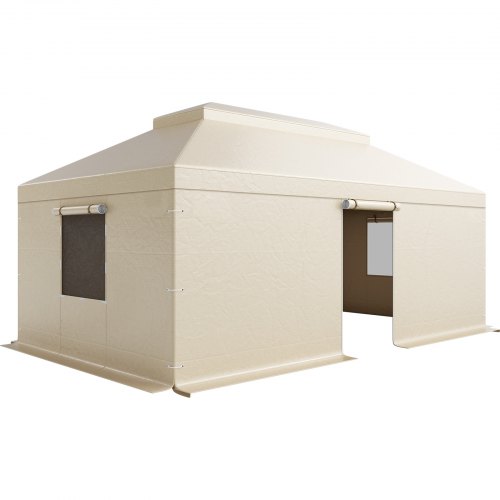


Results for Gazebos
A gazebo is a freestanding or wall-mounted outdoor shelter built around a rigid support frame and a covering roof. It defines a sheltered zone within an open yard, deck, or garden, giving people and furniture protection from direct sun, light rain, and wind while keeping the sides open to fresh air and the surrounding view. The frame carries the load and holds the structure steady, while the roof overhead blocks exposure from above. In short, a gazebo turns an exposed patch of ground into a covered, usable outdoor room that stays comfortable through changing weather.
VEVOR's lineup covers four main styles across roughly 8 x 5 ft to 10 x 14 ft footprints. Soft-top canopies pair a powder-coated steel or aluminum frame gazebo base with a 150D to 210D polyester roof for easy seasonal shade. A hard top lean gazebo swaps fabric for a UV-resistant polycarbonate or metal roof and can mount to a wall for year-round use. A grill gazebo adds a vented top plus side shelves for outdoor cooking, while replacement privacy curtains and netting enclose any footprint. Typical uses are patio dining, backyard entertaining, poolside shade, grilling stations, and semi-permanent garden rooms.
Five things decide what you need:
- Roof material: fabric canopies give warm-season shade, while polycarbonate or metal tops handle rain and snow year-round.
- Footprint: measure your space and add about two feet of clearance on each side for airflow and easy movement.
- Mounting: freestanding units sit anywhere, while lean-to models fix to a wall or fence for extra wind resistance.
- Frame build: heavier powder-coated steel resists swaying, and aluminum stays rust-free in coastal or humid air.
- Accessories: curtains, mosquito netting, and winter covers extend comfort and protect the structure in the off-season.
Browse the full gazebos collection to compare every size and roof style, or jump straight to the hard top lean gazebo range for permanent, all-weather cover.
Gazebo Types at a Glance
This quick comparison lines up the four main gazebo styles so you can match roof, mounting, and coverage to your yard before you shop.
| Type | Roof / Cover | Mounting | Weather Coverage | Selection Note |
|---|---|---|---|---|
| Soft-top canopy | Polyester or polyethylene fabric (150D to 210D) | Freestanding, quick assembly | Warm-season shade and light rain | Lightest and easiest to store; the simplest entry point for seasonal use |
| Hard top lean gazebo | Polycarbonate or metal panels | Wall-mounted or freestanding, anchored | Full year-round, including rain and snow | Most permanent feel; best where one side can attach to a wall |
| Grill gazebo | Vented fabric or partial hard top | Freestanding, open-sided access | Cooking heat and smoke venting | Worth it only if a dedicated cooking shelter is the goal |
| Frame gazebo | Soft or hard, by configuration | Anchored with stakes or weights | Depends on chosen roof; built for wind load | Choose when structural stability matters more than the roof itself |
VEVOR Gazebos: Weather-Ready Outdoor Shelter Structures for Every Backyard and Patio Setting
Are you looking for a reliable way to expand your outdoor living space year-round? Any backyard, deck, or garden can become a practical and cozy getaway with the perfect gazebo, whether it's on hot summer afternoons or freezing winter evenings. From rigid hard-top lean-to gazebo designs to soft canopy pop-ups, VEVOR's gazebo line offers all-weather coverage for outdoor cooking, entertaining, and relaxing.
Choosing the Right Gazebo by Type and Roof Material
Every gazebo is different. Knowing the distinctions between structural types and roof materials enables you to invest in a shelter that lasts for many years with minimal maintenance or replacement.
Soft-Top Outdoor Gazebo Canopy — Lightweight and Versatile
The most popular option for homeowners looking for flexibility and ease of assembly is a soft-top outdoor gazebo canopy. Typically, these gazebos have a powder-coated steel or aluminum structure with a polyester or polyethylene canopy. They are perfect for patio meals, backyard barbecues, and outdoor parties, as the fabric roof blocks UV rays and provides shade during hotter months.
The UV-resistant coatings and reinforced seams of VEVOR's soft-top gazebos help the canopy withstand sun exposure without fading quickly. To keep insects out while still allowing airflow, many models come with a gazebo netting replacement panel or an in-built mosquito netting. These canopies have a much longer lifespan because they are simple to remove and store for seasonal use.
Consider the fabric's denier when choosing a soft-top model; a higher denier indicates thicker, more resilient material. Typically, VEVOR canopies are made of 150D to 210D polyester, which achieves a sensible compromise between durability and weight. A high-quality soft-top gazebo can serve you reliably for several seasons with minimal maintenance if you live in a region with relatively mild winters and occasional rain. Additionally, these versions are the most affordable way to start using a gazebo in your outdoor space.
Hard Top Lean Gazebo — Built for Year-Round Performance
A lean-to gazebo with a hard top makes the outdoor shelter feel more permanent. Hard top variants, in contrast to fabric canopies, use steel, aluminum, or polycarbonate roof panels that are significantly more resilient to UV rays, rain, and snow than textile alternatives. The tempered polycarbonate roofing and corrosion-resistant frames of VEVOR's hard-top lean-to gazebo designs let in natural light while preventing damaging UV radiation.
Homeowners who choose to mount their gazebo directly to a wall, fence, or pergola are especially fond of the lean-to type. This produces an outdoor office, a BBQ station, a hot tub enclosure, or a semi-permanent outdoor room perfect for all-weather use. Lean-to gazebos are also more wind-resistant than freestanding versions because they can be fastened to an existing building on one side.
A common feature of VEVOR hard-top lean-to gazebos is an adjustable roof pitch on some models that lets you divert rainwater runoff away from the building. For stability during installation, anchor bolts or weighted foundation plates are usually necessary. Check the snow load rating before buying a VEVOR hard top if you live in an area with heavy snowfall. Generally, these models can withstand moderate snow accumulation, but it's advisable to remove excessive buildup to preserve the frame's integrity.
Grill Gazebo: A Dedicated Outdoor Cooking Station
The grill gazebo is a specially constructed outdoor cooking shelter. Grill gazebo variants, unlike regular gazebos, feature an open or ventilated roof panel directly above the grill area to properly vent heat and smoke. Additionally, many VEVOR grill gazebo structures feature side shelves, utensil hooks, and tool storage for platters, condiments, and other items.
Usually made with powder-coated steel frames and a polyester canopy or a partially hard roof, these gazebos feature a hybrid design that combines essential ventilation with weather protection. The open-back or open-side design of VEVOR grill gazebos ensures easy access to the grill while cooking, and they work with most common charcoal and gas grills.
Beyond just being useful, a grill gazebo gives your backyard a refined, dedicated cooking area, a useful improvement above just setting up a grill and hoping it won't rain. Additionally, many versions are freestanding, eliminating the need for permanent installation. The grill gazebo is one of the best additions to any outdoor kitchen setup if you often host guests outside and require a dependable cooking shelter.
Frame Gazebo: Structural Stability for Long-Term Use
The fundamental category, which includes both soft-top and hard-top variations, is the frame gazebo, mainly distinguished by its structural framework rather than the type of roof. To distribute loads properly and withstand lateral wind pressure, a high-quality frame gazebo has a sturdy support system, usually a square or hexagonal arrangement of steel or aluminum pillars.
To reduce swaying and racking under wind stress, VEVOR frame gazebos feature stronger corner connectors and cross-braced leg systems. The frames are suitable for outdoor use in coastal or high-humidity environments, as they are powder-coated to resist rust and corrosion. VEVOR frame gazebos offer a sturdy, safe shelter that may not require professional installation when assembled correctly with ground stakes or weighted anchors.
When assessing frame quality, purchasers should consider the type of connectors used and the thickness of the tubing walls. Typically, VEVOR employs steel tubing with a diameter of 1.18 to 1.5 inches, with reinforced connectors at important junctions. Both domestic and light commercial uses, such as market booths, event shelters, or outdoor cafés, are suitable for this specification level. Investing in a strong frame gazebo will pay off in the long run, so give structural specifications more weight than just appearance.
Gazebo Materials Compared
Once you know the style, the build material decides how long a gazebo lasts and how much upkeep it needs, so this table weighs each one.
| Material | Where It Is Used | Weather & Corrosion Resistance | Relative Weight | What to Watch For |
|---|---|---|---|---|
| Powder-coated steel | Frames and structural posts | Resists rust once coated; strong in wind | Heavy and very stable | Touch up chips early, or rust starts at exposed steel |
| Aluminum | Frames and some hardtop roofs | Naturally rust-free; suits humid or coastal air | Light and easy to reposition | Lighter frames can flex in gusts, so anchor them well |
| Polycarbonate | Hard roof panels | Blocks UV; sheds rain and snow | Light panels | Clear panels show dust and algae; rinse them each season |
| Polyester (150D to 210D) | Soft-top canopies | UV-coated for warm-season shade and light rain | Lightest and removable | Lower denier fades faster, so store the canopy off-season |
| Polyethylene | Canopies and winter covers | Sheds water; resists UV breakdown | Light and foldable | Less breathable; best for covers and shade, not heat |
Selecting the Right Gazebo Size and Features
The next step after selecting a roof type and construction is to decide on the size of your gazebo and any additional amenities that will enhance its usability, comfort, and seasonal usability.
Gazebo Size Guide: Matching Shelter to Your Space and Needs
Gazebos can be as little as 8 by 8 feet or as large as 12 by 20 feet. Your intended purpose and the available yard area will determine the appropriate size. The most common size for domestic use is a 10 x 10-foot gazebo, which may accommodate a dining table for six people. Upgrade to a 12x12 or 12x14-foot type if you plan to house a large sectional sofa or hot tub.
Because VEVOR gazebos come in a variety of sizes, purchasers can pick one that complements vast garden spaces, mid-size decks, and small patios. Before making a purchase, carefully measure the area you have available and factor in a buffer of at least two feet on each side to allow for simple movement around the structure and airflow. Additionally, consider the ceiling height. VEVOR models usually provide 7 to 9 feet of center clearance, which is necessary for replacement privacy curtain gazebo applications where ventilation headroom is crucial and comfortable for standing use.
Instead of purchasing separate structures, a modular gazebo that comes with replacement privacy curtains, mosquito netting, and winter cover accessories offers you the most flexibility for seasonal or multipurpose use.
Essential Gazebo Features: Curtains, Netting, and Winter Covers
Any gazebo's usability can be significantly increased with accessories and add-on features. You can create a quiet outdoor space or a windbreak by enclosing your gazebo on any side with replacement privacy curtains, also known as gazebo privacy side panels. VEVOR provides replacement privacy curtains that fit common gazebo footprints and come in a variety of panel sizes.
Replacement panels for gazebo netting are equally crucial for use in warm weather. You can enjoy your outdoor refuge even at dusk thanks to mosquito mesh, which keeps insects at bay while maintaining airflow. For tool-free installation, VEVOR netting panels fasten with hook-and-loop or zipper closures.
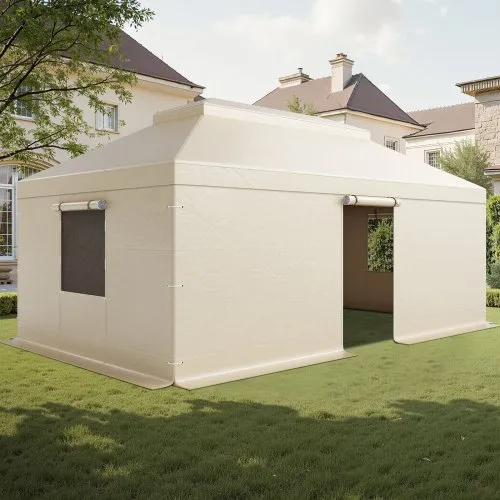
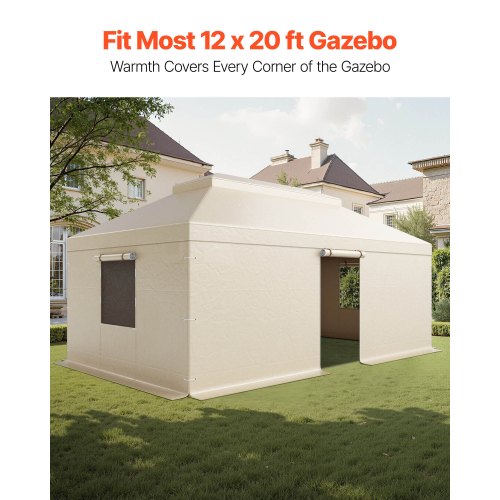
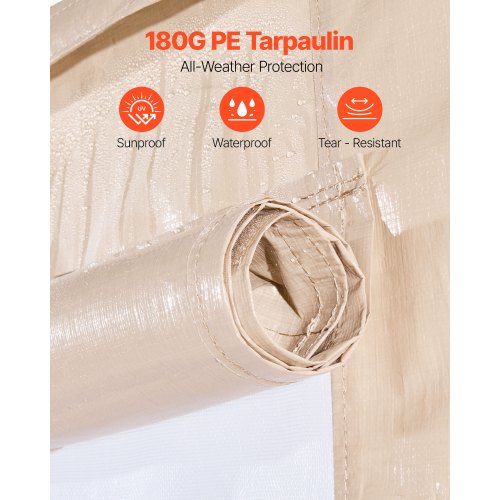
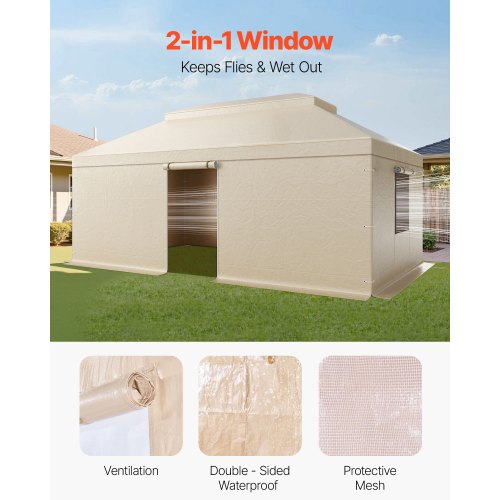
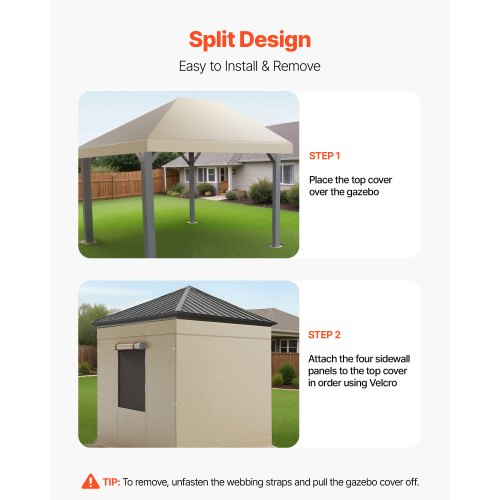
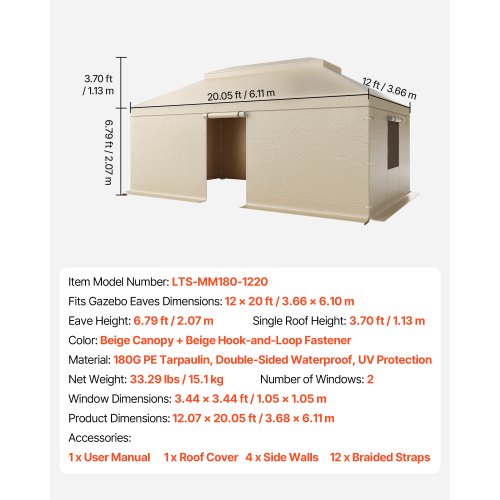
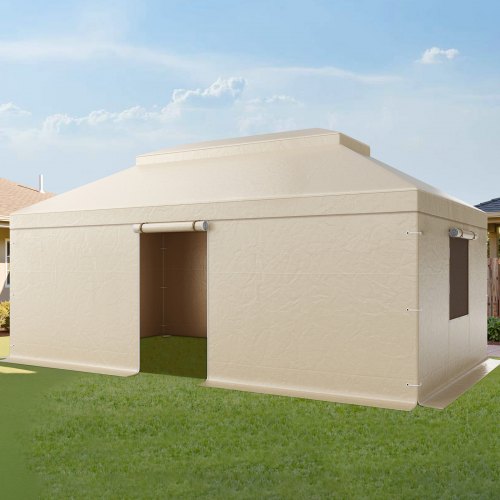
A gazebo winter cover is a wise purchase for year-round owners. During the off-season, these sturdy polyethylene coverings shield the canopy fabric and structure from freezing rain, snow accumulation, and UV deterioration. An appropriate gazebo winter cover can help prolong the life of the canopy, safeguarding your initial investment without necessitating complete dismantling and storage every fall.
Best-Seller Comparison
These five listings show how the lineup differs in size, roof, frame, and mounting, so you can see which fits your yard at a glance.
| Product | Type | Footprint | Roof / Top | Frame | Mounting | Added Features | Best For |
| Grill Gazebo 8 x 5 ft | Grill gazebo | 8 x 5 ft | Double-tiered fabric canopy with awning | Powder-coated steel | Freestanding | 2 side shelves and utensil hooks | Only cooking shelter here; the pick for a dedicated BBQ station |
| 4-Panel Gazebo Privacy Curtains | Privacy curtain accessory | Fits 10 x 10 x 6.9 ft gazebos | Not applicable (sidewall only) | Not applicable | Zips onto an existing gazebo | 4 zippered sidewall panels | Only add-on here; encloses a gazebo you already own |
| Hardtop Gazebo 10 x 10 ft, Aluminum | Hardtop frame gazebo | 10 x 10 ft | Aluminum double-tier hard roof | Aluminum | Freestanding, permanent | Mosquito netting included | Only freestanding hardtop with netting; bug-free all-season patio use |
| Lean-to Hardtop Gazebo 10 x 10 ft | Lean-to hardtop gazebo | 10 x 10 ft | UV-resistant polycarbonate | Metal | Wall-mounted or freestanding | Flexible panels | Smallest lean-to here; fits tight walls needing attached cover |
| Lean-to Hardtop Gazebo 10 x 14 ft | Lean-to hardtop gazebo | 10 x 14 ft | UV-resistant polycarbonate | Aluminum | Wall-mounted or freestanding | Flexible panels | Largest footprint here; widest wall-mounted cover for big decks |
Why Choose VEVOR Gazebos?
From sturdy hard-top lean-to gazebos and specialized grill gazebo models to soft-top gazebo canopies, VEVOR gazebos offer high-quality outdoor shelters in every style. VEVOR meets many outdoor needs at a price that makes quality affordable, offering a wide selection of sizes, frame materials, and accessories, including gazebo netting replacement panels and privacy curtain replacements. Create the ideal outdoor hideaway by perusing the entire collection now.
FAQs
Can I leave my gazebo outside during winter?
Depending on the model and local conditions, yes. Soft-top canopies are generally less resilient to cold weather than hard-top lean-to structures. For fabric-top types, storing the canopy or installing a gazebo winter cover will help protect it from snow damage and greatly extend its lifespan.
What size gazebo do I need for a dining set?
A 10-by-10-foot gazebo can accommodate a six-person dinner table with plenty of space for movement. A 12-by-12-foot or 12-by-14-foot frame gazebo offers better coverage and more comfort for larger gatherings or furniture sets.
Are VEVOR grill gazebos safe for charcoal and gas grills?
Indeed, VEVOR grill gazebo models feature vented roof panels designed to safely release heat and smoke. Maintain sufficient space between the grill and the fabric panels and always place the grill directly beneath the ventilation aperture.
Can I replace the canopy or curtains separately?
Yes, VEVOR carries replacement panels and accessories for gazebo netting separately, so you can repair old parts without rebuilding the entire structure, saving you money and reducing waste.
How do I secure a gazebo against the wind?
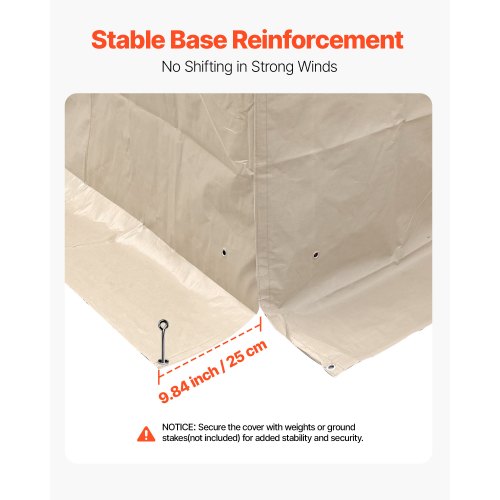
For hard surfaces like concrete or decking, use weighted anchors, sandbags, or the provided ground stakes. Additionally, VEVOR's cross-braced frame gazebo designs inherently offer superior lateral stability compared to simpler pop-up designs.
What are the best types of gazebos for a garden setting?
For gardens, a soft-top canopy or a frame gazebo suits warm-season shade and easy seasonal setup, while a hard top lean gazebo adds year-round cover next to a wall. Choose a grill gazebo only when outdoor cooking is the main garden activity.
Where to buy a gazebo?
You can buy gazebos directly from VEVOR, which ships a full range of sizes, frame materials, and accessories online. Browse the complete gazebos collection to compare styles, then order the model and any curtains or netting you need in one place.
What is the best hardtop gazebo to buy?
The best hardtop depends on your space. A 10 x 10 ft aluminum hardtop with netting suits an open patio, while a hard top lean gazebo works best against a wall. Larger decks fit the 10 x 14 ft lean-to for wider cover.
Are hardtop gazebos worth it?
Hardtop gazebos are worth it if you want year-round use. Their polycarbonate or metal roofs resist rain, snow, and UV far better than fabric, so they need less seasonal upkeep. Soft-tops remain the lighter, entry-level choice for warm-season shade only.
How long does a gazebo last?
Lifespan depends on the materials and care. Hardtop gazebos with aluminum frames and polycarbonate roofs can last many years with minimal upkeep, while soft-top canopies last several seasons. Using a gazebo winter cover and storing fabric off-season noticeably extends either type.