
Grain Preparation




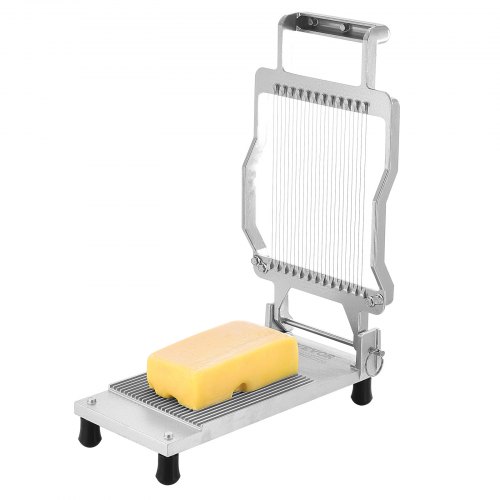
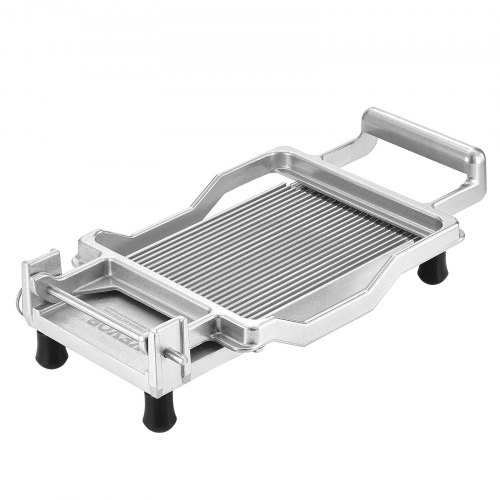
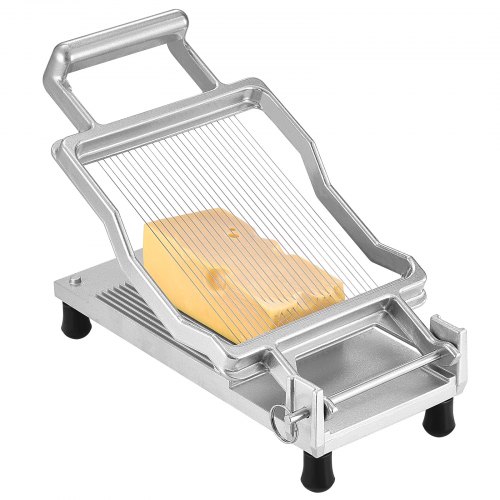


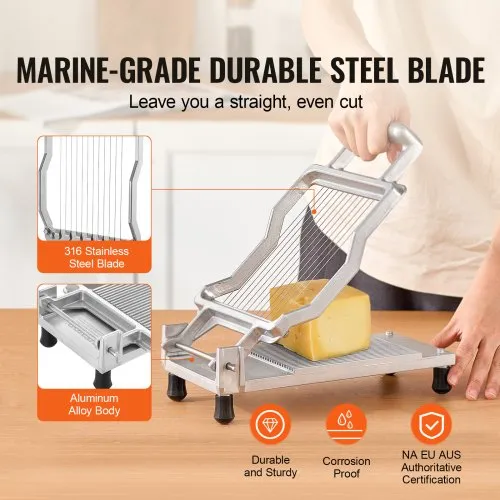
Results for Grain Preparation
Grain preparation is the full sequence of tasks that turns raw cereal grain into finished baked goods ready to eat. It covers every hands-on step between the harvested kernel and the sliced loaf: grinding whole grain into flour, combining that flour with water and other ingredients, working the mixture until it builds structure, letting the shaped dough rise and settle, and cutting the baked result into even portions. The equipment built for this worktakes on the heavy, repetitive, and precision parts of each step, making the whole process faster, cleaner, and far more consistent than doing everything by hand.
Grain preparation equipment falls into four main groups that track the stages of baking. Bread slicers, in both motor-driven countertop units and hand-cranked models, cut finished loaves at adjustable thicknesses of roughly 8 to 25 mm. Grain mills and grinders turn wheat, rye, corn, and oats into fresh flour, with higher-capacity units processing up to 300 grams per minute from hoppers holding as much as 2 kilograms. Dough mixers and kneaders, offered in spiral and planetary styles, develop dough in bowls of 5 to 20 liters. Proofing baskets and grain sifters shape and refine the result, holding 500 grams to 1.5 kilograms of dough. Typical uses are everyday home baking, small artisan bakeries, and high-volume commercial food production.
Four things decide what you need:
- Baking stage: pin down which step, milling, mixing, proofing, or slicing, you most want to speed up or automate first.
- Production volume: match capacity to how much you make, from a few loaves a week to hundreds of loaves a day.
- Power source: choose electric units for speed and volume, or manual hand-crank tools where there is no power or counter space is tight.
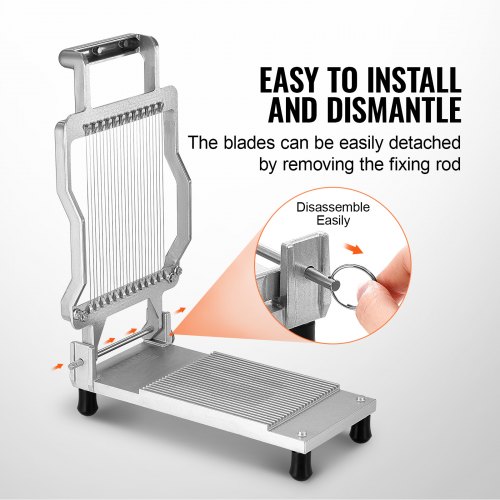
- Cleaning and upkeep: check how blades, burrs, and bowls detach, since food-safe surfaces need regular hand cleaning to keep working well.
Explore the full grain preparation range to assemble a complete setup from mill to finished loaf, or start with the bread and cheese slicer selection to get even slicing handled first.
Grain Preparation Types at a Glance
The table below sets the four equipment groups side by side so you can see which baking stage each one handles before you choose.
| Type | Baking Stage | Power Source | Capacity Measure | Selection Note |
|---|---|---|---|---|
| Bread slicers | Slicing finished loaves | Electric or manual | 8 to 25 mm slice thickness | Manual saves space at home, electric keeps up with daily volume |
| Grain mills and grinders | Milling grain into flour | Manual or electric | Up to 300 g per minute | Fresh milling keeps nutrients that roller flour loses |
| Dough mixers and kneaders | Developing dough | Electric | 5 to 20 L bowl | Spiral suits heavy bread, planetary handles mixed batches |
| Proofing baskets and sifters | Proofing and refining | Manual, no power | 500 g to 1.5 kg dough | Rattan baskets shape the crust, sifters grade flour texture |
VEVOR Grain Preparation Equipment for Everything You Need from Mill to Finished Loaf
Are you unsure which grain preparation tools will work best in your kitchen, bakery, or food production area? The right tools for preparing grain make every step of the baking process, from grinding raw grain to cutting the finished loaf, faster, more consistent, and much more fun. VEVOR has all the tools that bakers, chefs, and food entrepreneurs need to make their processes easier. These include manual bread slicers with a hand crank, commercial bread slicers, precision grain mills and grinders, professional dough mixers & kneaders, and bread proofing baskets.
Choose the Right Grain Preparation Equipment for Your Baking Process and Production Volume
Before you buy the equipment you need for baking or milling, you need to know the differences among types of grain preparation equipment, their power sources, and their capacity ratings. VEVOR makes grain preparation tools for a variety of purposes, each designed to support a different step in the baking process, for different production volumes, and for users with different skill levels. Here is a detailed list to help you get everything you need for your kitchen or bakery with full confidence.
Commercial and Manual Bread Slicers for Consistent Slicing for Every Loaf
One of the hardest parts of preparing grains is slicing bread. Getting even, consistent slices across the whole loaf by hand takes a lot of time and skill without the right tools. The VEVOR bread slicer range eliminates this problem. It has both commercial bread slicers for high-volume production settings and manual bread slicers for smaller home and artisan bakery use. Professional kitchens, bakeries, and food service businesses that need to slice dozens to hundreds of loaves of bread every day can use VEVOR commercial bread slicers.
These machines have stainless steel blade assemblies with adjustable slice thickness settings, usually between 8mm and 25mm. VEVOR's hand-cranked manual bread slicers are small and don't need electricity, making them a surprisingly reliable option for home bakers and small artisan producers who value simplicity and saving counter space. VEVOR's manual bread slicer machines have strong bamboo or stainless steel guides, non-slip base feet, and designs that fold flat for easy storage when not in use. Both formats make cutting bread a clean, quick, and repeatable part of your grain preparation routine. It eliminates the uneven cuts and wasted loaf ends that even experienced home bakers deal with every day.
Grain Mills and Grinders for Fresh Flour from Whole Grain at Home or Commercial Scale
Authentic bread making starts long before the dough is mixed. It starts with flour freshly ground. With VEVOR's grain mills & grinders, home cooks and small businesses can grind grains like wheat, rye, corn, oats, and specialty grains into fresh flour with full control over texture and fineness. There are both manual hand-crank and electric VEVOR grain mills & grinders, so you can choose the one that works best for you and your needs. People who like baking as a hobby, live off the grid, and value self-sufficiency will love manual grain mills.
VEVOR's electric grain mills can process up to 300 grams of grain per minute on higher-capacity models, allowing them to handle much more work. VEVOR grain mills use burr stone and steel burr grinding mechanisms to make flour with a consistent particle size distribution and minimal heat buildup. It keeps the nutritional profile and natural flavor compounds of whole grain that roller-milled commercial flour can't match. The hoppers can hold anywhere from 500 grams on small home models to 2 kilograms on larger commercial-grade models. All of the grinding surfaces are safe for food and easy to clean after each use.
Dough Mixers and Kneaders for Consistent, Effortless Dough Development
The most physically and technically difficult step in the process of turning grain into bread is correctly developing the dough. Dough that hasn't been kneaded enough makes loaves that are dense and not well-structured. Dough that has been kneaded too much loses its ability to stretch, resulting in tough, chewy bread. With VEVOR's dough mixers & kneaders, you don't have to guess or work as hard to get properly developed dough every time. VEVOR makes dough mixers in two styles: spiral and planetary. Each is best for a different type of dough and production volume. Spiral dough mixers are made to mix heavy bread and pizza doughs.
VEVOR spiral mixers feature bowls that hold 5-20 liters, enough for home and commercial bakery use. They can handle everything from single-loaf batches to large multi-loaf production runs in a single grain preparation session. With interchangeable attachments like a dough hook, flat beater, and wire whisk, VEVOR's planetary mixers are more versatile than standard bread makers. They can be used for making bread dough, cake batter, pastry, and other grain preparations. All VEVOR dough mixers come with variable-speed controls, timer functions, and bowl guards. These features make sure that every time you bake, the dough develops safely, accurately, and consistently.
Bread Proofing Baskets and Grain Sifters for Finishing Tools for Artisan Results
Proofing and flour refinement are the last steps in making bread and preparing grain. It is where the artisan's quality really shines. VEVOR's bread proofing baskets, grain sifters, and strainers give you the specialized tools you need to make home-baked and bakery bread that is truly outstanding in texture, appearance, and crumb structure. VEVOR bread proofing baskets, also called bannetons or brotforms, are made of natural rattan and come with a smooth linen liner. The ribbed spiral inside the basket gently shapes the dough as it proofs, creating a decorative ring pattern on the crust that shows the quality of handcrafted, artisan grain preparation.
VEVOR proofing baskets come in round and oval shapes and can hold between 500 grams and 1.5 kilograms of dough. They work with all standard loaf shapes used in home and professional grain preparation. VEVOR grain sifters & strainers finish the process of preparing flour by removing bran, husks, and coarse particles from freshly milled flour. This helps give the flour the right texture for certain bread recipes. Bakers can make fine bread flour, medium pastry flour, or coarse whole-grain flour from the same batch of home-milled grain using stainless-steel mesh screens in different grades. It gives them full creative control over the outcome of every grain preparation.
Choosing Grain Preparation Equipment by Baking Goal
This table works back from what you want to achieve to the equipment to prioritize and the single check that matters most before buying.
| Baking Goal | Equipment to Prioritize | What to Check Before Buying | Why It Fits |
|---|---|---|---|
| Fresh flour from whole grain | Grain mill or grinder | Burr type and grind rate | Stone and steel burrs limit heat and keep nutrients |
| Even slices on every loaf | Bread slicer | Adjustable thickness range | Fixed guides remove the uneven ends hand cutting leaves |
| Reliable dough structure | Spiral or planetary mixer | Bowl size and duty cycle | Variable speed avoids under or over kneading by hand |
| Artisan crust and open crumb | Proofing basket | Basket shape and dough weight | Rattan wicks moisture so the crust sets with pattern |
| Baking without mains power | Manual slicer or hand mill | Fold-flat storage and build | Hand-crank operation works off-grid and saves counter space |
How to Choose the Right VEVOR Grain Preparation Equipment for Your Setup
When choosing the right grain preparation equipment, you need to carefully consider how much you want to make, the power sources you have available, and the counter space you have, and which parts of the baking process you want to improve or automate. Here are some useful tips for buying the right VEVOR grain preparation toolkit.
Matching Grain Preparation Equipment Capacity to Your Production Needs
When choosing any grain preparation equipment, such as a bread slicer, grain mill, dough mixer, or proofing basket, the most important factor is its capacity. If you buy equipment that is too small or not powerful enough for the amount of work you actually do, it will put a lot of stress on the equipment, give you inconsistent results, and wear out faster, which will make your products last much shorter. Compact manual bread slicers, hand-crank grain mills, and 5-liter planetary mixers are the best investments for home bakers who make two to four loaves of bread a week.
For small artisan bakeries that make 20 to 50 loaves of bread every day, VEVOR's mid-range commercial bread slicers, electric grain mills with 1–2 kilogram hoppers, and 10-liter spiral dough mixers provide the speed and strength needed for daily grain preparation. For high-volume commercial bakeries, VEVOR's full line of commercial-grade equipment includes heavy-duty, continuous duty bread slicers, 20-liter spiral mixers, and large-capacity grain sifters. Before you buy electric grain preparation equipment, always check the duty cycle rating. This number tells you how long a unit can run without stopping for a break, which directly affects how well it fits your production schedule.
Power Source, Maintenance, and Cleaning Considerations for Grain Preparation Equipment
The long-term reliability and cleanliness of your grain preparation equipment depend on both the quality of the initial build and the care you take of it every day. VEVOR grain preparation equipment is made with food-safe materials and has smooth, easily cleanable surfaces. However, to ensure the equipment works well and remains safe for food use over the years of regular use, you need to follow the appropriate cleaning and maintenance procedures for each type of equipment. Always unplug electric dough mixers and commercial bread slicers before cleaning them. Use a damp cloth with mild soap on the outside, but don't get any of the electrical parts wet.
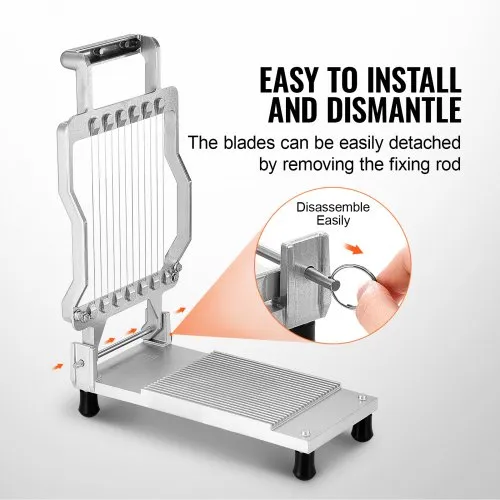
To keep the VEVOR bread slicers cutting accurately over time, remove the stainless steel blade assemblies and wash them by hand after each use. After each grain preparation session, it's a good idea to quickly dry-brush the burr surfaces of grain mills and grinders. Running a small amount of dry white rice through the mill before cleaning helps remove leftover flour, oils, and odors from the grinding chamber. They should never be sealed in plastic while they are still wet. With the right care, every piece of VEVOR grain preparation equipment will give you years of reliable, clean, and professional-level baking in any kitchen.
Best-Seller Comparison
The five tools below are the current lineup on this page, compared by the features that most affect which one suits your kitchen.
| Product | Food Type | Operation | Cut Thickness | Cutting Edge | Edge Material | Best For |
|---|---|---|---|---|---|---|
| Electric Bread Slicer, 370W, 12 mm | Bread | Electric motor | 12 mm fixed | Rotary blade | Die-cast aluminum body | Only powered slicer here; steady even loaves at volume |
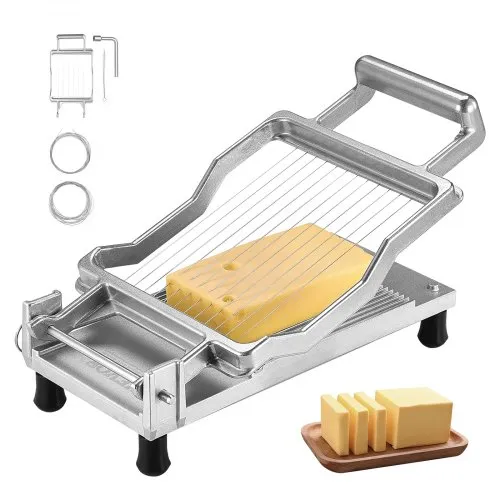
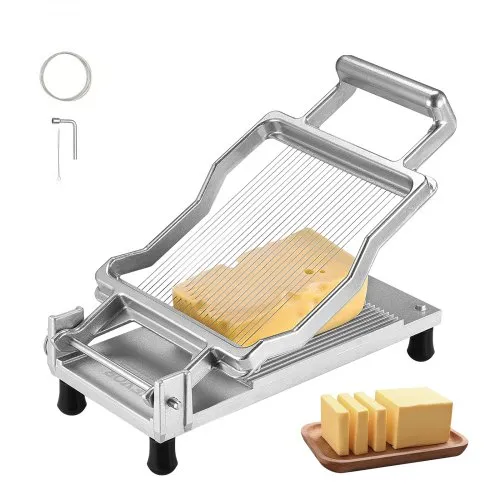
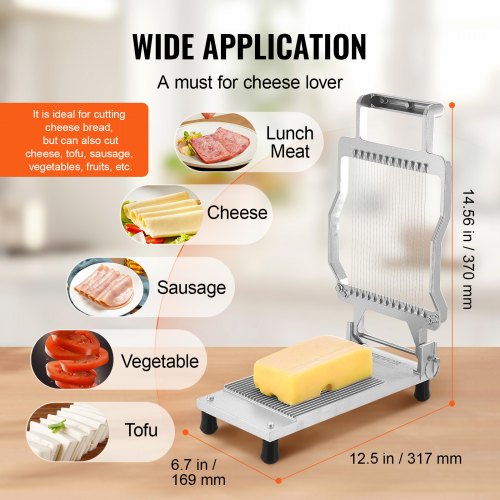
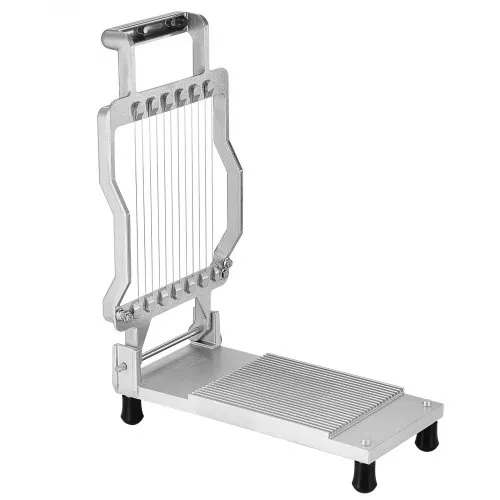
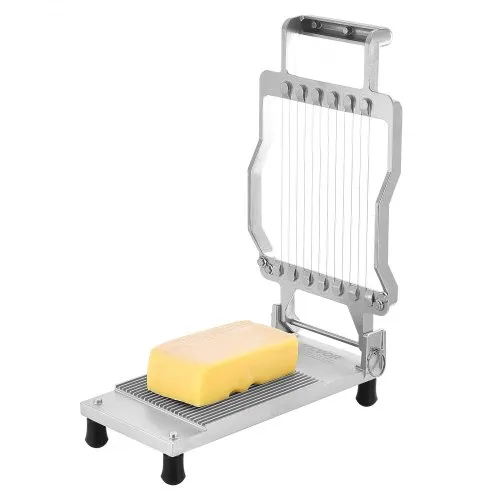
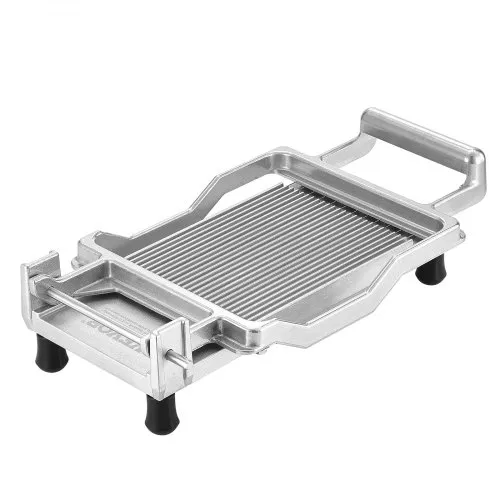
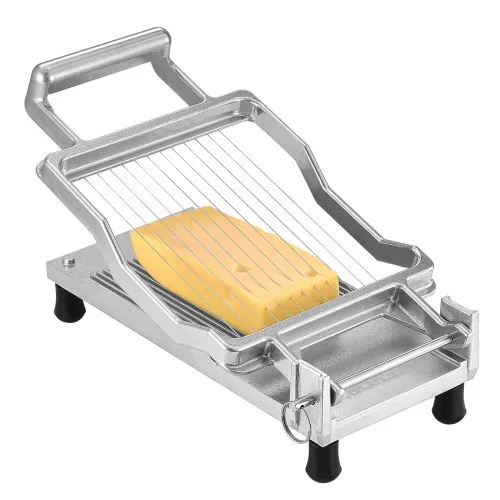
| Cheese Cutter, 1 cm & 2 cm Wire | Cheese and butter | Manual wire | 1 cm and 2 cm | Cutting wire | 304 stainless steel | Dual-width wires for everyday cheese and butter blocks |
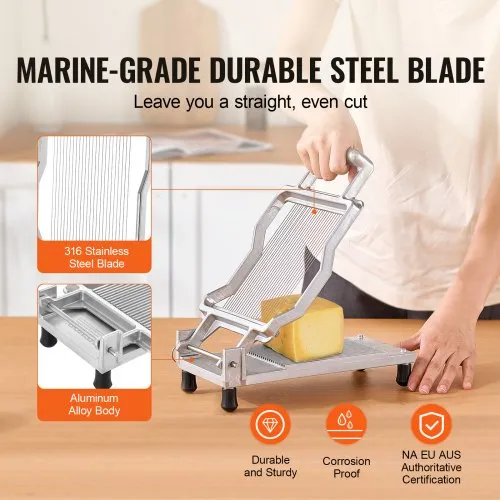
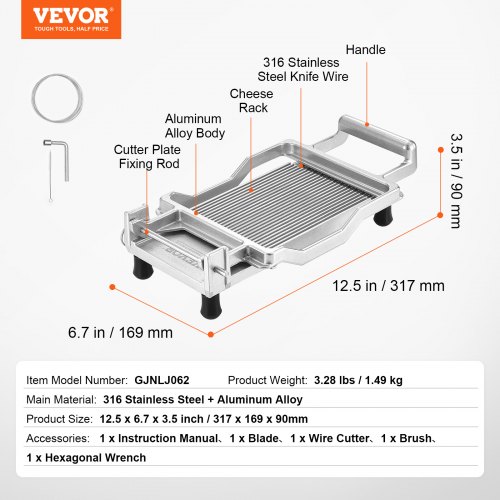
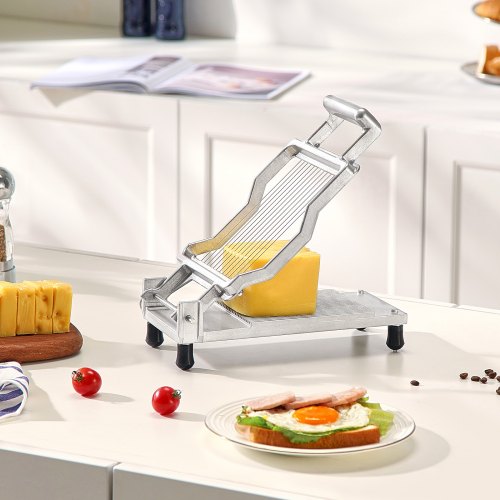
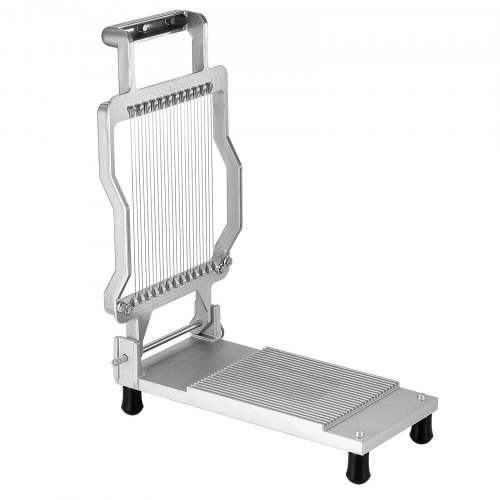
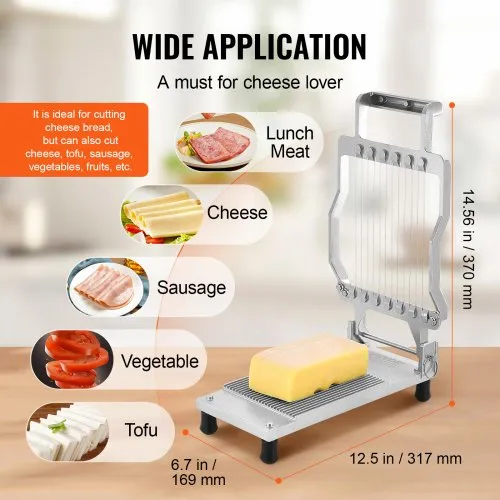
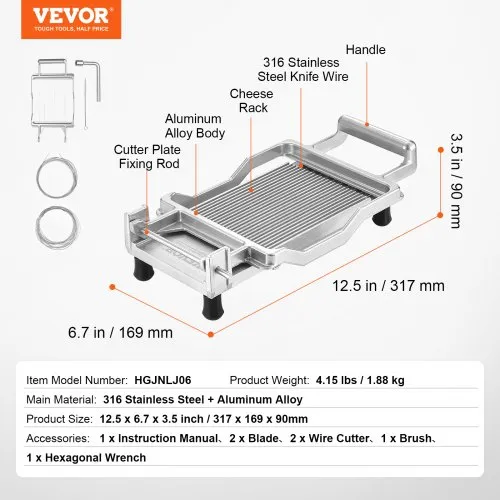
| Cheese Cutter, 0.39" & 0.78" Wire | Cheese and butter | Manual wire | 0.39" and 0.78" | Cutting wire | 316 stainless steel | Food-grade 316 wire with two widths for firmer cheese |
| Manual Bread Slicer, 0 to 0.6" Adjustable | Bread | Hand crank | 0 to 0.6" adjustable | Serrated blade | Stainless steel | Only adjustable bread slicer; custom thickness without power |
| Cheese Cutter, 0.2" Ultra-Thin Wire | Cheese and butter | Manual wire | 0.2" ultra-thin | Cutting wire | 316 stainless steel | Thinnest cut on the page for delicate cheese and butter |
Why Choose VEVOR Grain Preparation Equipment?
VEVOR's grain preparation tools work like a pro at every step, from precise grain mills & grinders to heavy-duty commercial bread slicers, efficient dough mixers & kneaders, and artisan bread proofing baskets. VEVOR makes it easy to put together a full grain preparation setup at a price point that works for many users. They offer a wide range of equipment types, capacity ratings, and power source options. You can count on good after-sales support for every product. You can buy VEVOR grain preparation tools today and be confident that every bake can go from raw grain to a well-made loaf.
FAQs
What is the difference between a commercial bread slicer and a manual bread slicer?
Electric, high-capacity commercial bread slicers are designed for everyday use in professional bakeries. Hand-cranked manual bread slicers are small and don't need electricity, making them great for home bakers and small artisan producers who need to slice bread consistently from time to time.
Can VEVOR grain mills grind all types of grain?
Most VEVOR grain mills & grinders can handle many dry grains such as wheat, rye, corn, and oats. Always read the product specs first. Some models can't handle oily seeds or very hard grains, such as some types of dried maize, unless they have a special hardened burr attachment.
What size dough mixer do I need for home bread making?
A 5-liter planetary or spiral dough mixer can handle most standard home bread recipes and make enough dough for two to four standard loaves at a time. A model with a capacity of 7 to 10 liters is better for families with more than one person or for people who often have guests over.
How do I clean a VEVOR bread proofing basket?
After each use, let the basket dry completely. Then use a dry pastry brush to remove any leftover flour. You should only wash rattan proofing baskets with water if they are very dirty. Too much water can damage the natural rattan fibers, reducing the lifespan of the baskets.
Can you recommend tools for grinding grains?
For grinding grains into flour, a grain mill or grinder is the tool you want, available in hand-crank and electric styles. Manual models suit occasional home milling, while electric burr units handle larger batches of wheat, rye, corn, or oats. Browse the full grain preparation range to compare options.
Can you recommend the best bread slicer for home use?
For home use, a compact manual bread slicer is usually the best pick, giving even slices with no electricity and little counter space. If you bake daily or in larger batches, an electric countertop model adds speed. This hand-cranked manual slicer folds flat for easy storage between bakes.
What should I look for in a manual bread slicer?
Look for an adjustable thickness guide, a serrated stainless steel blade, and a stable non-slip base for safe, even cuts. A fold-flat design helps where counter space is limited. Compare the choices in the bread and cheese slicer range before deciding.
How do I choose the right mixer for my bakery?
Match the mixer bowl capacity and duty cycle to your daily output. Small artisan bakeries making 20 to 50 loaves a day suit 10-liter spiral mixers, while high-volume operations need 20-liter spiral models rated for continuous runs. Choose spiral specifically for heavy bread dough.
What are the main differences between spiral and planetary mixers?
Spiral mixers use a fixed spiral hook and a rotating bowl built for heavy bread and pizza dough, developing it gently with less heat. Planetary mixers rotate interchangeable attachments around a stationary bowl, handling dough, batter, and pastry, so they are more versatile for mixed baking tasks.