Hardscapes



















Results for Hardscapes
Hardscape is the permanent, non-living part of a landscape: the paved and built surfaces that give an outdoor space its structure. It covers the pavers and flagstones of a patio, the stepping stones of a path, the grids that stabilize a gravel drive, the blocks of a retaining wall, and the edging that frames a bed. Where plants are the soft, changing side of a garden, hardscape is the hard, fixed side that you walk on, park on, and build against. Done well, it carries loads, controls water and slopes, keeps materials in place, and defines how people move through and use the space.
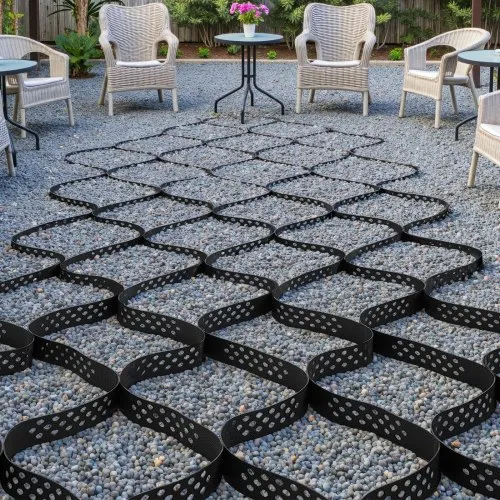
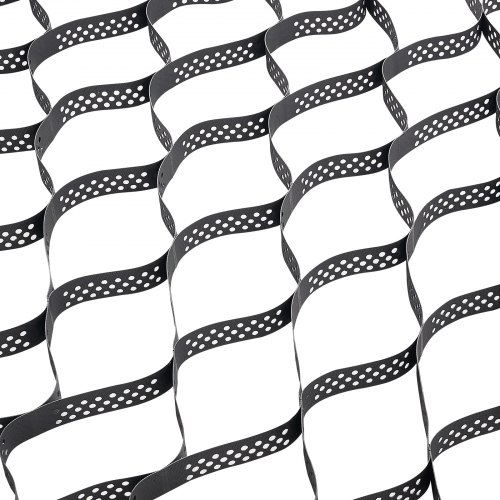
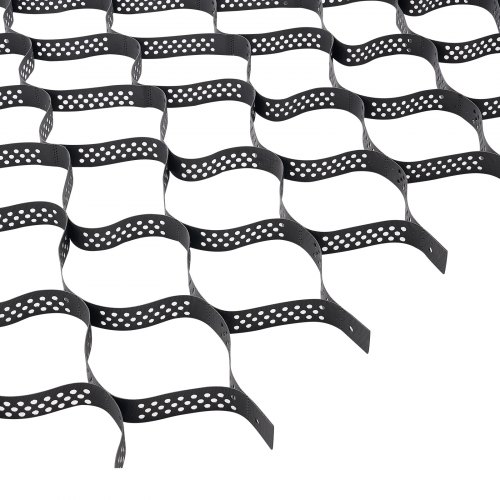
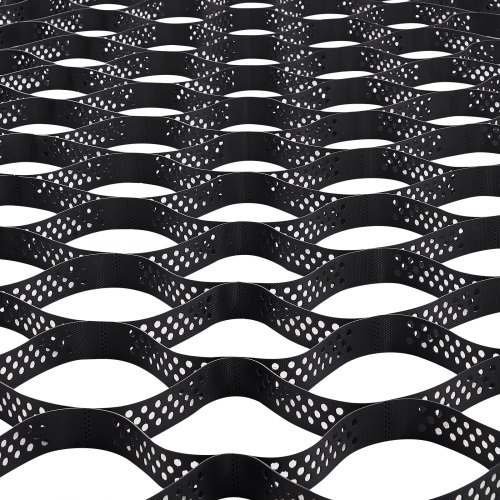
Hardscape materials fall into a few groups. Pavers and flagstones build solid patios and walkways, stepping stones lay a casual path across a lawn, gravel grids and geocells stabilize loose stone so it will not spread or rut, retaining wall blocks hold back slopes, and landscape edging keeps a clean border. Grids come in cell depths from about 2 to 4 inches and panels that cover 100 to 320 square feet, stepping stones in multi-packs, and most install over a prepared, compacted base. Typical uses are patios, driveways, garden paths, parking pads, terraced slopes, and tidy bed borders.
Five things decide what you need:
- Load: match the material to the weight it carries, lighter stepping stones and 2 inch grids for foot traffic, thicker pavers and 3 to 4 inch grids for vehicles.
- Function: decide whether you need a walking surface, a stabilized gravel area, a slope held back, or a clean border, since each points to a different material.
- Coverage: measure the area, then size grid panels (roughly 100 to 320 square feet each) or paver and stepping-stone packs to cover it with minimal cutting.
- Base preparation: plan a compacted gravel base, deeper for vehicle-rated zones, since nearly every hardscape lasts only as long as the base beneath it.
- Drainage: slope the base one to two percent away from structures and favour open materials like gravel grids so water drains instead of pooling.
Ready to build your outdoor space? Browse the full hardscapes range to compare pavers, grids, and edging, or start with a deep-cell gravel grid to stabilize a driveway or parking pad.
Hardscape Types at a Glance
Use this table to match a hardscape type to its job, material, and how it installs before you size the quantity.
| Hardscape Type | Primary Function | Typical Material | Installation | Selection Note |
|---|---|---|---|---|
| Pavers / flagstone | Patio and walkway surface | Concrete or stone | Laid on compacted base and sand | Structured, load-ready surface underfoot |
| Stepping stones | Casual path across grass | Concrete or resin | Set with stakes, minimal base | Quickest path to lay; spaced to a natural stride |
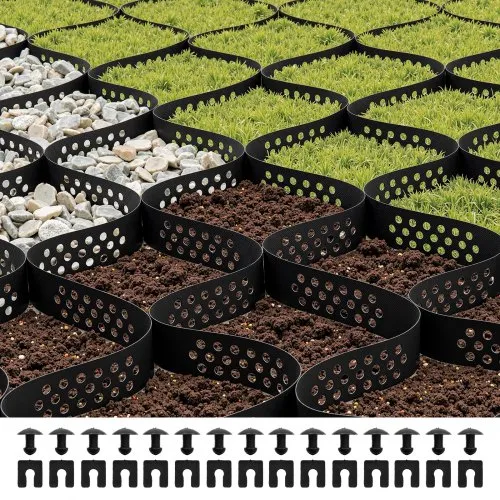
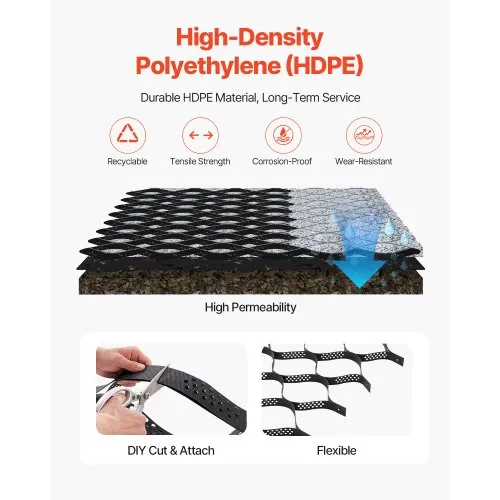
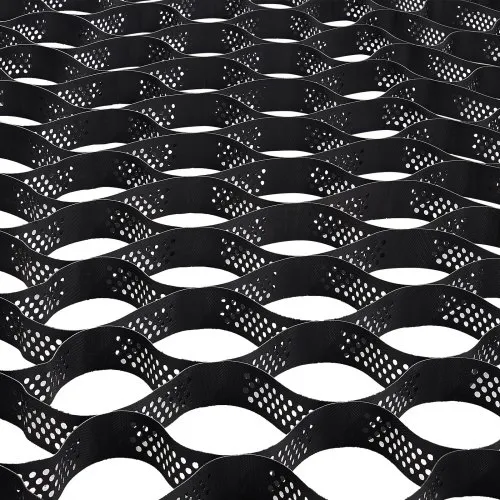
| Gravel grid (geocell) | Stabilize loose gravel | HDPE geocell | Laid, then filled with gravel | Stops gravel spreading and rutting under load |
| Retaining wall block | Hold back slopes | Concrete | Stacked on compacted footing | Use to terrace a grade or define levels |
| Landscape edging | Separate beds and lawn | Steel, plastic, or stone | Staked into the soil | Keeps a clean line between surfaces |
VEVOR Hardscape: Pavers, Edging, and Gravel Solutions for Every Outdoor Space
Are you unsure about where to begin with your landscaping project? The appropriate hardscape materials make all the difference, whether you are defining flower beds with tidy edging, creating a garden walk, or strengthening a slope with retaining wall blocks. For outdoor projects of any size, VEVOR offers a variety of options suitable for both professional landscapers and do-it-yourselfers.
Choosing the Right Hardscape Material for Your Outdoor Project
Your outdoor space's appearance, functionality, and durability will all be directly impacted by the material you select for your hardscape project. From structural pavers to ornamental gravel, landscaping edging to retaining wall blocks, VEVOR's extensive array allows you to find the perfect solution for your terrain, budget, and design goals.
Pavers and Flagstone: Structure Meets Style
Pavers are one of the most adaptable materials for hardscape. They are equally good at creating garden walkways, driveways, patios, and pool surrounds. Flagstone pavers by VEVOR give outdoor surfaces a rough, natural look that complements garden settings. Individual pavers, as opposed to poured concrete, make repairs simpler because they can be changed without affecting the entire surface if one shifts or cracks. Flagstone pavers work especially well for stepping stone arrangements and uneven walkways where an organic, rustic design is more appealing than a standard grid.
Because of their density and thickness, they can withstand the frequent freeze-thaw cycles found in colder climates while still comfortably handling foot traffic. Take the area's load requirements into account when choosing pavers.
While a driveway or utility zone benefits from thicker, heavier flagstone pavers suited for vehicle weight, a pedestrian garden path can employ lighter, thinner slabs. Matching material strength to project requirements is simple with VEVOR's options in both categories. Whichever paver style you select, proper base preparation, compacted gravel under a layer of sand, remains crucial for long-term stability and level alignment.
Garden Stepping Stones and Gravel Grids: Functional Ground Cover
In hardscape design, garden stepping stones serve both functional and aesthetic purposes. They protect roots, direct foot traffic through planted areas without compacting the soil, and add visual character to otherwise flat surfaces. The shapes and finishes of VEVOR's garden stepping stones match a variety of landscape styles, from organic garden designs to contemporary geometric layouts. By providing structural support beneath loose-fill materials, gravel grids provide more than simple ground cover.
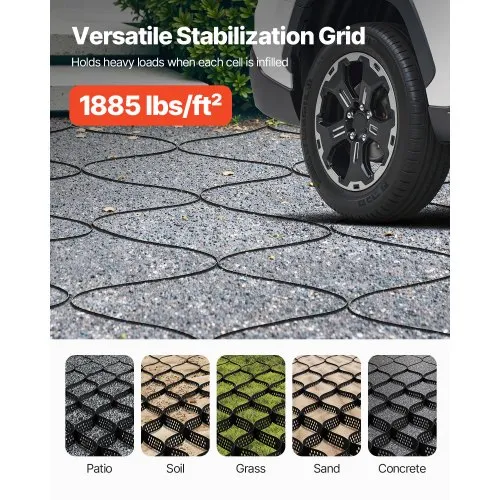
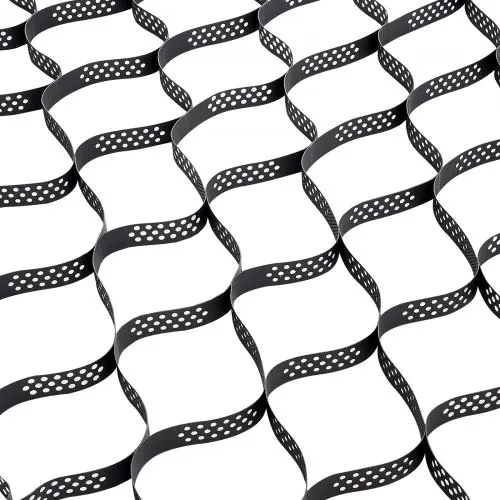
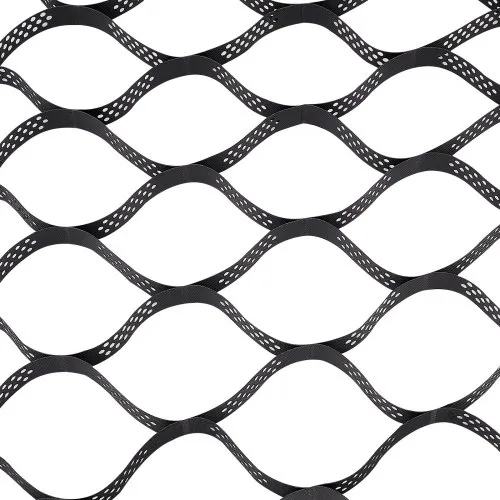
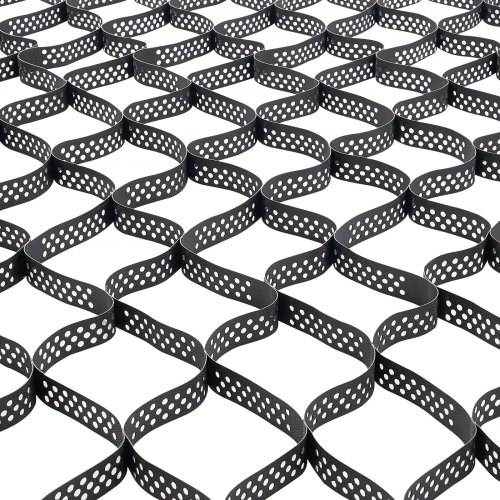
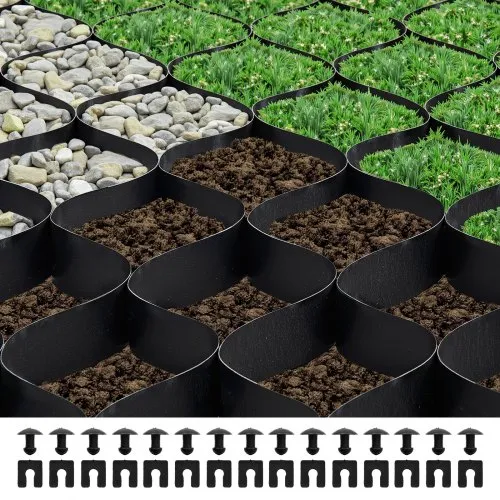
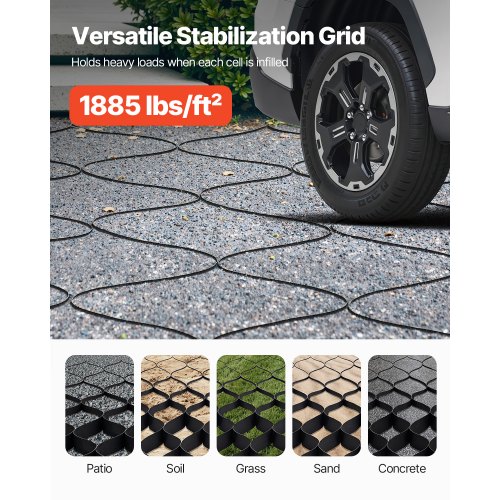
These interlocking plastic panels help prevent gravel from migrating under foot traffic or vehicle load. For driveways, parking lots, and walkways where loose gravel tends to disperse, they work particularly well. Water drains freely thanks to the open-cell design, which reduces runoff and promotes healthier soil below.
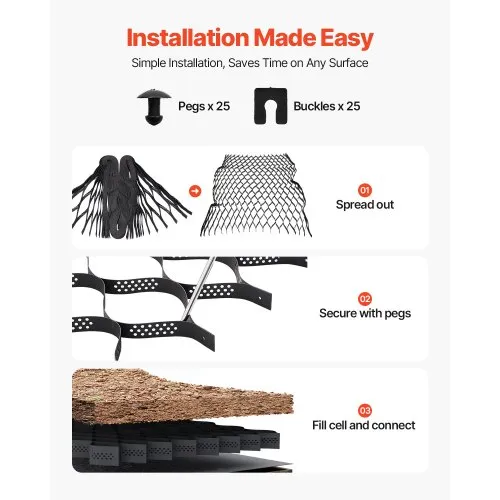
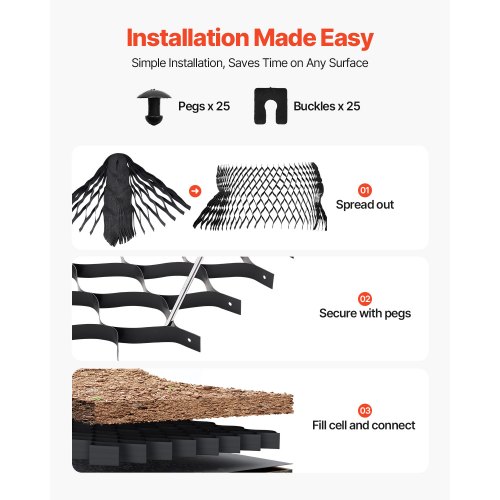
Stepping stones and gravel grids work well together to manage high-traffic areas in outdoor areas used for homes or businesses. VEVOR's gravel grid panels provide a quick, low-maintenance solution for homeowners with muddy paths or eroding slopes. No adhesives or special equipment is needed for installation; just place the panels on a prepared base, fill it with gravel or other decorative material, and the surface is ready to use. Future extensions are also easy and affordable due to the modular architecture.
Retaining Wall Blocks: Control Slopes and Define Levels
A key element of any project involving sloped hardscape is retaining wall blocks. They prevent erosion on grades that would otherwise be challenging to manage, hold back soil, and make flat terraces for planting. The interlocking or flat-face retaining wall blocks from VEVOR are designed for both structural and decorative uses, and they are constructed for stacking stability.
Retaining wall blocks are often used along garden beds, road margins, and tiered backyard terraces for residential applications.
In addition to controlling grade fluctuations, a well-constructed retaining wall adds a refined, architectural element to the landscape. Wall performance is influenced by block height, width, and weight; larger walls necessitate greater engineering attention, including drainage planning behind the wall to relieve hydrostatic pressure.
VEVOR's block solutions offer the durability required for extended outdoor use. Their bulk and weight are resistant to seasonal temperature fluctuations and soil movement. Working with identical block sizes greatly simplifies the layout process for do-it-yourself builders since each course stacks predictably, eliminating the need for guesswork to create a level, plumb structure.
Having the right blocks for the job will influence how well your hardscape investment holds up over the years of use, whether you are building a simple decorative border or a practical multi-course retaining wall.
Landscape Edging: Clean Lines for a Polished Finish
A professionally completed outdoor area can be distinguished from one that appears haphazard by the use of landscape edging. By establishing a physical barrier between the planted areas, gravel, mulch, and lawn, it keeps each zone in its proper place and reduces the need for border weeding and trimming.
The landscape edging options from VEVOR are made to provide both aesthetic distinction and practical containment. Edging offers structure that keeps the entire hardscape design looking deliberate and well-maintained, whether it frames a gravel pathway, outlines a curved garden bed, or divides turf from ornamental grasses.
Here, material selection is important. At ground level, metal edging provides a low-profile, stylish, semi-permanent solution that is essentially undetectable. For curved layouts, plastic or composite edging offers flexibility and resists moisture-related deterioration. By adding ornamental weight to borders, stone-style edging visually reinforces the surrounding pavers' or stepping stones' design motif.
The anchoring technique and installation depth affect the edging's long-term stability. While properly anchored edging keeps its line season after season, too-shallow edging often shifts with frost heave or soil movement. The fastening techniques in VEVOR's landscape edging line are designed to withstand real world outdoor conditions over time.
Choosing Hardscape by Project
This table starts from the project and adds the base prep each one needs, which the prose describes only in passing.
| Project | Best-Fit Material | Base Prep Needed | What to Prioritise |
|---|---|---|---|
| Garden path across lawn | Stepping stones | Minimal, set level | Quick to lay; space stones to a natural stride |
| Gravel driveway or parking | Deep gravel grid | Compacted sub-base | Cell depth of 3 to 4 inches for vehicle load |
| Patio or seating area | Pavers or flagstone | Compacted base plus sand | A flat, load-ready surface that still drains |
| Sloped yard or terrace | Retaining wall blocks | Compacted, level footing | Set the first course deep and plan drainage |
| Bed and lawn border | Landscape edging | Trench and stake | A crisp separation that holds its line |
How to Plan and Install Hardscape for Long-Lasting Results
Before the first stone is set, you can get the most out of any hardscape installation. A final product that remains in place, drains well, and looks good for years is the result of careful planning, comprehension of the fundamental needs, and the selection of materials appropriate for the particular use case.
Site Preparation and Base Requirements
The most important part of any hardscape project is site preparation, yet people most frequently hurry or neglect this stage. Gravel grids, retaining wall blocks, flagstone pavers, and garden stepping stones all function differently depending on what is beneath them. First, remove any loose debris, roots, and plants from the area.
Next, excavate to the required depth, which is usually deeper for vehicle-rated applications and 4 to 6 inches for pedestrian surfaces. After that, a base layer of compacted gravel provides load distribution and drainage. Before the pavers are installed, a sand setting bed is laid over the gravel to allow for precise leveling adjustments.
To guide water runoff, gently slope the base away from structures by one to two percent. In colder climates, this minor detail reduces freeze-thaw damage by preventing water from pooling beneath the surface. The base preparation is the same for gravel grid installations, but the grid panels themselves provide significant stabilization of the sand layer, reducing the need for precise leveling.
The materials used in VEVOR hardscape are intended to function when placed on a base that has been appropriately prepared.
There will be fewer repairs, less shifting, and a surface that maintains its shape during seasonal fluctuations if you take the time to get this foundation just right. Your outdoor project will provide long-lasting value with less ongoing upkeep if you combine your materials with the proper installation technique.
Combining Materials for a Cohesive Outdoor Design
Some of the most practical and aesthetically pleasing hardscape designs combine multiple materials. A flagstone paver walkway with landscaping edging, retaining wall blocks around it, and decorative gravel material between the stones produces a polished, layered appearance that fulfills several useful functions simultaneously.
Tone and texture consistency aid in design coherence when blending materials. Rough-faced retaining wall blocks and earth-toned gravel complement the natural stone tones of the pavers. For a more modern look, geometric, smooth-surface pavers complement uniform gravel grids and clean-line metal garden edging.
When organizing material transitions, consider traffic flow. Use denser, more resilient materials, such as flagstone pavers or interlocking stepping stones, laid on a sturdy base where foot traffic is highest. Garden stepping stones set in gravel or ground cover offer a visually appealing, low-maintenance option for decorative zones with less foot traffic.
This type of mixed-material layout is the focus of VEVOR's hardscape line. You can purchase pavers, edging, gravel grids, and retaining wall blocks from a single supplier thanks to the product lineup's wide variety of material types and finishes, which streamlines procurement and helps ensure a consistent final product across the entire project scope.
Best-Seller Comparison
The top sellers here are gravel-stabilizing ground grids, so this table shows cell depth, panel size, and the area each one covers.
| Product | Cell Depth | Panel Length | Panel Width | Coverage (approx.) | Load Suited | Best For |
|---|---|---|---|---|---|---|
| Ground Grid, 3 in Depth, 7.6 x 2.9 m | 3 in | 24.93 ft | 9.52 ft | 237 sq ft | Light vehicles | Deeper 3-inch cells; driveways and gravel under cars |
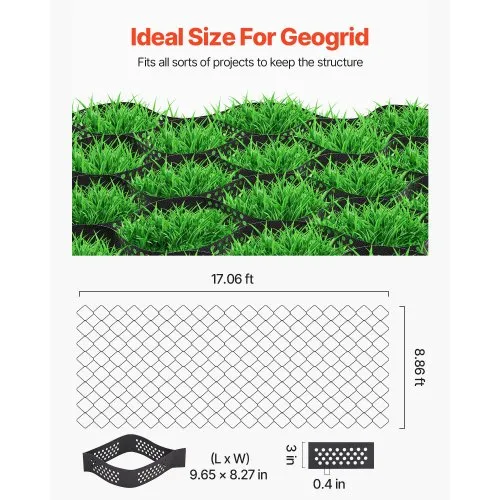
| Ground Grid, 4 in Depth, 5.2 x 2.7 m | 4 in | 17.06 ft | 8.86 ft | 151 sq ft | Heavy vehicles | Deepest cells here; RV and truck parking loads |
| Ground Grid, 2 in Depth, 5.2 x 2.7 m | 2 in | 17.06 ft | 8.86 ft | 151 sq ft | Foot traffic | Shallow 2-inch cells; paths and patios |
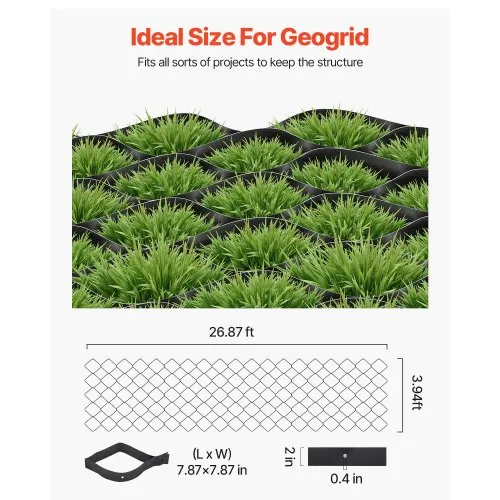
| Ground Grid, 2 in Depth, 8.2 x 1.2 m | 2 in | 26.87 ft | 3.94 ft | 106 sq ft | Foot traffic | Long, narrow panel; a 2-inch runner for walkways |
| Ground Grid, 2 in Depth, 10 x 3 m | 2 in | 32.81 ft | 9.84 ft | 323 sq ft | Foot traffic | Largest coverage; big 2-inch areas like gardens |
Shop VEVOR Hardscapes for Durable, Versatile Outdoor Materials
VEVOR's hardscape collection has everything you need to construct, define, and enhance your outdoor space, from flagstone pavers and garden stepping stones to gravel grids, retaining wall blocks, and landscape edging. Every product is designed to withstand real outdoor conditions without sacrificing performance under load or in harsh weather. VEVOR is the sensible choice for both do-it-yourselfers and landscaping experts, thanks to its affordable prices and consistent post-purchase support. Start your next project now by reviewing the entire collection.
FAQs
Can gravel grids be used for vehicle driveways?
Yes, when placed on a suitably compacted basis, VEVOR gravel grids are load-rated for vehicle use. They are a useful, affordable alternative to concrete surfaces in residential driveways because they stabilize loose gravel, prevent migration under tire pressure, and promote efficient drainage.
What's the difference between flagstone pavers and garden stepping stones?
For continuous surface coverage, such as patios or pathways, flagstone pavers are usually thicker and larger. Garden stepping stones are small, spaced units that are perfect for directing foot movement through planted areas without completely covering the ground.
How deep should retaining wall blocks be set for a stable structure?
Burying the first course at least 2 to 4 inches below grade provides sufficient stability for walls up to 3 courses high. For taller walls to successfully control soil pressure behind the wall, deeper burial and appropriate backfill drainage planning are necessary.
Does landscape edging need to be replaced seasonally?
No, VEVOR's high-quality garden edging is designed for year-round outdoor use. Frost heave and moisture damage are prevented by metal and sturdy composite edging. When you anchor the edging firmly in the ground at the proper installation depth, it will remain in place for several seasons.
Can hardscape materials be used in both residential and commercial projects?
Yes, both applications are suitable for VEVOR's hardscape portfolio. The simple installation and affordable prices are advantageous to residential customers. The product lineup's durability and uniform proportions make large-scale layout and material estimation easier for commercial and professional landscaping projects.
What materials are best for durable hardscapes?
The most durable hardscapes combine dense, freeze-thaw-resistant pavers or flagstone for surfaces, HDPE geocell gravel grids to stabilize loose stone, concrete retaining wall blocks for slopes, and metal edging for crisp borders. All of them depend on a well-compacted base to reach their full lifespan.
How do I choose the right paver for my outdoor project?
Match the paver to the load and look. Use thicker, heavier flagstone where vehicles drive and thinner slabs for a pedestrian path, then pick a tone and texture that suits the setting. Whatever you choose, set it on compacted gravel under a sand bed for a level, lasting surface.
Which gravel grid system is best for heavy vehicles?
For heavy vehicles, choose the deepest cells. A 4-inch-depth geocell grid spreads truck and RV loads better than shallower 2-inch panels, and a 3-inch grid suits regular car driveways. In every case, lay the grid on a compacted sub-base and fill the cells with angular gravel.
How do I install a gravel stabilizer grid in my driveway?
Clear the area, excavate, and compact a gravel sub-base, sloping it one to two percent for drainage. Lay the geocell panels edge to edge over the base, connect them, then fill and slightly overfill the cells with angular gravel and compact. The panels lock the gravel in place against rutting.