Hydroponics Growing System Tower










Results for Hydroponics Growing System Tower
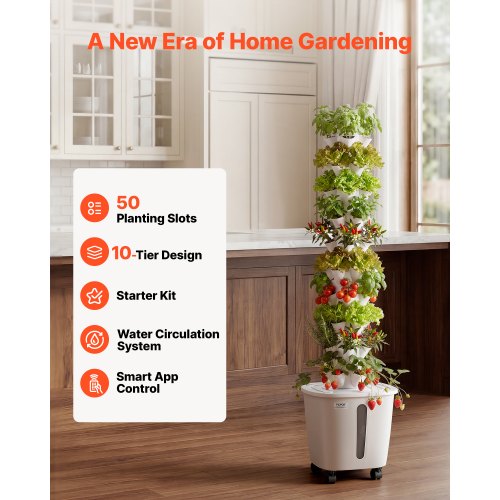
Find out about VEVOR hydroponic grow towers that are made to help you grow plants indoors quickly and easily. These vertical growing solutions make the most of small spaces by giving plants the most room to grow. They come in sizes from 30-pod compact systems to 50-pod multi-tier units that can be moved around. Hydroponic growing systems are great for home kitchens, apartments, and small greenhouses. Hydroponic grow towers keep water flowing, help roots grow strong, and have useful automation features.
VEVOR Hydroponic Grow Towers for Space-Smart Indoor Harvests
Are you trying to grow herbs in a small apartment or set up a year-round vegetable garden that doesn't need soil? VEVOR hydroponic grow towers combine the efficiency of vertical hydroponics towers with structured water circulation and planting on multiple levels. Each hydroponic growing tower is made for growing herbs, fruits, and leafy greens indoors. Hydroponic grow towers help keep plants clean, speed up growth cycles, and make it easier to manage plants in small spaces.
Capacity & Growing System Type
You need to do more than count pods to choose between different hydroponic grow towers. The capacity, tier design, and water circulation structure of your plants will affect how well they grow and how much food you can realistically harvest.
Pod Capacity and Tier Configuration
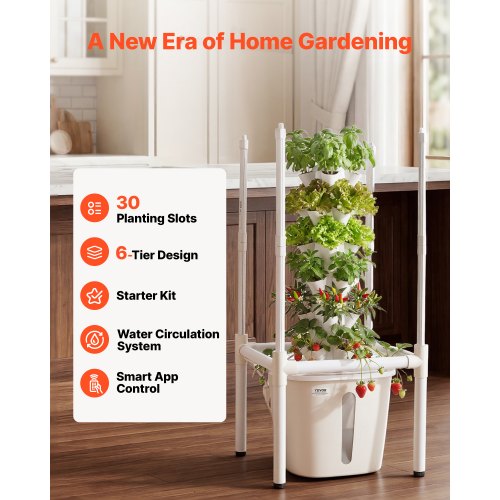
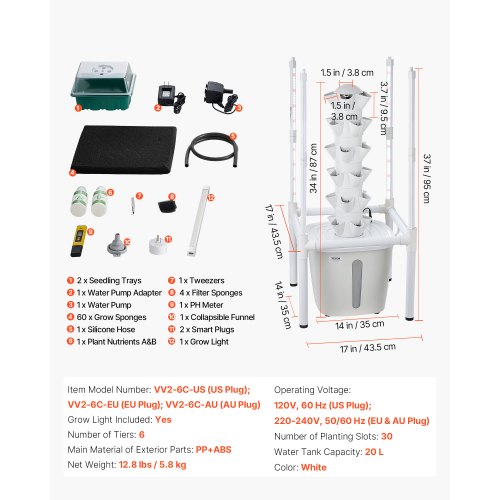
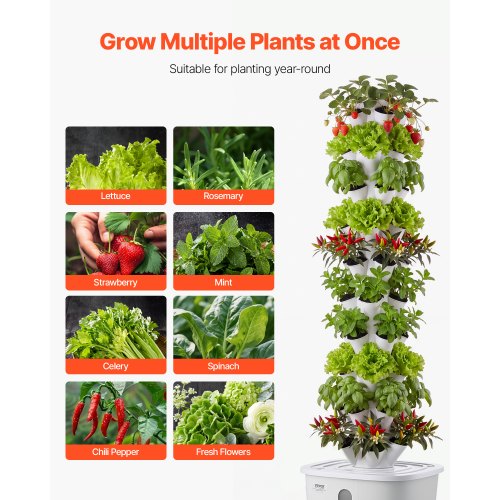
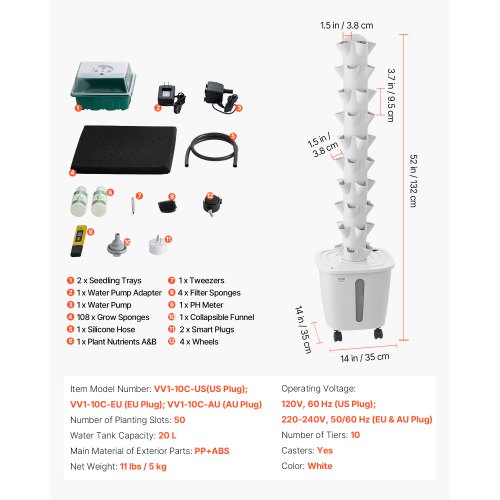
Most growers' first choice is size. A 30-pod hydroponic growing system set up in six tiers is a good place to start for home use. Hydroponic grow towers have enough room to grow lettuce, basil, spinach, and strawberries without taking up too much space inside. Each tier places plants evenly around the column, keeping the amount of light they receive the same. A 50-pod hydro grow tower with 10 tiers greatly increases planting density, resulting in higher output. This format is good for people who want to get leafy greens or micro-vegetables every week.
Because the plants are stacked on top of each other, the footprint is usually less than 2 square feet, making it ideal for kitchen corners or balconies. The space between tiers is important. When there is enough space between plants, mature leaves can grow without interfering with other plants. A well-designed hydroponic growing tower keeps roots below and stops the upper tiers from blocking light to the lower tiers. When choosing hydroponic grow towers, think about how much space you have and how big you want to grow. Overloading a small area with capacity can make it harder to maintain and manage lighting.
Water Circulation and Nutrient Delivery Systems
The circulation method is the heart of every vertical hydroponics tower. Submersible pumps in VEVOR Hydroponic grow towers systems move nutrient-rich water from the reservoir to the top tier, where it flows down gently. This constant flow keeps the roots oxygenated and evenly distributes nutrients across the pods. A well-designed hydroponic growing system doesn't flood continuously; instead, water cycles at set intervals. Controlled circulation stops plants from getting too wet and helps them grow strong root systems. The pump's output directly affects plant health. A steady flow keeps the upper tiers from drying out.
Some hydroponic grow towers come with built-in timers that let users set up automatic watering cycles. This feature is especially useful for growers who have to care for many different types of plants that require varying amounts of moisture. Compared to soil gardening, efficient irrigation reduces water waste. A hydroponic growing tower recycles the same solution rather than letting it run off, making indoor farming cleaner and more environmentally friendly. Understanding how the circulation system works helps you pick a system that delivers nutrients consistently rather than just watering them.
Matching Tower Size to Growing Goals
A small-apartment gardener might put fresh herbs for cooking at the top of their list every day. In that case, 30 pods spread out over a manageable hydroponic grow tower are usually enough. Moderate-density vertical systems are great for growing basil, mint, parsley, and arugula.
Larger hydroponic grow towers can help families save money on groceries by providing more salad crops regularly. A 50-pod system can stagger planting cycles by harvesting from the lower tiers while the upper tiers grow. This layered growth plan ensures production never stops.
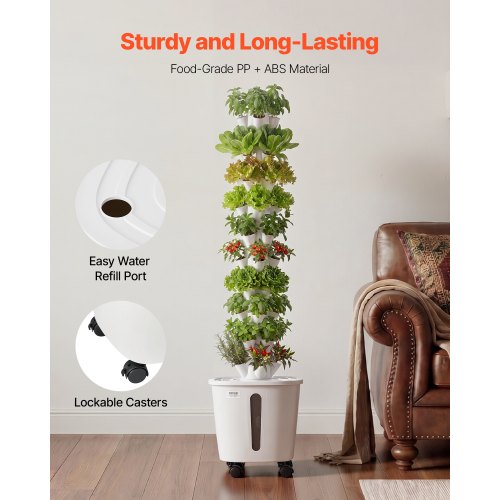
Mobility also affects what you choose. Rolling bases let you move the object closer to or farther away from natural light sources or busy areas. Fixed units put stability first for permanent setups close to grow lights. The way a vertical hydroponics tower is built affects how easy it is to rotate crops and keep their growth even. Choosing the right size of hydroponic grow towers isn't just about getting the most numbers; it's also about making sure your daily habits match your growing capacity.
Crop Variety and Root Space Considerations
Plants don't all behave the same way in closed-off vertical systems. Leafy greens do well in small pots, but fruiting plants like cherry tomatoes need deeper root chambers. A well-built hydroponic growing system allows roots of varying lengths to grow without blocking nutrient flow. The distance between the openings in the pods affects how air moves through them. If the tiers are too close together, they may retain moisture, increasing the likelihood of mold growth. This worry goes down when there is good airflow around a hydroponic growing tower, especially in indoor spaces.
Also, think about how tall the plants are. Strawberries and lettuce stay pretty small, but peppers grow taller. Preventing the upper tiers from interfering with vertical growth helps keep stems from bending or experiencing excessive stress. Hydroponic grow towers work best when the plants you choose fit the tower's design. Instead of cramming too big crops into small spaces, match the depth of the roots and the spread of the canopy to the size of the tower. With careful planning, a vertical system can go from a fun idea to a reliable indoor food source.
Automation Features & Setup for Hydroponic Grow Towers
With the right automation, indoor gardening goes from being a chore to a habit. Modern hydroponic grow towers make daily care easier with built-in controls and easy assembly.
Timers, Pumps, and Lighting Integration
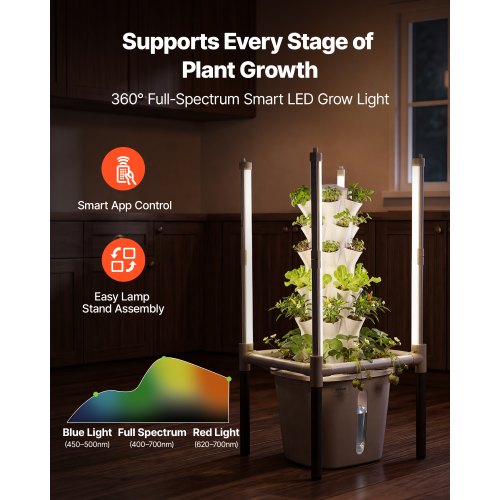
Automation makes daily care more consistent. Many hydroponic grow towers have water pumps connected to timers that can be adjusted. It lets circulation cycles run several times a day without manual intervention. This steady rhythm helps the roots get oxygen and nutrients more easily. Some models have grow lights built into the frame, which help with photosynthesis when there isn't enough natural light. A hydroponic growing tower with built-in lights helps plants grow all winter, even in apartments with limited light.
It is important to be energy efficient. Pumps usually run on low wattage, which means they use less electricity while still keeping the water moving. When used with programmable timers, growers can adjust their schedules based on their crops' growth stages. Even beginners can use hydroponic grow towers because they feature automation. Users check nutrient levels once a week and adjust settings as needed, rather than watering every day. The result is controlled, repeatable growth that depends less on the weather and is better aligned with the structure of indoor spaces.
Simple Assembly and Maintenance Practices
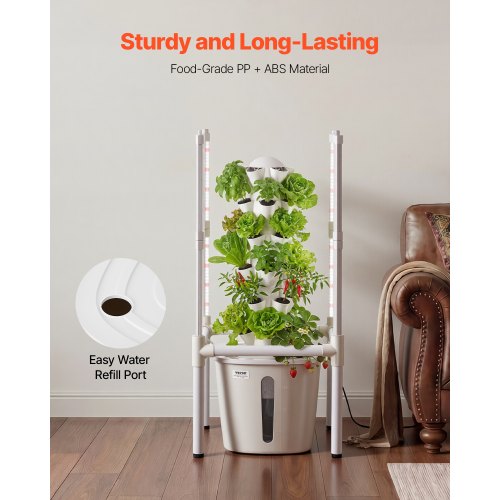
You shouldn't need special tools to set it up. Most parts of a hydroponic growing system connect through interlocking tiers and central support columns. During installation, clear alignment guides ensure the water channels remain properly sealed. Putting things together for the first time usually takes less than an hour. After building hydroponic grow towers, you need to check the water levels, clean the reservoirs regularly, and change the nutrient solutions. Because there is no dirt, cleaning up is easier and less messy.
Drain plugs at the bottom make it easier to change the water. You can check each plant separately without taking apart the whole structure, since the pods can be removed. Regularly checking the pump prevents mineral buildup that can clog it over time. A vertical hydroponics tower with easy-to-reach parts makes it easier to take care of. When maintenance is easy, growers are more likely to keep their production cycles healthy. Ultimately, how easy it is to set up and maintain a system will decide whether it becomes a part of daily life or stays unused in a corner.
Why Choose VEVOR Hydroponic Grow Towers?
VEVOR hydroponic grow towers support indoor harvests year-round by combining vertical efficiency, reliable circulation systems, and easy-to-use automation. The hydroponic grow tower system helps make the most of small spaces by offering multiple pod sizes, built-in pumps, and useful design features. Check out VEVOR's selection today and start growing fresher, cleaner food at home.
FAQs
How many plants can a hydroponic grow tower hold?
Depending on the model, systems hold 30 or 50 pods. The exact number depends on tier count and configuration, allowing growers to match planting density to available space and harvest goals. Larger tier models also support staggered planting for continuous harvesting.
Do I need soil for a hydroponic growing system?
No. Plants grow in water enriched with nutrients. Roots remain suspended within pods while the circulating solution provides hydration and minerals. This soil-free method reduces mess and lowers the risk of pests indoors.
Can I grow fruiting plants in a vertical hydroponics tower?
Yes, but choose crops suited to pod size. Strawberries and small peppers perform well, while larger fruiting plants may require additional support. Proper lighting and nutrient balance are especially important for fruit production.
How often should I change the water?
Generally, you should change the water every two to three weeks. Refreshing the nutrient solution prevents imbalance and maintains healthy plant growth. Regular monitoring of water levels also helps avoid pump strain.
Is assembly difficult for beginners?
No. Most systems use stackable tiers and simple pump connections. Basic setup can usually be completed within an hour without specialized tools. Clear instructions make the process manageable even for first-time growers.