Lathes














Results for Lathes
VEVOR lathes handle every turning job, including full-size wood lathes and compact benchtop and mini models for tight shop space. Whether you're turning bowls, spindles, or metal parts, this lineup offers a machine built for the work, not a spec sheet. You can find wood-turning lathes for furniture and craft projects, metal lathes for precision machining, and a complete set of chucks, chisels, and live centers to complete the setup. Every lathe here is selected for real workshop use, so you can begin turning with confidence.
VEVOR Lathes for Wood, Metal, and Every Shop Size
Which lathes will fit your shop? Choosing the right lathe takes thought, especially when deciding between wood, metal, mini, and benchtop options. VEVOR keeps it simple: wood lathes for furniture and craftwork, metal lathes for precision parts, and benchtop wood lathes for those with limited bench space. Whatever you're turning and wherever you're working, there's a lathe to fit the job and the budget.
Choosing the Right Type of Lathe for Your Shop
Lathes are not all identical. The lathe you choose depends on what you plan to turn, the size of your projects, and how much floor or bench space you have. Here's a breakdown of VEVOR's major lathe categories and where each works best.
Wood Lathes and Wood Turning Lathes for Woodworking Projects
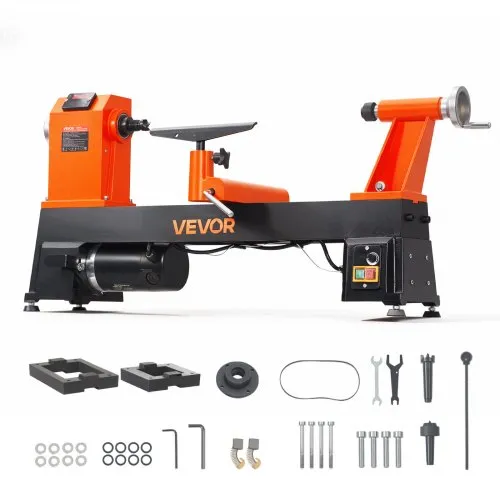
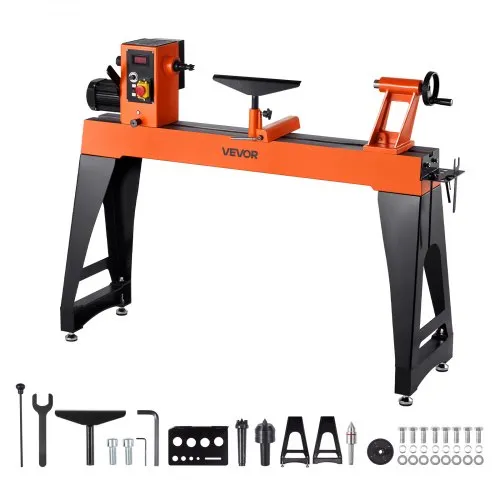
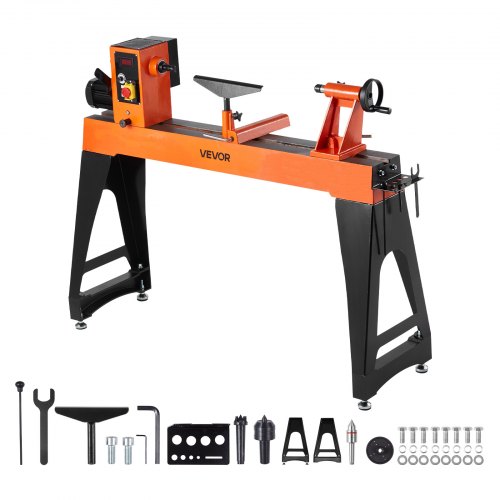
Wood lathes are a great place to start if you want to make furniture, bowls, or spindles. A wood-turning lathe spins a piece of wood, held between centers or in a chuck, against a cutting tool, allowing you to form rounded profiles that would be difficult or impossible to create with stationary tools. VEVOR's wood lathes are available in different bed lengths and swing capacities. This lets you choose a lathe that fits the size of your typical projects, rather than buying more machines than you need.
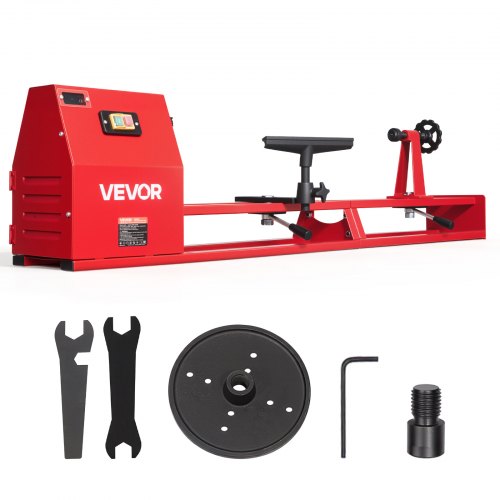
In general, you will find that woodworking lathes are either full-size or compact, and this is often dictated by what you turn the most. Full-size woodworking lathes are used for longer spindle work, such as table legs or stair balusters. Smaller lathes are used for bowls, pens, and other shorter work. In any case, a solid, vibration-resistant bed matters more than most first-time buyers realize, because a shaky lathe makes clean cuts much harder to achieve.
Another feature to check before buying is speed control. Variable-speed wood lathes let you slow down for rough stock and speed up for finishing cuts. This is important when working with irregular or unbalanced wood blanks. If you are serious about woodturning as a regular hobby or trade, a good wood lathe with reliable speed control and a sturdy frame is a wise purchase. Over time, this investment improves safety and finish quality.
Mini, Benchtop, and Tabletop Wood Lathes for Small Shops
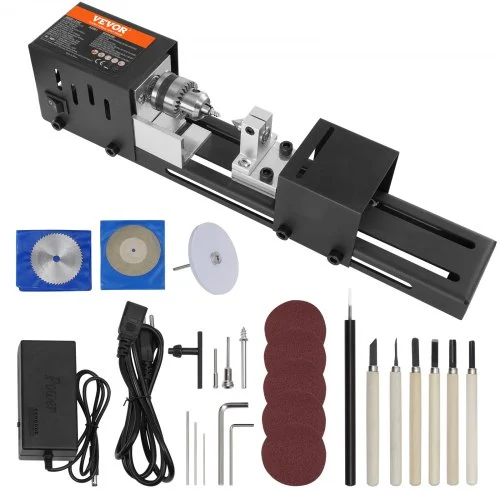
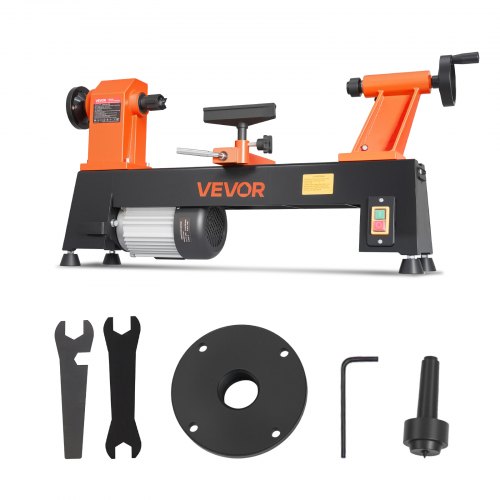
Not every shop has room for a full-size lathe, so smaller formats are a good option. Mini wood lathes make a big impact, yet they can still handle pens, small bowls, and other small turning projects. They're popular with hobbyists working in a corner of the garage or a spare bedroom, where space is limited.
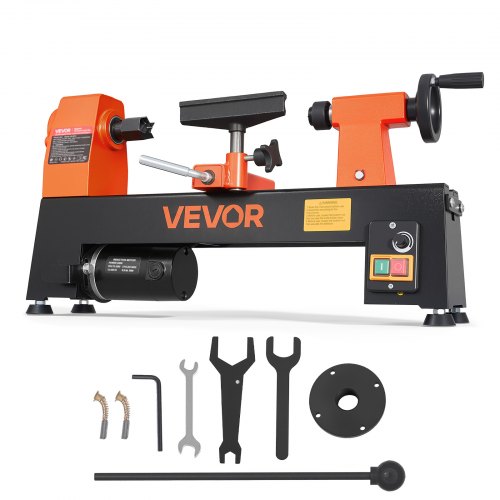
Benchtop wood lathes sit on a workbench rather than on the floor, making them more accessible and not taking up permanent shop space. VEVOR's benchtop wood lathes retain real turning capacity while occupying a smaller footprint, making them a convenient middle ground between a mini lathe and a full-size floor model. Tabletop wood lathes also fall into this category, prioritizing portability and easy storage for anyone who needs to pack the machine away between projects.
These smaller lathes are great for shared spaces, small workshops, or mobile setups, and you don't need a dedicated room. The usual tradeoff is swing capacity and bed length, so check actual project sizes against a benchtop or mini lathe's specs before assuming it'll handle everything a full-size machine could.
Metal Lathes for Precision Machining
Designed to handle the tighter tolerances and higher forces of cutting metal stock, metal lathes operate on a different principle than wood-turning lathes. VEVOR's metal lathes are used to turn, face, and thread steel, aluminum, and other metals. They are a staple in machining, repair work, and custom parts fabrication.
Metal lathes are typically heavier than wood lathes because cutting metal generates more heat and resistance than cutting wood. Metal lathes have stronger beds and more powerful motors than comparable wood lathes. This extra mass isn't only for strength; it also improves cutting accuracy, since any machine deflection translates into inaccurate cuts on metal stock.
Metal lathes are often more feature-rich than wood lathes, including gear-driven feed systems for even threading and a broader range of speed settings for different metals and depths of cut. A true metal lathe is worth the investment rather than stretching a wood lathe beyond its design limits, whether it's a hobbyist moving from woodturning to metalworking or a shop that needs dedicated metal-fabricating capability.
Compact Lathe Machines for Space-Limited Workshops
Compact lathe machines are made for wood and metal turning but in a smaller package for those who value footprint over maximum capacity. They sacrifice some swing and bed length for a size that fits tighter workshops, mobile trailers, or shared maker spaces.
What makes compact lathe machines different from basic mini lathes is that many still include features found on larger models, such as variable-speed control or digital readouts, just scaled down to fit a smaller frame. That makes them a good option for those who need more than a basic hobby lathe but still need to keep the machine's physical footprint down.
For shops that have to juggle many tools in a small amount of square footage, a compact lathe often makes more practical sense than a full-size model that sits unused most of the week. In a space-constrained workshop, it is generally better over the long term to match capacity to actual project needs rather than buy the largest lathe possible.
Matching Lathes to Capacity and Accessories
Picking the right type of lathe is only half the battle. The capacity and accessories really make a difference to how well that machine actually performs when you're doing real projects.
Matching Lathe Capacity to Your Projects
Swing over bed and distance between centers are capacity numbers on a lathe spec sheet that directly translate into the size of projects the machine can handle. The swing is the greatest diameter of the work that can be turned, and the distance between centers is the greatest length. Rather than assume bigger lathes are better, measure your typical projects and compare them to these two values before you buy.
Motor power matters, too, especially for metal lathes or when you're turning dense hardwoods regularly. An underpowered lathe can stall on larger stock, leading to uneven cuts and increased tool wear over time. This way, you can match capacity and motor specs to your project sizes and avoid buying a lathe that can't handle the work you need it for, rather than choosing based on price alone.
Chucks, Chisels, and Live Centers for a Complete Setup
The lathe does the turning; accessories complete the setup. Wood lathe chucks secure stock for turning bowls and other work that doesn't require the stock to be mounted between centers on the spindle. For some projects, the right chuck size and jaw configuration are as important as the lathe itself.
The turning chisels are the real cutting tools that work against the spinning stock. Most beginner and intermediate projects can be covered with a basic set of chisels for roughing, detailing, and finishing cuts. Lathe live centers support the tailstock end of longer spindle work and turn with the material to reduce friction and burning compared to a fixed center. Chucks, chisels, and live centers complete a lathe setup, and skipping on any of them usually shows up in the quality of the finished piece.
Why Choose VEVOR Lathes?
VEVOR has a real range of lathes – wood, metal, mini, and benchtop – so you don't have to compromise on capacity or size because of what's available elsewhere. Pricing remains competitive on full-size and compact models, and accessories such as wood lathe chucks, turning chisels, and lathe live centers are sized accordingly. Plus, VEVOR offers a standard warranty and customer support, so it's easy to find the right lathe for your shop. Explore the complete collection of lathes and locate the machine that suits your projects and your budget.
FAQs
What is the difference between a metal lathe and a wood lathe?
The wood lathe is lighter and faster for shaping wood between centers or in a chuck. Metal lathes are heavier and more rigid, designed for the tighter tolerances and higher cutting forces of metal machining.
Is a small or benchtop wood lathe suitable for bowl turning?
Yes, for most bowl sizes. Compare the swing capacity to your typical bowl diameter, as benchtop and mini lathes have smaller swing limits than full-size floor models.
Do you need a variable-speed wood lathe?
It's highly recommended. Variable speed allows you to slow down for rough or unbalanced stock and speed up for finishing cuts, improving safety and surface finish over a single-speed lathe.
What chuck size do I need for my wood lathe?
It depends on your typical project diameter and the lathe spindle thread size. Before buying a chuck, check your lathe's spindle specifications to ensure the right fit and thread.
Can you use turning chisels on wood lathes and metal lathes?
No. Use turning chisels on wood lathes. Use a variety of cutting tools designed to withstand the increased forces and heat generated when cutting steel, aluminum, and other metals. Metal lathes.