
Literature Display




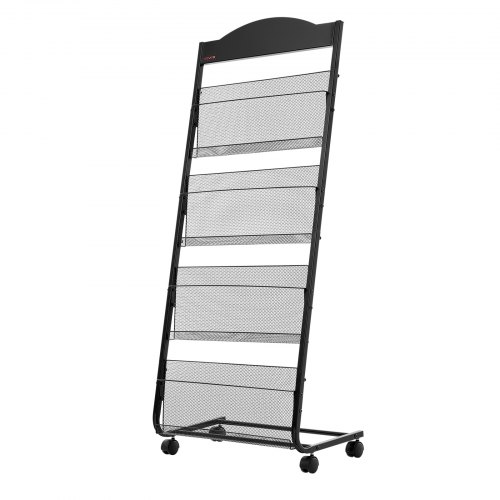
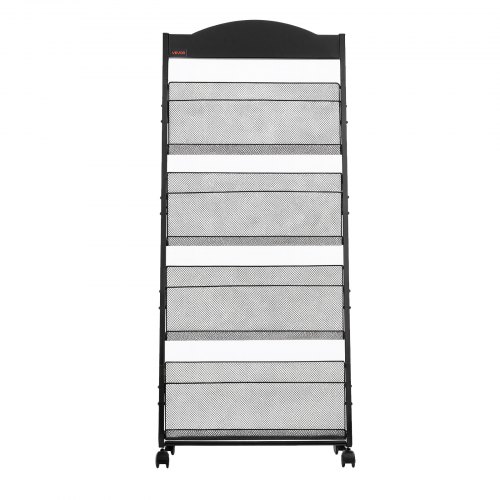
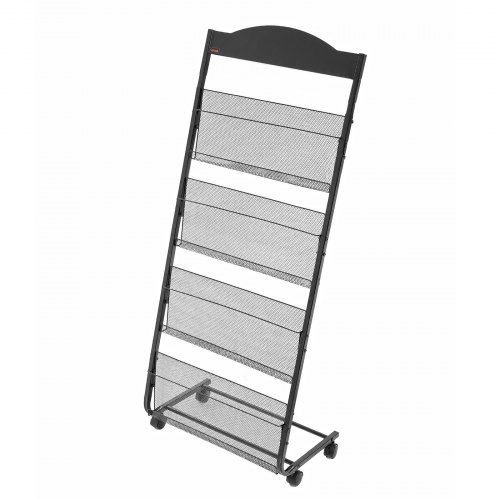
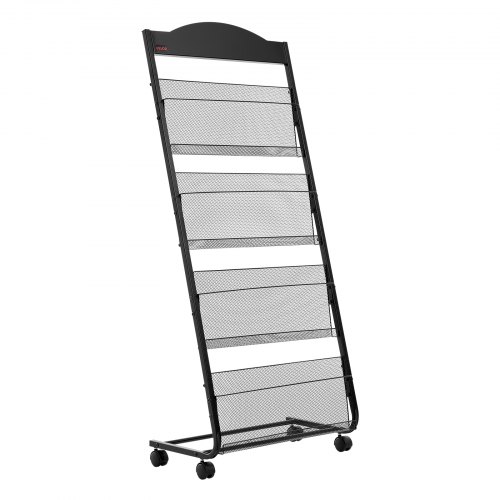


Results for Literature Display
Brochures, magazines, catalogs, and other business materials are easy to display anywhere with VEVOR literature display stands. VEVOR has what you need at a price that won't break the bank. They have a floor-standing brochure display rack for a busy reception area, a small acrylic brochure holder for a shop counter, and a rotating brochure display rack for a trade show booth.
VEVOR Literature Display Stands: Versatile Organization for Offices, Retail, and Events
Do you want to make your brochures, catalogs, or magazines look better? With the right literature display stand, things stay neat, are easy to find, and look good in a storefront, a trade show booth, or a company hallway. VEVOR provides a variety of display racks for magazines and marketing materials to fit any space, number needs, or presentation style.
How Capacity & Configuration Shape the Perfect Literature Display Stand
Knowing how much you want to show and how best to arrange it within the space you have is important before you buy a book display stand. The capacity and layout of a display work together to determine whether it improves or worsens your area. It is better to get the right mix right away because it saves time and money.
Pocket Count and Tier Layout: Sizing Your Display to Your Content Volume
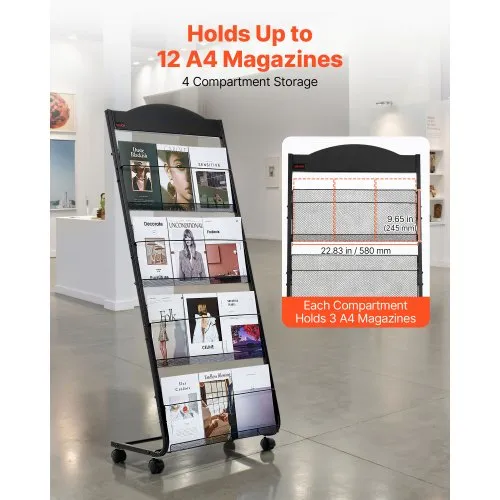
The number of pockets and tiers on a book display stand tells you how much you can show off without making it look too crowded. Most basic types have between four and eight pockets, spread across two or three levels. Simply putting a few book titles on show at a time is good for small offices or storefronts. If you need to organize and quickly find a lot of different things, mid-range choices with 12 to 24 pockets spread across four to six tiers work best in places like medical waiting rooms, travel agencies, and real estate offices.
When there are many people around, like in a store, an exhibition hall, or a hotel lobby, displays with 24 or more pockets make it easy to sort items by subject, language, or audience type. The right magazine display rack in these places not only keeps things neat but also shows that you are skilled and pay attention to detail. You can match the display size to the amount of information you have with VEVOR's tiered configurations for different pocket counts. This way, you don't have to pay for a room you don't use.
Standard vs. Custom Pocket Sizes: Matching Dimensions to Your Materials
Not every piece of marketing is the same size. A literature display stand made just for letter-size brochures won't work if you have tri-fold pamphlets, A4 catalogs, tabloid-size mags, or oversize event programs. Each slot can hold 20 to 40 sheets of paper, enough for a variety of brochures or magazines, stacked high in a magazine display rack that gets a lot of use. Most typical pocket depths are between 1 and 2 inches. Thick magazines or stacks of brochures should have pockets that are at least 2.5 inches deep.
Width is also very important. Most full-width magazine and catalog pockets are 8.5 to 9 inches wide. Narrow pockets for tri-fold notes are 4 inches across. Some VEVOR literature display stands feature mixed-pocket designs that combine both pocket sizes into a single unit. This lets operators display different types of information simultaneously. Before you buy, measure your most common material sizes and compare them to the pocket's sizes to make sure everything fits well and the screen doesn't bow, twist, or sag.
Footprint and Space Planning: Choosing the Right Configuration for Your Floor Area
The size of a floor-standing paper display rack is just as important as the number of pockets it has when there isn't much floor space, or when people need to be able to move around easily. Screens with one side and a depth of 12 to 16 inches are great for mounting against walls or in narrow halls because they don't take up too much room. Models with two sides take up more room (18 to 24 inches), but they can show twice as much without needing more floor space.
There are many different kinds of rotating leaflet displays. They put together a bunch of pockets into a small circle that can be opened from any direction. This setup works well for placing items on their own in open spaces without walls, such as the first floor of a store or the lobby of a meeting center. The smooth-bearing turntables on VEVOR's moving display racks will hold full loads without wobbling, no matter where you put them, ensuring a stable, professional presentation. When you set up your furniture, leave at least 18 inches of space around any units that stand alone.
Display Racks for Magazines vs. Brochures: Understanding the Functional Differences
There are many ways to use literature display stands. Nevertheless, specialized display racks for magazines and posters are made for particular purposes, making them more useful in everyday life. Magazine racks have deeper pockets than those for trade magazines, thick catalogs, and other magazines and zines. Most of the time, they have pockets that tilt forward so that the front cover is always visible and faces the user, making it easier to browse.
Brochure displays don't have bigger pockets tilted slightly upwards like tri-folds and single-sheet inserts do. This prevents thin inserts from slipping or bunching up at the bottom. If you don't account for these differences and put both types of content on the same screen, the materials can look confused, even when the rack is full. There are both format-specific and mixed-use VEVOR literature display stands, so you can choose a display designed for the type of content you have, rather than trying to fit everything into one.
Material & Portability: Finding Literature Display Stands Built for Your Environment
What a literature display stand is made of and how easy it is to move or carry are two things that determine how useful it will be in the long run. Material quality and portability determine how you use your display every day, whether you need a heavy unit that stays in a business office or a portable one that travels from event to event.
Material Quality: Steel, Acrylic, and Composite Options Compared
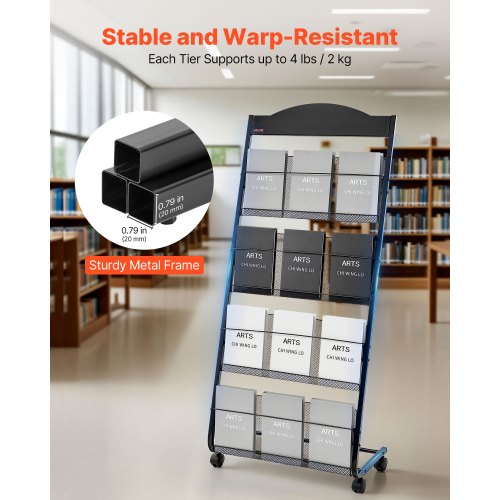
Powder-coated steel, acrylic, and composite materials that combine the two are the three most popular materials used in literature display stands. Steel frames are the most rigid option for heavy-load applications, making them ideal for a floor-standing brochure display rack in busy business spaces. Powder-coated finishes in black, silver, or white protect against scratches and rust, keeping the display looking professional even after years of daily use with minimal care.
When used as individual pockets in an acrylic brochure holder or as full-panel inserts on a steel-framed unit, acrylic parts provide great material visibility, letting people to see the brochure covers and text at a glance. Very clear acrylic doesn't yellow as quickly as regular plastic, and it's simple to clean with a wet cloth. Some VEVOR literature display stands have both heavy-gauge steel frames and high-clarity acrylic pockets. The combination gives them both structural strength and the clean, modern look that stores and company lobbies need.
Portability Features: What Makes a Display Truly Event-Ready
For companies that set up shop at trade shows, community events, farmers' markets, or temporary stores, portability is essential. The difference between a smooth booth setup and a stressful pre-event scramble can be made with a foldable display rack that folds flat for travel and sets up tool-free in less than 5 minutes. Find types that can be assembled without tools, feature interlocking panel systems, and come with carrying bags or handles.
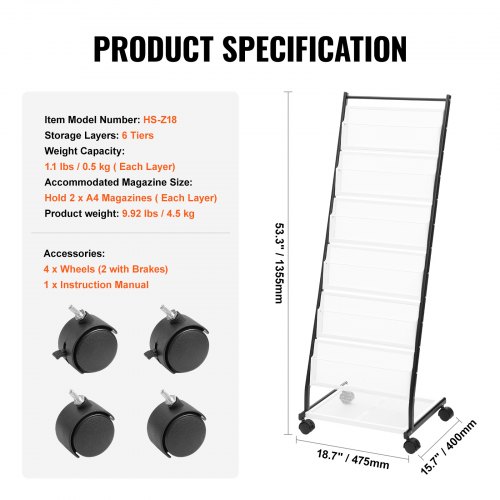
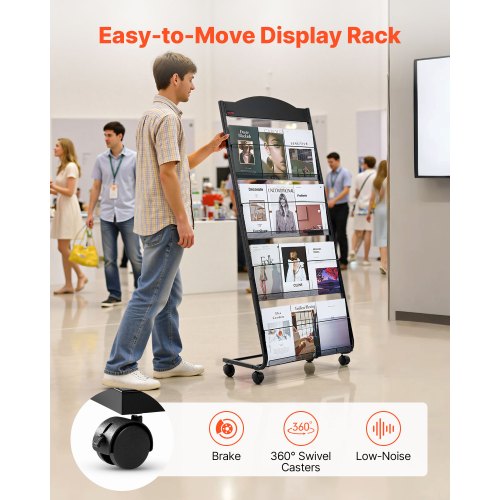
When you need to move the display around a lot during an event, floor-standing brochure display racks with wheels make it easier. Once the display is in place, locking casters keep it stable, and turning wheels make it simple to move it on smooth floors.
Shop VEVOR Literature Display Stands for Every Space and Application
VEVOR literature display stands help keep things neat and organized in offices, shops, trade shows, and other places. VEVOR has a solution for every need, from a rotating brochure display rack that maximizes floor space to a small acrylic brochure holder for a table. Check out the whole selection right now and take advantage of VEVOR's low prices, easy customization options, and reliable customer service after the sale to find the best display for your room.
FAQs
What is the difference between a literature display stand and a magazine display rack?
Literature display stands are designed for a broad range of printed materials, including catalogs and flyers. A magazine display rack uses wider, deeper pockets optimized for larger-format periodicals. Some models accommodate both formats within a single unit.
Can a foldable display rack support heavy catalogs and magazines without tipping?
Yes, provided the model is rated for the load. Quality foldable display rack designs use reinforced hinges and wide base footprints to maintain stability under full loads. Always check the manufacturer's weight capacity rating before loading with heavy catalogs or thick magazines.
Are acrylic brochure holders durable enough for daily commercial use?
High-quality acrylic brochure holders made from thick-gauge, UV-resistant acrylic hold up well in commercial environments. They resist yellowing, clean easily, and handle daily loading and unloading without cracking when handled correctly. Avoid sharp impacts, which can chip the thinner edges of acrylic.
How many pockets do I need for a trade show literature display stand?
For most trade show booths, a display with 12 to 20 pockets provides enough capacity for a full product or service lineup without overwhelming visitors. A rotating brochure display rack is a practical choice for booths with limited floor space that still need to present a wide range of materials.
What floor space does a floor-standing brochure display rack typically require?
Most floor-standing brochure display rack models require a footprint of 12 to 24 inches in depth and 16 to 36 inches in width, depending on the configuration. Single-sided wall-mounted styles require less space, while double-sided and rotating models require additional clearance for comfortable browsing.
