Litter Boxes & Houses












Results for Litter Boxes & Houses
From open conventional cat litter boxes and stainless steel cat litter boxes to chic cat litter box enclosures that serve as home furnishings, VEVOR's litter boxes & houses provide cat owners a full range of options. VEVOR caters to every taste, budget, and type of home décor, whether you are looking for a simple everyday tray, a hidden wood cat litter box enclosure for your living room, or a smart cat litter box with automated cleaning.
VEVOR Litter Boxes & Houses for Every Cat, Every Home, Every Style
Are you searching for a plant cat litter box that blends with your home decor without looking like pet furniture, a stainless steel cat litter box that is easier to clean, or a litter box that fits neatly into your living area? When selecting a litter box, weigh your needs for odor control, ease of cleanup, and available floor space against your cat's size and comfort. In a single range, VEVOR's litter boxes and houses address all of these issues.
Litter Boxes & Houses by Box Type and Material
Knowing the type and material of litter boxes best suited to your home eliminates uncertainty when making purchases. Traditional open trays, enclosed furniture-style houses, and specialty materials are all part of VEVOR's line; each is made to suit a particular mix of cat activity, owner desire, and home setting.
Traditional Cat Litter Box: Simple, Functional, and Easy to Maintain
The simplest choice available to cat owners is a regular cat litter box, which is an open or hooded tray that gives your cat a specific area to eliminate without the cabinetry requirements of enclosures or the mechanical complexity of automated systems. A well-designed traditional litter box remains the most practical everyday solution for households that prioritize price and simplicity. Open-tray styles that allow unfettered entry and exit are often best for elderly cats, those recovering from illness, or those who do not like being in small places.
The category of plastic cat litter boxes offers the greatest diversity in tray depth, opening height, and lid combinations, as well as the broadest price range. VEVOR's plastic alternatives feature smooth interior surfaces that prevent litter adhesion and speed scooping, as well as roomy internal dimensions that fit larger cats without requiring an uncomfortable stoop. One of the best ways to reduce territorial litter avoidance in multi-cat households is to place several traditional trays in different areas. Traditional boxes make it affordable to accomplish this goal without requiring a large investment per unit.
Cat Litter Box Enclosure: Concealment and Furniture-Style Integration
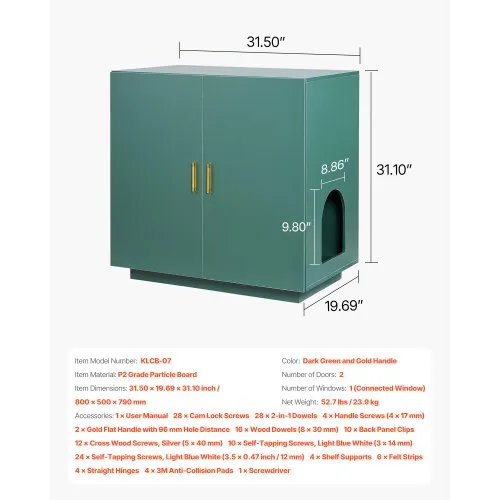
One of the most frequent grievances cat owners have with conventional trays is the visual intrusion of an open litter box in a living area, which is resolved by a cat litter box enclosure. By hiding the litter box behind a piece of furniture, such as a cabinet, side table, or planter, enclosures completely blend into the space's decor. Without limiting the cat's access to its litter area, the result is a cleaner, more polished home.
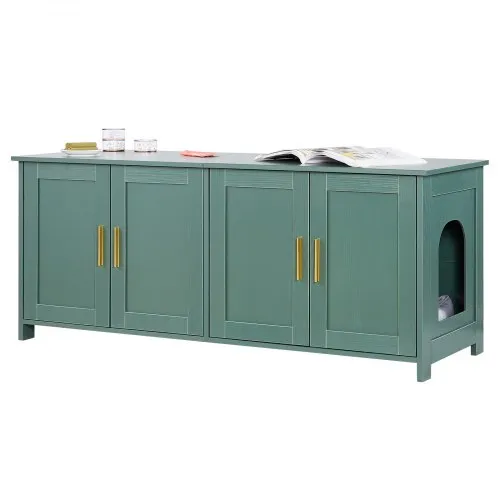
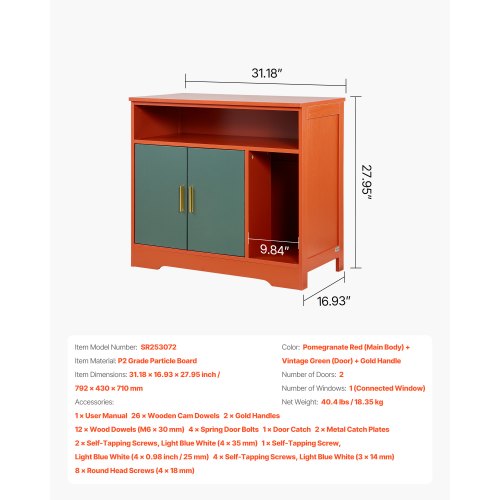
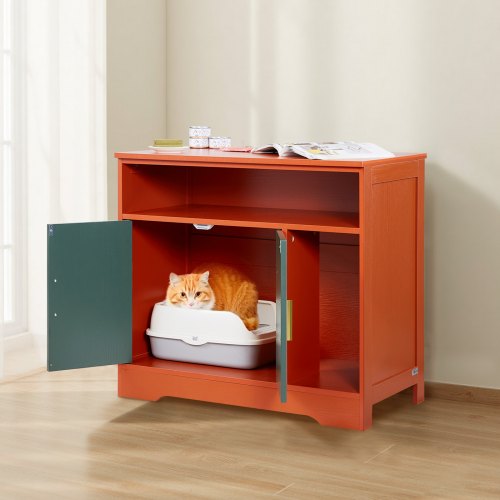
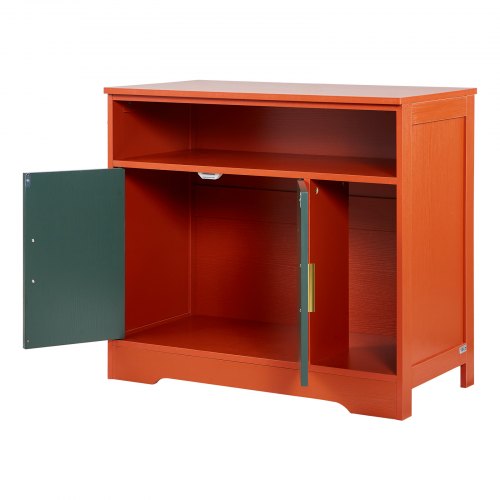
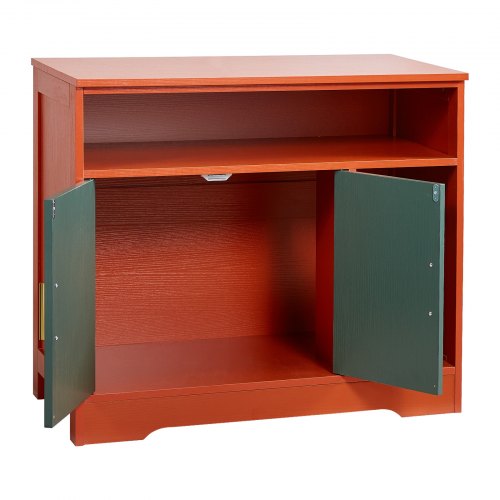
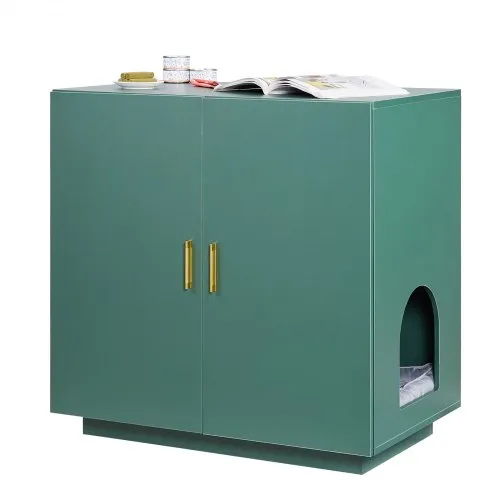
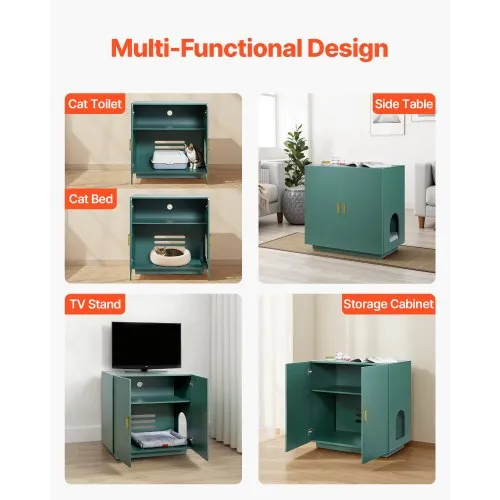
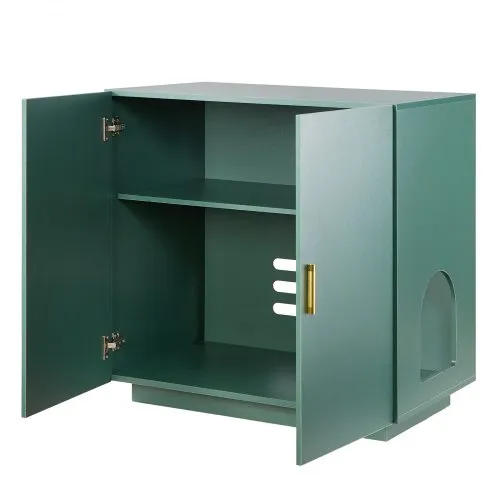
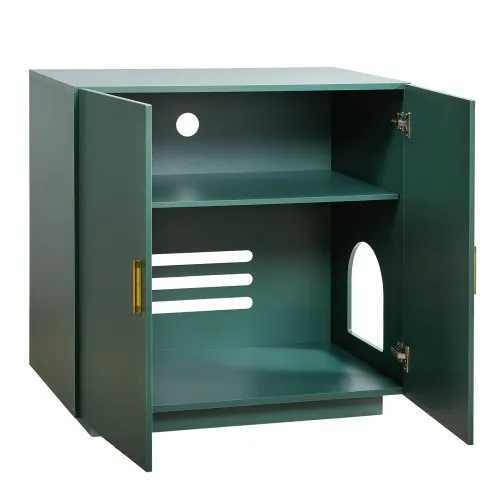
Natural material warmth and cabinetry-style construction are features offered by VEVOR's wood cat litter box enclosure alternatives. From the outside, a well-constructed wooden enclosure serves as a true side table or storage box, with an interior that can accommodate a standard litter tray and an inconspicuous cat-sized entry opening. By concealing the entry as a planter with realistic-looking flora on top, the plant cat litter box goes beyond this idea. It is visually unnoticeable in living rooms, hallways, and home offices. Using powder-coated steel framing with panel inserts for a structured, architectural appearance that complements modern environments, the metal frame cat litter box enclosure delivers a more industrial or modern appeal. Because the cat must go through a restricted entry rather than out onto an open floor, each type of enclosure also lessens litter dispersal.
Stainless Steel Cat Litter Box: Hygiene-First Construction for Easy Cleaning
Instead of using a design method, the stainless steel cat litter box uses a material science solution to address the hygiene problem. Because stainless steel is naturally non-porous, it does not accumulate stains, bacteria, or odors over time as plastic does. Switching to stainless steel often results in an immediate, visible improvement in home odor levels for cat owners who have struggled with the lingering ammonia smell that develops in old plastic trays, even after thorough cleaning.
The smooth, rolling edges of VEVOR's stainless steel cat litter box alternatives, which are constructed from food-grade or comparable stainless alloy, allow for quick interior cleaning with a sponge or cloth. The stainless surface tends to stay smooth and easy to clean over time, unlike plastic trays that eventually develop microscratches from scoops and litter, forming cracks that trap waste and bacteria. Because of this, stainless steel litter boxes are especially beneficial for owners of cats with sensitive skin or allergies, where reducing bacteria in the litter environment is a health concern, as well as for multi-cat households with high daily cleaning volumes. Although the initial investment is marginally higher than that for plastic, the cost per year of use is competitive throughout the product lifecycle due to the longevity and hygienic benefits.
Smart Cat Litter Box: Automated Cleaning for Low-Maintenance Households
In VEVOR's litter boxes & dwellings category, the smart cat litter box represents a higher level of technology. After a certain period, these self-cleaning systems mechanically separate waste from clean litter and dump the solids into a sealed waste drawer. They do this by using sensors and motorized rake or rotation mechanisms to recognize when a cat has used the box. A smart litter box can improve day-to-day convenience for cat owners with hectic schedules, multi-cat families that would otherwise need frequent daily scooping, or anyone who finds manual litter care a recurring annoyance.
Beyond convenience, a smart cat litter box offers several useful advantages. These devices reduce ammonia levels in the litter box environment by swiftly and consistently clearing waste from the litter surface. This feature can affect whether a cat chooses to use the box consistently. When switched to an automatically cleaned box, cats who have started avoiding a traditional box due to odor buildup between scoop sessions often resume regular use. With detachable waste drawers and washable parts, VEVOR's smart litter box designs maintain the unit's cleanliness without requiring complicated disassembly, striking a balance between automation and simple maintenance.
Size, Privacy Features, and Choosing the Right Litter Box Setup
After choosing the appropriate box type and material, two more criteria affect how satisfied you and your cat are daily: how well the design controls privacy, odor, and litter dispersal, and whether the inside measurements truly suit your cat comfortably.
Getting Size Right: Interior Dimensions for Small, Medium, and Large Cats
One of the most often overlooked aspects of cat ownership is the size of the litter box. Veterinary behaviorists generally recommend that a litter box be at least 1.5 times the cat's length from snout to tail base. This feature requires an inner tray length of at least 27 inches for a standard-sized domestic cat that measures around 18 inches. Many retail litter boxes, especially those in the low-cost category, fail to meet this requirement.
Adult cats up to large-breed size, such as Maine Coons, Ragdolls, and similarly sized domestic cats that often outgrow standard boxes, can fit in VEVOR's litter boxes and houses, which are designed with common cat dimensions in mind. The proportions of the entry aperture are similarly crucial for enclosure-style products: a cat should be able to enter and exit without ducking or turning sideways, which deters use and may lead to litter avoidance in already selective cats. When choosing any cat litter box enclosure, make sure it actually suits your particular cat rather than an idealized average by checking the inside tray measurements and entry opening height.
Privacy Features: Odor Control, Scatter Reduction, and Cat Comfort
In addition to improving the cat's environment by providing a more secure and sheltered area for elimination, privacy features in litter boxes and houses also benefit the owner by keeping litter and odor contained within the box rather than allowing it to spread throughout the surrounding floor.
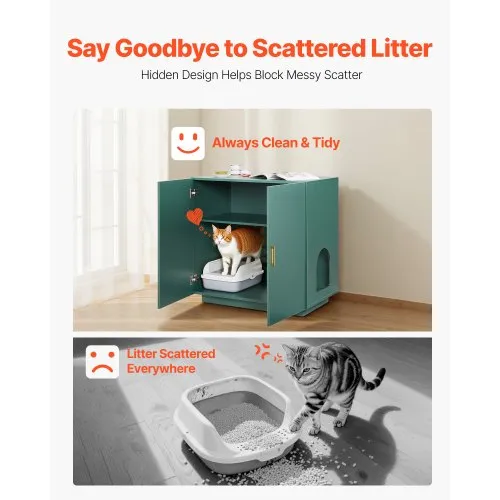
Whether it is a hooded plastic cat litter box, a wood cat litter box enclosure, or a plant cat litter box, enclosed designs minimize litter dispersal by requiring the cat to exit through a single, controlled opening rather than kicking litter in all directions. To further limit litter that reaches the surrounding floor, some enclosure designs feature an interior lip or grate mat at the entry point that collects litter from the cat's paws as it exits. The contained air volume and the option to install activated carbon panels or odor-absorbing liners inside the cabinet are two advantages of enclosed designs for odor control. A stainless steel cat litter box, regular scooping, and high-quality clumping litter remain among the most efficient low-tech methods for optimal odor control without an enclosure. By eliminating waste within minutes of each use, smart litter boxes address odor and dispersion simultaneously, reducing the odor buildup that can occur with manually scooped boxes between cleaning intervals.
Why Choose VEVOR Litter Boxes & Houses for Your Cat?
VEVOR's Litter Boxes & Houses cover a wide range of common cat owners' needs, ranging from common plastic litter boxes and sanitary stainless steel alternatives to fashionable wood cat litter box enclosures, plant patterns, and clever self-cleaning devices. Finding the ideal litter solution for your cat and your home is simple with VEVOR's reasonable prices across every category and trustworthy after-sales support. Check out the entire collection now.
FAQs
What size litter box does my cat actually need?
A litter box should be at least 1.5 times the length of your cat's snout to tail. This feature indicates an internal length of 26 to 30 inches for the majority of mature cats. To utilize the box consistently and comfortably, large breeds such as Maine Coons require the higher end of that range.
Is a stainless steel cat litter box worth the extra cost?
For many owners, yes. Unlike plastic, stainless steel does not absorb smells or form microscopic scratches that harbor bacteria. Over the product's lifetime, it is cost-effective because it cleans more quickly, lasts longer, and gradually creates noticeably less odor.
Will my cat use a cat litter box enclosure?
The majority of cats adjust well to enclosures with adequate interior space and an entry height that allows them to enter. Place the enclosure over a familiar tray to introduce it gradually. When the interior dimensions are cat-appropriate, litter-trained cats typically transfer smoothly.
How does a smart cat litter box reduce odor?
Before odor-causing ammonia can accumulate, smart litter boxes remove waste from the litter surface within minutes after each use. This feature directly improves air quality in the surrounding area and is far quicker than manual scooping.
Can a wood cat litter box enclosure handle moisture and odor over time?
Yes, provided that the internal lining is moisture-resistant and the wood is sealed or treated. For optimal long-term longevity, ensure the enclosure is well-ventilated and use clumping litter to reduce liquid contact with the wooden surfaces.