Livestock Feeder

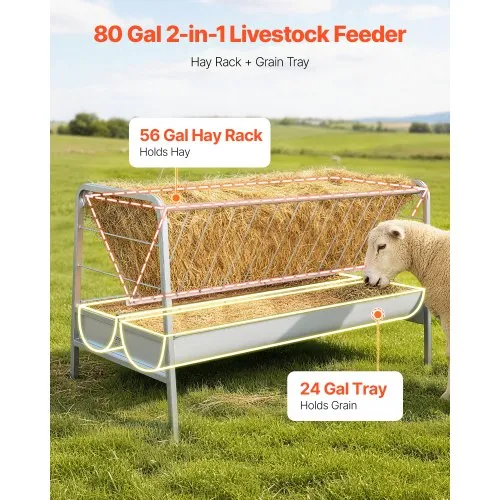

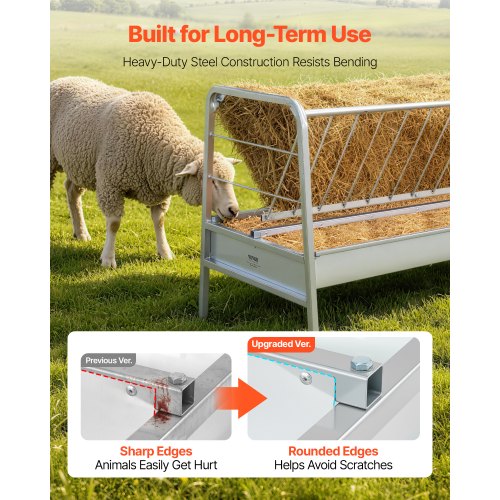
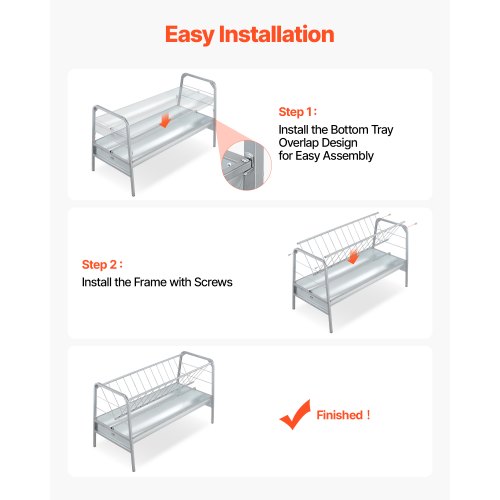

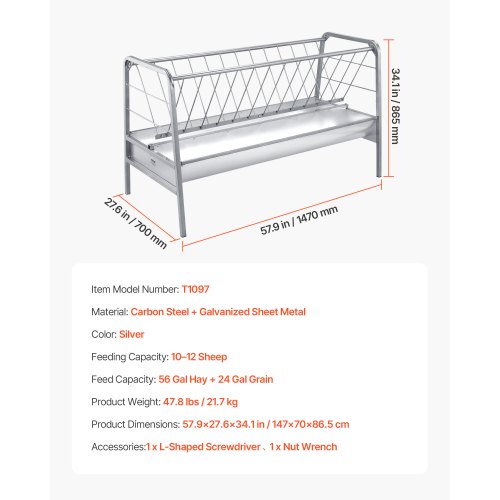





Results for Livestock Feeder
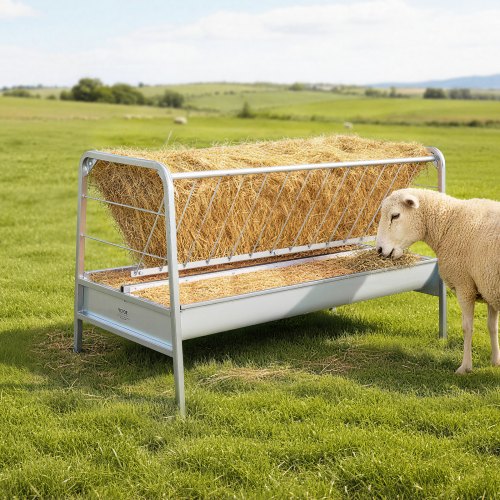
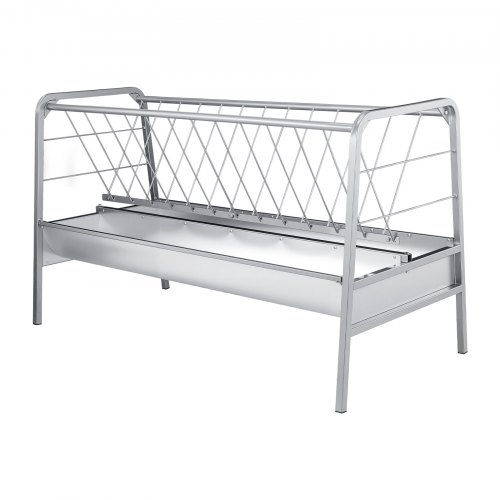
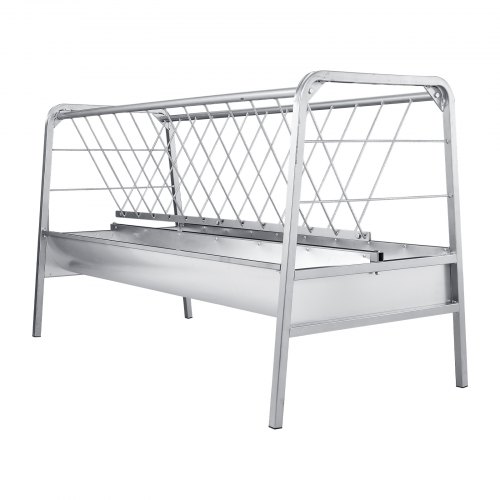
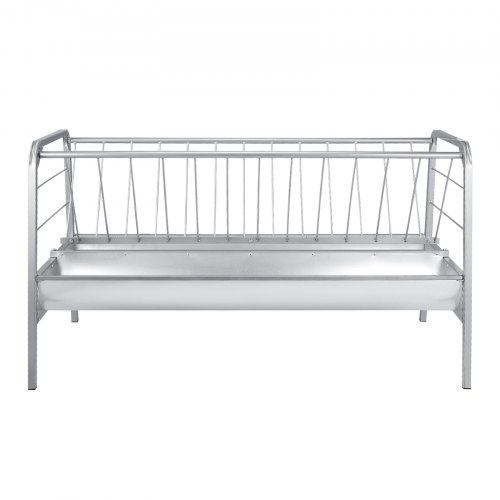
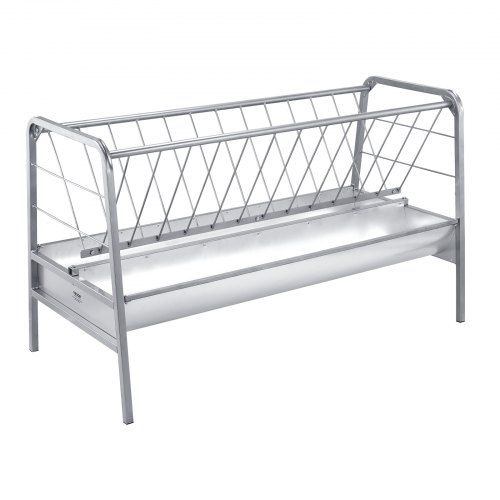
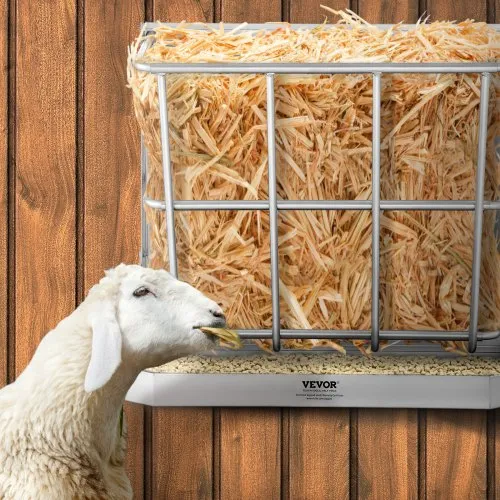
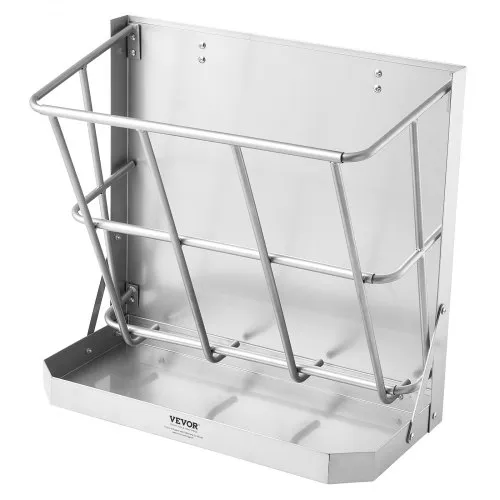
With VEVOR's expertly crafted livestock feeders, which are built for longevity and efficiency in a variety of agricultural applications, you can maximize your feeding operations. Our vast collection includes high-capacity commercial feeders for large ranching operations, as well as modest, single-animal systems ideal for small homesteads. VEVOR offers waste-reducing designs that shield feed from weather and promote natural feeding habits, whether you're feeding sheep, pigs, horses, goats, or cattle. With tested designs and affordable prices, our range meets all feeding needs, whether they are from commercial operations or hobby farms.
VEVOR Livestock Feeders: Professional Feeding Equipment for Efficient Farm Operations
Are you sick of your daily routine being disrupted by repeated refilling, rain-spoiled feed, or wasted hay being crushed into mud? Reducing wastage that depletes your feed budget and shielding feed from contamination are two ways that high-quality livestock feeders address these enduring problems. The species-appropriate designs in VEVOR's specialty collection minimize the mess and cost of ground feeding while accommodating natural feeding postures and social activities. Our catalog provides field-tested equipment at costs that respect agricultural economics.
Capacity & Animal Type Compatibility: Selecting the Right Livestock Feeders for Your Operation
Your livestock feeders will meet current feeding requirements while supporting herd growth and the variable consumption patterns of different animal types, provided you choose the right capacity and incorporate species-specific design elements.
Understanding Capacity Requirements for Different Herd Sizes
Livestock feeders have various capabilities based on how many animals they can feed at once or how much grain they can hold. Compact feeders that can carry 50 to 100 pounds of hay or 3 to 5 bushels of grain are ideal for small-scale businesses with two to five animals. Depending on animal size and consumption patterns, these feeders need to be refilled daily or every other day.
Hobby farms, tiny breeding operations, or isolation paddocks where individual animals receive specialized nutrition are all suitable for these low-cost livestock feeders. For average-sized herds, mid-range capacity feeders that can hold 6–12 animals can carry 150–300 pounds of hay or 8–15 bushels of grain, requiring refilling only twice or three times each week.
Medium farms with breeding stock, growing operations, or seasonal grazing programs that provide additional feeding during winter or drought benefit greatly from these adaptable livestock feeders. These capacities are common among working farms that balance efficiency with individualized attention to cattle since they demand less labor than daily feeding.
400–800 pounds of hay or 20–40 bushels of grain can be stored in large-capacity commercial livestock feeders that serve 15–30 animals; certain extreme-duty units can hold up to 1,000 pounds. Even with huge herds consuming substantial quantities every day, these large containers only need to be refilled once or twice a week, minimizing the human investment in feeding operations.
Species-Specific Design Features and Feeding Behavior Accommodation
Because each livestock species has different feeding habits, body types, and nutritional needs, several feeder designs are needed. Horse hay feeders feature vertical bars spaced 2 to 3 inches apart, which enables horses to pull hay through holes that minimize waste and keep legs or hooves from becoming tangled if animals paw at the feeders.
By placing the hay at chest to shoulder level, the height encourages a natural downward head position during eating, which supports healthy respiratory and digestive processes. Because goats have smaller mouths and narrower heads than horses and cattle, goat feeders have smaller openings, usually 1.5 to 2 inches wide.
These specialist livestock feeders are designed to offer hay at easily accessible levels while preventing animals from climbing into feeders and polluting the feed, since goats have selective feeding habits and prefer to pull individual stems and leaves rather than taking big mouthfuls. Many goat hay feeders have high bases or sloping bottoms to discourage children from using them as playthings.
With trough depths of 12 to 18 inches and widths of 18 to 24 inches, cattle-oriented livestock feed trough designs provide enough room for larger animals to reach feed without feeling stressed by competition. The sturdy design can withstand the considerable weight and force that cattle exert when reaching for their favorite feed parts.
Multi-Species Compatibility and Adjustable Configurations
Versatile livestock feeders that accommodate multiple species, with customizable features or universal designs, are advantageous for farms with various livestock. It is no longer necessary to purchase separate equipment for horses, cattle, and goats because convertible hay feeders with detachable panels or adjustable bar spacing can be used in various configurations.
These versatile livestock feeders are especially useful for enterprises that maintain breeding programs with fluctuating animal populations throughout the year or switch pastures annually. Depending on the size and makeup of the herd, modular livestock feeders with interlocking parts can extend capacity or be reconfigured.
Height-adjustable livestock feeders can accommodate animals of various life stages; mature animals require elevated feeding places, while young stock require lower access points. Operators can adjust feeder height as animals grow or when switching feeders between species, thanks to telescoping legs or multiple mounting options.
Calculating Feed Waste Reduction and Cost Savings
Compared to ground feeding, high-quality livestock feeders significantly reduce feed waste; depending on the grain type and animal species, well-designed units can reduce waste by 25 to 50 percent. Reducing waste from 30 percent with ground feeding to 10 percent with appropriate hay feeders for goats saves 40 pounds per day, or around 14,600 pounds per year, for a 10-horse enterprise that uses 200 pounds of hay per day.
This waste reduction saves $1,460 a year and usually pays for the feeder in the first year, since good hay costs $200 a ton. Similar economics apply to cattle operations; for example, a herd of 20 beef cattle that consumes 500 pounds of hay each day wastes 150 pounds when fed on the ground, rather than 50 pounds when fed with effective livestock feeders.
Grain spills, which are especially problematic when ground feeding and animals compete for favored spots, are avoided by the design of the livestock feed trough. In commercial hog operations, where feed accounts for 65 to 75 percent of total production expenses, cutting grain waste from 15 percent to 3 percent in a swine operation feeding 500 pounds per day saves 60 pounds per day.
Material & Durability: Engineering Long-Lasting Livestock Feeders Construction
The choice of materials and construction quality determines whether livestock feeders last for decades or require frequent replacement, with significant implications for maintenance needs and long-term operating costs.
Heavy-Duty Metal Construction and Corrosion Resistance
Heavy-gauge galvanized steel, usually 14 to 16 gauge for structural elements and 18 to 20 gauge for panels, is used in premium livestock feeders to provide strength that can endure frequent loading and cleaning, weather exposure, and constant animal interaction. Equipment exposed to moisture from rain, snow, and the humid conditions produced by animal respiration needs to be galvanized to prevent rust and corrosion on the underlying steel.
With a zinc coating thickness of 2 to 4 mils that penetrates steel surface imperfections and delivers 20 to 30 years of corrosion protection in typical agricultural conditions, hot-dip galvanization offers improved protection over electro-galvanization. Without sacrificing protection, this durable coating can withstand chemical exposure from urine, dung, and feed acids, as well as abrasion from animal contact.
High-end livestock feeders with powder-coated finishes offer both secondary protection and visual appeal. The robust, chip-resistant surfaces are created by electrostatically applied polymer coatings that are hardened at high temperatures. These finishes prevent chalky oxidation on exposed galvanized surfaces after years of exposure to the sun and seal small scratches in the galvanized coating.
Structural Engineering and Weight Distribution
To eliminate stress concentrations that could lead to premature failure, well-engineered livestock feeders employ structural design principles that evenly distribute weight across frames. Excellent strength-to-weight ratios are achieved with tubular steel construction using 1.5- to 2-inch-diameter tubes, which yield sturdy frames without requiring excessive material that raises prices and makes handling more difficult.
In livestock feeders, reinforced corners and joints serve as crucial structural places where stress is concentrated during loading procedures and animal interaction. High-end designs eliminate the loosening and failure points that come with mechanical fasteners that are subjected to vibration and impact by using fully welded construction at high-stress connections instead of bolted assemblies.
Wide-stance arrangements, which measure 24 to 36 inches across, resist tipping when animals push against feeders during competitive feeding. Base design has a considerable impact on the stability and longevity of livestock feeders. By distributing weight across a wide surface area, skid-style bases keep feeders from sinking into soft ground during rainy seasons.
Weather Resistance and All-Season Performance
Inadequately built equipment is destroyed by high temperature changes, intense UV radiation, driving rain, heavy snow loads, and freeze-thaw cycles, all of which are experienced by outdoor livestock feeders. The roof designs of covered livestock feeders usually have a pitch of 30 to 45 degrees, which protects the stored hay or grain from the elements while shedding snow and rain.
The brittleness and cracking that untreated plastics and coatings experience after years of sun exposure are avoided by UV-stabilized components in livestock feeders. Hay feeders for horses with plastic parts, such as feed pans or poly panels, use UV inhibitors to keep them flexible and impact-resistant even in the summer when temperatures can reach over 100°F and in the winter when they can fall below freezing.
In livestock feed trough units, drainage design prevents water from pooling, which can encourage rust and bacterial growth and contaminate feed when it rains. Even when feeders are placed on uneven terrain, their slanted bottoms ensure full drainage by directing water toward drain holes placed at low points.
Why Choose VEVOR Livestock Feeders for Efficient, Durable Feeding Solutions?
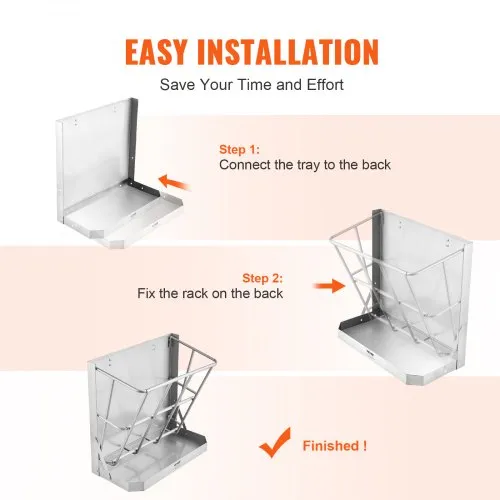
Across our entire line of livestock feeders, VEVOR offers outstanding value by blending tried-and-true designs with sturdy construction at prices that respect farm budgets without sacrificing quality. Every product has the durability your operation requires, waste-reducing design, and galvanized construction, whether you're looking for commercial-capacity livestock feeders for large-scale ranching or compact units for small homesteads. In addition to undergoing quality testing, each feeder comes with clear assembly instructions, prompt customer service, and dependable warranty protection. Purchase now to save money on feed, enjoy free shipping, and have faith in equipment that has been around for centuries!
FAQs
What size livestock feeders do I need for my herd?
Size livestock feeders based on simultaneous feeding space requirements, allowing 2 to 3 linear feet per horse, 1.5 to 2 feet per cow, 12 to 18 inches per goat, and 12 inches per hog to prevent competition and ensure all animals eat comfortably.
How much waste do quality livestock feeders actually prevent?
Well-designed livestock feeders reduce hay waste by 25–50% compared to ground feeders. For a 10-horse operation, this saves 14,000+ pounds of hay annually, typically recovering feeder costs within the first year through reduced feed expenses.
Can I use the same livestock feeders for different animals?
Some livestock feeders offer multi-species compatibility through adjustable features, but species-specific designs optimize efficiency. Dedicated hog feeder units prevent waste and accommodate natural feeding behaviors better than universal models for specific applications.
What material is best for outdoor livestock feeders?
Hot dipped galvanized steel offers the best durability-to-cost ratio for livestock feeders, providing 20–30 years of rust-free service. Powder coating adds UV protection, while stainless steel represents a premium option for operations requiring frequent sanitization or maximum longevity.
How do I prevent livestock feeders from tipping over?
Choose livestock feeders with wide-stance bases (24-36 inches), use ground anchors in windy areas, and ensure proper weight distribution. Models designed as feed troughs or hay racks typically include stabilizing features preventing tipping during aggressive feeding.