Log Jack




Results for Log Jack
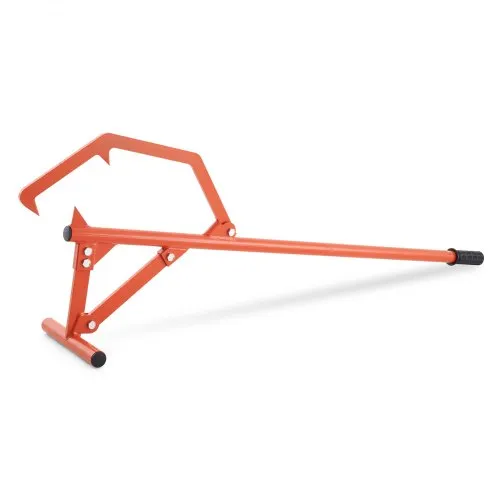
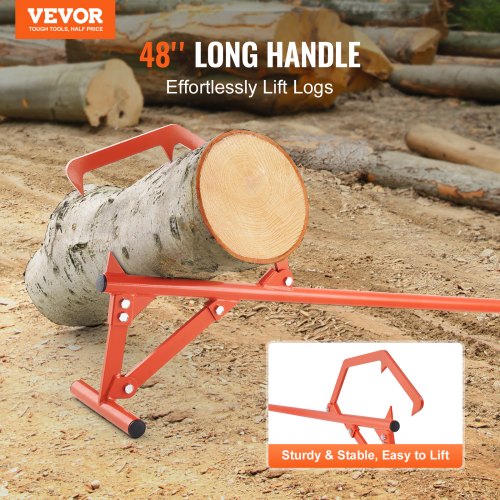
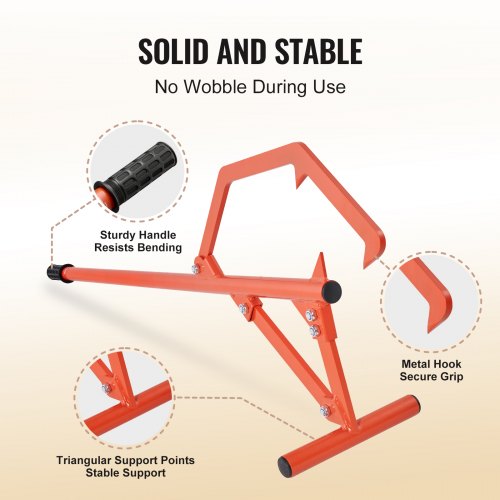
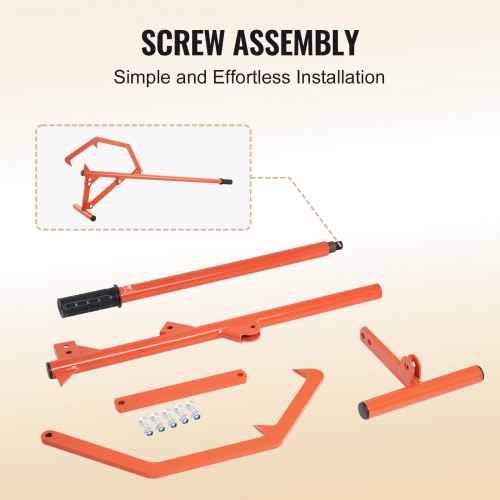
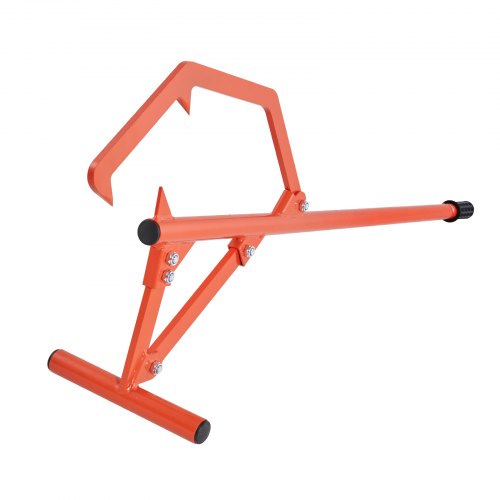
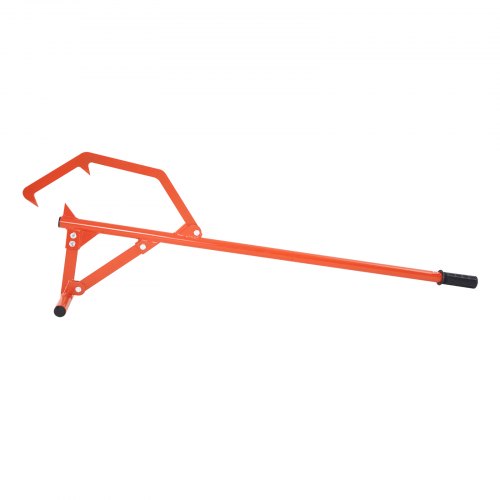
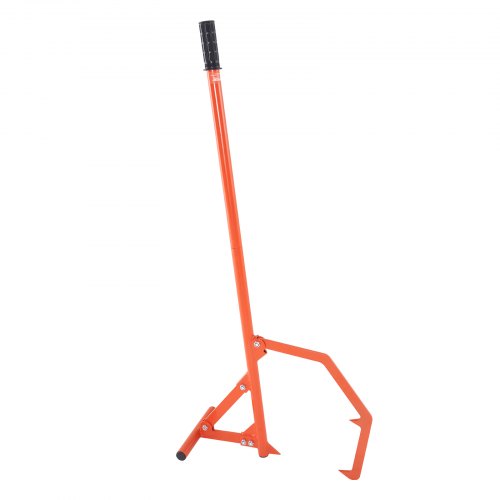
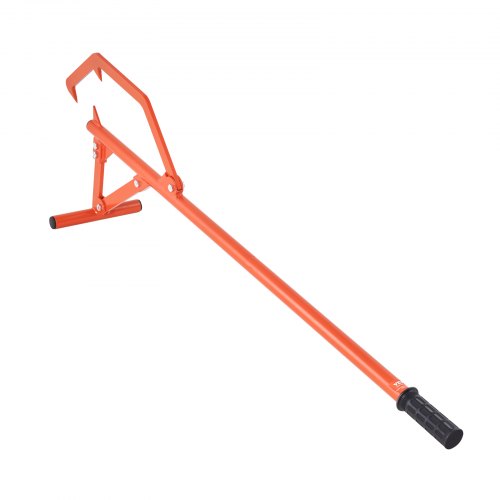
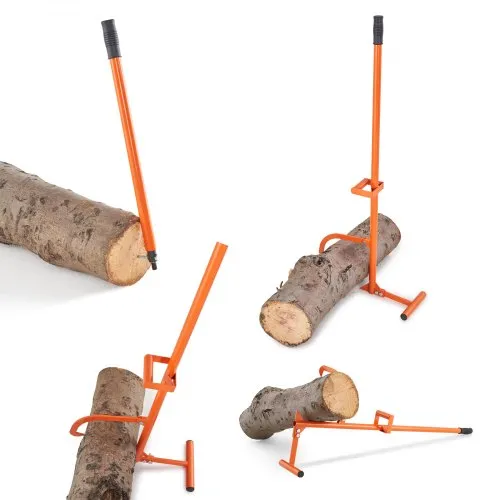
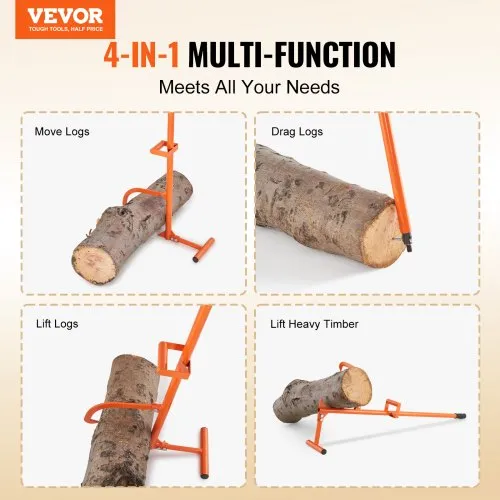
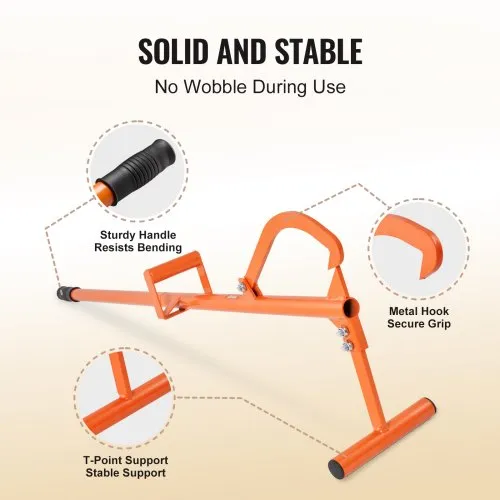
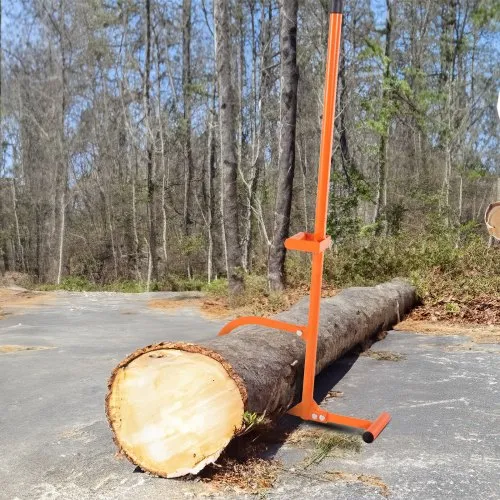
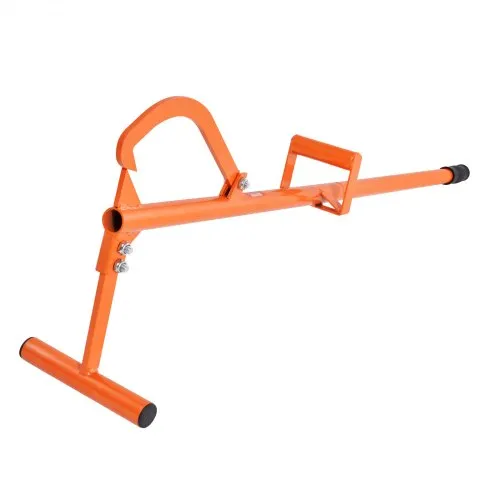
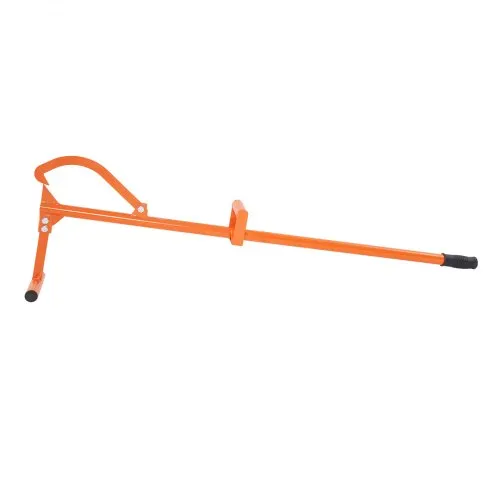
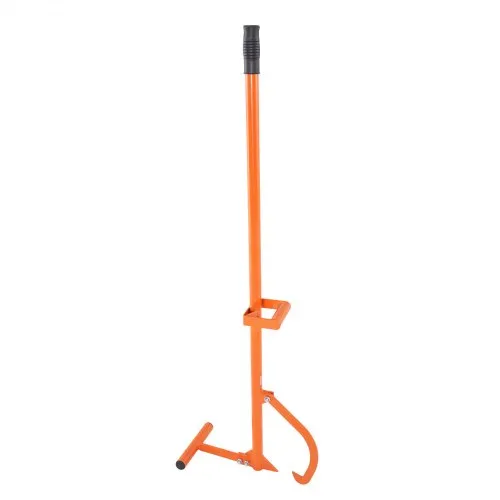
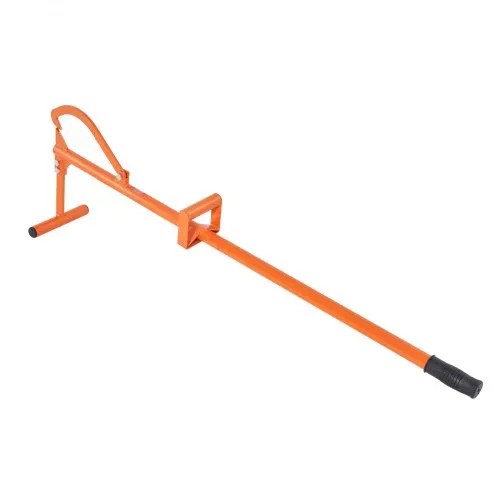
A log jack is a manual lifting tool that raises one end of a log off the ground and holds it there at a steady working height. It combines a long lever handle with a biting, toothed hook and a drop-down support stand or foot. Pulling the handle lets the hook grip the wood so the lever lifts the log, while the stand props it up so it cannot roll back. Holding the wood above the soil keeps it stable and clear of dirt and stones. One person can lift, steady, and turn pieces that would otherwise take two.
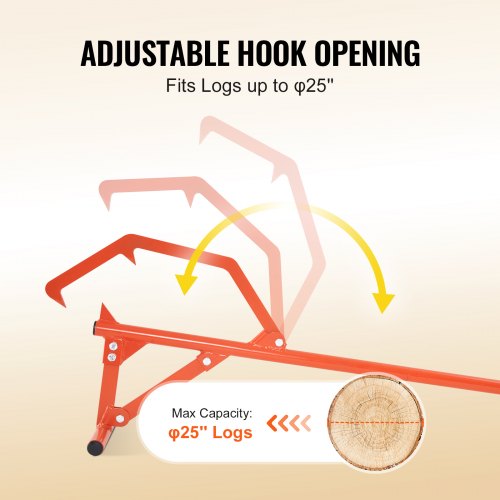
The range covers three main tool styles that differ in head design and reach. A timberjack pairs a cant hook with a built-in support stand and handles logs from roughly 15 to 25 in diameter for lifting and bucking. A cant hook tool uses a flat, blunt head with no point, with handles up to 59 in and openings for logs up to 32 in, and is built mainly to roll and clamp. A log peavey adds a pointed tip ahead of the hook for driving into end grain and prying logs apart, with openings near 18 to 19 in. Handles come in metal or wood. Typical uses are bucking firewood, rolling fallen trunks, clearing storm debris, and positioning logs at a small sawmill.
Four things decide what you need:
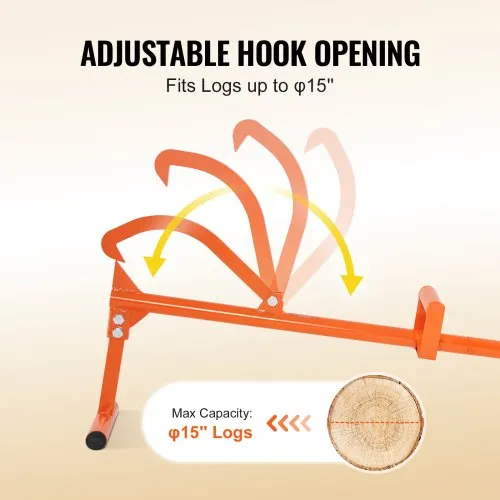
- Log diameter: match the hook opening to your thickest logs, since green wood runs heavier and wider than seasoned rounds.
- Lift versus roll: pick a timberjack with a stand to hold logs for cutting, or a cant hook when you mainly roll and turn them.
- Handle reach and material: longer handles give more leverage for big trunks, while wood absorbs shock and metal shrugs off hard knocks.
- Head type: a flat cant head grips bark, while a pointed peavey tip also drives into end grain to pry stuck logs apart.
Browse the full VEVOR log jack collection to compare sizes, or step up to a longer heavy-duty cant hook tool for the thickest trunks. Order the size that fits your wood and make every cut safer and faster.
Log Jack Types at a Glance
The three head styles in this range behave differently once wood is on the hook, so here is how they separate before you pick one.
| Type / Sub-type | Head Design | Max Log Diameter | Handle Options | Selection Note |
|---|---|---|---|---|
| Timberjack | Cant hook plus a drop-down support stand | 15 to 25 in | Metal or wood | Only style that holds a log up for cutting, so the first pick for bucking firewood |
| Cant hook tool | Flat, blunt head, no point, no stand | Up to 32 in | Metal | Longest reach here for rolling and clamping the thickest trunks, not for holding |
| Log peavey | Cant hook with a pointed tip at the end | 18 to 19 in opening | Metal or wood | Pointed tip bites end grain and pries stuck logs apart when a flat head slips |
VEVOR Log Jacks for Safe Timber Lifting, Cutting, and Rolling
Not wanting to damage your chainsaw chain on rocks and dirt every time you cut wood? By lifting logs off the ground, a VEVOR log jack makes cutting easier and safer. Built with strong steel and a well-gripping hook, it also works as a log lifter and roller to move heavy wood around the job site, at the woodpile, or in the workshop with less strain and bending.
Understanding Log Jack Lifting Mechanism and Load Capacity
Every log jack is reliable because it uses leverage, a biting hook, and a stable base to do its job. Figuring out how these parts work together will help you choose the best model for your cutting style and workload.
How the Lever and Hook System Works
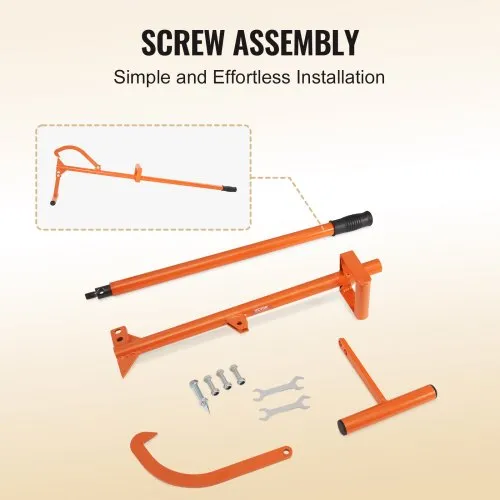
Each VEVOR log jack has a long steel handle and a bent, toothed hook that really digs into wood and bark. When you pull the handle, the hook turns the log while the lever lifts one end off the ground. It works the same way as a regular cant hook tool, but this one has a built-in stand to keep the log in place once it is raised.
Because the long handle makes you work harder, even heavy hardwood rounds take little force to lift. You can move the hook along the log to put the grip closer to the balance point, which makes the turn smoother. One person can handle logs that would normally take two because the mechanism uses leverage instead of brute force. This makes the tool a favorite among people who cut firewood, work with trees, and run small sawmills and value both speed and safety during long days of bucking.
Weight and Diameter Capacity Ratings
To find the right log jack, you should first compare its rated capacity to the types of logs you usually work with. The VEVOR models are made to lift logs with a wide range of diameters, from small firewood rounds to thick trunks that weigh hundreds of pounds.
Capacity depends on the steel frame’s strength, handle length, and hook size. For heavier yard work, smaller units are easier to carry, while longer handles and bigger hooks work better for bigger pieces of wood. Before you buy, always check the maximum log width and weight listed. Also, leave enough space for wet or green wood, which is much heavier than dried wood.
A unit that has more headroom than your average load lasts longer and feels safer to use. If you are not sure what size to get, go up because a stronger timberjack can handle the odd big log without any problems and gives you room to move up to bigger cutting jobs.
Stability from the Support Stand and Foot
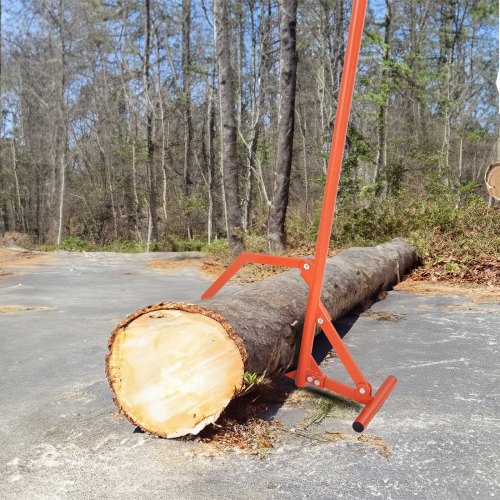
The built-in support stand on a log jack sets it apart from a simple cant hook. The stand or foot drops down and holds the log at a good cutting height above the ground once you lift it. In this position, you can make clean, safe cuts. Your chainsaw bar will not get dirt, rocks, or grit because the log stays steady and raised. Otherwise, the chain would get dull in seconds. With a wide, firm foot that won't sink into soft ground and a stand at the right angle, the log will not roll back toward you.
VEVOR makes these supports from strong steel with solid welds, so they stay in place even when fully loaded. Many models keep the log at about knee height, which is better for your back and speeds up the process of bucking over and over again. This makes a tool that can both lift and hold, so you can cut wood into useful pieces faster and spend less time wrestling with it.
Ergonomic Lifting and Reduced Back Strain
As much as it helps you move wood, a good log jack will also keep you safe. It is easy to hurt your back when you bend, twist, and lift heavy logs by hand. This tool takes away most of that risk. The log jack helps you stand up straighter while you work by giving you leverage and a higher holding point. You pull the handle instead of lifting the log with your back, and it comes up all at once. Because the cutting height is higher, you will not have to bend over as much to use the saw, which is very helpful when cutting a cord of firewood.
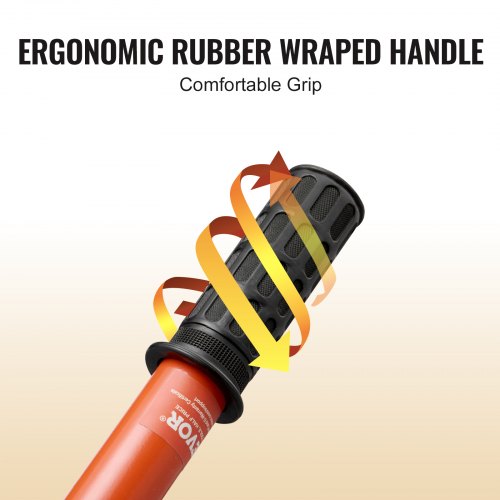
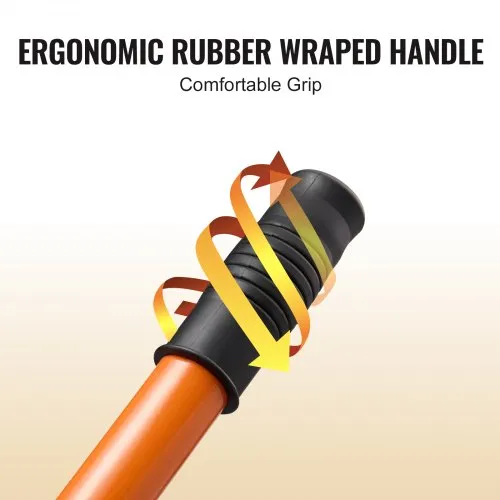
Balanced handles and comfortable grips keep your hands from getting tired, so you can work longer with fewer breaks. This health benefit is often the main reason older users, weekend woodcutters, and professionals choose to own one. That saved effort makes a simple log lifter one of the most useful tools in the woodshed over a season.
Matching a Log Jack to the Job in Front of You
The sections above explain how the tool works; this table turns that into a job-by-job pick, adding the ground conditions and the catch to watch that the prose does not lay out.
| Job / Setting | Best-Fit Style | Ground Condition | What to Watch For |
|---|---|---|---|
| Bucking firewood rounds | Timberjack with stand | Firm, level yard | Set the foot on solid ground so the log cannot roll mid-cut |
| Rolling fallen trunks | Long cant hook tool | Rough forest floor | Longer handle gives the leverage to break a trunk free from mud |
| Prying apart stuck logs | Pointed log peavey | Stacked or pinned wood | Drive the tip into end grain where a flat cant head would slip |
| Clearing storm debris | Cant hook for big dia | Uneven, soft soil | Size the opening to green wood, which runs wider and heavier |
| Small sawmill feeding | Timberjack, mid dia | Flat mill deck | Hold height matters more than reach for steady repeat cuts |
VEVOR Log Jack Materials and Applications for Cutting and Rolling
What your tool is made of and how many jobs it can do determines how long it will last and how much weight it can lift. Every VEVOR build uses tough steel and real-world flexibility.
Heavy Duty Steel Construction and Finish
Heavy loads, hits, and bites can't bend high-strength steel, which is what most VEVOR log jacks are made of. For the tool to last for years, the handle, hook, and stand should be metal. You can paint or powder coat this gear to protect it from rust, which is important since it will be used outside in wet yards and forests. The hook's teeth are very sharp and hard, so they can handle being grabbed over and over again.
The joints don't crack from use because thick welds hold them together. Some of them can also be used as steel log rollers because the bottom edge is smooth and lets you move and spin logs on the ground. Compare types by looking at the finish, wall thickness, and weld quality. These differences can mean the difference between a tool that lasts one season and one that lasts ten.
Cutting, Bucking, and Rolling Applications
A log jack helps with many everyday tasks that would be hard to do without it. Its main job is to buckle. It holds a log up and steady so you can quickly cut firewood rounds without letting the dirt dull your chain. You can also use it to put logs on a sawhorse, trailer, or splitter. You can also use it as a cant hook to move big tree trunks while cutting them down or milling them. Some people use it to clear away trash after storms, and small sawmills use it to position logs so they can be cut straight.
People who cut wood for a living should have a VEVOR log jack so one person can lift, hold, roll, and cut without help. This tool breaks down hard tasks into repeatable steps, whether you work with wood for a living or just cut a few logs every winter.
Best-Seller Comparison
These are the five top log jacks in this range in the page catalog, lined up on the specs that actually differ so you can see which one fits your wood.
| Product | Tool Type | Handle Length | Max Log Dia | Hook Opening | Handle Material | Best For |
|---|---|---|---|---|---|---|
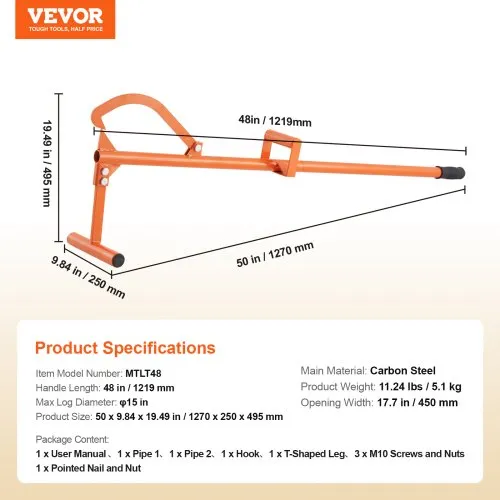
| Timberjack 48 in, 15" Dia | Timberjack | 46.5 in | 15 in | 14.6 in | Metal | Lightest timberjack here at 10.19 lbs; easy carry for home firewood |
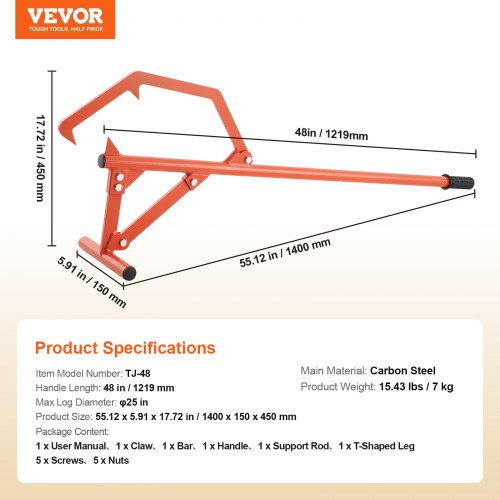
| Timberjack 48 in, 25" Dia | Timberjack | 48 in | 25 in | / | Metal | Widest-gripping timberjack on the page; heaviest trunks with a stand |
| Steel Timberjack 46.5 in, 15" Dia | Timberjack | 46.5 in | 15 in | 17.7 in | Metal | Widest hook opening among the 15 in models; quick grip changes |
| Cant Hook 59 in, 32" Dia | Cant hook | 59 in | 32 in | 16.2 in | Metal | Longest handle and biggest capacity here; rolling the thickest trunks |
| Wooden-Handle Timberjack 46.5 in | Timberjack | 46.5 in | 15 in | 17.7 in | Wood | Only wood handle in the five; shock absorption for long bucking days |
Why Choose VEVOR Log Jacks?
VEVOR has a wide range of log jacks to fit any budget and job. These range from small home models to tough professional ones. At fair, competitive prices, you get heavy duty steel, reliable hooks, stable stands, and quick support after the sale. Don't risk your back or your chain by fighting logs on the ground. Check out the VEVOR log jack collection right now to find the right size for your wood and make cutting safer and faster. Order now and prepare for a stress-free next time you cut wood.
FAQs
What is a log jack used for?
A log jack lifts and holds logs off the ground so you can safely cut firewood or buck timber. It raises the wood to a good height and keeps dirt, rocks, and damage off your chainsaw chain.
How much weight can a VEVOR log jack lift?
Different models handle different amounts of wood, from small rounds for fires to heavy trunks that weigh hundreds of pounds. Always check the diameter and weight ratings, and allow extra room for heavy green wood.
Can a log jack also roll logs?
Yes. Many work like a cant hook tool and a steel log roller, so you can easily move and rotate heavy wood. This makes it much easier for one person to fell, clean up, mill, and load.
Is a log jack the same as a timberjack?
People often use the two terms interchangeably. Both describe a lifting tool with a cant hook and a support stand that raises and holds logs for cutting. VEVOR’s steel products are reliable under both names.
How do I choose the best timberjack for heavy logging tasks?
Match the hook opening to your widest logs and pick a longer handle for more leverage on heavy trunks. For the biggest wood, a 59 in cant hook tool handles logs up to 32 in. Leave headroom for green wood, which weighs far more.
What are the main features to look for in a timberjack or log lifter?
Check the hook opening, handle length and material, and whether it has a support stand. A toothed hook grips bark, a drop-down stand holds logs for cutting, and solid welds with a powder-coated steel frame resist rust and keep the tool stable under load.
What safety tips should I follow when using a timberjack or log lifter?
Set the foot on firm, level ground so the log cannot roll back toward you, and seat the hook teeth fully before pulling. Keep your footing clear, lift with the handle rather than your back, and make sure the stand holds the log steady before you start cutting.
Are timberjacks actually worth it for firewood processing?
For anyone cutting more than a little firewood, yes. Raising each round to a steady cutting height protects your chain from dirt, speeds up repeat bucking, and spares your back. A single person can lift and hold logs that would otherwise need a helper.
Can you use a timberjack on large or heavy logs?
Yes. Larger models in the VEVOR log jack range grip logs up to 25 to 32 in and lift trunks weighing hundreds of pounds. Pick a wider hook opening and a longer handle for the heaviest wood, and allow extra margin for wet, green timber.
Can a log jack be used on uneven ground or rough woodland conditions?
Yes, as long as you seat the foot on the firmest spot you can find. A wide support foot resists sinking into soft soil, and a wooden-handle timberjack adds shock absorption on rough terrain. Clear loose debris first so the stand sits level before you lift.