Oil Extractor
















Results for Oil Extractor
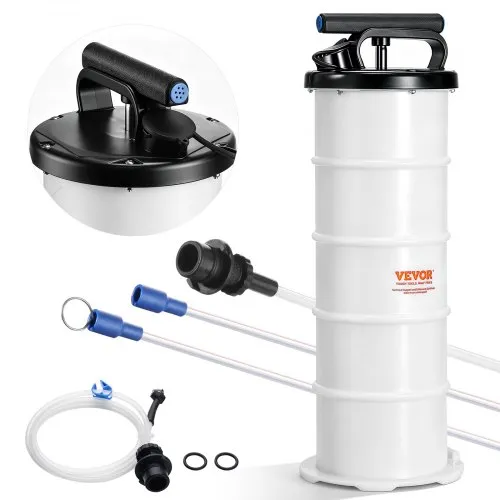
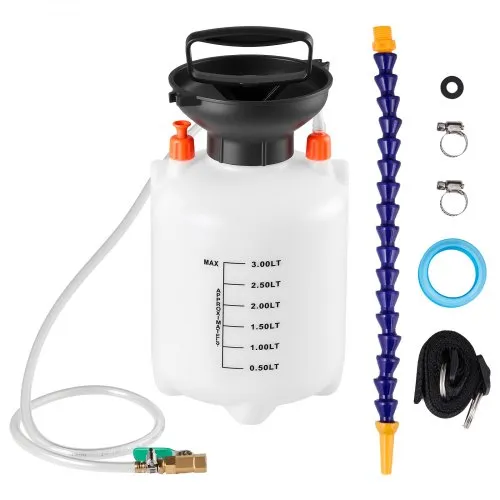
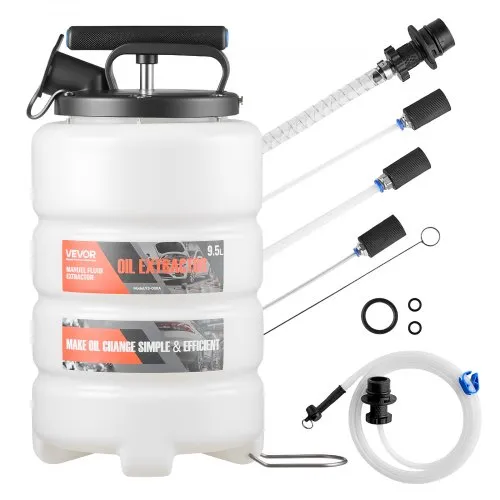
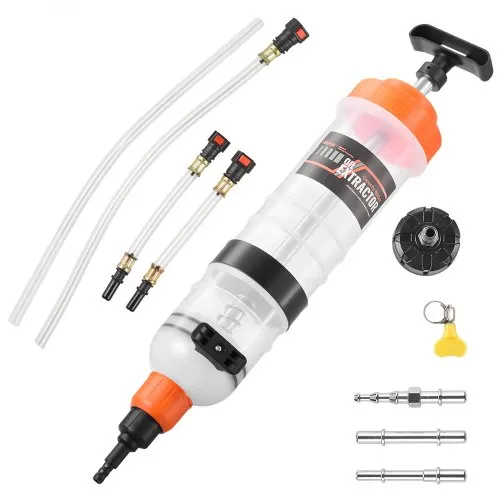
From modest 1.5L handheld devices for quick fluid checks to heavy duty 15L machines for shops doing multiple oil changes daily, VEVOR's oil extractor pumps come in every capacity and power type. Instead of the mess and spills of conventional drain-pan replacements, each fluid extractor cleanly pulls out old oil, coolant, or other fluids through the dipstick tube, using a sealed reservoir and a sturdy hose. VEVOR's range covers every task at reasonable, affordable costs, whether you're a shop professional in need of a Pneumatic Oil Extractor for everyday use or a home mechanic performing sporadic maintenance.
VEVOR Oil Extractor Pumps with Fast Fluid Removal for Every Shop
Are you sick of battling a mess beneath your car and a drain pan? VEVOR oil extractor pumps eliminate the need for a drain plug by drawing used oil and other fluids out through the dipstick tube. Fluid evacuator pumps are designed for your specific maintenance routine and come in vacuum, pneumatic, and manual options, with capacities ranging from 1.5L to 15L.
Capacity and Power Type for Which Oil Extractor Pump Fits Your Shop
Power type affects speed, effort, and whether the machine needs a compressed-air supply, while capacity determines how many fluid changes you can do before the reservoir empties.
1.5L and 3L Fluid Extractors for Quick Home Jobs
For small engines, motorbikes, and fast fluid top-offs when a full-size machine is needless bulk, a 1.5L fluid extractor is the right size. This capacity is ideal for homes performing sporadic maintenance on a single car or small piece of equipment, and the little reservoir takes up little room in a toolbox or on a garage shelf. A 3L fluid extractor is a useful option for home technicians who frequently service one or two cars, as it can handle most passenger-car oil changes in a single pull.
Both sizes usually operate with a pump or vacuum plunger, which requires some physical labor but no power or compressor. Smaller-capacity oil extractor pumps offer an inexpensive starting point for anyone new to do-it-yourself fluid changes before committing to a larger, shop-oriented device, and their low cost makes them a simple first tool to add to a home garage.
6.5L, 7.5L, and 8L Fluid Extractors for Multi Vehicle Use
A 6.5L fluid extractor can handle two smaller oil changes before the reservoir needs emptying, or it can handle larger vehicles like trucks and SUVs. This mid-range size balances capacity with a manageable weight for moving around a garage, making it ideal for home technicians with multiple cars or small fleets. During a busy maintenance session, you will need to pause and empty the reservoir less often with a 7.5L fluid extractor or 8L fluid extractor.
Compared to a fully hand-pumped design, these sizes often combine vacuum-assisted operation with manual options, reducing the physical effort required. These mid-range oil extractor pumps reduce downtime spent disposing of wasted fluid mid-job for small shops or serious hobbyists repairing many vehicles in a day, allowing a full service schedule to continue without repeated trips to a disposal container.
9.5L, 10L, and 15L Fluid Extractors for Commercial Shops
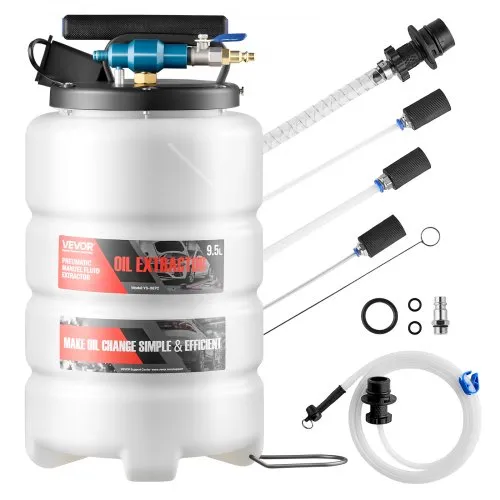
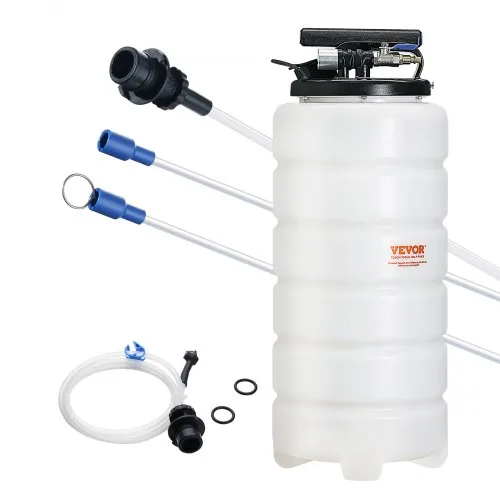
For shops doing numerous oil changes per day without emptying the reservoir between cars, the more expensive 9.5L fluid extractor and 10L fluid extractors are designed for this work. Since manual pumping becomes problematic at this volume over a workday, these capacities are usually paired with vacuum or pneumatic power for faster extraction. The largest option, a 15L fluid extractor, is ideal for facilities that service heavy machinery with greater oil sump capacities, high-volume shops, and fleet maintenance operations.
A shop air compressor-connected pneumatic oil extractor usually performs better at this size than manual or vacuum-only models because the steady air pressure maintains high extraction speed even as the reservoir fills. The larger footprint and cost aren't justified for infrequent use, and the added weight when full makes it less viable for mobile or single-person setups. Therefore, investing in this size of oil extractor pump only makes sense for enterprises with a genuinely significant daily volume of fluid change.
Vacuum, Pneumatic, and Manual Power Types Compared
Vacuum oil extractors, also known as evacuator pumps or oil evacuation machines, employ a hand-operated plunger or an integrated vacuum pump to generate suction. They don't require an external power source, but they do require more manual labor, particularly on larger-capacity devices. This kind of vacuum fluid extractor is truly portable and can be used anywhere, making it ideal for home garages and mobile technicians without reliable access to compressed air. When connected to a shop air compressor, pneumatic oil extractors use compressed air to create powerful, steady suction with minimal operator effort.
Because they reduce physical strain across dozens of extractions, pneumatic oil extractor pumps are the recommended option for busy shops doing consecutive oil changes throughout the day. A manual oil change pump, on the other hand, falls in between the two. It usually has a straightforward hand-crank or piston design without a vacuum reservoir. It helps with relatively infrequent applications when the lower initial cost outweighs the need for convenience and speed. For customers who desire flexibility without committing to a shop air setup, oil-vacuum pumps that combine manual and electric operation are also available. The choice among these three power types typically depends on how often you use the pump and whether compressed air is already available.
Application and Features for What to Look for in an Oil Extractor Pump
How well a unit matches your maintenance routine depends on additional functionality and application-specific characteristics beyond capacity and power type.
Automotive and Transmission Applications
Pulling engine oil through the dipstick tube for a clean, mess-free change without lifting the car or removing a drain plug is the most typical use case for an automobile fluid extractor. This approach works well for most vehicles and helps avoid a frustrating mismatch at the worst time by comparing the diameter of your engine's dipstick tube with the hose size of your oil extractor pump.
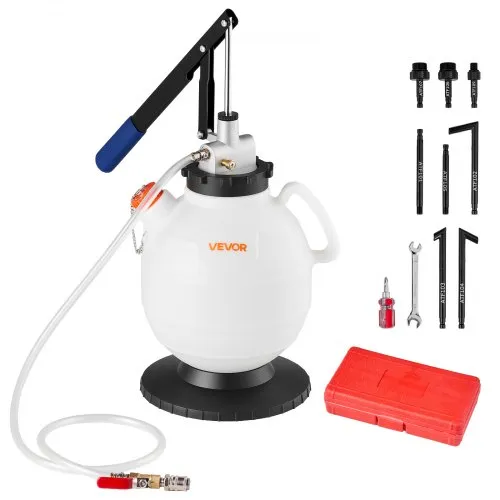
Instead of using regular engine oil, a transmission oil extractor is designed to handle the various viscosities and access points needed for transmission fluid changes. Validating your vehicle's transmission servicing technique matters more before using an oil extractor pump for this task than for simple oil changes, because access to transmission fluid often differs greatly from engine oil dipsticks. To indicate that a single tool can be used for both purposes, some devices are advertised as oil and automotive fluid extractors.
Extractor and Dispenser Features and Accessories
A fluid extractor and dispenser combination unit removes old fluid and dispenses fresh fluid from the same reservoir configuration, simplifying a complete fluid change with fewer tools. Shops performing high volumes of routine maintenance benefit most from this dual-function oil extractor pump design, since it saves significant time throughout a busy day by minimizing tool switching between phases.
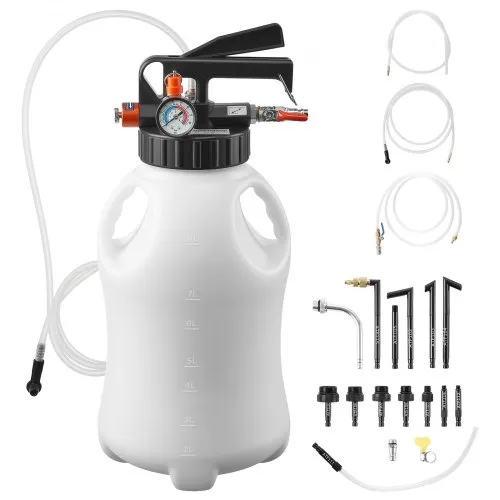
When a full size extractor is impractical for small-volume fluid checks or hard components, an automotive fluid syringe offers focused extraction. A fluid evacuation pump with multiple hose attachments also provides greater versatility, with a single tool that can service multiple fluid types and multiple access points on multiple vehicles or equipment. When comparing accessory packages for a mixed fleet of vehicles in your shop, hose compatibility and attachment variety are more important than minor differences in capacity.
Why Choose VEVOR Oil Extractor Pumps?
Whether you're running a full-service shop or doing an occasional home oil change, VEVOR oil extractor pumps come in vacuum, pneumatic, and manual models with capacities from 1.5L to 15L. Each device has a sturdy reservoir and reinforced hose built for frequent use, backed by reasonable prices and reliable post-purchase support. Choose the ideal capacity and power type for your maintenance regimen by reviewing the full selection of oil extractor pumps.
FAQs
What size oil extractor pump do I need for a passenger car?
A 3L to 8L oil extractor pump that can complete an oil change in a single pull works well for most passenger cars. Increasing capacity can help for larger cars or households with multiple cars.
Can an oil extractor pump remove transmission fluid too?
Certain units can handle both, but make sure they are compatible first. A specialized transmission oil extractor is safer for that task because transmission fluid has different viscosity and access points than engine oil.
Does an oil extractor pump remove all the oil from an engine?
Compared to a complete drain-plug change, it removes most of the oil through the dipstick tube, though some may remain. Many mechanics see it as a valuable trade-off for the mess-free process.
How do I clean an oil extractor pump after use?
To avoid residue buildup, run a small amount of new oil or cleaning solvent through the reservoir and hose after each use. Then, clean the unit's outside surfaces before storing it.