Plasma Cutters






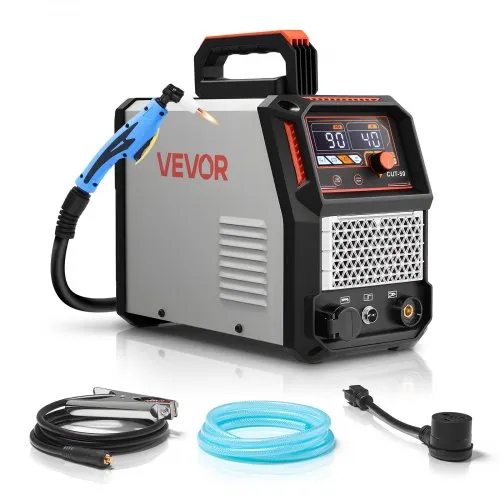


Results for Plasma Cutters
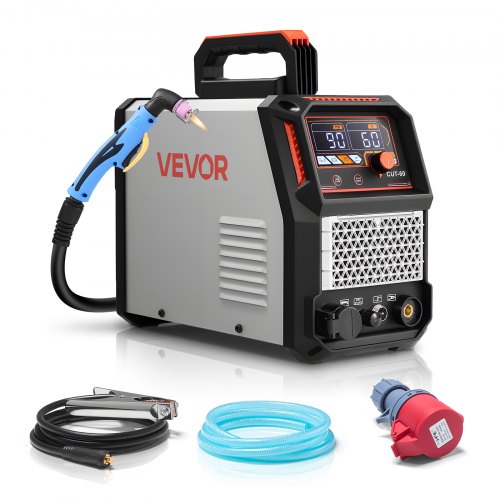
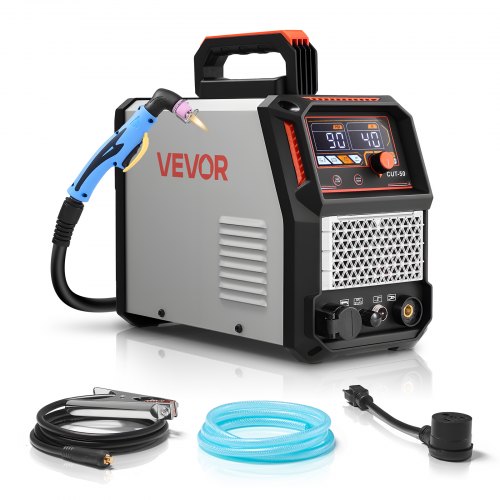
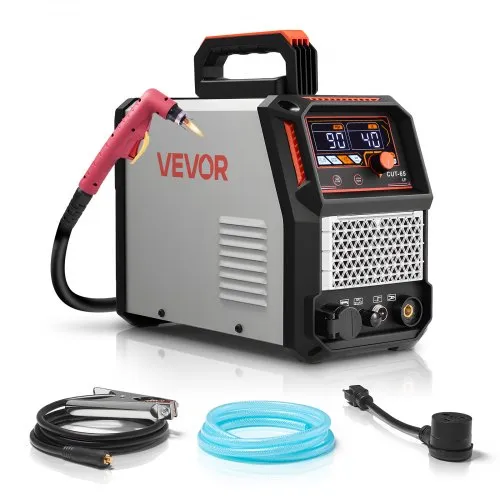
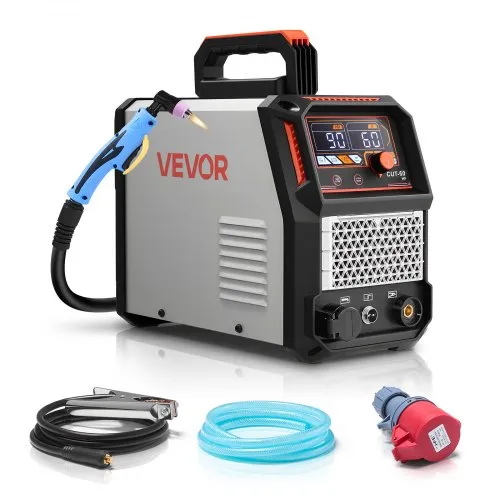
Whether you are using a high-amperage plasma arc cutting machine to cut through thick steel plate, a portable plasma cutter on a jobsite to make clean cuts on sheet metal, or a precision plasma cutter to tackle automotive restoration and structural steel work, VEVOR's plasma cutters offer an extensive range of metal cutting solutions for every fabrication, maintenance, and metalworking application. With specially developed tools for clean, quick, and dependable performance across all metal types and thicknesses, VEVOR addresses every cutting need, from small portable units to full-duty shop machines.
VEVOR Plasma Cutters for Clean, Fast Metal Cutting Across Every Thickness and Application
Are you looking for a torch cutter">plasma cutter for precise detail cutting on automotive and artistic metalwork projects, a high-capacity plasma cutter for thick structural steel in a fabrication shop, or a portable plasma cutter for jobsite-ready cutting performance without heavy equipment? Professional fabricators, welders, maintenance specialists, and serious do-it-yourself metalworkers all have their needs covered by VEVOR's plasma cutters, which offer the cutting capacity, arc stability, and operational characteristics required for flawless results on all materials and thicknesses.
Plasma Cutters by Cutting Capacity and Portability: Matched to Every Job Size and Work Environment
The first step in selecting the ideal plasma cutter is to match its cutting capability to the thicknesses of the materials you typically work with, and its portability to the workspaces where you operate. Every metalworker can find the ideal tool for their unique cutting needs thanks to VEVOR's comprehensive selection, which includes everything from compact, portable units to large shop machines.
Matching Amperage and Material Thickness to Your Application
The most important factor in choosing a plasma cutter is its cutting capacity, which establishes the maximum thickness of material the machine can cut cleanly at its rated amperage, as well as the practical cutting speed it can achieve on thinner materials within that range. Thick plates with sluggish travel speeds, a lot of dross, and sharp cut edges that require extensive grinding cleanup are difficult for an underpowered plasma cutter to handle. An appropriately graded machine cuts the same material quickly, neatly, and with a smooth kerf, requiring little finishing. The capacity specifications for VEVOR's plasma cutters are based on how well they perform in real-world cutting situations, not just on the highest numbers achieved in perfect lab.
VEVOR plasma cutter machines come in a variety of amperage ranges, from entry-level 40-amp models that are ideal for light fabrication and sheet metal to 60-amp and higher models that can make clean, precise cuts on steel plate up to approximately 1 inch thick. The most important specification for production fabrication work is the rated clean-cut thickness, which is the material thickness at which the machine produces a smooth, dross-free kerf at normal travel speed. VEVOR specifies the clean-cut thickness, along with the maximum severance thickness, so buyers are aware of each machine's absolute cutting limit and its clean-cutting range.
Jobsite-Ready Cutting Without Fixed Equipment Limitations
Construction sites, outdoor maintenance sites, farm and ranch areas, and field repair situations where the work cannot be brought to the shop are just a few of the places where a portable plasma cutter provides complete metal-cutting capability. Genuine portability in a plasma cutter goes beyond just having a carrying handle; it requires a combination of small size, manageable weight, sturdy housing construction, and input power flexibility that enable the machine to function effectively across various power supply conditions encountered in actual field settings. All of these specifications are taken into account in the construction of VEVOR's portable plasma cutters.
The impact-resistant casings of VEVOR portable plasma cutters feature built-in carrying handles that help balance the device's weight when transported between job sites and work locations. Genuine one-person portability is feasible without compromising amperage output or arc stability thanks to inverter-based power circuits in VEVOR's portable models, which replace the bulky transformer technology of earlier plasma cutter designs with small, light electronic power conversion that provides comparable cutting performance at a fraction of the machine weight. Some VEVOR portable plasma cutters have dual-voltage input capability, allowing the same machine to run from a 240V shop or generator supply for full-capacity cutting and from a standard household outlet for light cutting tasks. This feature eliminates the need to buy separate machines for each power environment.
Precision Control for Detail Work, Artistic Cutting, and Tight Geometry
For metalworkers whose work requires precise cut lines, tight radii, and clean edges on intricate patterns, artistic pieces, and complex fabrication layouts where cut accuracy directly affects fit-up quality and finished appearance, these machines are the preferred option because of the plasma cutter configuration, which places precision control and cut quality at the center of the design. Torch plasma cutters provide the operator with complete manual control over travel path, speed, and standoff distance for each cut, whereas drag-cut designs are geared toward straight-line speed. The arc stability and torch ergonomics required for accurate manual cutting are features of VEVOR's plasma cutters.
The ergonomically designed torch bodies of VEVOR plasma cutters feature trigger controls positioned for a comfortable, prolonged grip during the lengthy cutting passes required for detailed work. This feature reduces hand fatigue that impairs cut accuracy during extended sessions. In contrast to contact-start torches, which result in inconsistent arc establishment and tip contamination, pilot arc ignition systems on VEVOR's torch plasma cutter models initiate the cutting arc without requiring contact between the torch tip and the workpiece, enabling clean arc starts on rusty, painted, and coated surfaces.
High-Duty Shop Equipment for Production Fabrication
Because high-volume fabrication shops, manufacturing facilities, and steel service centers impose duty cycles on cutting equipment every working day, plasma arc cutting machines designed for production shop environments must deliver consistent cutting performance throughout sustained, full workdays. This feature includes maintaining arc stability, ensuring cut quality, and managing thermal conditions. A production arc cutting machine is chosen for its sustained output capacity, duty cycle rating, and dependability, which reduce unscheduled downtime in revenue-generating production applications, in contrast to portable machines designed for sporadic field use. These production requirements guide the design of VEVOR's arc-cutting machines.
The high-duty-cycle ratings of VEVOR arc cutting machines support extended cutting at rated amperage with fewer required cooldown pauses that disrupt production workflow. This feature sets production-grade machines apart from light-duty units that overheat under prolonged professional use. As the machine heats during prolonged cutting sessions, robust internal component layouts with efficient thermal management systems maintain consistent arc performance, avoiding arc instability and the cut-quality degradation that thermally compromised machines exhibit under continuous production cutting. VEVOR's plasma arc cutting machines offer the consistent performance and build quality that production metalworking operations rely on to meet delivery timelines and quality standards for fabrication shops that regularly produce structural steel, plate, and pipe.
Power Requirements and Features: Plasma Cutters Engineered for Productive, Safe Operation
How well a plasma cutter integrates with your current electrical infrastructure, and how safe and effective it is for the full range of cutting operations your job requires, depend on its power requirements and operational features. VEVOR incorporates operational features and input power flexibility into its plasma cutters to meet the demands of actual metalworking environments.
Input Power, Duty Cycle, and Electrical Infrastructure Compatibility
The two electrical characteristics that most directly affect how well a plasma cutter fits into a particular workplace are input power needs and duty cycle ratings. Both should be carefully considered before making a purchase. Regardless of its cutting performance, a machine that trips a breaker under typical cutting loads, or that requires a dedicated 240V circuit in a shop wired solely for 120V outlets, causes immediate installation and operational issues that reduce the machine's value. To avoid these compatibility issues, VEVOR clearly defines input power requirements and duty cycle ratings for its entire plasma cutter lineup.
The machine's fit into actual cutting processes is determined by its duty cycle, which is defined as the percentage of ten minutes that the machine can run at its rated amperage without overheating. For typical manual cutting workflows, where repositioning, marking, and workpiece handling naturally provide rest intervals, a machine rated at 60% duty cycle at full amperage can cut for up to 6 minutes in a 10‑minute period, followed by a cooldown period as needed. Choosing a machine with a higher duty cycle rating helps avoid heat shutdowns that disrupt workflow and strain internal components when continuous production cutting exceeds that limit. Instead of allowing thermal runaway, which would permanently impair machine performance, VEVOR's plasma cutter machines feature thermal safety circuits that shut down the machine if the operating temperature exceeds design limits.
Arc Stability, Pilot Arc Technology, and Operational Features for Clean Cutting Results
Because a high-amperage machine with poor arc stability produces rougher cuts with more dross than a moderate-amperage machine with excellent arc control on the same material, the features built into a plasma cutter's arc generation and control systems determine cut quality more directly than amperage rating alone. Across its range of plasma cutters, VEVOR integrates arc stability technology and useful operational features that immediately improve cut quality and increase daily productivity.
Compared to transformer-based devices, VEVOR's plasma cutters' inverter-based power conversion creates a steady, continuous arc with less electrical noise, resulting in smoother cut edges and more uniform kerf width across a range of travel speeds and material conditions. Using lower amperage settings for thin sheet metal that would blow out at full power and higher amperage for thick plate that needs maximum heat input for clean severance, adjustable amperage controls enable operators to precisely adjust the cutting current for each material type and thickness. In contrast to machines that cut air flow concurrently with the arc, post-flow air delay on VEVOR plasma cutters keeps compressed air flowing through the torch for a few seconds after the cutting arc extinguishes, cooling the torch consumables and significantly extending the nozzle and electrode service life.
Why Choose VEVOR Plasma Cutters?
From small portable plasma cutters and accurate plasma cutters to high-capacity plasma cutter machines and production-grade plasma arc cutting machines designed for continuous shop usage, VEVOR provides a comprehensive range of plasma cutters for every metalworking application. For clean, efficient results on all materials and thicknesses, fabricators, welders, and metalworkers rely on each machine's cutting capability, arc stability, and operational characteristics. VEVOR completes every project with a competitive price and trustworthy after-sales service. Consider VEVOR plasma cutters for your next metalworking project.
FAQs
What amperage plasma cutter do I need for cutting quarter-inch steel?
With clean results, a forty-amp plasma cutter can handle quarter-inch steel at a modest travel speed. A fifty to sixty amp machine provides higher cut quality, less dross, and less post-cut grinding when cutting at this thickness frequently or at a quicker travel speed in production situations.
Can a portable plasma cutter run on a standard 120V household outlet?
For light cutting on thin material, use VEVOR portable plasma cutters with dual-voltage input that run at 120V. A 240V supply is necessary for full-rated cutting capacity on thicker material. Before connecting to any power supply, always confirm the minimum circuit amperage and input voltage requirements for the particular model.
How often do plasma cutter torch consumables need to be replaced?
Under ordinary cutting settings, nozzles and electrodes usually survive between 500 and 1000 starts. Frequent piercing, cutting at the wrong standoff distance, and insufficient air pressure all reduce the life of consumables. Regularly check consumables and replace them if the nozzle orifice shows obvious erosion or the electrode pit depth exceeds the permissible limit.